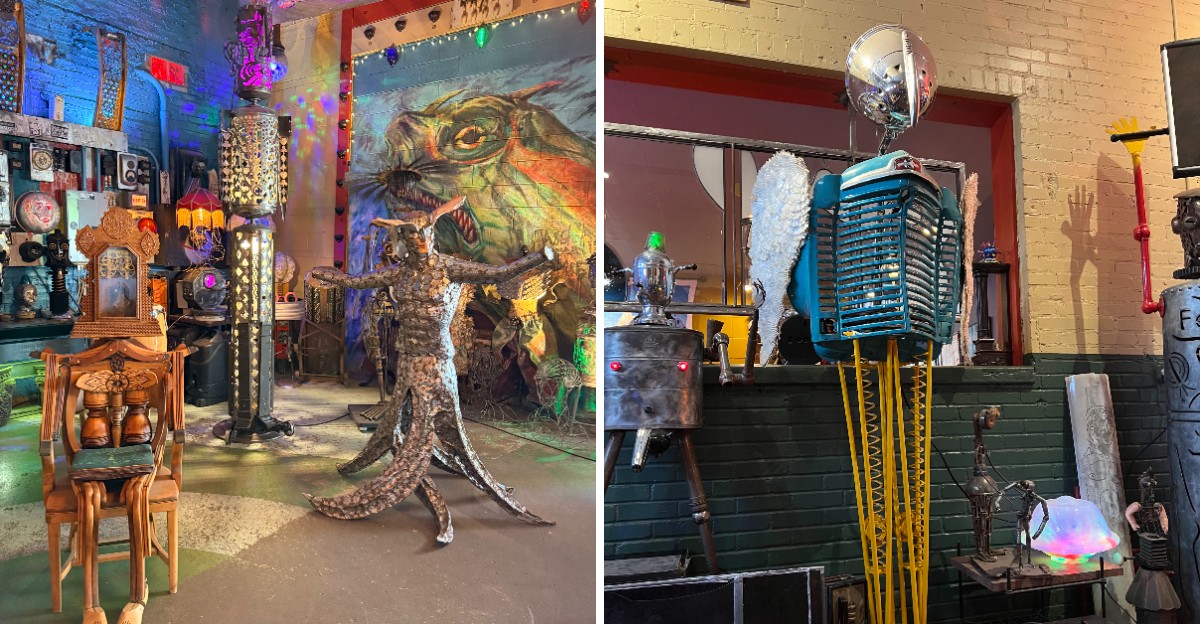
A former auto repair garage in Minnesota is now packed with sculptures built from scrap metal, spare parts, and everyday leftovers. Somewhere inside, a secret door leads to even more art.
The artist behind it all is often right there in the studio. He’s known for answering questions and nudging guests to press buttons and try motion-activated pieces. Touching the art is encouraged, which feels wonderfully rebellious.
I like how the whole place treats junk like it has a second story to tell. Old objects become faces, machines, and creatures that reward a slow look. Then a second look. Then maybe a third.
Admission is free, and donations are welcome. The outside alone is covered in curious pieces, so the show starts before you open the door.
An Old Garage Got A Wildly Creative Second Career
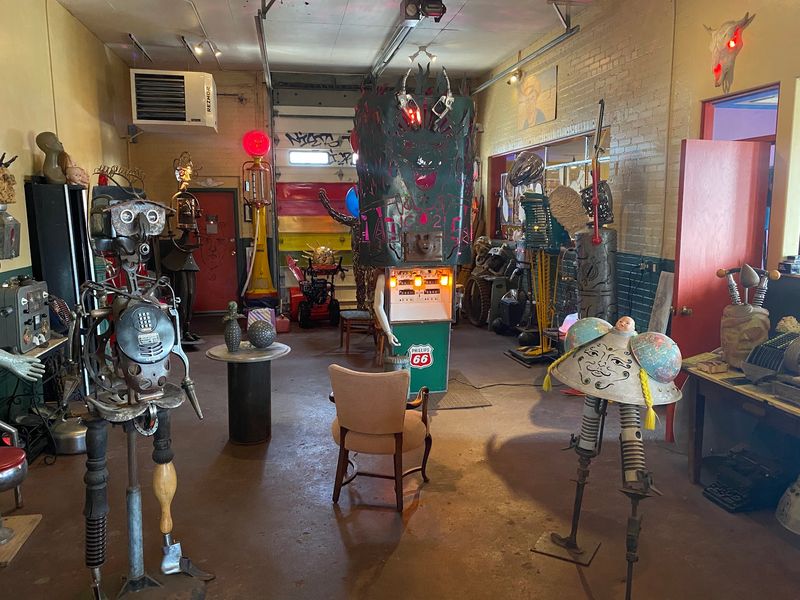
Cars used to get fixed here. Now the building at House of Balls fixes something else: our habit of tossing things away too fast.
The gallery and working studio sits inside a former auto mechanic garage in Minneapolis, Minnesota. Its inside and outside walls are covered with scrap metal and spare parts. Those pieces come together to form art that feels part museum and part treasure hunt.
The space belongs to artist Allen Christian, who builds the work himself. He shares the place with his wife, Mary Jane, who also welcomes guests. That gives the whole visit a personal, homegrown feel you rarely find at big museums.
I love that the building’s past still matters. A garage was always a place for parts, tools, and clever fixes. Turning it into a sculpture studio feels like a natural next chapter, not a random makeover.
Give yourself time to notice details on the building itself. The structure is part of the show, not just a box holding it. Even the walls seem to have opinions about recycling.
Your Trash Can Will Never Look The Same Again
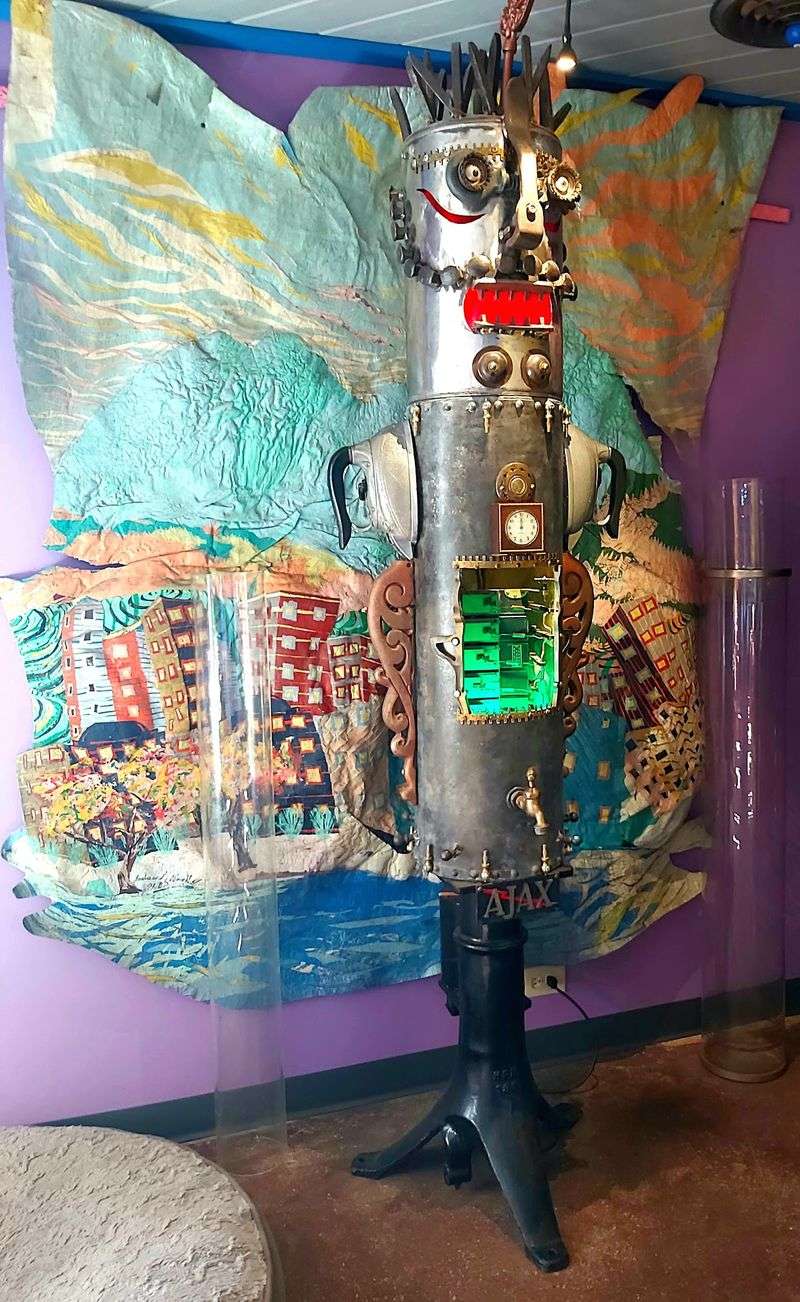
Bowling balls, metal scraps, and odd household bits all get new jobs here. That’s the main magic trick of House of Balls, and it never gets old.
Allen Christian creates sculptures from unexpected daily objects. Some pieces are giant. Others are small curiosities hiding on shelves or corners. You’ll find found-object art, metal work, and pieces that are hard to describe in one sentence.
Part of the fun is playing detective. You might spot a familiar shape and wonder where it came from. Was that once a tool, a toy, or part of a machine? The answer is often more surprising than you’d guess.
This is why the art deserves a second look. The first glance shows you the sculpture. The second shows you the materials that built it. Both views are worth your time.
Here’s a practical tip for families. Make it a game by asking kids to name one object they recognize in each piece. It keeps young eyes busy and adults curious too. You may leave the place eyeing your garage shelves with brand-new ideas, which could worry anyone you live with.
Go Ahead, Push The Button
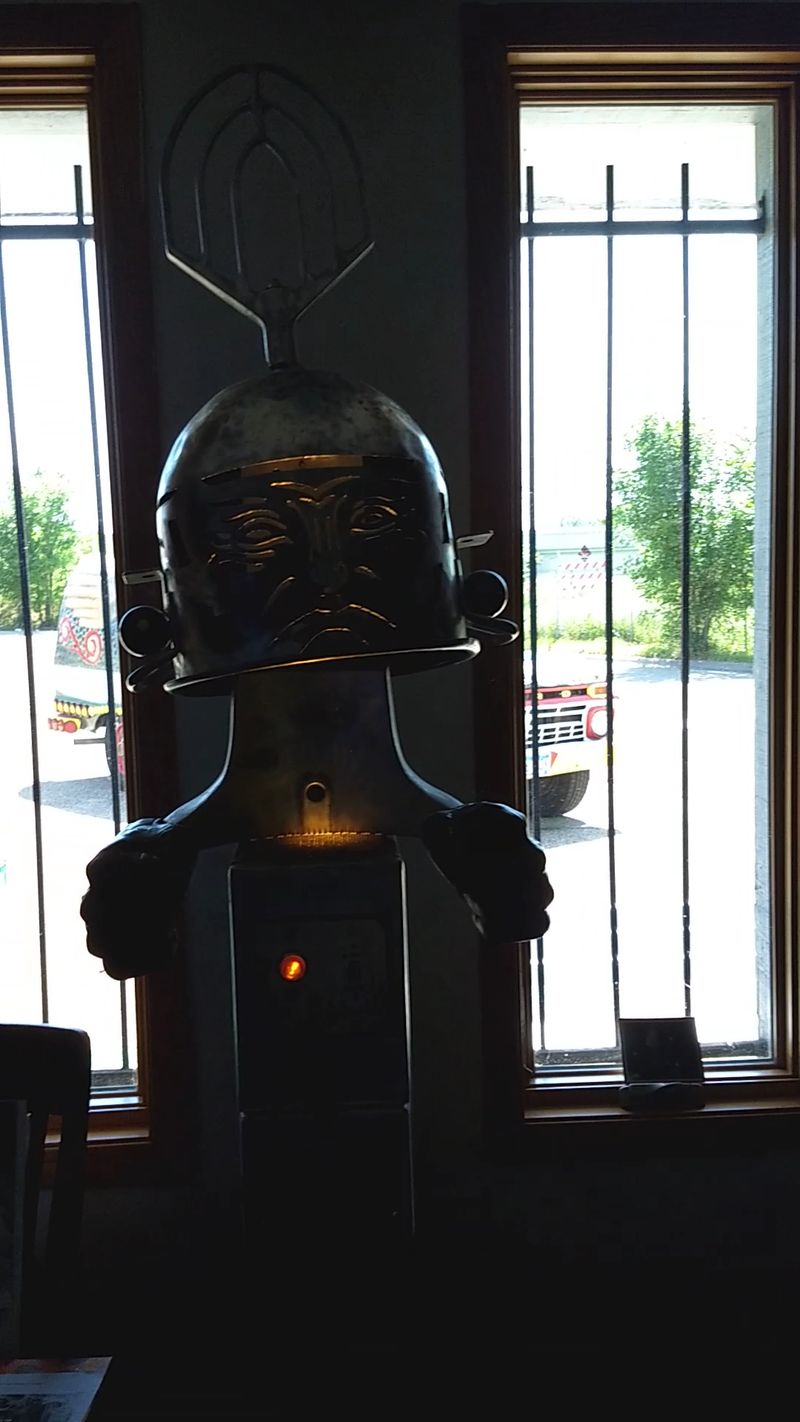
Most galleries have one firm rule: hands off. At this one, the artist himself often encourages the opposite.
Many works at House of Balls include buttons and motion-activated elements. Allen is known for wandering through the rooms, answering questions, and inviting guests to try them out. That turns a quiet art stroll into something closer to a discovery zone.
Interactive pieces change how you experience art. Instead of just looking, you become part of what happens next. A sculpture can move, react, or surprise you, and that moment sticks in your memory.
This makes the gallery a great pick for curious kids and grown-ups who still like pressing things. Honestly, that’s most of us. Who can resist a button that clearly wants attention?
A little courtesy goes a long way, though. Follow any guidance the artist gives and handle each piece gently. These works are handmade, one of a kind, and built with plenty of patience.
My advice is simple. Ask before you assume something is meant to be touched. You’ll likely get a friendly yes, plus a story about how the piece works. That backstory often makes the moment even better.
Somewhere In Here Is A Secret Door
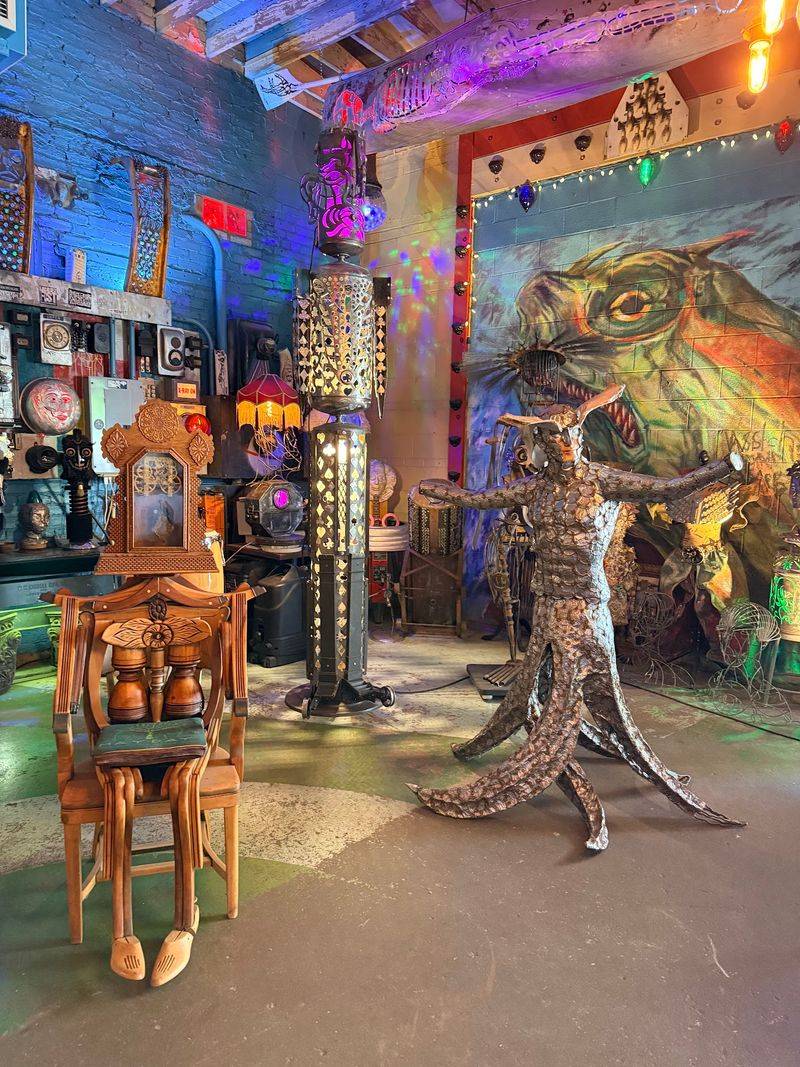
Few sentences are more exciting than “there’s a secret door.” House of Balls actually has one.
The hidden passage leads to a back part of the building. It’s one of those details that makes the visit feel like an adventure instead of a regular gallery tour. Grown-ups suddenly act like kids again, and kids act like explorers.
I won’t spoil exactly how it works. Part of the joy is finding it yourself or getting a nudge from the artist. Some surprises are better unwrapped in person.
The secret door also fits the spirit of the whole place. Everything here rewards curiosity. Pieces hide inside pieces, rooms lead to more rooms, and the closer you look, the more you find.
Here’s a helpful idea. Don’t rush through the first room thinking you’ve seen it all. The building keeps going, and the best moments often arrive after you think you’re done.
If you’re visiting with friends, try not to tell the newcomer about the door ahead of time. Watching someone discover it is half the fun. Just maybe keep a straight face while they wonder why you’re grinning.
The Artist Might Just Give You The Grand Tour
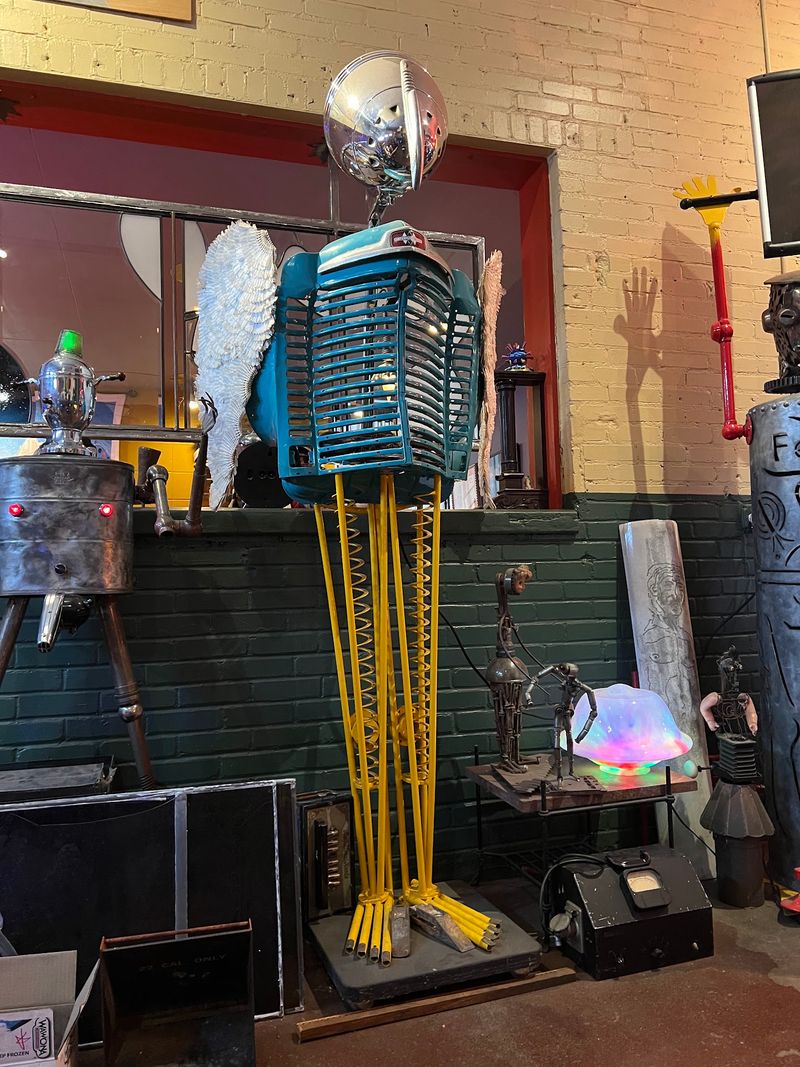
Meeting the person who made the art is a rare treat. At most museums, the artist is a name on a small card. Here, the artist is often right in the room.
Allen Christian is a Minneapolis sculptor who has spent years building House of Balls into what it is today. He’s known for being welcoming and happy to chat about art, materials, and the ideas behind his work. His wife, Mary Jane, is often part of that warm welcome too.
That kind of access changes a visit completely. You can ask how a piece was made, what inspired it, or what an object used to be. Those answers turn a cool sculpture into a story you remember.
Don’t be shy about starting a conversation. Artists usually love questions that show real interest. Try asking something specific instead of just saying “how?”
Remember, this is a working studio as well as a gallery. Art is actually being made here, not just displayed. That means you’re seeing a creative space in action, tools and all.
Few places in Minnesota offer this kind of personal connection. It’s art with a handshake built right in.
Free Admission Makes This An Easy Yes
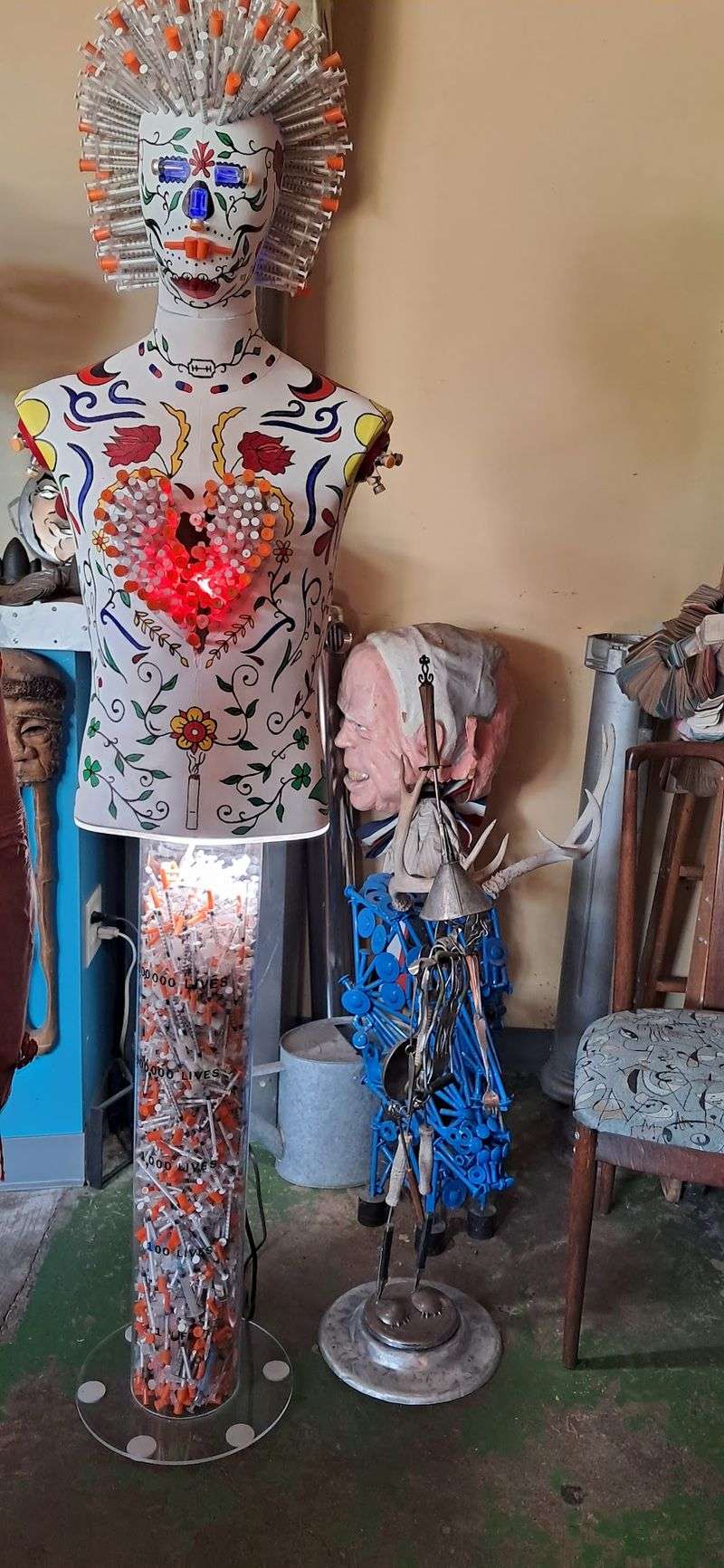
Good news for your wallet: admission costs nothing. House of Balls is free to visit, which makes it one of the easiest art outings in Minneapolis.
Donations are accepted and appreciated, though. Since this is an independent space run by an artist, those contributions help keep the doors open and the creations coming. Think of it as a thank-you note with real impact.
Free entry also makes this a smart choice for families, students, and anyone exploring on a budget. You can bring the whole crew without doing nervous math at the door. That freedom lets you relax and enjoy the art.
Here’s my honest take. If the visit makes you smile, laugh, or rethink your recycling bin, a donation is a lovely way to say so. Even a small amount shows support for local creativity.
Independent art spaces like this one depend on community support. They add color and character to a city in ways big institutions can’t always match. Supporting them keeps a neighborhood interesting.
So come for free, leave inspired, and give what feels right. That’s a pretty great deal for an afternoon of surprises.
The Outdoor Art Starts Before You Park

Sculptures don’t wait politely indoors here. They spill outside, onto the property and around the building.
From the moment you pull into the lot, there’s plenty to look at. The outdoor spaces at House of Balls hold intriguing pieces that deserve their own slow walk. Even when the doors are closed, there’s still a lot to see outside.
That makes the exterior a great bonus for anyone passing through the area. Missed the open hours? You can still enjoy a taste of the creativity from outside. It’s like a free trailer for the main show.
Warmer months are especially nice for exploring the grounds. Minnesota winters are famous for good reason, so summer gives you more time to linger comfortably. Bring sunglasses and a little patience for details.
Look up, look down, and look around corners. Outdoor pieces can blend into their surroundings in clever ways. Some only reveal themselves once you change your angle.
Parking is available at the lot, so you won’t need to circle the block forever. Once parked, take a lap around the outside before heading in. It sets the mood perfectly for everything waiting inside.
Plan Around These Afternoon Hours
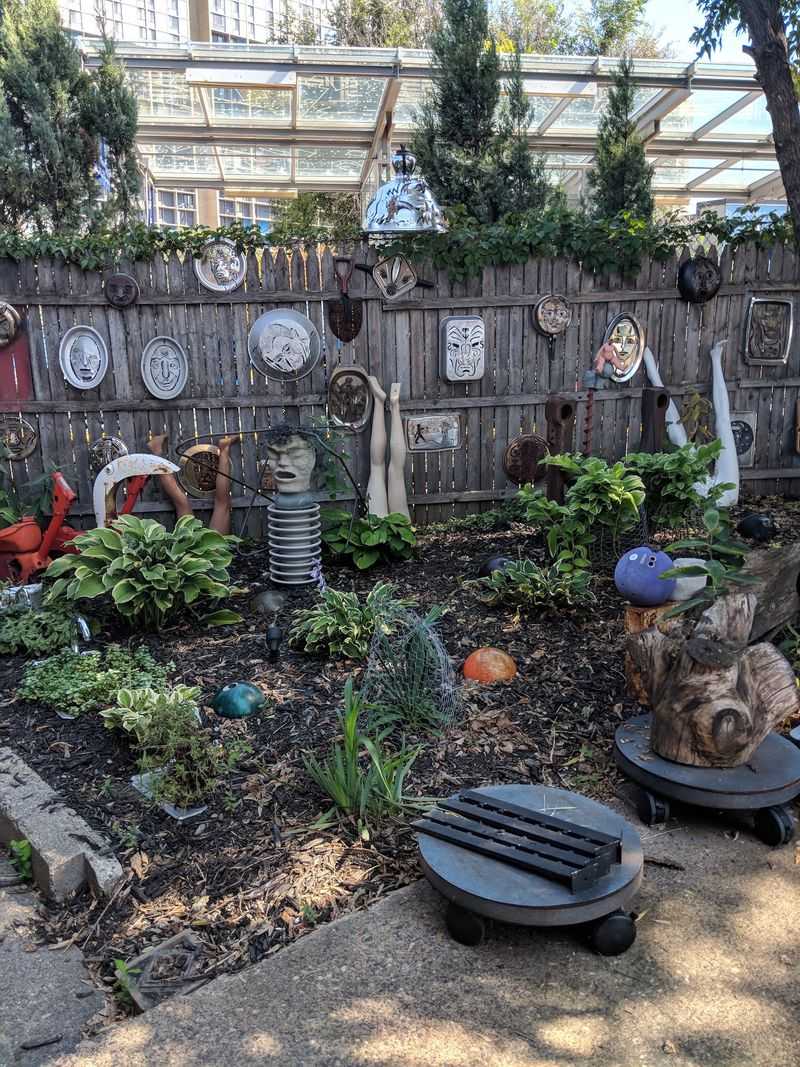
Timing matters with this one. House of Balls keeps short afternoon hours, so a little planning saves you from a disappointing doorstep moment.
You’ll find it at 1504 7th St. S, Minneapolis, MN 55454. It’s currently listed as open from noon to 4 p.m. Monday through Saturday, and closed on Sundays.
Since this is an artist-run space, hours can shift with the artist’s schedule. Checking ahead before you go is a smart move. Nobody wants to admire sculptures only through a window.
The location is easy to reach within Minneapolis, and there’s a parking lot available for visitors. Street parking is another option nearby. That makes it simple to work into a day of exploring the city.
How long should you stay? Families have spent well over an hour wandering the rooms and outdoor areas. With so much packed in, new details keep appearing each time you pass through.
My suggestion is to arrive earlier in the window rather than at the last minute. Rushing would defeat the purpose here. This art is meant for slow looking, wandering, and maybe one more lap.
Leave With Fresh Ideas For Your Own Junk Drawer
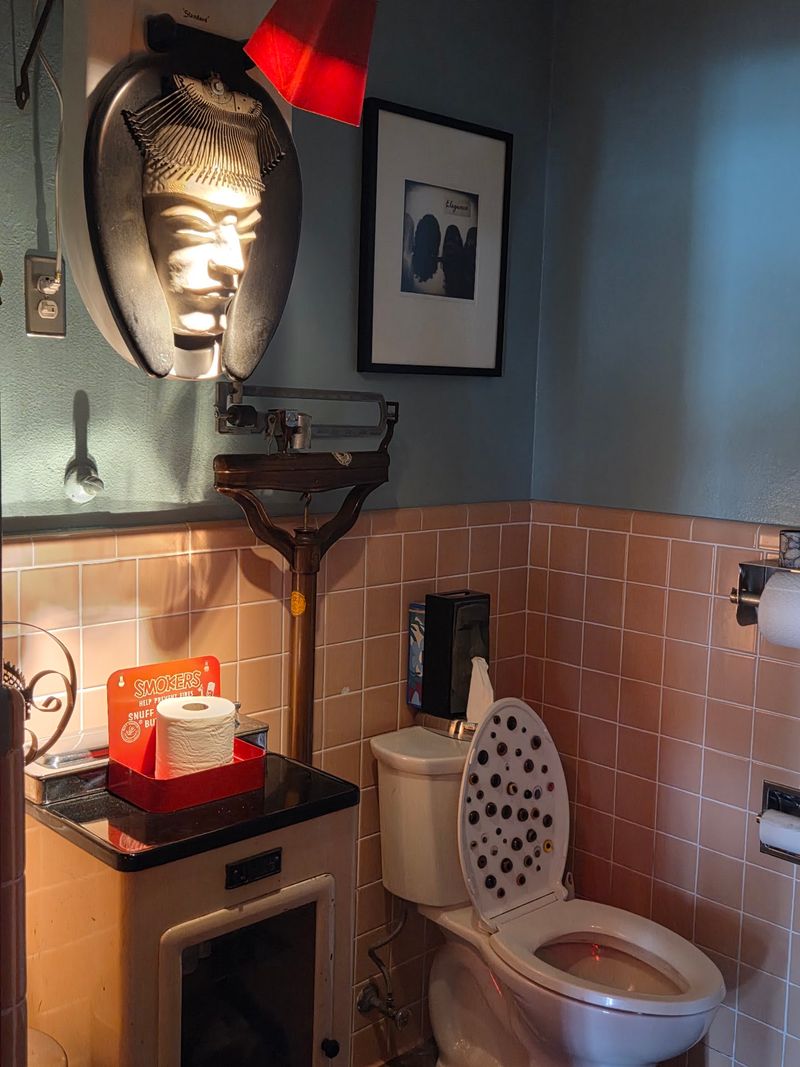
Inspiration is the souvenir most people carry home from this place. House of Balls shows what happens when imagination meets materials other people ignored.
Upcycled art takes something old and gives it a brand-new purpose. Here, those objects become sculptures that tell fresh stories. It’s a creative reminder that “broken” doesn’t always mean “finished.”
Students, makers, and weekend crafters can learn a lot just by looking closely. Notice how parts connect, how shapes repeat, and how ordinary textures turn surprising. Then try spotting the original object inside each finished piece.
You don’t need a welding torch to borrow the idea. Start small at home with bottle caps, old keys, or broken gadgets. Arrange them into a face, a creature, or a tiny robot.
Kids especially love this kind of project. It teaches problem-solving, patience, and a little respect for things we usually throw away. Plus, it costs almost nothing.
Minnesota has plenty of big-name attractions, but few spark creativity quite like this one. You’ll leave seeing clutter differently, which may become a mild obsession. Your recycling bin might never be safe again, and honestly, that’s a happy ending.
