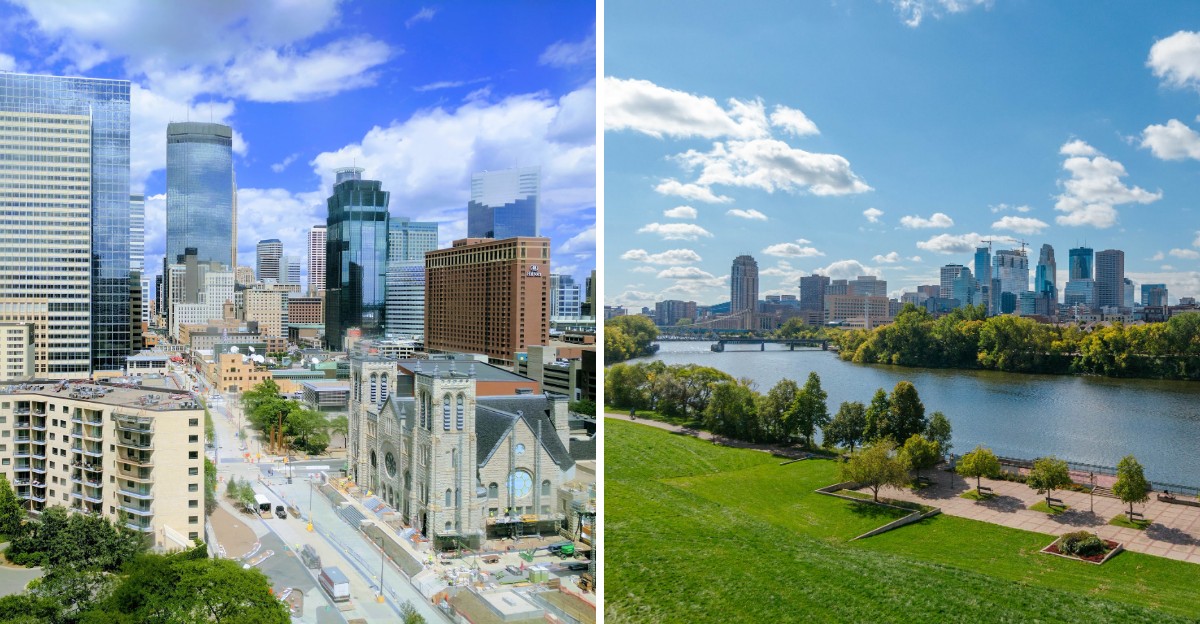
In 2023, one Minnesota city changed its noise rules so the Muslim call to prayer could ring out five times a day, all year long. It was the first major city in the country to take that step. That got my attention fast.
I noticed that the change didn’t come out of nowhere. This city has spent decades welcoming families from Somalia, Yemen, Palestine, and other Arabic-speaking places. Many of them built mosques, markets, and kitchens that now shape whole neighborhoods.
One detail I find worth mentioning is how easy it is to explore. You can browse a busy indoor bazaar, grab a flaky pastry, and catch an Arab film festival in the same metro area. Not bad for a place famous for snow.
The Neighborhood Where So Many Journeys Start
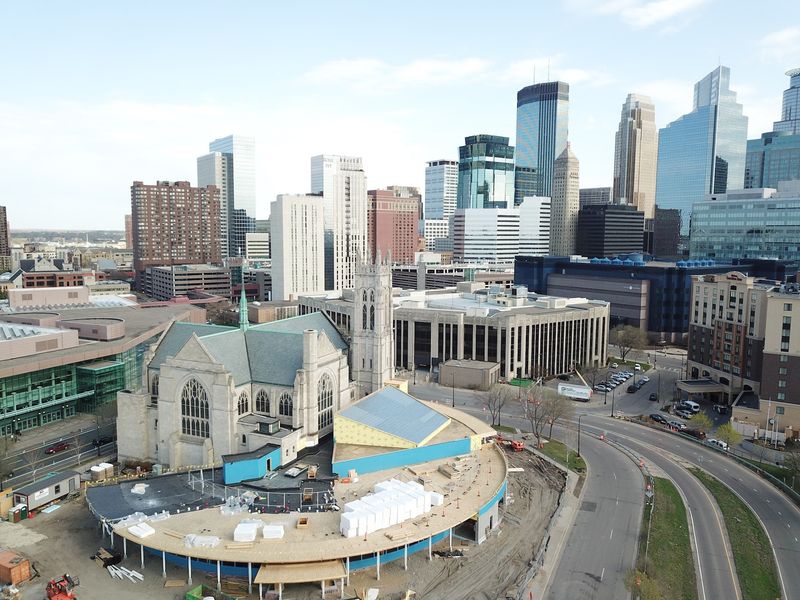
Newcomers have landed in Cedar-Riverside for well over a century. First came Scandinavian immigrants, and later came families from East Africa and the Arab world.
Today the area is one of the best-known cultural districts in Minneapolis, Minnesota. Some people even call it Little Mogadishu, a nod to its deep Somali roots.
Somalia belongs to the Arab League, and Arabic is one of its official languages.
Cedar-Riverside is especially known for its Somali American community, which has its own distinct cultural identity while sharing religious and historical connections with many Arab communities.
The streets here feel compact and busy. Mosques, cafes, clothing shops, and community groups sit within a short walk of each other.
Location helps too. The University of Minnesota’s West Bank campus and Augsburg University are right next door, so students mix with longtime families every day.
A smart way to start is simply walking Cedar Avenue and Riverside Avenue. Read the signs, peek into storefronts, and notice how many languages show up on one block.
Bring curiosity and a little patience. Shops are often small and family-run, so a friendly hello goes a long way.
Once you get your bearings here, the rest of the city’s story makes a lot more sense.
The Year The City Changed Its Sound
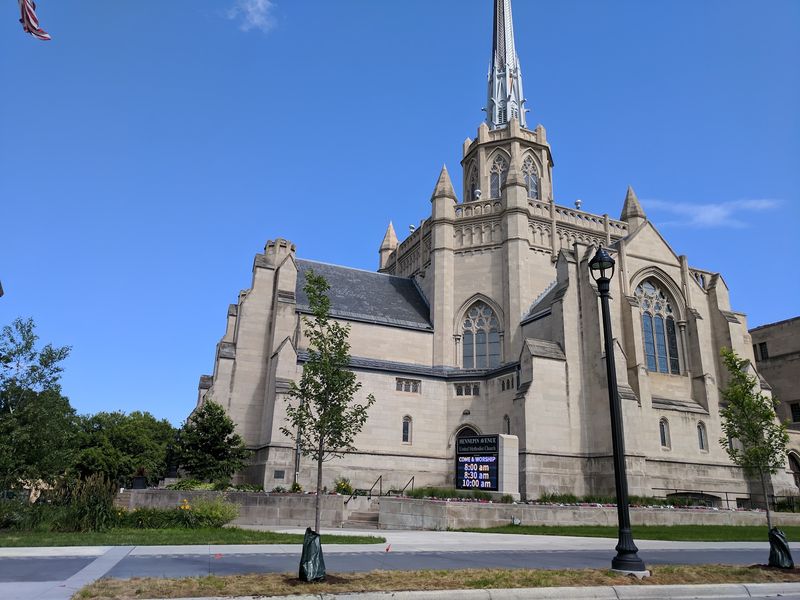
April 2023 brought a quiet but historic vote. The Minneapolis City Council updated its noise rules to allow the Islamic call to prayer, called the adhan, five times a day all year.
Before that, the call could only be broadcast during certain hours. The new rule made Minneapolis the first major U.S. city to allow it year-round.
Local Muslim leaders and council members pushed for the change. They saw it as a simple matter of equal treatment for a large part of the city.
The adhan is short and spoken in Arabic. It reminds Muslims that prayer time has arrived, much like church bells mark the hour in other places.
For many families, hearing it outdoors feels like a piece of home. For everyone else, it’s a sound that tells you exactly where you are.
Volume limits still apply, so nobody is getting blasted out of bed. The rule fits within the same noise standards other sounds follow.
If you’re exploring Cedar-Riverside around prayer times, listen for it. It’s one of the most distinctive sounds in all of Minnesota.
And it says a lot about how this city chooses to share its streets.
A Former Knitting Factory With A New Purpose
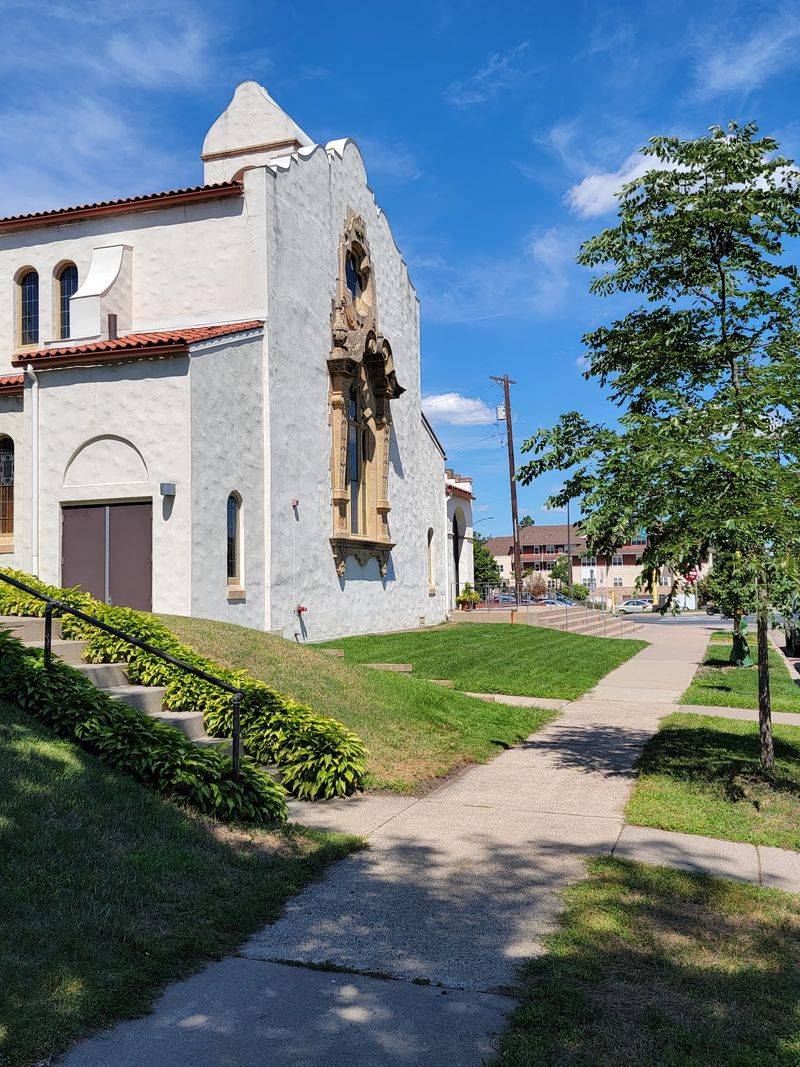
Brick buildings can live many lives. At 504 Cedar Avenue South, an old two-story structure that once housed a knitting factory became a place of worship.
Dar Al-Hijrah began as the Riverside Islamic Center in the late 1990s. It’s widely known as one of the oldest Somali mosques in Minnesota.
The name means house of migration in Arabic. That fits the neighborhood perfectly, since so many families here began their lives in America nearby.
Mosques in Cedar-Riverside do far more than host prayers. Many offer classes, youth programs, and a spot for neighbors to check in on each other.
Visitors who want to learn more should reach out ahead of time. It’s a working house of worship, so modest clothing and respect during prayer go a long way.
Fridays are the busiest day for congregational prayer. Plan any visit outside those midday hours if you just want to look around.
The building itself isn’t flashy. Its story is the real attraction, showing how an old factory turned into a community anchor.
Honestly, that’s a pretty good metaphor for this whole part of the city.
Budget Extra Time For This Maze Of Little Shops
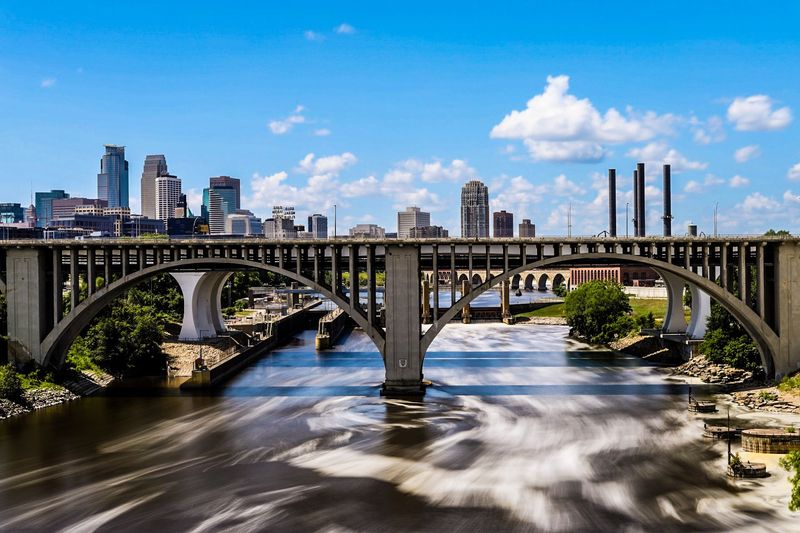
Dozens of tiny storefronts pack the halls of Karmel Mall. It’s one of the biggest Somali shopping centers in the country, and it can easily swallow an afternoon.
You’ll find it at 2910 Pillsbury Avenue South, Minneapolis, MN 55408. It sits near Lake Street, just south of downtown.
Inside, the corridors are lined with small family businesses. Shops sell colorful dresses, scarves, fabrics, jewelry, perfumes, books, and home goods.
The mall has an original section and a newer expansion. You can move between them without stepping outside, which matters a lot in a Minnesota winter.
Many shops also offer services like tailoring, travel help, or phone repair. It works like a small town tucked under one roof.
Small vendors may prefer cash, so carry a little just in case. Asking questions is welcome, and shop owners often enjoy explaining their goods.
Don’t rush through. The fun is in turning a corner and finding a stall you didn’t expect.
Karmel Mall shows the business side of this community at full speed. Every booth here is someone’s dream, and you can feel that energy right away.
Those Rainbow Towers Are Hard To Miss
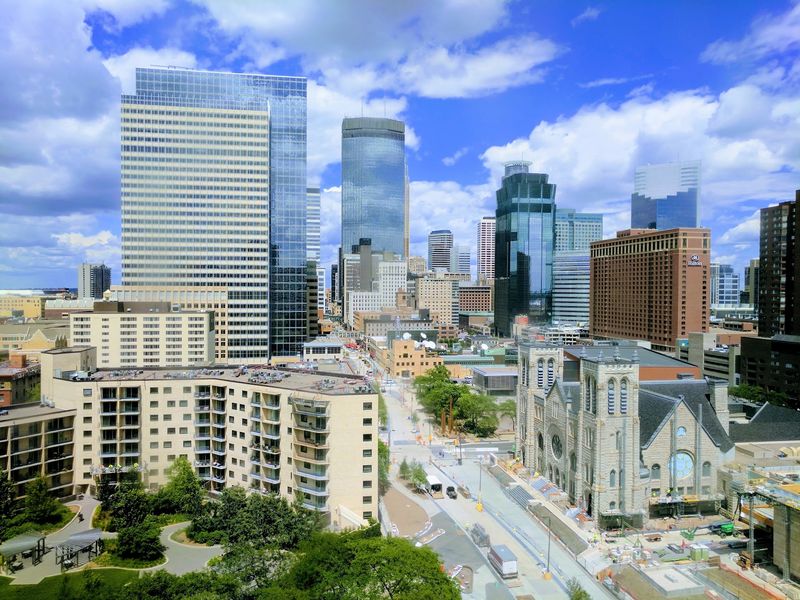
Colored panels in red, yellow, and blue cover the giant towers of Riverside Plaza. You can spot them from the freeway, and they look like a huge set of building blocks.
Architect Ralph Rapson designed the complex, and it opened in the early 1970s. The building even had a cameo in the opening credits of The Mary Tyler Moore Show.
Its bigger fame today comes from the people inside. Starting in the 1990s, many Somali refugee families found homes in these towers.
That made Riverside Plaza a key first address for thousands of Minnesota newcomers. Kids grew up here, learned English here, and later started businesses nearby.
The complex is still a working home for real families. So treat it like any residential building and enjoy the view from the sidewalk.
Photographers love the angles, especially on a clear day. The bright panels pop even harder against winter snow, which is one perk of a Minnesota January.
Standing near the towers, you get a sense of scale. A whole community took root in this one spot and spread outward across the city.
Few apartment buildings carry that much history in their walls.
Theater And Film Give The Community A Big Stage
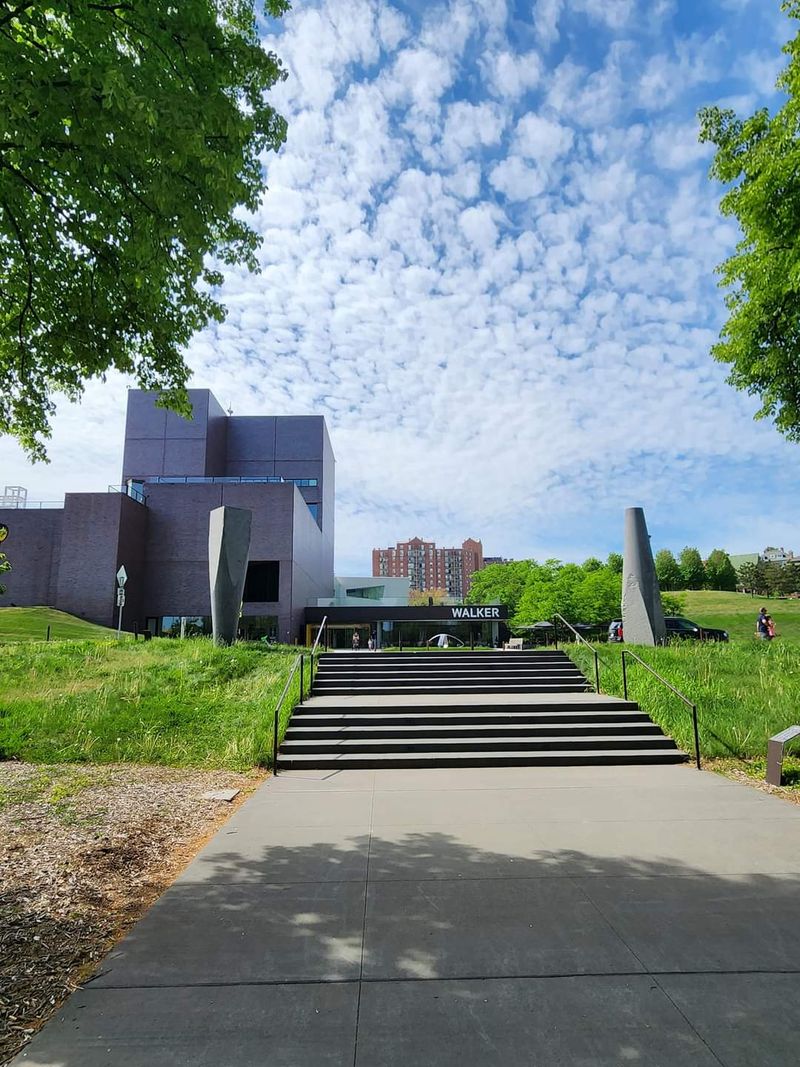
Stories need a stage, and Minneapolis has a few. New Arab American Theater Works is based right in the city.
The group develops new plays by Arab and Arab American writers. It also hosts workshops that explore music, crafts, and performance traditions from across the Arab world.
Film fans get their turn too. The Twin Cities Arab Film Festival, organized by the arts group Mizna, shows recent movies from Arab, Southwest Asian, and North African filmmakers.
The festival usually happens in the fall. Screenings often come with conversations, food, and a chance to meet other movie lovers.
Mizna also publishes a literary journal. It shares poems, essays, and fiction from Arab American voices.
Over at the University of Minnesota, students explore Arab music through an ensemble called The Arab Band. Campus events can be a fun, low-cost way to hear it live.
Check schedules before you go, since programs change each season. A play or film night makes a great pairing with dinner nearby.
Art like this does something a statistic never can. It lets the community tell its own story in its own words.
Some Very Big Firsts Came From Right Here
History books got a few new pages thanks to Minneapolis voters. In 2006, Keith Ellison became the first Muslim ever elected to the U.S. Congress.
He represented the Minneapolis district for years. In 2018, he won the race for Minnesota Attorney General.
That same year brought another first. Ilhan Omar, who came to the U.S. as a refugee from Somalia, became the first Somali American elected to Congress.
Omar had spent part of her youth in Minneapolis. Before Congress, she served in the Minnesota House of Representatives.
Local politics shows the same trend. Somali American and Muslim leaders have served on the Minneapolis City Council and school board.
These wins didn’t happen by luck. They grew from years of voter drives, community meetings, and neighbors encouraging neighbors to get involved.
For visitors, this adds a fun layer to any walk through Cedar-Riverside. Some of these leaders knocked on doors on these very blocks.
It’s a reminder that big change often starts small. A single neighborhood helped send some groundbreaking voices to Washington and the state capitol.
Your Snack Plan Starts With A Sambusa
Golden, triangle-shaped, and filled with spiced meat or lentils, the sambusa is the unofficial welcome snack here. One is never quite enough.
Somali cooking blends flavors from Arabia, India, Italy, and East Africa. You can taste that trade history in rice dishes, pasta, and warm spices like cardamom and cumin.
Canjeero is another favorite. It’s a thin, spongy flatbread often eaten at breakfast with tea.
Many plates feature rice with goat or chicken. A banana on the side is a classic Somali touch, and yes, people eat it with the rice.
Most kitchens in Cedar-Riverside and around Karmel Mall serve halal meat. That follows Muslim food rules and keeps the menus true to tradition.
Arab flavors show up across Minneapolis too. Shawarma, falafel, hummus, and Yemeni-style coffee shops add even more choices to the mix.
Here’s a friendly tip: order something you can’t pronounce. Staff are usually happy to explain what’s on the plate.
And pace yourself. Portions at family-run spots can be generous, and you’ll want room for one more sambusa.
Make A Full Day Of It With These Nearby Stops
A good trip mixes culture with a little wandering. Luckily, Minneapolis makes that easy.
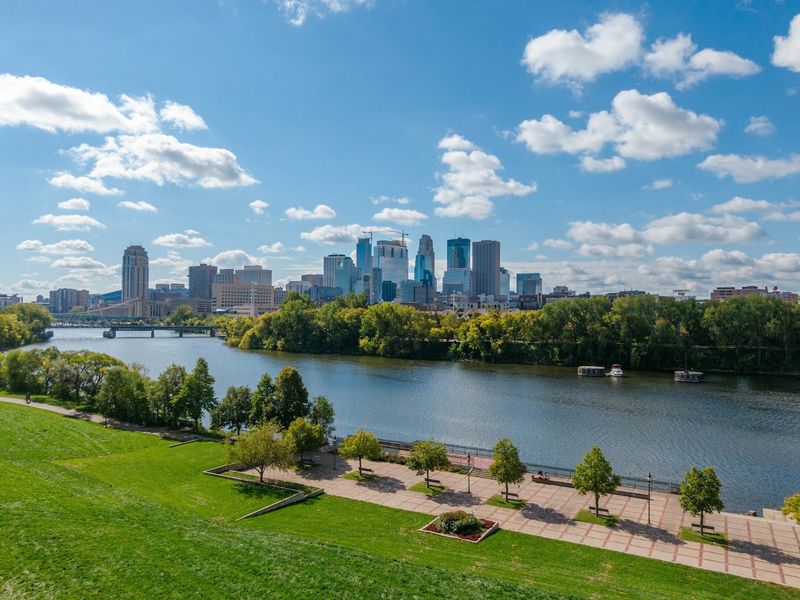
Cedar-Riverside sits right beside the Mississippi River. A short walk takes you onto bridges with great views of the water and downtown skyline.
The University of Minnesota campus is next door, too. Its riverside paths are pleasant for a stroll between meals.
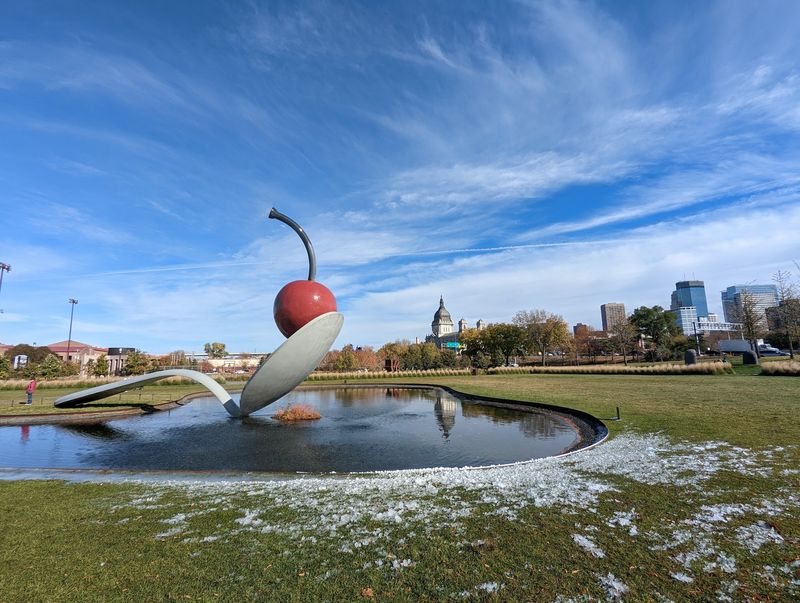
Want something quirky? The Minneapolis Sculpture Garden is home to Spoonbridge and Cherry, a giant spoon holding a bright red cherry.
The Walker Art Center sits right next to it. Together they make a fun afternoon, especially for art fans and kids who like big, silly sculptures.
Minneapolis is also famous for its lakes and parks. After a busy morning at Karmel Mall, a lakeside walk feels like a reset button.
Light rail helps you skip parking stress. The Green Line stops near Cedar-Riverside and connects to downtown Minneapolis and St. Paul.
Pack layers, since Minnesota weather loves surprises. Then spend the day tasting, browsing, and learning in a city that keeps adding new chapters.
