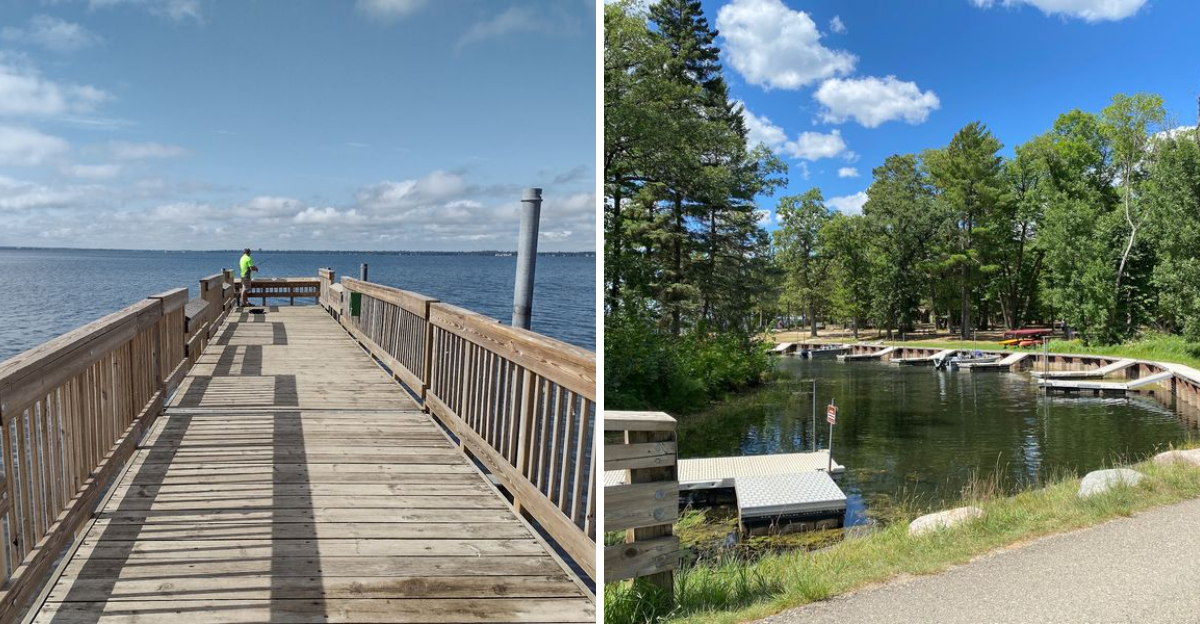
A hundred and fifty feet doesn’t sound impressive until you’re actually standing at the end of that pier, water stretching out in every direction. Then the number suddenly makes sense.
Most tourists speed right past this Minnesota park, chasing bigger, more advertised stops further down the road. Their loss really. Anglers cast lines for hours without interruption, families spread out across quiet sand, and nobody’s fighting for space because barely anyone thinks to stop here.
Minnesota has flashier state parks pulling in most of the traffic and attention. This one stays comfortably under the radar instead. Families who’ve found it once tend to keep coming back, treating it almost like a well kept secret they’re not eager to share.
Some parks rely on marketing to draw crowds. This one just relies on quiet word passed between people who already know.
The Long Fishing Pier That Puts You Right Over the Water
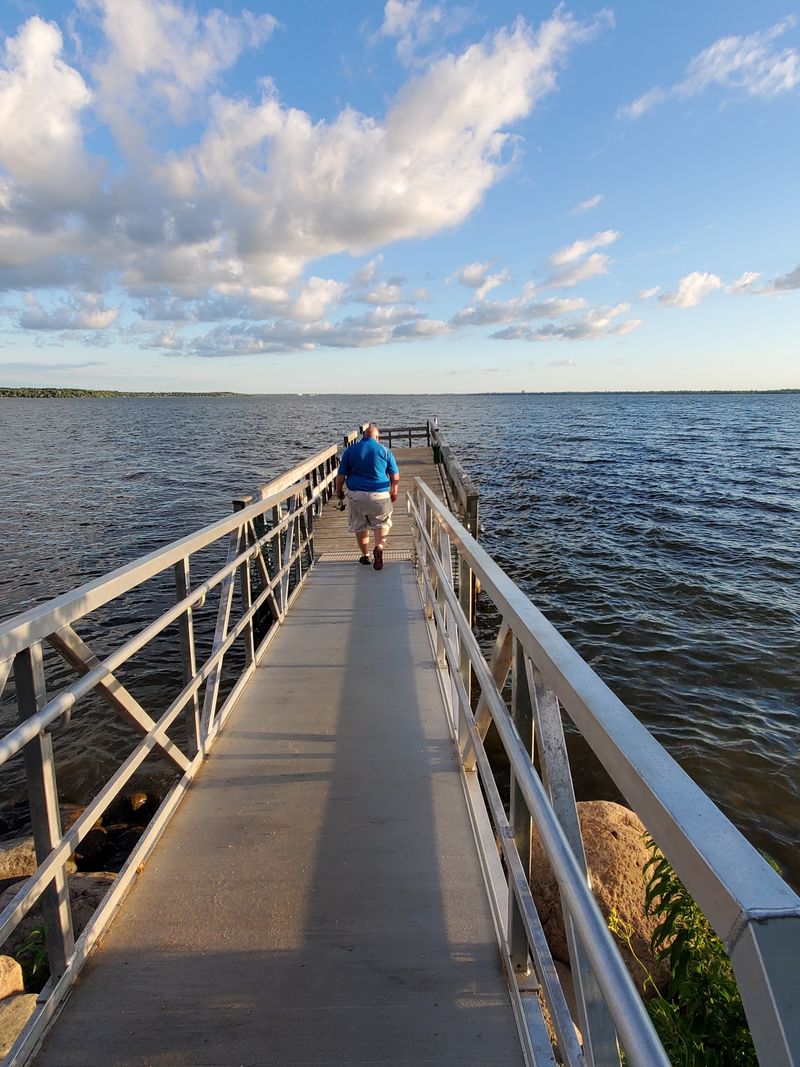
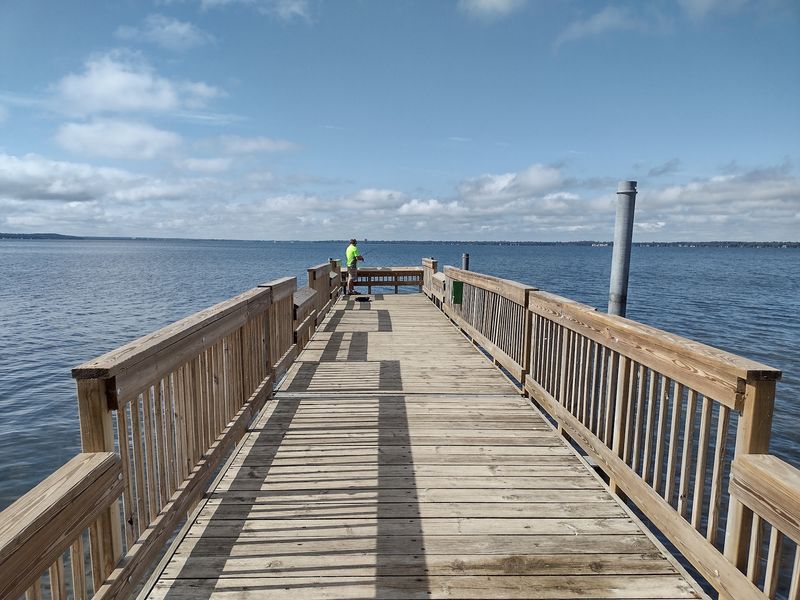
That pier is the first thing that pulled me off the highway, and it delivers. Stretching roughly 150 feet out over Lake Bemidji, it lets you reach water deep enough to matter without ever getting in a boat.
Walleye, northern pike, perch, and panfish all live in this lake, and the pier gives shore anglers a fair shot at them. Early morning and the last hour before sunset tend to be the liveliest times.
Bring a bucket, a folding chair, and more patience than you think you need.
What makes it especially practical is the fish cleaning house nearby, so you are not hauling a messy cooler back to camp. Kids do well here too, since the railings feel secure and there is plenty of room to spread out gear.
Anyone fishing will need a Minnesota license, which is easy to sort out in town before you arrive. Even without a rod, the walk to the end is worth it for the open view back toward the shoreline.
A Sandy Beach Long Enough That Nobody Feels Crowded
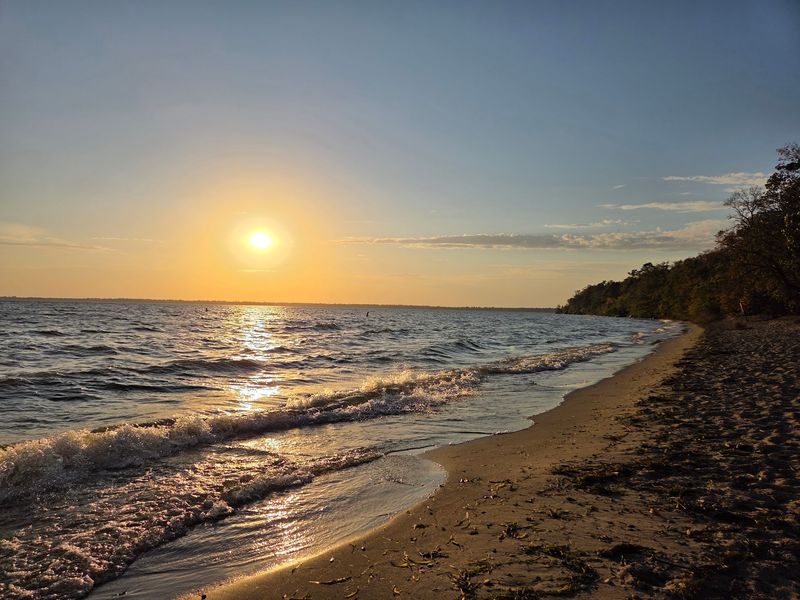
Plenty of lake beaches feel like a postage stamp. Not this one. The swimming area here runs long enough that groups naturally drift apart, which means you can claim a patch of sand without listening to somebody else’s radio.
The bottom slopes gently, so the shallows warm up nicely by mid summer and little kids can wade without much worry. Behind the sand there is a grassy, shaded stretch with picnic tables and grills, which is where most families end up eating.
Changing rooms and restrooms sit close by, a detail you appreciate after swimming.
Volleyball and horseshoes are set up in the same area, and a modern playground keeps younger visitors busy when they get tired of the water. Mornings are calm and glassy, afternoons bring a breeze off the lake, and both have their charm.
Pack towels, water shoes if your feet are sensitive, and a bit of sunscreen, because shade near the waterline is limited on bright days.
The Bog Boardwalk and Its Carnivorous Plants
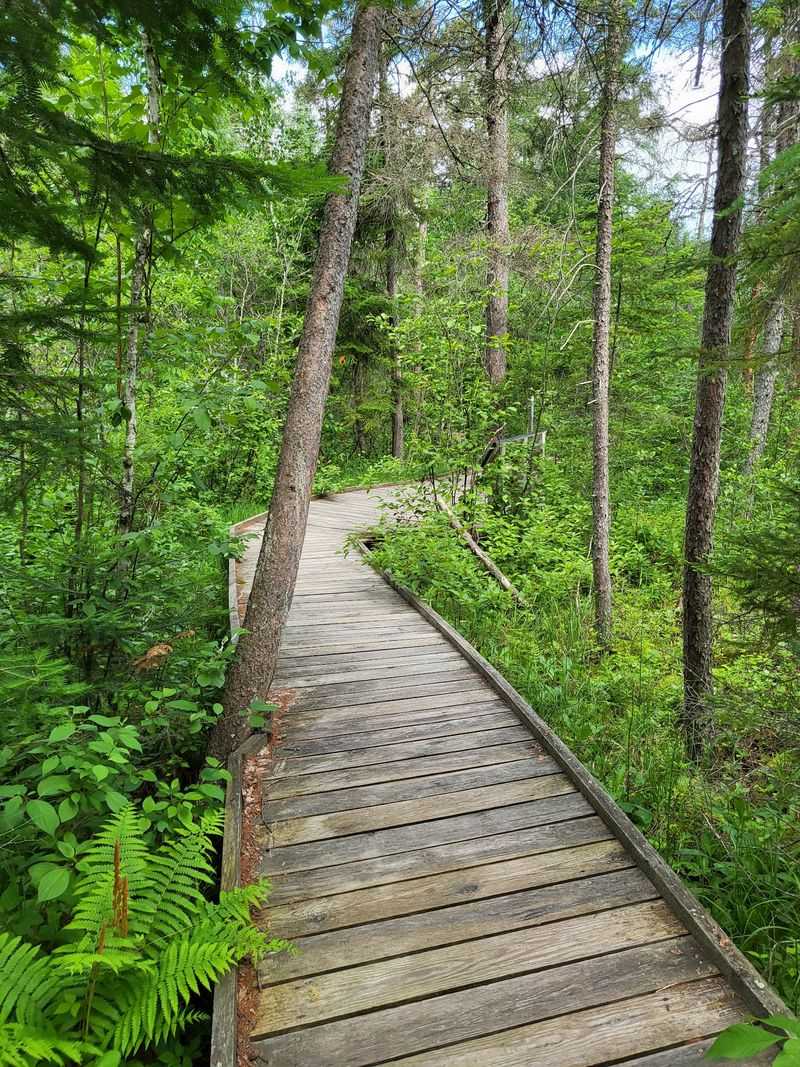
Here is the part nobody expects from a lakeside park. A wooden boardwalk carries you out across a genuine peat bog, and the ground beside it is a spongy mat of sphagnum moss that has been building for thousands of years.
Pitcher plants grow out there, along with sundews, orchids, and stunted black spruce that look far older than they are. Interpretive signs explain what you are looking at, which turns a short stroll into something closer to a nature lesson.
It smells earthy and slightly sweet. Honestly a little otherworldly.
The walk is flat and easy, making it one of the most accessible highlights in the park. Rabbits and songbirds are common, and patient visitors sometimes spot frogs in the dark water below the planks.
Go slowly and look down often, because the smallest plants are the most unusual ones. Bug spray helps in June and early July, when mosquitoes take the bog personally.
Trails That Suit Both Short Legs and Long Afternoons
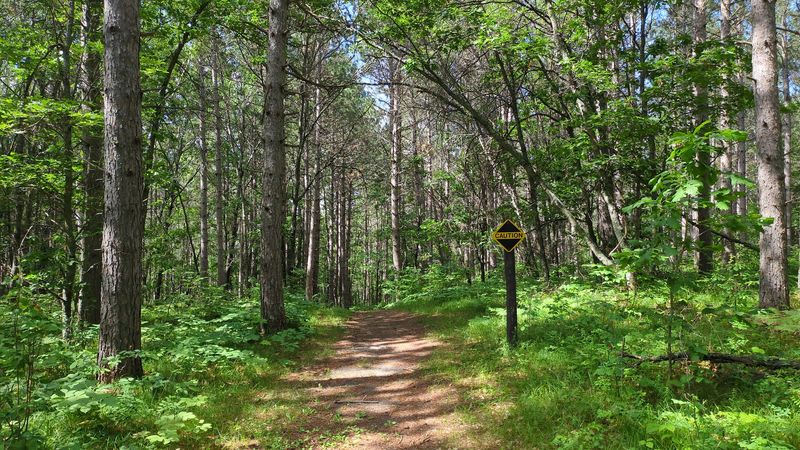
For a park this size, the trail network surprised me. Paths loop through pine and hardwood forest, skirt wetlands, and eventually open onto lake views that make you stop mid stride.
The Hiking Club Trail is the popular pick because it links woodland walking with a stretch of the bog boardwalk before finishing near the water. Most routes are gentle, with only mild rolls rather than real climbs, so families and casual walkers do fine.
Side paths let you dodge the busiest stretches when the main trail fills up.
Deer, red squirrels, and plenty of birds turn up along the quieter sections, and coyotes do live in the area, though they generally want nothing to do with people. Wear closed shoes, since low spots can stay damp after rain.
Trail maps are available at the park office, and I would grab one, because app directions do not always match the parking areas here. Late September brings gold birch leaves and almost no insects.
Bike Rentals and a Paved Link to the Paul Bunyan Trail
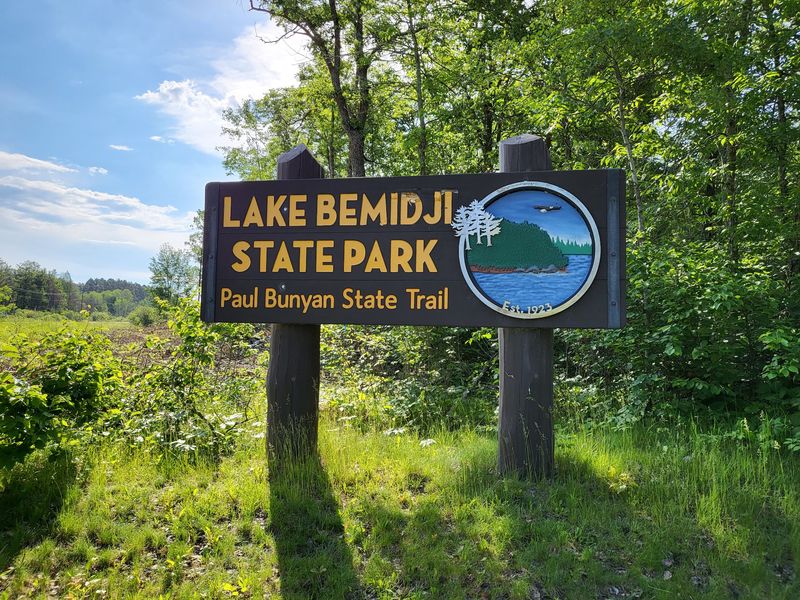
Bikes change how this park feels. A paved spur roughly a mile long connects the campground area to the Paul Bunyan State Trail, and from there you can pedal all the way into Bemidji or keep rolling for miles in either direction.
Rentals are available on site, which is a gift if you arrived without gear strapped to your car. Families use this constantly, since the paved surface is smooth enough for wobbly beginners. Riding into town for ice cream is a legitimate afternoon plan.
The trail passes through woods and open stretches, with enough shade to keep midday rides comfortable. Helmets matter here, especially where the paved path meets park roads and driveways.
Morning rides tend to be cooler and quieter, while evenings bring softer light through the trees. If you have your own bikes, there is room to park and unload without much fuss, and the connection point is well marked once you know where to look for it.
Camping Close Enough to Town for a Last Minute Grocery Run
Camping here comes with an unusual perk: forget the marshmallows and you are only minutes from a store. The campground sits under mixed pines and hardwoods, with electric and non electric sites, a shower and restroom building near the center, and vault toilets scattered closer to the outer loops.
Water spigots are spread through the loops, so filling jugs rarely means a long walk. Each site has a picnic table and fire ring, and the hosts keep things running smoothly. Sites on the northwest side offer the most breathing room.
Worth knowing before you book: many sites sit fairly close together, so light sleepers should aim for the outer edges or bring earplugs. Reservations fill quickly in July and August, and booking well ahead through the Minnesota DNR system is the smart move.
A group site handles larger gatherings, and the campground occasionally hosts music or family programs during peak weeks. One site even stays open through winter for the truly committed.
Camper Cabins for People Who Would Rather Skip the Tent
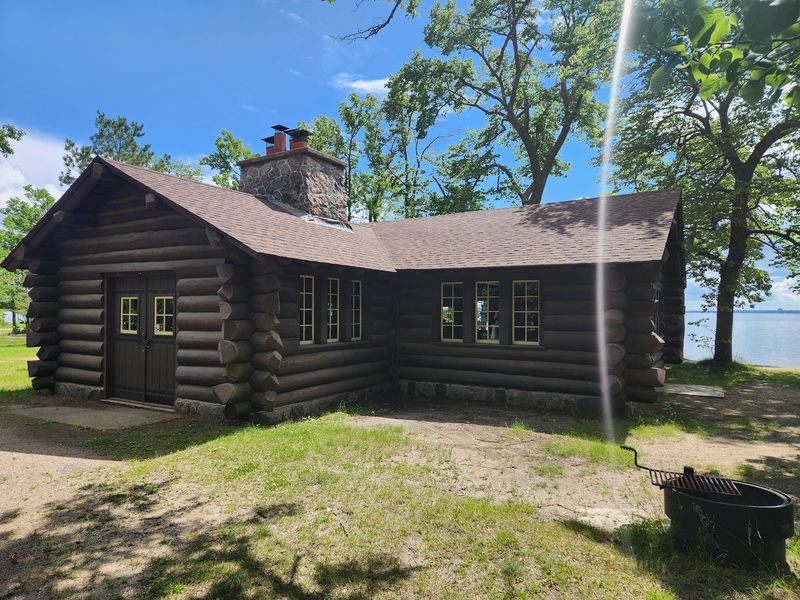
Not everyone wants to wrestle poles and rainflies at dusk. The camper cabins near the park entrance solve that neatly, offering a solid roof, bunk style sleeping, and electricity without the full commitment of a hotel or an RV.
They are rustic by design. Expect basic furnishings, and plan to use the campground restrooms and showers rather than looking for plumbing inside. Bring your own bedding, pillows, and a lantern.
Beds are compact, so couples and taller guests should set expectations accordingly, and packing lightly makes the space feel bigger. What the cabins do brilliantly is extend the season, since they stay cozy on chilly spring and autumn nights when tents get miserable.
Seasonal visitors book them for stretches at a time, and they go fast on summer weekends. Reserve early through the state park system if a specific date matters to you. For a first camping trip with kids or grandparents, this is the easiest possible on ramp to sleeping in a state park.
Boat Launch, Docks, and a Small Marina Feel
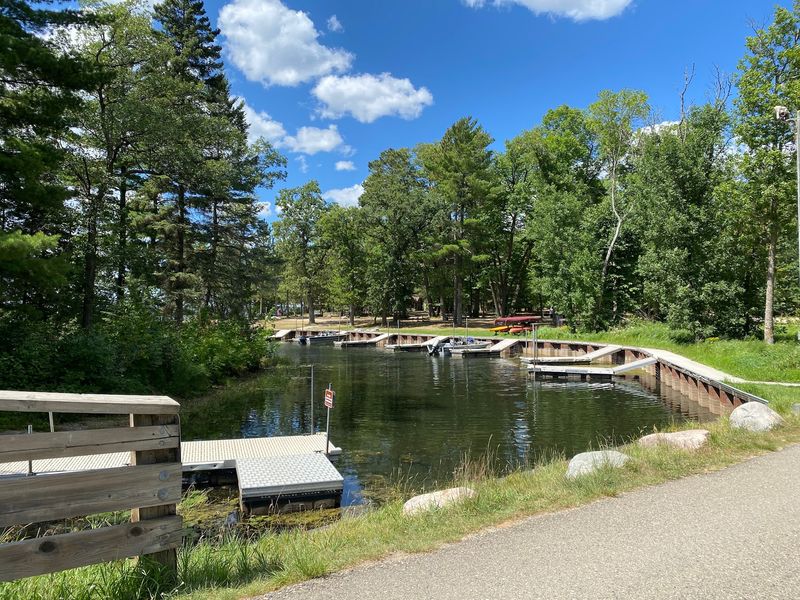
Lake Bemidji is big water, and the park makes getting onto it refreshingly simple. A boat launch with generous parking sits within the park, and docks nearby let you tie up temporarily while you swim, picnic, or wander the trails.
Anglers with trailers appreciate the space, since crowded ramps elsewhere can turn launching into a stressful puzzle. Kayaks and canoes work well here too, particularly along the sheltered shoreline on calm mornings. Watch the wind. Open lake chop builds faster than beginners expect.
Rentals for watercraft are typically available during the summer season, which means you can paddle without owning anything. Life jackets are required, and the park staff at the office can point you toward the right spots for the day’s conditions.
One honest note: the launch area is not right beside every campsite, so boat owners may end up walking or driving a short distance between the two. Still, having this kind of lake access inside a state park is a genuine luxury.
Winter Turns the Place Into a Cross Country Skiing Playground
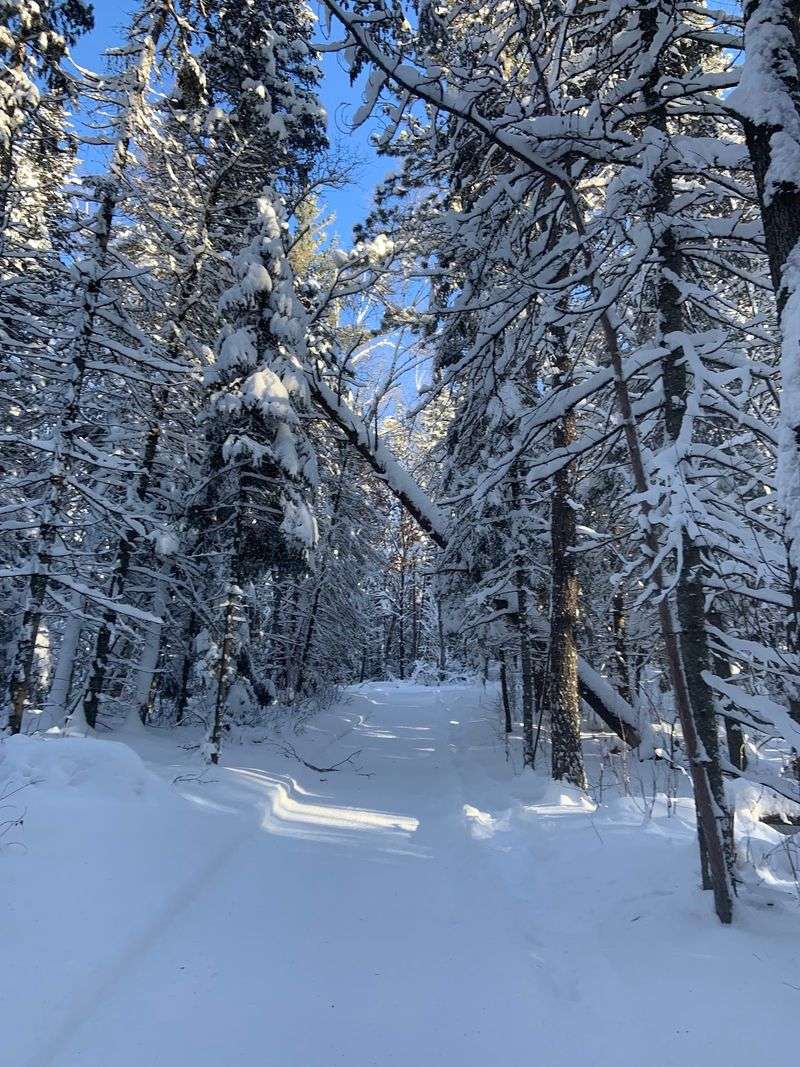
Snow does not close this park down, it just changes the rules. Groomed cross country ski trails wind through the woods once winter settles in, and the frozen lake edge takes on a stillness that summer never quite matches.
Snowshoeing works well on the ungroomed routes, and the bog looks completely different under a layer of white. Tracks in fresh snow reveal how much wildlife moves through here while nobody is watching. Dress in layers. The wind off the lake is no joke.
A trail center area gives skiers a place to warm up and sort out gear, and one campsite remains open for the small crowd that genuinely enjoys winter camping with electric hookups. Days are short in December and January, so start early and carry a headlamp anyway.
Conditions vary with each snowfall, and checking the Minnesota DNR page before driving out saves disappointment. For anyone who thinks northern Minnesota shuts down in February, a day on these trails argues otherwise.
Practical Details Worth Knowing Before the Drive North
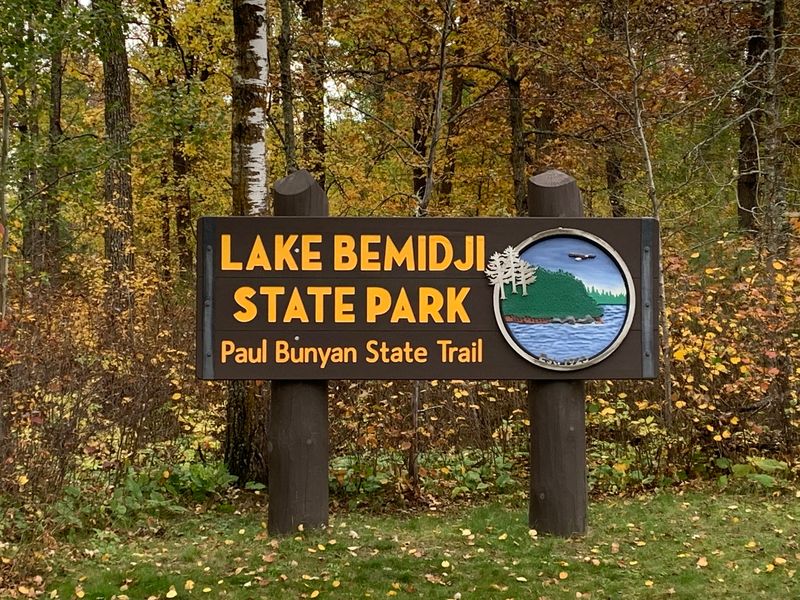
A few logistics make this visit smoother. Every vehicle needs a Minnesota state park permit, either a day pass or an annual one, and the staff at the entrance station handle it quickly.
An annual pass pays off fast if more park stops are in your future. The park office also stocks maps and can flag which trails or facilities are open that week. Storms occasionally bring down trees, so conditions do shift.
One quirk to expect: a highway runs through the park, splitting it in two, and traffic noise carries in places. It never ruined a walk for me, though it does explain why this feels more recreational than remote.
Mosquitoes peak in early summer, and horse flies show up on wooded trails, so repellent belongs in the bag. Late August through September brings cooler air, fewer bugs, and beautiful light on the water.
Find it all at 3401 State Park Rd NE, Bemidji, MN 56601, United States, just a short drive from downtown.
