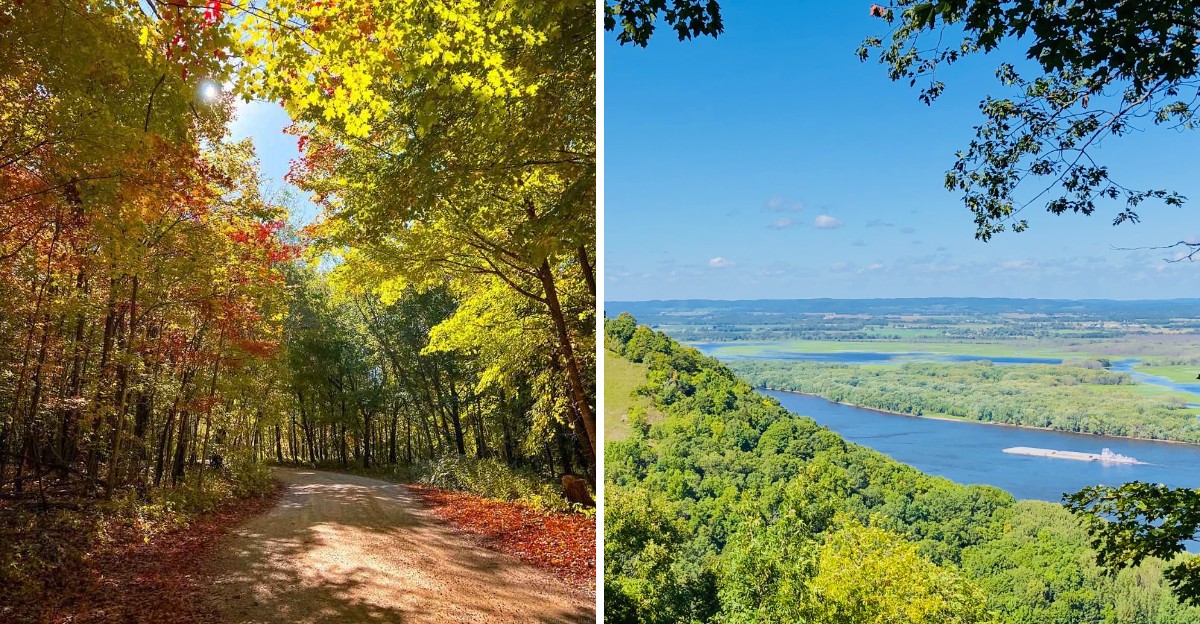
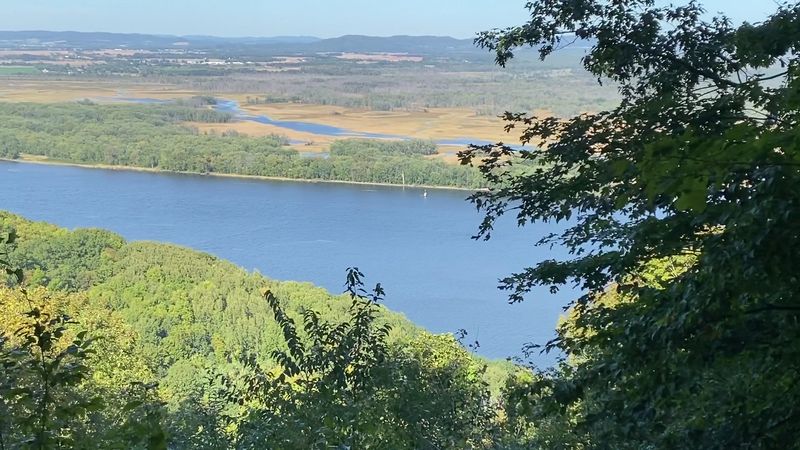
The most popular overlook here sits about 200 yards from its parking lot. That’s barely enough time to finish a granola bar before the Mississippi River spreads out below you.
The bluffs rise around 500 feet above the water. I’m particularly drawn to the fact that you start the visit already up high, so the climbing is mostly done for you by the road.
One detail I find worth mentioning is the landscape itself. This corner of Minnesota escaped the last glaciers, which left steep valleys and cliffs that feel almost un-Midwestern.
Add pine-lined trails, rare hillside prairies, and eagles riding the river breeze, and the short walk starts to feel like a sneaky shortcut.
Count The Overlooks Like Bonus Levels In A Video Game
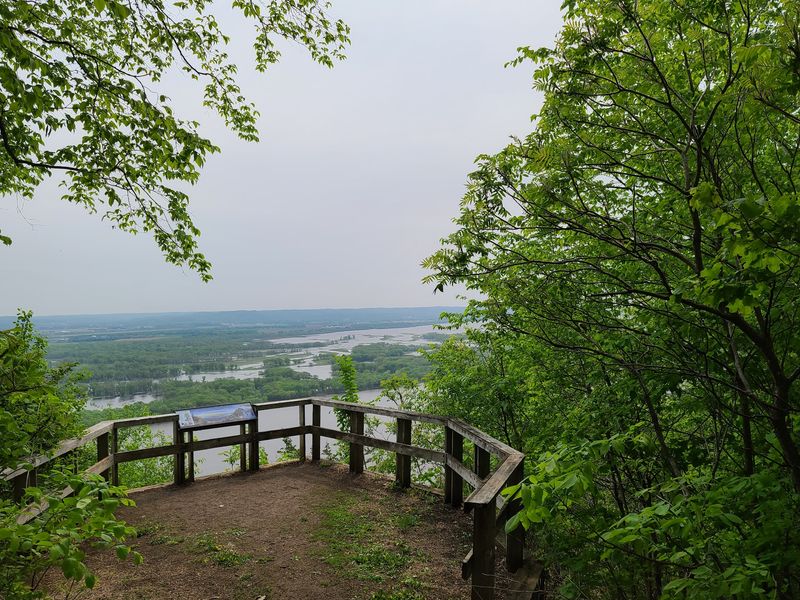
Seven named overlooks offer different perspectives across this scenic park. Collecting them all makes a fun mission for anyone who likes checking boxes.
The East Overlook sits about 0.3 miles one way from the campground visitor parking lot. It’s among the prettiest spots in Great River Bluffs State Park, especially when fall colors light up the trees.
Orchard Overlook faces a different direction entirely. It gazes over Kearns Valley, with Interstate 90 visible far in the distance. It’s a funny reminder that busy traffic hums along while you stand in quiet woods.
Then there’s the Drive-by Overlook along the road to the campground. The name says it all. You can catch a river view without even fully committing to a walk.
Planning a grand tour? Start near the campground with Orchard and East, then work north to South and North. Finish with King’s Bluff for the biggest payoff of the day.
Each viewpoint frames the valley a little differently. One shows open water, another shows layered bluffs, another shows farmland. It’s a lot like flipping through a scenic photo album, except you’re standing inside it.
Glaciers Skipped This Spot, And The Land Shows It
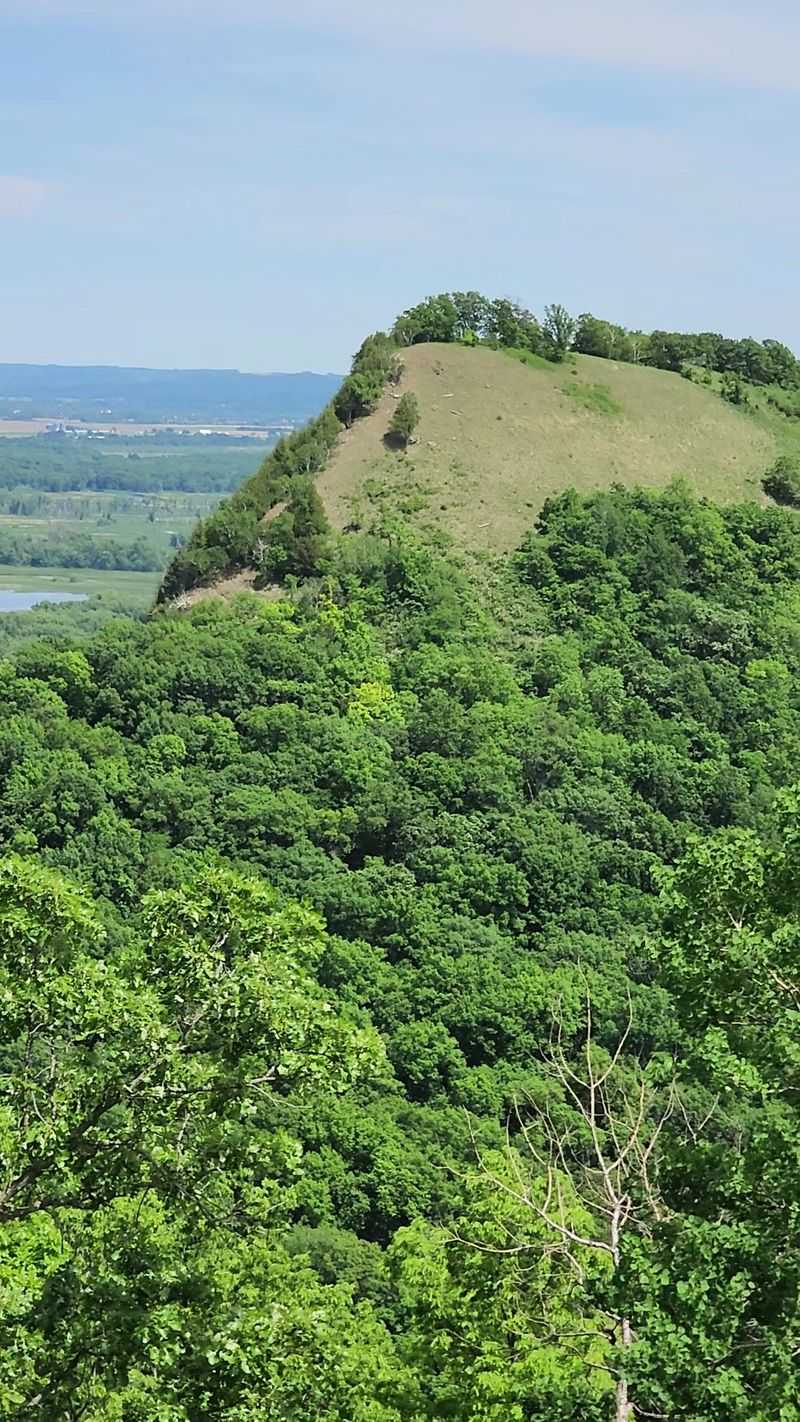
Most of Minnesota got flattened and smoothed by ancient ice. This corner didn’t, and that’s why the scenery looks so wonderfully dramatic.
The park sits in the Driftless Region, an area untouched by the most recent glaciation. Without glaciers grinding things down, the land kept its rugged shape. Steep valleys, sharp cliffs, and deep cuts define the terrain.
The bluffs themselves are built from ancient layers of sedimentary rock. Sandstone and dolomite stack up like a giant layer cake. Over countless years, the Mississippi River carved through those layers and sculpted the views you see today.
Knowing this changes how the overlooks feel. You’re not just looking at pretty hills. You’re looking at a landscape the ice age forgot to tidy up.
The park covers approximately 2,835 acres. It also sits within the Richard J. Dorer Memorial Hardwood State Forest, which adds to the sense of wild, wooded space around you.
Here’s a fun question for car rides with kids. Why does this part of the state look so different from the flat farmland farther west? Now you’ve got the answer, and it sounds pretty impressive at dinner.
Goat Prairies Are Weirder And Cooler Than They Sound
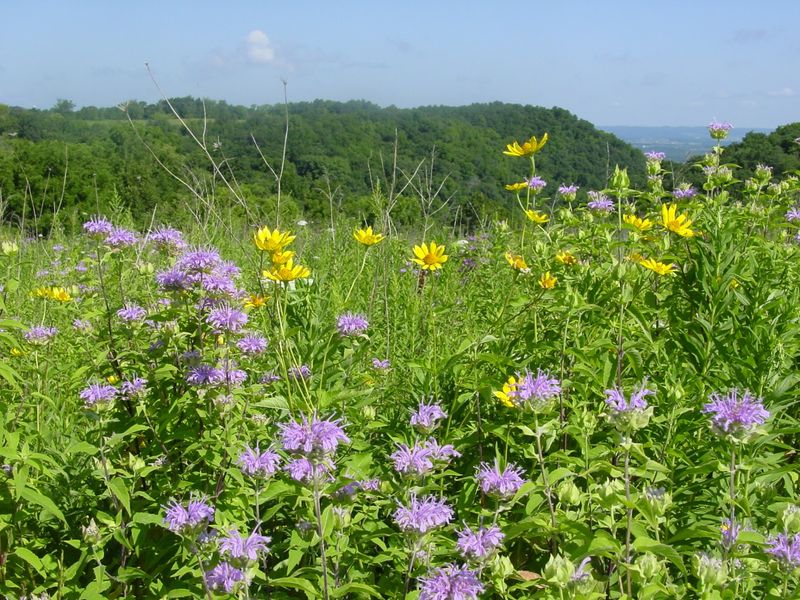
No goats required. A goat prairie is a steep, dry, south-facing grassland, so steep that only a goat would feel comfortable grazing on it.
These slopes are a standout feature at Great River Bluffs State Park. They support rare and delicate plant communities found in few other places. Native grasses and wildflowers cling to hillsides where trees simply can’t win.
The reason is clever. In winter, the sunny ground thaws and freezes day after day. That constant cycle keeps woody plants from taking root, so the prairie stays open.
King’s Bluff and Queen’s Bluff are protected as Scientific and Natural Areas because of these fragile plants. Queen’s Bluff has restricted public access due to its sensitive ecosystem and treacherous slopes. Admire it from King’s Bluff instead.
Early spring brings prairie flowers into bloom. It’s a lovely time to see color creeping across the bluff tops before the trees fully leaf out.
Please stay on marked paths here. One careless shortcut can crush plants that took a very long time to establish. Think of the prairie like a museum exhibit, except the paintings grow and the frame is the whole Mississippi valley.
Pack Binoculars, Because The Sky Gets Busy
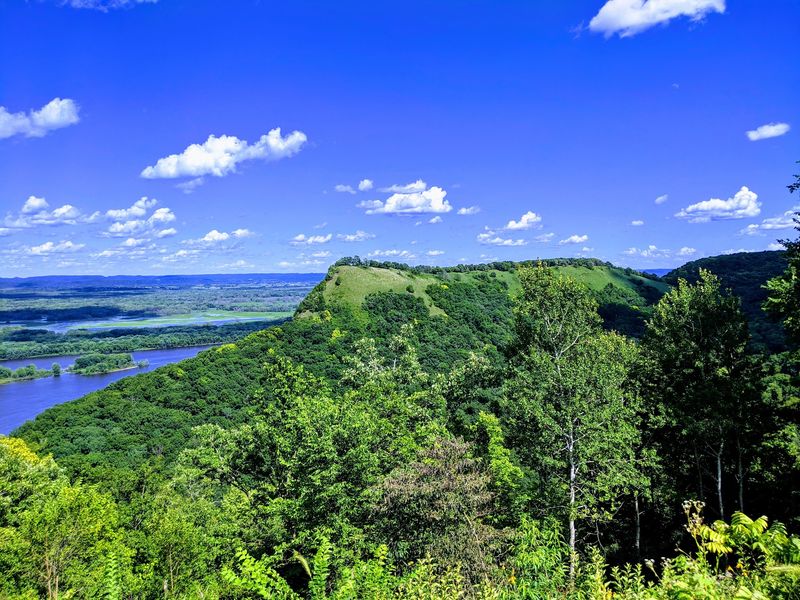
Eagles get the best seats in the house here. The bluffs sit right along a major migratory flyway, which turns the park into a birdwatcher’s dream.
Bald eagles, hawks, and peregrine falcons are among the sky’s regular performers. Waterfowl gather along the river below. In the woods, keep an eye out for ruffed grouse, wild turkeys, and plenty of songbirds.
Spring and fall migrations bring the most action. If you time your trip for those seasons, you’ll likely catch more wings in motion. Binoculars are strongly recommended, since many birds glide far below the overlooks.
The forests add variety too. The park mixes oak-hickory woods, maple-basswood forests, and pine plantations. Different trees attract different birds, so switching trails can mean switching species.
Not every resident has feathers. Coyotes live here, and so do rare timber rattlesnakes. Spotting a rattlesnake is uncommon, but watch your step on rocky, sunny spots and give any snake plenty of room.
A small field guide or bird app makes a great travel buddy. Spending ten quiet minutes at an overlook can turn a casual stop into a surprising wildlife show.
The Big View Shows Up Faster Than Your Snack Break
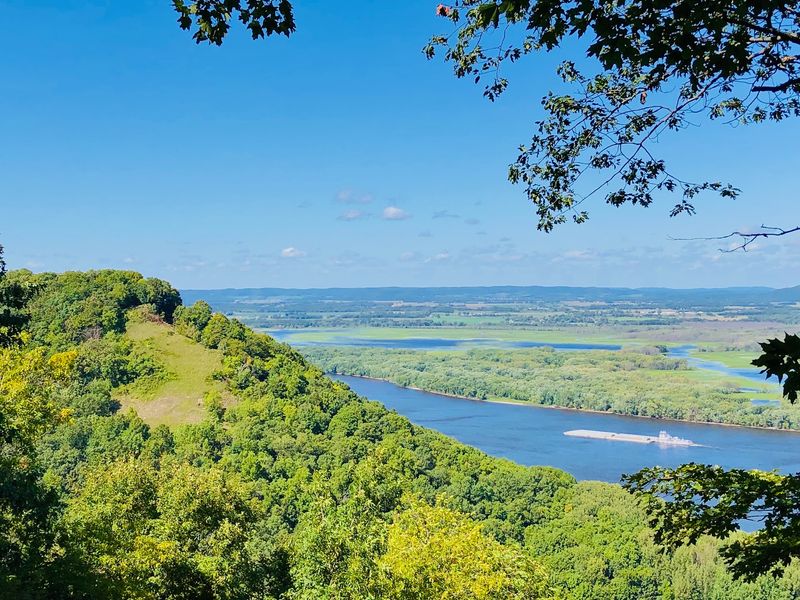
Two hundred yards. That’s the walk from the parking area to the North Overlook at Great River Bluffs State Park. It’s the most popular spot in the park, and the effort-to-reward ratio is frankly a little unfair.
Interpretive panels at the overlook explain the Mississippi River Valley spread out below. They also point out distant landmarks, so you’re not just squinting and guessing what that faraway shape might be.
The South Overlook is another easy one. It sits about 0.2 miles one way from the picnic area parking lot. You can knock out both overlooks in one quick loop and still have time for lunch.
The bluffs here climb around 500 feet above the river. From that height, the river valley stretches wide in a way photos rarely capture. Bring a camera anyway, because you’ll want to try.
Sunrise and sunset are the best times for bluff views. The low light paints the valley in softer colors. If your schedule allows only one stop, aim for one of those golden windows.
Kids, grandparents, and anyone allergic to steep climbs can all handle these short paths. Just keep little ones close near the edges, since the drop-offs are real.
Sleep High Above The River In A Forest Campsite
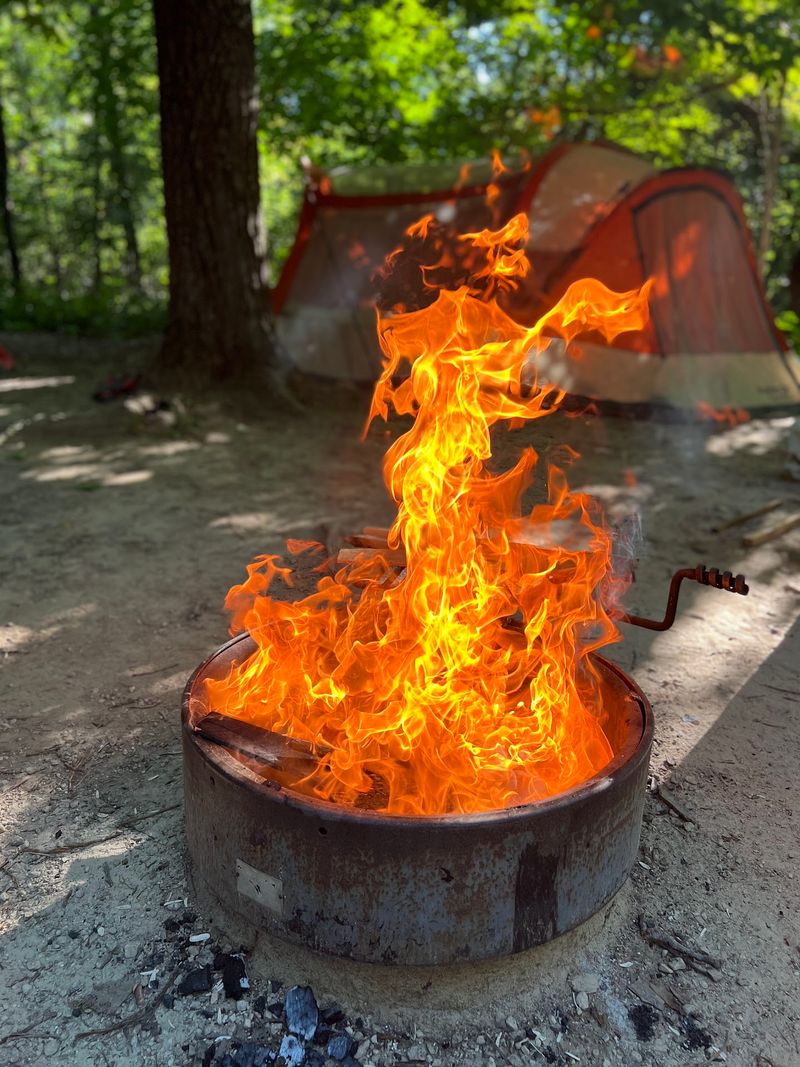
Campers get a sweet deal at Great River Bluffs State Park. The main campground offers 31 drive-in sites, each with a picnic table and fire ring.
A shower building nearby has flush toilets and hot showers. That’s a real treat after a sweaty day on the trails. Just know there are no electrical hookups, so plan your power needs before you arrive.
Want more quiet? Four rustic cart-in sites offer a semi-remote, tent-only experience. Carts are waiting at the parking area to haul your gear, with vault toilets and drinking water close by.
Cyclists have their own option too. Five primitive bike-in sites are reachable from Highway 61 at mile marker 12. They’re first-come, first-served, which rewards early pedalers.
Visitors looking for a quieter camping experience can choose one of the park’s four rustic cart-in campsites. Each cart-in campsite accommodates up to six people, making these sites suitable for smaller groups.
Reservations are a smart move, especially for drive-in sites during busy seasons. Many sites sit on sloping bluff ground, so check maximum lengths if you’re bringing a trailer. The campsites themselves don’t have river views, but the overlooks are only a short stroll away.
King’s Bluff Trail Is The Hike Worth Lacing Up For
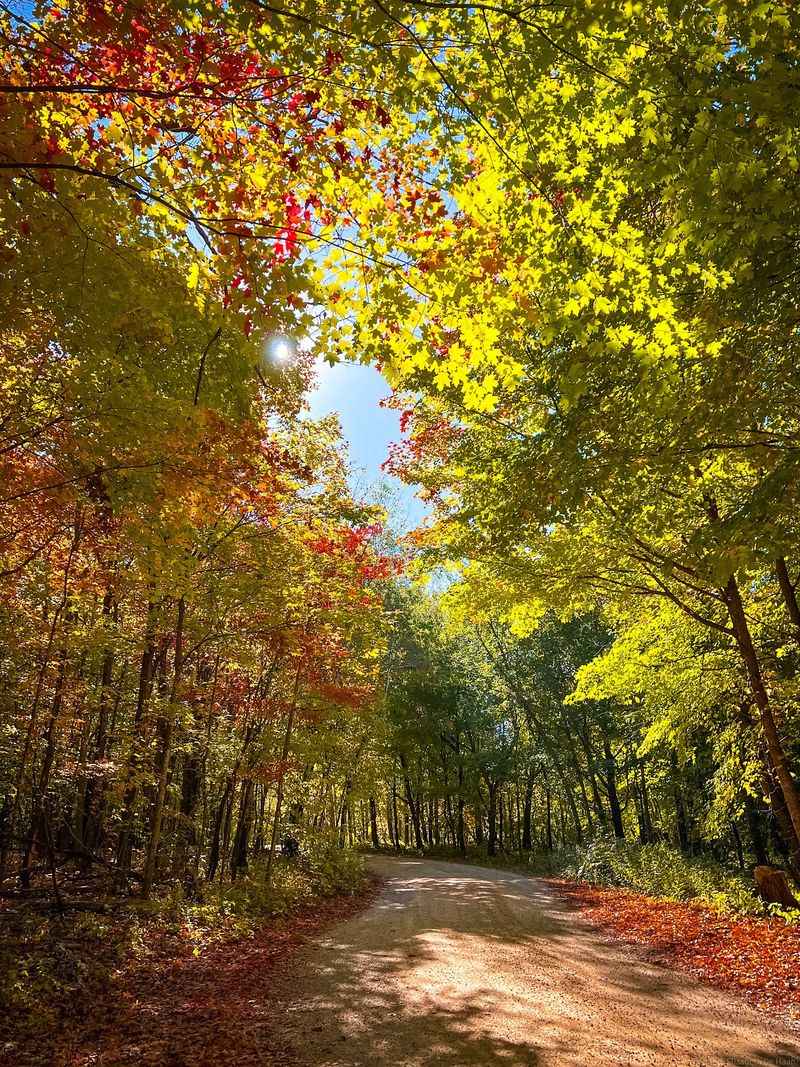
Every park has a headliner, and King’s Bluff Trail wears the crown here. It’s the most used trail in the park and doubles as the official Hiking Club trail.
The route runs about 1.25 miles one way from its own parking lot. You’ll start among pines, then pass through oak savanna and a Scientific and Natural Area before reaching the overlook.
At the end, King’s Bluff Overlook delivers sweeping views of the Mississippi River Valley. You’ll also get a clear look at Queen’s Bluff, its rugged neighbor across the way. Royal family drama, but make it geology.
The trail is moderate overall. Expect some rocks, roots, and uphill stretches, so sturdy shoes beat flip-flops every single time. Near the overlook, the ground falls away steeply on both sides of the path.
That last stretch deserves respect, especially with small children. Hold hands and stay on the trail. The rare plants here are fragile, and the slopes aren’t forgiving.
Dogs aren’t allowed inside Scientific and Natural Areas. Leave your pup with a buddy or choose another trail for the day. Honestly, the view might be worth a little doggy jealousy.
Snow Turns The Trails Into A Quiet Ski Escape
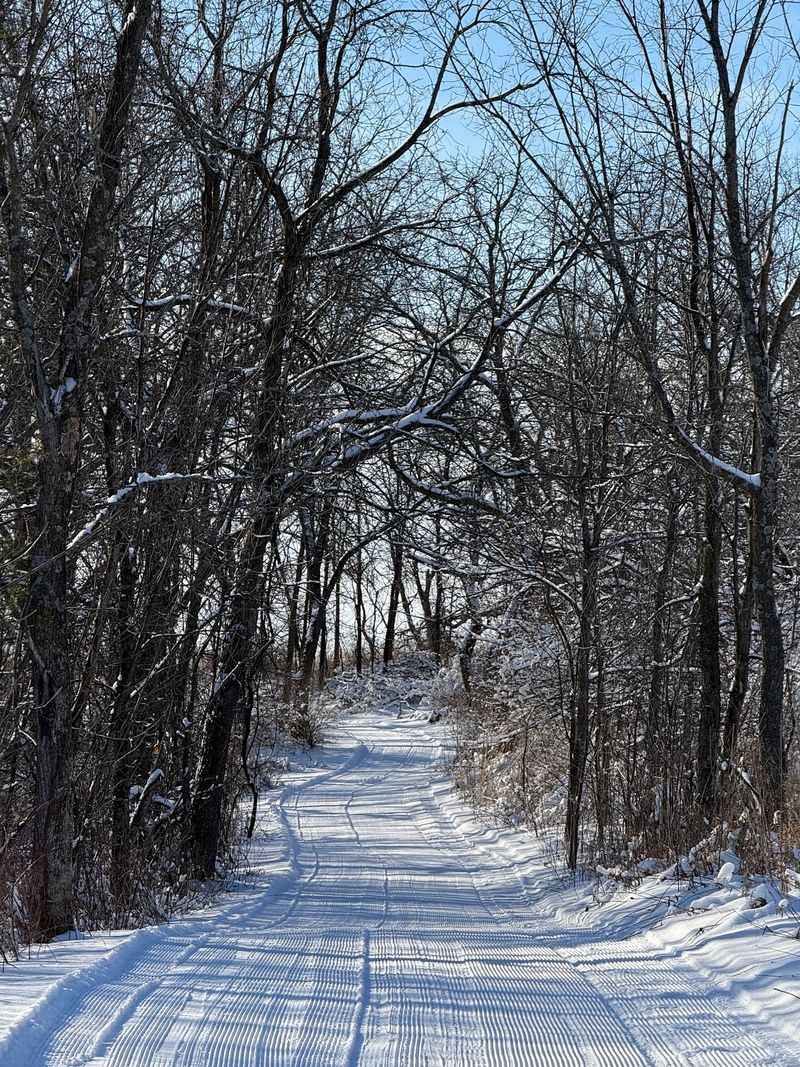
Winter doesn’t close the show. The park stays open year-round, and the cold months bring a whole new way to explore.
Parts of the trail system become about 9 miles of groomed cross-country ski trails. Gliding through snowy woods toward a frozen river view sounds like something from a holiday card. Snowshoeing is popular too, so non-skiers aren’t left out.
Bare trees in winter open up sightlines you’d miss in summer. The bluffs look sharper, and the valley feels even bigger under a blanket of white.
Fall deserves its own spotlight. Spring and fall are considered prime visiting seasons, thanks to comfortable temperatures and clear river vistas. Mid-October often brings brilliant colors across the bluffs.
Summer is green and lush, but bring bug spray. Mosquitoes can show up after heavy rains, especially under thick tree cover.
The general hiking network covers more than 6 miles, from easy loops to moderate climbs. King’s Bluff Trail runs about 1.25 miles one way and offers sweeping views of the Mississippi River Valley.
Other marked trails lead to the North, South, East, Orchard, and Kearns Valley overlooks. In Minnesota, every season seems to hand this park a fresh outfit.
The Park Had A Different Name And Address First
Plot twist for history fans. This park started life under another name, and it was planned for a different spot entirely.
Legislation for a park in the region passed in 1963. It was first called O. L. Kipp State Park, honoring Orin Lansing Kipp, a key figure in building Minnesota’s state highway system.
Fitting, since you’ll need a highway to get here.
The original land was never acquired. In 1971, the park was reestablished at its current location using land from the state forestry division. It finally opened to the public in 1976.
In 1997, lawmakers renamed it Great River Bluffs State Park. The new name matches the landscape far better. Kipp still gets a nod in the road name, though.
You’ll find the park at 43605 Kipp Dr, Winona, MN 55987. It’s about 17 miles from downtown Winona. From I-90, take exit 267. From Winona, follow Highway 61 south past mile marker 15, then turn onto County Road 3 for about 4 miles.
Stop by the park office, which has a small nature store. Grab a trail map, maybe a patch, and head for the bluffs.
