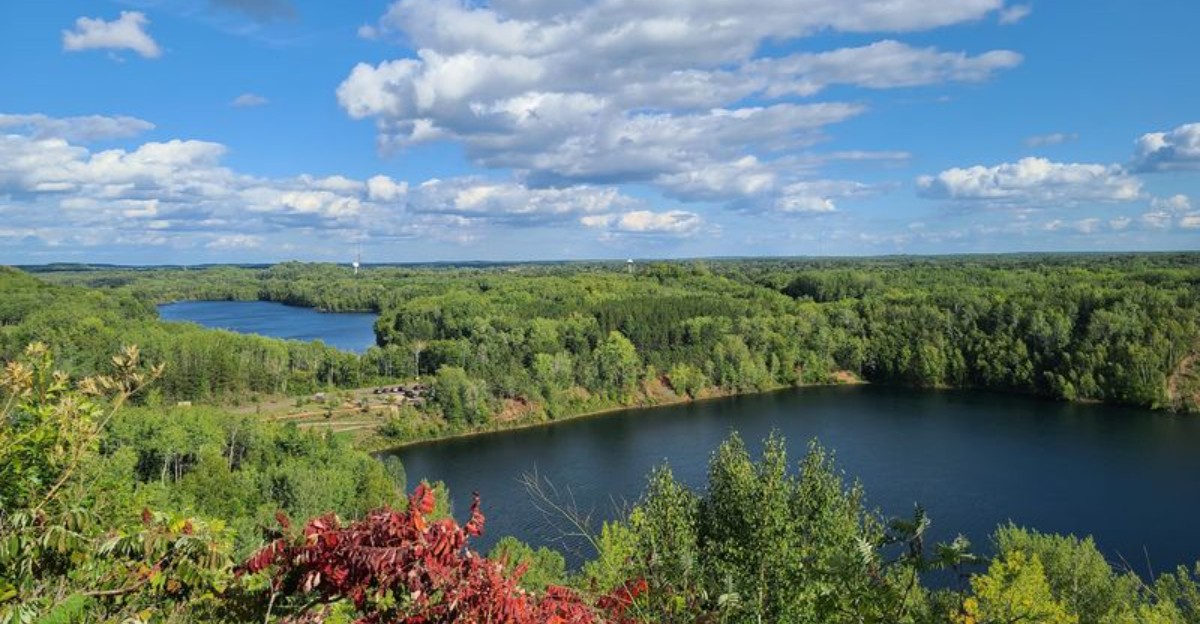
One of the deepest lakes in Minnesota sits inside an old iron mine, plunging somewhere between 395 and 450 feet. Nobody planned it as a lake. Groundwater simply moved in after the miners moved out.
I find it easy to appreciate how a place built for digging turned into a place built for playing. The water in these old pits is famously clear and blue. The dirt on the trails glows red from hematite, the same iron ore that once fueled a whole industry.
One detail I find worth mentioning is how many ways there are to enjoy it. Paddle, fish, ride, camp, or just stare at the water. So where do you start?
Deep Blue Water Fills The Holes Miners Left Behind
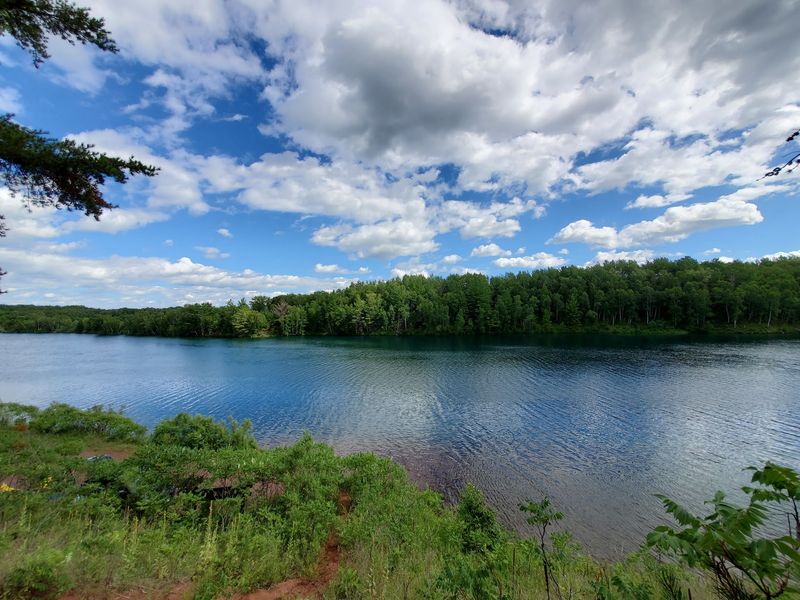
Iron miners spent decades carving giant holes into central Minnesota, never guessing they were digging future swimming spots. Cuyuna Country State Recreation Area covers about 5,000 acres of that old mining ground.
Active mining ran from the early 1900s into the 1980s. When the work stopped, groundwater slowly filled the deep excavations.
The result is a string of remarkably clear, blue lakes. The recreation area holds 15 of these former mine pits, plus six natural lakes.
That mix makes the landscape feel unusual for the region. Natural lakes look like typical Minnesota cabin country, while the mine lakes have steep walls and startling color.
Vegetation has bounced back around the old pits too. Trees and plants now cover ground that once looked purely industrial.
The state officially created the recreation area in 1993. That makes it fairly young compared to many Minnesota parks, which explains its fresh, well-kept feel.
Several former mine lakes carry mining-era names, such as Pennington, Yawkey, and Portsmouth. Those names quietly connect every paddle stroke to the workers who came before.
So when you look across that clear water, remember what it used to be. A busy, noisy mine site has become one of the calmest views in the state.
One Lake Here Goes Down Farther Than A Skyscraper Is Tall
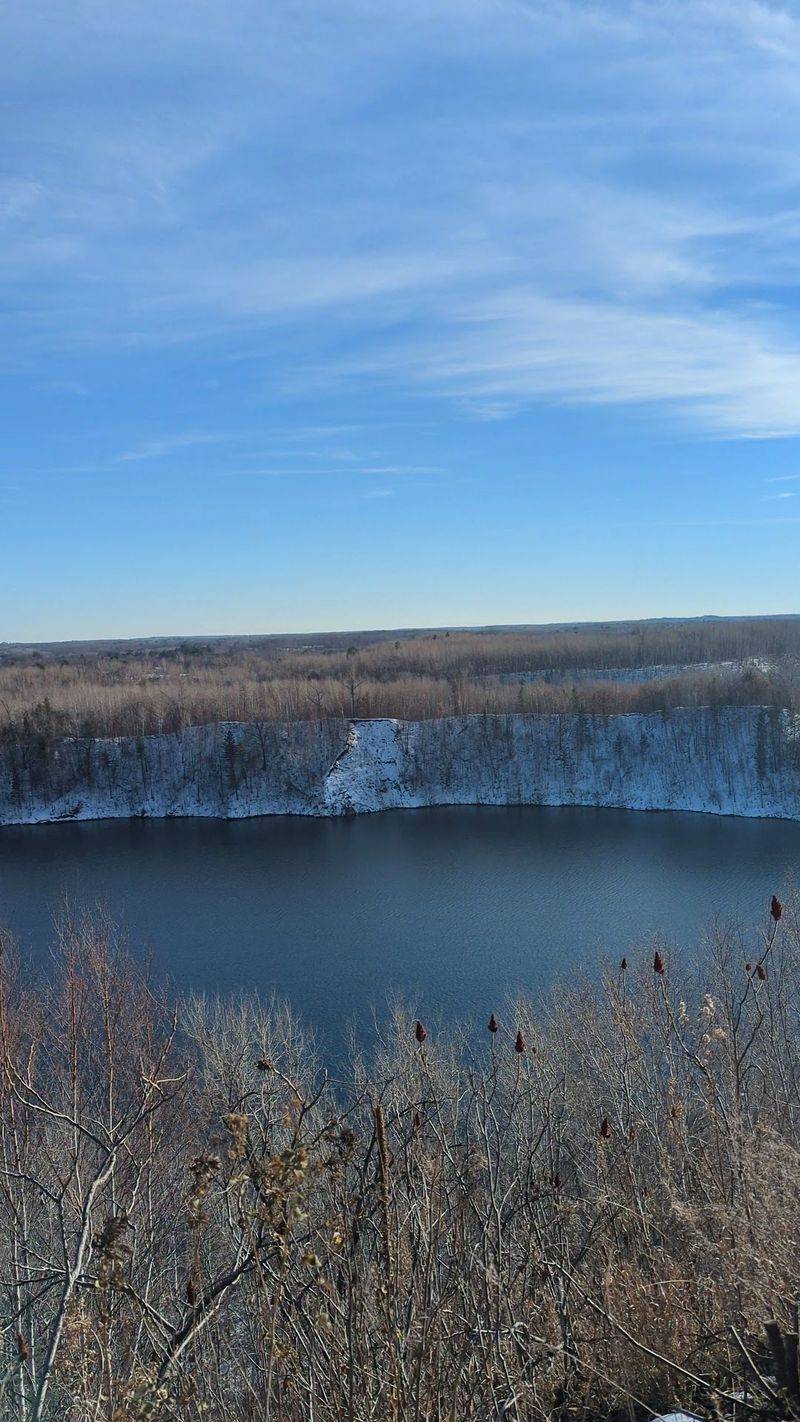
Four hundred feet. That’s roughly how far down Portsmouth Mine Lake reaches, with depth figures ranging from 395 to 450 feet.
That number puts it among the deepest lakes in Minnesota. For a state famous for lakes, that’s quite a claim for a former hole in the ground.
Natural lakes usually form from glaciers and gentle basins. Portsmouth formed because miners kept digging straight down after iron ore.
Those steep sides explain why the water looks so dark and serious in the middle. Depth like that changes how light moves through the lake.
The lake also gives its name to the Portsmouth Campground nearby. So campers can fall asleep close to one of the state’s most impressive water features.
Fun fact for trivia night: many people guess Minnesota’s deepest lakes sit up north near Lake Superior. Few would guess a mine pit near small towns like Crosby and Ironton.
Stay safe around these deep pits, especially with kids. The banks can be steep, and the water stays cold.
Still, standing near the edge and doing the math is part of the fun. Somewhere under that calm surface, the old mine keeps going down and down.
Divers Get A Look At Mining History Underwater
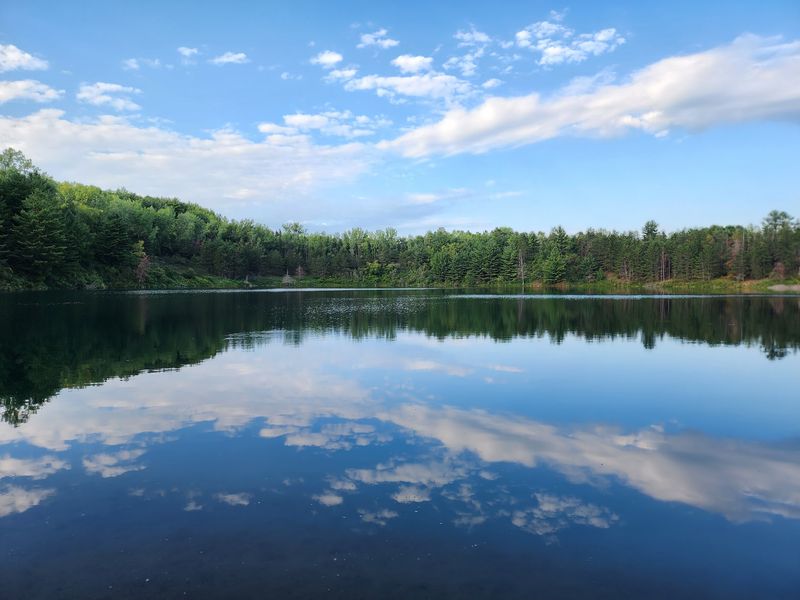
Most Minnesota lakes hide weeds, rocks, and maybe a lost fishing lure. The mine lakes at Cuyuna Country State Recreation Area hide old mining equipment.
Scuba diving is one of the more surprising activities here. The clear water lets divers explore unusual underwater terrain shaped by decades of digging.
Instead of soft, sloping bottoms, the pits feature steep drops and ledges. That unique topography makes each dive feel a bit like exploring a flooded construction site.
Submerged machinery adds a dose of history to the adventure. It’s like a museum, except the exhibits are underwater and the visitors wear fins.
Clarity matters a lot for divers, and these lakes are known for it. Better visibility means more to see and more to photograph.
Not certified yet? Swimming and snorkeling near shore can still give you a taste of that clear water.
Remember that deep lakes stay chilly, even in summer. A good wetsuit and a dive buddy are smart choices for any trip here.
Diving here connects you to Minnesota’s iron past in a hands-on way. Few places let you float above the tools that shaped a whole region.
Red Dirt Singletrack Turned This Place Into A Biking Legend
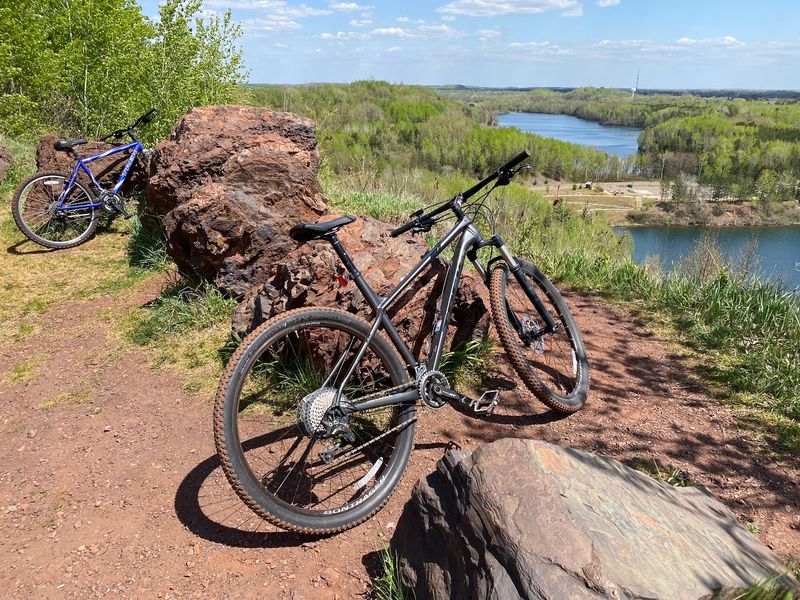
Bikers talk about Cuyuna the way surfers talk about famous beaches. The recreation area is known as a world-class mountain biking destination.
Singletrack trails stretch more than 50 miles, and some sources put the total near 70. Either way, you won’t run out of dirt in one afternoon.
The trails are designed for all skill levels. Beginners can find smooth, friendly loops, while experienced riders chase tougher lines.
Adaptive riders are included too, with trails that welcome adaptive mountain bikes. That thoughtful design opens the fun to more people.
The ground itself steals the show. Iron-rich hematite gives the soil a bold red color that feels out of place in the Northwoods.
Many trails curve along the mine lake shorelines. So you get blue water views between bursts of pedaling.
Key access points include the Miner’s Mountain Rally Center and the Sagamore Rally Center. Both make handy starting spots for planning a ride.
No bike? Private shops in nearby Crosby and Ironton rent them. Just expect your shoes, socks, and possibly your eyebrows to come home with a little red dust attached.
Grab A Paddle Because The Water Practically Begs For It
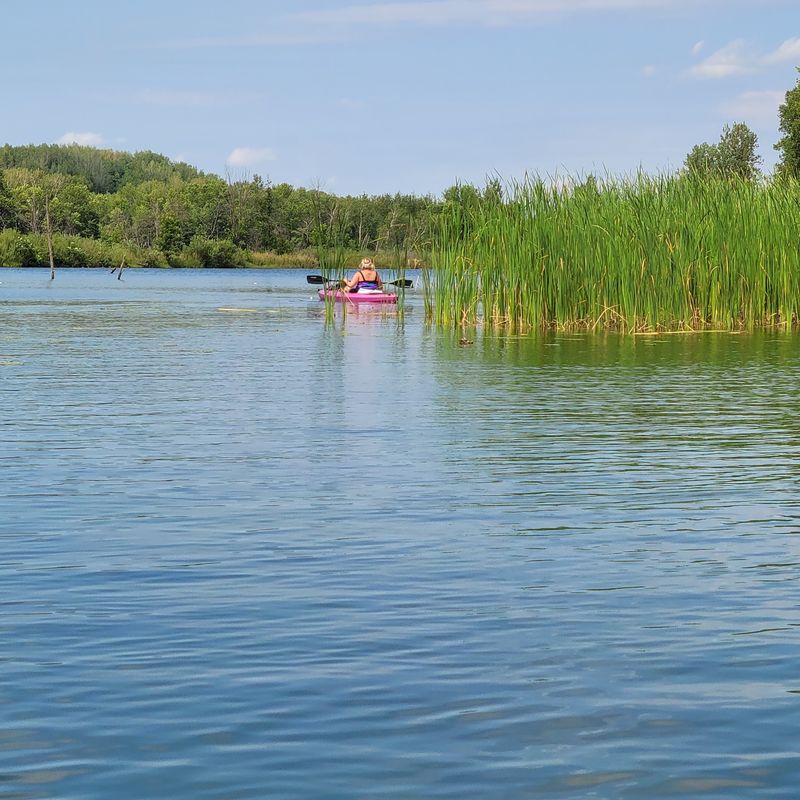
Clear water changes the whole paddling experience. On these old mine lakes, you can often peer down into the blue while gliding along.
Kayaking, canoeing, and paddleboarding are all popular choices here. The calm, sheltered pits make for relaxed trips rather than battles with big waves.
Pennington Mine Lake is one well-known spot for paddlers. Its clarity often surprises first-time visitors who expect murky northern water.
Many of the lakes sit tucked between steep banks and trees. That setting gives each paddle a quiet, almost secret feel.
Swimming is popular too, especially on hot summer days. Just know the deep pits can feel brisk, so ease in slowly.
Rentals make things simple if you don’t own a boat. Private vendors in Crosby and Ironton offer kayaks and canoes.
Here’s a practical tip: bring a dry bag for your phone and snacks. You’ll want photos, and the lake doesn’t return borrowed electronics.
A paddle trip also pairs nicely with a morning ride. Bike in the cool hours, then float the afternoon away while your legs recover on the water.
Trout In An Old Mine? Anglers Can Make It Happen
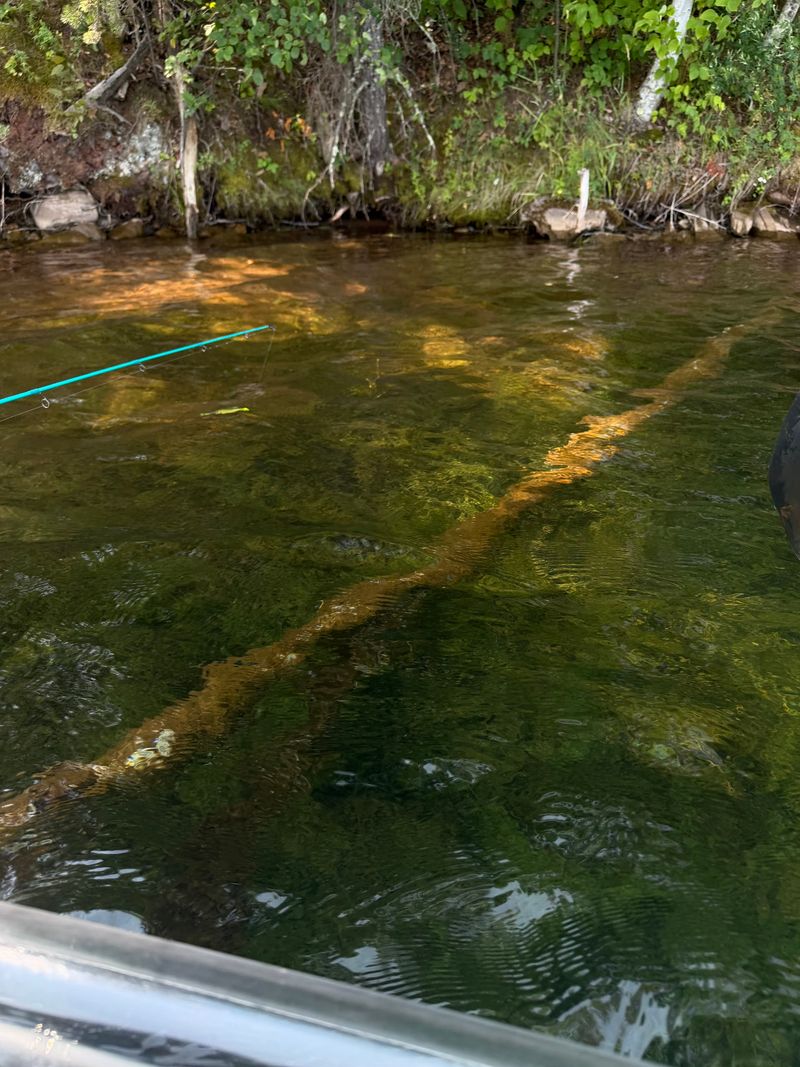
Trout swimming through a former iron mine sounds like a riddle. At Cuyuna Country State Recreation Area, it’s simply part of the fishing lineup.
Several mine lakes are managed as dedicated trout lakes. The cold, deep, clear water suits these fish well.
Trout aren’t the only target, though. Anglers can also find northern pike, bass, crappie, and sunfish across the area’s waters.
That variety makes it easy to plan a trip for different skill levels. Kids might stay busy with sunfish while adults try for something bigger.
Fishing from a kayak or canoe works nicely on these quieter lakes. You can reach spots along steep shorelines that are hard to cast toward from land.
Remember your Minnesota fishing license before you head out. Trout lakes may have special rules, so check state regulations ahead of time.
The clear water also creates a fun challenge. If you can see the fish, there’s a good chance they can see you too.
Patience pays off here, just like anywhere else. And even a slow fishing day comes with a gorgeous view of blue water and red rock.
Yurts, Tents, And Campsites Close To The Action
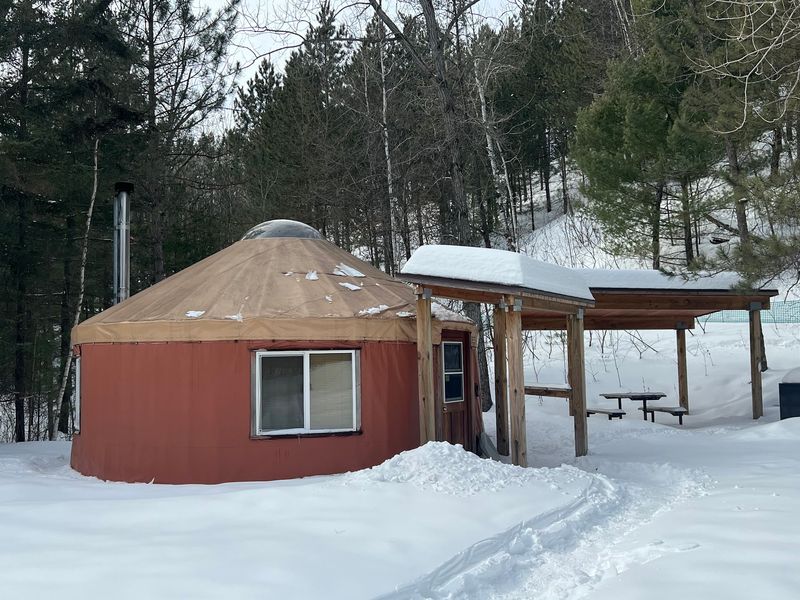
Sleeping inside a former mining district sounds rugged. The Portsmouth Campground makes it surprisingly comfortable.
The campground offers 18 electric drive-in sites and 11 non-electric drive-in sites. There are also four walk-in sites and one group site.
The star lodging option might be the yurts. Three four-season yurts welcome overnight guests, even when Minnesota turns snowy.
Yurts are a nice middle ground between tent camping and a cabin. You get walls and a roof without giving up the outdoor feel.
A few practical notes help with planning. The Portsmouth Campground shower building is closed for the 2026 season, though vault toilets stay available year-round.
RV campers should plan ahead for water and dumping needs. Check the campground details carefully before booking.
Staying overnight puts you close to trails at sunrise. That means early rides and quiet paddles before the day really gets going.
Nearby towns also offer other lodging options if camping isn’t your style. Still, waking up near one of the deepest lakes in the state is a pretty great alarm clock.
Climb Up For Views, Then Wander Through Mining History
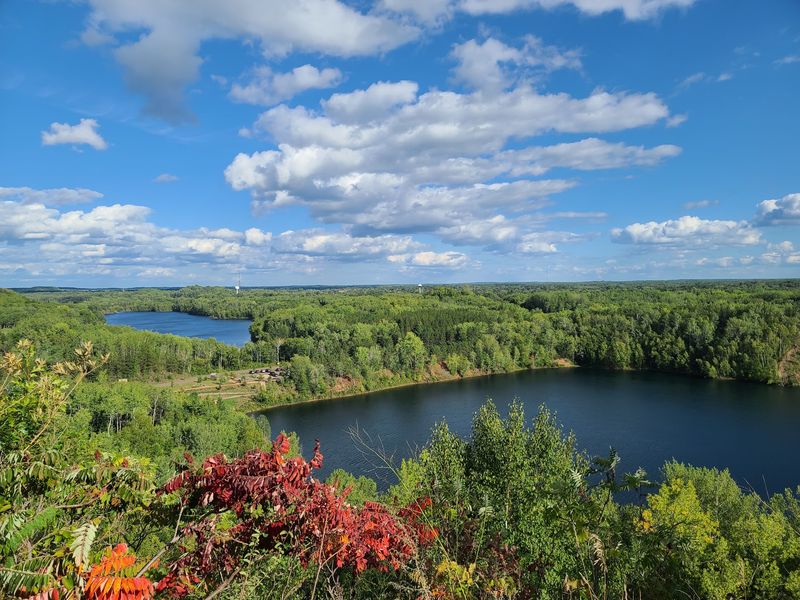
Some of the best scenery here comes from looking down instead of out. Miner’s Mountain Overlook offers sweeping views over the recreation area.
From up high, the old pits and lakes spread across the landscape. It’s a great way to understand just how big the mining operation once was.
Fall is an especially popular time for these views. Changing leaves frame the blue water and red ground in a bold mix of colors.
History fans should also check out Croft Mine Historical Park. It’s part of the recreation area and focuses on the region’s mining past.
Visiting both spots in one trip gives you the full story. First see the landscape, then learn how people shaped it.
Interpretive signs around the area add useful background. Reading them turns a simple walk into a quick history lesson.
Kids often love the idea that people once worked deep underground here. It makes the lakes feel less like scenery and more like a story.
Bring a camera and good shoes. The view rewards a little effort, and history goes down easier with fresh air.
Birds, Snow Trails, And A Plan For Your Visit
Nearly 170 bird species have been recorded here. Not bad for land that once echoed with mining machinery.
Birders can spot plenty of action along shorelines and wooded areas. Binoculars earn their spot in the backpack.
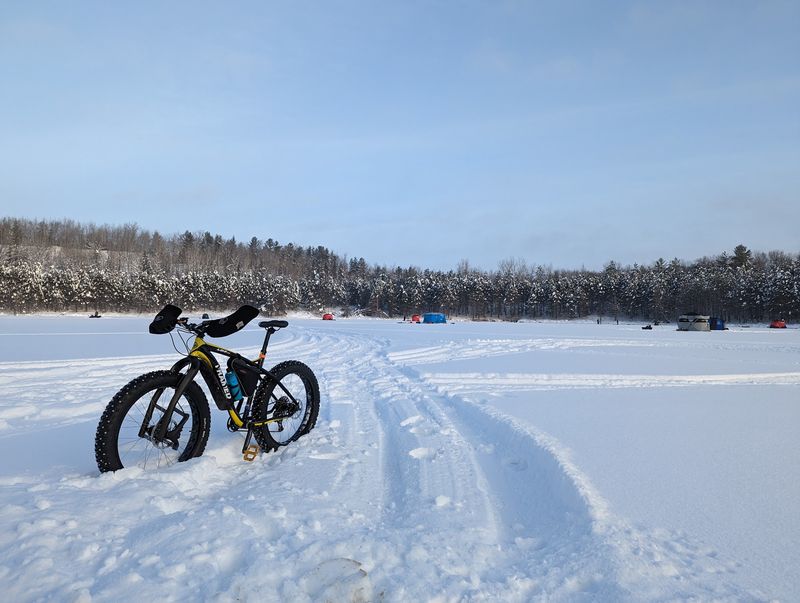
Winter doesn’t shut things down either. Fat biking, snowshoeing, and cross-country skiing keep the trails busy when the lakes freeze.
Hunting is also permitted during designated seasons. Check Minnesota rules and season dates before planning that kind of trip.
The paved Cuyuna Lakes State Trail adds about 8 more miles. It’s great for walking, running, or a relaxed bike ride.
The main office sits at 307 3rd St, Ironton, MN 56455. The recreation area is open daily from 8 a.m. to 10 p.m.
The ranger station keeps shorter hours, Monday through Friday from 9 a.m. to 1 p.m. Plan accordingly if you have questions.
A vehicle permit is required for entry, so don’t skip that step. Then pick your adventure and let Cuyuna Country State Recreation Area show off every season.
