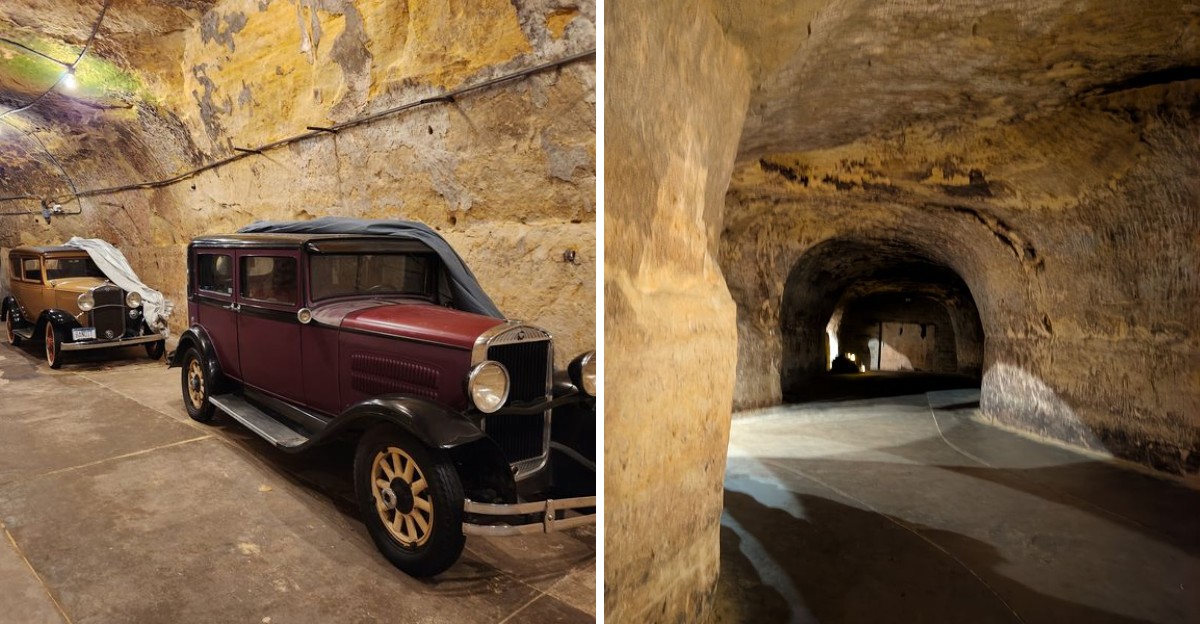
Tour guides still point out bullet holes from an unsolved gangland shooting inside a sandstone cave nightclub.
I noticed that the shooting is only one chapter in a very strange story. The same hand-carved tunnels once supplied sand for glass. Later, they grew mushrooms by the ton.
One detail I find worth mentioning is the swing music. Live big bands still play underground on Thursday nights, and dancers show up in 1920s outfits.
This Minnesota spot also stored cheese, hosted a disco, and earned a reputation as a haunted hangout. That’s a lot of careers for one hole in a cliff.
Behind That Castle Front Is A Cliff Full Of Secrets
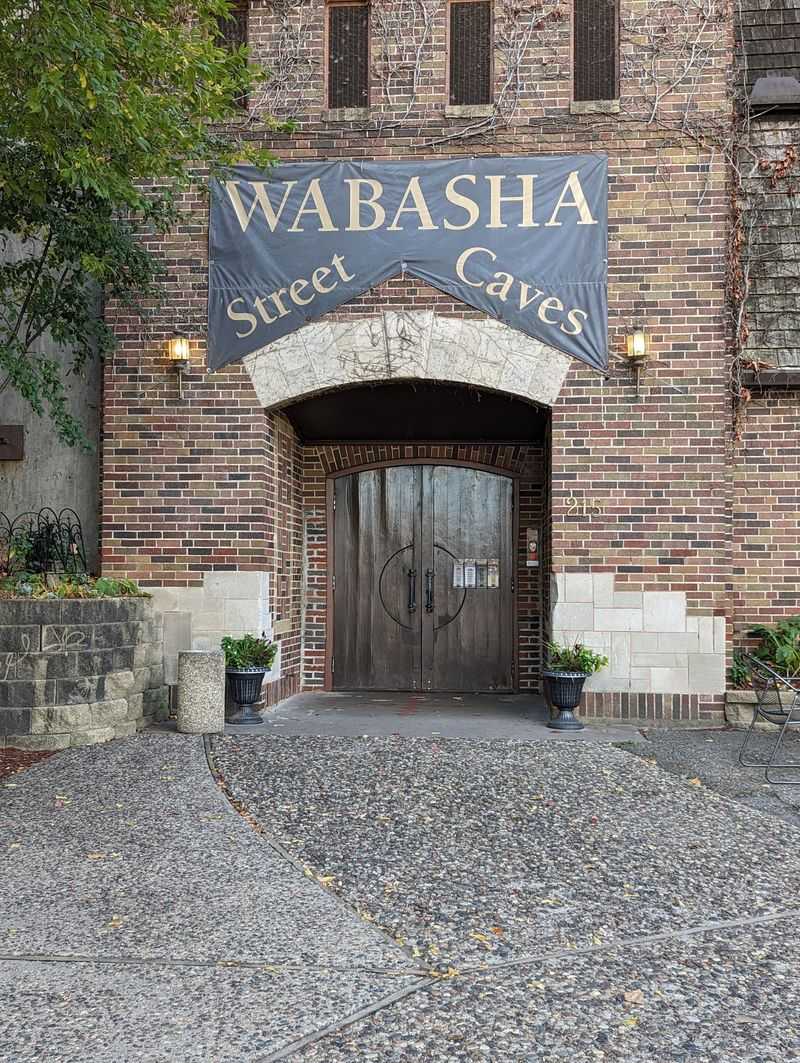
A brick castle with climbing ivy greets you first. It looks more like a storybook than a doorway into a sandstone bluff.
That bluff is the real star at the Wabasha Street Caves. The caves sit in the St. Peter sandstone cliffs on the west bank of the Mississippi River in St. Paul.
Here’s a fun twist on the name. These aren’t natural caves at all, since people carved them out as mines. So technically, you’re visiting a mine wearing a cave costume.
The vintage facade gives a hint of the party years to come. It feels like a front porch for a building that never existed above ground.
Inside, some main rooms now have lighting, electricity, and climate control. Other parts stay rougher and closer to their mining roots. Only the front section of the larger mine is open to the public, which keeps tours focused.
Minnesota has plenty of lakes and forests to brag about. Few states, though, can claim an old mine with a castle stuck on the front. The building looks like it walked out of a fairy tale and decided to stay.
Bring your camera before you head inside. The exterior is half the fun of the first impression.
Sand Miners Started It All In The 1840s
Glass. That’s the surprising reason anyone dug here in the first place.
Back in the 1840s, workers mined silica from the soft sandstone. Silica sand was valuable because it could be turned into glass. Every tunnel you see started as someone’s hard day of work.
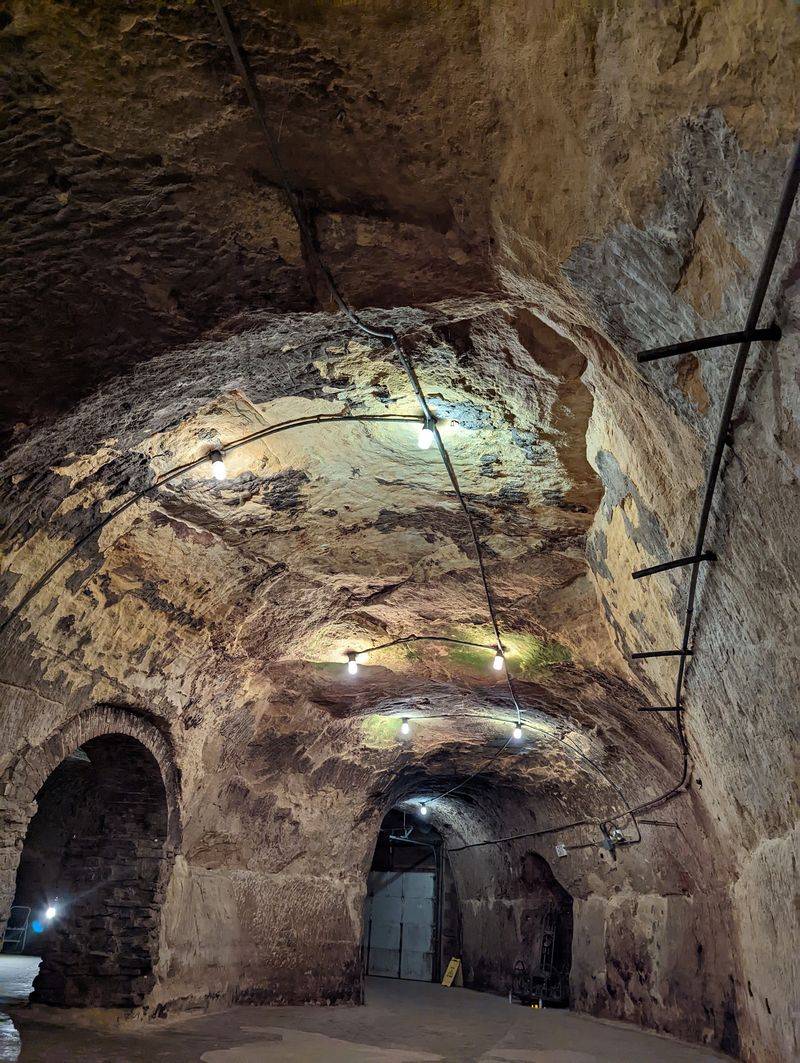
The walls were carved by hand, not blasted by giant machines. That makes the space feel more personal than you might expect. You can almost sense the patience it took to shape these long rooms.
St. Peter sandstone is famous for being soft and easy to cut. That softness made mining possible with simple tools. It also explains why the tunnels have such smooth, rounded shapes today.
I find it easy to appreciate how practical this beginning was. Nobody planned a nightclub or a haunted tour back then. They just needed sand, and the cliff had plenty.
Knowing this history changes how the rooms look. Those curved ceilings stop being just pretty. They become proof of people working underground long before electric lights arrived.
The historic cave tour covers this mining chapter first. It sets the stage nicely for the stranger stories that follow.
Mushrooms Once Turned This Mine Into A Money Maker
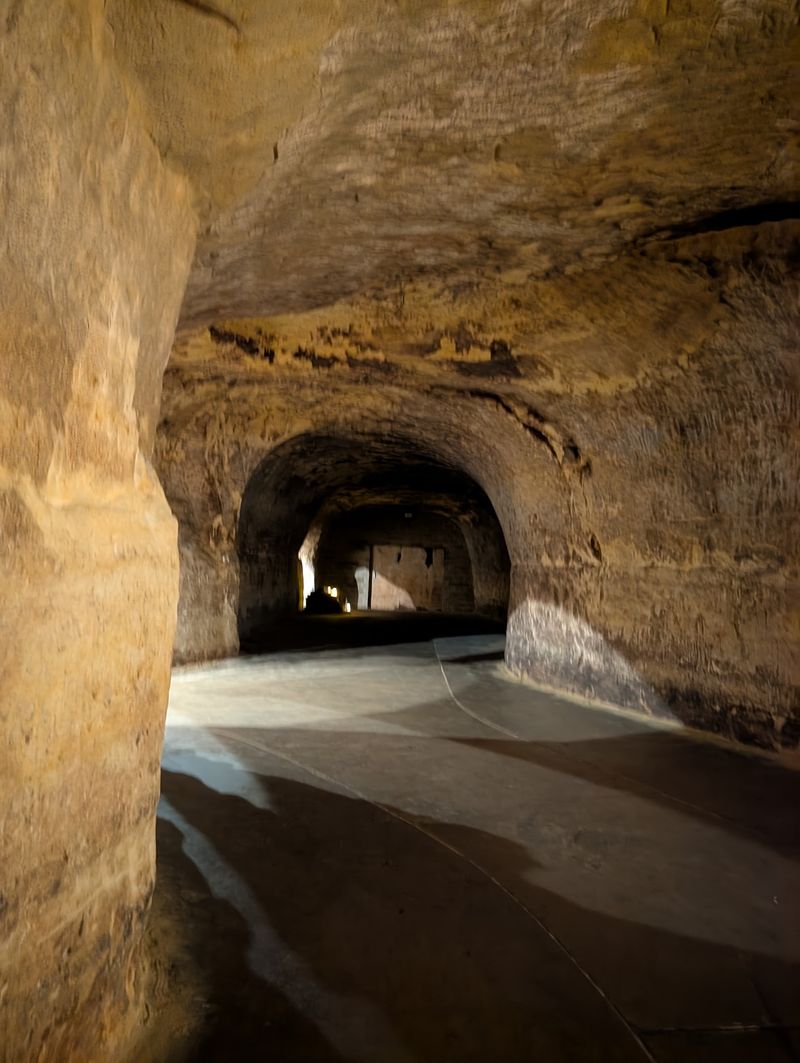
Around 1899, a French immigrant named Albert Mouchnotte saw these damp, dark tunnels and thought of mushrooms. Smart move.
The caves became home to a successful commercial mushroom farm established by French immigrant Albert Mouchnotte in 1899. Cool, steady temperatures made the space ideal for growing them.
The operation became a successful business, supplying mushrooms to restaurants and markets well beyond St. Paul.
Talk about a glow-up for an old sand mine. The same rooms that once fed glass factories started feeding hungry kitchens instead.
Mouchnotte’s daughter, Josie, later ran the business with her husband, William Lehmann. That family connection matters, because the Lehmanns would shape the caves for decades. Keep their names in mind for later chapters.
The mushroom business stayed until 1965. Then it moved to Lake Elmo, another Minnesota town east of St. Paul.
I’m particularly drawn to this chapter because it feels so unexpected. Most people think of gangsters first when they hear about the caves. Yet fungi may have been the most successful tenants of all.
The temperature that helped mushrooms grow still matters today. The caves stay pleasantly cool, which makes them a handy escape on a hot summer afternoon.
Gangsters, Speakeasies, And A Very Friendly Police Chief
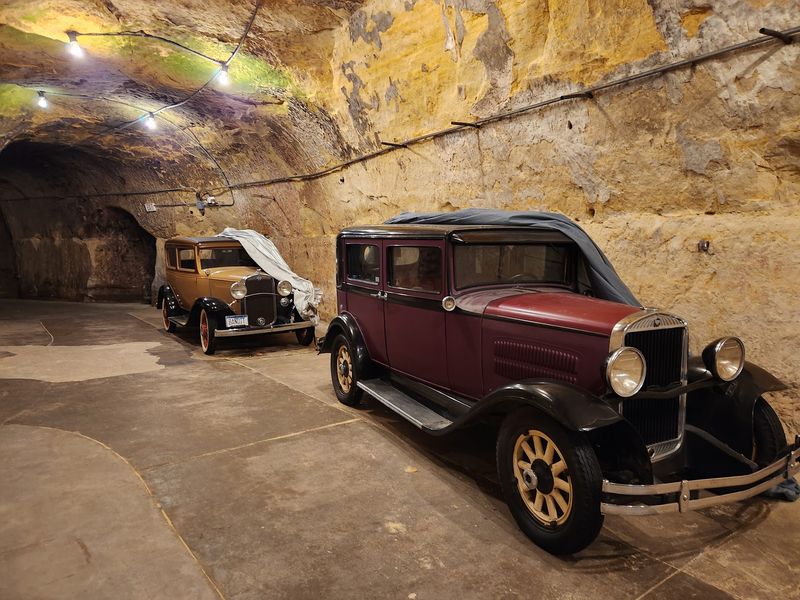
During Prohibition in the 1920s, St. Paul had a reputation as a safe place for gangsters. A deal with Police Chief John O’Connor helped make that happen.
The caves fit right into that shady scene. They operated as an illegal speakeasy known as the Wabasha Street Speakeasy. Hiding a party inside a cliff seems almost too perfect.
Legends say big names like John Dillinger, Ma Barker, and Baby Face Nelson spent time here. Some historians call these stories legend, since solid proof is hard to find. A longtime tour guide, though, claims to have proof of Dillinger’s visit.
So which version wins? You’ll have to hear the stories and decide for yourself. Honestly, the mystery is part of the charm.
The Saint Paul Gangster Tour digs deeper into this era. It’s a bus tour led by a costumed guide who shares the city’s wild gangster history.
That ride takes the stories beyond the caves and into the streets. It shows how this underground club connected to a much bigger network of crime and corruption.
Fedora optional, but highly encouraged.
Big Bands Played The Castle Royal Underground
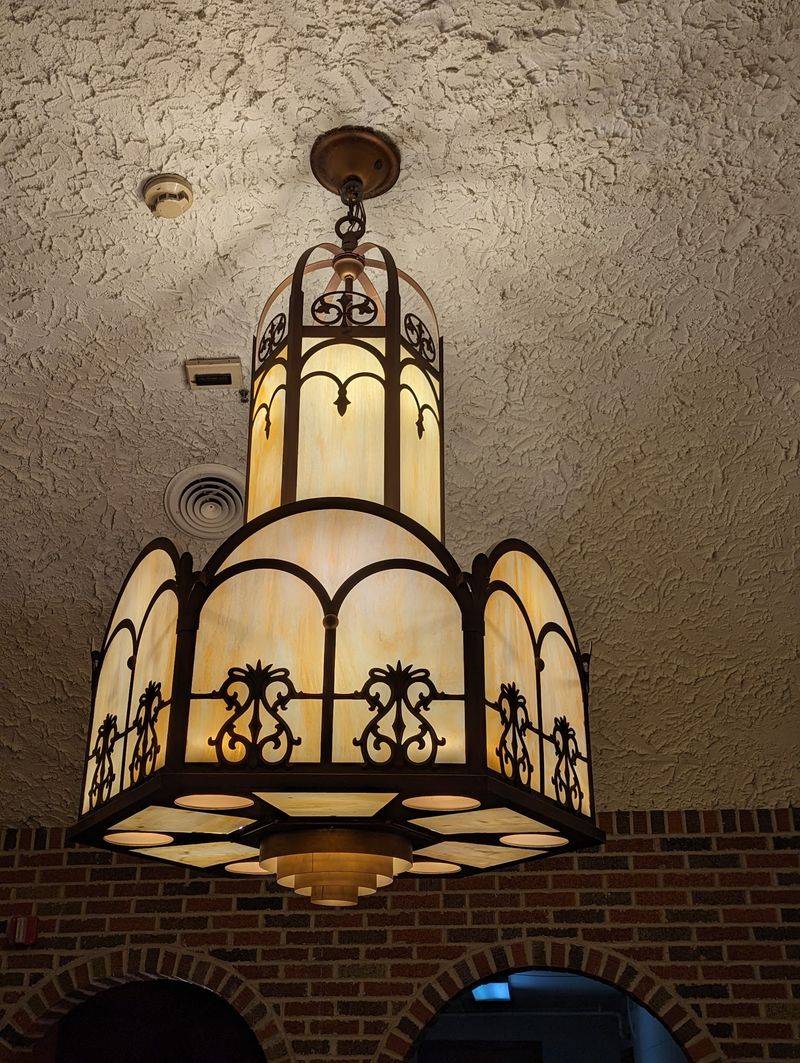
October 26, 1933, was a big night underground. Josie and William Lehmann opened a legal restaurant and nightclub called the Castle Royal.
They advertised it as the World’s Most Gorgeous Underground Nightclub. That’s a bold slogan, but the guest list backed it up. Stars like Cab Calloway, the Dorsey Brothers, and Harry James performed here.
Picture brass horns bouncing off sandstone walls. Okay, skip the picturing, because the acoustics are still a real feature today. Music sounds especially rich inside these carved rooms.
Some original touches from the party years remain. A polished hardwood dance floor still shines, and cozy nooks dot the space. It’s easy to see why people dressed up to come here.
Newspapers of the time also reported an unsolved gangland shooting in the casino area. Tour guides still point out bullet holes near the fireplace. That’s one detail that tends to quiet a room fast.
The Castle Royal mixed glamour with a little danger. That combination keeps the stories so gripping nearly a century later.
Standing in the old club, you get a strong sense of how different nightlife once looked.
Cheese, Disco, And Floodwater All Had A Turn
Few places have a resume this weird. After the nightclub era, the Wabasha Street Caves kept finding new jobs.
From 1940 to 1959, Land O’Lakes used the caves for cheese storage. Of course it did, since this is Minnesota and dairy deserves respect. The cool air worked for cheese just like it worked for mushrooms.
Then came the 1970s, and the caves briefly became a disco. Mirror balls in a sandstone mine sound amazing. Sadly, that venture ended in bankruptcy.
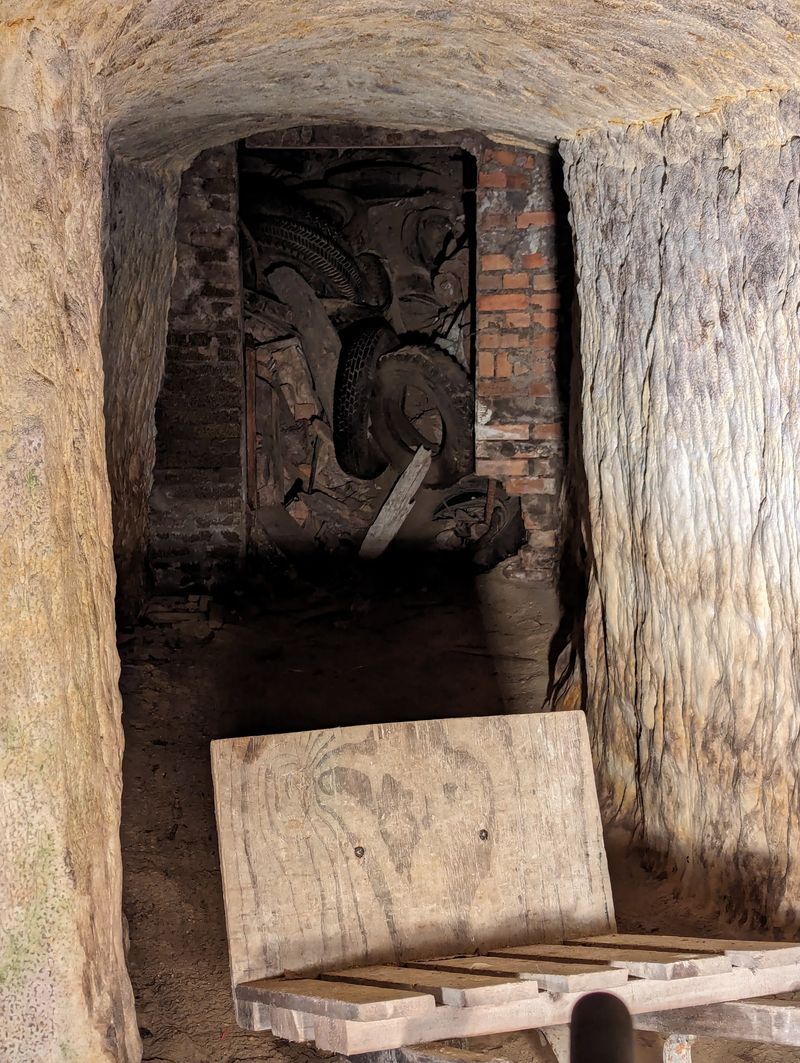
Nature added its own chapter too. Mississippi River floods carried debris into parts of the caves over the years. Fires also caused damage during quieter, abandoned stretches.
Some sections are still being cleared from old flood debris. That helps explain why only part of the mine is open to visitors right now.
One detail I find worth mentioning is how stubborn this place is. Floods, fires, and failed businesses could have closed it for good. Instead, the caves were restored and opened again.
Every comeback added another layer of story. The result feels like a time capsule with many lids.
Thursday Nights Still Swing Like It’s 1935
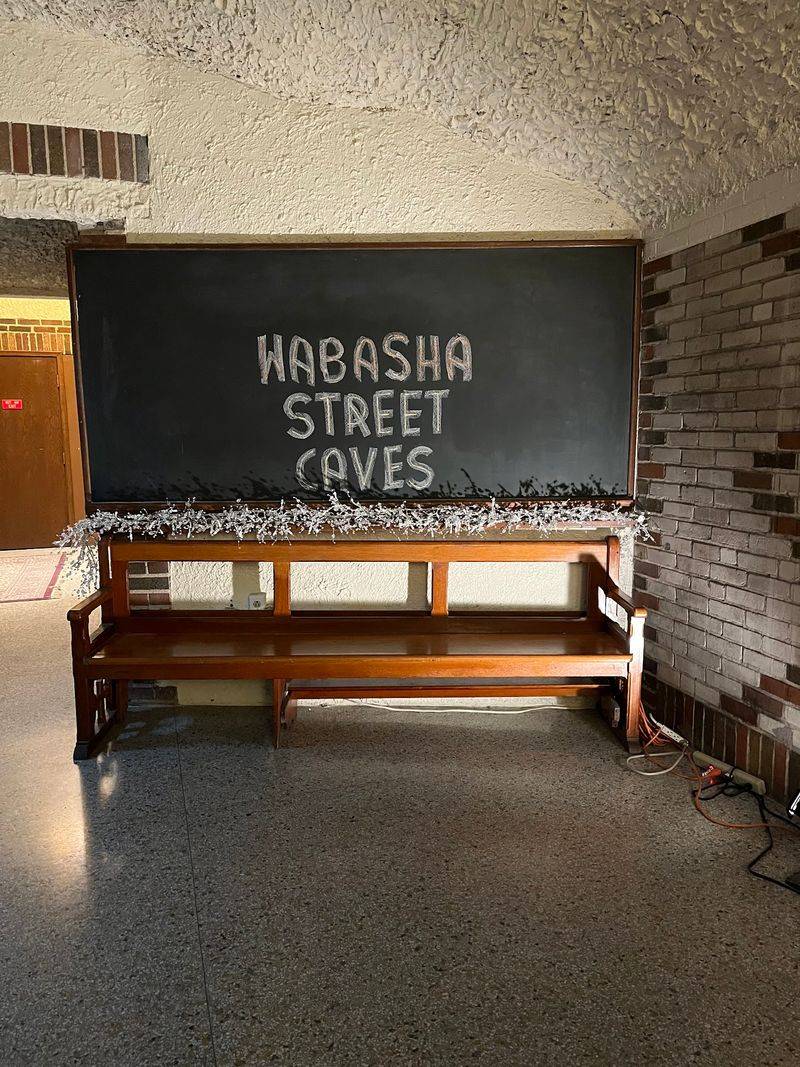
Swing Dance Night has run for more than 30 years. That’s longer than many restaurants survive.
Every Thursday, live big bands take the stage inside the caves. Dance lessons help beginners find their footing. Nobody expects you to be a pro on night one.
Period outfits are encouraged, so dig out those suspenders or pearls. Dressing up isn’t required. Still, it makes the old nightclub feel wonderfully alive again.
The hardwood floor gets a real workout on these nights. Sandstone walls carry the sound in a way regular ballrooms can’t match. It’s a fitting tribute to the Castle Royal days.
You can pair the dance with a cave tour earlier in the evening. That combo gives you the history first, then the music. Hearing about Cab Calloway makes the swing steps feel more meaningful.
Thursdays are the late night on the schedule, so plan around that. Checking the event calendar ahead of time is smart.
I find it easy to appreciate a tradition this long-running. It keeps the caves from feeling like a museum. Instead, they still feel like a place where people come to have fun.
Ghost Hunters Will Want Tickets Early
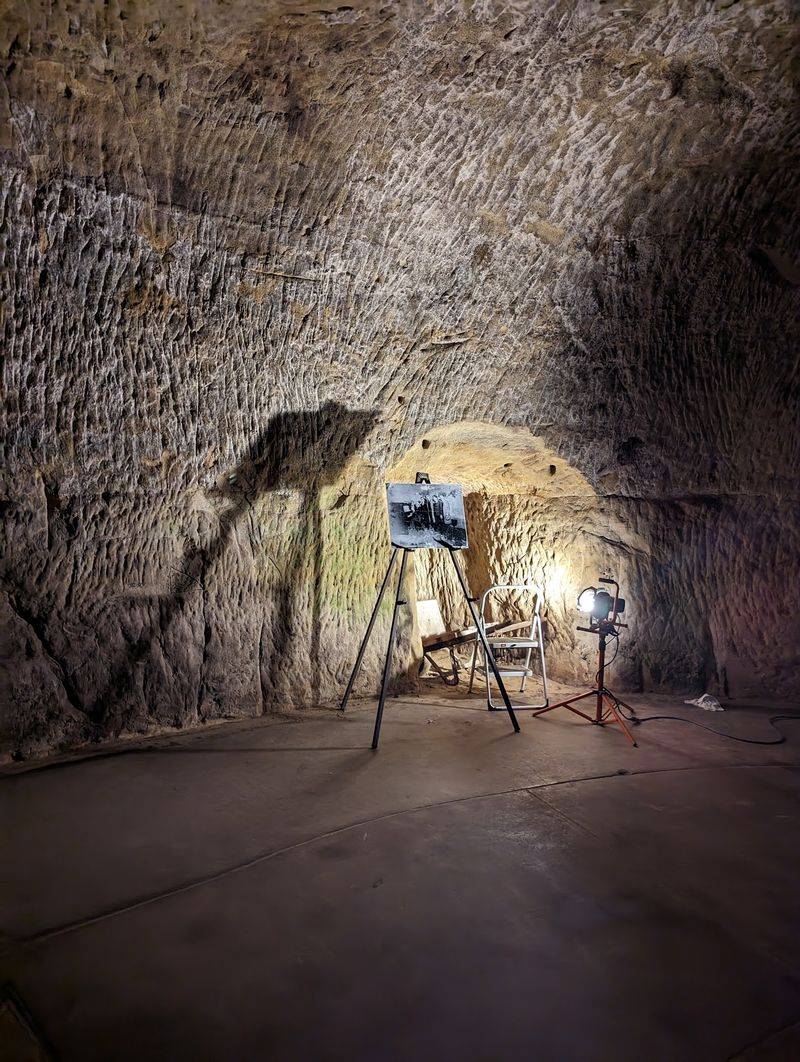
In October 2021, the Star Tribune named the caves the Most Haunted Place in Minnesota. That’s quite a title for a former mushroom farm.
Stories of strange activity have piled up over the years. Visitors and staff have reported apparitions, voices with no clear source, and sudden cold spots. Whether you believe or not, the tales are fun to hear.
The Lost Souls Cave Tour focuses on these haunted events and mysteries. It often sells out, so booking ahead is a good idea. Waiting until the last minute could leave you out in the cold.
That unsolved shooting from the Castle Royal days adds extra weight to the ghost stories. Bullet holes have a way of making people look over their shoulders. Add dim lighting and old sandstone, and the mood takes care of itself.
Skeptics can still enjoy the history behind each tale. The tour blends local lore with real events from the caves’ past.
A jacket helps too, ghosts or not. The caves stay chilly, which makes those cold spots harder to judge.
Brave friends make the best tour partners. Bring one who screams politely.
Kids, Weddings, And Easy Access Make Planning Simple
Little explorers get their own adventure here. The Troll Tales tour is designed for kids ages 9 and under.
A guide dressed as a troll leads the walk through the caves. Children also make a craft and get photo chances along the way. It’s a gentle introduction to a place with some wild grown-up stories.
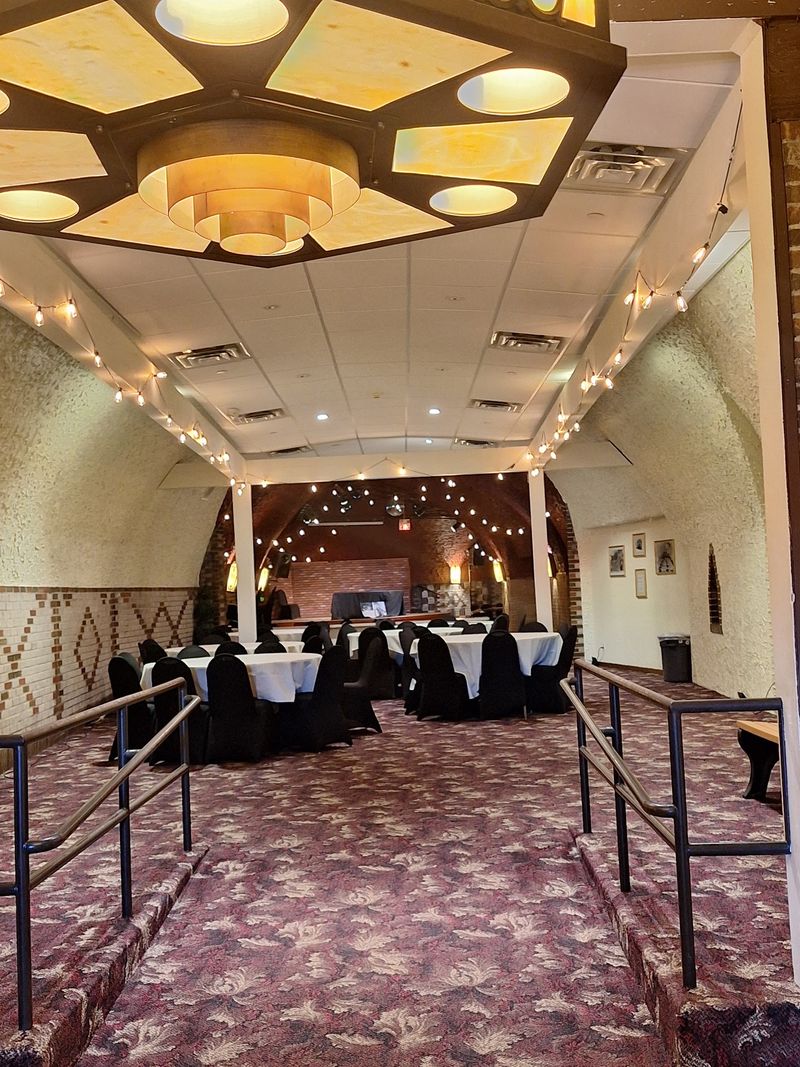
Planning something bigger? The 12,000-square-foot space hosts weddings, banquets, and corporate events for up to 200 guests. A 60-foot bar and a stage come with the setting.
Private groups can even book a Tommy Gun Murder Mystery or improv show. Few venues can offer a gangster plot in an actual gangster hangout.
Getting around is easier than you might expect underground. The caves offer accessible entrances, parking, restrooms, and seating. Indoor walkways are solid and level, with no stairs.
You’ll find the caves at 215 Wabasha St S, St Paul, MN 55107. On-site parking sits close to the entrance.
Tour times vary by day, and historic cave tours are currently offered on Tuesdays at 11 a.m. A quick check before visiting saves a wasted trip. After that, all that’s left is choosing which Minnesota mystery to explore first.
