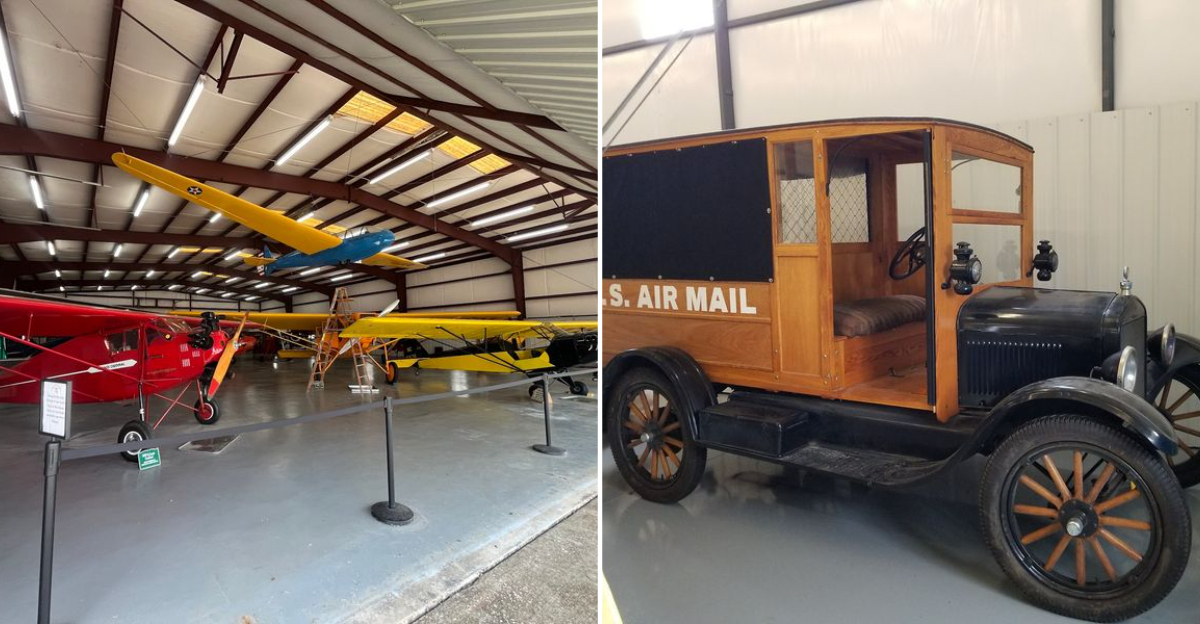
The propeller blades are still, but the stories are not. Walking through the hangar at this Missouri museum feels less like a visit to a collection and more like stepping into a living workshop.
The fabric-covered planes seem to glow under the lights, their polished wood and vintage instruments reflecting the passion of the volunteers who restore them. You can stand close enough to read the names on the fuselages and see the wear on the controls, a rare opportunity to connect with the machines that once ruled the skies.
The collection focuses on aircraft from the Golden Age of Aviation, including rare biplanes that look like they could still fly. It is a place where history is not just preserved but kept alive through hands-on work and a genuine love for flight.
Four Hangars Packed Wing To Wing
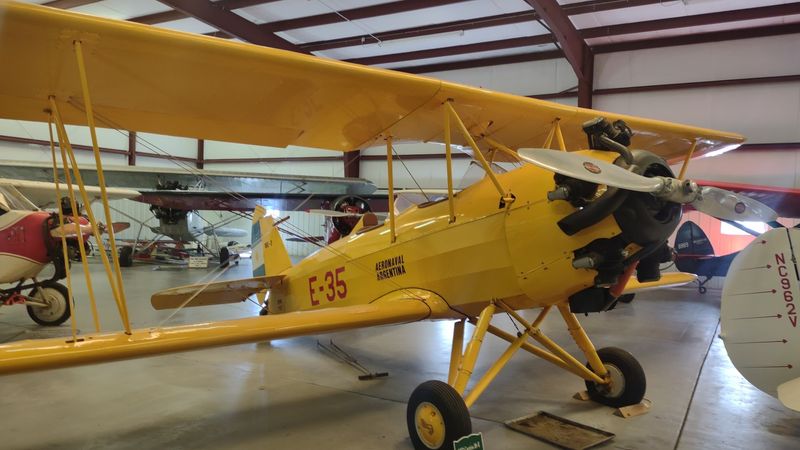
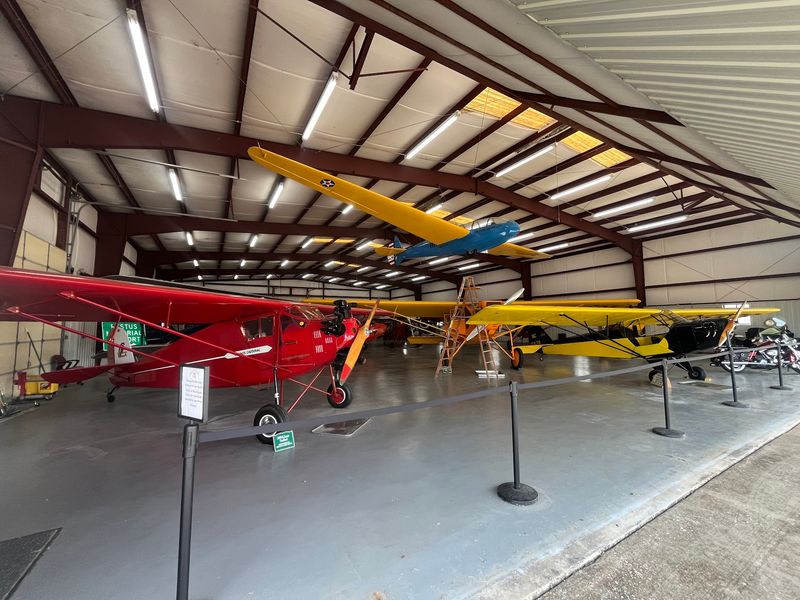
Picture walking into a hangar where the airplanes are parked so close together that their wings nearly overlap, and you have a pretty good idea of what you are stepping into here. There are four main display hangars, and depending on what is out flying or being worked on, you might see somewhere around fifty planes total.
That number surprises most people, because it is a lot of aircraft for a place that does not advertise itself much. The hangars are not climate-controlled showrooms with polished floors and dramatic lighting, they are actual working hangars with concrete underfoot and daylight coming through the big doors.
Honestly, that is a big part of the appeal, since it feels like the airplanes are still living somewhere rather than being stored in a glass box. You will want to give yourself real time to wander, because each hangar has its own personality and its own cluster of oddities.
Some visitors breeze through in under an hour, but if you actually stop and look at each airplane, you can easily spend an entire morning. Wear shoes you do not mind getting a little dusty, and bring a camera with a wide lens if you have one.
Where To Actually Find The Place
Finding it is easier than you might expect, even though it sits at a small general aviation airport rather than a big commercial one. The address is 14301 Creve Coeur Airport Road, Maryland Heights, MO 63146, and it is a straightforward drive from most of the St. Louis metro area.
Creve Coeur Airport itself has a reputation among antique airplane people that stretches well past Missouri, which is exactly why this collection ended up here in the first place. The airport is small, quiet, and built around grass and pavement runways that suit old airplanes far better than a busy commercial field would.
Because it is not a giant tourist attraction with a massive parking structure, the whole arrival experience is refreshingly low-key and unhurried. You pull in, you park, and you walk toward the hangars without fighting crowds or shuttle buses.
One tip worth keeping in mind is that hours can be limited since volunteers run much of the operation, so checking ahead saves you a wasted trip. Also, if you are combining this with other stops, Maryland Heights has plenty nearby, so it slots into a day pretty comfortably.
Fabric-Covered Biplanes You Can Study Up Close
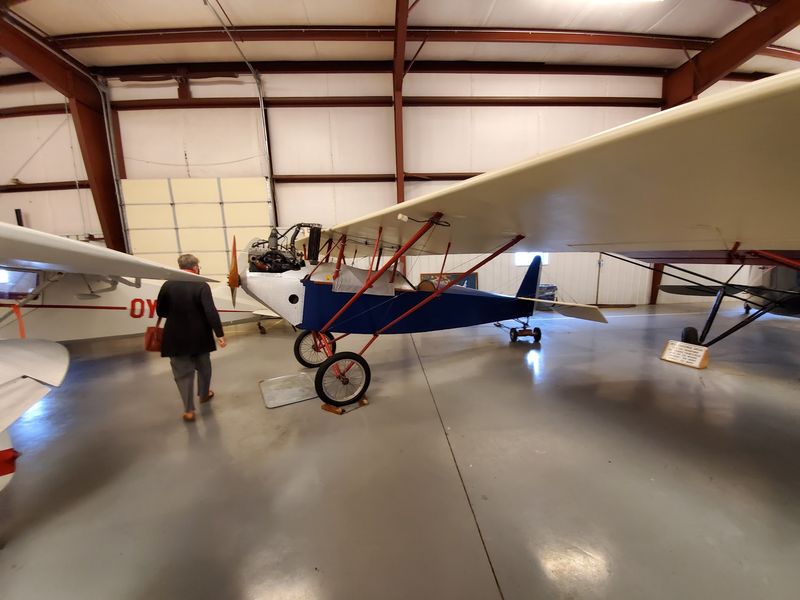
Here is something most folks never get to see in person, and that is how an airplane made of wood, wire, and stretched fabric actually goes together. A big share of the collection falls into that category, since the museum focuses on aircraft from the years between the world wars.
When you get close enough to see the stitching lines running along a wing, the whole idea of early flight starts feeling a lot more human and a lot less like engineering magic. You can trace the bracing wires with your eyes and understand why pilots back then respected the weather so much.
The construction is genuinely delicate compared to modern aluminum airplanes, which makes the fact that these things crossed the country even more impressive. Kids tend to get a kick out of the exposed structure, because it looks more like a kite than a machine.
Do keep your hands to yourself though, since fabric skins tear and old finishes are fragile in ways that metal never is. Looking closely is encouraged, touching is not, and that small bit of restraint keeps these airplanes around for the next round of curious visitors in Missouri.
Planes That Still Fly, Not Just Sit
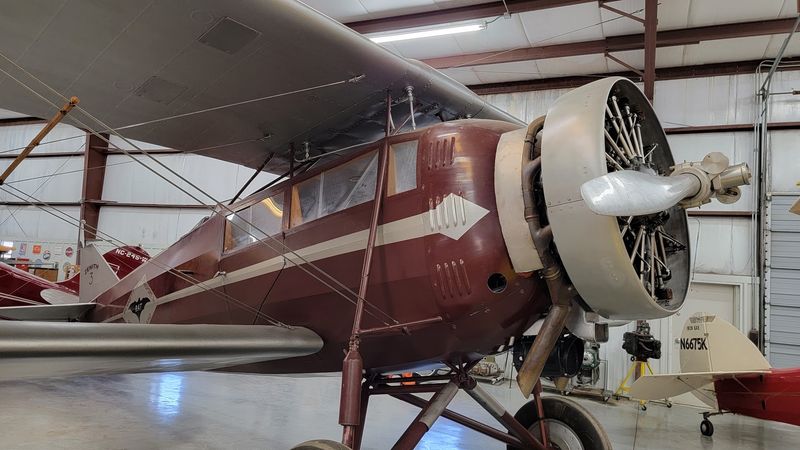
Most aviation museums quietly retire their airplanes forever, and the engines never turn again once the display placard goes up. That is not how things work here, because volunteers keep a large portion of this collection in genuine working order.
Some of the aircraft in these hangars are the only airworthy examples of their type left anywhere, which is a pretty staggering thing to stand next to. It makes the whole place feel less like a mausoleum and more like a garage where everything still runs.
What that means for you as a visitor is that you might actually see an airplane pulled out, started up, and flown while you are there. There is no guaranteed schedule for that sort of thing, so it comes down to timing and a bit of luck.
Sunny weekends with light wind generally give you the best odds, since nobody flies antique fabric airplanes in rough weather. If you hear a radial engine coughing to life somewhere behind the hangars, drop what you are doing and go look, because that sound is half the reason people fall for old airplanes in the first place.
The Movie Star Standard J-1
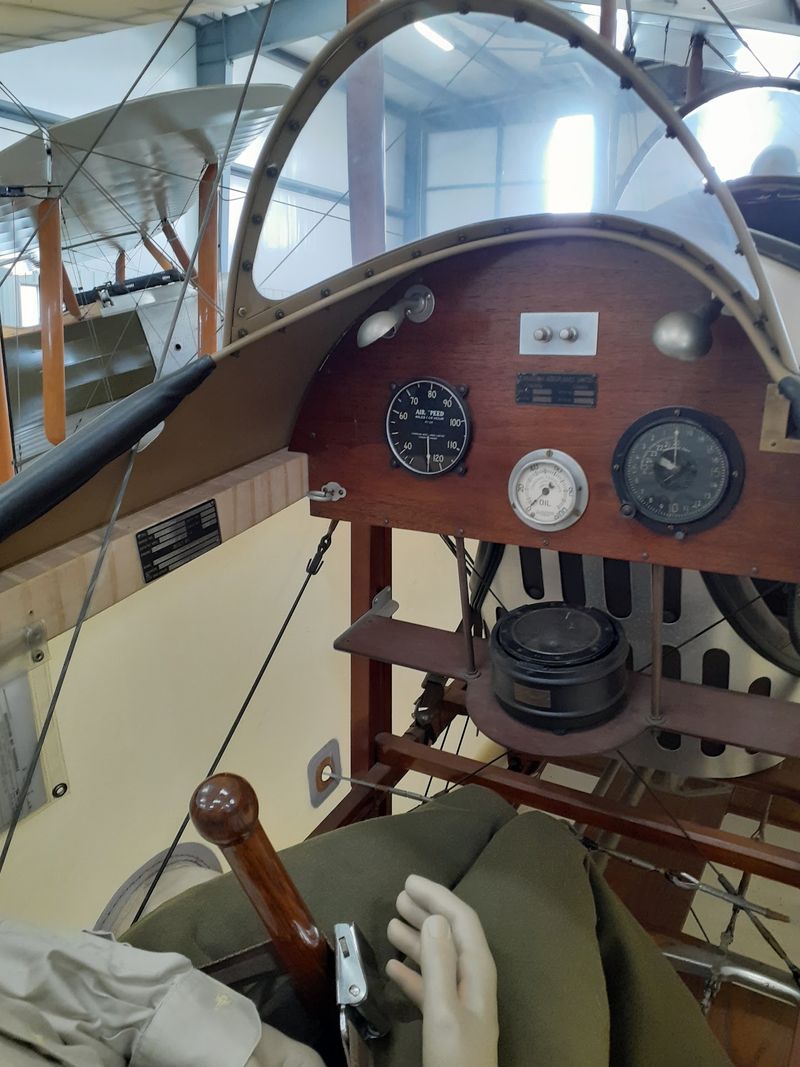
Ever watched The Rocketeer or The Great Waldo Pepper and wondered where those old biplanes came from? One of the airplanes sitting in these hangars, a Standard J-1 originally built during the First World War era, actually appeared in both films.
It is easy to walk right past it if nobody points it out, which is sort of the charm of a place like this. There is no flashing sign or gift shop merchandise built around it, just an old open-cockpit trainer parked among its neighbors.
Airplanes of that type were the workhorses of early barnstorming, hauled around the countryside by pilots who made a living giving rides at county fairs. Standing beside one really drives home how exposed those pilots were, sitting in an open cockpit with nothing but goggles and nerve.
Movie history aside, it is one of the oldest things in the building and worth a slow walk-around. Look at the wooden propeller and the simple instrument panel, then imagine filming aerial stunt sequences in it decades after it was built.
That combination of genuine age and Hollywood career makes it the airplane most people end up talking about afterward.
A Baseball Team’s Old Airplane
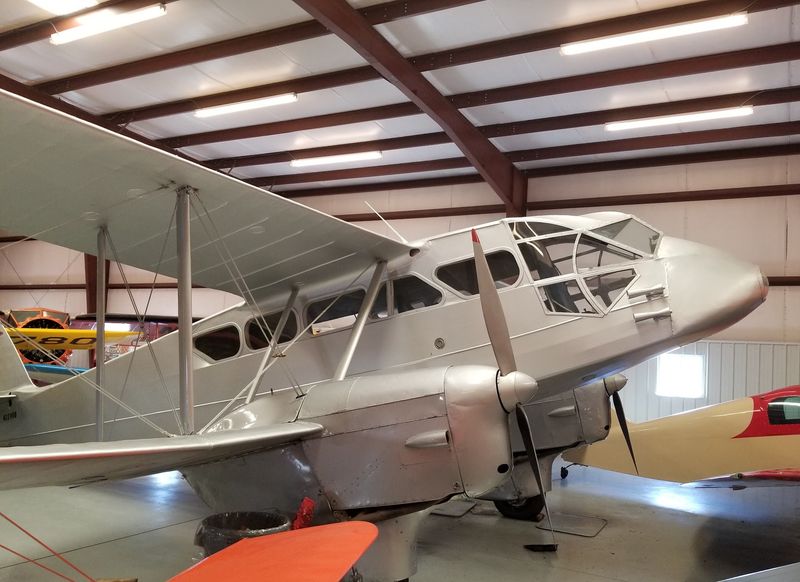
Baseball and airplanes do not usually show up in the same sentence, but there is an old Cardinal team plane in this collection. Back before charter jets became routine, ball clubs moved around in aircraft that would look almost quaint next to a modern airliner.
Seeing one in person gives you a strange little jolt of perspective about how travel used to work for professional athletes. The cabins were smaller, the flights were bumpier, and the whole operation ran on a scale that feels almost homemade now.
For anyone who grew up following the team, it lands differently than the rest of the airplanes in the room, since it connects to something you already care about. Even if baseball is not your thing, the aircraft itself is an interesting piece of transportation history.
It is also a good reminder that this museum leans into local Missouri stories rather than just collecting famous types from elsewhere. Several airplanes here were built regionally or spent their working lives around this part of the state, and that gives the collection a sense of place that a lot of bigger museums cannot really manufacture.
Vintage Cars And An Old Arcade Game
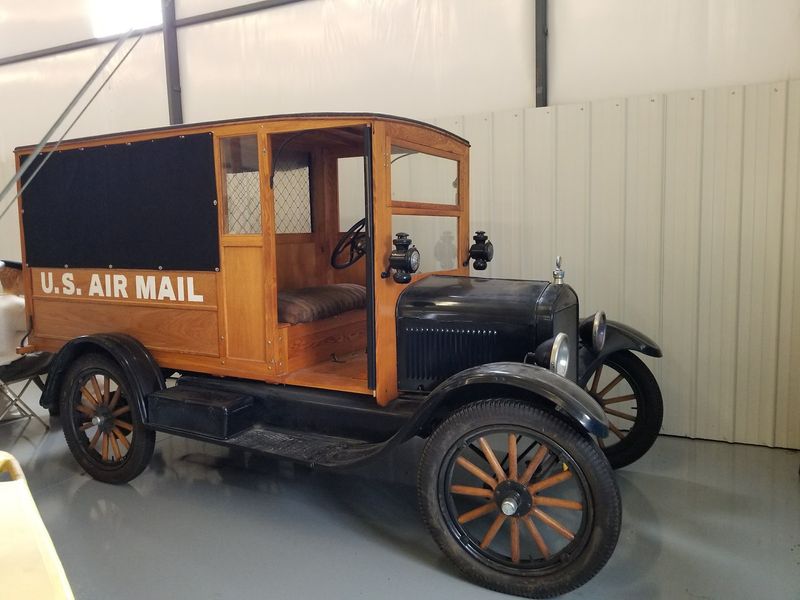
Not everything under these roofs has wings, which catches people off guard in a fun way. Scattered among the airplanes you will find some vintage automobiles, parked like they just pulled up and decided to stay.
They fit the mood surprisingly well, because cars from that same stretch of time share the same skinny tires, spoked wheels, and hand-built look as the aircraft around them. Together they paint a fuller picture of what getting around actually looked like back then.
Then there is the old coin-operated arcade game from the fifties, which is the kind of detail nobody expects in an aircraft hangar. Kids gravitate toward it immediately, and plenty of adults do too once they realize what it is.
These extras keep the visit from feeling repetitive, especially if you are bringing along someone who is only mildly interested in airplanes. Instead of forty-five straight minutes of propellers, there are little detours that break up the walk and give everyone something to point at.
It is a small thing, but it makes the museum work better for mixed groups than a strictly aviation-only collection would.
The Plane Kids Are Allowed To Climb Into
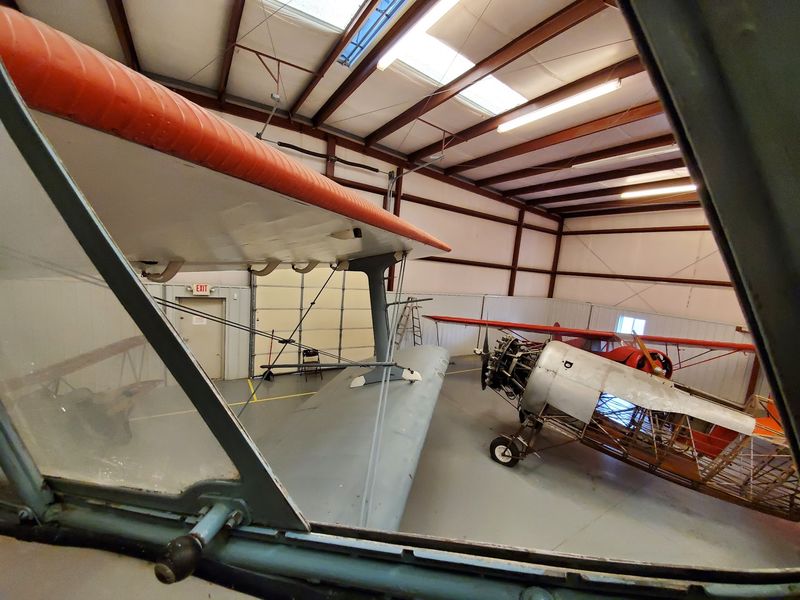
Bringing kids to a museum where everything is off-limits usually ends in whining, and everybody knows how that goes. Somebody here clearly thought about that, because one of the hangars has an airplane children are actually allowed to climb into.
Getting to sit in a cockpit, grab the stick, and look out over the nose changes the whole experience for a young visitor. Suddenly the airplanes are not just objects behind a line, they are something you can imagine flying yourself.
Parents, this is your bargaining chip for the rest of the visit, and you should probably save it for whenever attention starts drifting. Bring a phone or camera ready, because the photo of a kid grinning in an open cockpit is the one you will actually keep.
It also does something more useful than entertainment, since a lot of pilots trace their interest back to exactly this kind of moment. A hands-on minute in a real airplane sticks with a child far longer than any display panel ever could, and this Missouri museum seems to understand that better than most places its size.
Booking A Ride In An Open Cockpit
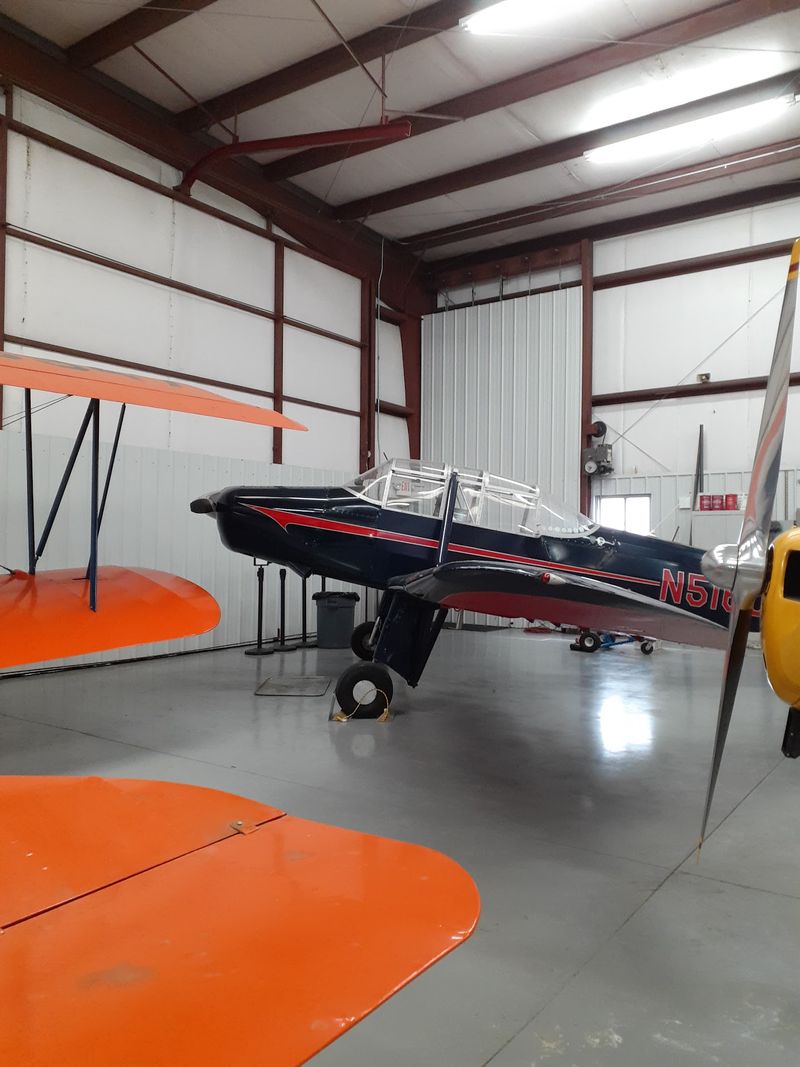
Want to actually go up in one of these things? Rides are available by request, and the options include a Stearman biplane trainer from the war years, a North American SNJ-5, and a de Havilland Tiger Moth.
Flying in an open cockpit is nothing like sitting in an airliner seat, since you feel the wind, smell the engine, and hear everything happening around you. People who do it tend to describe it as the closest thing to actually flying rather than being flown.
You will need to arrange it ahead of time rather than just showing up hoping for a seat, because weather and aircraft availability both factor in. A calm, clear day gives you the smoothest experience and the best views over this corner of Missouri.
Dress for wind even on a warm day, tie back long hair, and leave loose hats behind unless you want to donate one to the countryside. If you have ever looked at an old biplane and wondered what the fuss was about, thirty minutes in one answers the question permanently and probably ruins ordinary flying for you.
