A concrete bird blind with 293 peepholes now spirals 20 feet above a pond full of herons. Some of those viewing holes are even shaped like soaring birds.
I love that someone looked at a duck pond and thought, why not a giant seashell?
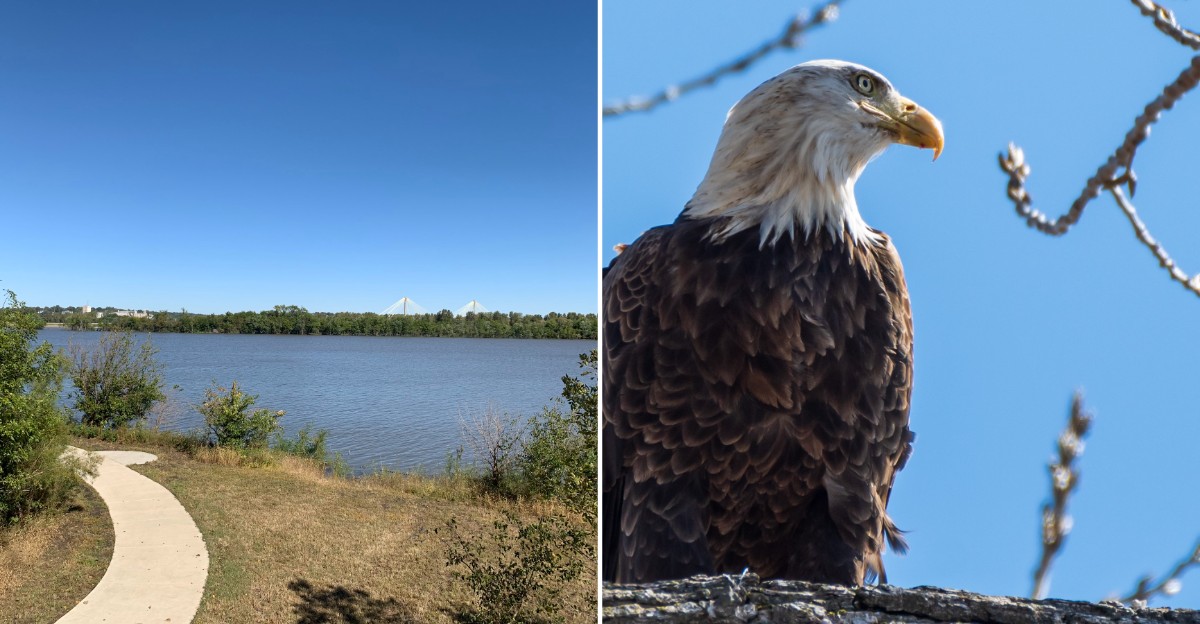
That spiral sits inside a 3,700-acre sanctuary where the Mississippi and Missouri Rivers meet. More than 300 bird species have been recorded here.
Bald eagles and trumpeter swans show up every winter like clockwork.
Admission is free, and the trails stretch past eight and a half miles. You can walk through prairie, marsh, and river forest in one morning.
Spotting scopes inside the visitor center let you birdwatch without freezing your fingers.
I believe this corner of Missouri deserves far more attention than it gets. So what else is hiding along these riverbanks?
A Spiral Bird Blind That Looks Like Modern Art Climbing Out Of A Pond
Officially, it goes by Avis Spiralis, which means spiral bird. The newest showpiece at the Audubon Center at Riverlands stands 20 feet tall and overlooks Heron Pond.
Its walls hold 293 viewing portals, and many are shaped like soaring birds. That gives you a 360-degree look across the sanctuary without spooking anyone with feathers.
Professor Pablo Moyano Fernández of Washington University’s Sam Fox School of Design and Visual Arts designed and built it. He worked alongside Audubon and the U.S.
Army Corps of Engineers on the project.
The blind was dedicated in October 2025, so it’s still brand new. It also doubles as an experiment in greener concrete building.
About 85 percent of its concrete comes from local materials. That includes sand from the Missouri River and gravel from a nearby quarry.
A built-in bench lets you sit and wait for herons, egrets, shorebirds, and ducks. Patience pays off at a spot built for slow looking.
Across the pond stands the older Heron Pond Avian Observatory, installed in 2013. Washington University designed that one around camouflage instead of open views.
Both structures stay open from dawn to dusk. Visiting both makes a fun side-by-side lesson in how design shapes the way we watch wildlife.
Over Eight Miles Of Flat Trails Mean Nobody Gets Left Behind
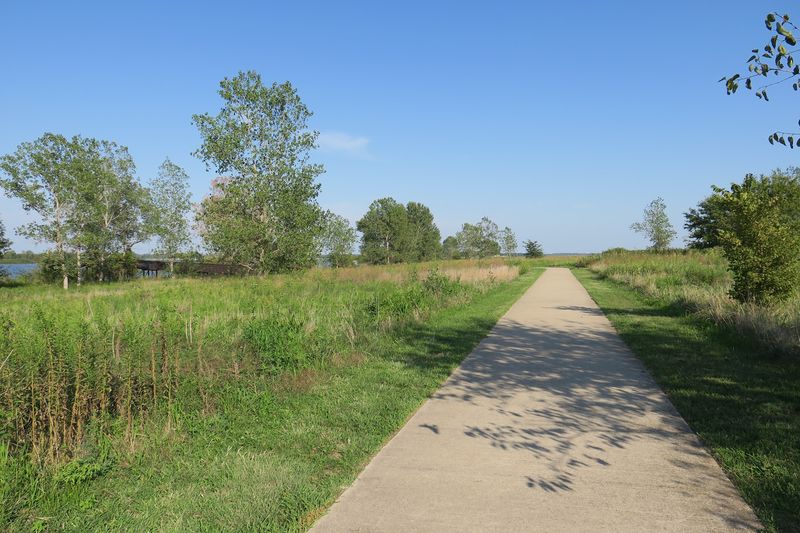
Good news for anyone who hates steep hills. The sanctuary holds more than 8.5 miles of trails, and they’re mostly flat and well established.
Those paths carry you through prairie, marsh, and bottomland forest. Each habitat brings different birds, so the scenery keeps changing as you go.
Short on time or traveling with little legs? About a mile of short, looped paved trails sits right outside the main center along Ellis Bay.
Families should look for the Storybook Trail. It features a new nature-based picture book each month, which turns a simple stroll into story time.
The Two Pecan Trail adds another option for wandering outside its October 15–April 15 seasonal closure. It’s a nice change of pace once you’ve covered the paths near the building.
Ready for something bigger? Trails on Ellis Island lead straight to the main channel of the Mississippi River.
Standing beside that much moving water feels impressive, but Ellis Island is closed from December 15 through March 15. Bring binoculars and keep checking the treetops along the way.
Trail maps are available inside the center, so grab one first. Staff can also point you toward the paths where birds have been most active lately.
Two Mighty Rivers Meet Right In The Sanctuary’s Backyard

Location is everything for a bird stopover. The Riverlands Migratory Bird Sanctuary sits where the Mississippi and Missouri Rivers come together.
That spot places it along the Mississippi Flyway, a huge migration highway in the sky. More than 60 percent of North America’s migrating bird species use this corridor.
Think of the sanctuary as a giant rest stop with a buffet. Tired travelers drop in to refuel on their long trips north and south.
It’s officially recognized as an Important Bird Area, a title it earned in January 2006. Before that, the land was known as the Environmental Demonstration Area, dedicated in June 1998.
The sanctuary also ranks as a top eBird hotspot in Missouri. Birders log their sightings there, and Riverlands keeps showing up near the top.
More than 300 species have been documented on its 3,700 acres. The mix of prairie, wetland, mudflats, marshes, forest, and open water explains that impressive number.
Ellis Bay covers about 800 acres of backwater. From October 1 to April 30, it serves as a waterfowl refuge with boats restricted.
Teal Pond, a 67-acre lake, adds even more habitat. Water clearly rules this landscape.
Winter Brings Eagles, Swans, And Very Good Reasons To Bundle Up
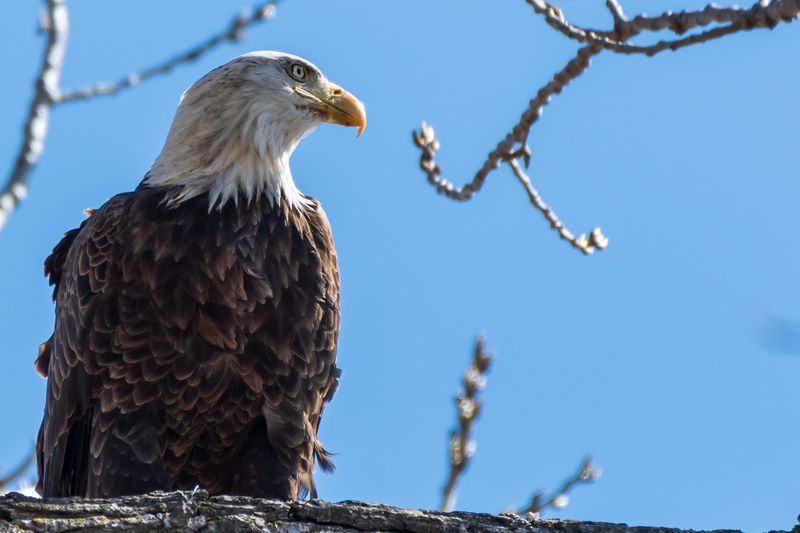
Cold weather usually sends people indoors. At Riverlands, it sends birders straight to the riverbanks.
Bald eagles arrive in winter and hunt along the open water. Trumpeter swans show up too, and those huge white birds are hard to miss.
Seeing an eagle in the wild never gets old. Seeing several in one afternoon feels a little unreal.
The center even hosts a seasonal event called Birds of Winter. It draws thousands of people, which tells you how special the season is here.
Indoors, spotting scopes aim out toward Ellis Bay and Ellis Island. You can scan for eagles while staying warm behind glass.
Staff and volunteers often help newcomers find birds through the scopes. They also keep lists of recent sightings, so you’ll know what’s been around.
Spring and fall bring different stars. Migrating shorebirds and warblers pass through in big waves during those months.
Summer belongs to grassland birds out in the prairie areas. Great blue herons stick around all year, so you’ve always got at least one reliable friend.
Pick a season, and Missouri’s river country will have something feathered waiting for you.
Floor-To-Ceiling Windows Turn The Visitor Center Into A Giant Viewing Box
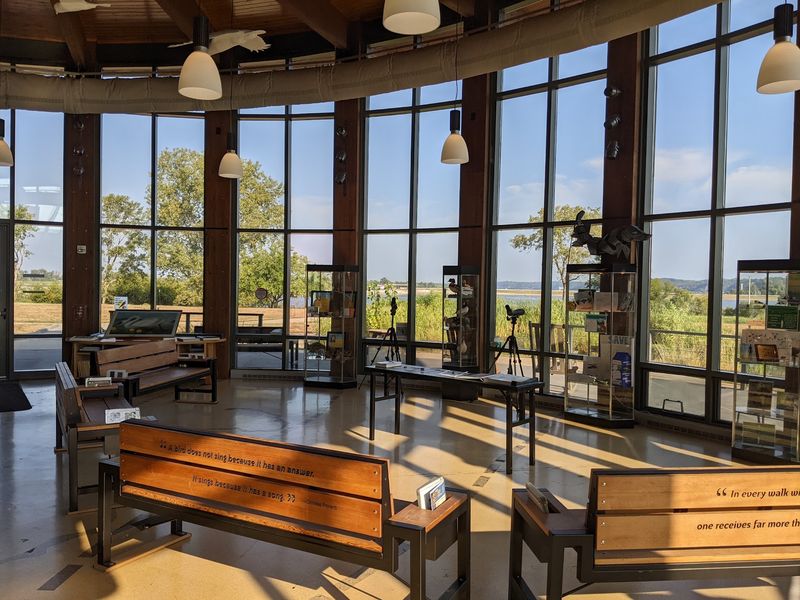
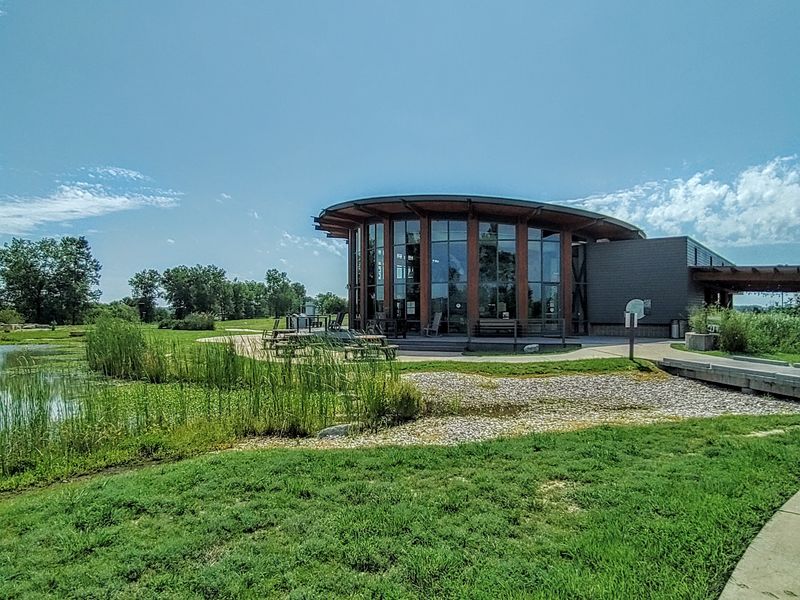
Some buildings block the view. The Audubon Center at Riverlands was built to show it off.
Floor-to-ceiling windows look out over the banks of the Mississippi River. On a gray day, you can enjoy the scenery without ever zipping your coat.
Inside, exhibits cover birds, other wildlife, and river ecology. They give helpful background before you head out to find the real thing.
Look down, and you’ll spot another exhibit. A migratory pathway map is inlaid right into the floor.
That map makes the whole flyway idea easy to picture. Kids can trace the long routes birds travel each year.
A wrap-around deck lets you step outside for fresh air and wider views. The building and deck are both handicap accessible.
Spotting scopes inside let you focus on birds far across Ellis Bay and Ellis Island. They’re especially handy when the weather turns rough.
The center opened in October 2011. It’s open Tuesday through Sunday from 8 a.m. to 4 p.m. and closed Mondays.
Weather or flooding can sometimes close things, so checking ahead is smart. River country keeps its own schedule.
Rainwater Gets A Second Job Here, And It Is A Pretty Smart One
Green design isn’t just a buzzword at this place. The building was designed to achieve LEED Silver certification.
Its energy use was cut by 40 percent compared to a standard baseline model. That’s a big savings for a public building.
Rain doesn’t just run off the roof and disappear. It gets collected into cisterns for later use.
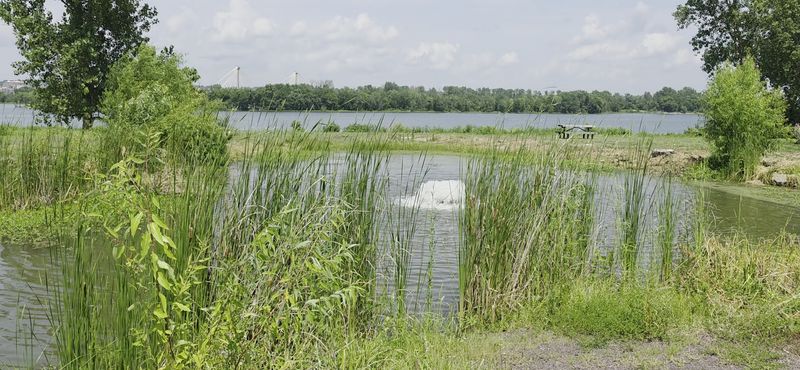
From there, the water feeds a wetlands exhibit pond. That pond sits next to an outdoor classroom.
So the roof basically waters a mini-wetland. It’s a clever lesson in how buildings can work with nature.
The spiral bird blind continues the same idea. Its locally sourced concrete tests how construction can become more sustainable.
The center also runs on a unique partnership. The National Audubon Society teams up with the U.S.
Army Corps of Engineers, St. Louis District.
That teamwork helps protect a large stretch of habitat while welcoming the public. It’s an unusual pairing that works well.
Riverlands also belongs to a network of 31 Audubon Centers nationwide. Together, they form the largest private network of nature centers in the country, and this one carries its weight.
Little Birdwatchers Get Their Own Cozy Corner

Kids get bored fast when every exhibit sits above their heads. Riverlands solved that with a dedicated kids’ area inside the center.
It has books, child-sized chairs, and a bean bag. That’s a solid setup for a quick break between trail adventures.
Binoculars are available for checkout too. Handing a child their own pair can turn a casual walk into a serious bird hunt.
Bird checklists also make great tools for young visitors. Crossing off species feels like a scavenger hunt with wings.
The Storybook Trail adds even more family appeal. A fresh nature picture book appears along the path every month.
Paved loops near the building work well for strollers and short attention spans. You can turn back whenever little feet get tired.
Restrooms and picnic areas make longer visits easier. Pack a lunch and turn the morning into a full outing.
Admission costs nothing, which helps any family budget. Donations are appreciated because the center supports itself.
A free day that teaches kids about migration, rivers, and wildlife? That’s a pretty good trade for a car ride.
Paddle Ellis Bay When The Waterfowl Are Not Using It
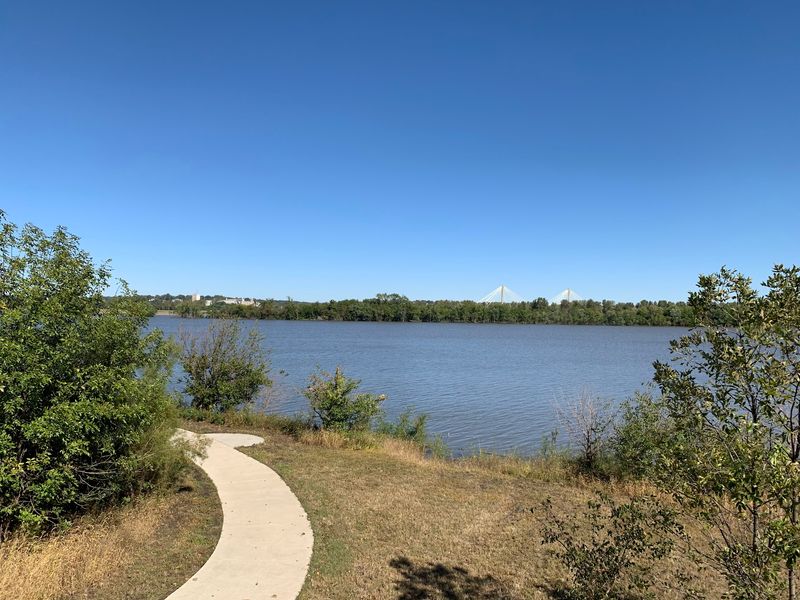
Feet aren’t the only way to explore Riverlands. An accessible kayak launch opens the door to paddling on Ellis Bay.
Gliding across the water gives you a totally different view of the sanctuary. Birds along the shore look even more impressive from water level.
Timing matters, though. Ellis Bay serves as a waterfowl refuge from October 1 to April 30, and boats are restricted then.
That leaves the warmer months for paddling plans. Those are the months when the water is friendlier for people anyway.
American white pelicans are frequent visitors to Ellis Bay. Watching those giant white birds float nearby is a memorable sight.
Eurasian tree sparrows and purple martins are also commonly seen around the sanctuary. Bring a field guide so you can tell who’s who.
The launch’s accessible design means more people can enjoy time on the water. That fits the welcoming spirit of the whole place.
Remember that river conditions can change quickly here. Flooding sometimes affects the area, so plan with care.
A calm morning paddle on Ellis Bay might become your favorite way to see Missouri’s river birds.
Plan Your Trip To West Alton With These Helpful Basics
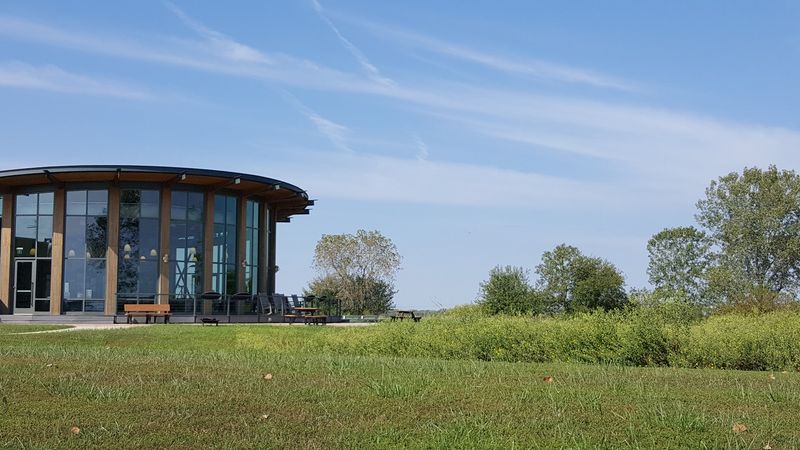
Getting there is easy enough. Set your map to 301 Riverlands Way, West Alton, MO 63386.
The center sits just north of the St. Louis area in Missouri river country. It makes a simple day trip for anyone nearby.
Parking is ample, so you won’t circle the lot forever. Restrooms and picnic areas round out the basics.
Stop at the front desk first. You can pick up bird checklists, trail maps, and lists of recent sightings.
Knowledgeable staff and volunteers are there to help. Ask them where the action is, and you’ll save plenty of guesswork.
Groups have options too. Bus tours require at least 10 people and include personalized guidance plus bird viewing stops.
Those tours also feature a 12-minute movie about Riverlands. Your group provides the bus, and the center provides the expertise.
Remember the center closes on Mondays and some holidays. The spiral blind and Heron Pond observatory stay open from dawn to dusk.
Free admission, flat trails, and a sculpture-like bird blind make the Audubon Center at Riverlands an easy pick. Your binoculars have been waiting for this.
