The hum of sewing machines has been replaced by the clatter of plates and the rustle of book pages. A historic factory building in Missouri once produced thousands of pairs of denim jeans for a globally recognized brand.
For five decades, workers stitched together American fashion history under this very roof. The machinery fell silent in the late nineteen nineties, and the space sat mostly empty for years.
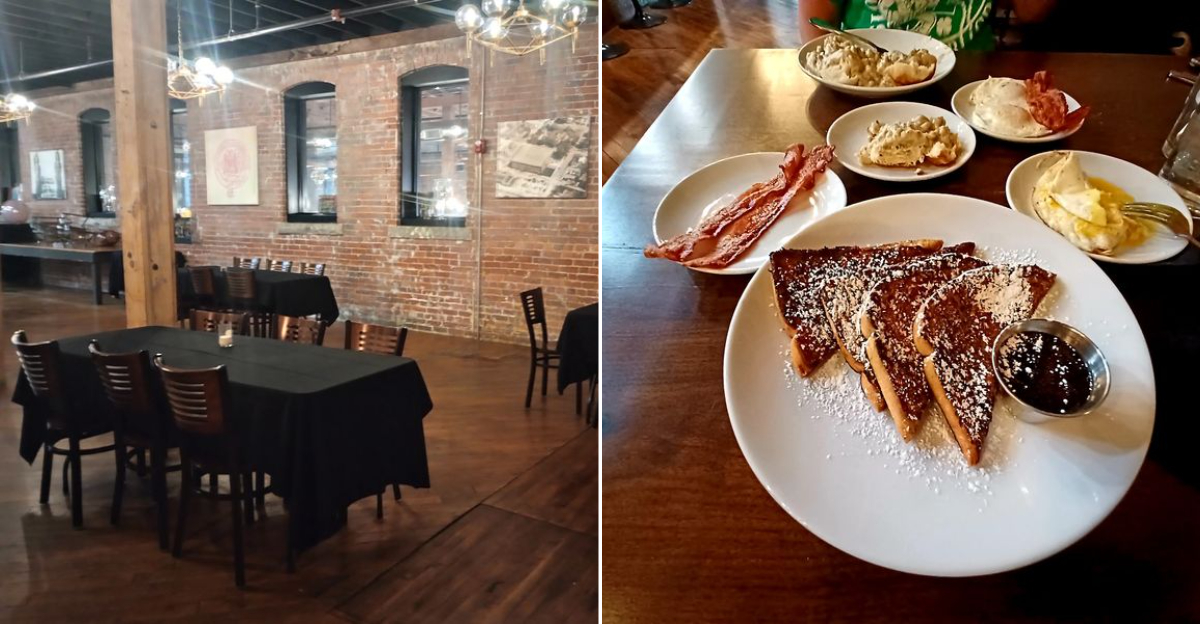
Today, that same industrial shell houses a vibrant bistro and a sprawling bookstore. Diners enjoy seasonal American cuisine in a setting that still echoes with the spirit of craftsmanship.
Next door, shelves hold tens of thousands of book titles and records, inviting visitors to browse for hours. It is a place where the past and present coexist, turning a former denim factory into a destination for food, literature, and local history.
In Missouri, some of the best stories are found in the buildings themselves.
A Denim Legacy Reimagined
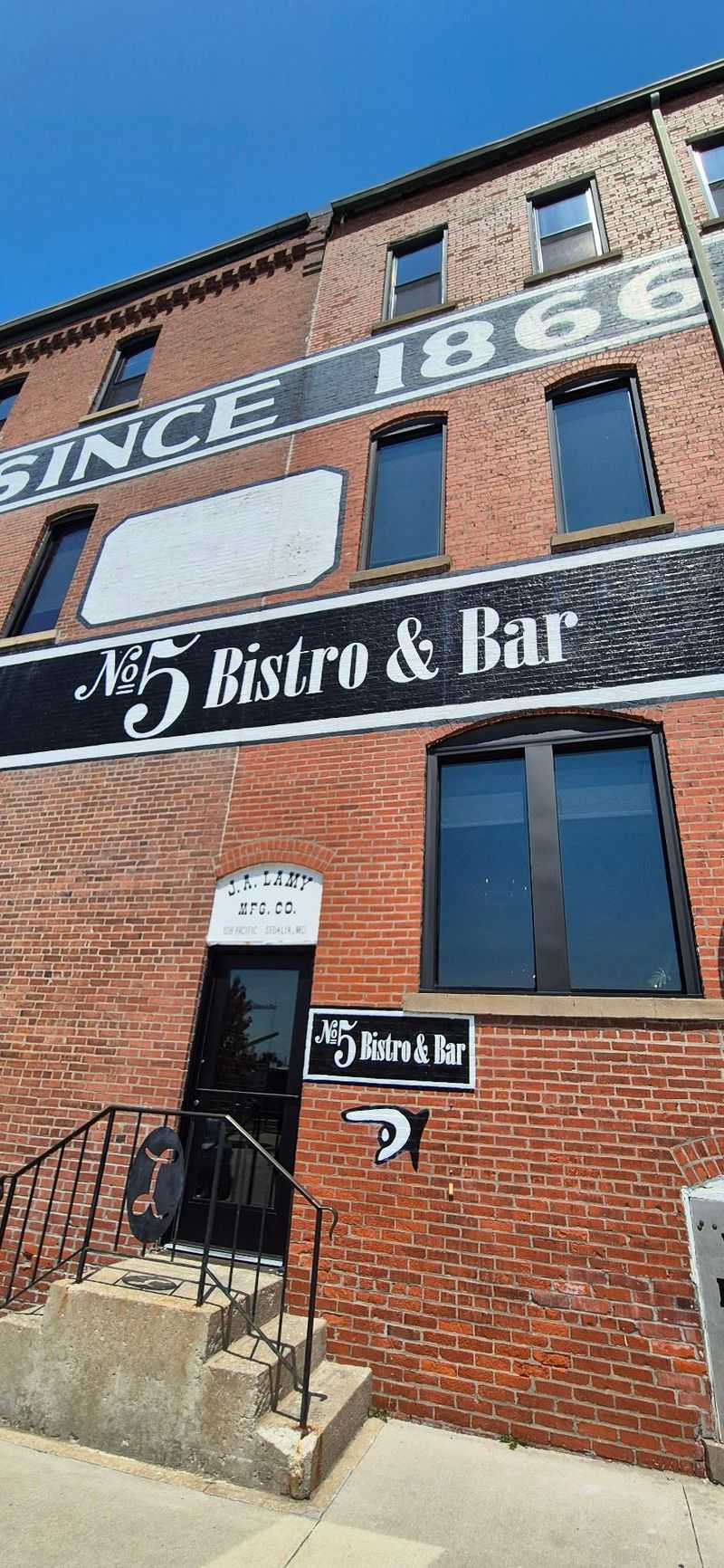
Can you believe those classic blue jeans used to roll out of this exact building? For more than fifty years, the place was a working Levi’s factory, and thousands of pairs left the floor every single week bound for stores all over the country.
That kind of history does something to a building. The ceilings are tall because they had to be, the windows are big because sewing needs light, and the whole footprint feels wide open in a way modern restaurants almost never do.
What I find genuinely moving about it is that nobody tried to hide the past under drywall and soft lighting. The industrial character is still very much part of the experience, and you sit inside it while you eat rather than looking at it in framed photos on a wall.
Think about how many small towns across Missouri had a factory like this one at the center of daily life, employing whole families for generations. Most of those buildings got torn down or left to weather quietly.
This one got a second act instead, which is honestly the reason I would drive out of my way for it. You are not just visiting a restaurant, you are standing in a piece of American manufacturing history that somebody decided to keep alive.
Finding Your Way To History
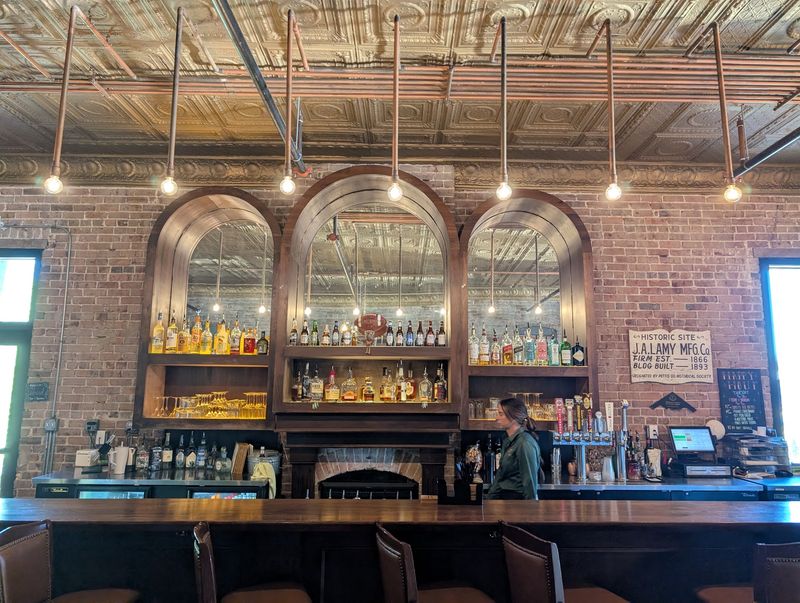
Getting there is easier than you might expect for a place with this much backstory. You will find Lamy’s No. 5 Bistro and Josey’s Books at 108 W Pacific Street, Sedalia, MO 65301, sitting right in the middle of the downtown area.
Once you are in town, the building itself does most of the navigating for you, because a structure that size stands out against the rest of the streetscape. You are not going to drive past it squinting at addresses.
Sedalia sits in central Missouri, which makes it a pretty reasonable detour if you are crossing the state on a road trip and want something more interesting than another highway exit. Plenty of people build a whole afternoon around it.
I would suggest treating downtown as part of the visit rather than just a parking situation. Walking a few blocks before or after you eat gives you a much better sense of the town that supported this factory for so long.
Parking downtown is generally straightforward, and the surrounding streets are flat and easy to stroll. Bring comfortable shoes, leave yourself extra time, and let the neighborhood fill in the story that the building started telling you.
The Name Tells A Story
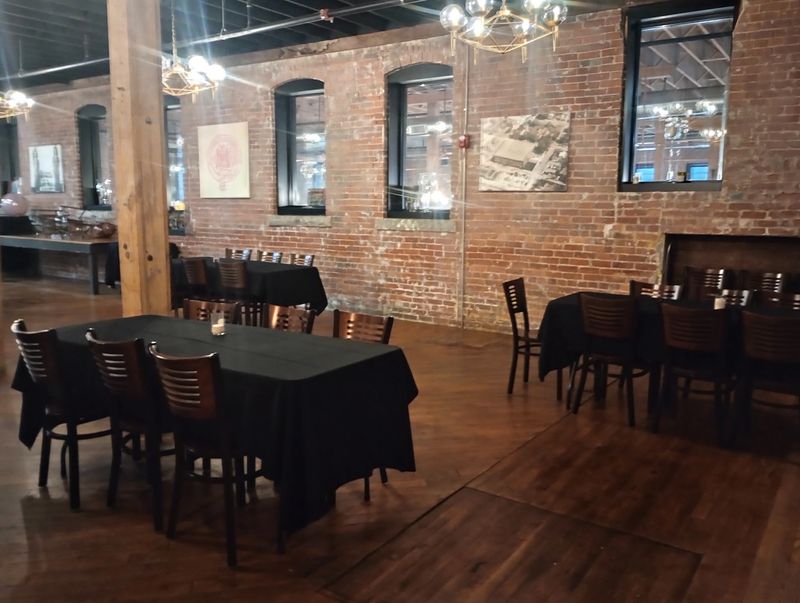
Here is the detail that made me sit up a little straighter. The number in No. 5 Bistro is not decoration or a cute branding choice, it comes straight from the building’s working identity as Levi’s Factory No. 5.
Back when the plant was running, the company stamped that number onto the back buttons of the jeans made there. It was a quality control system, a way of knowing which factory produced which pair if something ever needed checking.
So somewhere out there, in closets and thrift stores and vintage shops around the world, there are jeans with a tiny metal stamp pointing back to this address in Missouri. I think that is a wonderful thing to carry around.
Naming the restaurant after that stamp is a quiet kind of respect. Nobody had to do it, and most visitors would never have known the difference, but it keeps the factory’s fingerprint on the place.
If you have any old denim at home, go check the back button before you visit. Finding a number stamped there turns the trip into something closer to a scavenger hunt, and it gives you a story to tell at the table.
A Bistro With A Fresh Take
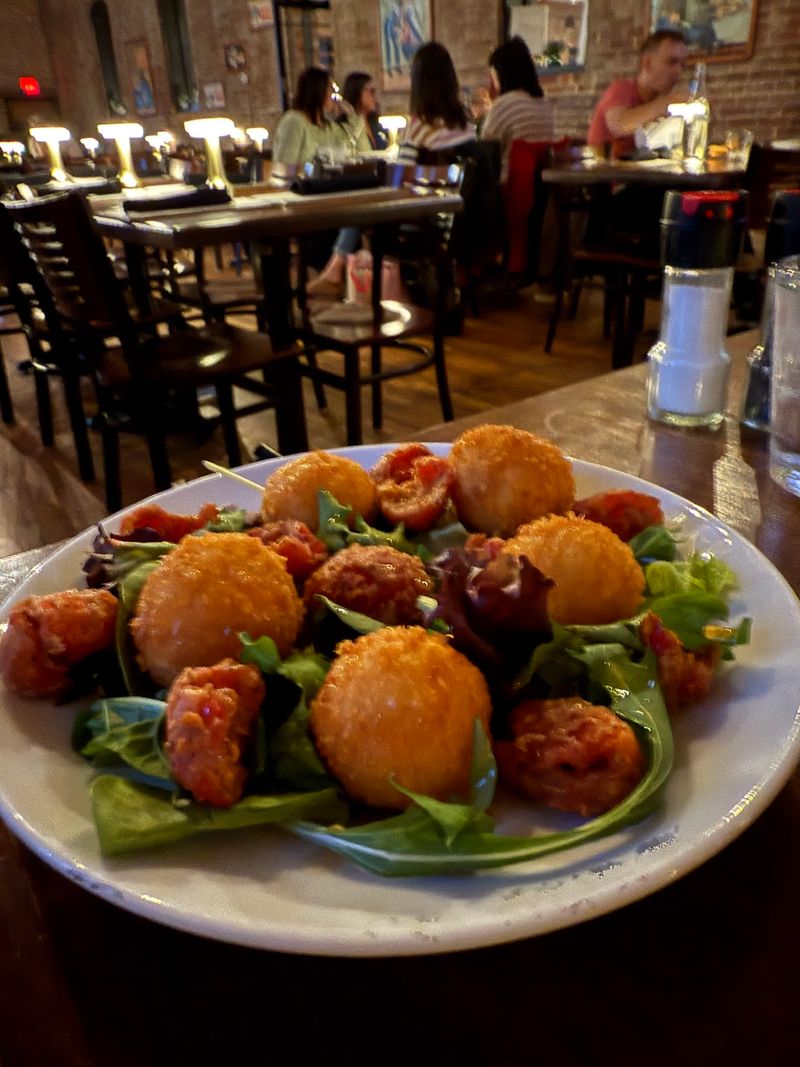
The food side of things is where a lot of the daily energy lives. Lamy’s No. 5 leans into fresh American cooking, and the whole approach sits in that comfortable middle ground between dressed up and easygoing.
The people behind it were pretty open about wanting to fill a gap in the local dining scene, something a little more elevated than what was already around without feeling stiff or intimidating. I really respect that goal in a town this size.
What that means for you as a visitor is that you can show up in road trip clothes and still feel fine, but you could also plan a nicer meal here without apologizing for the choice. That flexibility is rarer than it sounds.
The dining room benefits enormously from the factory shell around it, since all that open volume keeps things from feeling cramped even when the room fills up. Conversation carries without shouting.
My honest advice is to go in without a fixed plan of what you want to order, because the kitchen changes things around and half the fun is seeing what they are working on. Ask what people have been ordering lately and follow that lead.
Designed For Discovery
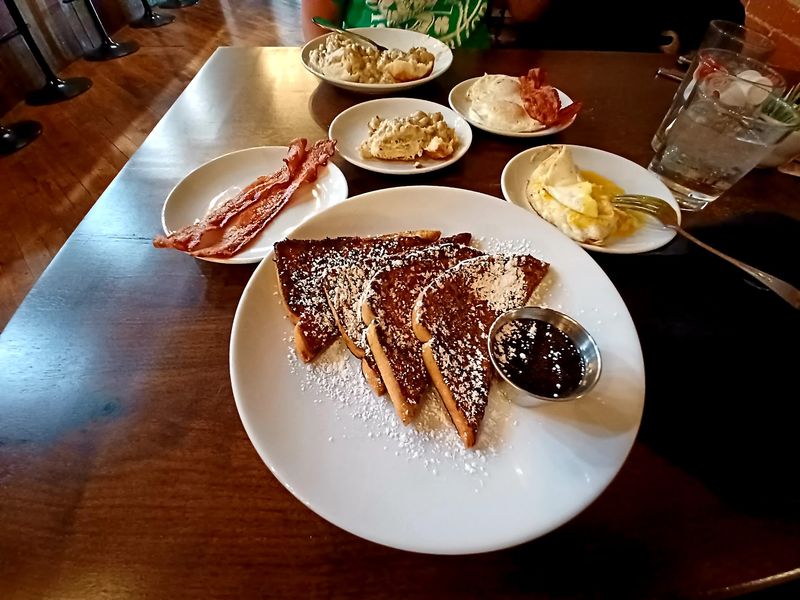
One thing that really stands out about the renovation is how little separation there is between the different pieces. The layout is open, so you can wander from the eating area into the book section without passing through a doorway that makes it feel like a different business.
You can even catch glimpses into the kitchen while you move around, which adds a nice bit of motion to the room. Watching a kitchen work is quietly entertaining in a way I never get tired of.
Factory floors were built to be open, since machines and workers needed room to move and supervisors needed sight lines across the whole space. The renovation used that original logic instead of fighting it.
Practically speaking, this makes the place easy to visit with other people who want different things. One person can browse shelves while another holds a table, and nobody has to go find anybody in a maze of rooms.
If you like sitting somewhere with a lot to look at, ask for a spot with a view across the floor. The sight lines are the whole point of a building like this, and it seems a shame to waste them.
A Menu That Moves With The Seasons

Here is something that keeps regulars paying attention. The menu at Lamy’s No. 5 rotates with the seasons, so what the kitchen is doing in cool weather looks fairly different from what shows up when things warm up.
They have leaned into all kinds of cooking over time, from Cajun flavors to Mediterranean plates, which is a lot more range than most small town kitchens attempt. That willingness to shift keeps the place from feeling predictable.
For a traveler, this is genuinely good news. It means a return trip through this part of Missouri gives you a different meal rather than a repeat of the last one, and there is always a reason to check back.
The flip side is that you should not fall in love with a dish you read about somewhere online and expect it to be waiting. Go in curious and let the current menu do the talking.
I would look at what they are running before you drive out, just so you know roughly what direction the kitchen is pointed. Then order the thing that sounds slightly outside your usual habits, because that is where rotating menus tend to shine.
More Than Just Eating And Reading
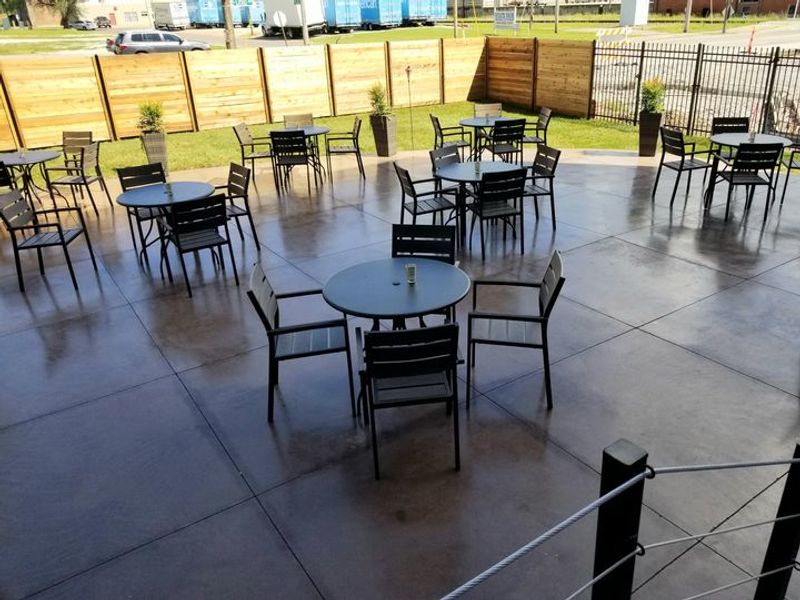
Turns out the building has more going on than food and shelves. There is an outdoor patio where you can settle in when the weather cooperates, and it gives the whole visit a slower, hang around a while kind of pace.
The space also hosts community gatherings, including open mic nights and poetry readings, which changes the whole feel of the room depending on when you turn up. A quiet browsing afternoon and a live event evening are two very different experiences.
I think this is the part that makes it a real community anchor rather than just a nice place to eat. Locals show up for the events, not only for the menu, and you can feel that difference as a visitor.
Worth checking their schedule before you plan your stop. If a reading or an open mic lines up with your travel day, that is an easy way to see the place at its liveliest.
And if you prefer calm, aim for a quieter stretch and take the patio instead. Either version of this Missouri spot works, you just want to pick the one that matches your mood.
Preserving Historic Charm
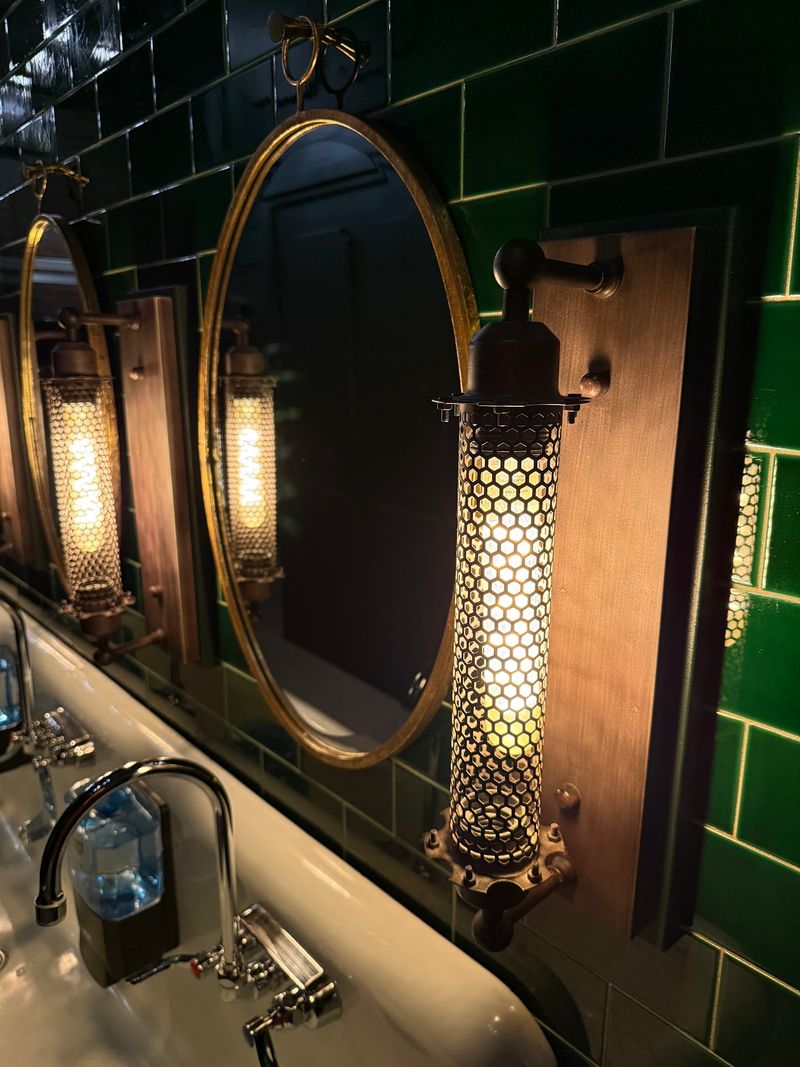
Restoration can go badly in a hundred ways, and this one avoided most of them. The character of the old factory is still front and center, but the comforts are current, so you get atmosphere without sitting in a drafty museum.
Exposed structure, original proportions, and industrial details do the decorating. Nothing about it feels like a theme, because the building actually was what it appears to be.
There is a real difference between a place designed to look vintage and a place that simply is old and got treated well. Your eye picks up on that immediately, even if you cannot name why.
Take a minute when you first walk in and look up before you look at anything else. The ceiling and the window placement tell you more about the building’s working life than any plaque could.
If you travel with someone who likes architecture and old bones, they are going to be happy here for a while. Give them time to circle the room, because a building like this rewards people who bother to notice how it was put together.
An Unexpected Delight In Sedalia

So what do you actually walk away with after a stop like this? A meal, probably a book or a record, and the odd satisfaction of having spent an hour inside a place that used to make jeans for the whole country.
Combining a bistro and a bookstore in a former Levi’s plant is not a formula anybody could have predicted, and that is exactly why it lands. It feels specific to this town rather than transplanted from somewhere trendier.
Road trips through Missouri get a lot better when you build them around stops like this instead of chain exits. One good stop can reframe an entire driving day.
My suggestion is to give yourself more time than you think you need, because between the food, the shelves, and just looking around at the building, an hour disappears fast. Rushing it would be a waste.
Places that take a working past and turn it into something people actually use again are rare, and they deserve visitors who show up curious. Go see it, take your time, and let the old factory do its thing.
