Water drips through limestone for thousands of years, and something remarkable takes shape. A natural dam stretches across an underground chamber, built slowly by mineral deposits left behind by each drop.
This seventy-five-foot formation is one of the longest of its kind in the state, a quiet monument to patience and geology. The cave stays cool and still, with clear water pooling behind the dam like a hidden mirror.
Stalactites hang from the ceiling, and delicate cave coral clings to the walls. A ten-ton balancing rock sits nearby, defying gravity in the dim light.
The path winds past these formations, each one telling a story of time and pressure. It is a place where the world above feels far away, and the hum of dripping water is the only sound.
In Missouri, some of the most stunning sights are hidden just beneath the surface.
The Seventy-Five-Foot Rimstone Dam That Started All The Talk
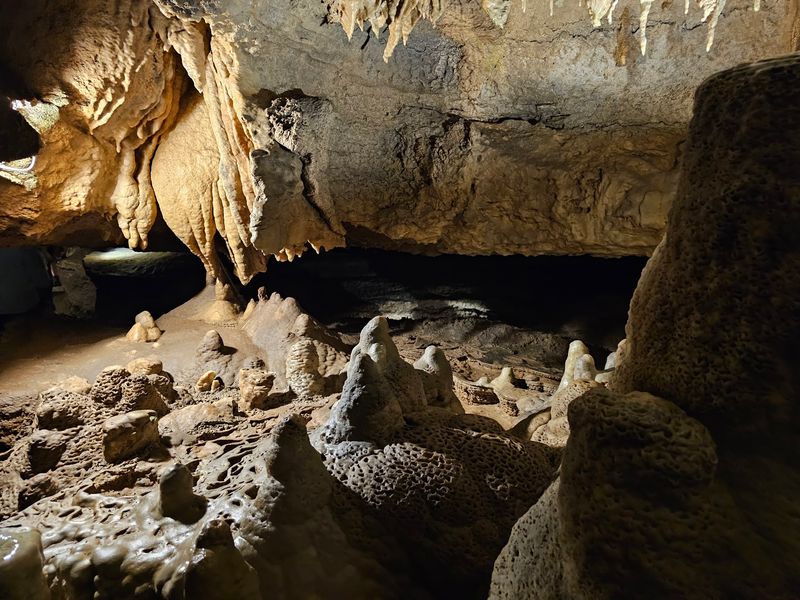
The whole reason people drive out here is a wall of stone that water built on its own, and it goes on for roughly seventy-five feet through the cave. Nobody stacked it or poured it, which is the part that tends to stop visitors mid-sentence.
Rimstone dams form when mineral-rich water flows slowly across a cave floor and leaves behind a thin ridge of calcite at the edge of the flow. Do that for thousands of years and you end up with a low, curving barrier that holds back water like a hand-built levee.
Behind it sits a shallow crystal lake that reflects the ceiling so cleanly that people sometimes think they are looking through glass. When the lighting hits it right, the water almost disappears and you see two ceilings instead of one.
It is considered one of the longest formations of its kind in Missouri, which is saying something in a state absolutely loaded with caves. Give yourself a minute at this stop instead of rushing to the next chamber, because photos genuinely do not capture the scale of it.
Ask your guide where the dam is still growing, since parts of it remain active and wet.
Where To Point The Car When You Head Out
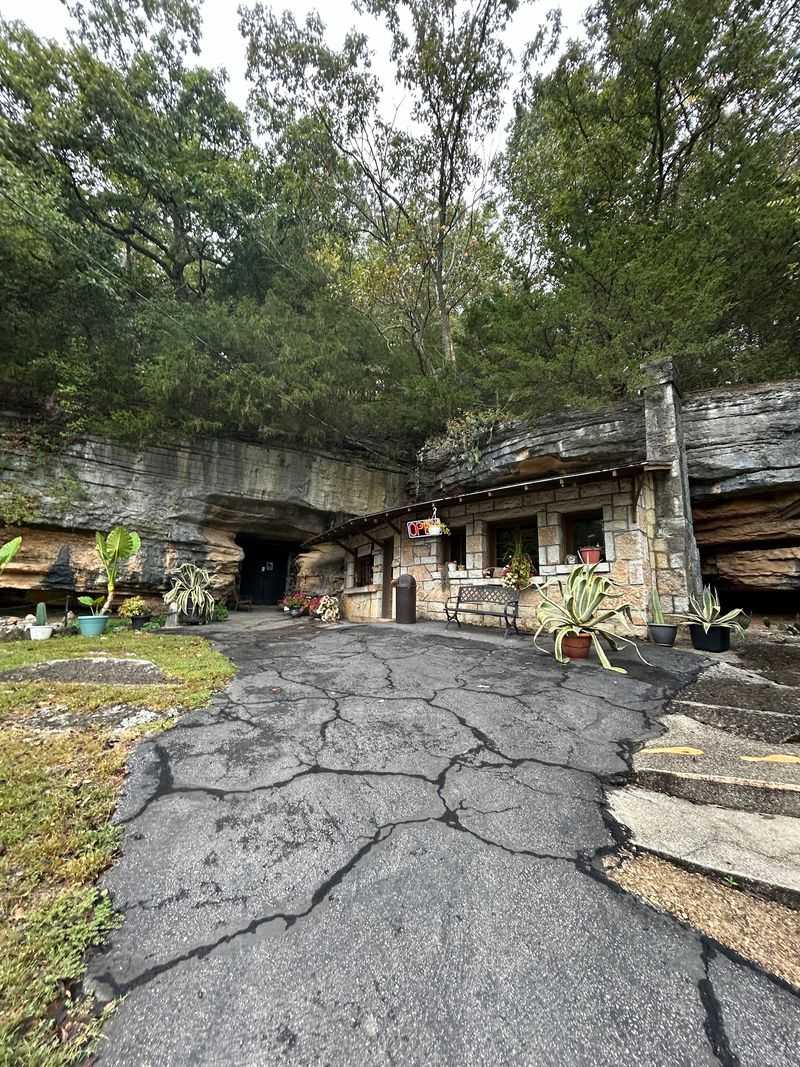
Finding the place is easier than you might expect for something buried under a hillside. You will want Bluff Dwellers Cave at 163 Cave Road, Noel, MO 64854, and the road in winds through classic Ozark country with bluffs rising right beside you.
Noel sits down in the far southwest corner of Missouri, close enough to the Arkansas and Oklahoma lines that plenty of visitors come from out of state without much effort. If you are already floating the Elk River or passing through on a road trip, the detour barely registers on the clock.
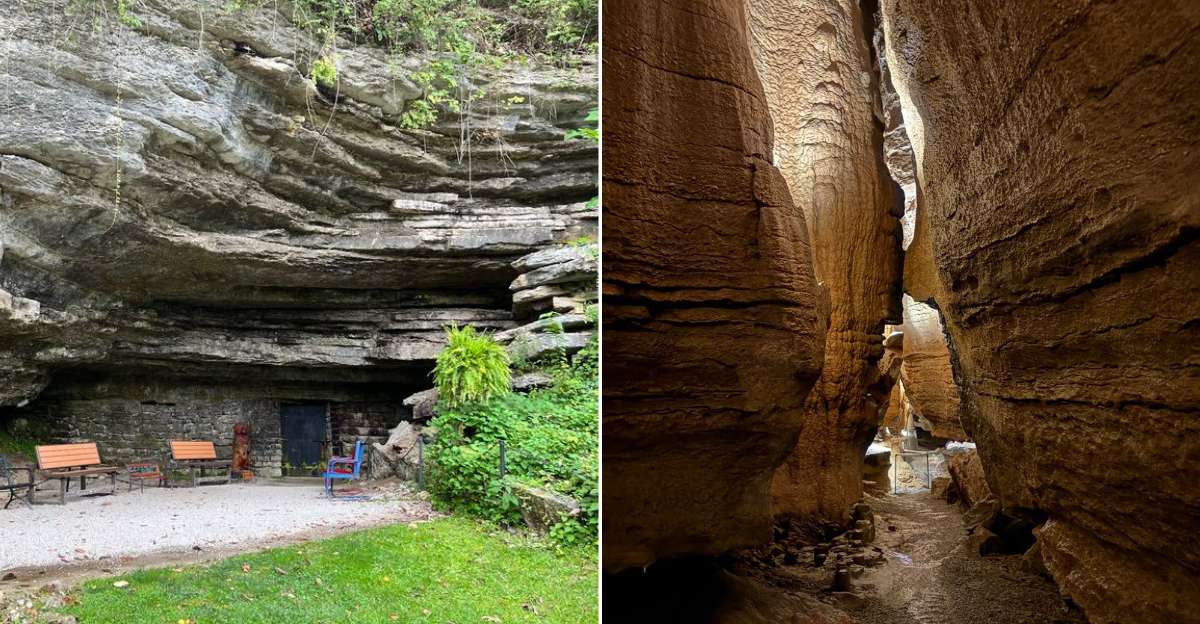
Parking sits near the building that holds the ticket counter, the gift area, and the museum, so you are not hiking a trail before the tour even starts. The entrance to the cave itself is up the slope from there, which matters if walking uphill is not your favorite thing.
Cell service in the hills can get spotty, so I would pull up directions before you leave the highway. Weekends tend to draw more families, and arriving earlier in the day usually means a smaller group and a guide who has more time for questions.
A Cool Breeze Gave The Whole Thing Away
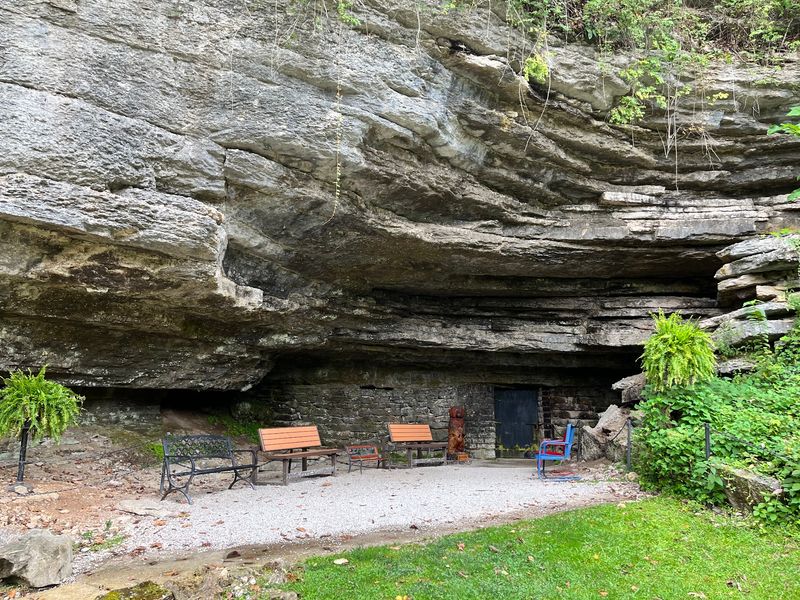
Here is a detail I love about how this cave was found. A man named Arthur Browning noticed cold air slipping out of a limestone outcrop on the hillside, and instead of shrugging it off, he went digging.
What he uncovered had been sealed shut by a landslide for something like two to three thousand years, which means nobody had walked those passages in a very long time. Guided tours opened to the public not long after the discovery, and the cave has stayed in the family ever since.
The Brownings are now on their third generation running the operation, which shows up in small ways throughout the visit. You get the sense that the people telling you about the rock formations actually grew up around them.
That cool draft, by the way, is a real clue that cavers still use today, because air moving out of a hillside usually means open space underneath. Next time you are hiking in the Ozarks on a hot afternoon and feel a strange chill along a rock face, you will know why.
Family-run attractions like this one tend to feel more personal than the corporate versions, and that difference is noticeable here.
Fifty-Six Degrees No Matter What The Sky Is Doing
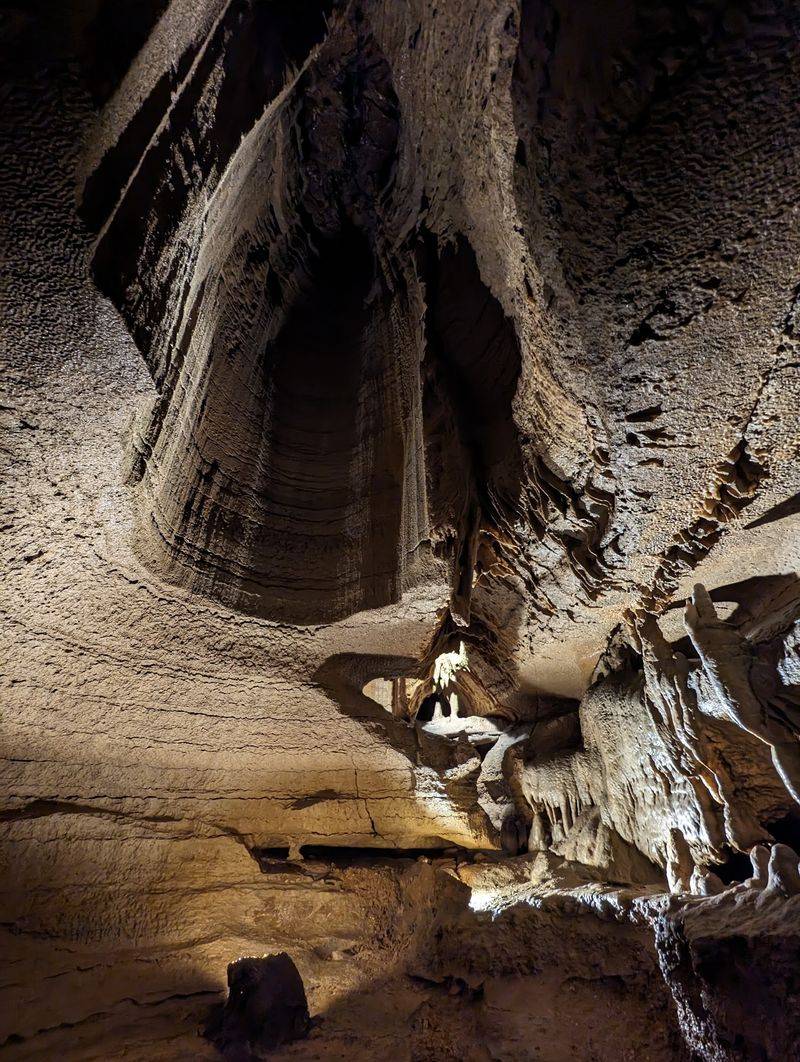
August in southern Missouri can feel like walking through soup, and then you step through the cave door and the temperature drops to about fifty-six degrees. That contrast alone is worth the ticket on a brutal summer afternoon.
Caves hold steady temperatures because the surrounding rock buffers them from whatever is happening up top, so the number stays roughly the same all year. In winter that same fifty-six degrees actually feels warm compared to the wind outside.
Bring a light jacket or a long-sleeve shirt, especially if you run cold, because an hour of standing still in damp air adds up. Kids in shorts and tank tops usually start hugging themselves about halfway through the tour.
Shoes matter more than clothing, honestly, since the walkways stay wet and there are spots where the floor is slick. Closed-toe shoes with some grip will keep you focused on the formations instead of your footing.
Humidity runs high down there too, which can fog up camera lenses and glasses for the first few minutes. Give your gear a little time to adjust before you start blaming it.
People Sheltered Here Thousands Of Years Before Us
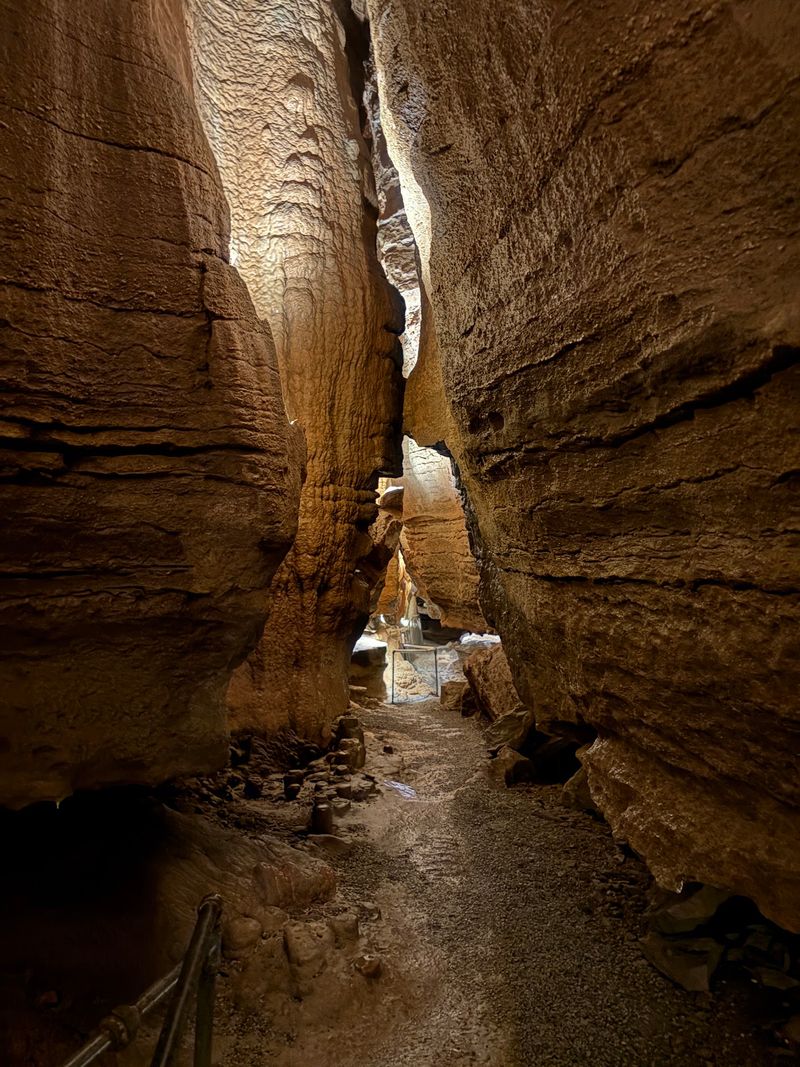
The name is not decoration. Archaic Native peoples, often called Bluff Dwellers, used this rock shelter for protection and storage an astonishing span of time ago.
Excavations turned up arrowheads, grinding stones, and human remains, with evidence of people being here as far back as around eight thousand five hundred before the common era. Standing in a space that held families that long ago rearranges your sense of time a little.
Bluffs like these made sense as shelter because they gave overhead cover, a steady temperature, and a defensible spot with water nearby. Across the Ozarks you find similar sites, though few of them come with a guided tour and a museum attached.
The artifacts found on the property are displayed rather than scattered, so you can actually look closely at the craftsmanship on the points. Some of them are small enough to sit on a fingertip and still hold a workable edge.
If you have a kid who is into archaeology, this section usually lands harder than the geology does. It turns an abstract history lesson into something they can see through glass in Missouri, which is a different kind of learning entirely.
Musical Chimes And Other Rock That Behaves Oddly
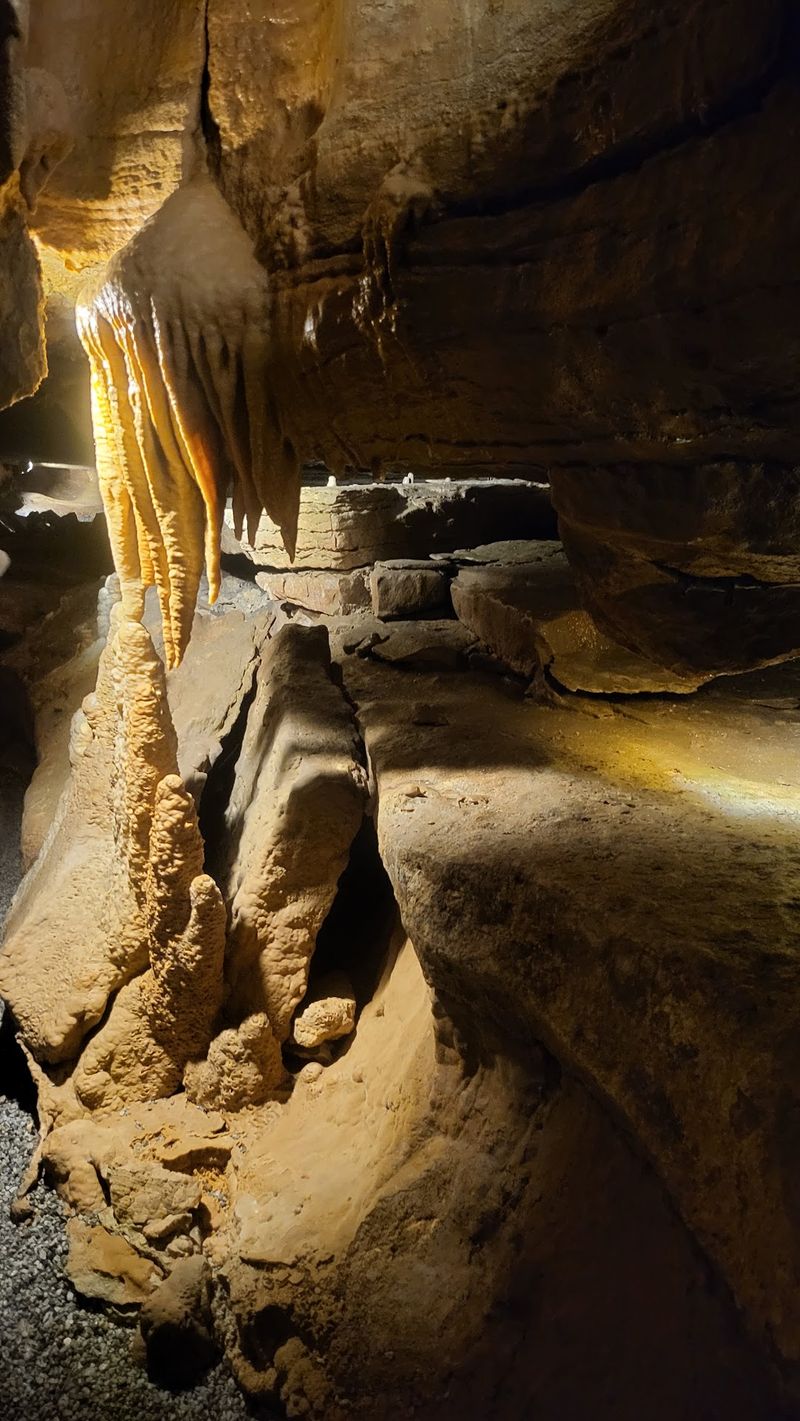
One stop on the tour gets called the Musical Chimes, and it earns the name because certain thin formations actually produce tones. Stone that rings like an instrument is not something most of us expect underground.
Thin draperies and slender stalactites can resonate when tapped gently, and guides know exactly which ones respond. Visitors are not supposed to touch formations themselves, since oils from skin can stop growth permanently, so let the guide handle that part.
Beyond the chimes you get a full spread of speleothems, including stalagmites rising from the floor, cave coral clustered like popcorn, flowstone spilling down walls, and rimstone edging the pools. Each one forms differently depending on how water arrives and how fast it leaves.
The colors surprise people too, running from milk white to rust orange depending on which minerals rode in with the water. Iron tends to bring the warmer tones.
Take your time in the chambers where the ceiling drops close, because the detail work there is easiest to see. Fine formations often hide in plain sight while everyone stares at the big showy stuff across the room.
Four Thousand Feet Of Passage, Half Of It Off Limits
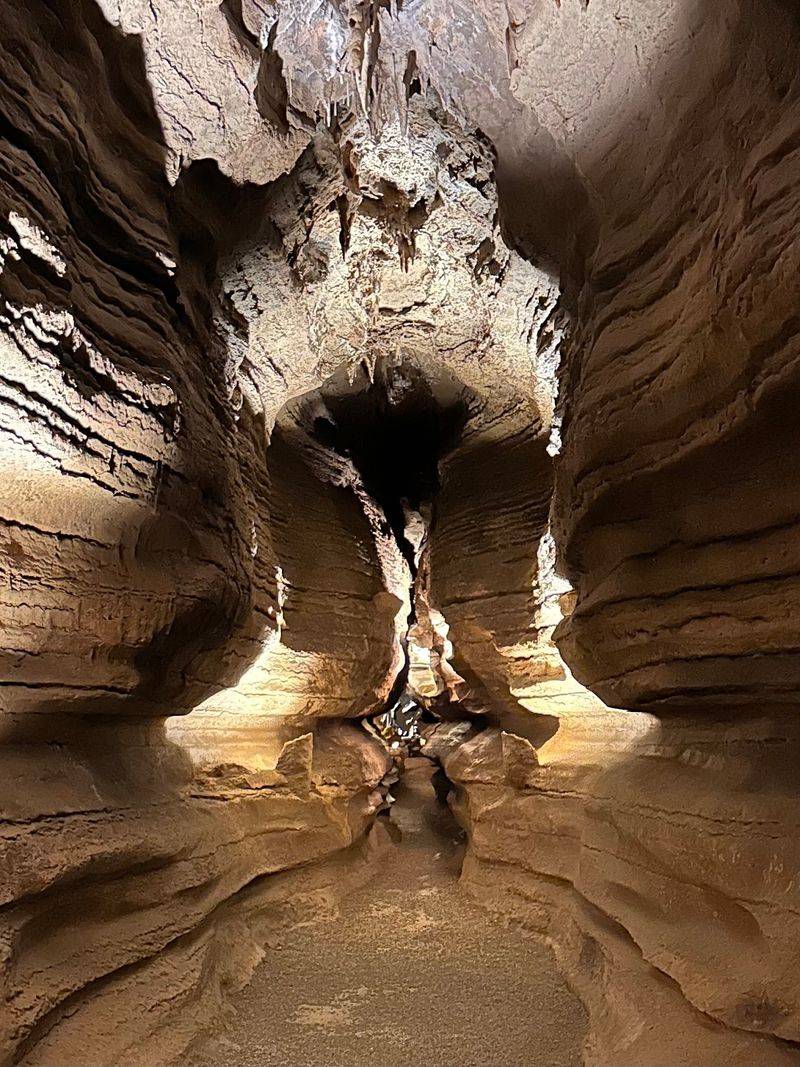
The passages here run more than four thousand feet, which is a serious stretch of underground real estate. Roughly half of that stays closed to visitors, and that decision is on purpose.
Keeping sections untouched protects fragile formations and gives resident wildlife space where human traffic never reaches. Once a formation is broken or a bat colony is disturbed repeatedly, you do not get either one back.
What you do walk is a developed route with lighting and paved footing, covered in about an hour with a guide talking the whole way. That pace leaves room for questions without turning the trip into a whole afternoon.
The cave formed in Pierson Limestone during the Mississippian Period, back when this part of Missouri sat under a shallow sea. Slightly acidic groundwater slowly dissolved the rock along cracks and joints, hollowing out the karst landscape you are standing inside.
Knowing that backstory changes how the walls look, because those layers overhead are old seabed. It also explains why the Ozarks hide so many caves in the first place, since limestone country and moving water are a reliable recipe for open space underground.
The Browning Museum Comes Along With Your Ticket
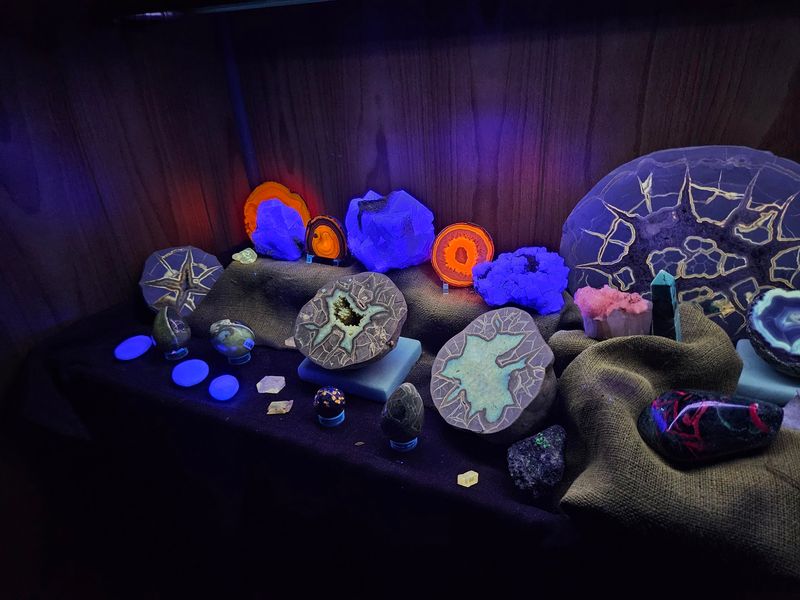
Included with admission is a museum that could easily hold your attention longer than you planned. The Browning Museum sits right there in the main building, so you are not paying extra or driving anywhere else.
Inside you will find locally discovered Native American arrowheads alongside rocks, minerals, and fossils gathered from places well beyond the Ozarks. Mixed in are antiques from the Browning family itself, which gives the collection a personal, slightly cluttered charm that big institutions cannot fake.
Museums attached to family-run caves tend to reflect whatever the owners found interesting over decades, and that unpredictability is the fun of it. One case holds serious geology and the next holds something delightfully random.
Plan to spend some time here either before your tour starts or right after you come back up. Waiting for a tour group to form is much better spent looking at fossils than at your phone.
Fossil displays also help kids connect what they just saw underground with the ancient sea that made it. Seeing the creatures that became the limestone makes the cave itself click into place, which is a nice bit of teaching without a single worksheet.
Gem Panning, Golf Cart Rides, And Planning Around The Stairs
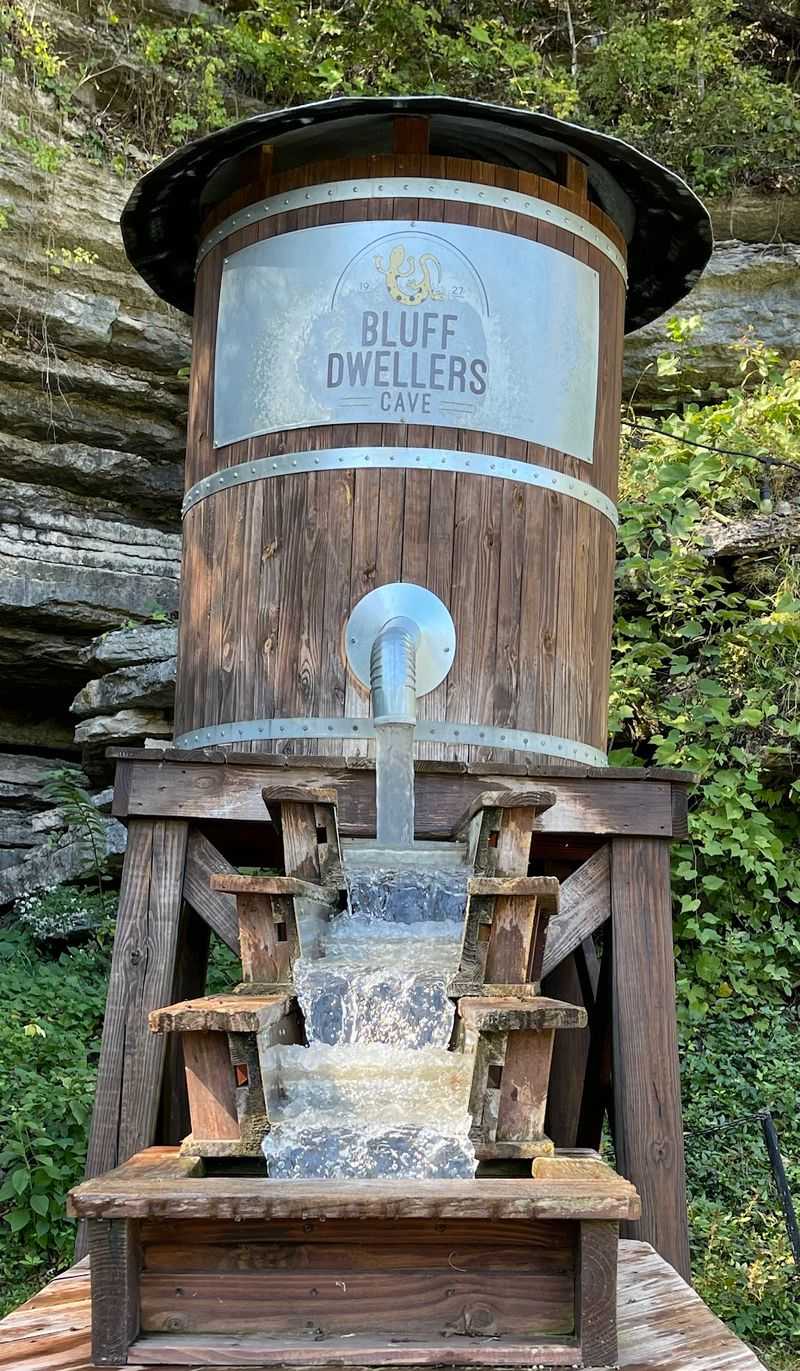
Once you come back into the daylight, there is a gemstone panning setup waiting outside. You get a bucket of rough material, you rinse it through a sluice, and you keep whatever turns up, which is a hard offer for kids to refuse.
It is messy in the best way and works well as a cooldown activity after an hour of walking and listening. Bring a small bag or container if you want to carry your finds home without them rolling around the car.
Accessibility deserves an honest mention, because the cave tour itself is not fully wheelchair accessible. There are stairs and uneven, damp footing in places that no amount of good intentions can smooth out.
To help with getting there, a golf cart ride is offered up the slope to the cave entrance, which removes the hardest outdoor climb. If mobility is a concern for someone in your group, calling ahead to talk through the route is the smart move.
Restrooms and the gift area sit near the parking lot, so handle that before the tour rather than during. Missouri cave trips go smoother when nobody is counting minutes underground.
