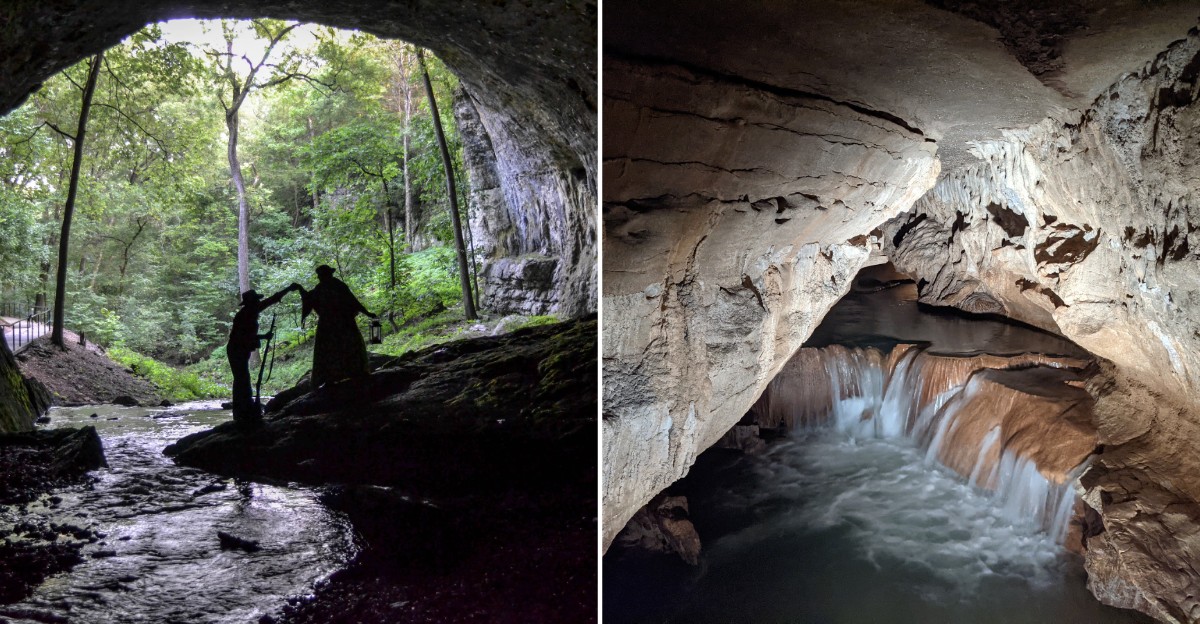
You know a cave is going to be interesting when the entrance is about one hundred feet wide. This Missouri spot starts big, then keeps going with an underground tour that is easy to follow and full of things to look at.
The cave has wide passages, unusual rock formations, and enough history to keep the walk from feeling like just another nature stop. You do not need to be an experienced hiker, either.
The tour is pretty approachable, which makes it a good pick for families or anyone who wants a cave adventure without a tough climb.
The huge opening is what gets your attention first, but once you are inside, there is plenty more to keep you interested.
The Grand Opening That Stops People Mid Step
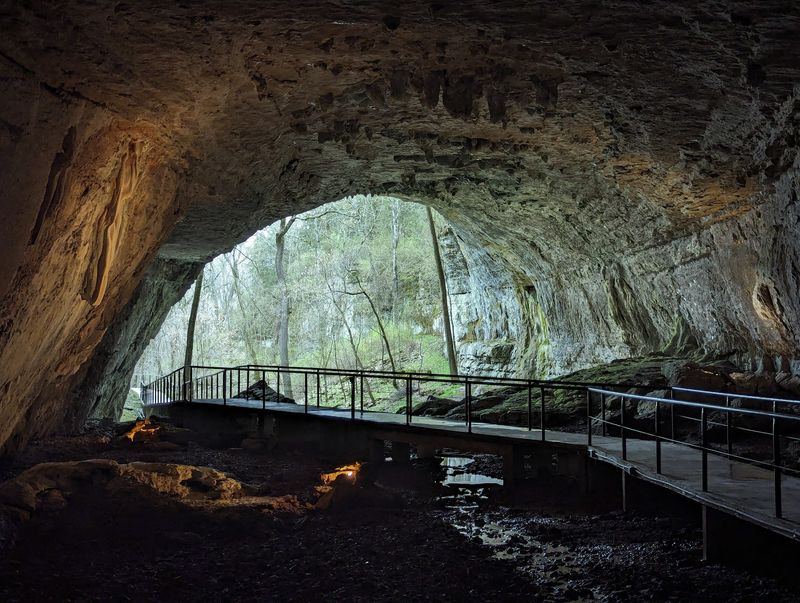
You really do need to see this entrance in person, because photos flatten it out and make it look ordinary. It stretches about one hundred feet wide and climbs roughly fifty five feet high, which is close to the height of an eleven story building standing on its end.
From a distance it reads almost like a stone archway that somebody designed, with a clean sweep of rock overhead and trees crowding in on both sides. Water trickles out along the floor, which is exactly what carved the whole thing out over an unimaginable stretch of time.
What surprises most visitors is how the air feels before you even step inside, because the cool breath of the cave rolls out toward you as you walk up the path. That shift alone tells you that you are crossing into somewhere different.
Standing under that opening also gives you a sense of why people have been drawn here for centuries, since it offers shelter and shade without asking you to squeeze through anything tight. If you have someone in your group who feels uneasy about caves, this is the gentlest possible introduction anywhere in Missouri.
Finding The Place Without Any Fuss
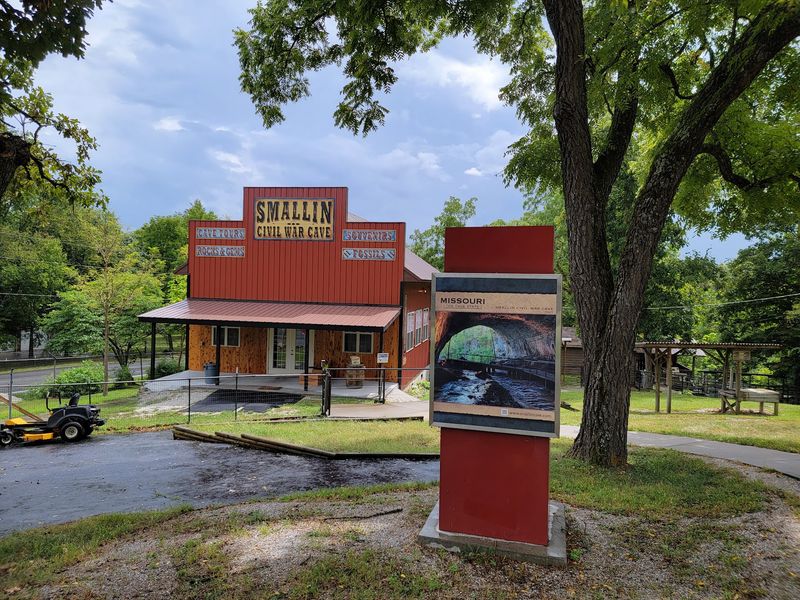
Getting here is refreshingly simple, which is not always the case with natural attractions tucked into the hills. The address is 3575 N Smallin Rd, Ozark, MO 65721, and it sits just a short drive south of Springfield.
You leave the highway, wind along a country road for a few minutes, and then the parking area appears with the hillside rising behind it. The final stretch feels rural in the best way, with pasture, trees, and the occasional glimpse of a creek bottom along the route.
Because it sits less than three miles off Highway 65, it slots neatly into a bigger Ozarks trip without eating up your whole day. Plenty of people pair it with a morning in Springfield or an afternoon poking around the shops in Ozark itself.
One practical tip worth knowing is that tours run on a schedule, so calling ahead or checking availability online saves you from standing around in the parking lot. Wear shoes you do not mind getting damp, since the walkway can be slick where groundwater seeps through, and bring a light layer even in the middle of a hot Missouri summer.
The Osage Called It Winoca
Long before any explorer wrote about it, the Osage people knew this cave well and gave it a name that still gives me chills. They called it Winoca, which translates roughly to Underground Spirit, and once you hear that the whole place reads differently.
The first written documentation came from Henry Rowe Schoolcraft, an explorer who passed through the region in the early eighteen hundreds and recorded what he saw. That makes it one of the earliest caves in the entire country to be described in writing.
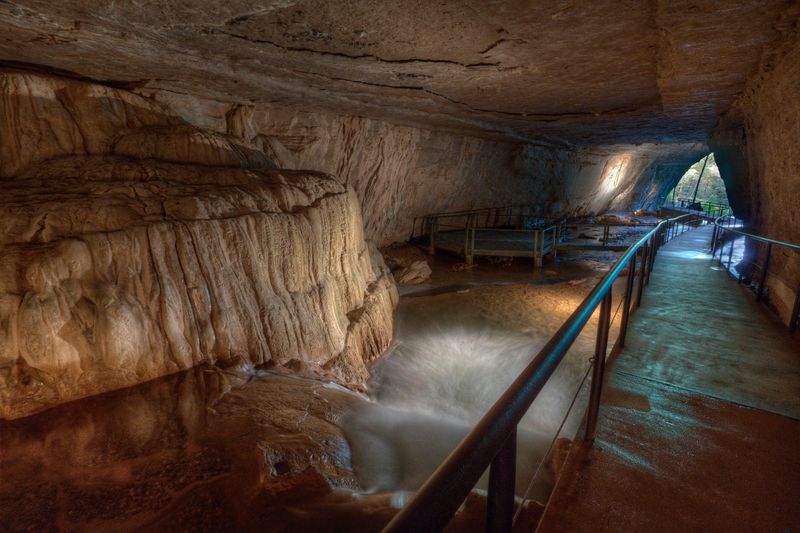
Knowing that history changes how you move through the space, because you start noticing the shape of the chamber and thinking about people sheltering there with firelight instead of electric bulbs. The guides share these stories as you walk, which keeps the tour feeling like a conversation rather than a lecture.
It also connects this stop to the much larger story of Indigenous life across Missouri, something a lot of travelers never get exposed to on a typical road trip. If you have kids studying local history in school, this is the sort of place that makes textbook names suddenly feel real and close at hand.
Hideout Stories From The Civil War Era
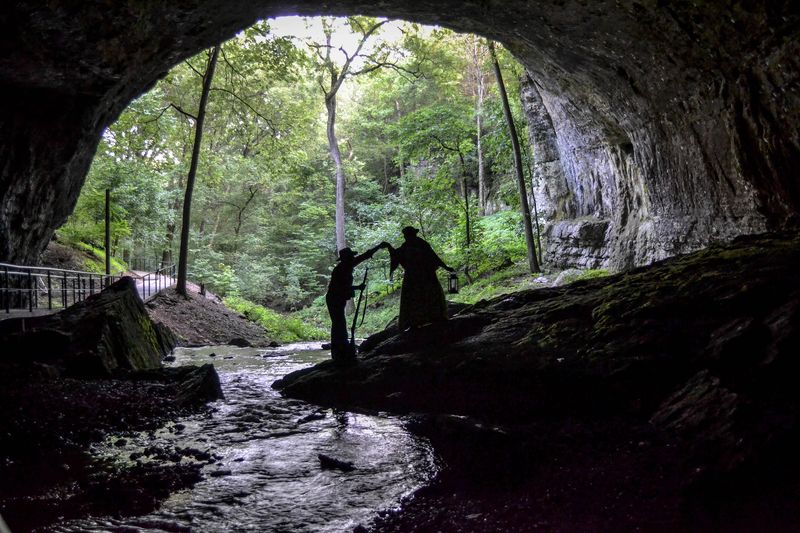
The name gives it away, but the Civil War chapter of this cave is genuinely interesting. Local folklore holds that Union soldiers used the cave as a hideout and a spot to stash supplies, which makes sense when you consider how enormous and sheltered the entrance chamber is.
There are also accounts of a Union spy named John Breazeale taking refuge here through the harsh Missouri winters, tucked away from weather and from anyone looking for him. Whether every detail holds up is part of the fun, since regional history often lives somewhere between record and retelling.
Missouri was pulled hard in both directions during that conflict, with neighbors landing on opposite sides and small skirmishes flaring across the countryside. A cave like this would have been an obvious refuge for anybody needing to disappear for a while.
Standing inside and listening to those stories, you start doing the math on how cold and dark it must have felt without modern lighting. It is one thing to read about the war in a classroom and quite another to stand in a space where people actually hid, which is exactly what makes this stop stick with you afterward.
Fossils And Old Drawings On The Walls
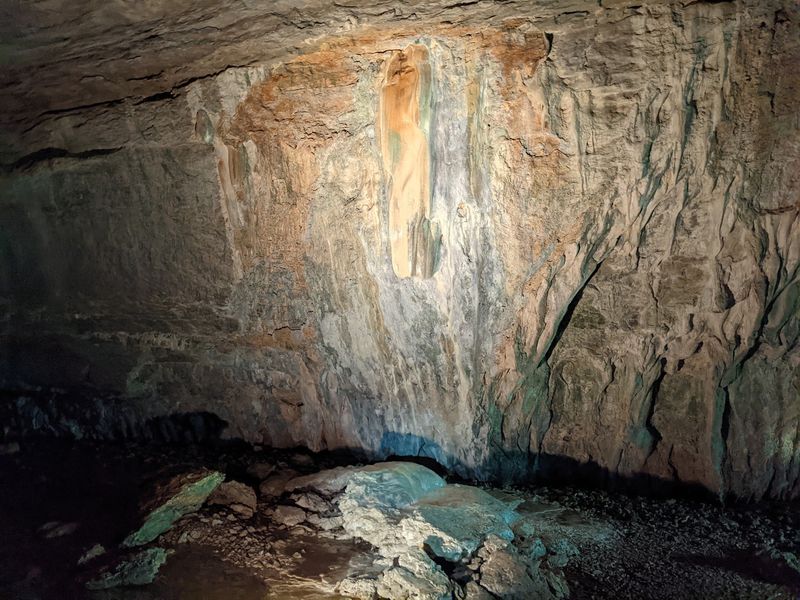
Here is the part that tends to catch people off guard. As you walk the main passage, there are fossils pressed right into the rock walls, remnants of sea creatures from back when this whole region sat under warm shallow water.
Guides point them out as you go, and once your eye adjusts you start spotting shapes on your own without any help. There is also evidence of ancient drawings inside the cave, which adds another layer to everything already going on down there.
Put all of it together and the passage functions like a natural history exhibit that nobody had to build. The rock records ocean life, then human presence, then the slow steady work of water carving out the rooms you are standing in.
My honest advice is to go slowly and actually look up, down, and sideways rather than just following the person ahead of you. Bring a small flashlight if you like examining details closely, and ask questions whenever something catches your attention, because the guides genuinely know this rock.
It is easily the most educational hour you will spend anywhere in southern Missouri without feeling like you signed up for a class.
Creatures That Never Needed Eyes
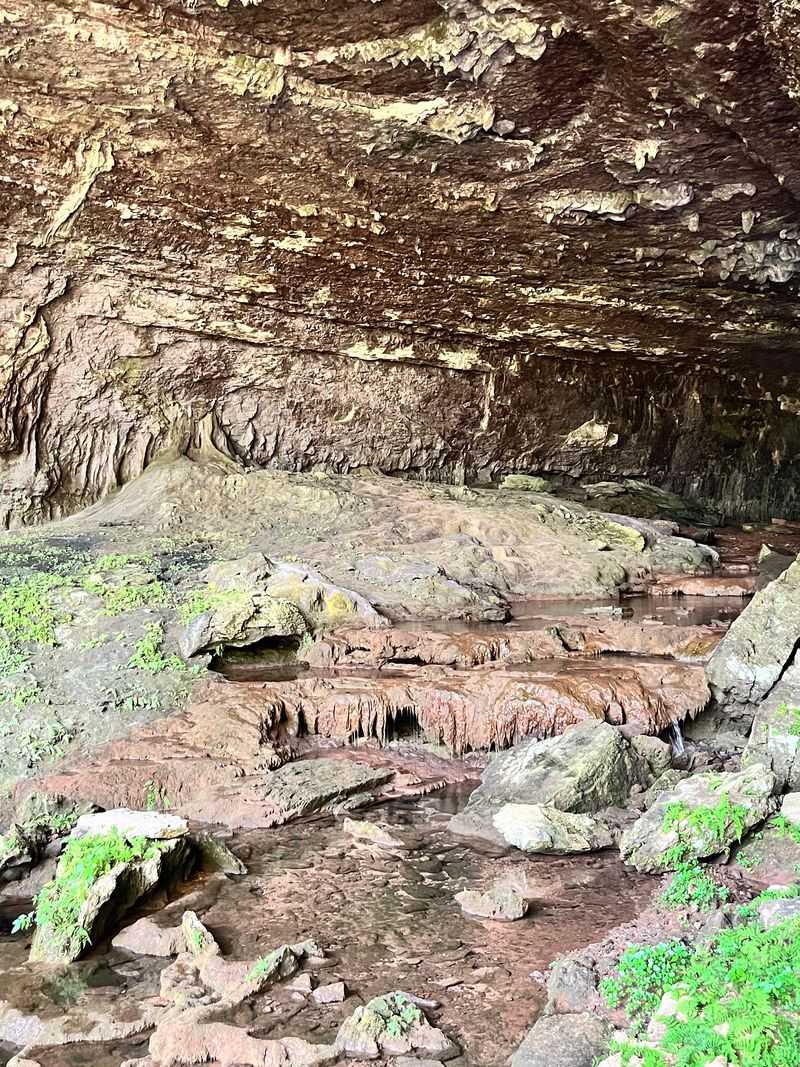
Keep your eyes on the water, because some of the residents here are genuinely odd in the best possible way. Blind cave salamanders live in this system, along with bristly cave crayfish that have sightless eyes and pale, almost translucent shells.
Neither one needs vision, since there has never been any light to see by, so evolution simply stopped bothering with eyes and pigment. Watching a ghost white crayfish drift across a shallow pool is one of those moments that makes the whole trip worthwhile.
These animals are also incredibly sensitive to changes in water quality, which is why guides ask everybody to stay on the walkway and keep hands out of the streams. Protecting them is part of the deal when you visit a living cave.
If wildlife is your main interest, ask your guide where to look and move quietly rather than rushing ahead with the group. Bats also use Ozark caves seasonally, and the staff can tell you what is currently active without you guessing.
For anybody who loves biology, this is a rare chance to see adaptation happening in real time rather than reading about it in a field guide.
Wild Cave Tours For The Bolder Crowd
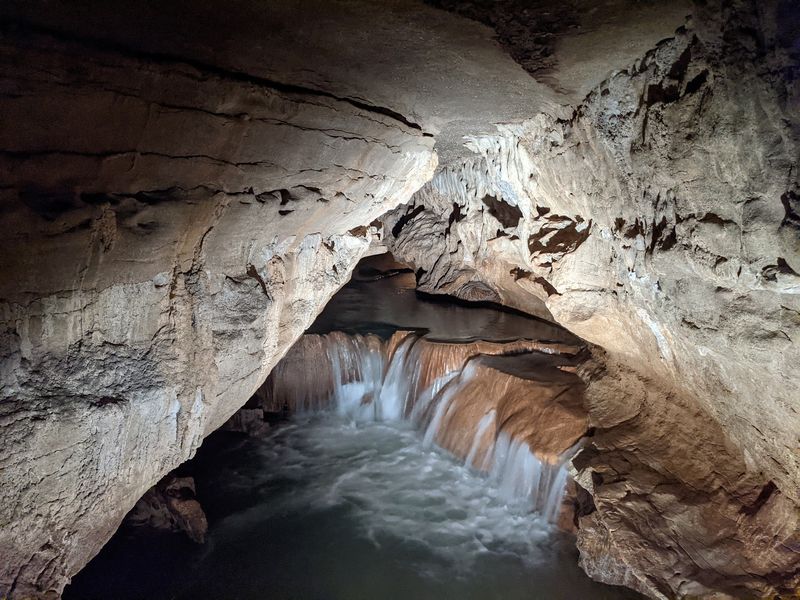
Now, if a paved walkway sounds a little too tidy for your taste, there is another option waiting. Wild Cave Tours take you well past the developed section for roughly two hours, and they are exactly as rugged as the name suggests.
You wade through water hovering around fifty four degrees, with a helmet headlamp as your only source of light, following passages that most visitors never see. It is muddy, cold, and completely unforgettable for the right kind of person.
Does that sound like your idea of a good time, or does it sound like a nightmare? Either answer is valid, and the beauty of this place is that both types of traveler get something out of the visit.
Practical notes matter more on this one, so wear clothes you truly do not care about and bring a full change of everything for afterward. Old sneakers beat sandals every time, and skipping anything that dangles or catches is smart.
Reservations are essential since group sizes stay small, and I would call well ahead if you are traveling through Missouri on a tight schedule.
Cool Air No Matter What The Season Does
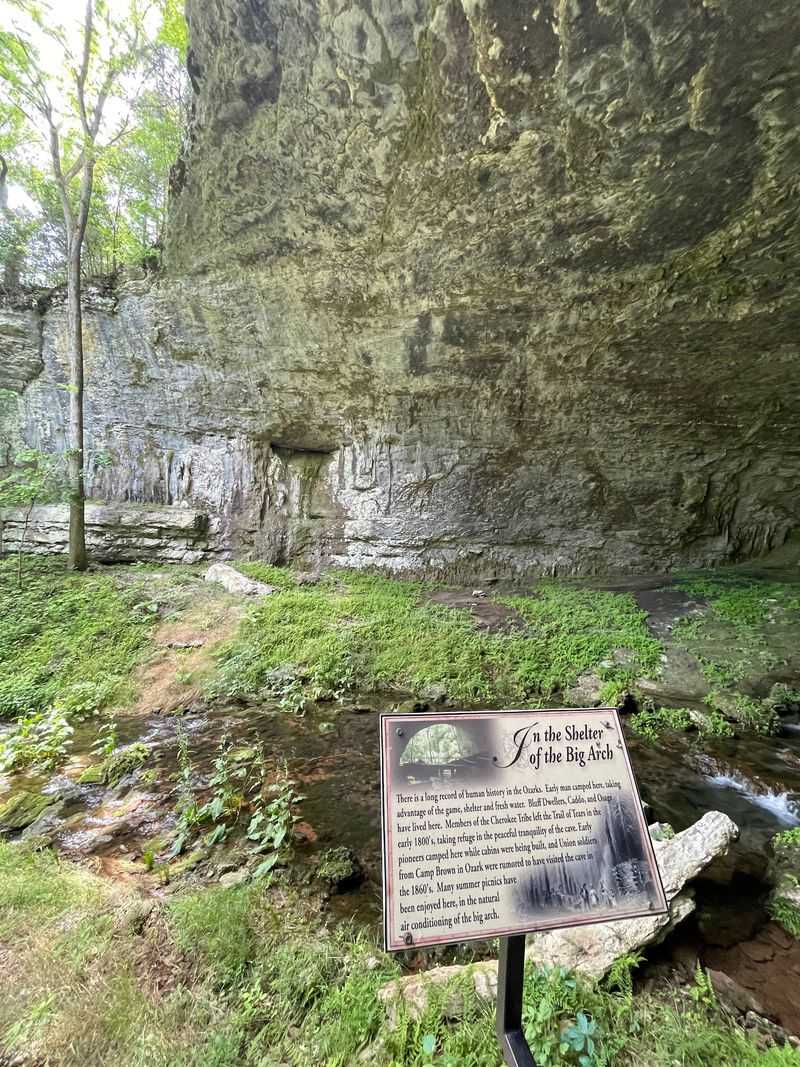
Anybody who has spent August in the Ozarks knows exactly how brutal that humidity gets. Inside this cave the temperature holds steady around fifty four degrees all year long, which turns a summer visit into pure relief the second you walk under that arch.
The flip side is just as useful, because when it is genuinely cold outside, fifty four degrees suddenly feels almost pleasant. Caves do not care what season it is above ground, and that consistency makes this a reliable stop whenever you happen to be passing through.
Plan your layers accordingly, since the mistake people make is dressing only for the weather in the parking lot. A light jacket or long sleeves keeps you comfortable for the full hour without any shivering.
That steady climate is also part of why the cave feels so quiet and still, with no wind and very little seasonal change inside. Rainfall can affect water levels in the passages though, so a stretch of heavy storms may change what the stream looks like.
Either way, it is one of the few outings in Missouri that works equally well in blazing heat or gray winter drizzle.
Gem Mining And The Sidewalk Museum Outside
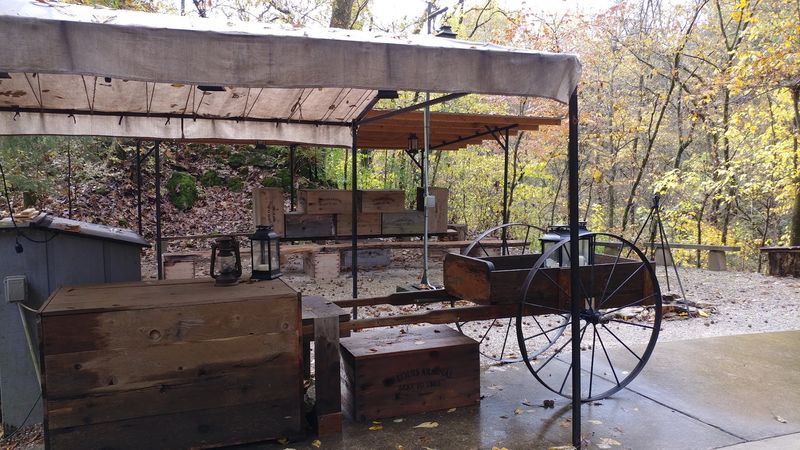
The cave is the headline, but do not bolt for your car the moment the tour wraps up. There is a Sidewalk Museum on the grounds where you can wander past displays without committing to another guided walk, and it fills in details you might have missed underground.
Then there is the gemstone and fossil mining setup, which works exactly how you would hope. You get a bag of rough material, wash it through a sluice, and see what turns up as the dirt rinses away.
Kids lose their minds over this in the best way, and honestly plenty of adults get quietly competitive about it too. Whatever you find goes home with you, which beats a gift shop keychain by a wide margin.
Give yourself extra time in your schedule so the whole visit does not feel compressed into one rushed hour. Bring sun protection for the outdoor portion, and expect hands to get wet and muddy, because that is half the appeal.
Put together, the cave plus the grounds make for an easy half day that feels like real Ozarks Missouri rather than a manufactured roadside stop.
