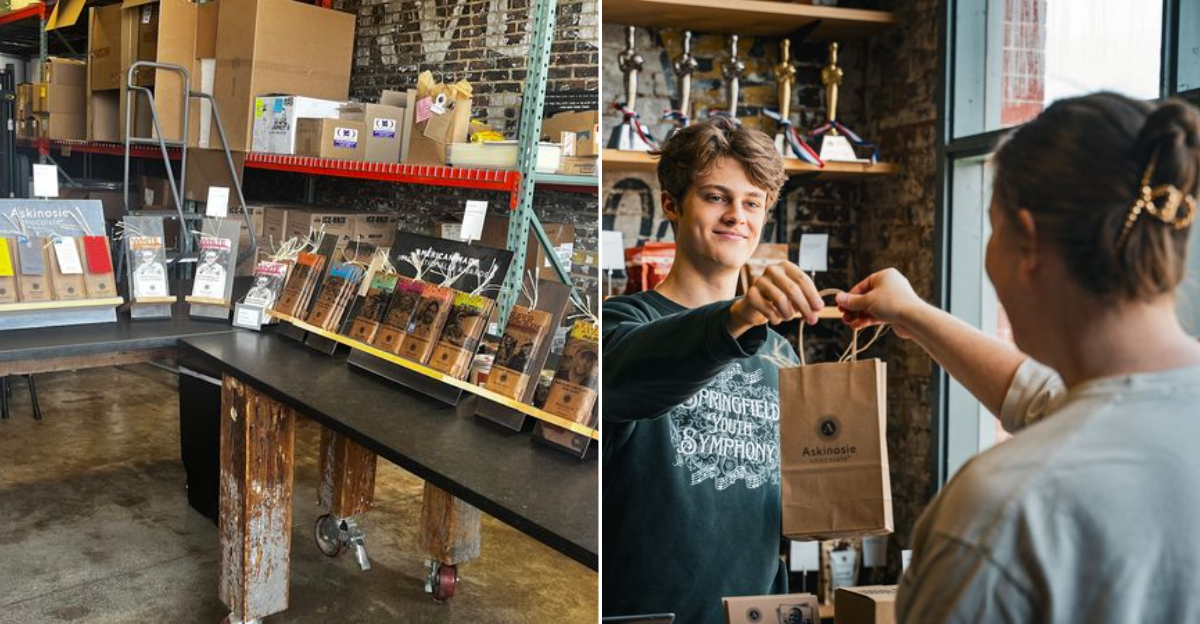
A forty-five-minute tour is enough time to watch cocoa beans transform into chocolate, but it is also enough time to develop a serious appreciation for the craft. This Missouri factory walks you through every step of the process, from the roasting of the beans to the final tempering of the bars.
The space is small and intimate, which makes the whole experience feel personal and unhurried. You get to see the antique equipment up close and hear the story behind a company that sources its beans directly from farmers.
The tour guide knows the details inside and out, and the samples at the end are a welcome reward. It is the kind of visit that turns a casual interest into a genuine fascination.
For anyone who has ever wondered what goes into a truly great chocolate bar, this Missouri tour offers a clear and delicious answer.
Farmers Who Actually Know Their Names
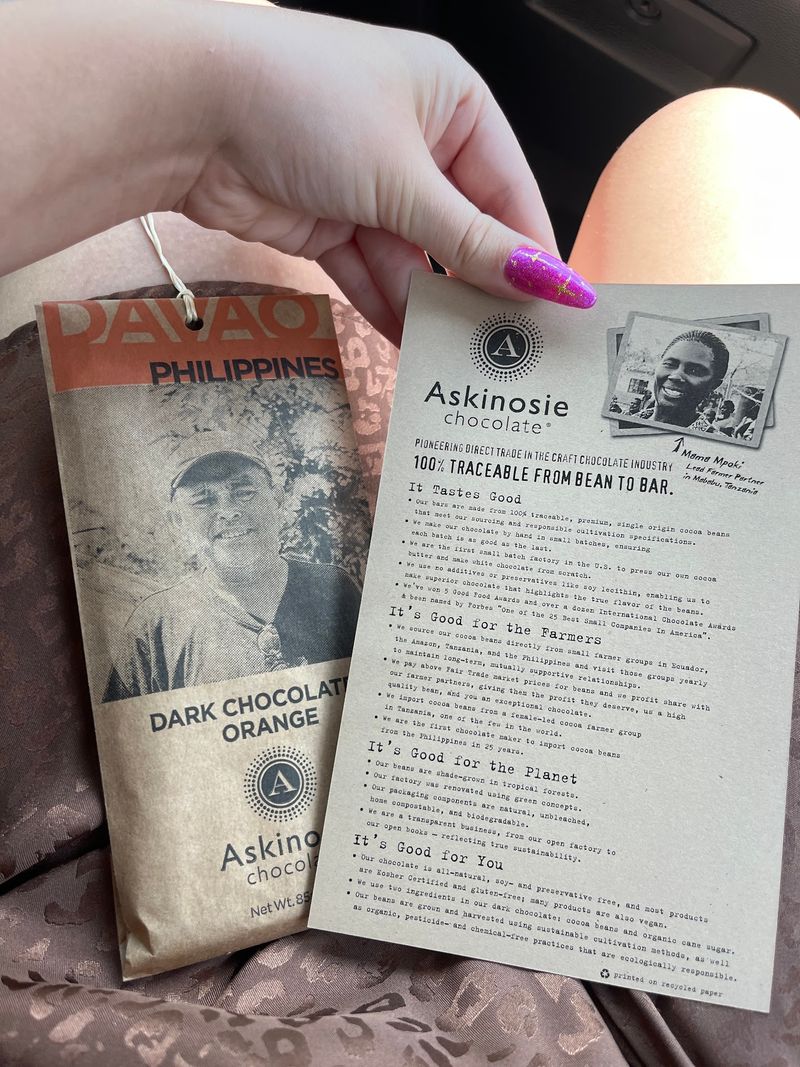
Most chocolate you grab at a checkout counter has a mystery backstory, and honestly nobody ever tells you where those beans came from. Askinosie does the opposite by sourcing directly from farmers in places like Ecuador, Honduras, Tanzania, and the Philippines.
What that means in practice is that the people running this Missouri operation travel to meet the growers and build actual working relationships with them rather than buying whatever is cheapest on the open market. The farmers get a fair share of the results, and the beans get treated like something worth caring about from the very first step.
When you take the tour, this part of the story comes up early, and it changes how you look at everything else you see in the building. You start understanding that the flavor in the finished bar was partly decided long before the beans ever reached Springfield.
I think that is the piece most visitors do not expect going in, because we tend to assume chocolate is made in a factory and that is the end of it. Here the factory is really just the last chapter of a much longer story that starts on farms thousands of miles away from southwest Missouri.
Finding The Place On Commercial Street
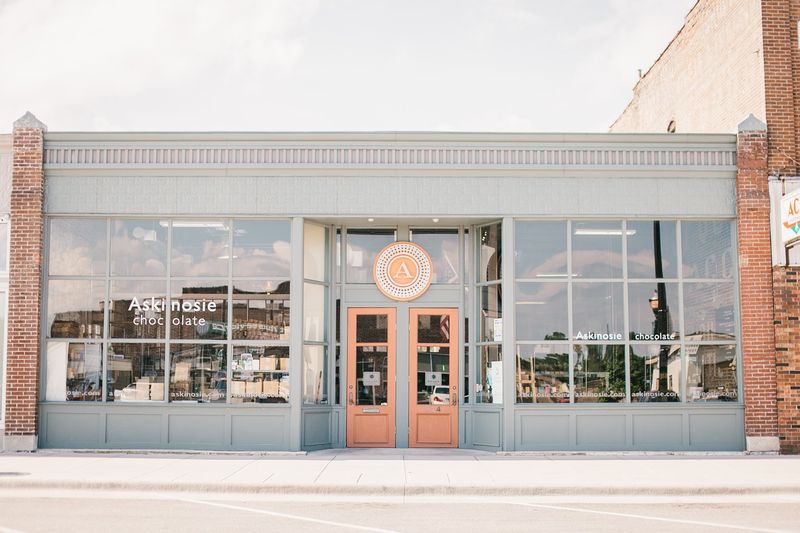
Getting here is easier than you might think, and the address you want is 514 E Commercial Street, Springfield, MO 65803. It sits in a historic stretch of town that has been slowly filling up with small shops and independent businesses, so the whole block has a nice unhurried feel to it.
The building itself is an older brick structure, and from the sidewalk it looks more like a neighborhood workshop than a big industrial plant. That is part of the charm, because you walk in and immediately realize how compact and hands-on the whole operation really is.
Something worth knowing is that the smell hits you before anything else does, and it is that deep roasted cocoa scent that seems to hang in the air permanently. People often say it is the first sign you came to the right spot.
Since tours fill up and the schedule shifts around depending on production, checking ahead is a smart move before you drive over. Nobody wants to show up excited and find out the machines are down for the day, so a quick look at their tour availability saves you the trouble.
Forty-Five Minutes That Fly By
Ever been on a tour that dragged so long you started checking the exits? That is not the problem here, because the whole thing wraps up in about forty-five minutes.
The pacing works out really well, since it is long enough to cover the full journey from raw bean to finished bar without anyone feeling like they are being rushed through the highlights. You get time to look at things, ask questions, and actually absorb what you are hearing.
For families, that length is honestly ideal, because kids tend to stay engaged when there is something new happening every few minutes. There is a lot of movement built into the tour, so nobody is standing in one spot listening to a long lecture.
It also means you can fit this into a day without rearranging your entire schedule around it. Plenty of people pair it with a walk around the surrounding neighborhood or a stop somewhere else in Springfield, and the timing lines up nicely.
If you are passing through Missouri on a road trip, forty-five minutes is a small trade for something you will actually remember talking about later.
What Bean To Bar Really Involves
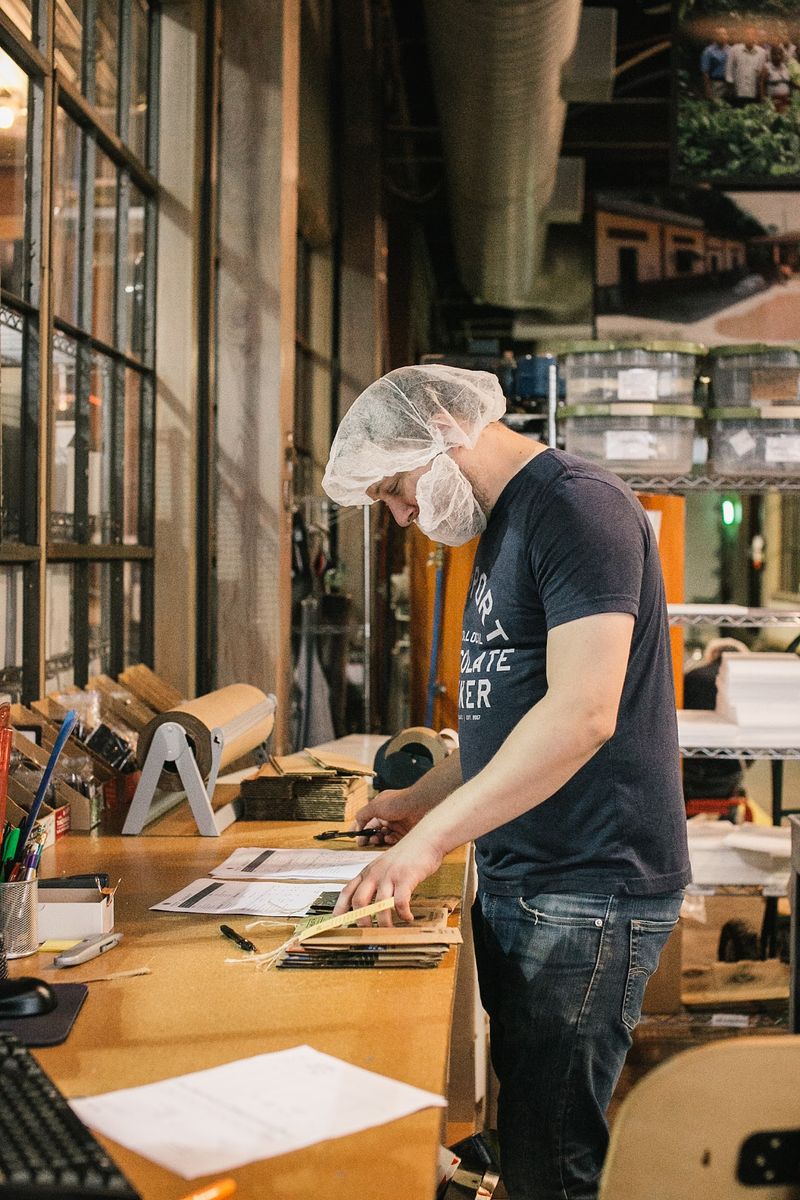
The phrase bean to bar gets thrown around a lot these days, and most of us nod along without knowing what it actually means. The short version is that the same company handles every single step, starting with raw beans and finishing with a wrapped bar.
On the tour you follow that whole sequence in order, which is what makes it click. The beans get sorted, then roasted, then winnowed to crack off the papery shells and leave behind the nibs, and those nibs eventually get ground into a thick cocoa liquor.
Watching the transformation happen step by step is the part that surprises most visitors, because a raw cocoa bean does not look or smell anything like chocolate. It is bitter and hard and honestly kind of unimpressive on its own.
Each stage has a purpose, and skipping or shortening any of them would change the final taste. That is why the small-batch approach matters so much to a place like this.
By the end you understand that chocolate is less of a recipe and more of a long series of careful choices, and that reframing sticks with you.
Machines With Personality And Purpose
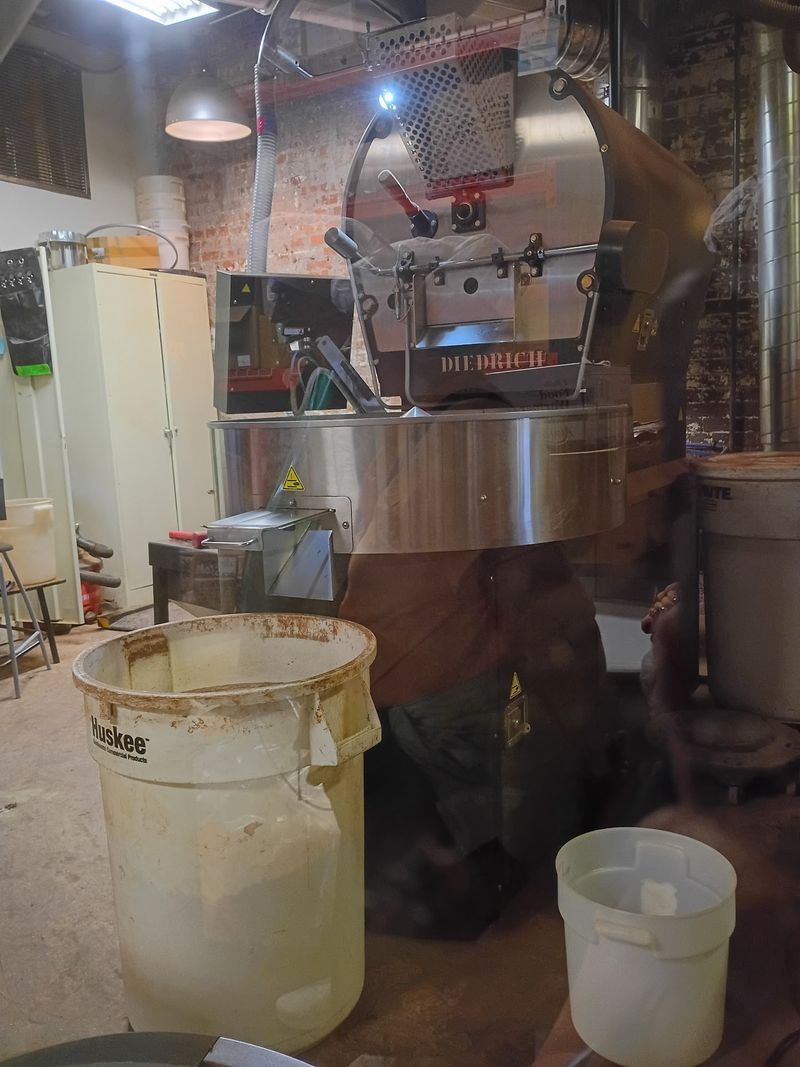
Here is where things get genuinely fascinating, at least for anyone who likes watching equipment do its job. The factory floor has refiners and melangeurs, which are the machines that grind and smooth the cocoa until it stops being gritty and starts being chocolate.
Some of that gear is older and heavier than you would expect, with big stone rollers turning slowly for hours on end. There is something almost hypnotic about watching it, and photos never quite capture the sound and motion of it.
The standout piece is their own cocoa butter press, and that is a real rarity in the craft chocolate world. Most makers buy cocoa butter from outside suppliers, but pressing your own from the very same beans keeps everything consistent.
Once someone explains what that press is doing, you start understanding why their bars taste the way they do. The cocoa butter carries flavor, and using butter from a different origin would muddy the whole thing.
Ask about it while you are there, because it is one of those details that separates this Missouri operation from almost everybody else making chocolate at this scale.
Samples You Will Want To Slow Down For
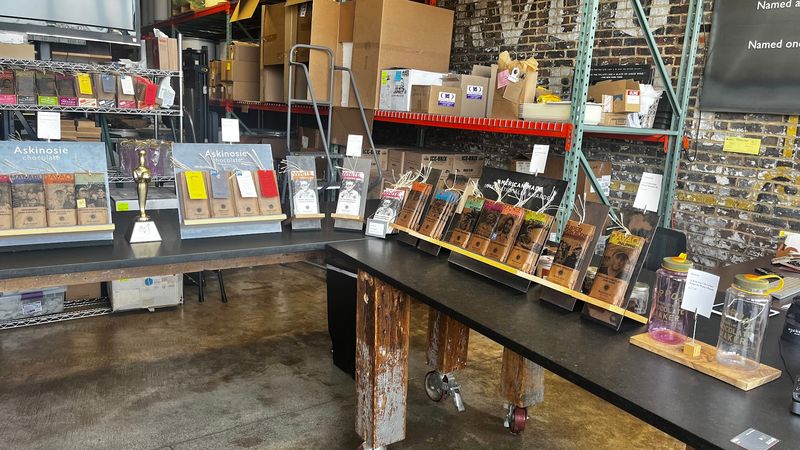
Let us be honest, part of the reason anyone signs up for a chocolate tour is the tasting, and nobody should pretend otherwise. The good news is they do not skimp on it.
You get samples along the way, and the point is not just eating chocolate but actually noticing how different origins taste different from one another. Beans from one country can lean bright and fruity while another might come across earthy or nutty, and tasting them side by side is when that finally makes sense.
My advice is to slow way down and let each piece melt instead of chewing it, because that is how the flavors open up properly. Rushing through the samples is the easiest way to miss the whole point of the exercise.
Kids usually get a kick out of this part too, especially when they realize chocolate can taste like more than just sweet. It turns into a little flavor detective game without anyone planning it that way.
By the time you finish, your idea of what chocolate is supposed to taste like has probably shifted a bit, and that is a fun souvenir to carry home.
Your Ticket Helps Students Learn
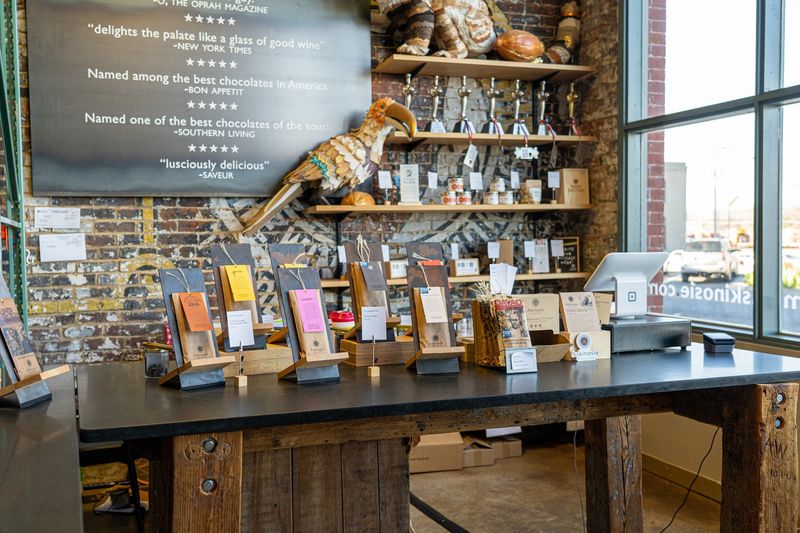
Something I did not know until digging into this place is that the tour money goes somewhere meaningful. Proceeds support Chocolate University, which is a public charity connected to the company.
The program works with students in southwest Missouri, giving them hands-on learning built around business, geography, agriculture, and everything else that goes into making and selling chocolate. Some of that work also reaches the farming communities overseas where the cocoa originates.
So when you buy a spot on the tour, you are basically funding education on both ends of the supply chain. That is a pretty unusual setup for a factory tour, and it is worth knowing before you go.
It also explains the teaching-heavy tone of the tour itself, since education is genuinely baked into how this company operates rather than being an afterthought. The guides are used to explaining things clearly because explaining things is part of the mission.
Knowing all that makes the whole visit feel a little bigger than just an hour of sightseeing. You are eating good chocolate and quietly helping some kids learn something useful at the same time, which is hard to complain about.
Single Origin And Why It Changes Everything
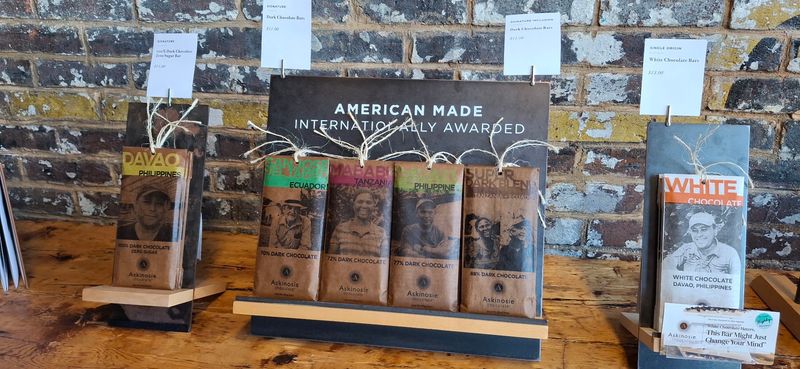
People compare it to wine, and honestly that comparison holds up better than most food analogies do. Single origin means every bean in a given bar came from one specific place, not blended from a dozen different sources.
Because of that, the soil, the climate, and the farming practices of one region come through in the finished chocolate. Two bars made with the same recipe and different beans will taste noticeably different from each other.
Then there is the cocoa butter angle, which is the detail that really sets them apart. Pressing their own butter from the same origin beans means nothing outside gets introduced to blur the flavor.
The tour explains this clearly enough that you do not need any background knowledge to follow along, which I appreciate. It is one of those ideas that sounds technical until someone puts two samples in front of you.
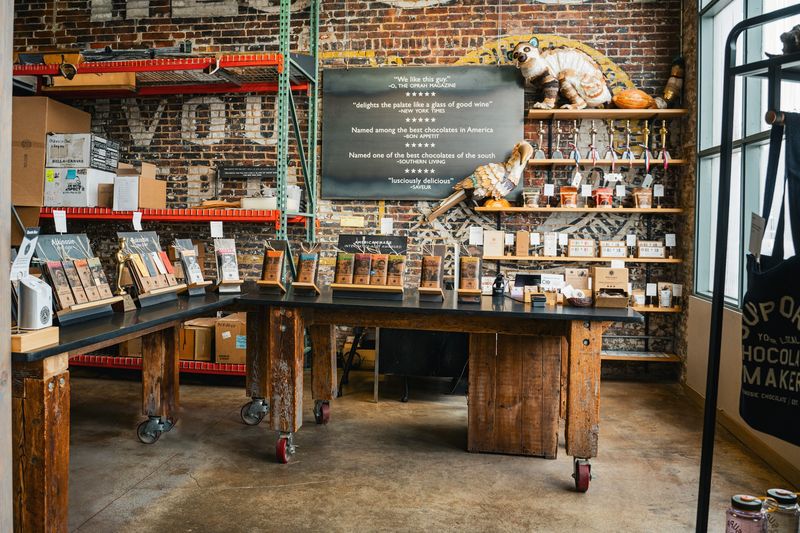
Once you understand it, browsing their shelves becomes way more interesting, since each wrapper tells you where the beans grew. Picking a bar stops being random and starts feeling like choosing a destination, which is a strangely satisfying way to shop for chocolate in Missouri.
Walking Out With More Than Chocolate
The strange thing about this tour is what happens after you leave, because the effect lingers longer than the taste does. You end up thinking about chocolate differently the next time you are standing in a grocery aisle.
Part of that is the process knowledge, since once you have watched beans get roasted and cracked and ground, a wrapped bar stops being anonymous. You start wondering where the beans came from and who grew them.
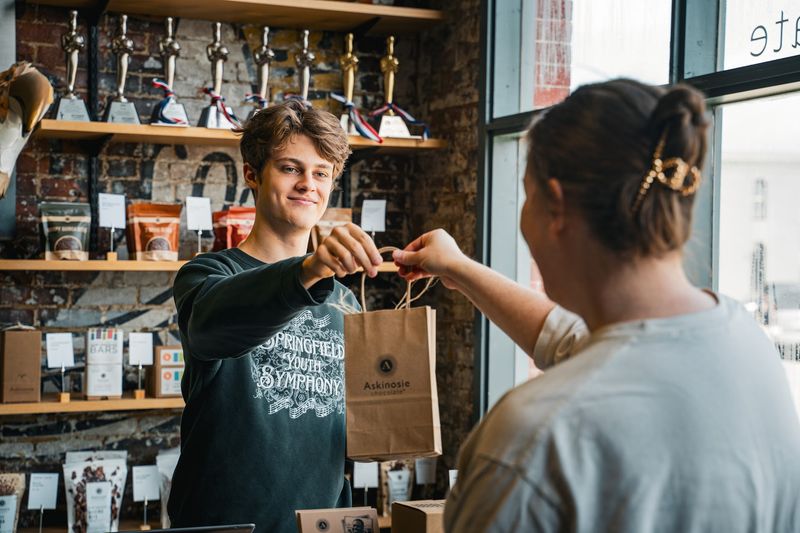
The shop at the end is where most people linger, picking through bars and cocoa products and figuring out what to bring home for people who did not come along. It is a nice low-pressure way to wrap things up.
What I would tell a friend is that this works whether you are a serious food person or just somebody who likes sweets and wants something interesting to do in Springfield. It does not require any expertise to enjoy.
For a place tucked into an old brick building in Missouri, it punches way above its weight, and forty-five minutes here gives you a story worth repeating later.
