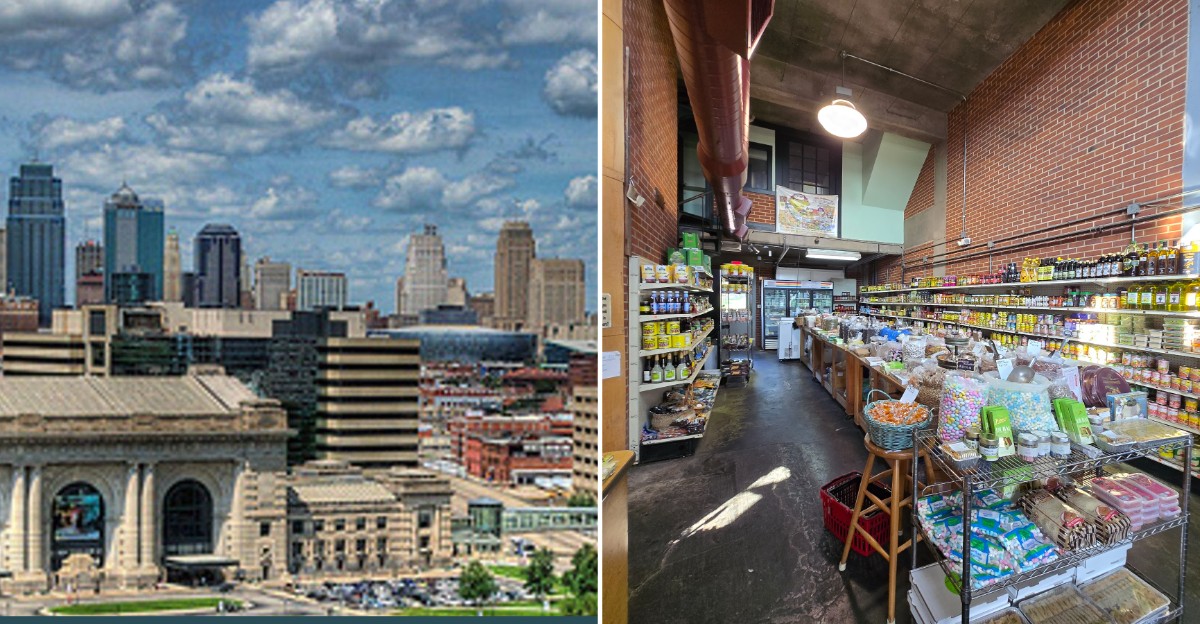
A Jordanian family opened a Middle Eastern grocery in a historic open-air market around 1990, and it still bakes fresh pita almost every day. Ten years later, the same family opened a restaurant right next door.
The shelves carry halal meats, bulk spices, dried fruits, and labels printed in Arabic. Arabic music often plays while staff chat with shoppers in their native language.
Customers with roots in Syria, Iraq, Egypt, and Somalia come here for a taste of home.
I like how two side-by-side storefronts can say so much about a community. In Missouri, few places tell the story of Arab American life as warmly as this one.
I believe the best way to understand a culture is through its kitchen. So what happens when the grocery and the dining room share a wall?
Two Family Storefronts Share One Very Busy Block
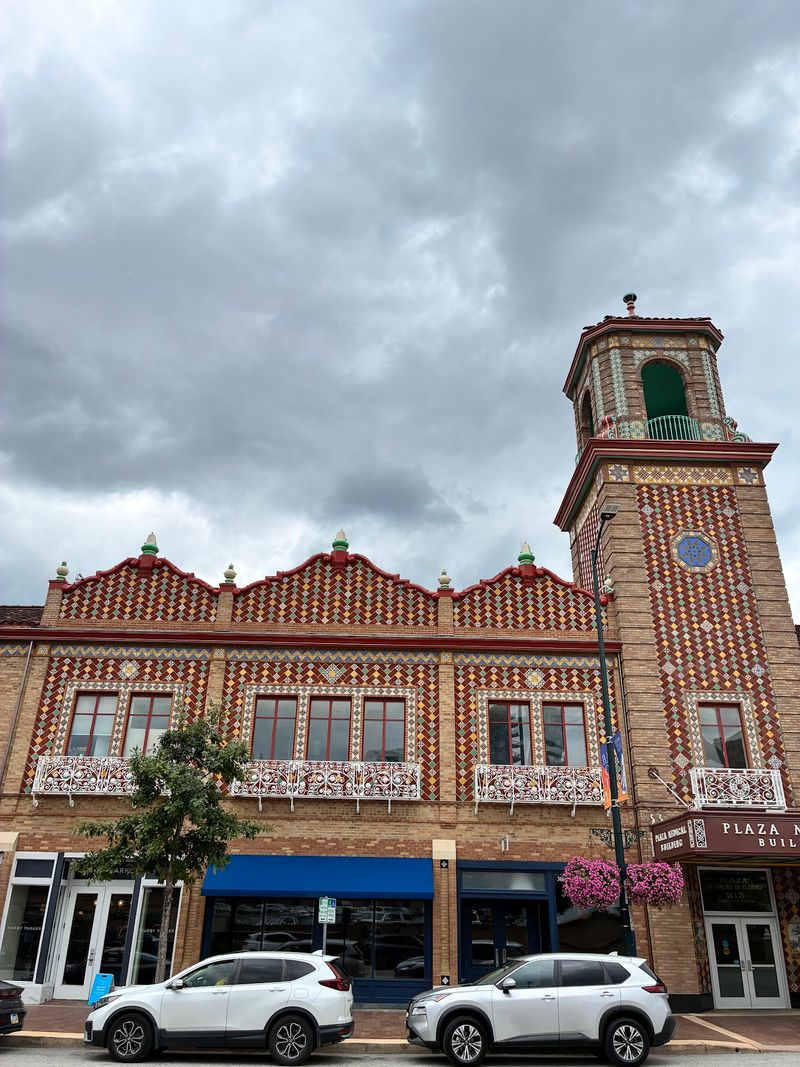
Few families get to build a mini neighborhood on a single stretch of sidewalk. Habashi House and Al-Habashi Mart sit side by side in Kansas City, Missouri, and both are open today.
The Alhabashi family came from Jordan and moved to the United States in 1980. Around 1990, they opened the grocery store that started it all.
The mart did well, so the family took the next big step. In May 2000, founders Tawfiq and Moody Al Habashi opened Habashi House next door.
That timeline matters more than it looks. A shop that lasts over three decades becomes part of a city’s daily rhythm, not just a place to buy rice.
Kansas City has one of the largest Arab American communities in the state. Places like these give that community a visible, welcoming home base.
You can shop for dinner ingredients and then eat lunch a few steps away. Few errands feel this convenient or this delicious.
Families from many backgrounds stop in for spices, bread, and conversation. Newcomers to Middle Eastern food get a friendly starting point.
The best part might be how simple it all feels. One family, two doors, and a lot of good food waiting inside.
Your Nose Will Find The Spice Aisle Before You Do

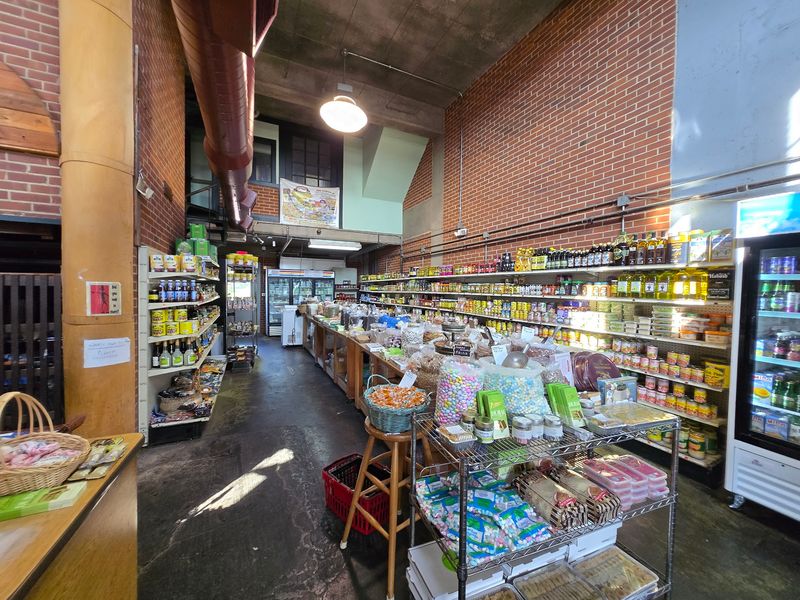
Curry and cayenne hit the air the moment shoppers step into Al-Habashi Mart. It’s a grocery store that starts talking to your senses right away.
Brightly colored products line the walls from top to bottom. Many labels are printed in Arabic, which adds to the feeling of shopping somewhere far from the Midwest.
The mart is known for halal meats and a huge range of bulk spices. Dried fruits and nuts fill out the shelves too.
Imported oils, grains, and canned goods are another big draw. Many of these items are hard to find in a regular supermarket.
Home cooks, this is your shortcut. If a recipe calls for something your usual store never stocks, this is a smart place to look first.
A practical tip helps here. Bring a short list of what you need, but leave some room for curiosity.
Bulk spices let you buy just enough to test a new dish. That’s a friendly way to experiment without filling your cabinet.
Staff often speak Arabic with customers, and Arabic music often plays. For many shoppers from the Middle East and East Africa, it feels a lot like home.
Fresh Pita Six Days A Week Is A Pretty Good Deal
Bread lovers, mark your calendars. Al-Habashi Mart bakes fresh pita bread daily, with one exception: Mondays.
That one day off is worth remembering. Show up on a Monday hoping for warm pita, and you’ll learn the schedule the hard way.
Fresh pita changes a whole meal. It turns leftover chicken, a scoop of hummus, or a simple salad into something that feels planned.
The mart also sells prepared items. Baklava and baba ghanoush are both on the list, which makes a quick picnic surprisingly easy.
Think about how this fits into a market day. You could grab bread and dips, then wander the City Market with a snack in hand.
For families, it’s a fun way to try new flavors at home. Kids who love bread usually don’t need much convincing.
Baklava makes a sweet little gift too. Bring some to a dinner party and you’ll likely get asked where it came from.
A store that bakes its own bread is showing real care. It’s a small daily habit that keeps people coming back week after week.
The Falafel Sandwich Has A Big Title To Defend
Calling something the Best Falafel Sandwich in Town takes confidence. Habashi House does exactly that with its signature falafel sandwich.
Falafel is a fried patty made from ground chickpeas or beans and herbs. Tucked into pita, it becomes one of the most popular street foods in the Middle East.
The menu at Habashi House leans on traditional Middle Eastern and Mediterranean cooking. Fresh ingredients are a big part of the restaurant’s identity.
The falafel sandwich makes sense for first-timers. It’s familiar enough to feel safe, yet full of flavors that may be new.
Vegetarians get plenty of attention here. That makes the restaurant an easy pick for groups with mixed eating habits.
Lunch is a great time to try it. The restaurant is known for fast, friendly service, so a quick midday visit fits nicely.
Pita sandwiches go beyond falafel too. Grilled kabobs and other options give everyone something to choose from.
Does it live up to the title? You’ll have to judge for yourself, but trying is half the fun in Kansas City, Missouri.
Can’t Decide? The House Combo Already Did The Work
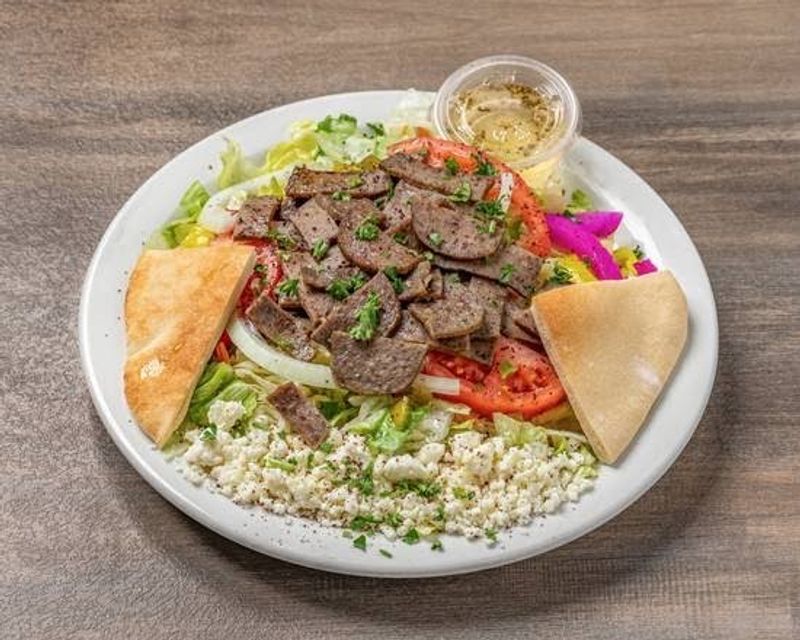
Indecision has a cure at Habashi House, and it comes on one plate. The vegetarian House Combo is a sampler built for curious eaters.
It includes hummus, baba ghanouj, falafel patties, rice, and salads. Pita bread comes along for scooping.
Hummus is the creamy chickpea dip most people know. Baba ghanouj is made from roasted eggplant, and it’s a fun next step.
Want meat too? A choice of meat can be added to the House Combo for an extra charge.
This plate is smart for anyone new to Middle Eastern food. You taste several classics without guessing which one you’ll like best.
The menu also features tabouli, a fresh herb salad. Stuffed grape leaves, called Dawali or Dolmas, round out the lighter options.
Sharing works well here. Order a combo and a couple of sides, then pass everything around the table.
I like a menu that lets people explore at their own pace. The House Combo feels like a friendly tour guide on a plate.
Shawarma Done The Slow, Old-School Way
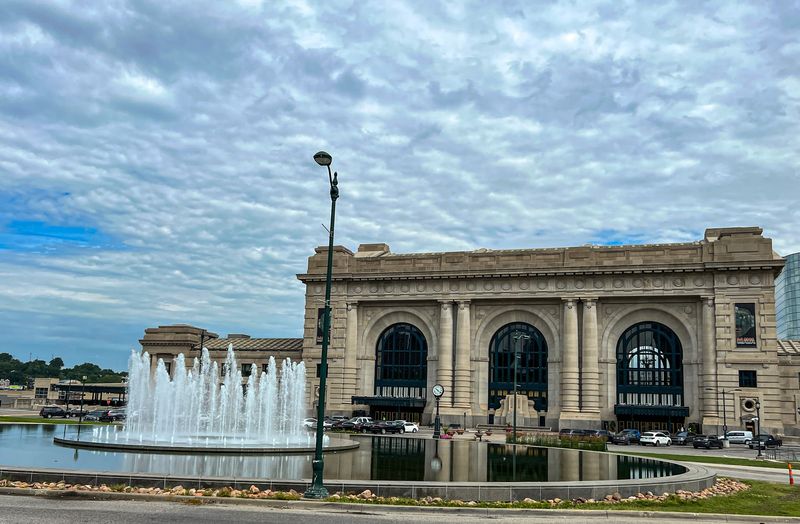
Patience is the secret ingredient behind the beef shawarma here. The meat is seasoned, stacked, and slow-roasted on a vertical rotisserie.
That’s the traditional method used across the Middle East. Habashi House often combines it with lamb koal for a more authentic flavor.
All the meat served is halal, including the chicken. For Muslim diners, that detail makes the restaurant an easy and trusted choice.
Gyro fans have options too. Chicken gyro and a lamb and beef gyro both appear on the menu.
Entrées go further, with beef, lamb, chicken, and salmon. Grilled kabobs add another hearty pick.
Daily specials run Tuesday through Friday. They’re a nice reason to come back and try something different.
Here’s a helpful plan for a group visit. Mix a shawarma order with vegetarian sides so everyone gets a taste of both worlds.
Slow cooking takes time, and it shows real respect for tradition. In a fast-food world, that kind of care feels refreshing.
High Ceilings And Rustic Touches Set A Relaxed Mood

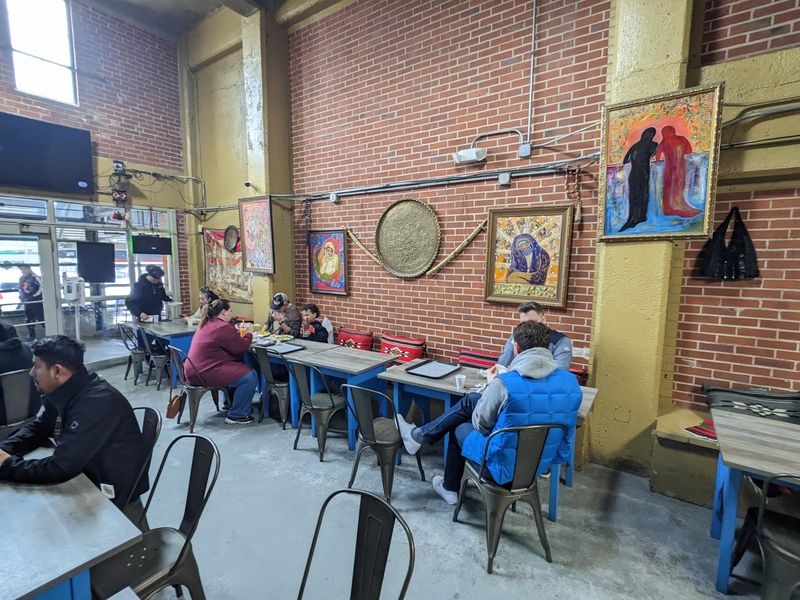
Rustic decor meets a modern feel inside Habashi House. The result lands somewhere between cozy and fresh.
High ceilings give the room a spacious, open feel. Nobody has to feel squeezed in during a casual lunch.
The restaurant aims to bring the spirit of Middle Eastern markets and eateries to Missouri. That idea fits its home inside a busy public market perfectly.
Covered veranda seating adds another layer. You can eat in an open, breezy space while the market moves around you.
The vibe stays casual and easy. It works for a quick bite, a lazy meal, or a break between shopping stops.
Families, coworkers, and solo diners can all feel comfortable here. No dress code or fancy planning is needed.
A little tip: veranda seating is a great choice on pleasant days. You get fresh air and a front-row view of market life.
Good restaurants feel like an extension of their neighborhood. This one sits right in the middle of the action, and that’s part of its charm.
A 160-Year-Old Market Makes A Great Neighbor
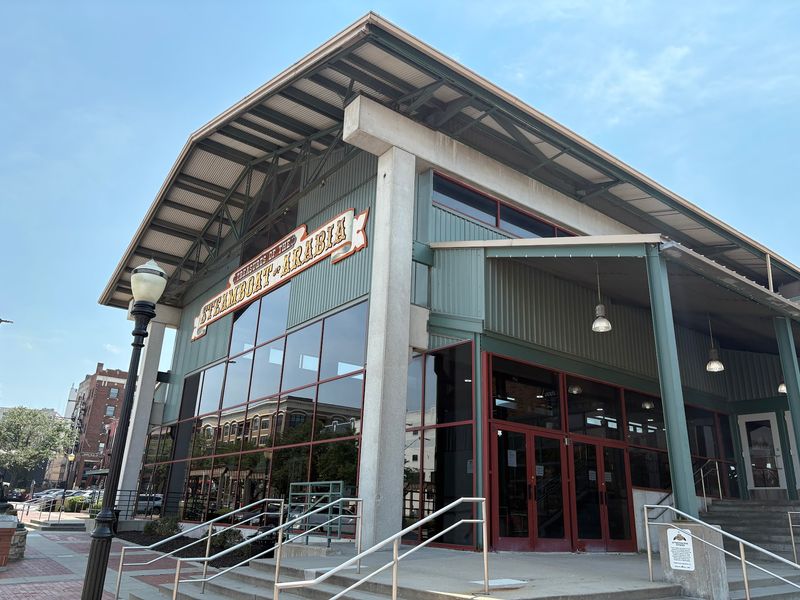
Over 160 years of trading history surrounds these two shops. The Historic City Market has long been a busy hub in Kansas City.
Habashi House sits at 309 Main St, Kansas City, MO 64105. Al-Habashi Mart is right next door at 311 Main St.
The market’s vintage buildings date from 1920 to 1950. Its open-air layout makes wandering a big part of the fun.
On weekends from mid-March through mid-November, it hosts the Midwest’s largest farmers market. Wednesdays from June through October bring extra market days.
Shoppers find produce, artisan foods, plants, flowers, and handcrafted goods. Independent cafes, specialty grocers, and boutiques fill in the rest.
That mix makes a full day easy to plan. Buy vegetables outside, then grab spices and pita at the mart.
Getting there is simple too. The area is walkable and easy to reach by public transit.
The Kansas City Streetcar is a handy option for visitors. Ride downtown and skip the parking hunt entirely.
It’s fitting that a community gathering spot lives inside a historic marketplace. Trading food and stories has happened here for generations.
Save Room For A Steamboat And A Skyline View

A sunken steamboat full of old treasures might be the best dessert after lunch. The Arabia Steamboat Museum sits right in the City Market.
It’s an easy walk from Habashi House. That makes a meal and a museum visit a natural pairing.
The market also enjoys a scenic setting near the Missouri River. Kansas City’s skyline rises in the background.
Plan a loop for the day. Start with shopping, stop for shawarma or falafel, then explore the museum.
Families will like how much fits into one area. Food, history, and fresh air all wait within a short stroll.
Want to bring the experience home? Swing back by Al-Habashi Mart before leaving for spices, nuts, or baklava.
Kansas City offers plenty beyond this corner too. Barbecue, jazz history, and famous fountains fill the rest of the city.
Still, this little stretch of Main Street shows a side of Missouri many people miss. It celebrates an Arab American family story that keeps growing.
Leave with full bags and a full stomach. Your next visit is probably already being planned.
