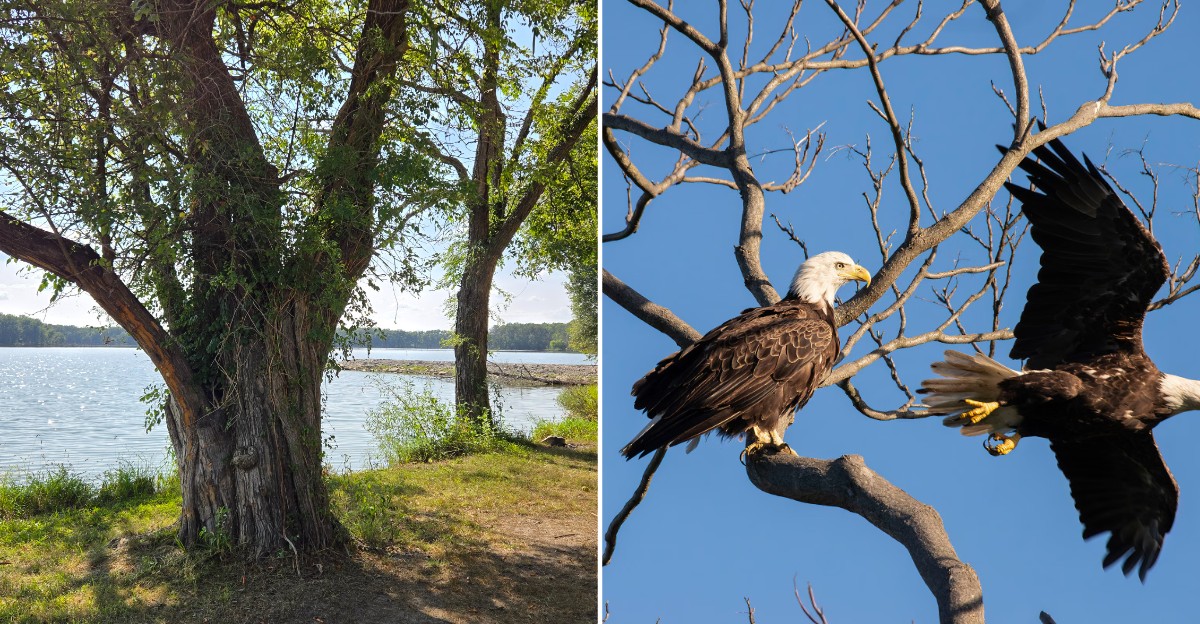
During migration season, the quiet can disappear under the sound of wings. This Missouri conservation area has more than fourteen hundred acres of managed wetlands, giving ducks, geese, shorebirds, and other travelers a huge place to stop and feed.
More than two hundred eighty bird species have been documented across the property, helped by a mix of lakes, prairie, forest, and marshy habitat.
The landscape feels open and easy to scan, especially when large flocks settle across the water. Recent wetland improvements have also given the area a fresh start.
For birders, photographers, or anyone who likes seeing wildlife in numbers, this is the kind of place where one good morning can turn into a very busy checklist.
Wetlands That Stretch Farther Than You Expect
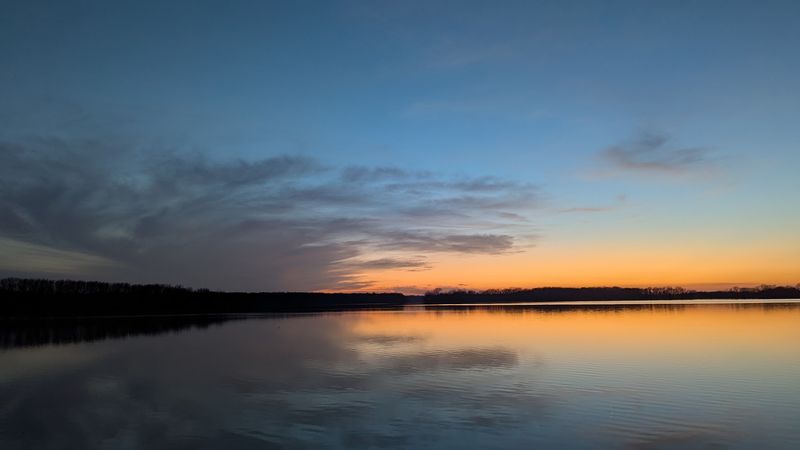
Picture yourself standing at the edge of a marsh so big that the far side kind of melts into the horizon, because that is honestly the feeling you get here. The wetlands at Schell-Osage are managed pools, which means the water levels are raised and lowered on purpose to help plants and birds at the right times.
When the water is shallow, wading birds and ducks can reach seeds, bugs, and little plants that grow in the mud. When it rises, the pools turn into resting spots where tired birds can float safely and recover before they keep traveling.
It is a clever system, and once you know about it, you start noticing how the landscape changes every time you visit.
My advice is to bring a good pair of binoculars and take your time scanning the water slowly from left to right. A lot of the action happens far out, and you will miss half of it if you just glance and drive on.
You should also pack layers, since open wetlands can feel windy and cool even on a sunny afternoon. A folding chair in the trunk is a smart move too, because once you settle in, you are probably going to want to stay longer than you planned.
Finding Your Way Out To Schell City
Getting out here is part of the fun, because you leave the busier highways behind and end up on quiet country roads that wind through farmland. You will want to plug in the address, which is 4662 South 2950 Road, Schell City, MO 64783, so your map app knows exactly where to take you.
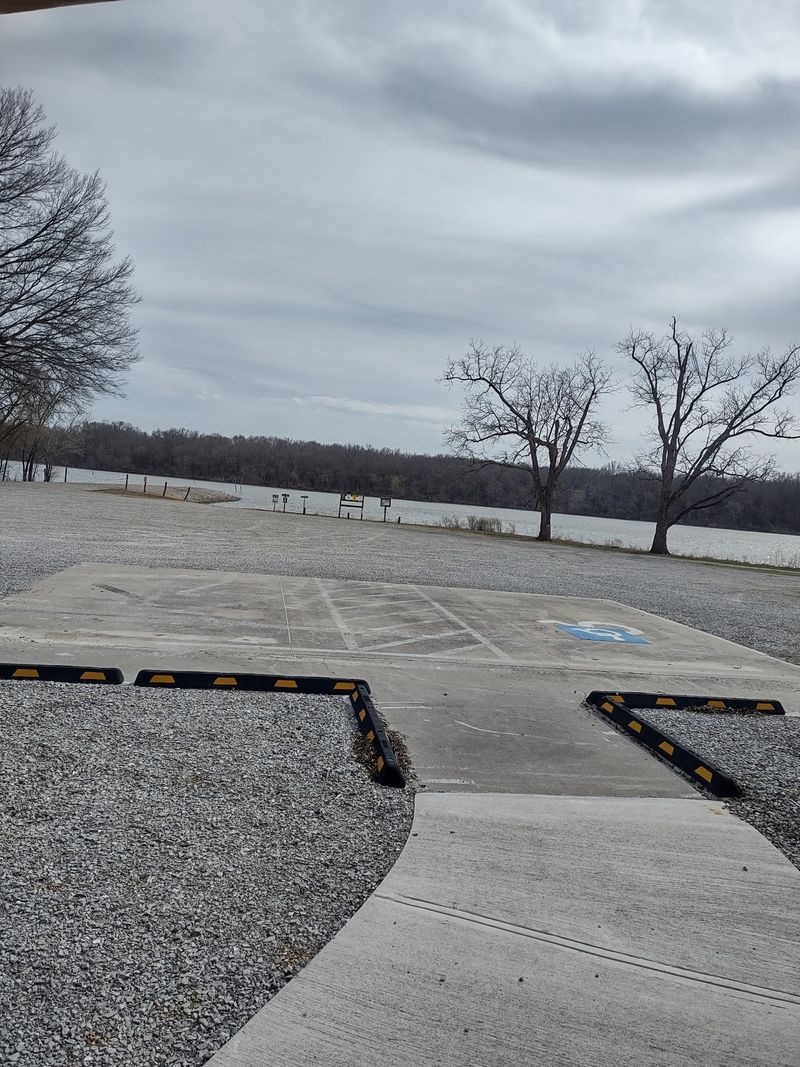
The conservation area spreads across parts of Vernon and St. Clair counties, so it covers a lot more ground than a single parking lot might suggest. Once you arrive, a network of gravel roads and parking areas lets you hop between different viewing spots without much walking if you prefer to stay close to the car.
Cell service can get spotty in rural parts of the state, so I would honestly download an offline map before you head out. It saves you from that frustrating moment when your screen freezes right at a fork in the road.
It also helps to fill your gas tank and grab snacks before you get too close, since the surrounding area is pretty rural and stores are spread out. Keep in mind that some roads can get muddy or close after heavy rain, so checking the Missouri Department of Conservation page ahead of time is always a wise idea.
A Spot Birders Talk About With Real Excitement
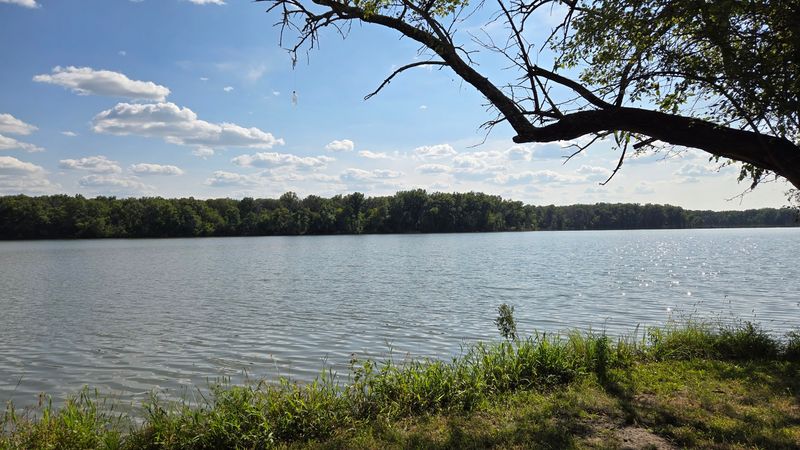
Did you know this place is officially recognized as an Important Bird Area? That label is not handed out casually, and it tells you a lot about how many birds depend on these marshes during their long trips.
Birders have reported a huge variety of species here over the years, which is why serious bird lovers keep coming back with notebooks and cameras. During spring and fall migration, the pools can fill with all kinds of ducks, and you might also catch sight of American White Pelicans, Snow Geese, Ross’s Geese, or Horned Grebes.
Seeing pelicans in the middle of the country surprises a lot of people, so keep your eyes open for those big white shapes gliding together.
If you are new to birding, do not worry about knowing every name right away, because nobody starts out that way. A free bird identification app on your phone can help you figure out what you are looking at, and some apps even recognize bird calls.
Early mornings tend to be the liveliest time, when birds are feeding and moving between pools. Try to stay quiet, keep your movements slow, and let the birds go about their business, since that patience usually pays off with much better views.
Bald Eagles And Other Wild Neighbors
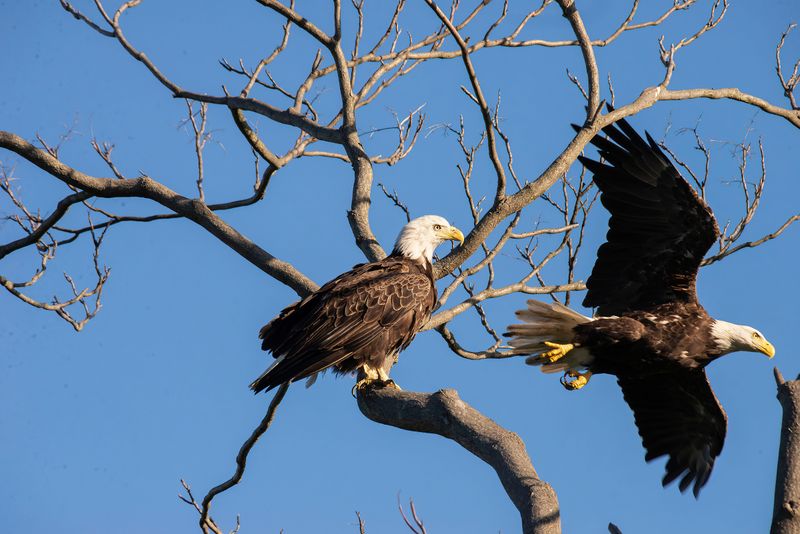
Now, here is something that makes people grab their binoculars fast, because bald eagles have been known to nest in this area. Watching one of those huge birds sit high in a tree or swoop low over the water is the kind of sight that sticks with you for a long time.
Eagles are not the only wild residents, though, since the mix of habitats here supports deer, turkeys, songbirds, turtles, frogs, and plenty of other critters. The wetlands, woods, and fields all work together, so animals can find food, shelter, and water without leaving the property.
If you spot a nest, please enjoy it from a respectful distance and never try to get closer for a better photo. Eagles can be sensitive to disturbance, and giving them space helps them keep coming back year after year.
A camera with a decent zoom lens or even a phone attachment for binoculars can help you capture nice shots without bothering anyone. You might also want to look for tracks in soft mud along the edges of pools, since they tell you who has wandered through before you arrived.
It turns a simple walk into a little detective game, and kids especially seem to love that part.
Woods, Prairie, And Fields Woven Together
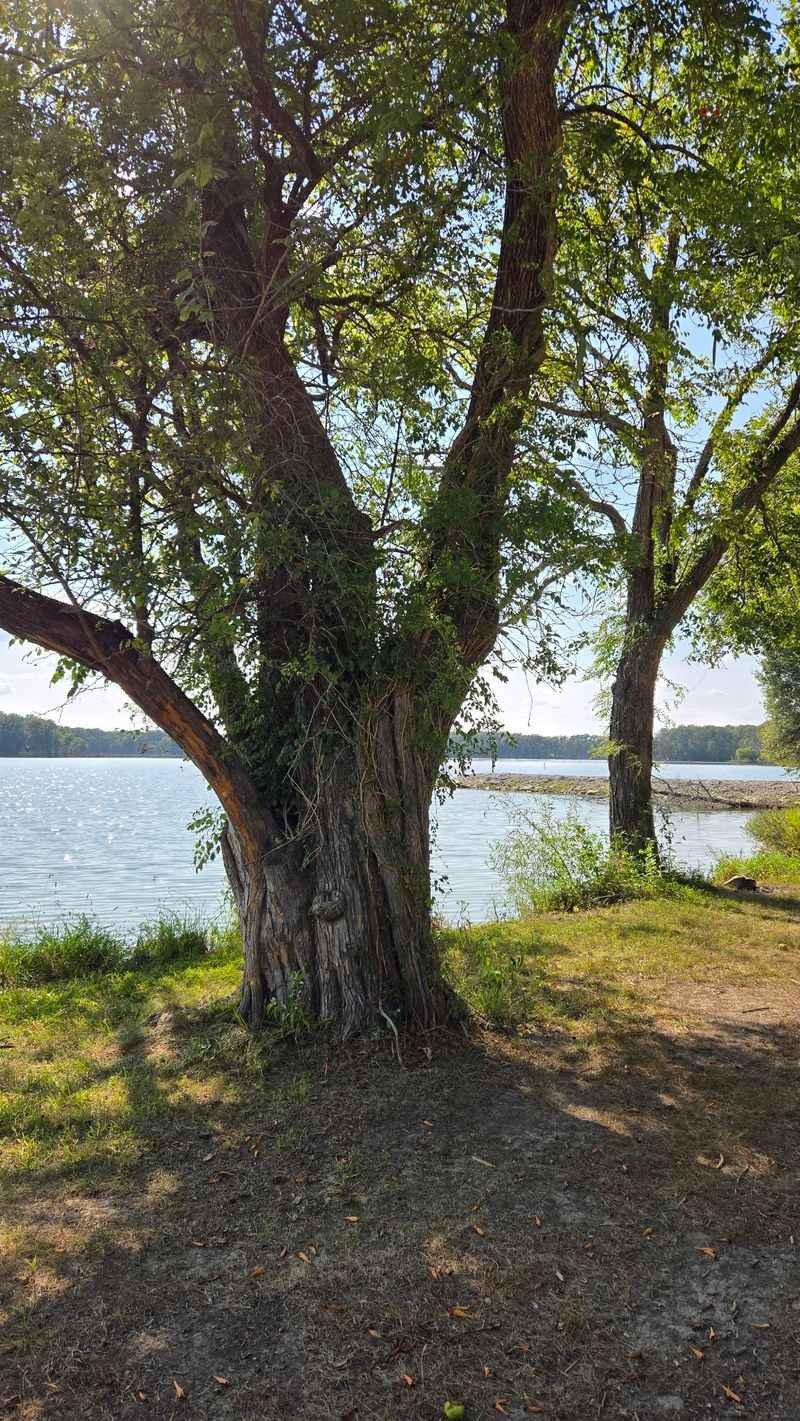
People hear the word wetland and imagine nothing but water, yet this place surprises you with how much variety it packs in. Along with the marshes, you will find upland forests, bottomland woods near the river, open fields, lakes, ponds, and patches of prairie.
Some of that prairie is remnant ground, which means it has never been plowed and still holds plants that grew here long before farms covered the region. Other sections have been restored as grasslands, so they help bring back the tall grasses and wildflowers that once covered much of western Missouri.
Walking past these areas in summer, you can expect to see waving grasses, buzzing bees, and bright blooms swaying in the breeze.
The bottomland forests feel completely different, with taller trees, cooler shade, and a damp, earthy smell after rain. Moving from prairie to woods to marsh in one visit almost feels like visiting several parks in a single afternoon.
Wear sturdy shoes, because ground conditions change quickly from dry grass to soft mud. Long pants and bug spray are smart choices in warmer months, especially around tall grass where ticks like to hang out.
A quick tick check when you get back to the car is always a good habit.
Paddling Across Schell Lake
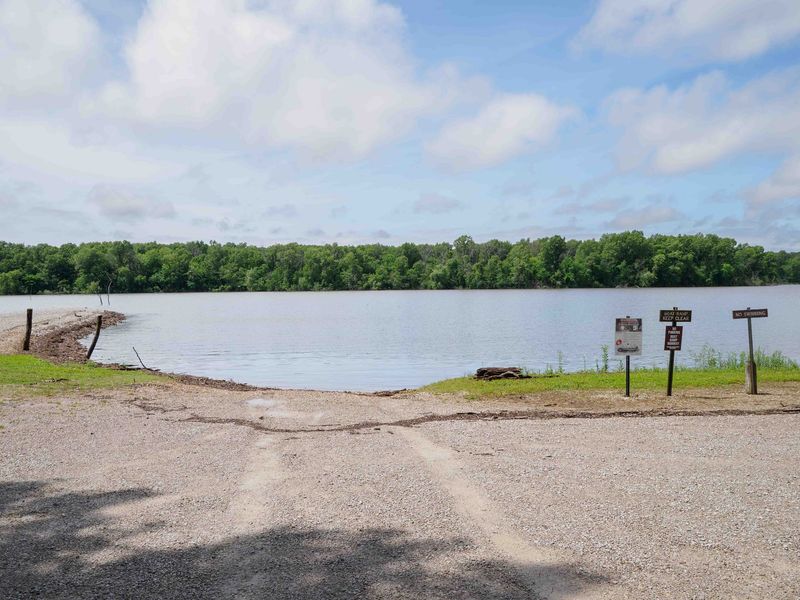
Have you ever drifted in a kayak so quietly that a heron barely noticed you floating by? Schell Lake is the kind of water where that can actually happen, because it is calm and fairly sheltered compared to bigger, busier lakes.
Canoes and kayaks are popular here, and the slow pace fits perfectly with the whole mood of the conservation area. You can paddle along the shoreline, rest for a while in a quiet cove, and just listen to the wind moving through the trees.
Since the setting is pretty wild, it is best to come prepared with everything you need rather than counting on rentals nearby. Bring your own boat, a life jacket that fits well, water, and sun protection, because there is not much shade once you are out in the open.
Paddling early or late in the day often means smoother water and more birds feeding along the edges. Try to keep your voice low and your strokes gentle, which helps you blend in so wildlife does not scatter.
If you are new to kayaking, staying close to shore is a comfortable way to build confidence. It also gives you the best view of turtles sunning themselves on logs.
Casting A Line At Atkinson And Schell Lakes
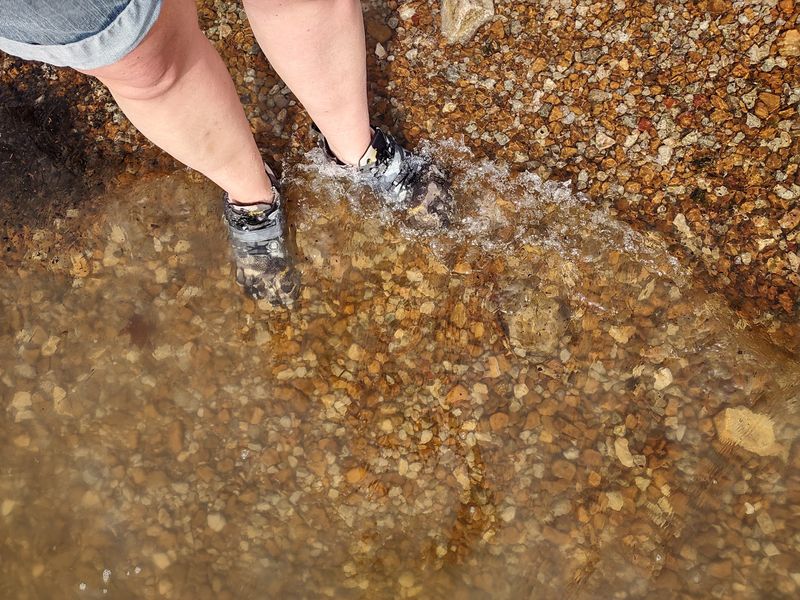
Anglers, you are going to like this part, because both Atkinson Lake and Schell Lake give you places to fish in a setting that feels wonderfully peaceful. There is something relaxing about tossing your line out while ducks paddle around in the distance and the countryside stays quiet behind you.
Before you go, make sure you have a valid Missouri fishing permit, since the rules here follow state regulations. The Missouri Department of Conservation also posts area-specific rules, so take a minute to check those online for any limits or special guidelines.
Water levels can shift with weather and flooding, which sometimes changes where the fish are hanging out. Talking to local bait shops in nearby towns or checking recent fishing reports can give you a better idea of what is biting.
Pack a small cooler with drinks and snacks, plus a hat and sunscreen, because you might lose track of time out there. A folding stool makes shoreline fishing far more comfortable than standing all day.
Please carry out everything you bring, including old line and bait containers, since tangled fishing line can harm birds and turtles. Leaving the shore cleaner than you found it is a nice way to say thanks to this place.
A Long Story Of Careful Stewardship
Here is a bit of history that makes the place feel even more special, since Schell-Osage is one of the oldest publicly managed wetland areas in Missouri. It has been looked after for migrating birds for generations, which means a lot of people have poured time and care into keeping it healthy.
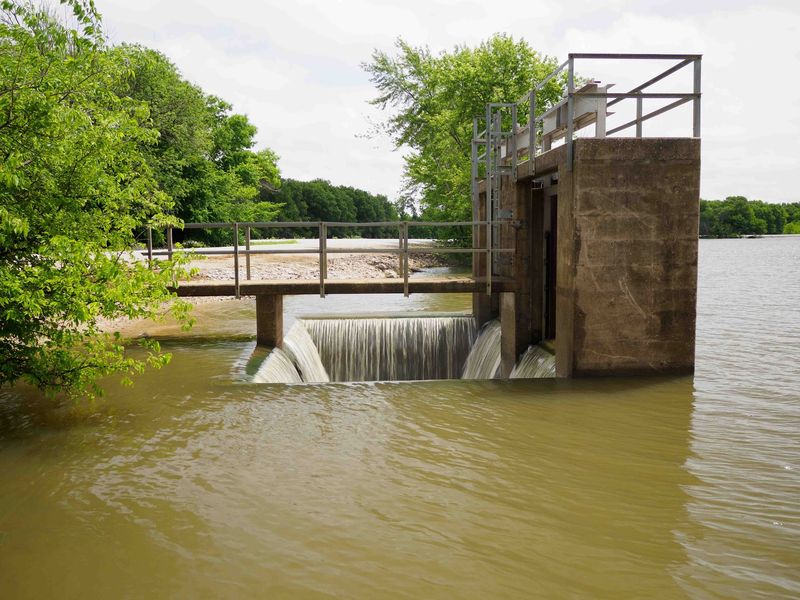
The Missouri Department of Conservation has worked on renovation projects to update older pumps, levees, and water control structures. Those upgrades help managers move water more easily, so they can create better conditions for birds and plants throughout the seasons.
When you drive around, you might notice levees, gates, and channels that seem a little mysterious at first. Those features are the behind-the-scenes tools that make the whole wetland system work, kind of like plumbing for an entire landscape.
Please respect any closed areas or construction zones you come across, since crews may be working or habitat might be resting. Some sections also have seasonal rules, especially around hunting times, so reading posted signs keeps everyone safe and happy.
If you love what you see, supporting conservation groups or simply sharing respectful habits with friends helps protect places like this. It is pretty amazing to think your visit is part of such a long story.
