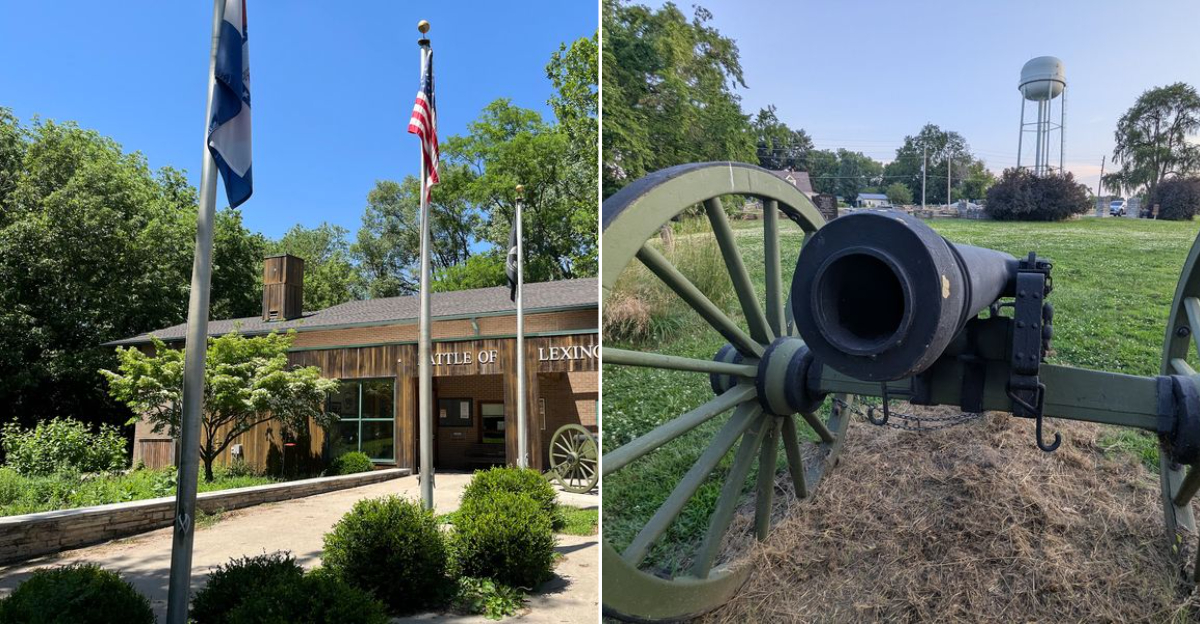
Some scars are meant to fade. Others are left as a reminder of what happened.
In a small Missouri town, a courthouse has carried one such mark for well over a century. A cannonball from the Civil War remains embedded in one of its stately columns.
The battle raged for three days in September of 1861. A Confederate artillery round found its mark and never left.
The building was constructed in 1847 and is a Greek Revival landmark. It also holds the distinction of being the oldest courthouse in continuous use west of the Mississippi.
But it is that single piece of iron, lodged in the upper left column, that stops visitors in their tracks. It is a tangible connection to a turbulent past, a silent witness to a war that divided the nation.
The courthouse stands as both an architectural treasure and a lasting monument to a moment in history that Missouri will never forget.
A Stone Column With A War Story

You can read all the history signs you want, but nothing lands quite like seeing the actual cannonball still tucked into one of the courthouse columns. It looks almost unreal at first, like somebody placed it there for effect, and then you remember it has been sitting in that stone since the Civil War.
That one mark changes the whole building for you, because the courthouse stops being a nice old structure and starts feeling like a survivor. Even if you are not usually a history person, the sight pulls you in fast, since it is such a clear, physical reminder that fighting once reached this quiet Missouri town.
What I like most is how easy it is to understand without a long explanation, because a damaged column speaks its own plain language. You look up, picture the noise and confusion of battle, and suddenly the past feels less like a chapter in school and more like something that happened to real people right there.
If you go, take a slow minute before moving on, because the power of the place really sinks in when you stop hurrying and simply look at that column.
Where To Find The Courthouse
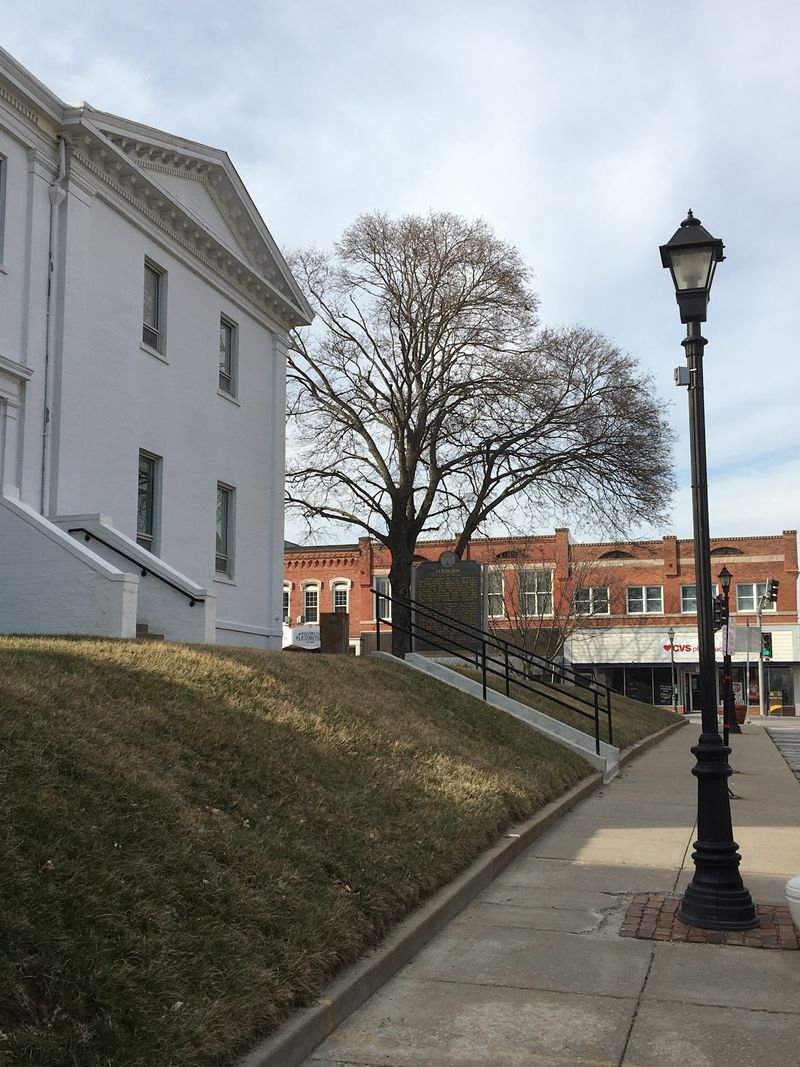
Getting to the courthouse is easy once you are in Lexington, and that helps because this is the kind of place you really should see with your own eyes. The Lafayette County Courthouse stands at 1001 Main Street, Lexington, MO 64067, right where the town feels settled, historic, and still connected to everyday life.
I like that it is not hidden behind anything flashy, because the setting lets the building speak for itself without much fuss. You can approach it like a normal traveler, glance up at the front, and then suddenly realize you are face to face with one of the strangest Civil War leftovers in Missouri.
The area around the courthouse also makes the visit feel grounded, since you are not stepping into a staged museum scene cut off from the world. People still move through town, traffic still passes, and the old building still does its job, which somehow makes that lodged cannonball feel even more surprising.
If you enjoy places where history and daily life share the same sidewalk, this stop works beautifully because nothing about it feels fake or overdone. You just show up, look closely, and let the place tell you what happened.
The Battle Never Quite Left
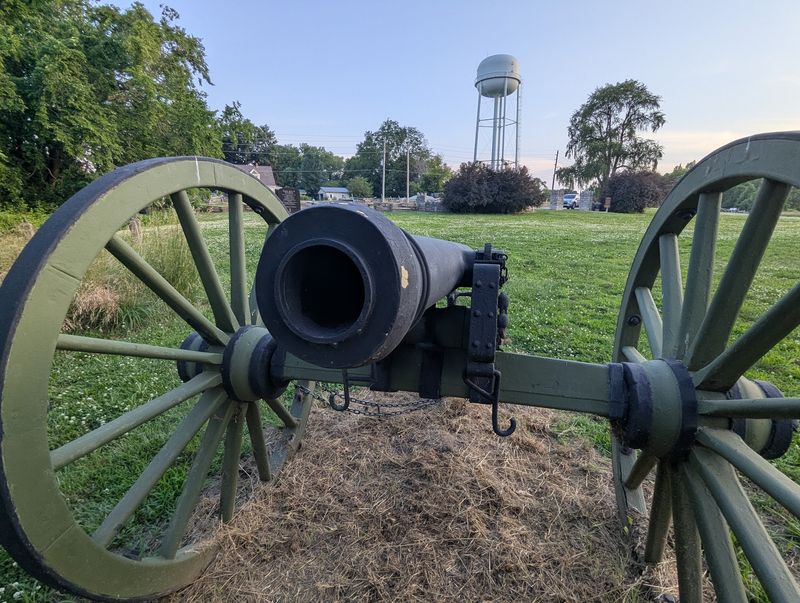
Here is the part that really gets me, because the cannonball is not just an old object near the courthouse, it is part of the courthouse itself. It became lodged there during the Battle of Lexington, which means the damage you see now came from a moment of real fear, noise, and confusion.
That detail gives the whole visit a different weight, since you are looking at a split second from wartime that never fully passed. So many historic places ask you to imagine what happened, but this one leaves the evidence right out front where anybody can see it without special equipment.
Standing there, you start to think about the people who must have heard the blast and watched stone chips fly from the column. The courthouse grounds feel calm today, yet the embedded cannonball quietly reminds you that Missouri was once a place where neighborhoods, public buildings, and ordinary routines could be shattered by war.
I think that is why the site stays with people, because it turns an abstract battle into something visible and stubbornly real. You do not have to memorize military details to understand it, since one damaged column tells the whole story in a way that feels immediate and human.
Why People Call It The Hemp Bales Battle
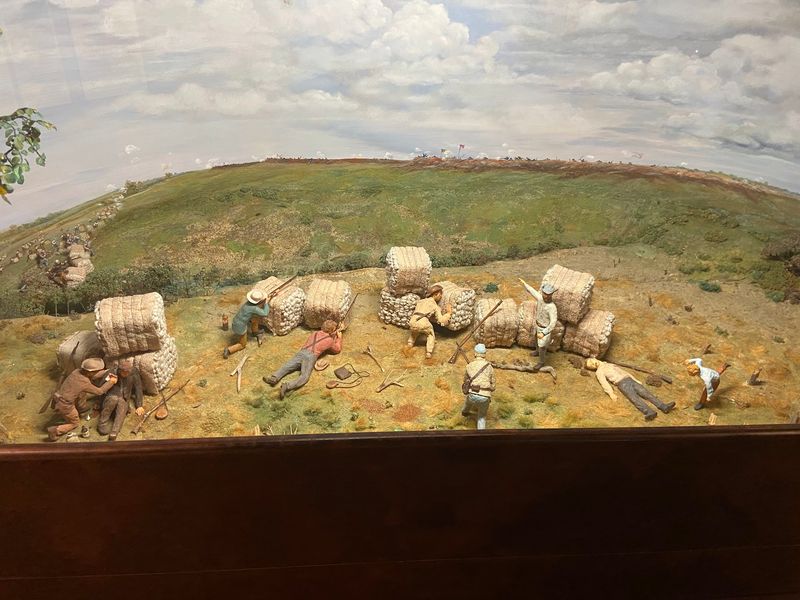
One of the strangest little details tied to this courthouse is the famous nickname for the battle, and honestly, it sounds made up until you hear the reason. The fighting became known as the Battle of the Hemp Bales because attacking soldiers used large hemp bales, soaked with water, as moving cover.
That image sticks in your head right away, because it is so specific and so different from the usual battle stories most of us hear. Suddenly the courthouse is connected not only to a cannonball in stone, but also to a local Missouri crop that ended up playing a weird part in wartime tactics.
I think details like that help younger visitors remember what happened, since the story has something concrete and unusual to hold onto. It also shows how battles were shaped by whatever people had around them, which makes history feel less polished and more improvised, messy, and real.
When you stand near the courthouse after learning the nickname, the whole scene becomes easier to picture in your mind. You can almost imagine the slow advance, the smoke, the tension, and the way ordinary materials from daily life were suddenly pulled into something violent and unforgettable for everyone watching nearby.
The Shot That Missed Its Mark
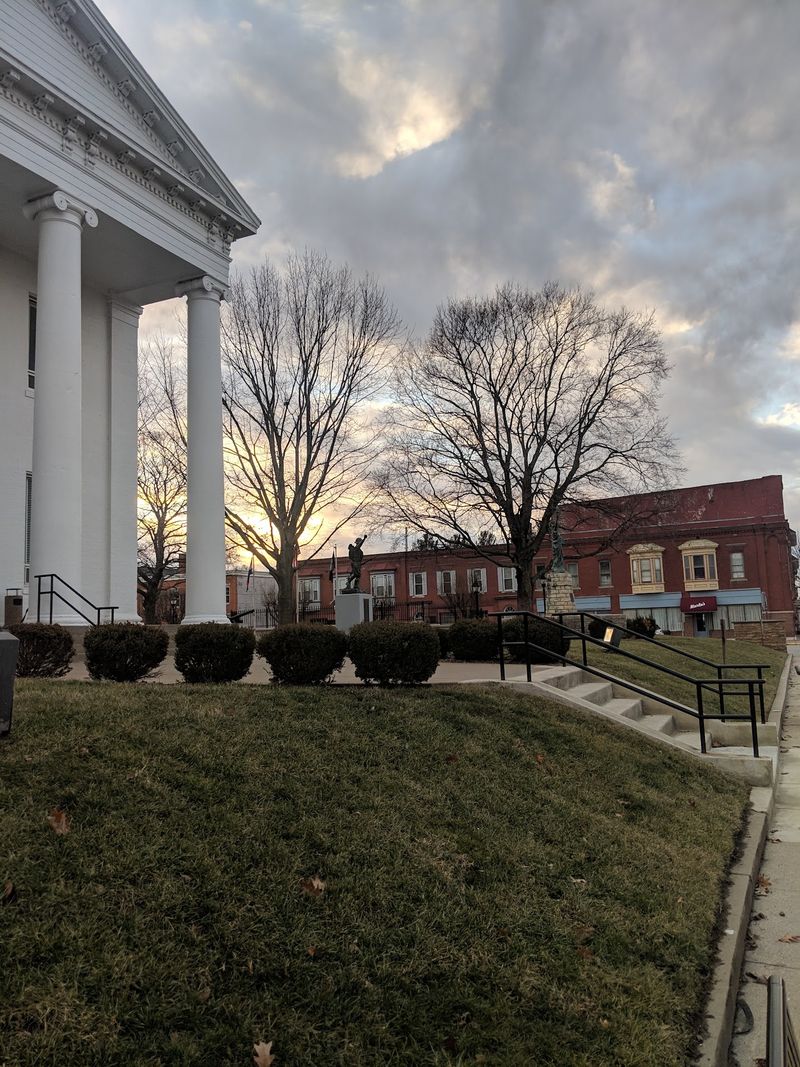
What makes the cannonball even more memorable is that it seems to have landed there by accident rather than by careful aim. The story commonly told is that the shot missed its intended target, then slammed into the courthouse column and stayed there as a permanent mistake.
There is something oddly human about that detail, because history is full of plans that went sideways in messy, unpredictable ways. Instead of disappearing into the ground or breaking apart somewhere unseen, this shot ended up creating one of Missouri’s most unforgettable public scars, right on the front of a working courthouse.
I love how that accident changes the feeling of the story, since the lodged cannonball becomes less like a symbol arranged for visitors and more like a frozen surprise. It also reminds you that wars are made of confusion, imperfect information, rushed decisions, and moments nobody can fully control.
Looking at the column, you are seeing the result of one of those moments still hanging around long after everyone involved is gone. For travelers, that makes the visit feel personal and immediate, because the evidence was not cleaned up, replaced, or softened.
It stayed exactly dramatic enough to keep people staring upward and wondering how different that day might have been.
A Grand Face On Main Street
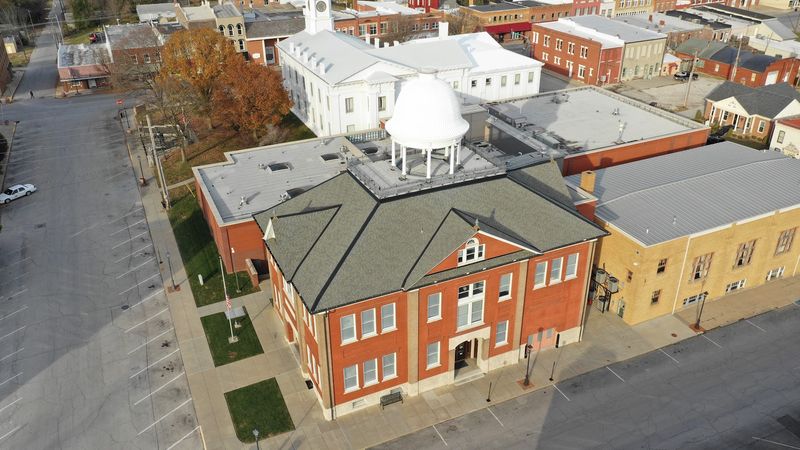
Even without the cannonball, the courthouse would catch your eye because it has that balanced, serious look older public buildings wear so well. Its Classical Revival design gives the front a sense of order and calm, which makes the damaged column stand out even more when you notice it.
I think that contrast is part of why the place feels unforgettable, since the architecture looks steady, proud, and almost formal at first glance. Then your eyes land on the embedded shot, and all that neat symmetry suddenly carries a small wound that changes the whole mood.
There is also something satisfying about seeing a building with real presence in a small town setting, instead of buried among huge modern structures. The courthouse rises with enough confidence to feel important, yet it still feels approachable when you walk around outside and take in the details.
If you enjoy old architecture but sometimes get bored by buildings that seem too perfect, this one keeps things interesting. The lines are graceful, the columns are striking, and the visible scar gives the exterior a lived-in honesty you cannot fake.
Lexington, Missouri, has other historic attractions, but this facade alone earns a long look because it blends dignity, drama, and a little mystery in one very memorable view.
The Tale Of Ole Sacramento
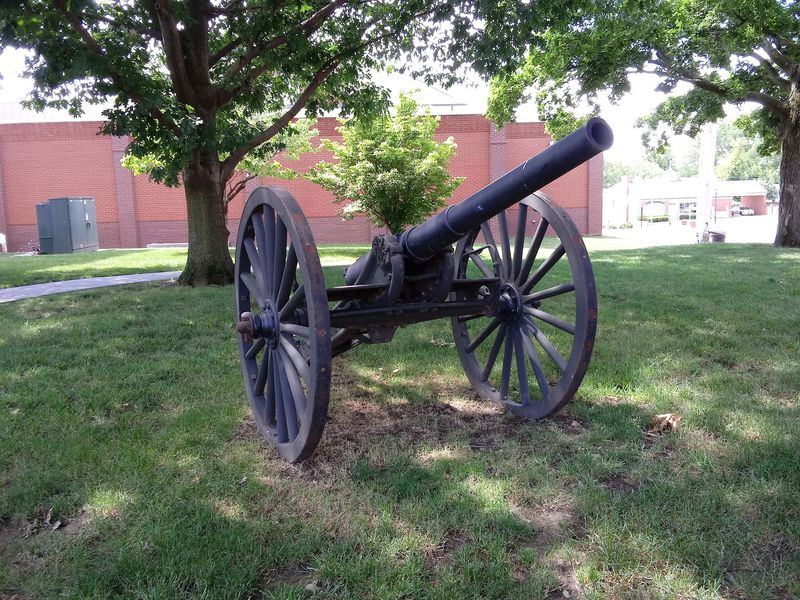
Now here is the kind of local story that makes a visit more fun, because the cannon tied to the courthouse damage is often said to have had a name. The artillery piece was known as Ole Sacramento, and just hearing that name gives the whole event a rough, memorable personality.
Stories around the shot also suggest there may have been confusion about the size of the cannonballs being used, which could help explain the bad aim. Whether every detail of that tale gets repeated the same way or not, it adds texture and reminds you that battle stories often carry bits of rumor alongside fact.
I do not mind that mix, as long as people keep the main truth clear, because the lodged cannonball itself is still right there to anchor the story. The legend of Ole Sacramento gives visitors another thread to follow, and it makes the courthouse feel less like a static landmark and more like a place with conversation built into it.
You can almost hear someone on the sidewalk leaning over and saying, wait, did you know the cannon may have had a name? That kind of detail is sticky in the best way.
It helps younger travelers remember what they saw, and it gives history a human voice instead of a dry, textbook tone.
A Real Link To American History
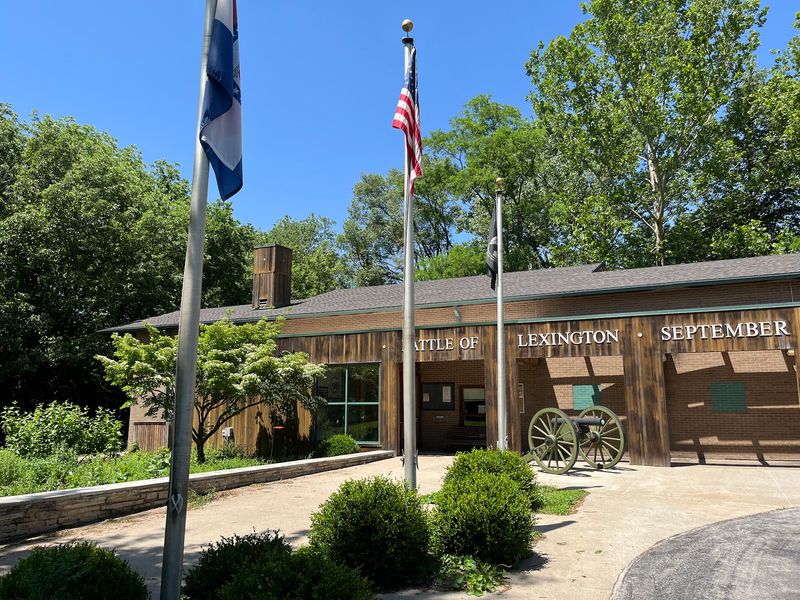
Some historic places feel important because a sign tells you they are, but this courthouse does not need much help making its point. One glance at that cannonball lodged in the column gives you a direct, stubborn connection to the Civil War that feels immediate and personal.
What stays with me is how simple the lesson becomes once you see it, because the building turns a huge national story into something your eyes can measure. Instead of trying to imagine a distant battlefield from scratch, you are looking at the physical result of conflict still resting where it struck.
That makes the courthouse especially meaningful for families, students, and travelers who want history to feel grounded instead of vague. It is also a reminder that American history did not happen only in famous capitals or giant parks, because places like Lexington carried the war into local streets and public spaces.
Missouri shows that truth clearly, and this courthouse might be one of the easiest examples to understand at a glance. If you are passing through town, give yourself enough time to stand there and really absorb what you are seeing.
The column is damaged, yes, but it also serves as a rare kind of teacher, one that explains the past without saying a single word.
