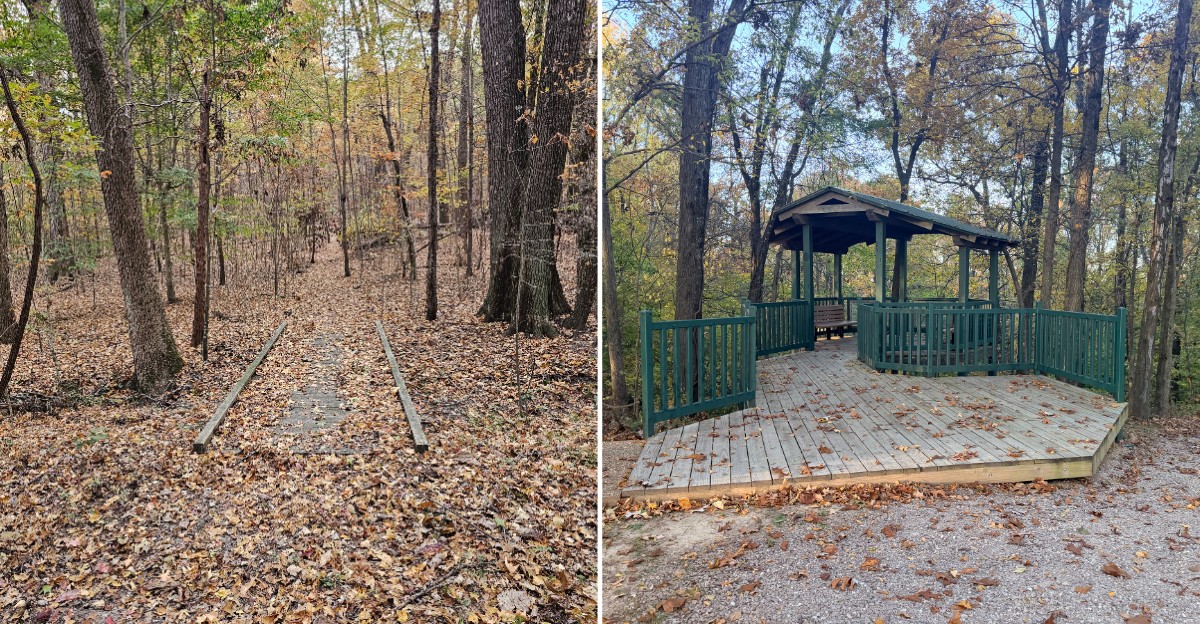
A forested ridge rises up to 250 feet above flat fields of cotton, rice, and soybeans. Geologists actually call it an oddity.
I can’t imagine a better word for a wooded hill that refuses to blend in with the farmland around it.
This ridge started forming about 50 million years ago. Layers of gravel and sand piled up first, and wind-blown dust settled on top later.
Today, more than 300 plant species grow there, and some appear nowhere else in Missouri.
I like how one short loop lets you explore all of it. You drop from the ridge top into shady bottomlands, then climb back up again.
Ferns, beech trees, and tulip poplars make the woods feel like a different part of the country.
A Ridge That Rises Right Out Of The Flatlands
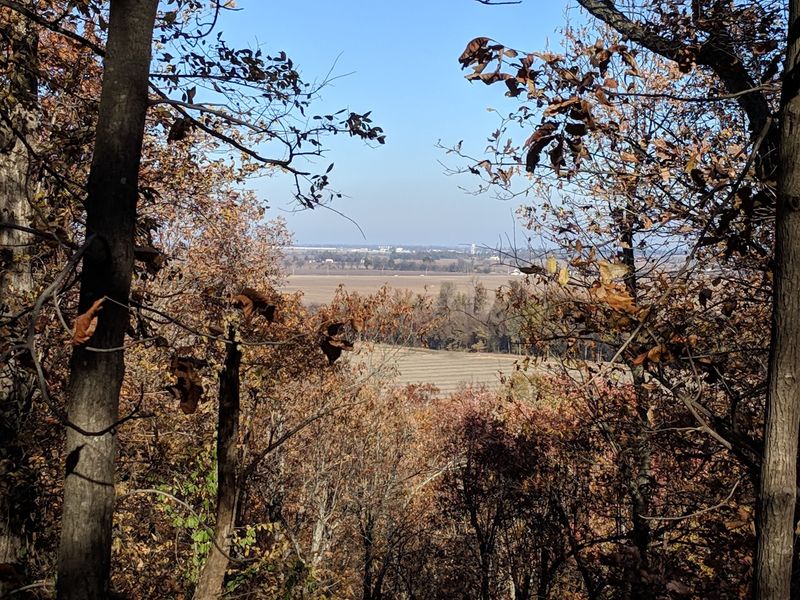
Flat land stretches for miles across the Missouri Bootheel. Then a wooded ridge suddenly pops up like it missed the memo about staying level.
Morris State Park protects a slice of that ridge near Campbell. It’s called Crowley’s Ridge, and it climbs 200 to 250 feet above the surrounding Mississippi River floodplain.
Fields of cotton, corn, rice, and soybeans spread out around it. The ridge stands covered in thick forest instead, which makes the contrast hard to miss.
Experts describe it as a geologic oddity. That label fits nicely, because nothing else nearby looks remotely like it.
The ridge formed from thick layers of gravel and sand. Later, wind-blown dust called loess settled on top and added even more height.
Crowley’s Ridge stretches well beyond this park. Still, this spot gives you an easy and free way to stand on top of it and see what the fuss is about.
Think of the park as a front-row seat. You get the ridge, the woods, and the story without needing a geology degree.
Bring curiosity and decent shoes. The ridge handles the drama all on its own.
Grab A Bench At The Overlook Before You Start
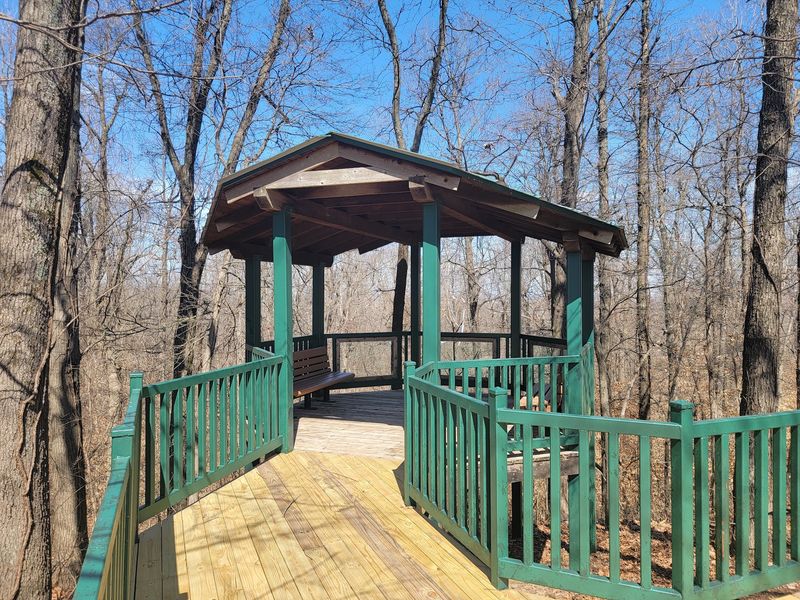
Not every great view requires sweat. At the trailhead, an accessible walkway leads straight to an overlook with bench seating.
Interpretive panels line the way. They explain the ridge, its plants, and its history in bite-sized chunks.
That makes this area perfect for anyone who wants the story without the full hike. Grandparents, strollers, and tired travelers can all enjoy it.
The overlook sits above a wooded hollow. It’s a peaceful spot to rest, chat, or snap a few photos of the trees below.
I believe this is the smartest first stop for any visit. Reading the panels first makes the trail far more interesting once you’re on it.
You’ll recognize plants and soil features later because the signs introduced them. It’s like getting the movie trailer before the main feature.
The benches also make a great finish line. After climbing back up the ridge, sitting down will feel like a well-earned reward.
Plan a few extra minutes here either way. The view doesn’t rush you, and neither should your schedule.
The Beech Tree Trail Packs A Lot Into 2.6 Miles
Short trails can still carry big personality. The Beech Tree Trail proves it with a 2.6-mile loop that covers a surprising range of scenery.
It’s the main attraction at Morris State Park. The loop starts at the ridge top, drops into the bottomlands, and then returns along the ridge.
That means you’ll go down first and climb later. Your legs will notice the second half, so pace yourself early.
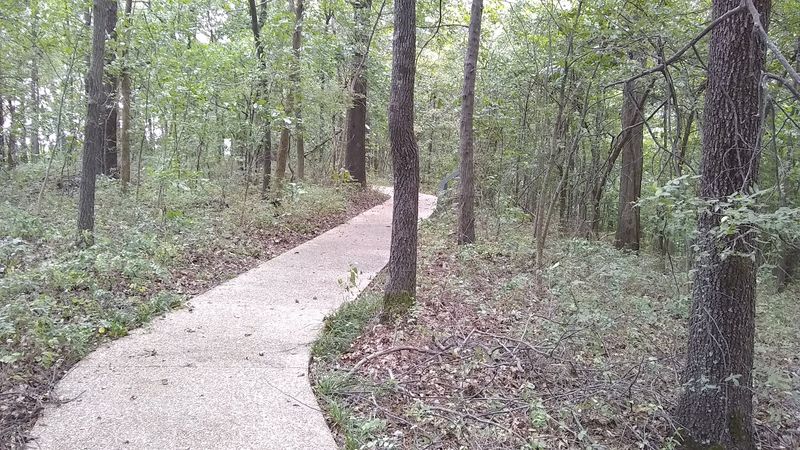
The surface changes as you go. Paved accessible sections sit near the entrance, while natural dirt paths take over deeper in the woods.
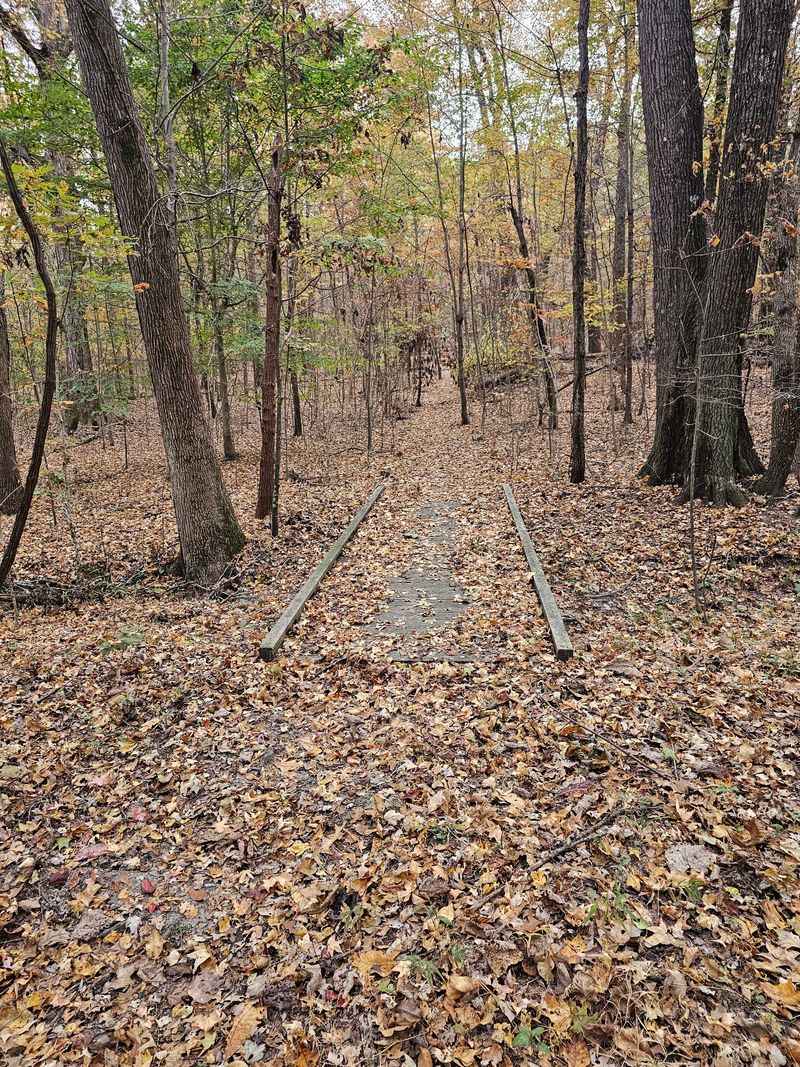
Wooden footbridges cross some of the low-lying areas. Watch your footing there, especially after rain, since low ground tends to stay soggy.
Trail markings can blend into the woods in spots. Grab a look at the trail map near the entrance before you head out.
Plan for more time than the distance suggests. The hills and the scenery both tend to slow people down.
Comfortable shoes and water make a smart pairing here. The loop is short, but it definitely isn’t a stroll around the block.
Ancient Soil Layers Show Off In Plain Sight
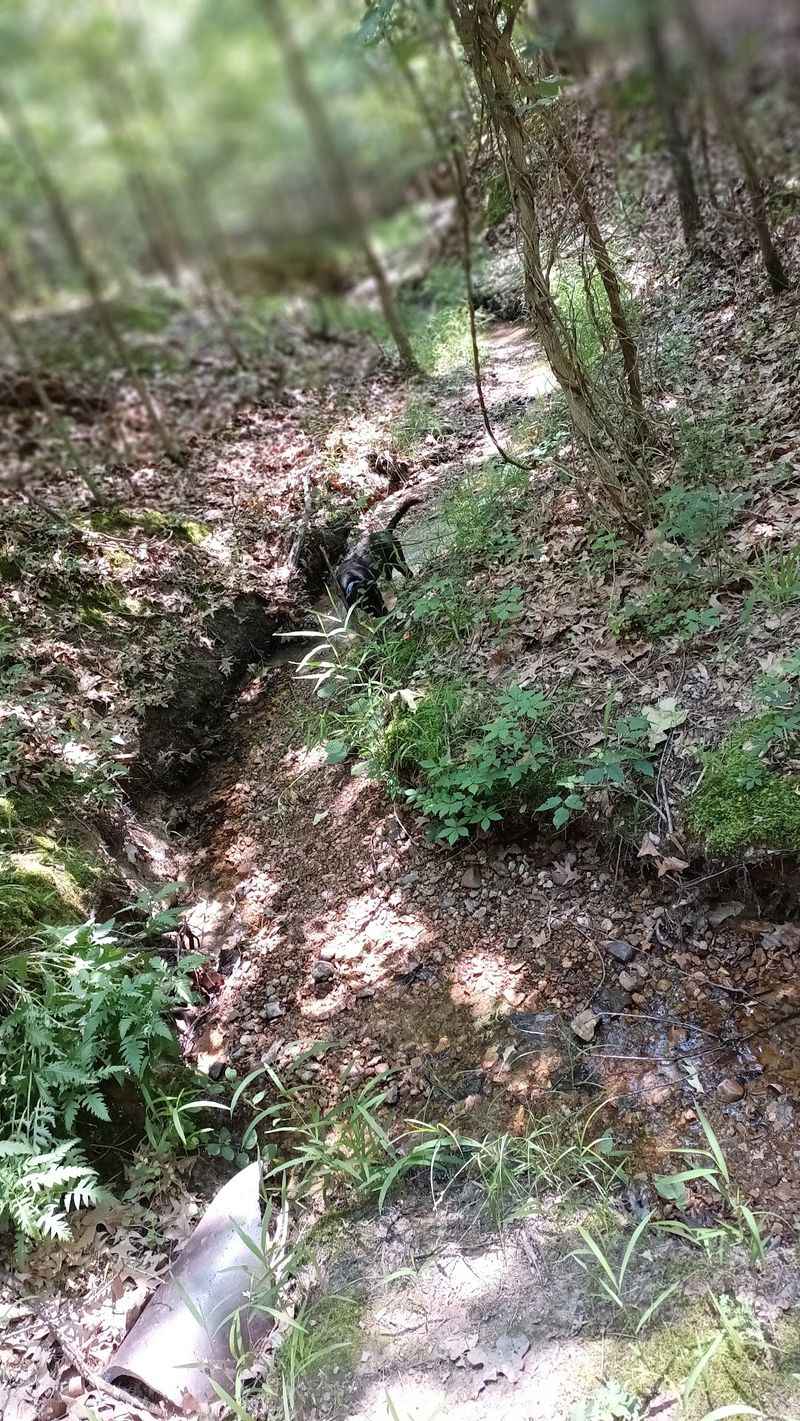
Most hikes hide their geology under leaves and roots. This one puts a big piece of it right out in the open.
Along the Beech Tree Trail, you’ll pass a significant soil exposure. Natural erosion has peeled back the ground to reveal ancient alluvial soil layers.
Those layers tell the ridge’s origin story. Sand, clay, and gravel started piling up about 50 million years ago.
Wind-blown dust called loess arrived much later. It settled on top like a dusty blanket and helped shape the ridge you see today.
Standing beside the exposure feels a bit like reading a history book sideways. Each band of soil marks a different chapter.
Kids especially might enjoy this stop. Ask them to spot where one color or texture changes into another.
Please look without digging or climbing on the bank. Erosion is already doing plenty of work without extra help from hiking boots.
This feature also explains why the plants here are so unusual. Different soils support different species, which sets up the forest’s real surprises.
Somehow An Eastern Forest Landed In The Bootheel
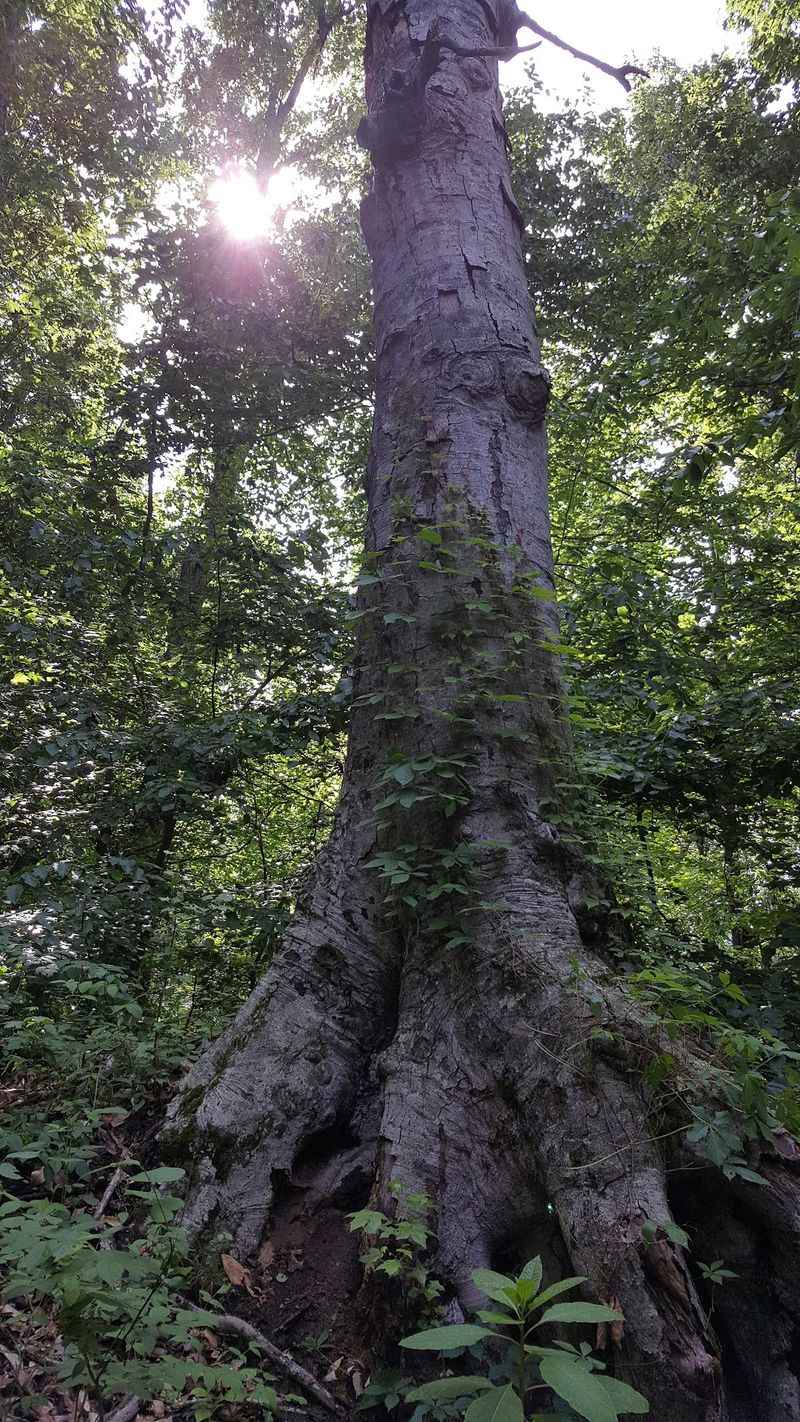
Over 300 plant species grow in Morris State Park. Some of them grow in Missouri only on Crowley’s Ridge.
That’s a big claim for 161 acres. The unusual soils help explain why such a small park holds so much variety.
The uplands feature large white, post, and red oaks. Below them, you’ll find sassafras, red maple, and dogwood filling the middle and lower layers.
Then the hollows get lush. Ferns and shade-loving wildflowers grow there beside American beech, sweet gum, and tulip poplar trees.
Those species feel more like eastern forests than the nearby Ozarks. It’s as if a patch of Kentucky or Tennessee decided to vacation in Missouri.
Keep an eye out for rare plants too. Red buckeye and Hercules club both grow here.
The trail’s namesake beech trees deserve some attention. Their smooth gray bark makes them easy to pick out once you know what to look for.
A plant identification app could make this hike even more fun. Every hollow gives you another chance to learn something new.
Keep Quiet And The Woods Might Introduce Their Residents
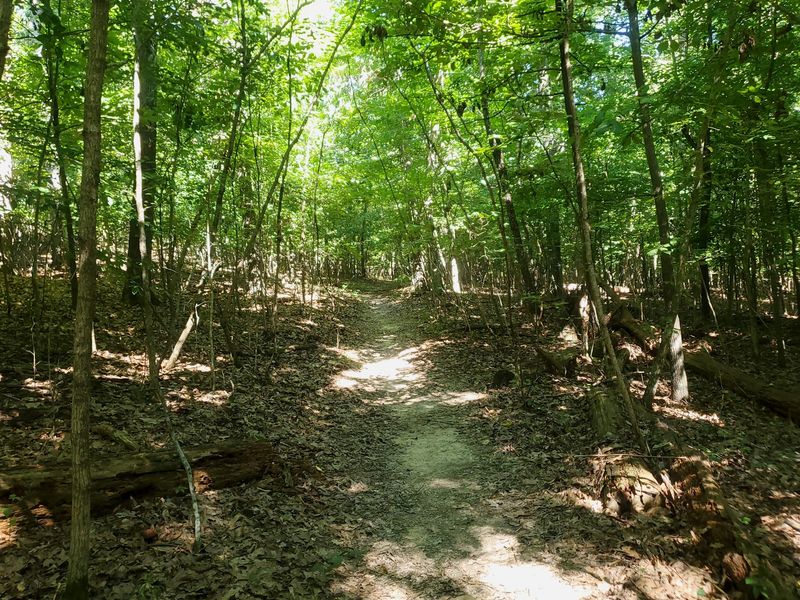
A box turtle crossing the trail might become the highlight of your day. These slow travelers show up on the paths here.
The forest supports plenty of other wildlife too. White-tailed deer and wild turkeys both live in these woods.
Barred owls call the park home as well. Their hooting can add a little personality to the quieter parts of the hike.
Birdwatchers have good reason to visit. The park draws attention during migration periods, when new species pass through.
Binoculars are worth packing. A small field guide or bird app helps you put names to the feathers.
Moving slowly makes a real difference. Animals tend to scatter when hikers charge through like they’re late for a meeting.
If you spot a turtle, admire it from a respectful distance. Let it finish its very important trip across the trail.
Early mornings often feel calmer in any forest. That quiet window may give you the best chance to see something special.
A Generous Gift Built One Of Missouri’s Smallest State Parks
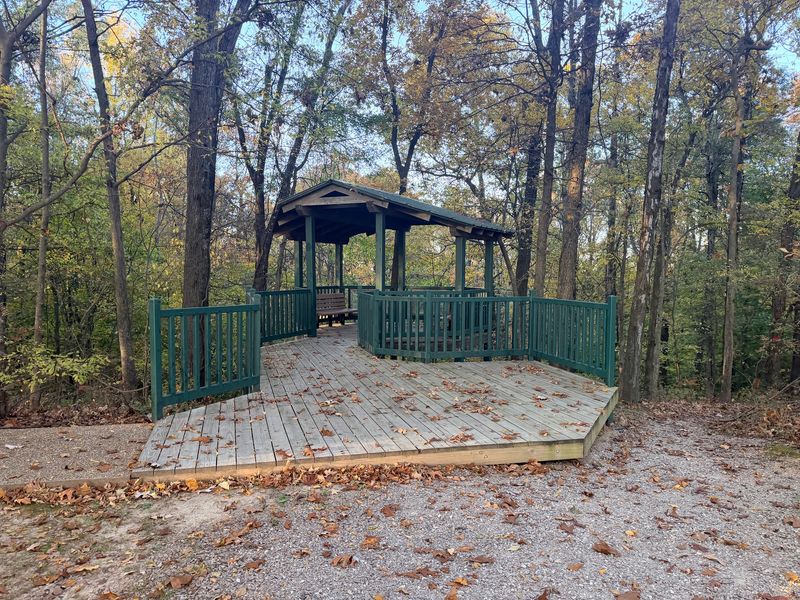
In 1999, Jim D. Morris donated 161 acres to the state.
That gift became the park bearing his name.
Morris State Park officially opened in 2000. At its size, it ranks among the smallest state parks in Missouri.
Small doesn’t mean forgettable, though. Those 161 acres protect a rare chunk of ridge and forest that would be easy to lose.
The ridge itself carries an older story. It’s named for Benjamin Crowley, one of the area’s early settlers.
For centuries, Crowley’s Ridge also served as a key route for travel and trade. High ground made sense in a region known for its floodplain.
Today, the park sits roughly 5 miles north of Campbell in Dunklin County. Its address is State Highway WW, Campbell, MO 63933.
Lake Wappapello State Park manages the property. Morris itself is unstaffed, so plan to explore on your own.
I like that one person’s gift still gives everyone a place to wander. That’s a pretty great legacy for a patch of woods.
Free Entry And A Few Smart Basics Make Planning Easy
Good news for your wallet first. There’s no admission fee to enter Morris State Park.
The grounds open daily from sunrise to sunset. That gives you plenty of daylight to fit in a hike.
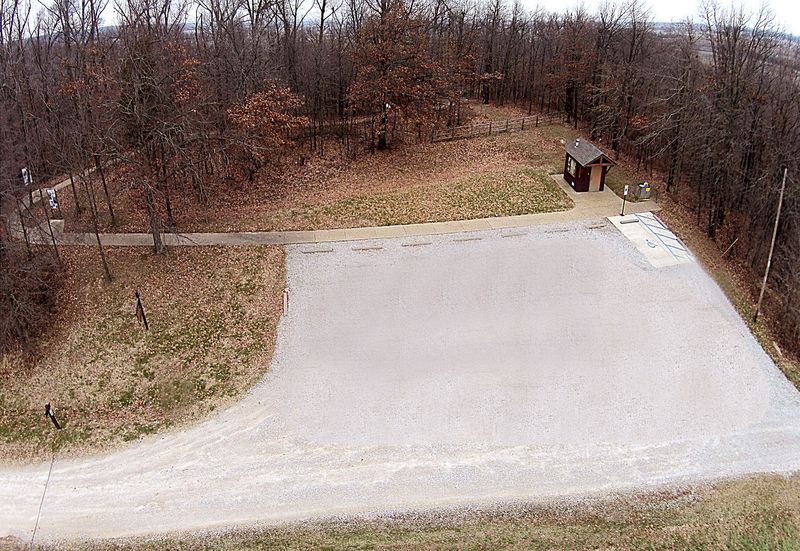
Near the trailhead, you’ll find a parking area, restrooms, and water. That covers the essentials before you head down the ridge.
Since the park is unstaffed, preparation matters. Bring your own snacks and pack extra drinking water for the trail.
Sturdy shoes are a must. Hills and natural surfaces can turn slick after rain.
Bug spray and long pants are worth considering too. Forest trails in southeast Missouri can bring ticks and poison ivy along for the ride.
Check the weather before you leave. A dry day will make those low-lying areas and climbs much friendlier.
Dogs are welcome on a leash. Keep them under control and clean up after them so everyone enjoys the trail.
A little planning goes a long way here. Then you can focus on the ridge instead of your soggy socks.
Save This Walk For A Bootheel Road Trip
Road trips across the Bootheel can feel wonderfully wide open. Then this wooded ridge gives you a reason to pull over and stretch your legs.
Morris State Park works well as a half-day stop. The 2.6-mile loop and overlook fit easily into a longer drive through southeast Missouri.
Fall makes an especially tempting season to visit. Oaks, maples, sassafras, and dogwoods can bring plenty of color to the hills.
Spring offers its own reward. Shade-tolerant wildflowers fill the hollows, and migrating birds may pass through.
Summer brings deep shade under the forest canopy. That cover can feel welcome compared to the sunny fields surrounding the ridge.
Winter has charm too. Bare branches can make the ridge’s shape and the hollows easier to see.
Whatever the season, the park offers something the farmland around it simply can’t. Hills, hollows, and an eastern forest feel all in one spot.
So add it to your Missouri map. Few short hikes let you walk across 50 million years of geology before lunch.
