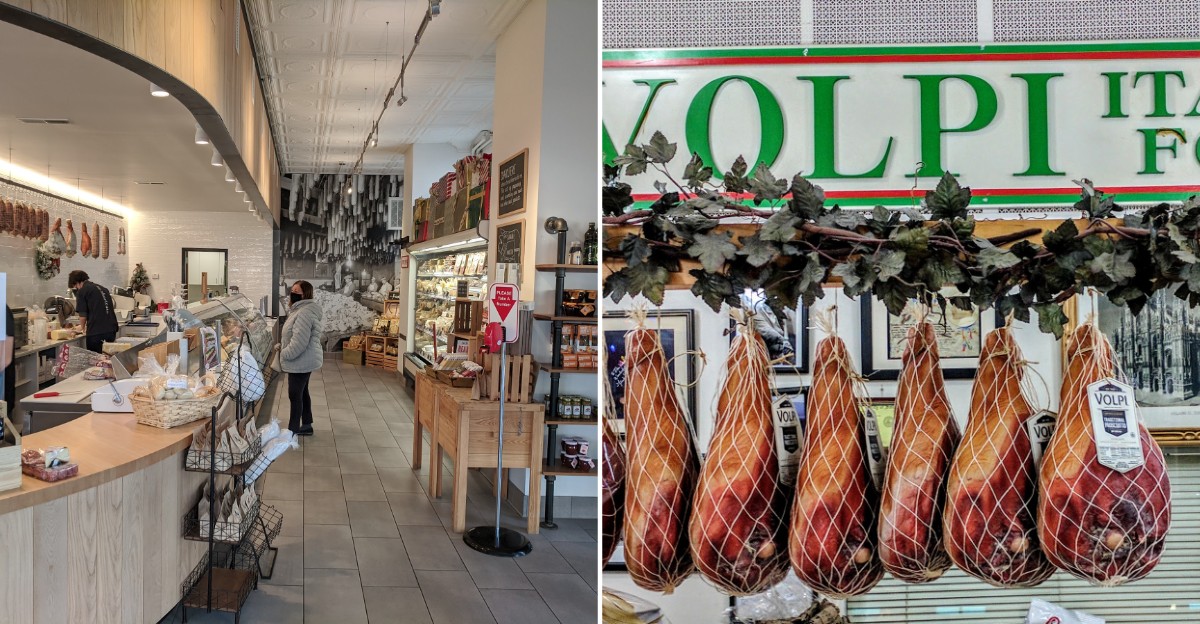
There are not many food shops where the recipes have been hanging around for more than a century. This Missouri Italian market has been making cured meats since 1902, and salami is still very much part of the story.
The process is slow, hands-on, and built around old family methods rather than shortcuts. Fresh pork is seasoned, fermented, hung, and aged until the texture and flavor are right.
Alongside salami, you will find prosciutto, coppa, bresaola, mortadella, and plenty of other Italian favorites. The shop has changed with the times, but the food still feels closely tied to the traditions that started it all.
For anyone who likes old-school Italian markets, this Missouri stop has history you can actually take home for dinner.
A Family Story That Crossed An Ocean
Picture a young man leaving Milan with basically nothing but the knowledge of how to cure meat properly, and you have the start of this whole thing. John Volpi came over from Italy in the late eighteen hundreds carrying techniques that had been worked out over centuries in northern Italian villages, and he decided the American Midwest deserved to taste them too.
What I find genuinely touching is that the family never handed the business off to strangers or let it become something unrecognizable. Four generations later, the same relatives are still making the calls about how things get aged and seasoned.
That kind of continuity is rare in food, and you can taste the difference when a recipe has been protected instead of tinkered with by committee. The original salamis were made for local coal miners who needed something that traveled well and filled them up, which tells you these were working people’s foods before they were fancy charcuterie board items.
Knowing that history changes how you think about a slice of salame, doesn’t it? You are essentially eating a piece of immigrant Missouri history that somebody’s great-grandfather figured out by hand.
Still Sitting On The Hill After All This Time
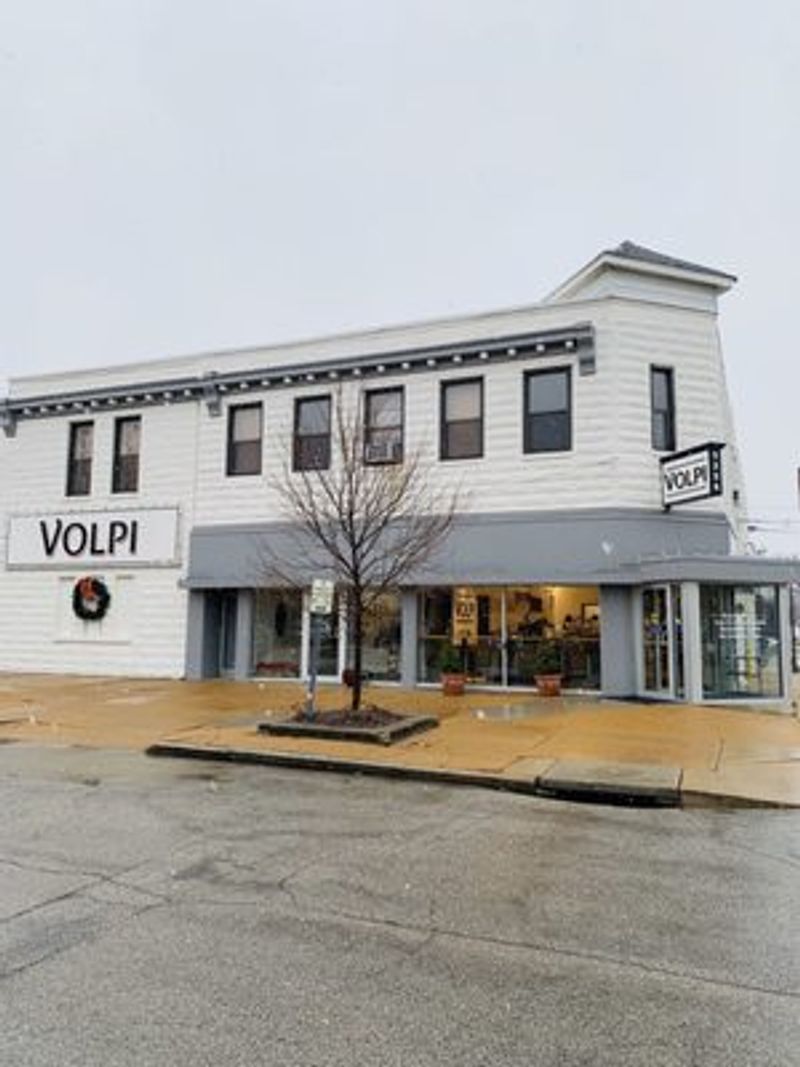
Here is the part that surprised me most, they never moved. The shop opened in a St. Louis neighborhood called The Hill, and you will still find them today at 5256 Daggett Ave, St. Louis, MO 63110, which is the same patch of ground where the whole thing began.
The Hill is one of those genuinely Italian-American neighborhoods where the fire hydrants are painted in the colors of the Italian flag and the houses sit close together in tidy brick rows. Walking around there feels different from the rest of the city, and the market fits into that fabric like it grew out of the sidewalk.
People who track these things say it is the oldest operating salumeria in the country, which is a title you cannot fake or buy. Staying put for that long in one neighborhood says something about loyalty that I really respect.
If you go, give yourself time to wander the surrounding blocks too, because the whole area is packed with bakeries, groceries, and little restaurants that share the same roots. Missouri does not get enough credit for having a corner like this.
The Slow Patience Of Dry-Curing
Dry-curing is the opposite of fast food in every possible way, and that is exactly the point here. The meats hang in controlled rooms where temperature, humidity, and airflow all get watched carefully, sometimes for months and sometimes for well over a year before anything is ready to sell.
That waiting is not laziness or scheduling, it is literally where the flavor comes from, as moisture leaves and the taste concentrates into something deep and a little nutty.
Modern shortcuts exist, of course, and plenty of producers use them to get product out the door faster. This place stuck with the older approach that John Volpi learned before he ever set foot in Missouri, and the difference shows up on your tongue immediately.
I think about it like aging anything worthwhile, you cannot rush it and still get the same result. The people minding those rooms have to read the meat almost like weather, adjusting conditions based on what each batch is doing.
Honestly, how many food companies still let something sit and develop for a full year before selling it? Not many, and that alone makes this worth your attention.
Everything Made By Hand, Not Machine Logic
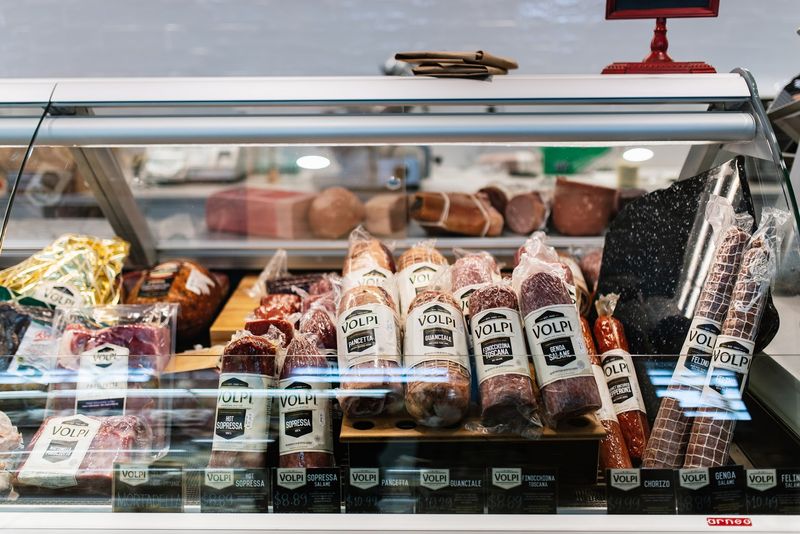
There is a real difference between handmade and hand-finished, and this operation lands firmly in the first category. Each product gets shaped, seasoned, tied, and monitored using the same recipes the family has been working with since the beginning, which means human judgment is baked into every step.
Machines are great at consistency but terrible at noticing when something needs another week. People catch that.
What this means for you as a shopper is that the salame you pick up was handled by someone who actually knows what it should feel like at each stage. That kind of attention is hard to scale and harder to teach, so the fact that they have kept it going across four generations is genuinely impressive.
The recipes themselves have not been modernized into something blander for wider appeal, which I appreciate more than I can say.
When you taste it, you are tasting decisions made by hand rather than settings punched into a control panel. That old-world care is the whole reason people drive across Missouri to shop here instead of grabbing whatever is nearest at home.
Where The Meat Actually Comes From
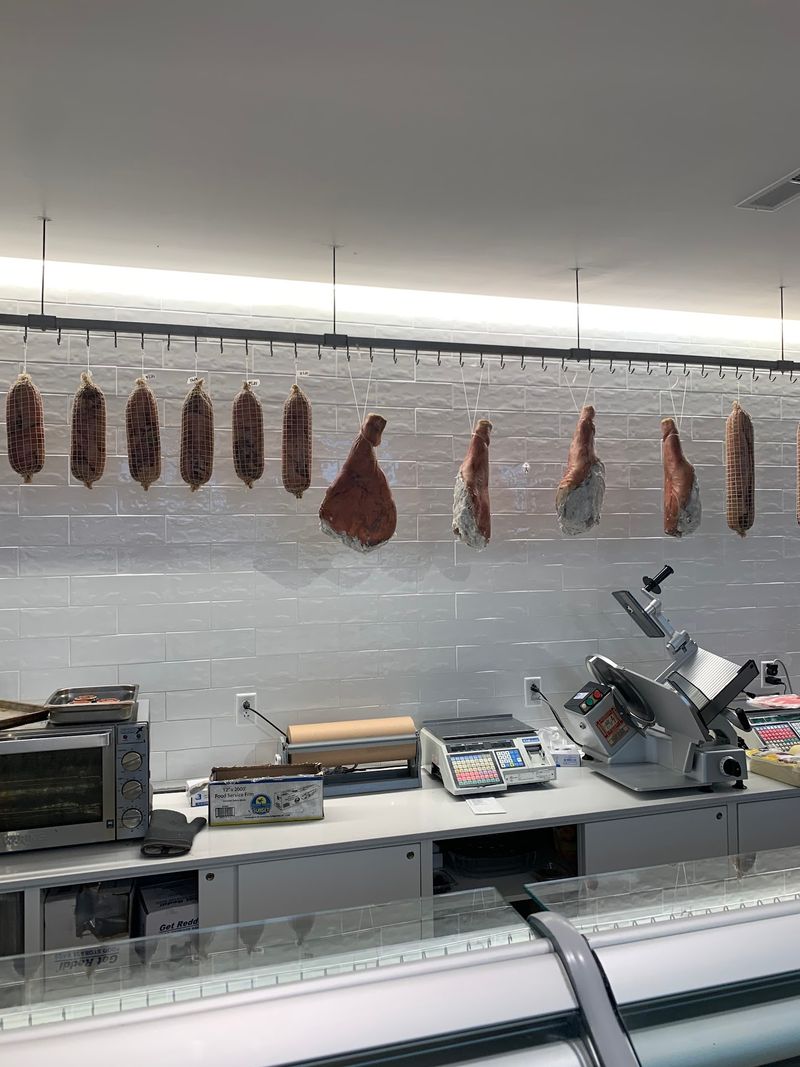
Sourcing matters, and they are picky about it in a way that I find reassuring. The hogs come from trusted Midwest farmers under a Raised Responsibly program, which means the animals are fed vegetarian diets and raised without steroids or growth promotants.
That decision costs more and complicates the supply chain, but it sets the ceiling for how good the finished product can possibly be.
You cannot cure your way out of mediocre raw material, no matter how skilled you are or how long you let something hang. Starting with better meat is the unglamorous part of the job that nobody photographs, yet it shapes everything that follows.
Keeping those farm relationships regional also means shorter trips and a tighter connection between the people raising the animals and the people curing them.
I like that a company this old still bothers to make that a priority instead of just buying whatever is cheapest on the market. It is the kind of quiet standard that does not show up in advertising but absolutely shows up in flavor, and it keeps Missouri farms in the story too.
Around A Hundred And Thirty Different Cured Meats
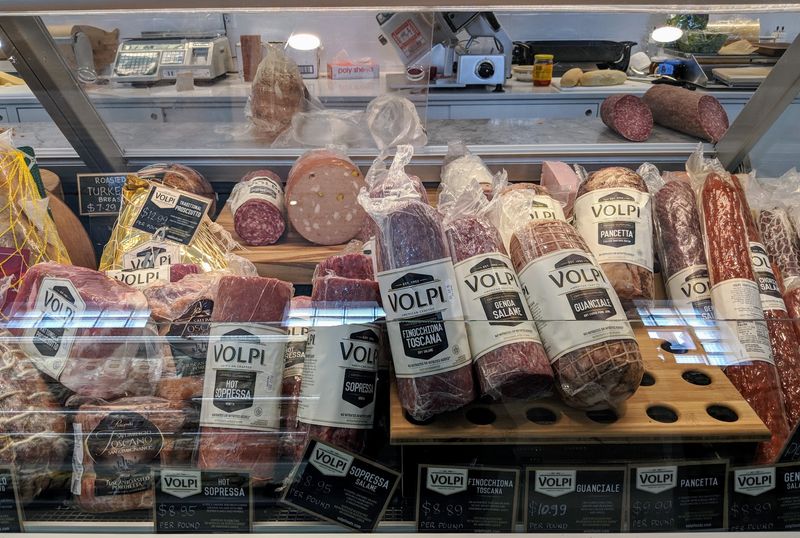
Ready for a number that will make your head spin? They produce roughly a hundred and thirty different kinds of specialty slow-aged meats, which is a catalog most delis could not dream of matching.
That variety did not happen overnight either, it grew out of decades of adding regional Italian specialties as the family learned and expanded what they could do well.
For someone browsing, that means you could visit repeatedly and keep finding something you have never tried before. Different regions of Italy season and age their meats in wildly different ways, so the range covers everything from mild and buttery to sharply spiced.
The original cacciatore salamis, the small ones made for hunters and workers to carry, are still part of the story that started everything.
If you are the type who gets overwhelmed by too many choices, my suggestion is to pick two or three that sound unfamiliar and go from there. Comparing them side by side teaches you more about cured meat than any article could, and it turns a simple shopping trip into a genuinely fun afternoon.
From Genoa Salame To Heritage Prosciutto
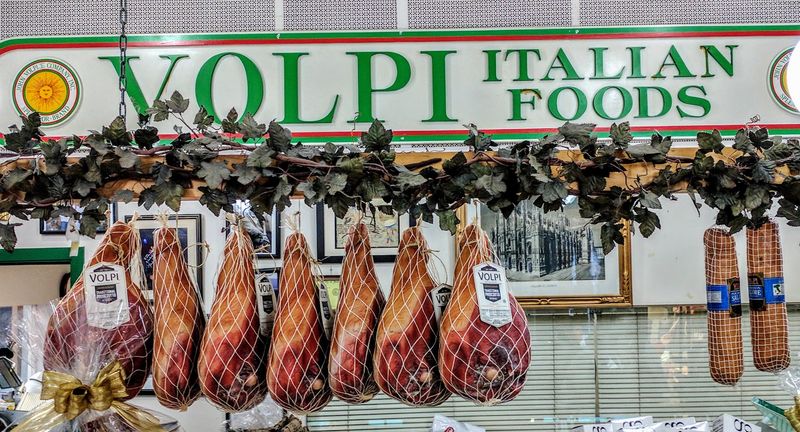
Let me give you the greatest hits so you know what to look for. The classic Genoa salame is the entry point most people recognize, and the Heritage Prosciutto has picked up awards for good reason, with that silky texture prosciutto is supposed to have.
Beyond those two, there are fennel-spiced Finocchiona and Chianti-infused varieties that lean bolder on flavor.
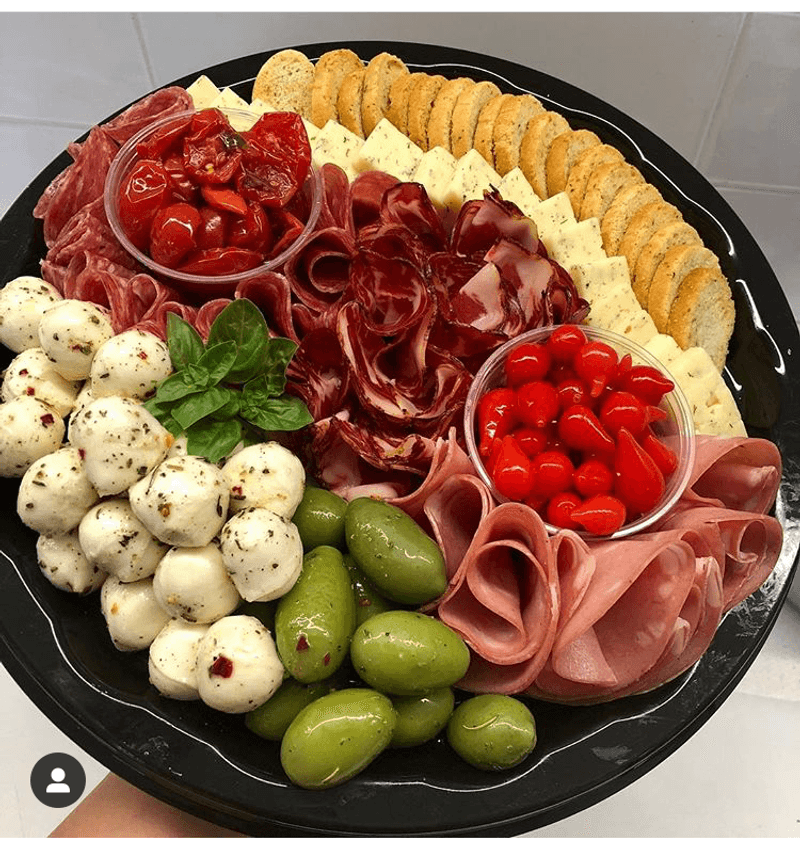
Then you get into the wider family, things like bresaola, which is beef rather than pork and much leaner, and coppa, which comes from the shoulder and has this beautiful marbling. Each one behaves differently on a board or a sandwich, so mixing them is half the fun.
They also make snack packs and Roltini Singles for people who want something grab-and-go without any fuss.
I think the smart move is to treat your first haul like a tasting flight rather than a grocery run, getting small amounts of several things. You will figure out fast whether you lean toward the fennel side or the milder side, and that knowledge makes every future St. Louis visit more efficient and a lot more delicious.
The Counter Where Sandwiches Happen
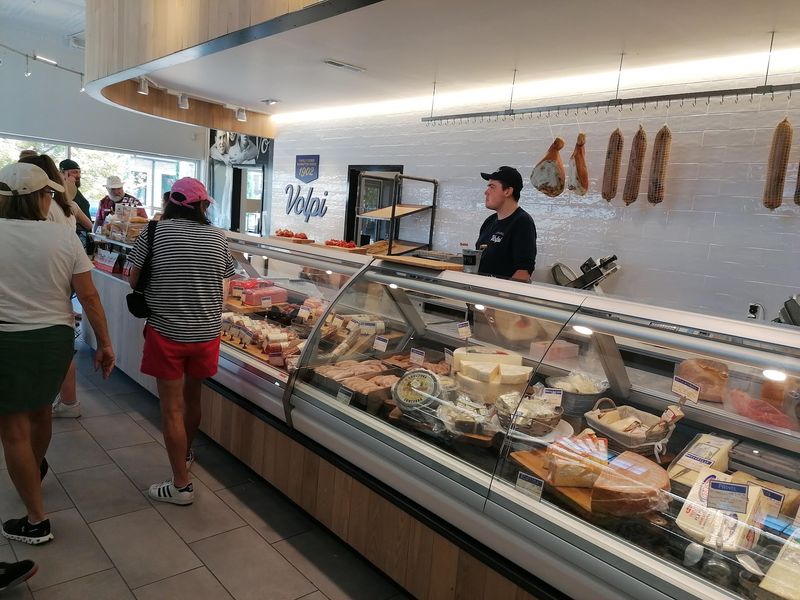
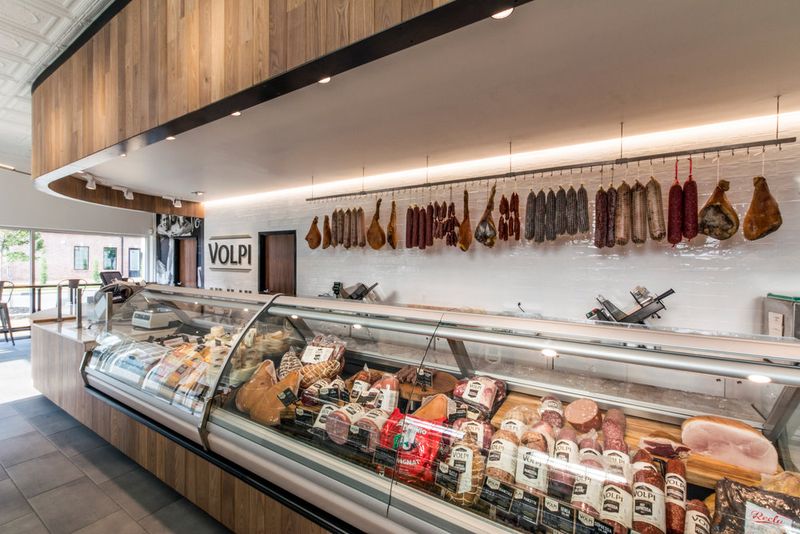
Shopping online is fine, but standing at the counter is a completely different experience. At the shop you can get charcuterie sliced fresh right in front of you rather than pulling something sealed off a shelf, and freshly sliced meat genuinely tastes better.
They also make sandwiches there, which turns a quick errand into lunch without much planning on your part.
The counter setup is exactly what you picture when you imagine an Italian market, with cases full of product and the smell of cured meat in the air. It is the kind of place where taking your time pays off, because you can actually see what you are choosing.
Pairing a sandwich with a walk through The Hill afterward is about as good as an afternoon in this part of Missouri gets.
My advice would be to go in a little hungry and a little curious, since deciding on the spot is more fun than arriving with a list. You will probably leave with something you did not plan on buying, and that is usually the best part.
Old Roots With An Eye On What Is Next
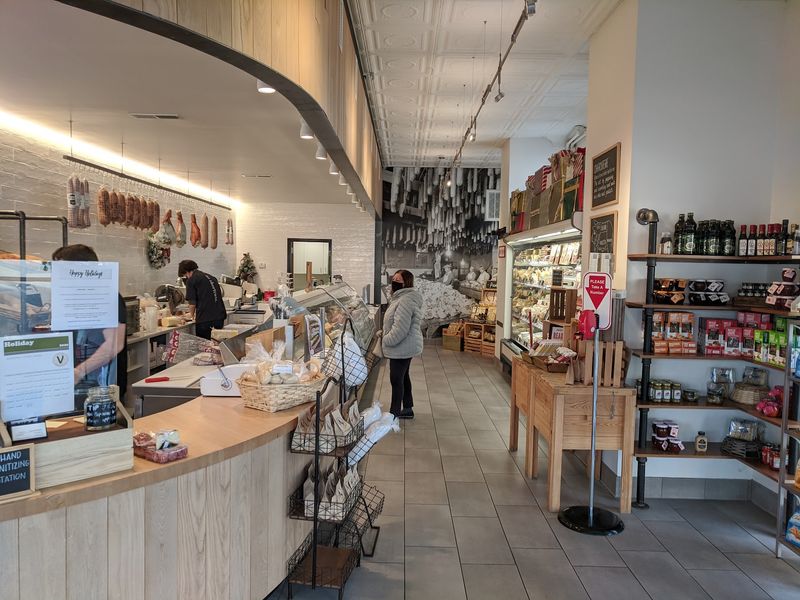
What keeps a business alive for well over a century is not just stubbornness about tradition, it is knowing when to adapt. They have kept refining the same craft the founder brought over while also growing their reach far beyond the neighborhood where it started.
One example is the Eco-Pack they introduced for some products to cut down on plastic, which shows they are thinking about more than just flavor.
Balancing those two things is harder than it sounds, because changing too much guts the identity and changing nothing eventually makes you irrelevant. They seem to have found the line and stayed on it.
The curing methods have not been compromised, but the packaging, the distribution, and the environmental thinking have all moved forward with the times.
Seeing a family operation carry that kind of history and still look ahead is genuinely encouraging, especially in a food world that churns through trends constantly. If you find yourself anywhere near St. Louis, make the detour and see it for yourself.
Some places earn their reputation slowly, and this one has had plenty of practice.
