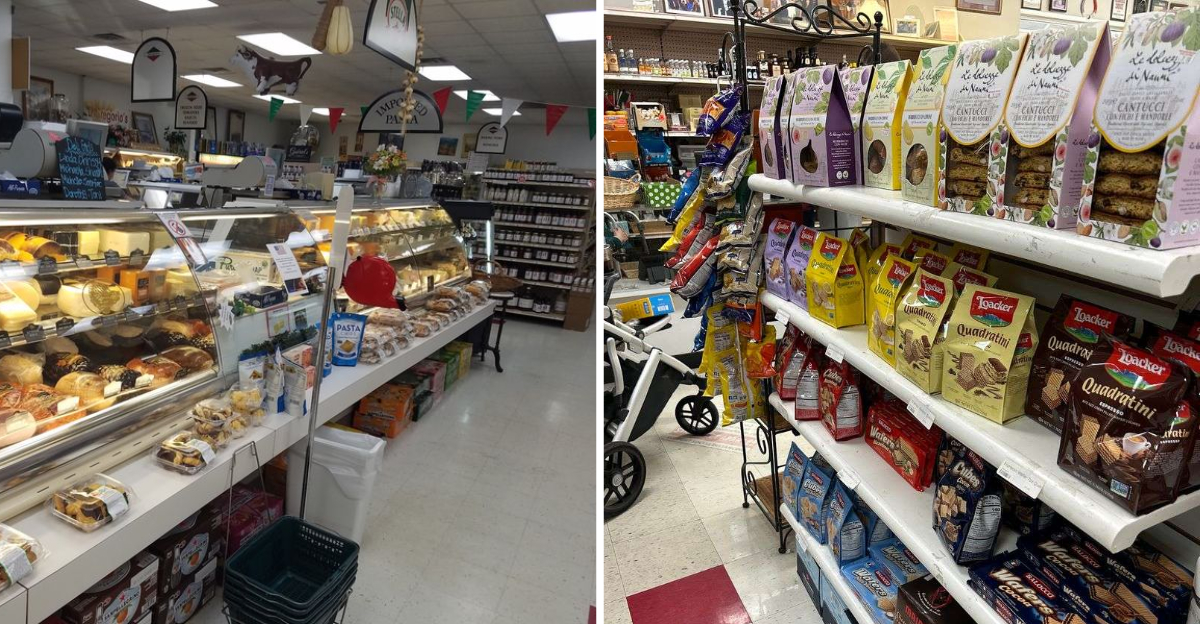
Brick homes sat shoulder to shoulder, little front porches faced the street, and at the end of the block stood a corner market that looked like it had been there forever. That is what I found when I turned the corner onto a St. Louis street, half-convinced I had taken a wrong turn into a small town somewhere far from Missouri.
Inside, the shelves climb high with imported goods and the freezer holds more than sixty kinds of ravioli and tortellini, a number I had to see with my own eyes to believe. I came in planning to grab one bag of pasta and left carrying a lot more than that.
What surprised me most was not the food, though, but how quickly a stranger with a shopping basket starts to feel like a regular. The family behind the counter has been running this place for decades, and they know the names of everyone who walks through the door.
The smell of cured meats and aged cheese hangs in the air, and the checkout line moves slow enough that you might end up in conversation with the person behind you. Places like this do not just sell groceries.
They sell a sense of belonging.
The Hill Neighborhood Sets the Scene
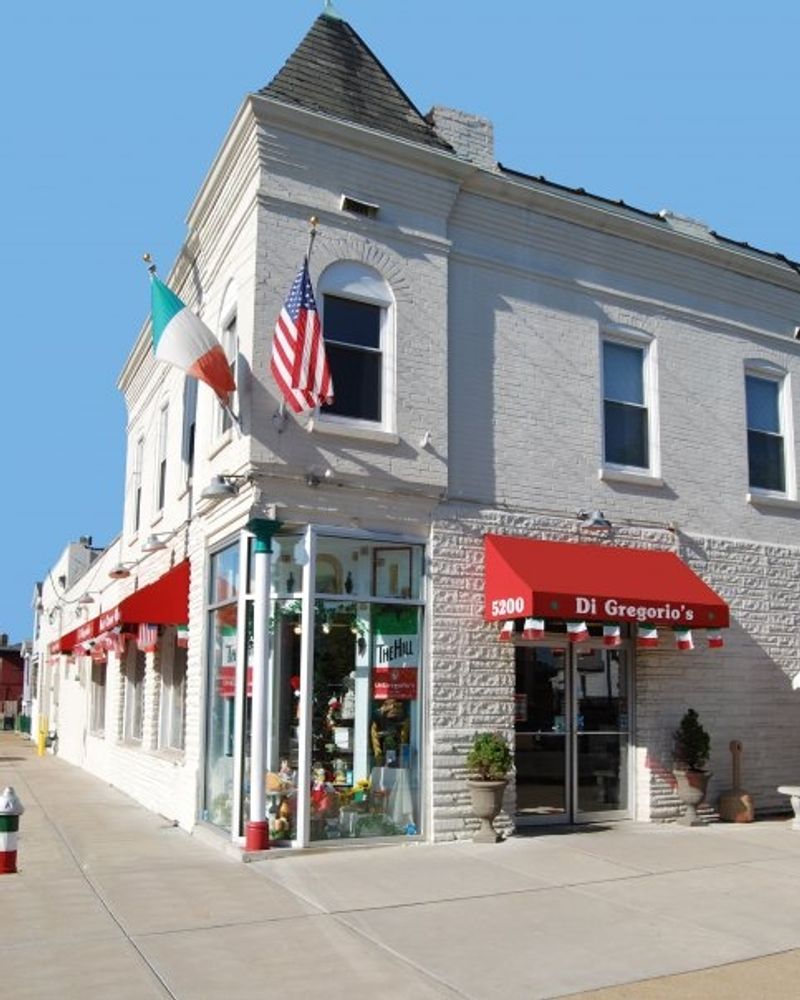
My walk to the market turned out to be half the fun. The Hill is one of those Missouri neighborhoods where the sidewalks are narrow, the houses sit close together, and the fire hydrants are painted in Italian colors just because someone decided they should be.
Generations of Sicilian and northern Italian families settled here, and you can still feel that history in the layout of the streets. Bakeries, restaurants, and small shops fill the blocks, so the whole area smells faintly of bread and tomato sauce on a good morning.
DiGregorio’s sits right at the corner of Daggett and Marconi, which makes it easy to spot even if you have never been. Parking is street parking, so I would suggest arriving earlier in the day when spots open up more easily.
Plenty of shoppers simply walk over from a few houses away, carrying a canvas bag and no particular list. That detail told me everything about how deeply this market belongs to its neighborhood.
Give yourself extra time to wander the surrounding blocks before or after you shop, because the setting adds something you cannot get from a chain grocery store parking lot.
A Family Business That Started Back in 1971
Fifty-plus years in the same corner spot is not a small thing, especially for a small grocery. Salvatore DiGregorio, known to everyone as Sam, was born in Lercara Friddi, Sicily, and came to St. Louis with his wife Theodora, called Dora, in 1954.
By 1971 the couple had opened their own market, betting that their new city would want the specialty foods they grew up with. They were right.
Word spread quickly about their homemade Italian salsiccia and hard-to-find imported goods, and the little shop became a regular stop for families across the region. Sam built a reputation on honesty and straight answers, which is probably why people kept coming back for decades.
The market is now run by the third generation of the family, and the mission has stayed remarkably steady. Dora has often been spotted near the register greeting customers, which is the kind of continuity you rarely find anymore.
Knowing that backstory changed how I looked at the shelves. Every jar and every package felt connected to a decision two people made a long time ago about what mattered.
Sixty-Plus Kinds of Ravioli and Tortellini Waiting in the Freezer
Here is where the market earns its reputation. The freezer section stretches along the wall and holds more than sixty different varieties of ravioli, tortellini, and cannelloni, all made in house from family recipes.
I stood there far longer than I meant to, reading labels and trying to narrow things down. Classic cheese and beef fillings are there, of course, but the list goes well past the usual suspects.
Gnocchi and other frozen pasta shapes share the space, so a single trip can cover several weeks of dinners if you plan a little. Shoppers around me clearly had their favorites memorized and grabbed them without hesitation.
My advice is simple. Bring a cooler if you are driving any real distance, because you will want more than one or two packages once you start reading the fillings.
Their frozen toasted ravioli gets talked about constantly, which makes sense in the city that made toasted ravioli famous. Cooking a bag at home felt like a small victory, and it cost a fraction of a restaurant plate.
Shelves Stacked With Imported Pantry Treasures
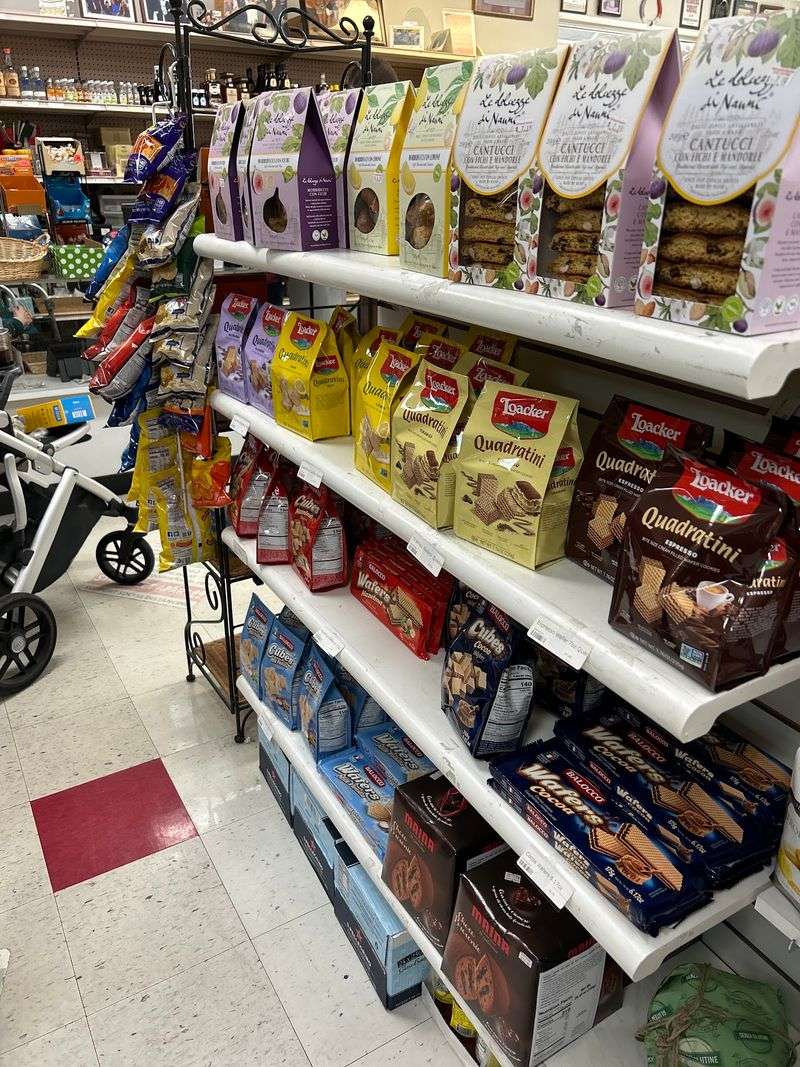
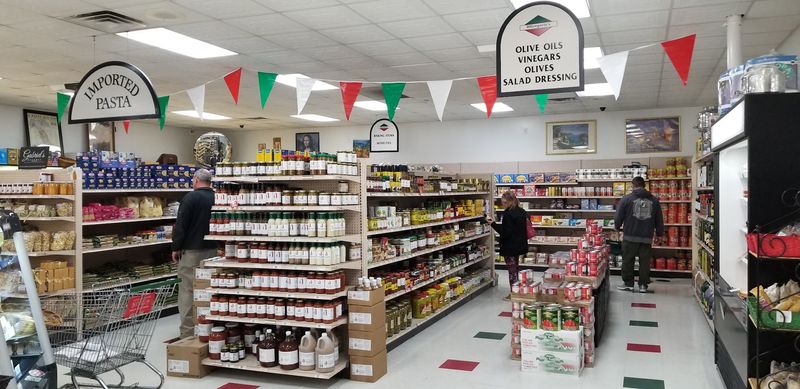
Anyone who likes reading labels in a foreign language will be happy here. Beyond the freezer, the aisles hold more than forty-five artisanal dried pasta shapes and cuts, including brands like Marella and Rustichella d’Abruzzo that are tough to track down elsewhere.
I picked up a shape I could not pronounce simply because the box looked beautiful.
Olive oils and vinegars take up an impressive stretch of shelving, from serious imported extra virgin oils to fruit-infused bottles that make salads more interesting. There are canned specialties, flours, spice blends, and even Italian kitchen tools like pasta rollers tucked in among the food.
Gluten-free options are handled thoughtfully too, with pastas made from corn, rice, cauliflower, and quinoa flours.
What struck me was how the prices stayed reasonable, which is not always true of specialty shops. You can build an entire dinner from scratch here without spending a fortune, and the quality shows up on the plate.
Shoppers regularly mention leaving with twenty-pound bags of pasta, which sounds excessive until you taste it and understand the logic completely.
The Deli Counter Where Everybody Lingers
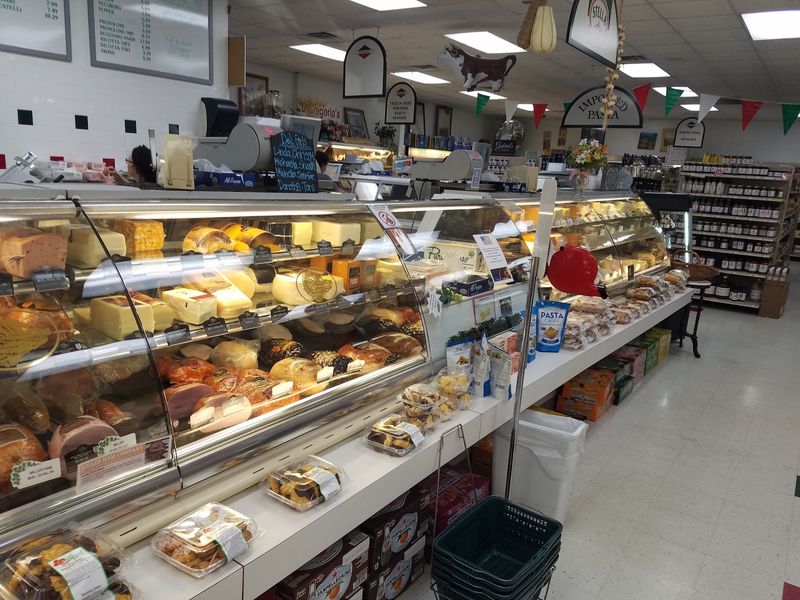
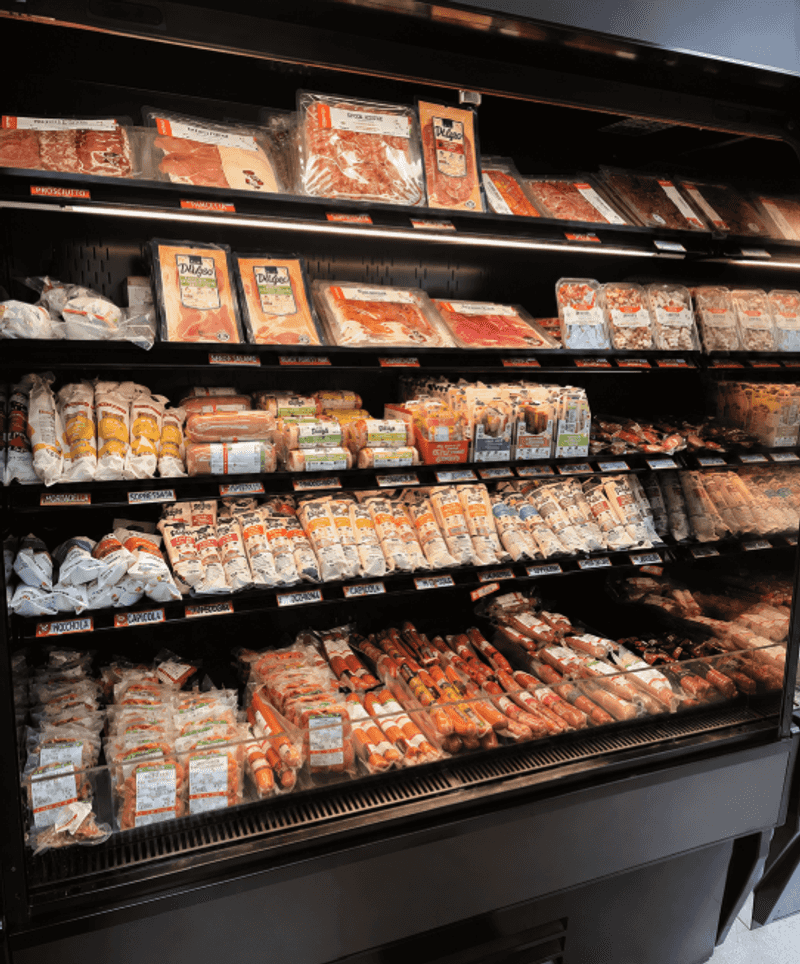
Follow the smell of cured meats and you will end up at the deli, which is easily the busiest spot in the store. The case holds imported and domestic meats, cheeses, and a truly serious olive selection that regular customers talk about constantly.
Brands like Boar’s Head, Volpi, and Stella share space with items I had never seen before.
Cheese lovers should slow down here. Pecorino romano, fresh mozzarella, imported parmesan, and unusual finds like French feta all show up, and the staff are generous with suggestions when you look unsure.
There is a full meat counter as well, offering hand-cut steaks, chicken, spiedini, and the house-made salsiccia the market has been known for since the seventies.
Sandwiches come out of this counter too, built on fresh bread that is baked and sold right there. I grabbed one for later and regretted not ordering two.
Bring a cooler for this section as well. Half the joy of the deli is picking out enough meat, cheese, and olives to build an antipasto board once you get home.
House-Made Sauces, Sausage, and Sweets Worth Room in Your Bag
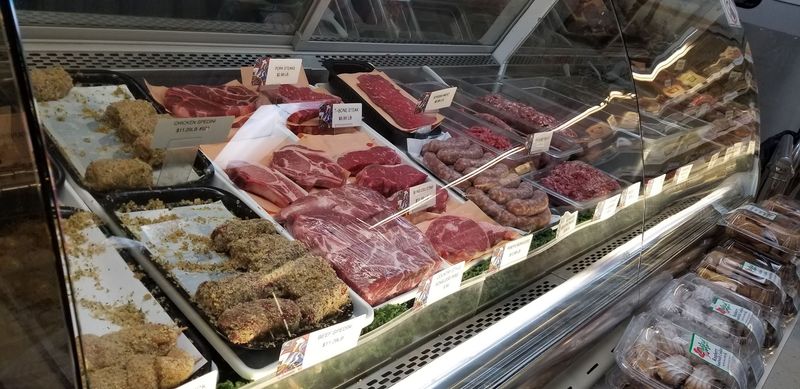
Not every night calls for cooking from scratch, and the market clearly understands that. Trays of house-made meatballs sit ready to drop into sauce, and their red and white sauces come from original family recipes.
I grabbed a jar mostly out of curiosity and ended up using it on everything for a week.
Homemade frozen pizzas, pizza dough, microwavable lasagna, and other pasta dinners fill out the prepared section. For travelers with a kitchen at their rental, these are a smart, low-effort way to eat well.
The sweets deserve their own mention. Cannoli chips with filling, ladyfingers, anise biscotti, spumoni gelato, and stacks of imported panettone during the holidays all make an appearance.
A shopper looking for one specific hard-to-find Italian cookie will very likely walk out satisfied.
Little candies and imported drinks sit near the front, which is exactly where they get you on the way to the register. I told myself I was only buying pasta and left with dessert, which feels like the correct outcome for a place like this.
Practical Tips Before You Make the Trip
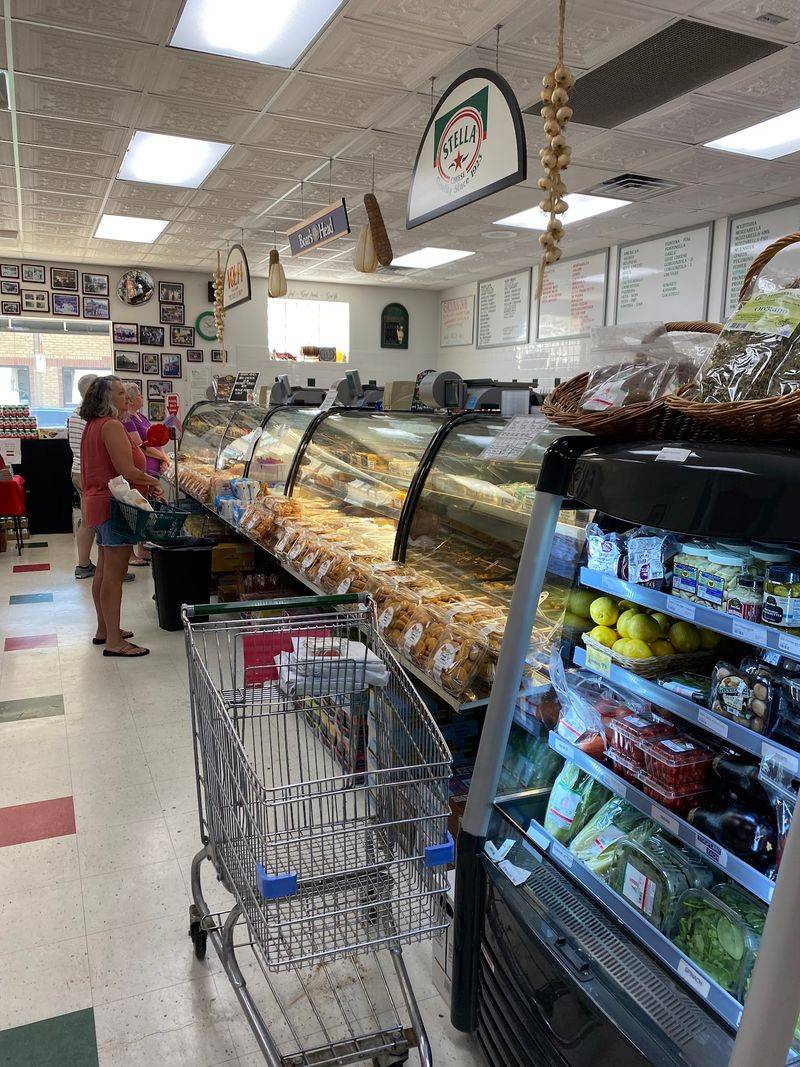
A little planning makes this visit much smoother. Doors open at 8 AM Monday through Saturday and close at 5:30 PM, and the market is closed on Sundays, so build your schedule around that.
Weekends get busy, which is part of the charm but also worth knowing.
Parking is on the street, so patience helps. Arriving earlier in the day gave me an easier time finding a spot and more room to browse without weaving around other carts.
Bring a cooler or an insulated bag, especially if you are visiting from out of town. Frozen pasta, fresh cheese, and deli meats all travel better that way, and families have been showing up with coolers for decades for exactly this reason.
Ask questions while you shop. The staff know the products well, offer honest recommendations, and have been known to write down cooking suggestions for curious shoppers.
Leave more time than you think you need. The store is not huge, but the selection is deep, and rushing through would waste the best part of the experience.
Address: 5200 Daggett Avenue, St. Louis, Missouri
