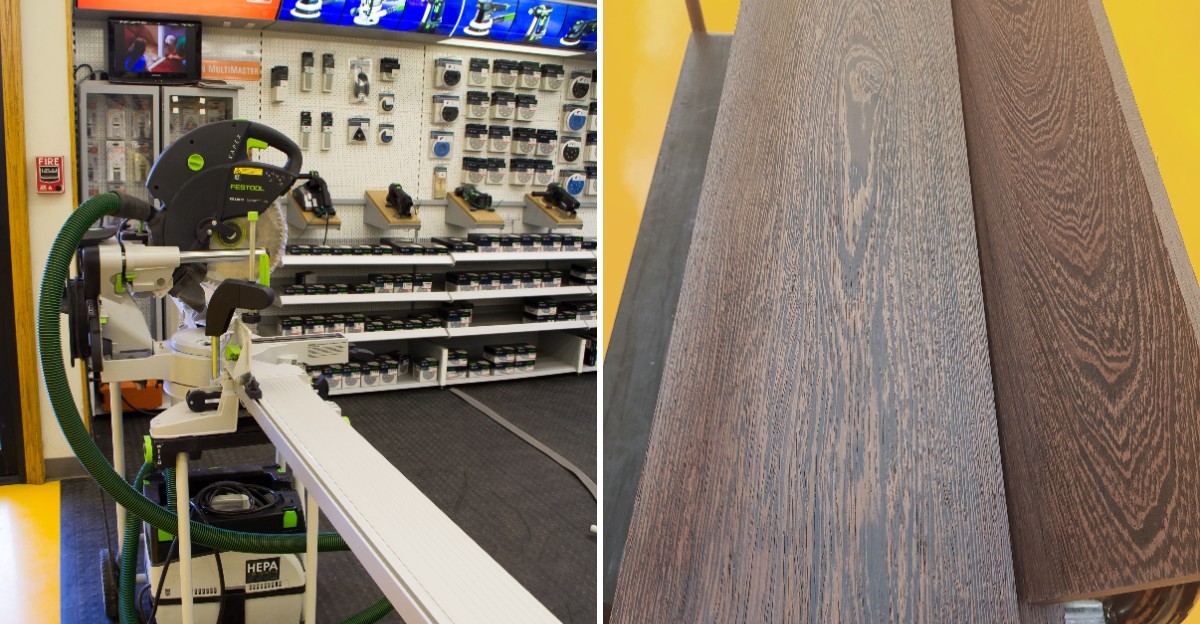
Purple Heart, Bubinga, Wenge, and Lacewood all sit in one Missouri lumberyard. Those names sound like candy bars, but they’re exotic hardwoods you can actually buy and build with.
The same yard runs its own mill on site. Bring in a tiny scrap of old trim, and the crew can often recreate that pattern in nearly any species they stock.
I have to admit, that’s the detail I can’t get over.
Then there’s the age of the place. It has stood in the same part of town since 1880 and has outlasted floods, fires, and depressions.
Plenty of businesses never see their tenth birthday.
So what keeps a family-run lumberyard thriving for well over a century? I’d say the answer starts with wood and ends with people who really know it.
A Lumberyard That Started Before The Lightbulb Caught On
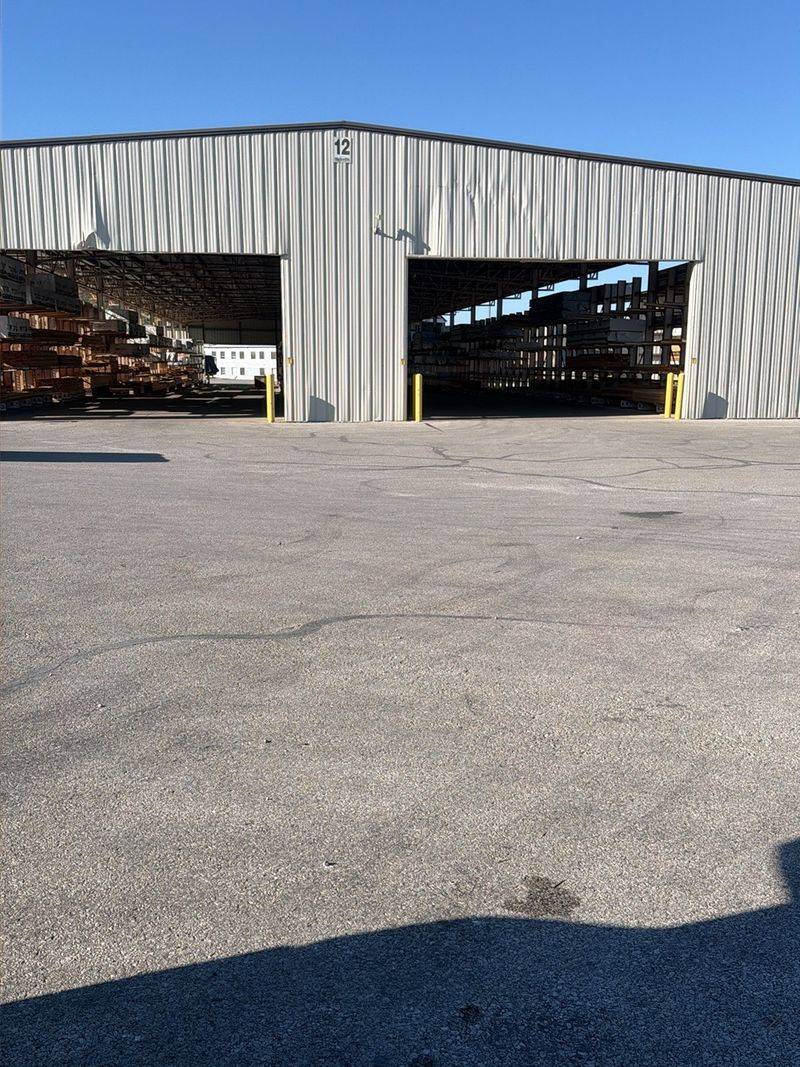
Back in 1880, a man named S.Z. Schutte opened a lumberyard in Kansas City.
That business, Schutte Lumber Company, is still cutting and selling wood today.
Think about how much has changed since then. Horses pulled wagons, and most homes were built by hand with simple tools.
The company stayed in the Schutte family for generations. Later, it was run as a managed trust before Daniel C.
Fuhrman bought it in 1997.
Then came another handoff. Michael D.
Fuhrman took over the business on July 1, 2014, and kept the legacy rolling forward.
What gets me is the toughness of this place. It has survived floods, fires, depressions, and recessions without packing up and leaving.
Even better, it has stayed in the same Crossroads area of Kansas City the whole time. A photo from around 1930 shows the business on Southwest Boulevard, right where you can find it now.
Very few Missouri businesses can claim that kind of staying power. Most companies chase new locations every few decades.
So when you pull into this yard, you’re visiting a true piece of local history. Fair warning, that might make your weekend birdhouse project feel a little more important.
Thirteen Acres Means You Might Want Comfortable Shoes
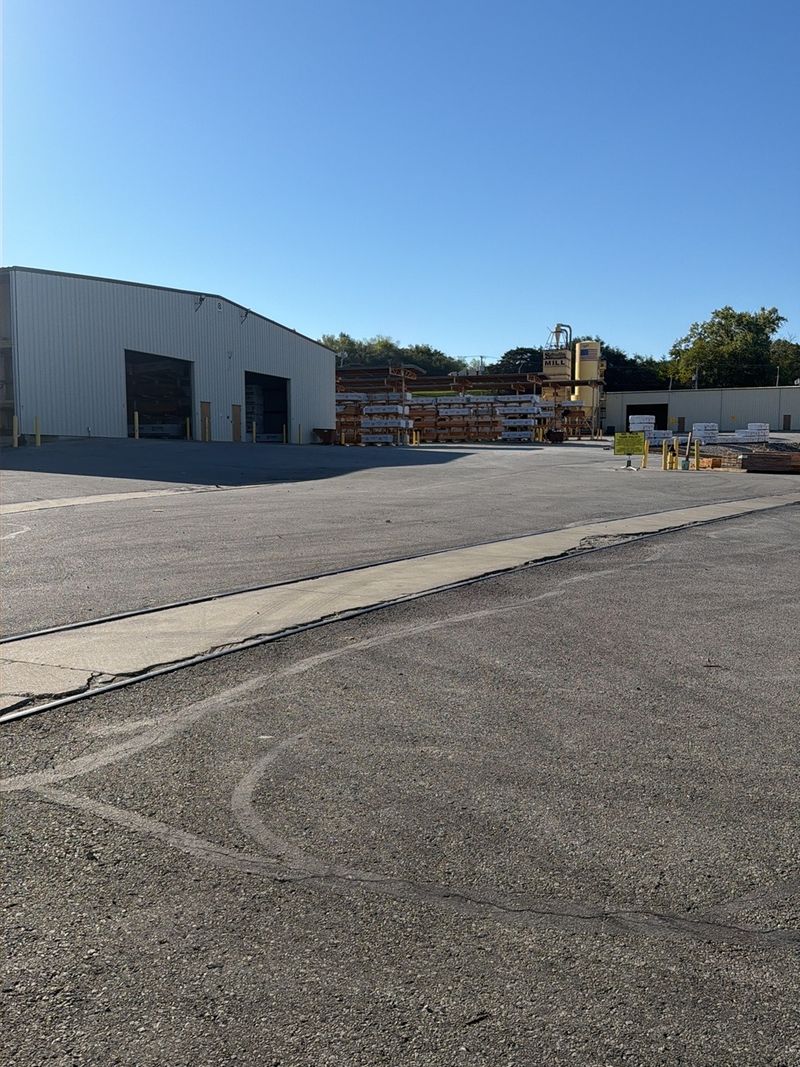
Thirteen acres. That’s the size of the single Kansas City site where this whole operation happens.
For comparison, a football field is a little over one acre. So yes, this lumberyard could hold roughly ten of them with room to spare.
All that space gets put to work. Stacks of Douglas Fir and Western Red Cedar timbers share the grounds with boards, plywood, and treated lumber.
The size explains how they serve such a wide crowd. Contractors, builders, lumber dealers, and regular homeowners all buy here.
Their customer base stretches across a big chunk of the Midwest. Many buyers come from within about 200 miles of Kansas City.
Here’s a smart tip before you go. Make a list of what you need, plus measurements, so you don’t wander every aisle twice.
The yard also offers customer parking, which matters when you’re hauling long boards. You’ll be glad you aren’t circling a crowded street with a pickup truck.
A place this big can feel a little overwhelming at first. Still, I’d take too much wood over too little any day, especially when a project is waiting at home.
Exotic Wood Names That Sound Like A Treasure Map
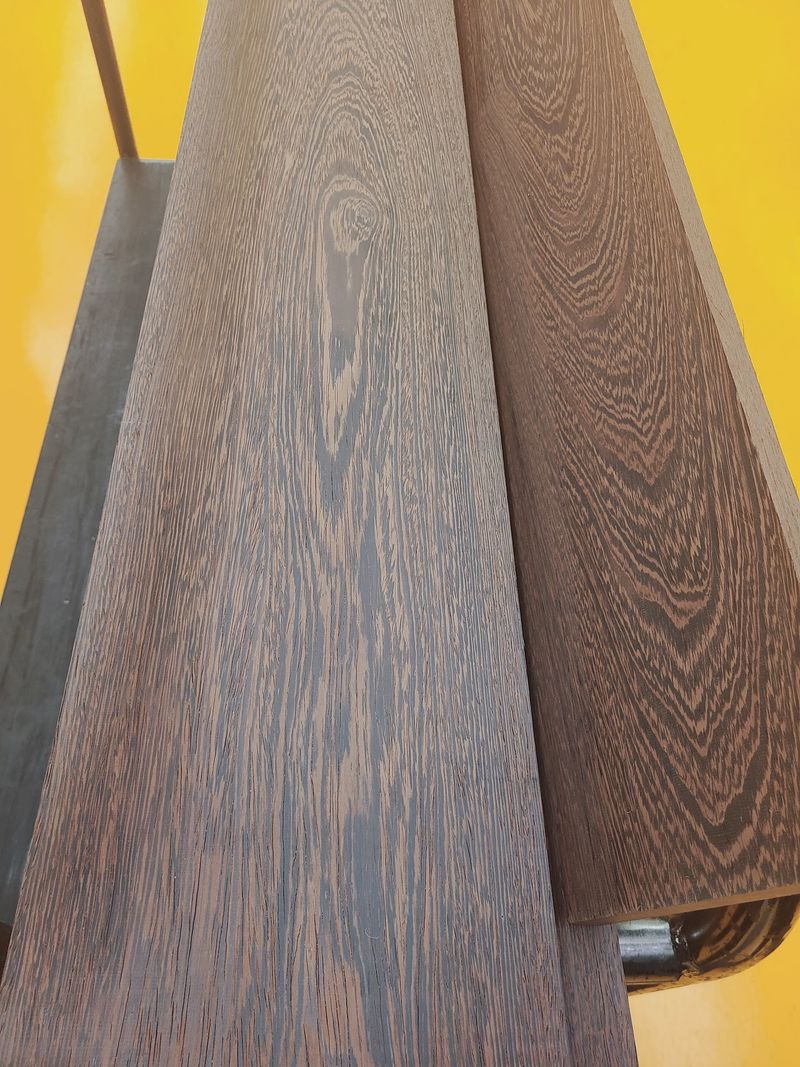
Ever heard of Canary Wood? How about Iroko, Makore, or Jatoba?
Those are just a few of the exotic hardwoods stocked at Schutte Lumber Company. The list keeps going with Bubinga, Lacewood, Padouk, Sapele, Okume, and Wenge.
Purple Heart might be the most fun of all. It really does have a purple color, which makes it a favorite for eye-catching accents.
Burmese Teak is also on the shelf. Builders love teak for its rich look and strong reputation.
Yellow Cypress and Beech round out the collection. Each one brings its own color, grain, and personality to a project.
These boards come in S4S and S2S options. S4S means all four sides are surfaced, while S2S means two sides are smooth.
That difference matters for beginners. S4S wood is ready to use sooner, so you can skip some planing work.
My advice is simple. Pick one small exotic piece for a cutting board or box lid first.
Yep, a single bold board can make a plain project look custom. Now that is a lot of wow from one piece of wood.
Classic American Hardwoods Still Steal The Show
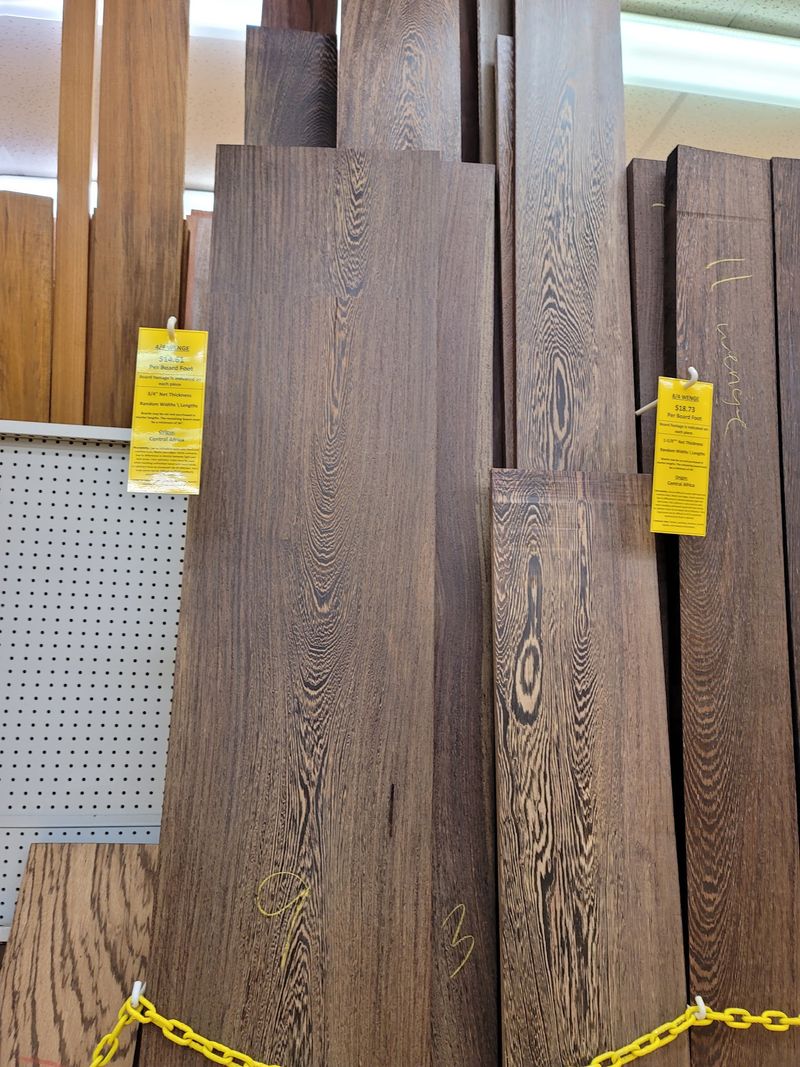
Walnut fans, you’re in luck. This Missouri yard keeps plenty of familiar domestic hardwoods on hand too.
The lineup includes Red Oak, Maple, Walnut, Poplar, Ash, Birch, and Hickory. Each one fits different jobs and budgets.
Poplar is a great starter wood. It’s easy to work and takes paint nicely, so it shines in painted shelves or trim.
Red Oak shows off a bold grain. It’s a classic choice for furniture, stair parts, and floors.
Maple feels smooth and tough. Many people choose it for countertops, cabinets, and kitchen tools.
Hickory is famous for its strength. Ash also brings a sturdy feel, which is why it has long been used for tool handles.
Walnut is the showstopper of the group. Its deep brown color makes even a small side table look fancy.
Here’s a handy tip. Bring a sketch of your project so staff can help match the right species to the job.
And if your perfect board isn’t there, ask anyway. The company can often source items through its supplier network, which beats driving all over town.
Bring Your Tiny Scrap Of Old Trim And Watch The Magic
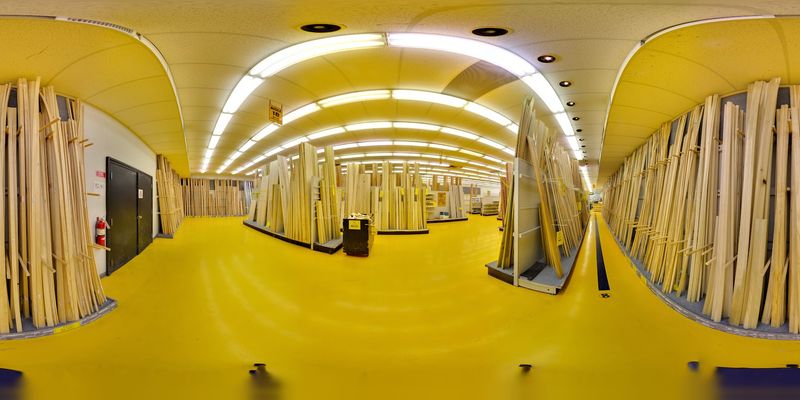
Old houses love to break hearts. One piece of trim gets damaged, and suddenly nobody sells that pattern anymore.
That’s where the on-site mill at Schutte Lumber Company comes in. It specializes in custom trims, moldings, and architectural millwork.
The mill can match hard-to-find patterns. It can also run standard stock patterns when you just need the usual shapes.
Here’s the impressive part. The team can recreate a pattern from a sample, even a small one.
So that little chunk of baseboard in your garage could become a whole new run. Well, that changes things for anyone fixing up a historic home.
Most patterns can be made in nearly any hardwood or softwood from the inventory. That means your new trim can match the old wood type too.
The mill also produces custom arches and brackets. Those details can give porches, doorways, and ceilings a handcrafted look.
A smart move is to bring the cleanest sample you can find. Keep any paint chips or broken edges in mind when you explain what you need.
I can see why restorers value a shop like this. Matching history by hand is a real craft.
Power Tools You Can Test Before You Commit
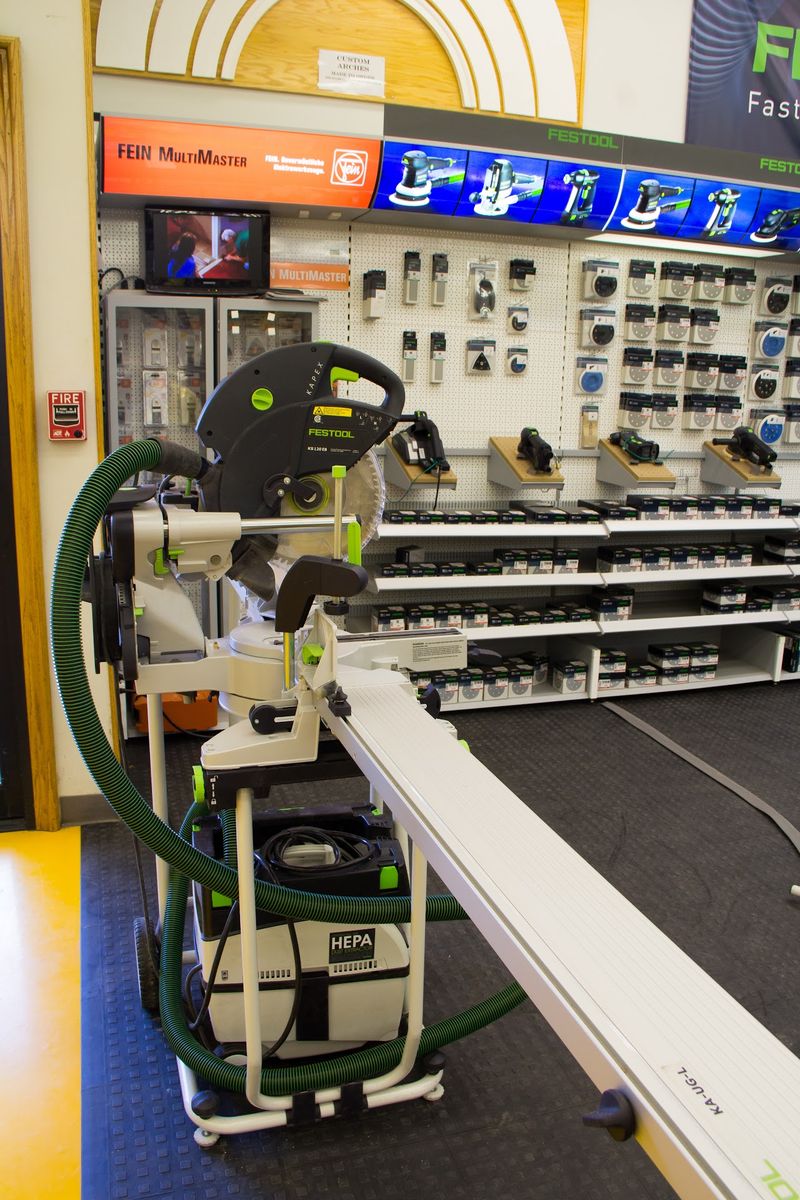
Buying a pricey power tool without trying it feels like guessing. Luckily, this lumberyard lets you skip the guessing game.
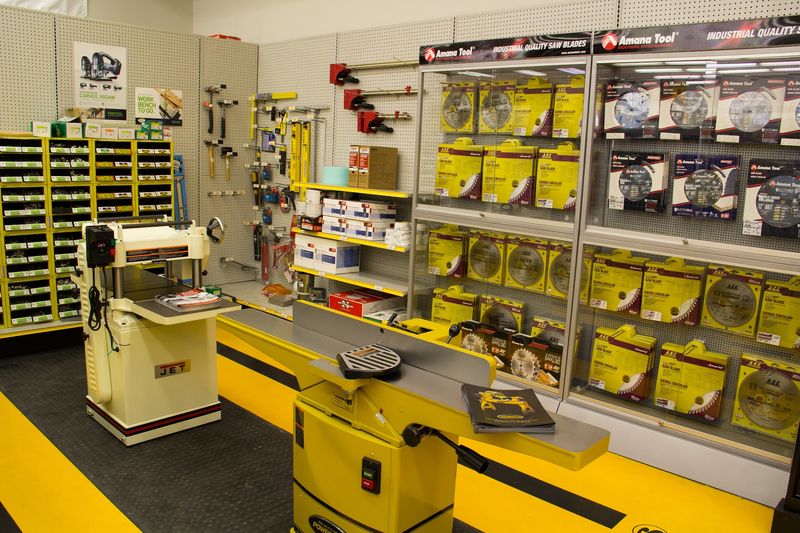
Schutte Lumber Company is a full-line Festool dealer. It’s also a Fein Multimaster dealer, so it carries a solid range of tools and supplies.
The showroom has a Festool Center. There, staff members offer hands-on demos so you can see how a tool works.
That’s a big deal for DIYers. Watching a sander or saw in action helps you choose with confidence.
Staff members are regularly sent to Festool training. So the person showing you a tool should know its tricks.
Support doesn’t end at the register either. The company provides after-sale help for Festool products.
Fair warning, testing tools can be dangerously fun. You may walk in for glue and leave dreaming about a track saw.
My tip is to bring questions about your real projects. Ask which tool fits the work you actually plan to do.
A good demo can save you from buying the wrong thing. And honestly, that’s worth more than any shiny box on a shelf.
Weekday Mornings Start Earlier Than Your Coffee Maker
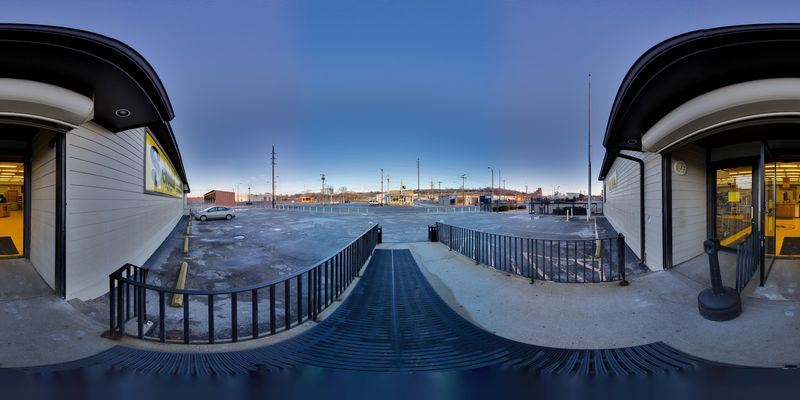
6:30 AM. That’s when the doors open Monday through Friday, and they close at 4:00 PM.
Saturday has shorter hours, from 8:00 AM until noon. Those Saturday hours are for walk-in customers, and there’s no phone service then.
The cutting rules also shift on weekends. Saturdays come with one courtesy cut to help you fit materials in your vehicle.
Project or precision cuts happen on weekdays, when the full staff is working. So plan your finish cuts for Monday through Friday.
This tip can save your whole weekend. Measure your car or truck before you go, and know how long your boards can be.
Sunday is closed. Don’t be that person standing at the gate with a tape measure and big dreams.
Delivery is another handy perk. The company offers daily delivery within the Kansas City metro for showroom customers.
They also handle local and remote delivery. That’s helpful when your order is bigger than your trunk.
Okay, early hours may not sound exciting. But for anyone with a big job ahead, a 6:30 start is pretty great.
Southwest Boulevard Puts You Close To The Crossroads
Location counts when you’re hauling lumber. This yard sits at 3001 Southwest Boulevard, Kansas City, MO 64108.
That spot is near the Crossroads District and close to I-35. Getting in and out of town is easier with a major highway nearby.
The Crossroads area has changed a lot over the years. Yet this lumberyard has called the neighborhood home since 1880.
I like that a working lumberyard still holds its ground in the middle of the city. It keeps a little bit of old Kansas City alive.
The highway access also helps folks from farther away. Plenty of customers travel from across the region to shop here.
The site is wheelchair accessible. It also has restrooms, air conditioning, and accepts credit cards.
Those details sound small. But they matter when you’re spending time comparing boards and planning a project.
Here’s a friendly suggestion for out-of-town visitors. Load up your truck bed with straps and a flag for long pieces before you leave home.
Missouri roads are no place for a loose board flying off. Safe hauling makes the whole trip feel like a win.
Old-School Know-How Is The Real Secret Ingredient
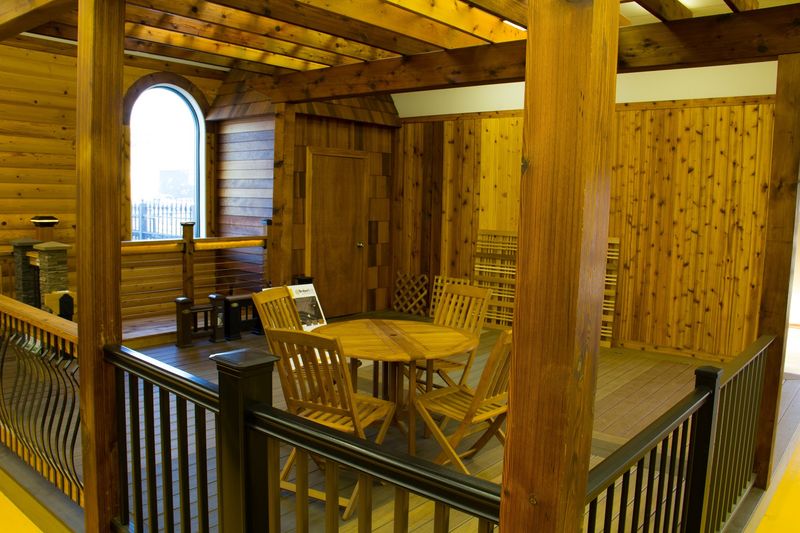
Anyone can stack wood on a shelf. Knowing which board works for your project is a different skill.
Schutte Lumber Company leans hard on its experienced team. The company says that spirit makes it more than just another lumberyard.
Its mission is simple and catchy: dream bigger, build better. That fits a place that helps both pros and weekend builders.
The business also follows pricing and policies that protect wholesale and dealer relationships. That approach has helped it grow a loyal base across the region.
Dedication, integrity, and customer service sit at the center of the company’s values. The team also describes a family-like feel among employees.
After more than 140 years, that kind of culture clearly matters. Businesses don’t last this long by accident.
So ask questions when you visit. Ask about grain, moisture, thickness, or which species suits a painted finish.
The worst question is the one you skip. A quick chat could save you money and a ruined weekend.
And that might be my favorite part. In a world of giant chain stores, this Missouri yard still treats wood like a craft worth respecting.
