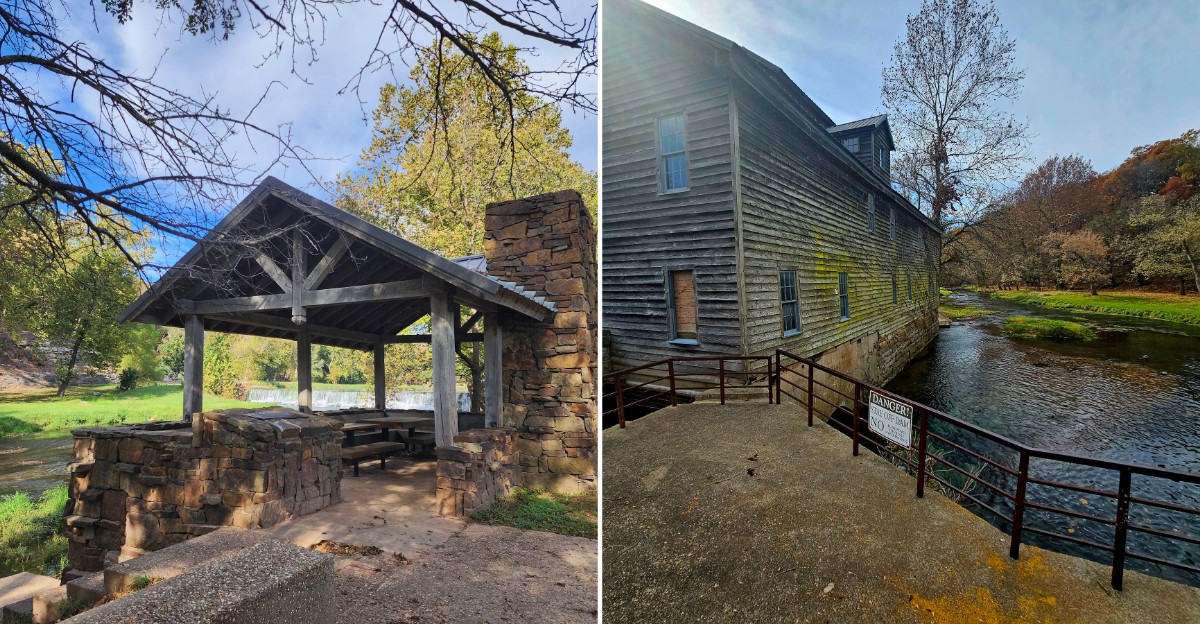
Before flour and cornmeal took over, this old Missouri mill was making whiskey. Built in 1848, it started as a distillery and quickly became part of a small community that grew up around it.
Over time, the operation shifted toward milling grain, and the building kept working for generations. Today, the mill still stands beside the creek, surrounded by bridges, old buildings, and plenty of room to wander.
What makes the stop fun is how many layers of history are packed into one small place.
You can walk the grounds, look over the old structure, and realize this quiet park was once tied to everything from spirits and flour to wagon traffic and everyday life in the Ozarks.
The Mill Had A Surprising First Job
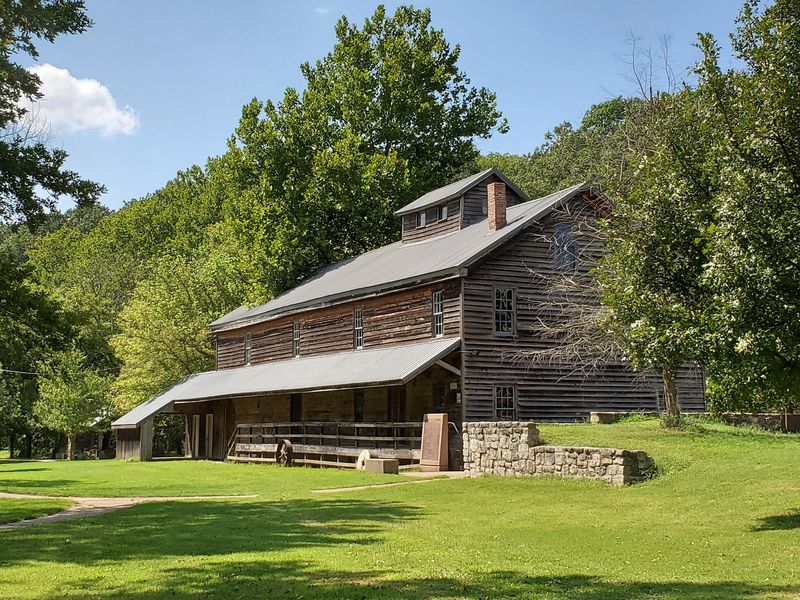
Here is the part that usually makes people raise their eyebrows, because the mill did not begin as a simple place for grinding grain. Two brothers named Thomas and John Isbell built it along Capps Creek, and in its early days it ran a side business right alongside the grinding work.
That second operation is a big reason the place has such a colorful backstory.
You have to remember that mills back then were often the busiest spot around, so owners tried to squeeze as much use out of them as they possibly could. Water power was free once the building was set up, and that rushing creek was doing a lot of heavy lifting for the whole community.
It makes sense that the Isbells wanted the mill earning its keep in more than one way.
When you stand outside and look at the building, try to picture how much activity once happened inside those walls on an ordinary day. Farmers would roll up with wagons, neighbors would trade news, and the wheel would keep turning while everyone waited their turn.
Knowing the mill started out with this mixed purpose makes the quiet scene you see now feel even more special, and it gives you a fun story to share with whoever came along with you.
Getting Yourself To The Creek
Plug the address into your map app before you lose signal, because the drive out here winds through rural country roads that feel wonderfully far from busy highways. You will be heading to 31630 Jolly Mill Dr, Pierce City, MO 65723, which sits in a peaceful pocket of southwestern Missouri.
The road eventually opens up to the park, and the mill pops into view near the water.
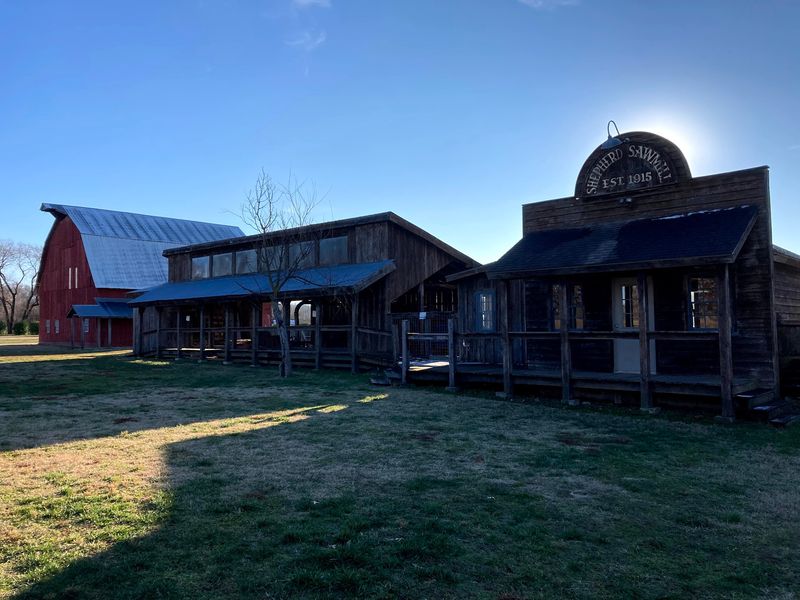
Once you pull in, take a minute to just sit in the car and look around before you hop out and start exploring. The grounds have a slow, easy feeling, with grassy spaces, shady trees, and the soft sound of Capps Creek moving along.
It is the kind of setting where you naturally start talking a little quieter without even noticing it.
My honest advice is to plan this as a relaxed outing rather than a quick stop squeezed between other errands. Bring some water, a snack, and maybe a blanket so you can settle down by the creek after you walk around.
Checking the park’s social media pages ahead of time is smart too, since that is where you can find updates about special events or grinding demonstrations happening during your visit.
How Isbell’s Mill Became Jolly Mill
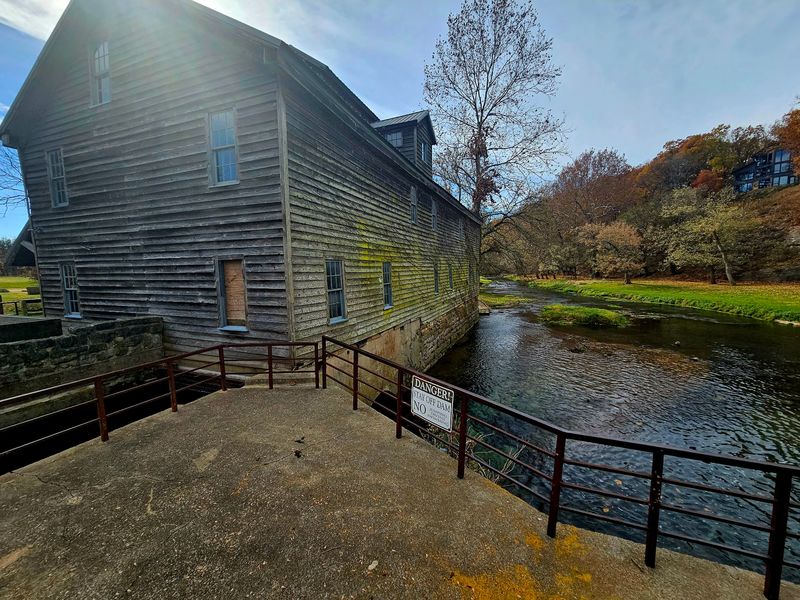
Names have a funny way of drifting over time, and this mill is a great example of how a nickname can stick for good. At first everyone called it Isbell’s Mill, which makes total sense since the Isbell brothers were the ones who built it.
Over time, though, a small village grew up around the mill, and people started calling that village Jollification.
Isn’t that one of the best town names you have ever heard? It sounds like a party all by itself, and the cheerful name slowly rubbed off on the mill until folks were simply calling it Jolly Mill.
The story goes that the lively name came from the mill’s early side business, which gave the area a bit of a festive reputation.
While you walk around, it is fun to think about how a whole community once had its identity tied to this one building by the creek. Neighbors probably met up here, swapped stories, and made plans while their grain was being ground.
The village itself is mostly gone now, but the name lives on through the mill, and that feels like a sweet way of keeping the memory of those early settlers alive for anyone who visits.
Watch The Old Stones Turn Again
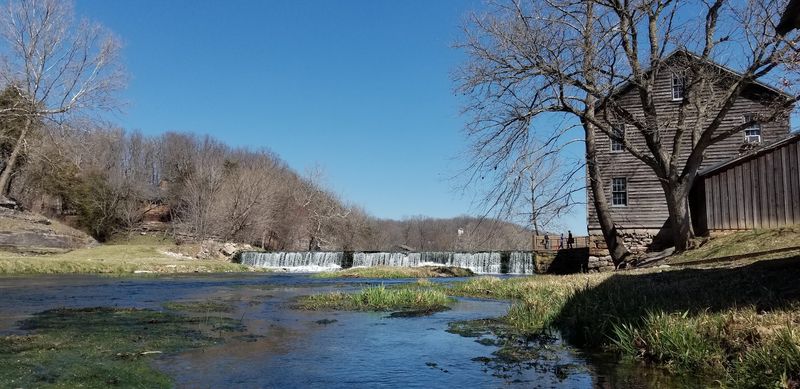
You know what really sets this place apart from a lot of old buildings you might visit? The mill was restored so well that it can actually grind corn again, which is not something you see every day.
The park holds grinding demonstrations from time to time, so you can watch the whole process happen right in front of you.
Seeing the parts move makes history feel way less like a textbook and much more like something you can almost touch. You get to notice how the water power connects to the gears, how the stones do their work, and how fresh cornmeal comes out at the end.
Kids especially tend to love this, because watching something big and old actually function is just plain cool.
Since these demonstrations only happen on certain occasions, it really pays to check the park’s announcements before you head out. Planning your trip around one of those days can turn a pleasant walk into a memorable afternoon you will talk about later.
Even if you miss a demonstration, the mill is still lovely to see, but catching it in action adds a whole extra layer to understanding how this place served people for so long.
Wander Past The Old Schoolhouse
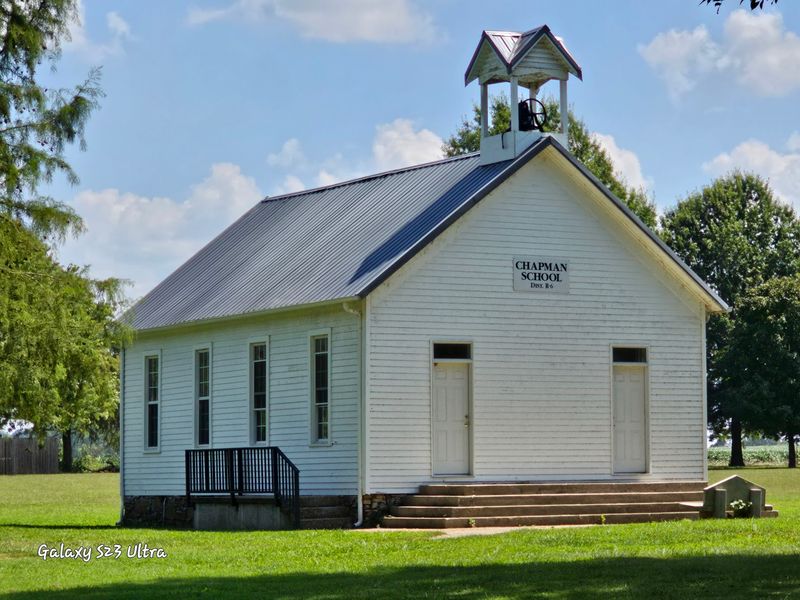
Once you finish admiring the mill, keep walking, because the park has more old buildings tucked around the grounds. One of the sweetest is a historic schoolhouse, which helps paint a fuller picture of what daily life looked like in this little corner of Missouri.
Together, the buildings give the park a real village kind of feeling.
Picture kids walking along dusty paths with their lunch pails, then sitting together in a single room while one teacher handled every grade at once. That was totally normal for rural communities, and seeing an actual schoolhouse up close makes those stories feel much more real.
It is a fun spot to compare notes with your own school memories too.
I would suggest moving through the grounds slowly and letting yourself imagine the sounds and routines of an old settlement. Peek at the outside details, notice how the buildings were constructed, and think about how everything connected back to the mill.
If you have younger travelers with you, ask them how they would feel about learning in one small room with older and younger kids together, because that question usually sparks a pretty entertaining conversation on the walk back to the car.
Quiet Time By Capps Creek
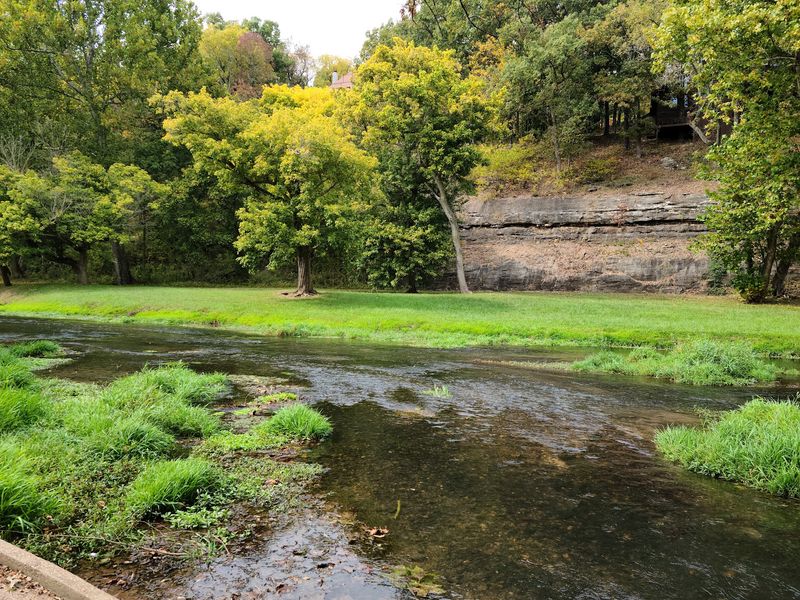
Honestly, the creek might end up being your favorite part, especially if you love sitting near moving water and letting your mind wander. Capps Creek flows right beside the mill, and it is managed by the Missouri Department of Conservation as a trout fishery.
They stock it with rainbow and brown trout, so anglers enjoy casting a line here.
If fishing is your thing, make sure you look up the state rules and get the proper permit before you go, since conservation areas have specific regulations. Even if you never pick up a rod, the creek is still lovely for a slow stroll along the bank.
The clear water and rocky bottom make it easy to spend a long while just watching the current.
This is a great place to bring a folding chair, a good book, or simply some time with nobody rushing you anywhere. The sound of the water is calming in a way that makes conversations slow down and phones stay in pockets.
Pack out whatever you bring in, of course, so the creek stays clean and pretty for the fish, the wildlife, and the next family who comes looking for a peaceful afternoon outdoors.
A Building That Refused To Quit
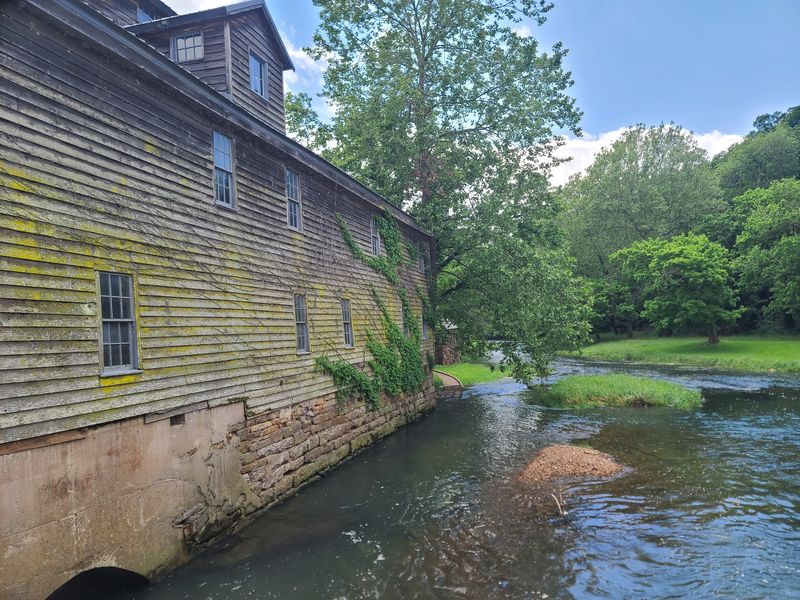
Tough is probably the best word for this mill, because it has made it through things that wiped out plenty of other buildings. During the Civil War, much of the village of Jollification was burned down, yet the mill managed to survive.
That alone tells you something about how important and sturdy this place has always been.
Then, much more recently, a serious flood swept through the area and put the historic structures at real risk. Volunteers jumped in to help, and their hard work saved the buildings from much worse damage than they could have suffered.
It is a reminder that a creekside location brings beauty, but it also brings challenges that people have to face together.
When you look at the mill now, try to see it as a survivor rather than just a pretty old building in a nice setting. Every board and beam has a little bit of that history soaked into it, from wartime to high water.
Knowing how close it came to being lost might make you appreciate your visit even more, and it may inspire you to support local preservation efforts in your own hometown too.
Officially Honored On The National Register
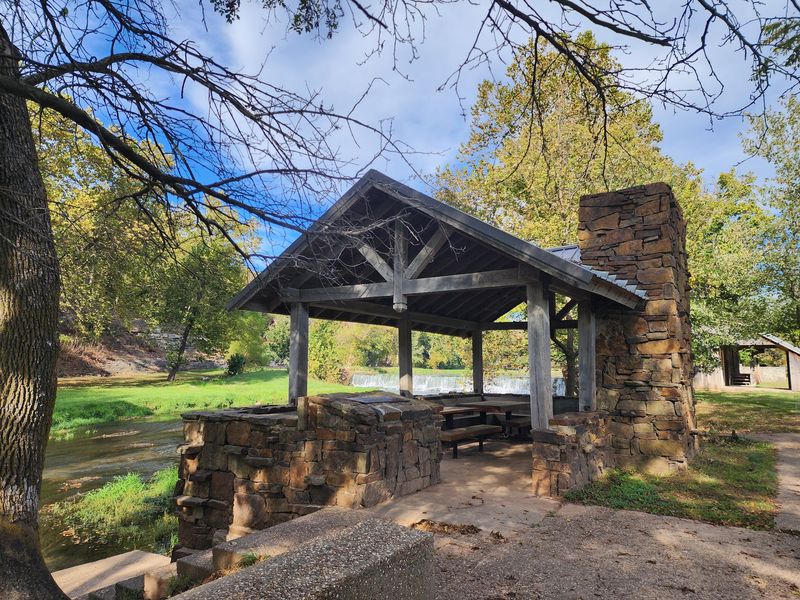
Getting recognized on a national level is a pretty big deal for an old country mill, and this one earned that honor. Jolly Mill is listed on the National Register of Historic Places, which is a way of saying it truly matters to American history.
That listing helps highlight just how special this spot along the creek really is.
Places on that register are chosen because they tell an important story about the people and communities who came before us. In this case, the mill shows how rural families in the Ozarks worked, gathered, and depended on one another to get by.
It is a little window into a way of life that most of us only hear about.
So when you are wrapping up your visit, take one last slow look at the mill and the water rolling beside it. Snap a few photos, sit for a moment, and let yourself enjoy the fact that this piece of Missouri was saved for all of us to share.
Then tell your friends about it, because the more people who appreciate places like this, the better chance they have of sticking around for a very long time.
