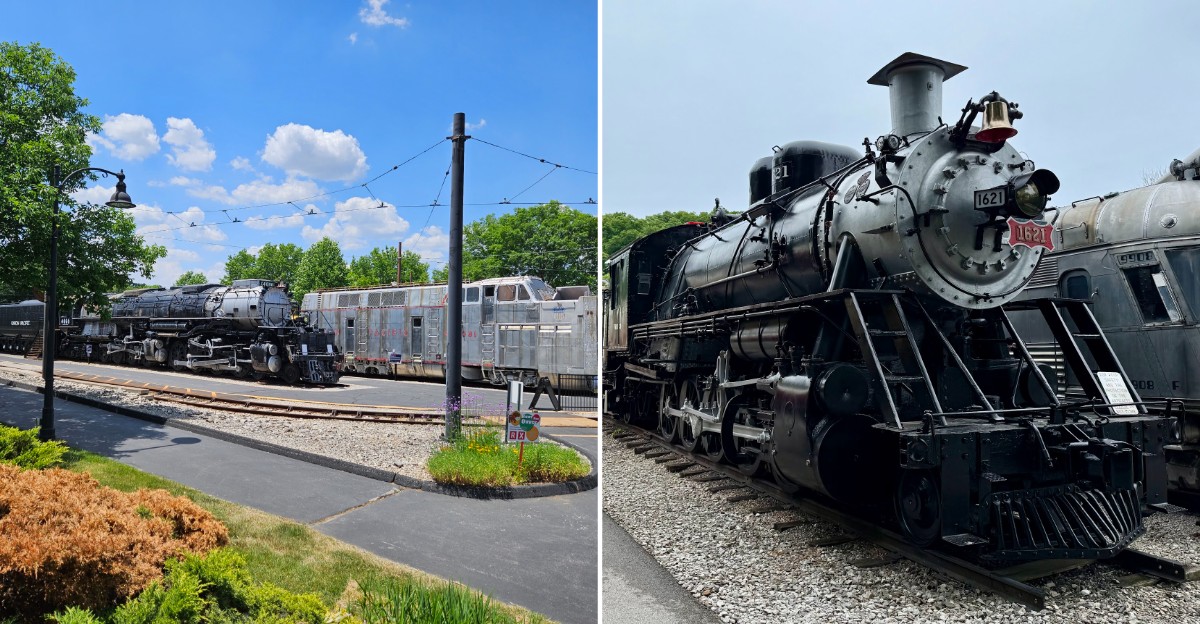
That 132-foot steam engine is a jaw-dropper. The miniature train ride gives you a chance to make a little loop around the grounds.
This Missouri museum has more than 190 transportation exhibits, from historic railcars to aircraft and the “Big Boy.” You can stand beside a giant piece of rail history and climb aboard a tiny train in the same visit. There’s plenty to spot as you wander, including old streetcars, unusual vehicles, and machines that make you stop for a second look.
The large exhibits give the day its wow factor, while the miniature ride adds a playful change of pace. Bring a curious friend, take your time exploring, and save a little energy for one more trip around the tracks.
That little train might just be the part everyone talks about on the way home.
The Big Boy Locomotive That Steals The Whole Show
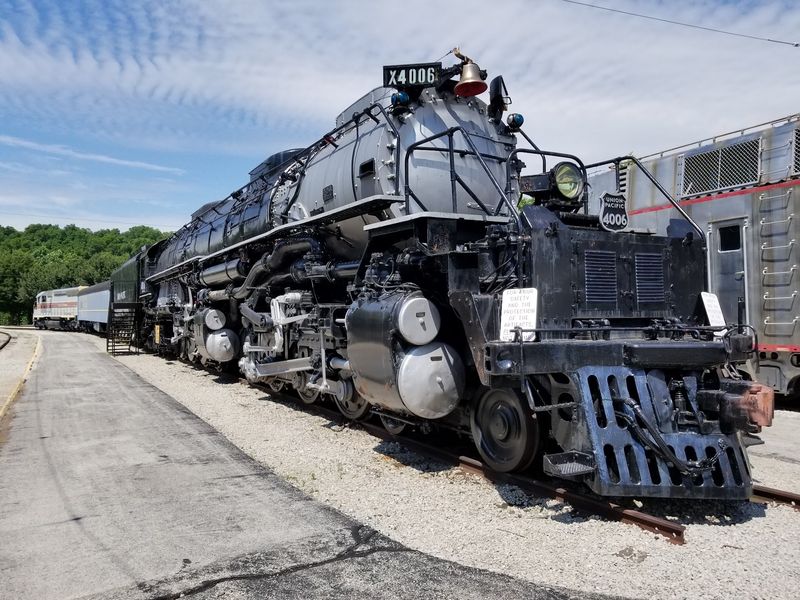
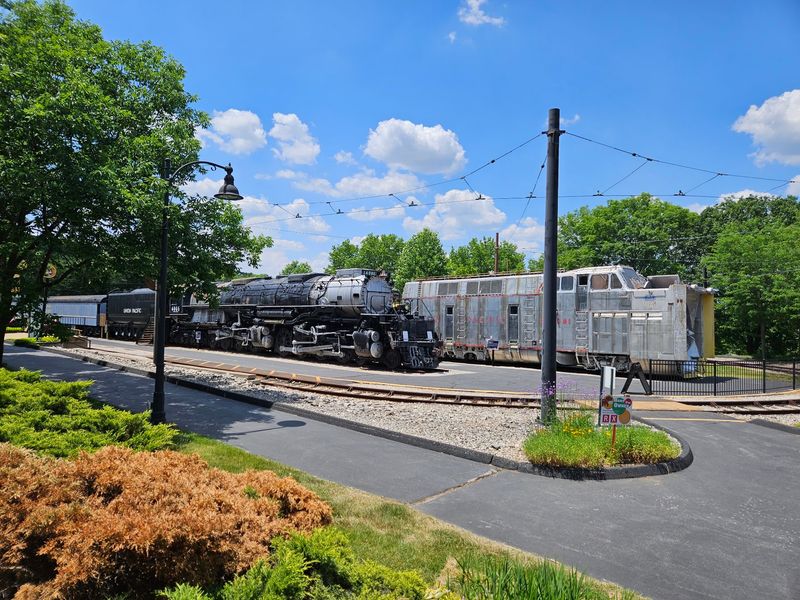
Honestly, you have to stand right next to this engine before you really get how huge it is, because pictures just do not do it justice. The Union Pacific Big Boy at the museum is one of the largest successful steam locomotives ever built, and it stretches out so long that you might need to walk a while just to see both ends.
Here is the part that gets people excited, so listen up. You are actually allowed to climb up into the cab of this giant, which is where the crew once worked to keep the whole thing moving.
Kids love pulling on imaginary levers and pretending they are in charge, and plenty of grown-ups do the very same thing when nobody is watching.
These engines were built to haul heavy freight trains over steep mountain routes out west, which is why they needed so much muscle. Only a small handful of Big Boys still survive today, so seeing one up close in Missouri is a pretty special deal.
My advice is to bring a camera and take your time walking around the wheels, because they look wild when you crouch down low. If you want the best photos, try catching it when the sun is not directly overhead and the shadows are softer.
Finding Your Way To Barrett Station Road
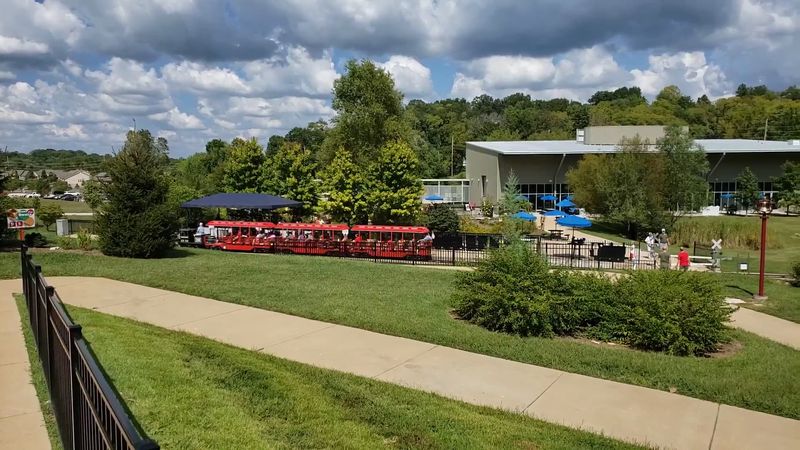
Before you load everyone into the car, it helps to know exactly where you are heading so nobody ends up circling around. The museum sits at 2933 Barrett Station Road, St. Louis, MO 63122, tucked a little outside the busy middle of the city in a leafy part of St. Louis County.
Because it is a bit away from downtown, the place often feels calmer than some of the bigger attractions people crowd into. You get room to breathe, wander, and actually look at things without bumping elbows with a hundred strangers at every turn.
Keep in mind that the museum is closed on certain weekdays, so check the official website before you head out the door. Nothing is sadder than driving over with excited kids in the back seat and finding the gates shut for the day.
The grounds are spread out across a lot of land, and a big chunk of the experience happens outdoors. That means you should glance at the weather forecast and pack sunscreen, water, and maybe a light jacket depending on the season.
There are covered areas and indoor spaces if a quick shower rolls through, so a cloudy sky does not have to ruin your plans. Just plan on spending a good part of the day, because rushing through this place would be a shame.
All Aboard The Wm. F. Ross Special Miniature Train
Okay, so this is the ride that gets little faces lighting up the second they spot it chugging along the track. The Wm.
F. Ross Special Miniature Train takes riders on a short trip around the museum grounds, and it is open to visitors of every age.
You might think a small train is only for toddlers, but grown-ups hop on all the time and look just as happy about it. There is something really charming about squeezing into a tiny seat and rolling past big historic engines from a totally different angle.
The ride is an add-on, so you will want to grab a ticket for it separately from your regular admission. Some visitors pick up family packages online before they arrive, which can bundle train rides together and make planning easier for a group.
Since it runs outdoors, the train depends on good weather and on everything working smoothly mechanically. If skies look stormy or there is a repair going on, it might not be running, so it is smart to have a backup plan ready for the kids.
My tip is to ride it fairly early in your visit, since it gives you a fun overview of the grounds. After that, you will have a better idea of where you want to go explore on foot.
A Real Trolley Rolling Down Its Own Line
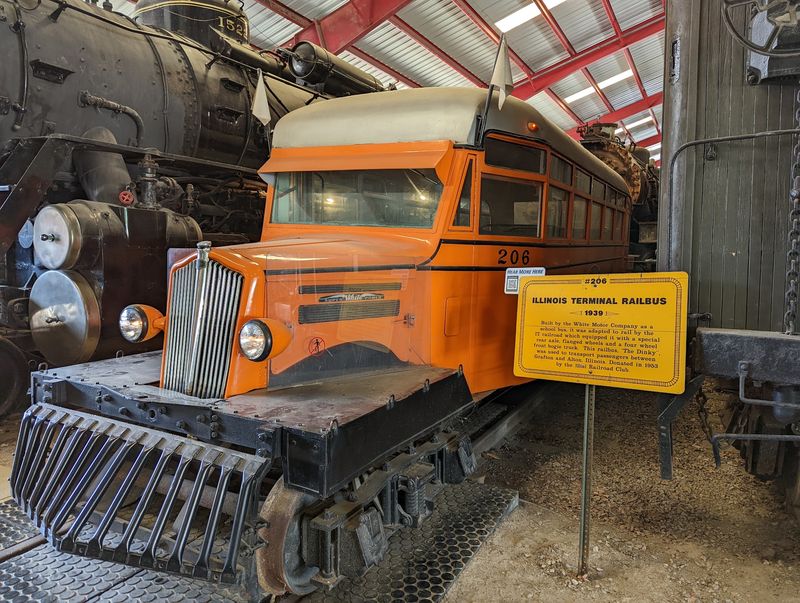
Can you picture riding a full-sized streetcar the way folks used to get around town long ago? At this museum you can actually do that, thanks to a restored trolley that runs along the Neil F.
Norkaitis Demonstration Trolley Line.
This is not a tiny model like the miniature train, so expect a proper, roomy car with real seats and big windows. It gives you a peek at what everyday city travel felt like before most families had cars sitting in their driveways.
The trolley usually runs on certain days through the warmer part of the year, and it also depends on the weather and on mechanical readiness. Checking the museum website before your trip is the easiest way to find out whether it will be rolling when you show up.
Kids who have never been on a streetcar tend to find it pretty thrilling, especially when it starts to move and hum along the rails. Older visitors sometimes enjoy it for a different reason, since it brings back the feel of old neighborhoods and city streets.
If you can, try pairing a trolley ride with the miniature train on the same visit. Doing both gives you a fun comparison between a small play-sized ride and the real working kind that once carried commuters.
Rows And Rows Of Rail Giants Waiting Outside
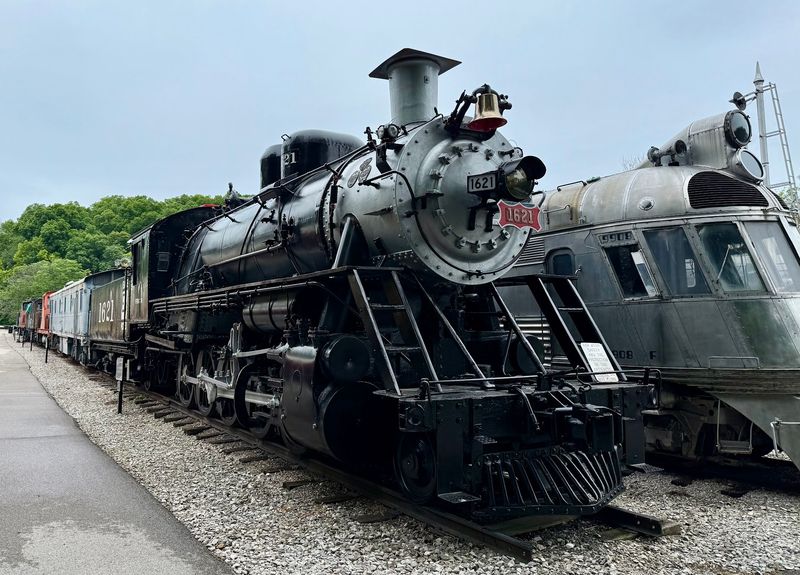
Once you wander past the Big Boy, you will realize it is just the beginning, because the rail collection here goes on and on. The museum has one of the largest collections of rail and transit vehicles anywhere, and plenty of the engines are the last of their kind.
Keep an eye out for the Norfolk and Western Y6a, which was a seriously powerful steam engine built for hauling heavy coal trains. Nearby you will also find diesel and electric engines, including the EMD FT and the Milwaukee Road Bi-Polar electric, which has a really unusual shape.
There is even an old passenger coach from the early days of rail travel, and it is fun to compare it with the newer cars around it. You start noticing how seats, windows, and even doors changed as trains got faster and more comfortable.
Some cars let you step right inside, which makes the history feel a lot more real than reading a sign ever could. Visitors often mention that the morning guided tour is worth joining, since guides can unlock extra train cars that stay closed otherwise.
Wear shoes you can walk in all day, because this part of the museum covers a lot of ground. There are benches scattered around when your legs need a breather.
Shiny Classics Inside The Lindburg Automotive Center
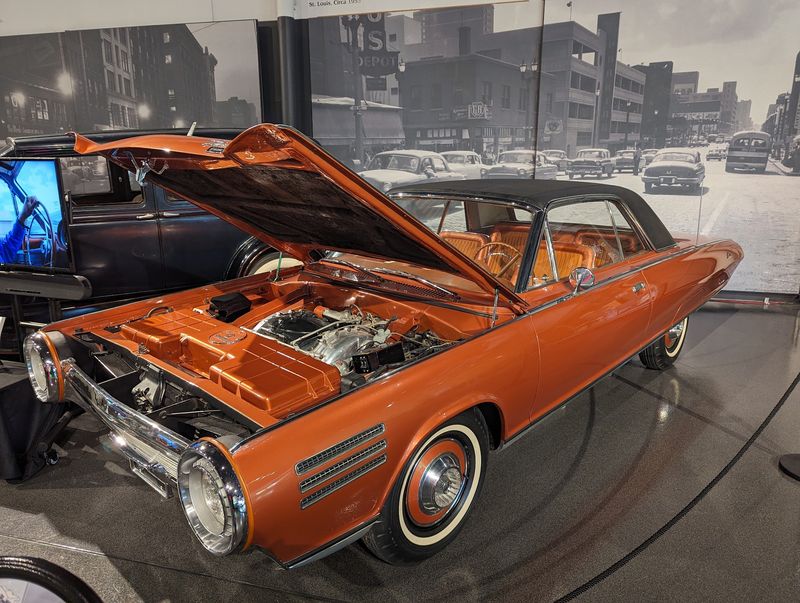
Trains get most of the spotlight, but the car lovers in your group are going to want to spend real time in the Earl C. Lindburg Automotive Center.
It is an indoor space, which is also a nice break if the sun is beating down outside.
The big headliner here is the Chrysler Turbine Car, and this museum has the only running one that the public can come see. It used a jet-style turbine engine instead of a regular one, which still sounds a little futuristic when you think about it.
You will also find an early automobile built by the St. Louis Motor Carriage Company, and only a few of those are known to still exist. Seeing a car made right here in the area adds a cool hometown twist to the whole visit.
Many of the vehicles connect to Route Sixty-Six and to car building around St. Louis, so it feels tied to Missouri history rather than random. The signs are easy to read, and you can move along at your own pace without anyone rushing you.
If you are into photos, this is a great spot to snap some pictures of gleaming paint and chrome. Just take your time, because the details on these old cars are easy to miss.
Wings And Jets You Probably Did Not Expect
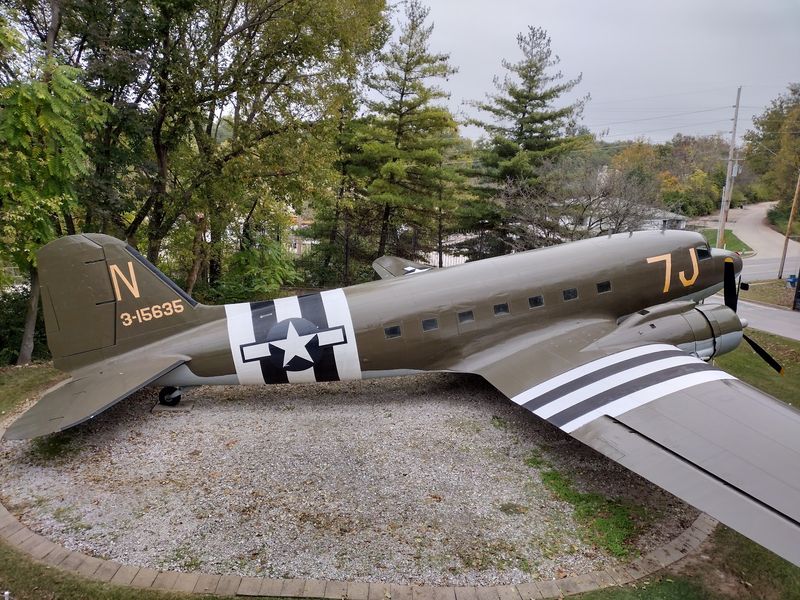
You came for trains, sure, but nobody warned you there would be airplanes parked on the grounds too, right? The museum has been growing its aircraft collection, and it adds a fun surprise to a day you probably thought was all about rails.
One of the most exciting pieces is the very first production F/A-18E Super Hornet, a Navy fighter jet with a sleek, serious look. Standing near it gives you a real sense of how big and powerful these planes are compared to what you see in movies.
There is also a C-47 transport plane, which is the military version of the famous DC-3 airliner from Douglas Aircraft. This particular plane is believed to have played a part in the D-Day invasion, so it carries a lot of history on its wings.
A T-33 training jet rounds things out, and it was the kind of plane that pilots learned to fly in. Lining these up in your head shows how quickly flying changed from propellers to jets.
Kids who love airplanes will probably want to circle each one a few times, so leave some extra minutes for this area. It is also a nice chance for grandparents to share stories about planes they remember.
Hands-On Fun At The Creation Station
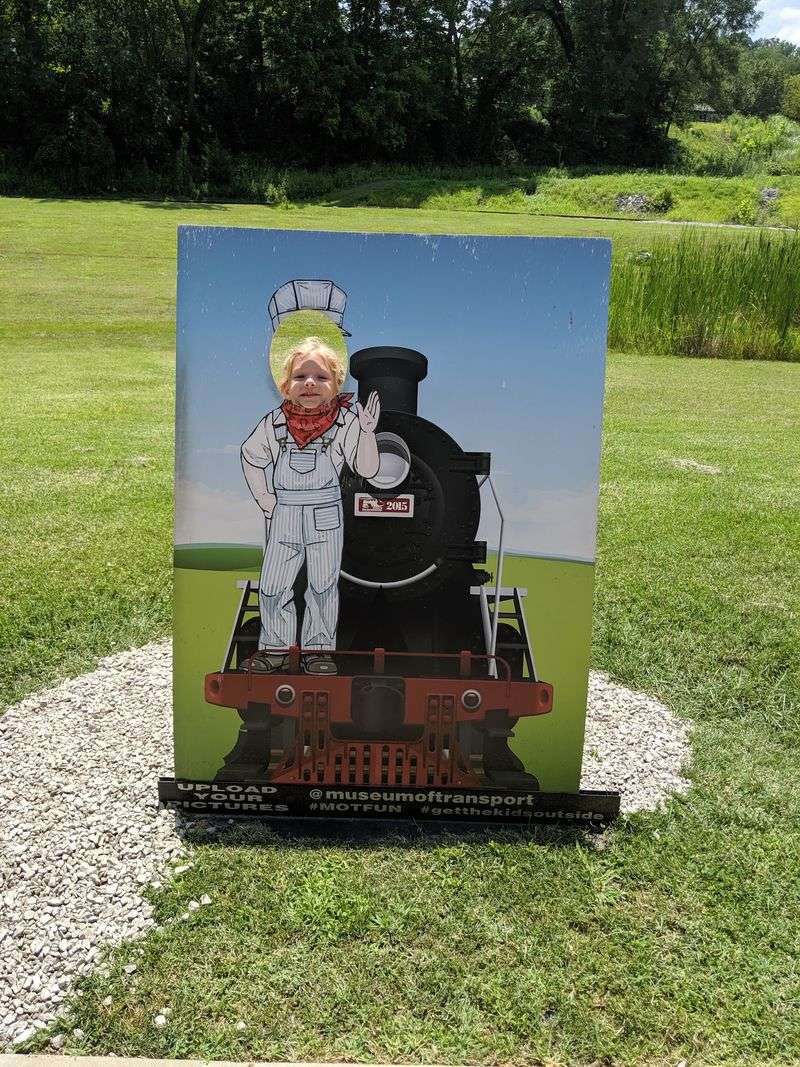
When the little ones start getting wiggly after all that walking, you will be really glad the Major Lee Berra Creation Station exists. It is a hands-on area built for younger visitors, where they can play, build, and burn off some energy indoors.
Parents of toddlers often say this space ends up being a favorite, sometimes even more than the giant trains outside. Kids can touch everything, which is a nice change from places where they constantly hear please do not touch.
There is a small extra charge for the Creation Station, and visits are timed, so think about reserving a spot when you first arrive. That way you can plan the rest of your day around it instead of hoping for an opening later.
Around the museum you will also find snack bars with simple food that keeps everyone going, plus gift shops filled with toys, books, and shirts. Some families bring a picnic lunch instead, since there is plenty of outdoor space to spread out.
The museum keeps adding new and changing exhibits, so there is a good chance you will see something fresh if you come back to Missouri again. Honestly, between the Big Boy, the little train, and this play space, your crew will have plenty to talk about on the drive home.
