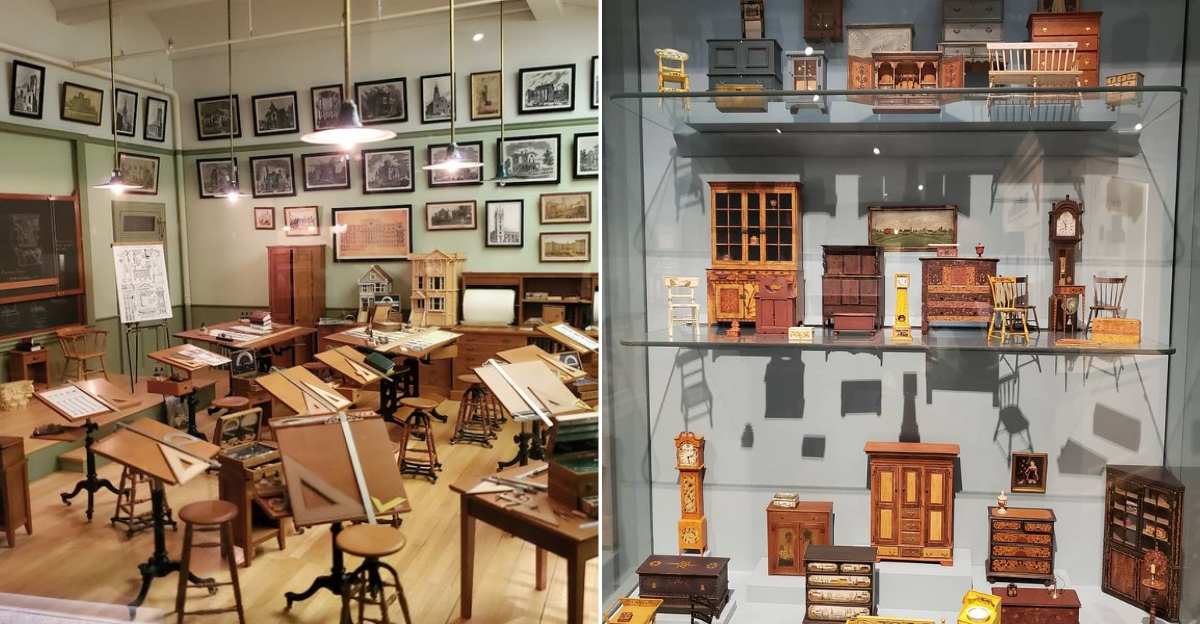
A staircase leads up to a world where a teacup fits in the palm of your hand and a grand piano is smaller than a paperback book.
You find yourself hunched over, peering into dollhouses so detailed they make your own living room feel bare, and each delicate chair and tiny painting feels like a masterpiece.
The experience is so disorienting that you forget your own scale for a moment, making you feel like a friendly giant in a room designed for a different kind of wonder.
This Missouri museum houses the largest collection of fine-scale miniatures in the world, with objects crafted on a 1:12 scale that are so detailed you will need to press your face against the glass to believe them.
Whether you’re a child or an adult, walking through this place is a constant reminder that small things can hold the biggest surprises.
The First Weird Little Jolt
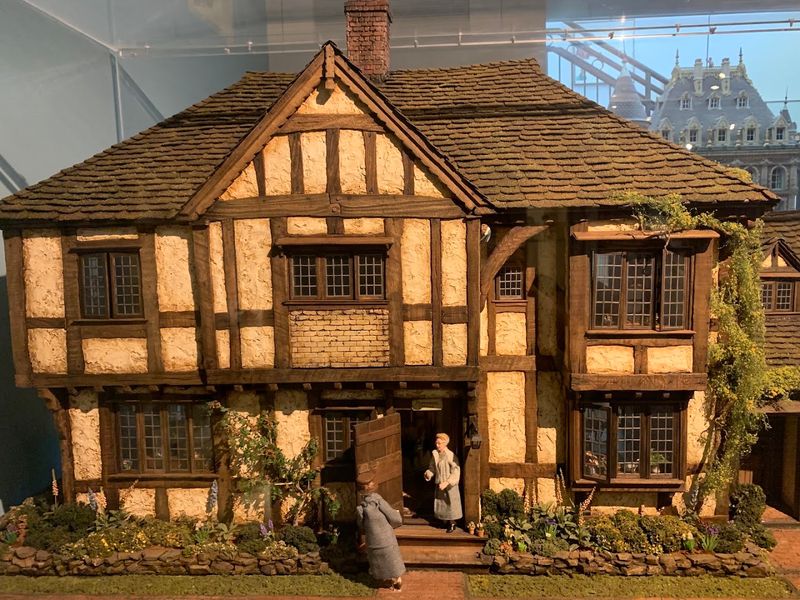
The first thing that got me was how quickly my brain gave in to the illusion, because one minute I was walking through a museum like normal, and the next minute I felt absurdly huge standing over rooms that looked ready for somebody to light a fire and sit down with a book. That shift happens fast here, and it is oddly delightful.
You are not just looking at miniatures, you are adjusting to an entirely different sense of space.
What makes the feeling stick is the precision, because every chair leg, framed picture, wallpaper pattern, and polished tabletop seems to belong exactly where it is. Nothing feels tossed together for effect, and that sincerity makes you lean in closer without even realizing it.
I kept catching myself squinting as if the tiny people had only stepped out for a moment.
There is also something very calming about the pace the museum naturally creates, since everybody around you slows down and starts noticing details instead of rushing past them. In a city day full of noise and motion, that quiet concentration feels almost luxurious.
Before long, you stop thinking of the displays as little objects and start treating them like places you somehow visited.
Where You Find It And Why That Helps

Honestly, I appreciated the location almost as much as the collection, because this museum sits in a part of Kansas City that already feels easy to fold into a day of wandering. You will find The National Museum Of Toys And Miniatures at 5235 Oak Street, Kansas City, MO 64112, right on the University of Missouri-Kansas City campus.
That setting gives the visit a nice rhythm, like you are stepping into a quieter pocket without leaving the city behind.
There is something fitting about seeing a place devoted to careful craftsmanship in a neighborhood that encourages you to look around a little more closely. The building itself has a grounded, welcoming presence, and it prepares you for a museum that feels thoughtful rather than flashy.
I liked that the arrival felt simple, because the surprises are saved for once you get inside.
If you are exploring Missouri with a loose plan and a curious mood, this stop slides in naturally without feeling like a production. It works whether you are museum hopping or just trying to find one memorable thing to do that afternoon.
Some places need a lot of setup, but this one gets straight to the charm and lets the details do the talking.
Rooms That Look Ready For Company
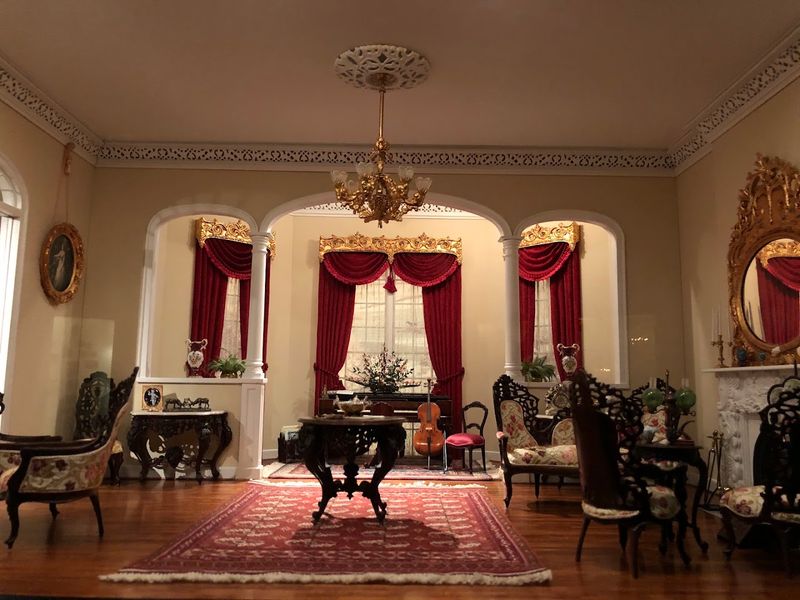
Some of these miniature rooms are so convincing that you half expect to hear a door click shut somewhere inside them, which sounds ridiculous until you are standing there staring at a tiny rug that looks softer than your own. The realism is not loud about itself.
It sneaks up on you through texture, proportion, and the way every object seems to belong to a whole life you can almost imagine.
I loved how the rooms never felt gimmicky or overdone, because the artistry depends on restraint as much as detail. A small writing desk, a fireplace screen, a vase placed just so, and suddenly the whole thing has mood instead of just accuracy.
That difference matters, and it is probably why these spaces feel emotional in a way I did not expect.
You start noticing how scale changes your relationship to ordinary objects, too, because a tiny lamp can somehow seem more precious than a full sized one ever does. Looking closely becomes the whole experience, and that is part of the fun.
By the time I moved to the next gallery, I was fully invested in these little rooms as if I had already spent an afternoon inside them.
The Architects Classroom Stays With You
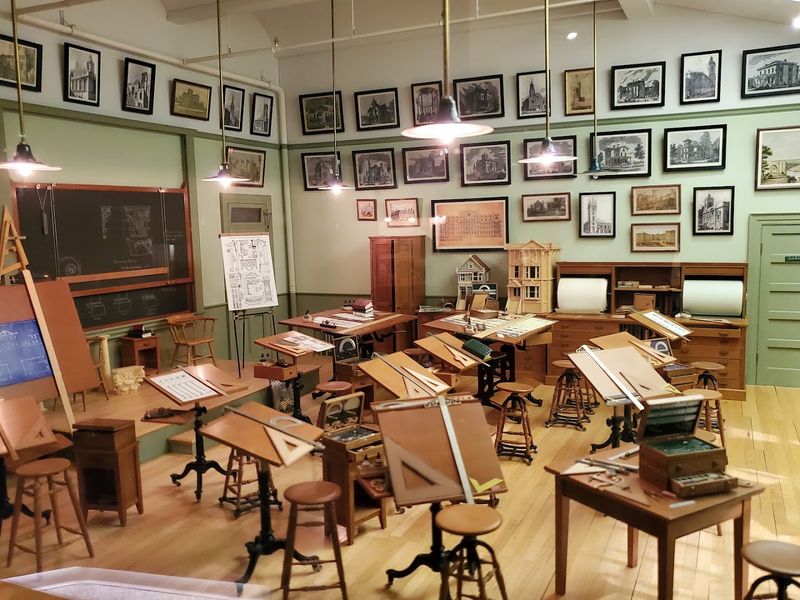
There was one classroom scene that completely stopped me, because it had the kind of detail that makes you laugh a little from sheer disbelief before you settle into admiration. Every surface seemed alive with purpose, from the little tables to the tools and papers that gave the room its working energy.
Instead of feeling frozen, it felt paused, like everyone had just stepped away for a minute.
What really got me was the sense of human attention packed into something so small, because you can tell this kind of work asks for patience most people do not even pretend to have anymore. The maker was not simply reducing a room in size.
They were translating atmosphere, routine, and personality into miniature form, and that is much harder than just copying appearances.
I found myself circling back for another look, which happened more than once during my visit and always felt like a good sign. The best pieces here do that to you, because they keep revealing new things after your first reaction fades.
In Missouri, plenty of museum visits are enjoyable, but not all of them leave you thinking about one tiny room later that night while you are brushing your teeth.
Why The Magnifying Glasses Matter
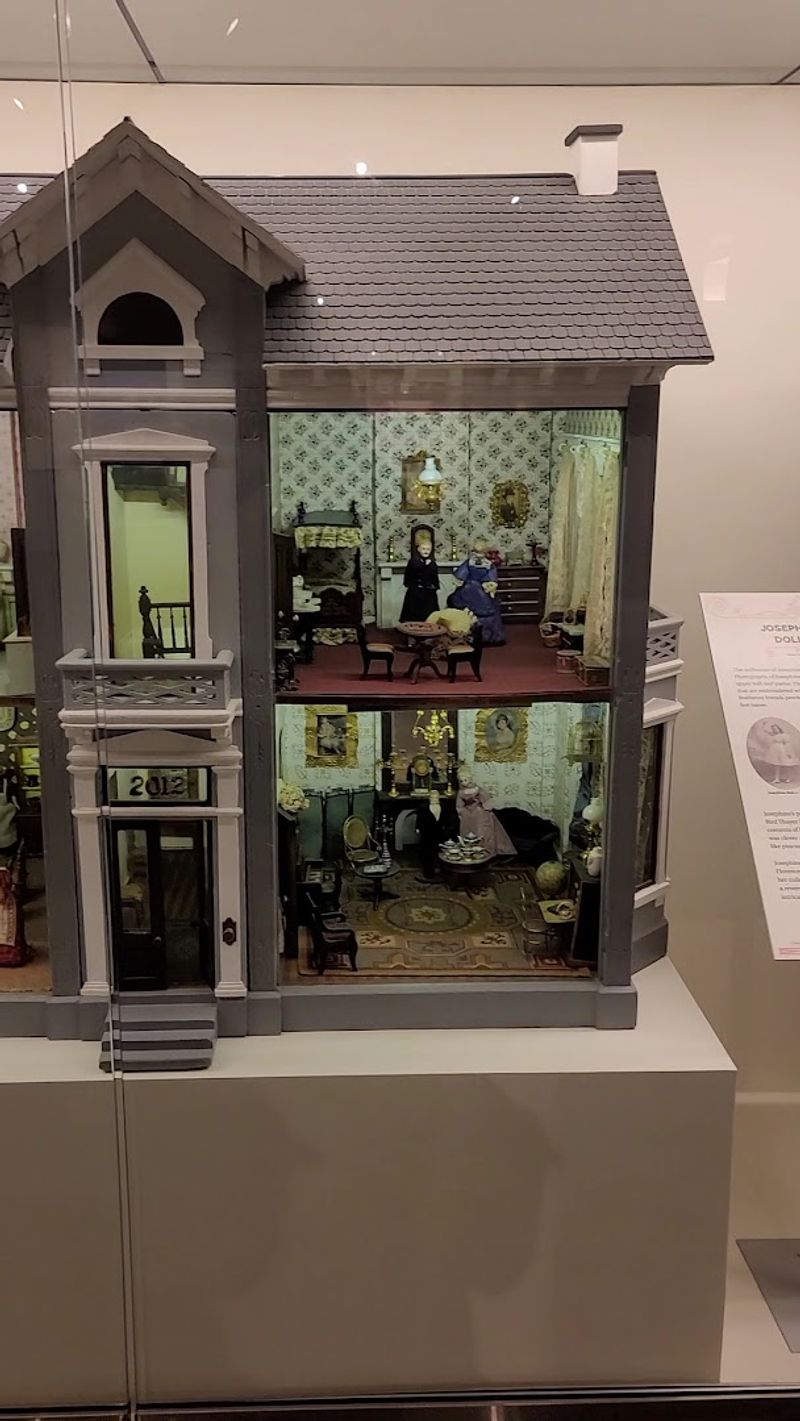
I am always weirdly touched when a museum quietly helps you look better instead of merely telling you to admire something, and that is exactly what happens here with the magnifying glasses. They sound like a small detail, but they completely change the experience.
Once you start using one, the miniatures open up in a new way and become full of tiny decisions you would have missed.
Through that closer view, you notice brushstrokes, delicate trim, tiny books, carefully scaled fabrics, and all the little edges where skill becomes visible. It turns the visit into a kind of slow investigation, except there is nothing tense about it.
You are just following craftsmanship wherever it leads, and it usually leads somewhere more impressive than you expected.
What I liked most was how the magnifying glasses gave everyone permission to linger, because there is no pressure to move quickly when the whole point is paying attention. People around me were leaning in, smiling, and taking their time in a way that felt almost communal.
In Kansas City, where days can easily fill with bigger attractions and louder energy, this kind of focused wonder feels especially refreshing and surprisingly memorable.
It Is Not Just Dollhouses
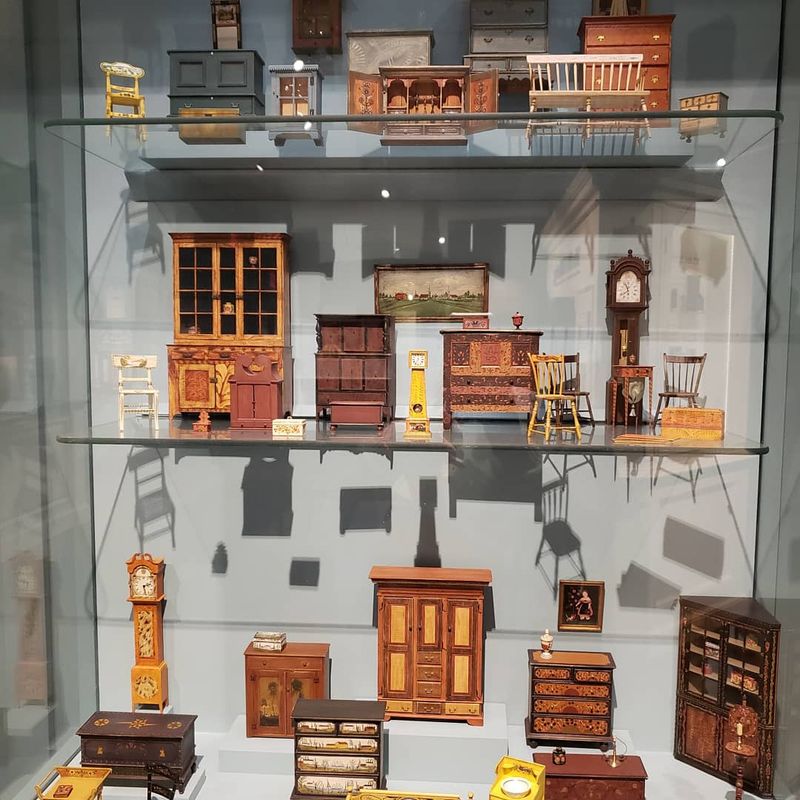
If you hear the word miniatures and immediately picture dollhouses, I get it, because that is where most minds go first, including mine. Then this museum gently broadens the whole category until you realize you are looking at tiny furniture, decorative arts, paintings, and room settings with serious artistic weight.
It starts playful, but it does not stay lightweight for long.
The range is what makes the galleries feel so satisfying, because your eye never settles into one predictable pattern. One moment you are staring at a beautifully scaled cabinet, and the next you are inspecting artwork so small it seems impossible anyone made it with calm hands.
That variety keeps the visit from turning repetitive, which can happen in niche museums if the curation is not thoughtful.
Here, the collection feels intentionally layered, so you move from charm into respect without any hard transition. I liked that balance a lot, especially because it welcomes people who know nothing about the field while still giving plenty to those who want to study technique.
Missouri has museums that impress through size, but this one does something trickier by proving that a tiny object can hold your attention just as powerfully as anything monumental.
The Maze Feeling Without Getting Lost
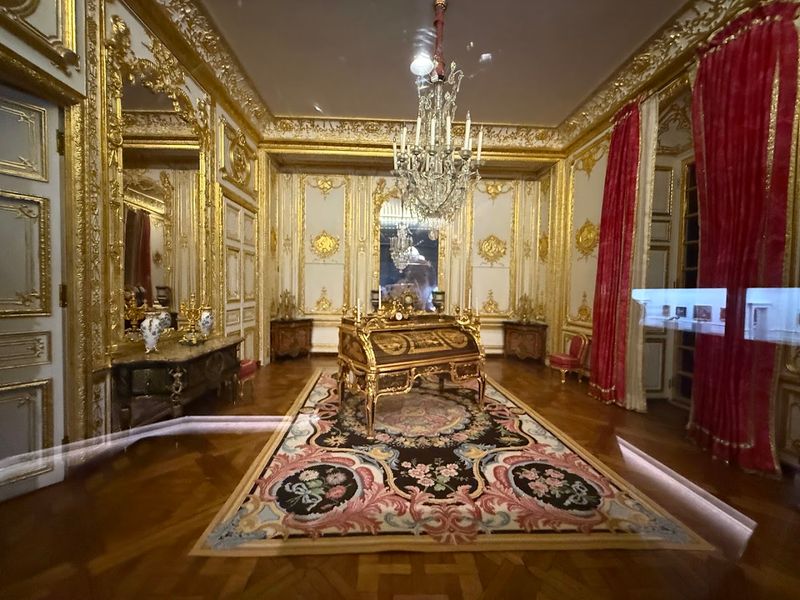
What surprised me after a while was how the museum creates this gentle sense of discovery, almost like you are wandering through a maze designed by someone who understands curiosity better than spectacle. You turn a corner, and there is another tiny scene asking for your full attention.
The rhythm keeps changing just enough that you never slip into autopilot.
I think that is why the visit feels lively instead of static, even though so much of the experience involves standing still and looking closely. Different rooms carry different moods, and the shifts between them make the collection feel more like a conversation than a catalog.
One display might pull you in with elegance, while the next one wins you over through odd little specifics you cannot stop talking about.
That unfolding quality gave me the same pleasure as exploring a neighborhood on foot, where the next interesting thing appears before you have finished thinking about the last one. There is no need for gimmicks when the craftsmanship already creates that sense of momentum.
By the end, I realized I had spent a lot longer inside than expected, which usually means a place has figured out how to keep wonder moving without ever raising its voice.
Then The Toys Hit You With Memory
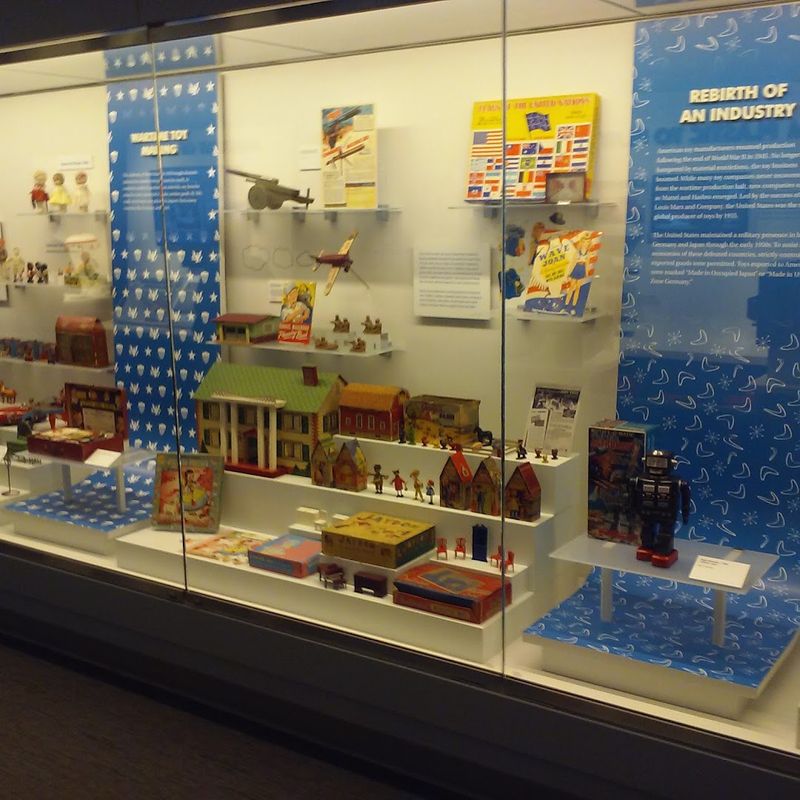
Just when you think the miniatures have fully taken over your attention, the toy collection steps in and changes the emotional temperature of the whole visit. Suddenly there is memory in the room, even when the objects are not from your own childhood.
Toys have a way of carrying traces of play, imagination, and ordinary family life, and that makes the galleries feel especially warm.
I liked that the museum does not present toys as simple nostalgia bait, because the displays still treat them with care and context. You can enjoy the colors, shapes, and familiar feelings while also recognizing how design and storytelling show up in playthings, too.
That mix keeps the experience from becoming sentimental in a shallow way, which I appreciated more than I expected.
There is a real pleasure in moving between tiny formal interiors and objects made for fun, because together they say something broad about making, collecting, and paying attention. The contrast gives the museum extra depth without making it feel academic or heavy.
By that point in the visit, I felt like Kansas City had handed me one of those rare afternoons where you start out mildly curious and end up oddly moved by things you almost overlooked.
Why It Feels Bigger Than It Looks
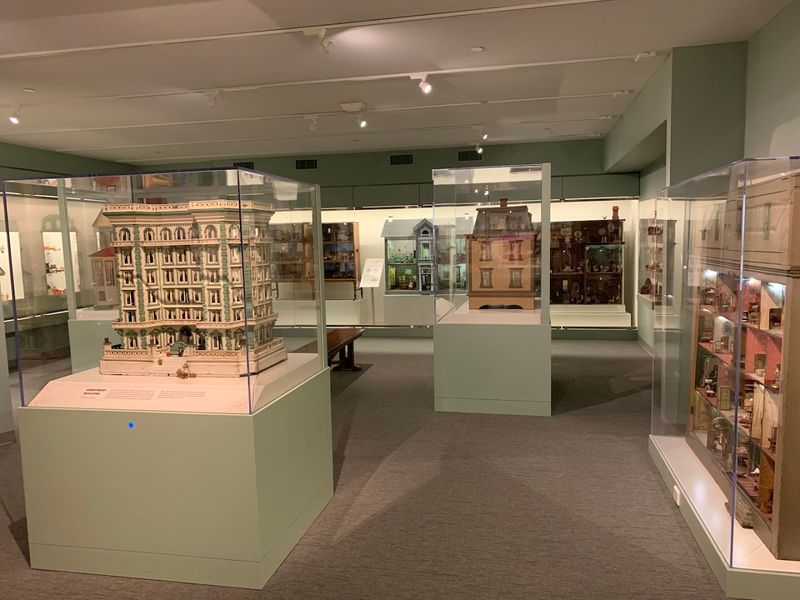
By the time I was getting ready to leave, I kept thinking about how unusual it is for a museum centered on tiny things to feel so mentally expansive. You spend the visit leaning closer, slowing down, and noticing more than you normally would, and somehow that creates a bigger experience instead of a smaller one.
It is a lovely trick, and this place pulls it off with real confidence.
Part of that comes from the museum’s tone, which stays welcoming and curious without talking down to anybody or overselling what is in front of you. It trusts the objects to do their work, and they absolutely do.
The result is a visit that feels intimate, a little whimsical, and genuinely artful all at once, which is not an easy balance to strike.
If a friend asked me what makes this stop worth it, I would probably say it is the way it resets your attention and gives you back a sense of wonder that daily life usually burns through too quickly. You leave seeing craftsmanship differently, and maybe seeing scale differently too.
In Missouri, that is not the kind of museum experience people always expect to talk about afterward, but it is exactly the one that kept replaying in my head on the drive home.
