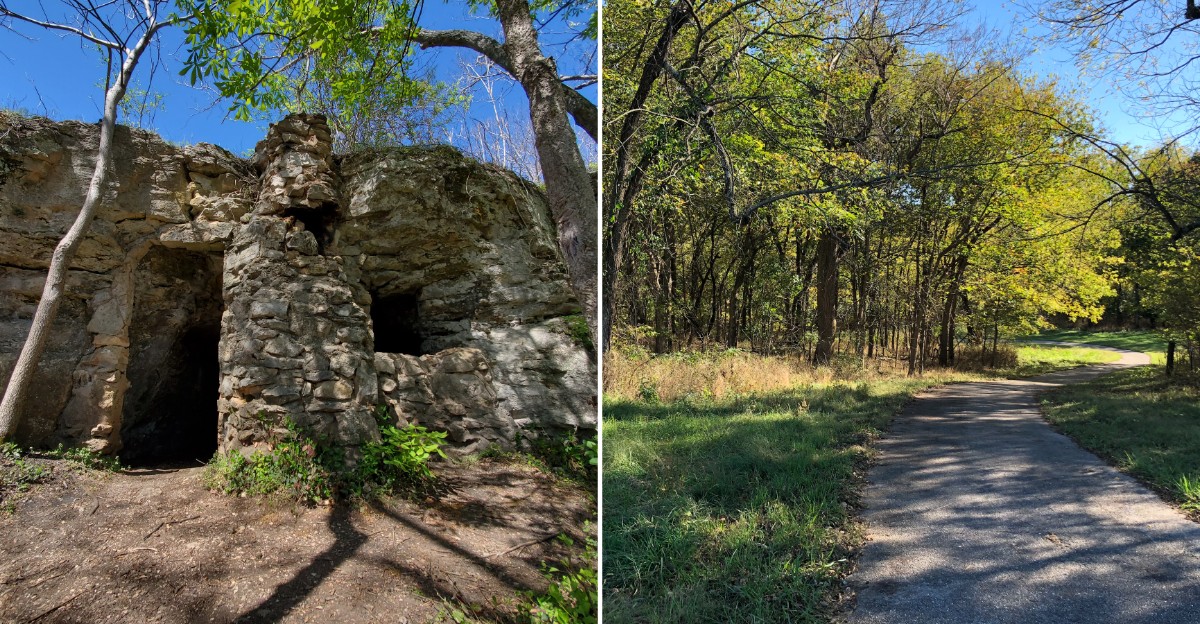
A river once changed its mind and left an entire hill stranded. That raised chunk of land stands about 60 feet tall and 200 feet wide, now circled by a floodplain.
The story gets better from there. The same park holds natural stone arches, small caves, and limestone bluffs along a quiet stream.
It also keeps an old farmhouse, a barn, and a Civil War-era family cemetery.
I like how all of this sits just past the edge of a busy Missouri city. You can trade traffic for rock formations without packing for a weekend trip.
I can’t imagine a better place to let curious kids loose on easy trails. Grown-ups who secretly want to climb into a cave count too.
Wanna find out where exactly is this geological oddball hiding?
A Wandering River Gave This Park Its Strange Name
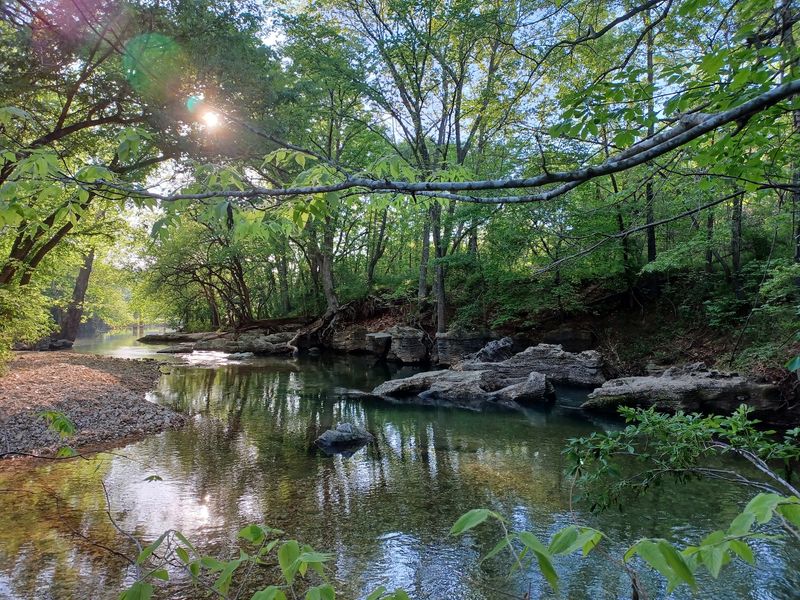
Rivers usually stay put, but the South Dry Sac River had other plans. Long ago, it shifted course and left a raised piece of land behind.
That leftover rise is the lost hill at Lost Hill Park in Springfield, Missouri. It stands about 60 feet tall and roughly 200 feet wide, with a floodplain wrapped around it.
Geology rarely gets a better punchline. Most hills earn their names from old settlers or a pretty view.
This one got named because a river wandered off and forgot to take it along.
The park covers 131 acres of natural resource area along that same river. You’ll find forest, prairie, oxbow lakes, and sinkholes packed into one compact landscape.
Oxbow lakes are curved pools left behind when a river bend gets cut off. They’re basically the river’s old footprints.
Sinkholes form when water slowly dissolves the rock underground. Both tell the same story about moving water shaping this land over time.
Knowing this backstory makes a walk feel different. Every bend and dip starts to look like a clue.
Bring a curious kid, and you might end up giving a mini geology lesson without trying.
Bluffs And Little Caves Make Every Bend Worth Exploring
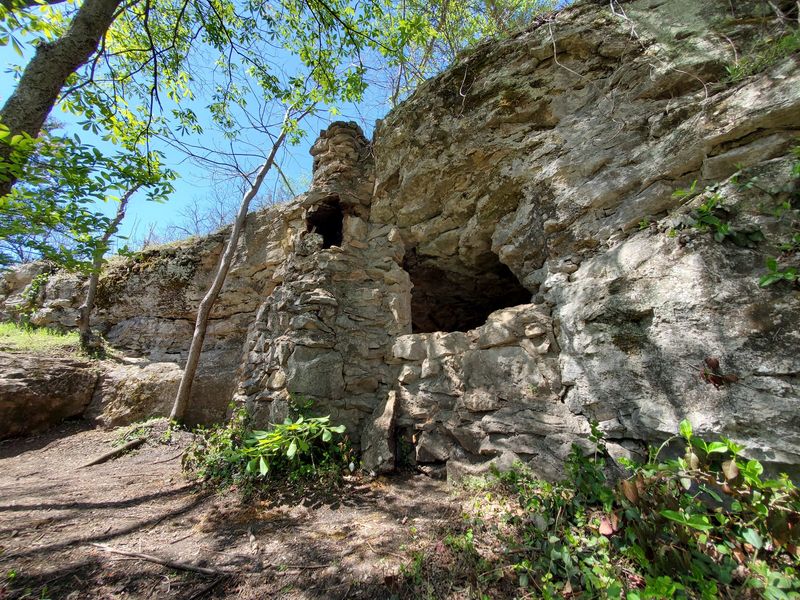
Limestone cliffs rise beside the water, and small cave openings dot the rock. It’s the kind of scenery that makes you slow down without meaning to.
These bluffs line the South Dry Sac River through Lost Hill Park. The trails stay easy, yet the views feel rugged and wild.
Small natural caves appear along the way. Some are shallow enough to peek into from the trail.
Others stay closed to protect bat populations that rely on them.
Bats matter more than people realize. They eat huge amounts of insects, which helps keep the outdoors more pleasant for everyone.
Respecting closure signs is a simple way to help them out.
The creek below the bluffs changes with the weather. After rain, it can flow strong and clear.
During dry spells, it may shrink to pools and rocky stretches.
Sturdy shoes with good grip are a smart call. Creek rocks can be slick, and caves often have uneven floors.
A small flashlight also helps when peeking into shadowy openings. Just remember, the goal is looking, not disturbing.
The bluffs have been here far longer than any of us.
Stone Arches Steal The Show Along The Trail
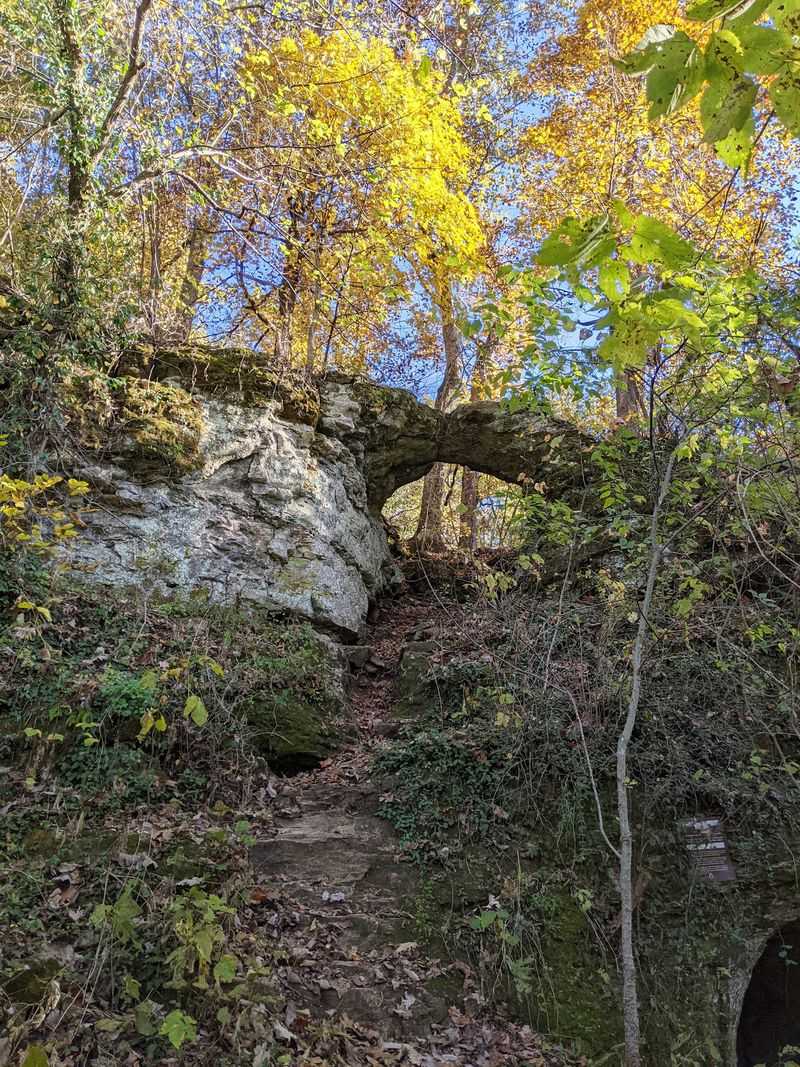
Natural arches are the kind of thing most people drive across states to see. At Lost Hill Park, one sits along an easy walk near Springfield.
Limestone does the heavy lifting here. Water slowly carves through the soft rock over long stretches of time.
Eventually, a gap opens, and a stone doorway is left standing.
Arches like this come from the same karst geology that shapes much of the Missouri Ozarks. Karst simply means rock that dissolves in water, creating caves, springs, and sinkholes.
The arch is one of the most photogenic results.
A small cave sits right behind the arch, which feels a bit like a bonus level. Kids tend to see it as a secret passage.
Adults usually agree, even if they act cool about it.
Bring a phone or camera with some free storage space. The rock textures look great up close, and the arch frames the trees nicely.
Please stay respectful of the formations. No carving, scratching, or climbing on fragile ledges.
These arches took ages to form, and they deserve to stay intact for the next curious explorer who wanders by.
Crawling Through Caves Is Officially An Option Here
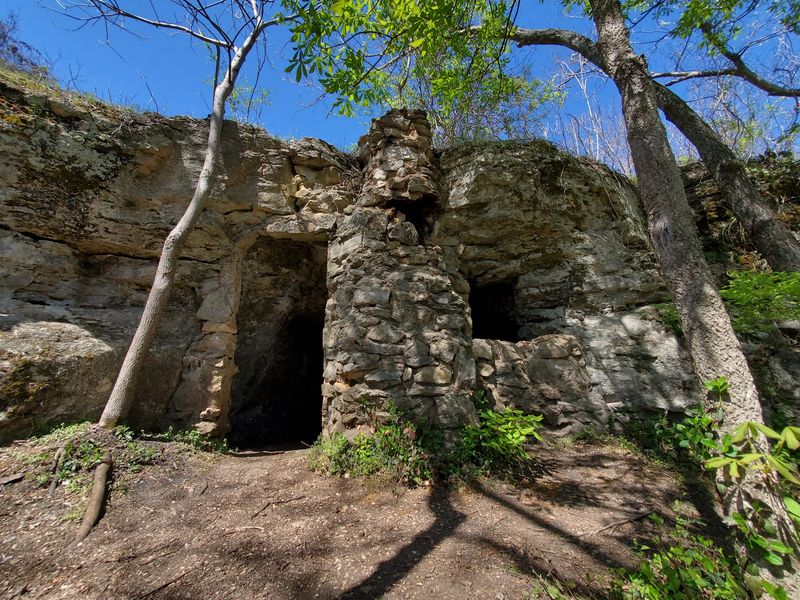
Walking, crawling, and climbing through three caves sounds like a movie scene. At Lost Hill Park, it’s an actual guided program.
The Springfield-Greene County Park Board runs its Outdoor Initiatives program from this park. One of its events is called Extreme Cave Tours, and the name is honest.
Participants explore three caves with a guide leading the way. Expect tight spots, muddy knees, and plenty of stories to tell later.
It’s a hands-on look at the karst topography beneath the park.
Guided tours make a big difference. Leaders know which areas are safe and which need protection.
Several caves are generally closed to visitors to protect bats, so a tour is the right way in.
This experience suits people who don’t mind getting dirty. Wear clothes you won’t miss and shoes with solid grip.
Leave the fancy jacket in the car.
Event schedules change, so check with the Park Board for current dates and sign-up details. Spots in programs like this can fill quickly.
Honestly, few city park systems offer real cave crawling. Missouri earns its nickname as the Cave State for good reason.
An Old Family Farm Still Leaves Clues Behind
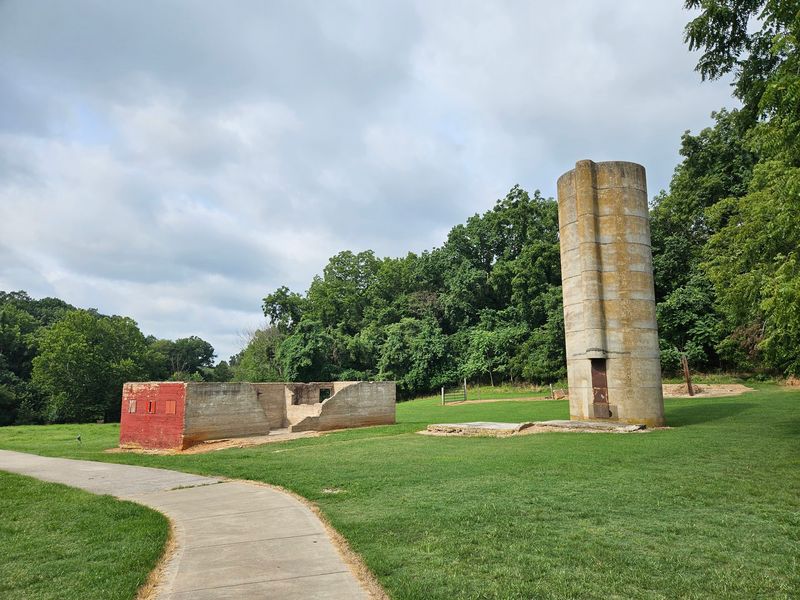
Long before trail signs went up, this land was the Owen family farm. The family owned it from the early 1900s.
Pieces of that farm life remain today. An old farmhouse and a barn still stand within the park boundaries.
A Civil War-era cemetery tied to the Owen family is here too. It’s a quiet reminder that people lived, worked, and raised families on this ground for generations.
Visiting historic spots like this calls for good manners. Keep voices low near the cemetery, and don’t move or touch the stones.
Respect goes a long way.
The Park Board acquired the property in 2004. After years of planning, it opened to the public in 2010.
Funding came from a voter-approved sales tax. That means local residents chose to protect this place.
It’s a nice example of a community investing in nature and history together.
Kids might enjoy imagining farm chores from a century ago. No tractors, no phones, just hard work and plenty of fresh air.
That conversation alone could make the walk more meaningful.
History here doesn’t sit behind glass. It’s right out in the open.
Your Bike Will Thank You For These Paved Miles
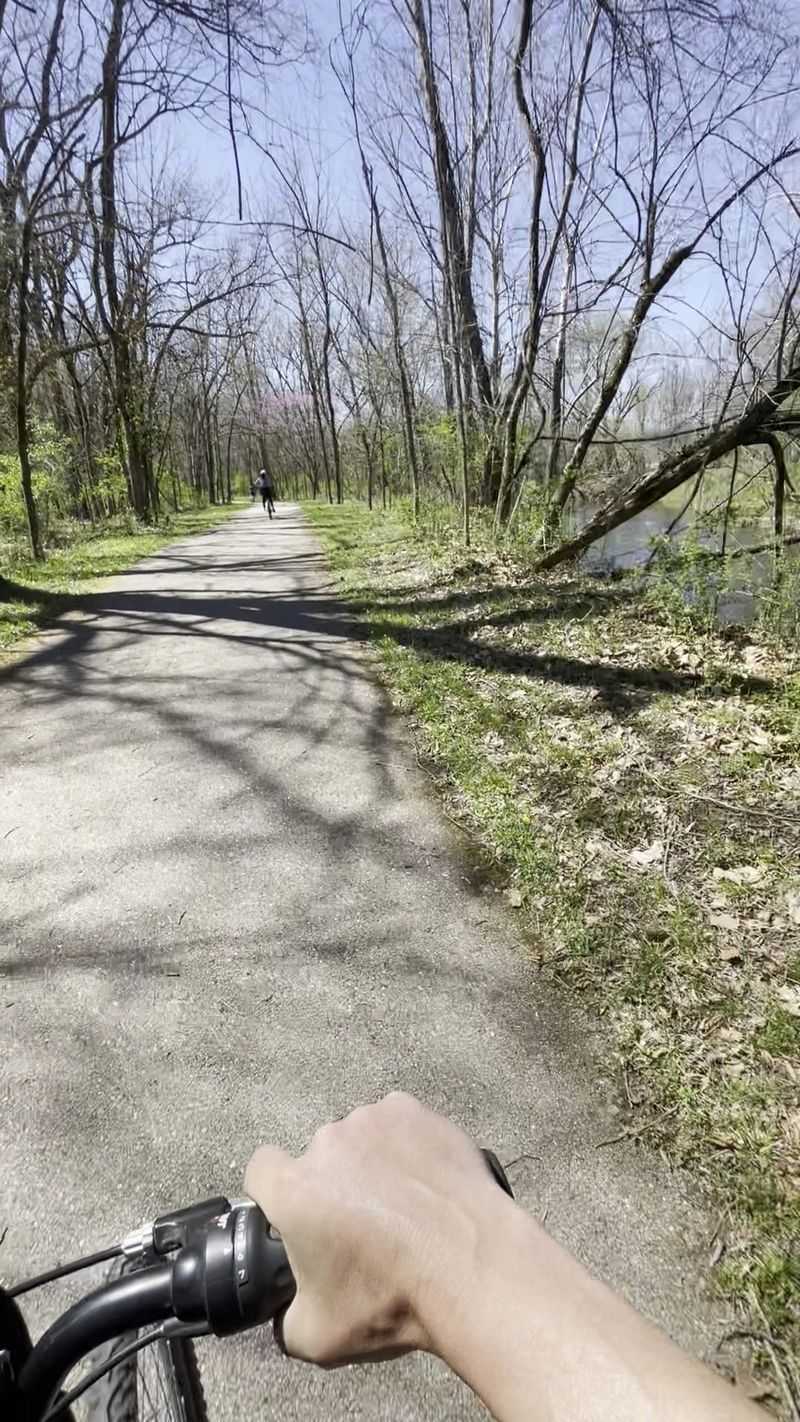
Nearly seven miles of trail start right from the parking lot. Lost Hill Park serves as a trailhead for the Fulbright Spring Greenway.
That greenway earned a National Recreation Trail designation in 2022. It’s a big honor for a path that begins at a quiet park.
The trails mix paved and unpaved sections. Most are rated easy, so beginners and families can enjoy them.
Strollers, bikes, and steady walkers all fit right in.
Along the way, you’ll pass rock formations and small caves beside the South Dry Sac River. It’s hard to beat scenery like that on a casual ride.
One practical tip matters a lot here. Some low crossings can flood after heavy rain.
Check the weather before heading out, and never ride or walk through moving water.
Early stretches can feel open and sunny. Pack water, sunscreen, and a hat on warmer days.
Dogs on leashes often join the fun too. Just bring bags and clean up after them.
Whether you go one mile or several, the greenway offers an easy escape. Missouri trail lovers will want to add this one to their list.
Prairie Is Making A Comeback, Guided By An 1834 Map
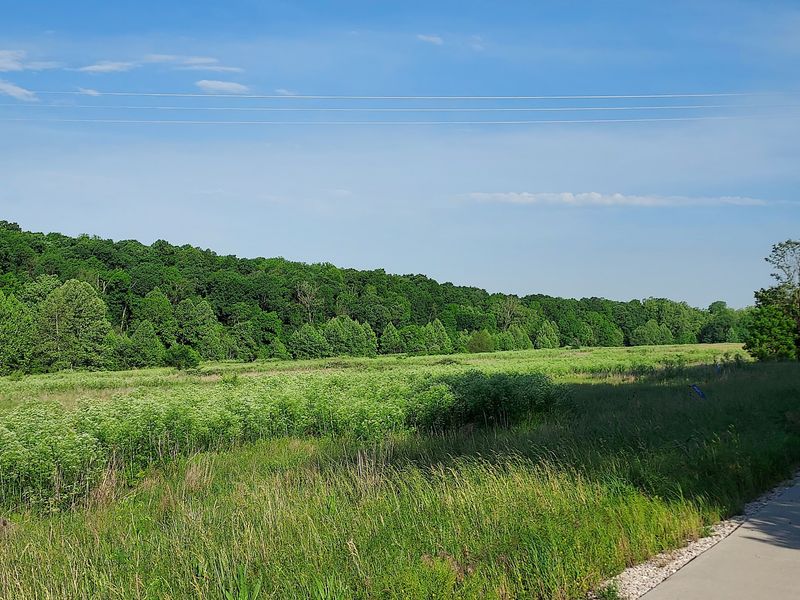
Few restoration projects get to use a land survey from 1834. Lost Hill Park does, and it’s pretty fascinating.
Crews are working to return parts of the park to open-canopy prairie. That means scattered trees with lots of sunlight reaching the ground below.
The 1834 survey shows what grew here long ago. It guides which historic tree species should come back.
It’s like using an old recipe to rebuild a classic dish.
The work also tackles erosion. Healthy native plants help hold soil in place, which protects the river and the trails.
Restoration can look messy for a while. You might spot bare patches or freshly worked ground in some areas.
That’s normal as new growth gets established.
Native plants bring pollinators too. Butterflies and dragonflies often drift across these open spaces on warm days.
A field guide or plant ID app can make this part of the park more fun. Kids can hunt for wildflowers and count different butterflies.
Watching a landscape heal over the years is rewarding. Each visit might show something new blooming.
Few places let you witness history and nature rebuilding side by side.
Pack A Picnic And Let The Kids Burn Off Energy
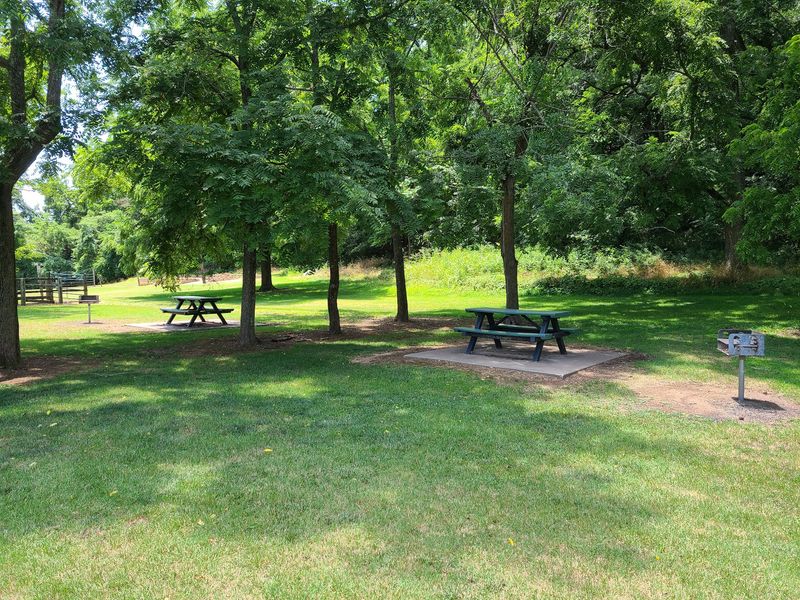
Snacks taste better outdoors, and the picnic setup here makes that easy. Picnic tables sit near the parking area and under the trees.
Lost Hill Park also has an Environmental Education Pavilion. It’s a covered spot that works nicely for group lunches or a break from the sun.
A small playground keeps younger kids busy. Swings are a popular pick after a long walk on the trail.
Parents get a few minutes to sit down, which is a win.
Restrooms and parking are available on site. That makes a half-day visit far more comfortable for families.
The creek is another favorite for kids. When water is flowing, shallow areas invite wading and rock hunting.
Bring water shoes and a towel, just in case.
Keep an eye on young children near water at all times. Currents and slick rocks can surprise anyone.
Pack out everything you bring in. Trash cans fill up, and wildlife shouldn’t snack on leftovers.
A simple lunch, a playground break, and some creek time make a pretty perfect afternoon. Few city outings feel this relaxed and this close to nature at once.
Getting There Takes Less Effort Than You’d Expect
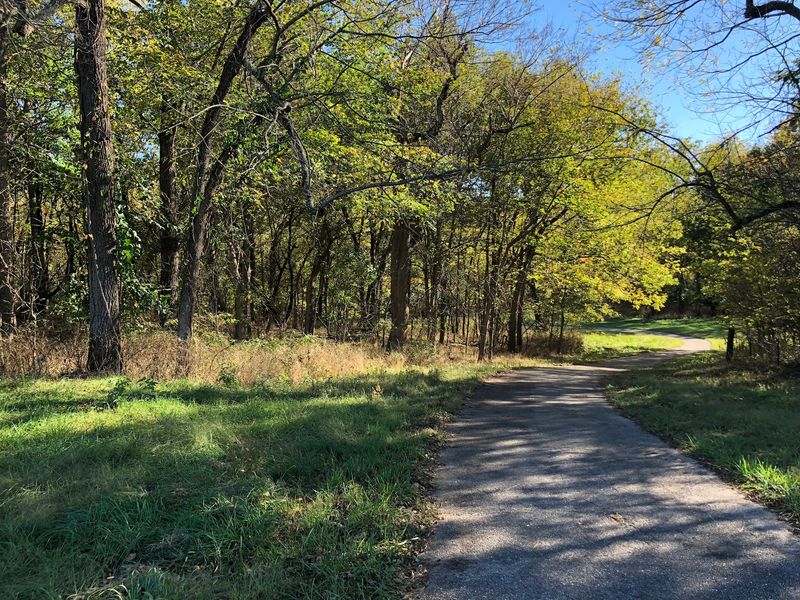
Wilderness feelings usually require a long drive. Here, the city sits just a short trip away.
You’ll find the park at 4705 North Farm Road 151, Springfield, MO 65803. It’s on the northwest side of town, close enough for a quick after-school or after-work visit.
The official hours run from sunrise to sunset. Plan ahead so you’re back at the car before dark, especially on longer greenway walks.
Timing can shape the whole trip. Spring often brings stronger creek flow and fresh green growth.
Fall offers cooler air and colorful leaves along the bluffs.
Summer heat can feel intense on open stretches. Early mornings tend to be more comfortable for walking and biking.
Check conditions after big storms. Trail crossings may flood, and some areas might close temporarily for safety.
Lost Hill Park shows how much the Missouri Ozarks can pack into one compact space. Arches, caves, bluffs, prairie, and history all share the same 131 acres.
That’s a lot of adventure for a park so close to town. Grab your shoes, fill a water bottle, and go meet a hill that a river left behind.
