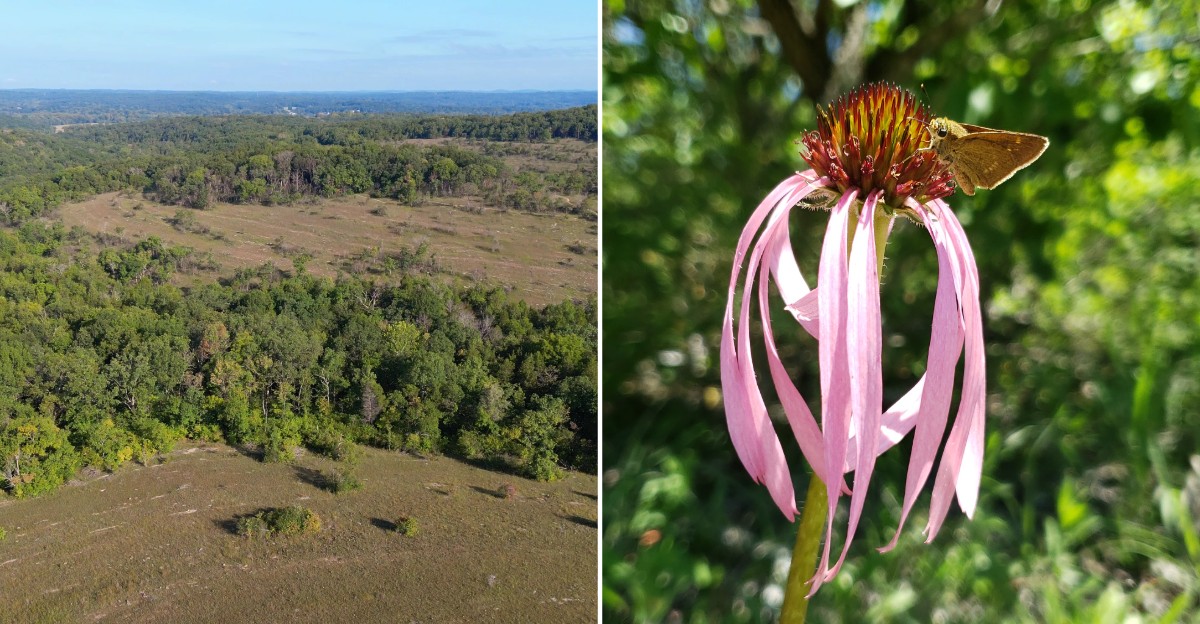
One small trail here passes plants and animals that look much like they did when early French settlers arrived. That alone made me stop and stare at the map.
A flower called Fremont’s leather flower grows here and in scattered locations in several other states.
The loop is short, under three miles. Yet it climbs, drops, crosses rocky streambeds, and bursts out of shady woods into wide-open glades.
I like how the scenery keeps flipping like pages in a picture book.
This corner of Missouri also shelters over 250 native plant species and 25 kinds of native butterflies. Lizards sunbathe on bare rock.
Small waterfalls wake up after a good rain.
I can’t imagine a better quick escape from screens and traffic. So how does a place this wild stay so quiet, less than an hour from a big city?
Meet The Rocky Openings That Make This Hike So Different
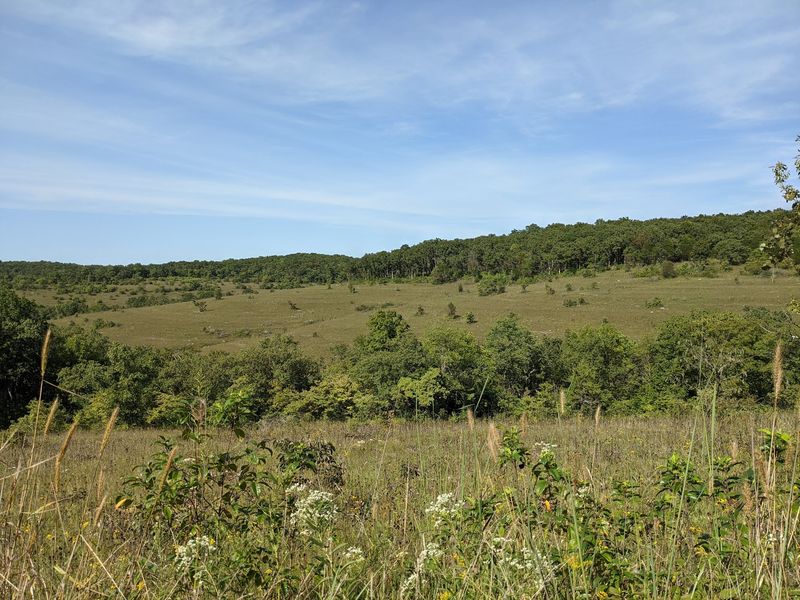
Bare rock, tough grasses, and wide sky make up the heart of Valley View Glades Natural Area. These open spaces are called dolomite glades.
They sit inside the woods like sunny clearings that forgot to grow trees.
The soil here is very thin, laid over sedimentary rock outcrops. Most glades face south or west, so they bake in the afternoon sun.
That heat and dryness keep many trees from taking over.
Plants that love these tough spots thrive anyway. You’ll see native grasses like little bluestem, Indian grass, big bluestem, and prairie dropseed.
In the right light, the whole slope looks golden and soft.
The glades also belong to a bigger complex. It stretches across Jefferson County, Ste.
Genevieve County, and other nearby counties. So this patch is part of a much larger natural story.
Here’s a fun bit of history worth sharing on the drive home. The area looks much like it did when early French settlers came through.
Not many places can claim that kind of staying power.
Bring sun protection for these open stretches. A hat helps a lot.
Shade disappears quickly once the trees step aside, and the rock throws heat right back at you.
A Short Loop That Still Makes Your Legs Work
Under three miles sounds easy, right? The Valley View Glades Trail runs about 2.5 to 2.8 miles as a marked loop.
Then the hills show up.
Elevation gain lands somewhere between 328 and 455 feet. That’s spread over short, sharp climbs and quick drops.
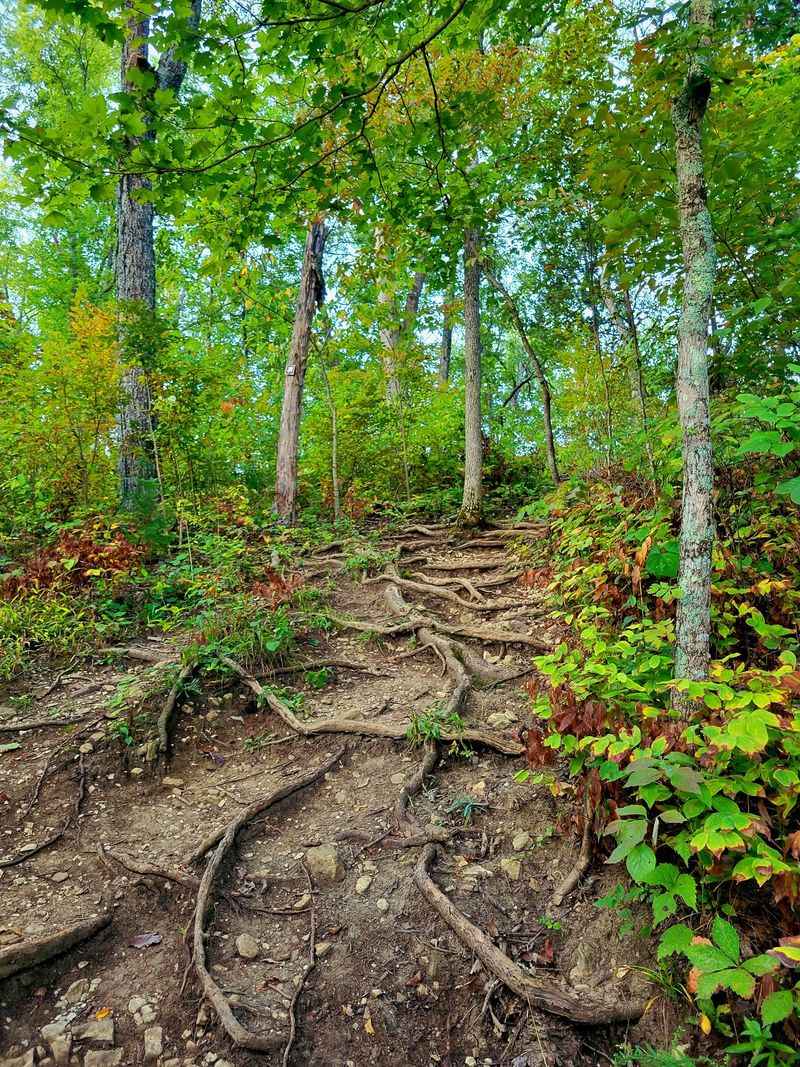
Rocky, uneven ground and exposed roots keep you watching your feet.
Some parts follow old roads, which feel wider and kinder. Those stretches give your calves a break.
Enjoy them, because the next climb is never far away.
The trail is moderately challenging, not brutal. Most hikers with decent shoes can handle it.
Still, plan extra time so you’re not rushing on loose rock.
Good footwear matters more than fancy gear here. Hiking shoes with solid grip help on slick stones.
A walking stick can also steady you on steeper sections.
Mud can build up after rainfall too. Packing a spare pair of shoes for the car is a smart move.
Your floor mats will thank you later.
I believe the challenge is part of the charm. A short hike that earns its views feels more satisfying than a flat stroll.
You finish tired, happy, and probably a little dusty.
Woods, Then Wide Open Sky, Then Woods Again
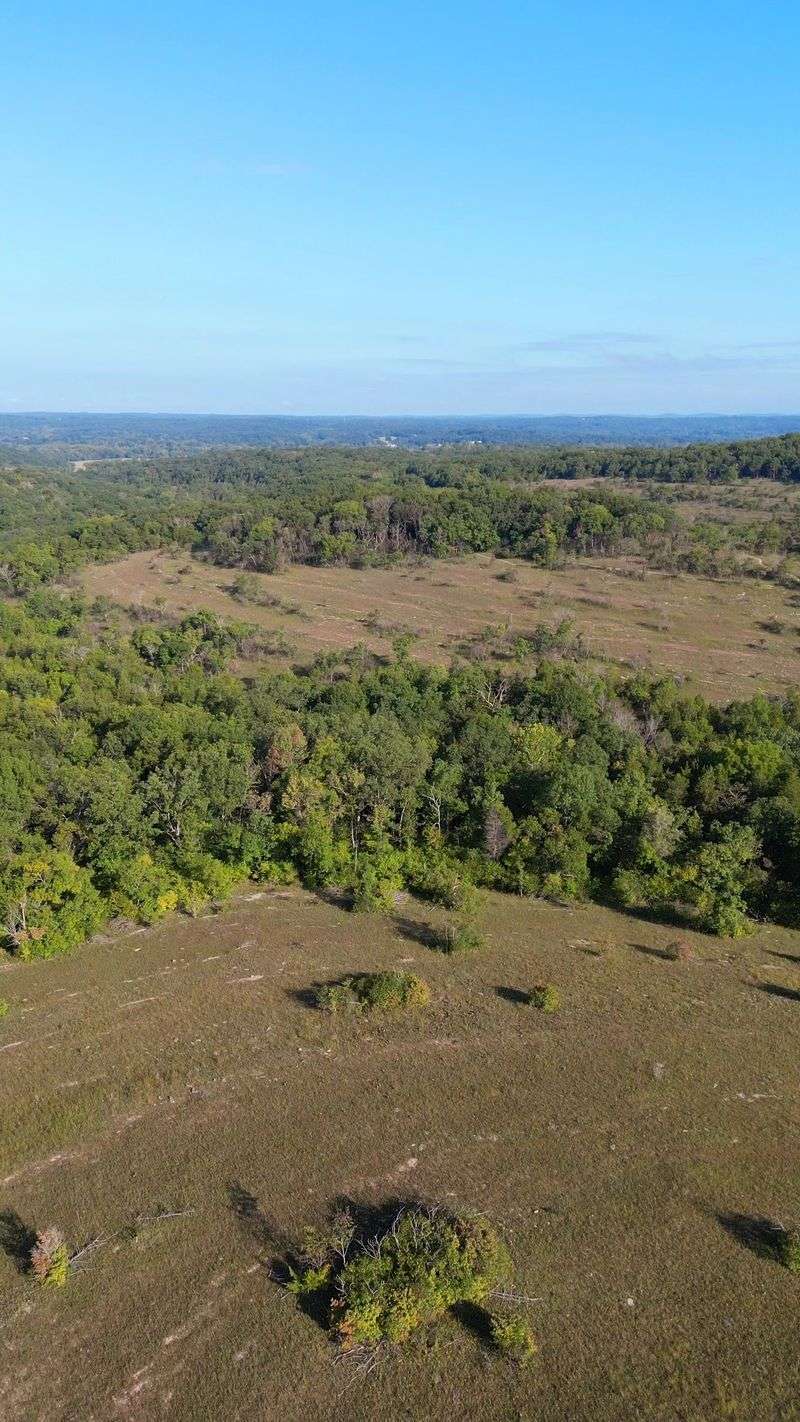
Shady trees close in around you, then suddenly they part. That shift from woods to open glade is the best trick this trail pulls.
The feeling of space hits all at once.
The loop keeps switching scenes. You move through wooded corridors, cross small streams, and climb onto open rocky slopes.
Then the forest wraps around you again.
Views open up over the valley from the higher glades. You can look back across the hills you just climbed.
It’s a nice reward for tired legs.
Changing scenery also keeps the hike from feeling long. Every bend seems to bring a new mood.
Cool and quiet one minute, bright and breezy the next.
Photographers get plenty to work with here. The contrast between dark woods and bright glades makes great pictures.
Grasses, rock, and sky line up nicely in the frame.
Take breaks at the open spots. They’re the best places to catch your breath and look around.
The flatter areas up top feel made for a snack and a long stare.
Just remember the glades can get hot in summer. Shade returns once you drop back into the trees.
Plan your pace around that rhythm.
Rain Turns The Creek Into A Little Waterfall Show
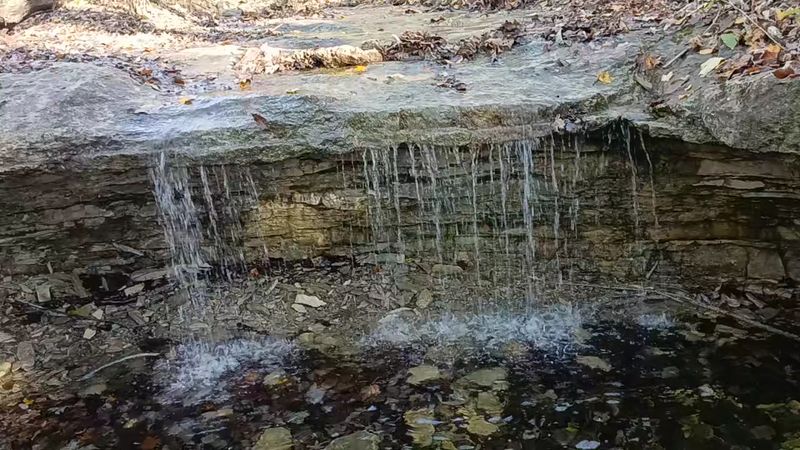
Timing your hike after a good rain changes everything. The small intermittent streams here drain the glades.
When they fill, trickling waterfalls come alive along the trail.
Stream ledges, overhangs, and small pools all show up along the route. Water slides over layered rock and gathers in shallow basins.
It’s the kind of scene that makes you slow down without trying.
Dry spells tell a different story. These streams are intermittent, so they can shrink to rocky beds.
That’s easier for crossing, though less exciting for waterfall fans.
The trail crosses streams in several spots. After heavy rain, expect wet feet or careful rock hopping.
Shoes with good grip are your best friend on slick stones.
Here’s a simple plan that works well. Check the weather, then aim for a day or two after steady rainfall.
You’ll catch the water moving without the worst of the downpour.
Thunderstorms are another matter. The open glades leave you exposed, so skip stormy days.
A lightning show is better watched from somewhere with a roof.
Mud can follow the water, too. Pack a towel and dry socks in the car.
Future you will appreciate the planning.
Wildflowers Put On A Show You Won’t Forget
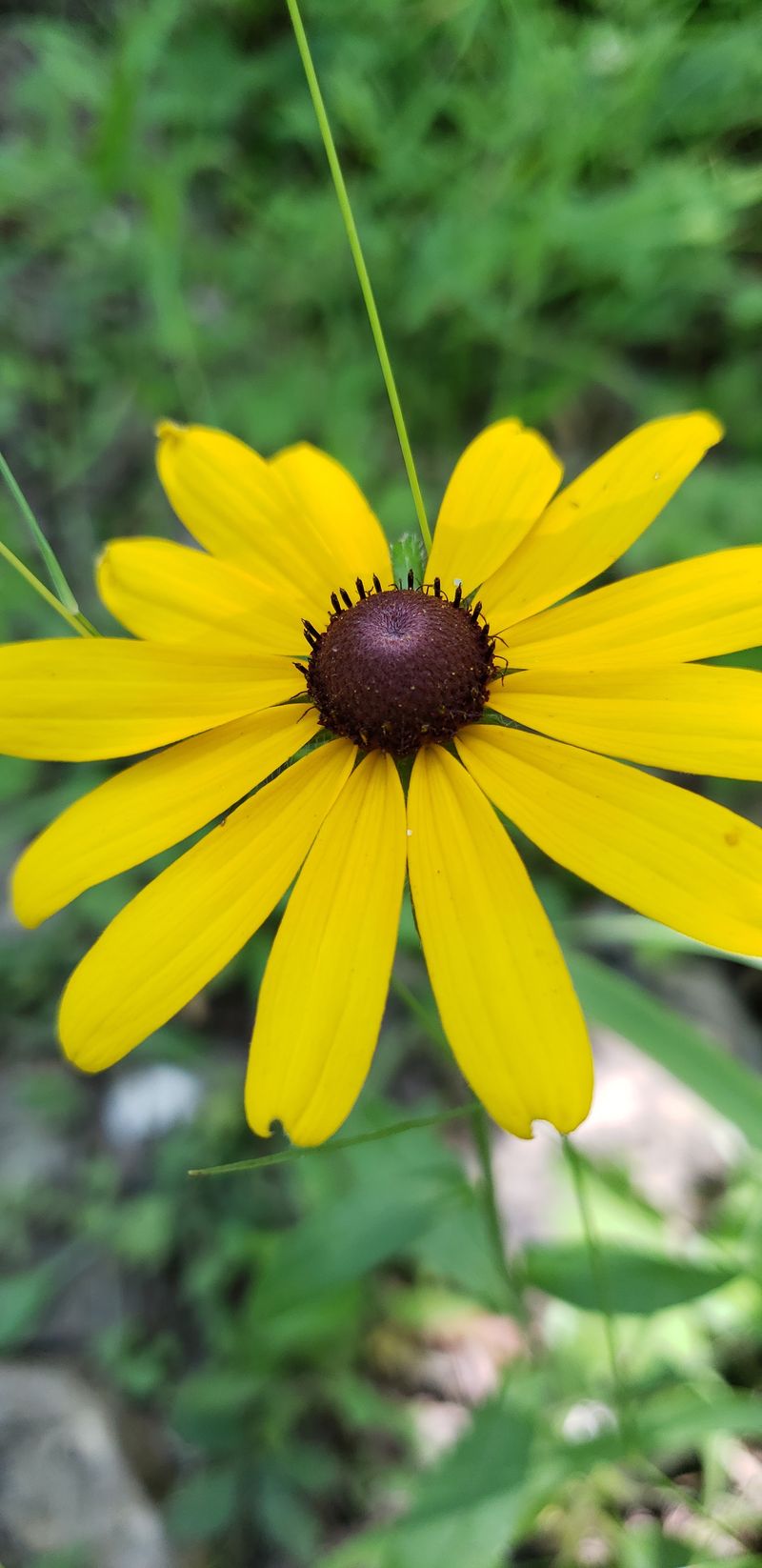
More than 250 native plant species call Valley View Glades Natural Area home. That’s a lot of color packed into a small loop.
Spring through summer brings the biggest show.
Glade coneflower, Missouri black-eyed Susan, and prairie dock all bloom here. You’ll also find false garlic, slender sandwort, and American aloe.
Each one adds its own shape and shade to the slopes.
The real headline is Fremont’s leather flower. In Missouri, it grows mainly on eastern glades, with another population in southwestern Ozark County.
Spotting one feels a bit like finding a rare trading card.
Late spring is a great time for flowers and fresh green growth. Summer keeps the colors going on the sunny glades.
Bring a phone with plenty of storage.
Remember one big rule. Collecting any plants is strictly forbidden here.
Take photos, not petals, so the next hiker gets the same view.
A small plant guide or app can make the walk more fun. Naming what you see turns a hike into a treasure hunt.
Kids especially love that kind of game.
Stay on the trail while you look. The glades are fragile, and thin soil damages easily.
Your careful steps help protect the whole display.
Keep An Eye Out For Lizards Sunning On The Rocks
Eastern collared lizards are the showoffs of the glades. Their bright colors stand out against pale rock.
Seeing one feels like a little desert moment in the middle of Missouri.
Other reptiles live here too. Six-lined racerunners and fence lizards dart across warm stones.
Several kinds of snakes also enjoy the sunny spots.
That’s a good reason to watch where you step. Snakes sometimes rest right on the trail.
Give them space and they’ll usually keep to themselves.
Bird lovers have plenty to look for as well. Prairie warblers, eastern towhees, indigo buntings, and field sparrows use this habitat.
A pair of binoculars fits nicely in any daypack.
Bigger animals roam the woods. Deer, turkeys, and squirrels are part of the neighborhood.
A red fox might even make an appearance if you’re lucky.
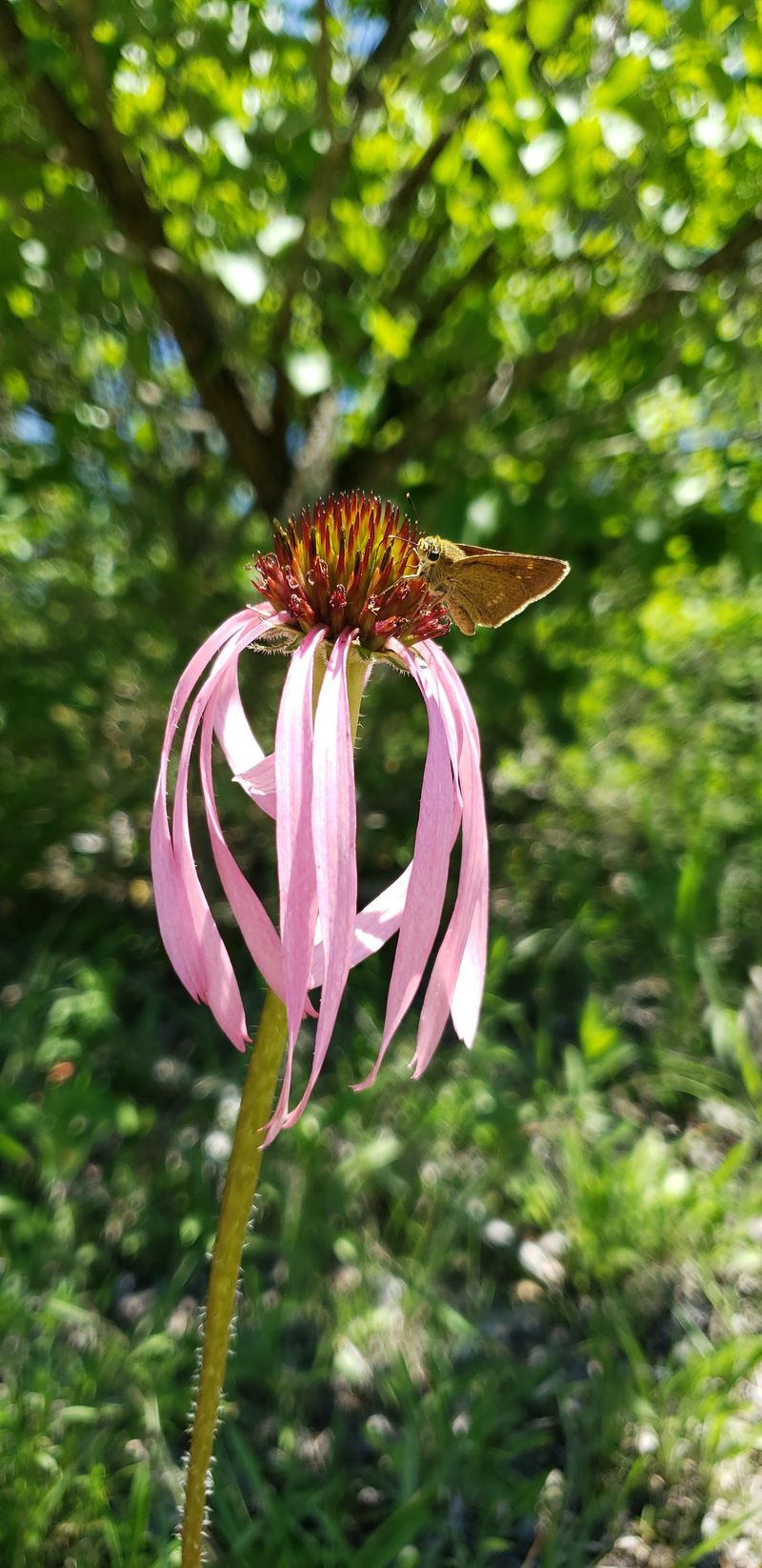
Butterflies add their own flutter. The area supports 25 native butterfly species.
Flower-filled summer days are a great time to spot them.
Quiet hikers usually see more wildlife. Walk slowly, talk softly, and pause often.
And as with plants, collecting animals is not allowed here, so let every critter stay right where it belongs.
Fire Helps This Landscape Stay Wild
August 24, 1982, marked a big day for these hills. That’s when Valley View Glades was designated a natural area.
The goal was to protect a rare and fragile landscape.
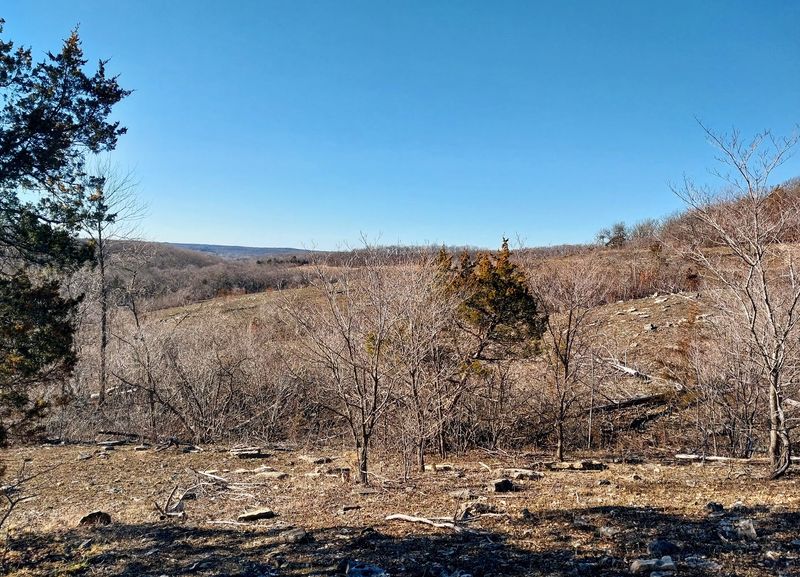
Keeping it healthy takes work. The Missouri Department of Conservation uses periodic prescribed fires.
These planned burns copy natural fires that once shaped the glades.
Fire clears out woody growth and gives native plants room. Grasses and wildflowers bounce back strong afterward.
It sounds odd, but the land actually depends on it.
Crews also remove eastern red cedar. Left alone, cedars spread fast and shade out sun-loving plants.
Clearing them keeps the glades open and bright.
Thanks to this care, the plants and animals look much like those from early European settlement. That makes the area a living window into the past.
Few spots offer such an old-time view.
Hikers can help, too. Stay on the marked trail and pack out every scrap of trash.
Open fires, camping, and littering are all off limits.
Next time you see a blackened patch, don’t worry. It’s likely part of the plan.
Give it a season, and fresh green growth will tell the rest of the story.
Every Season Paints The Trail A New Color
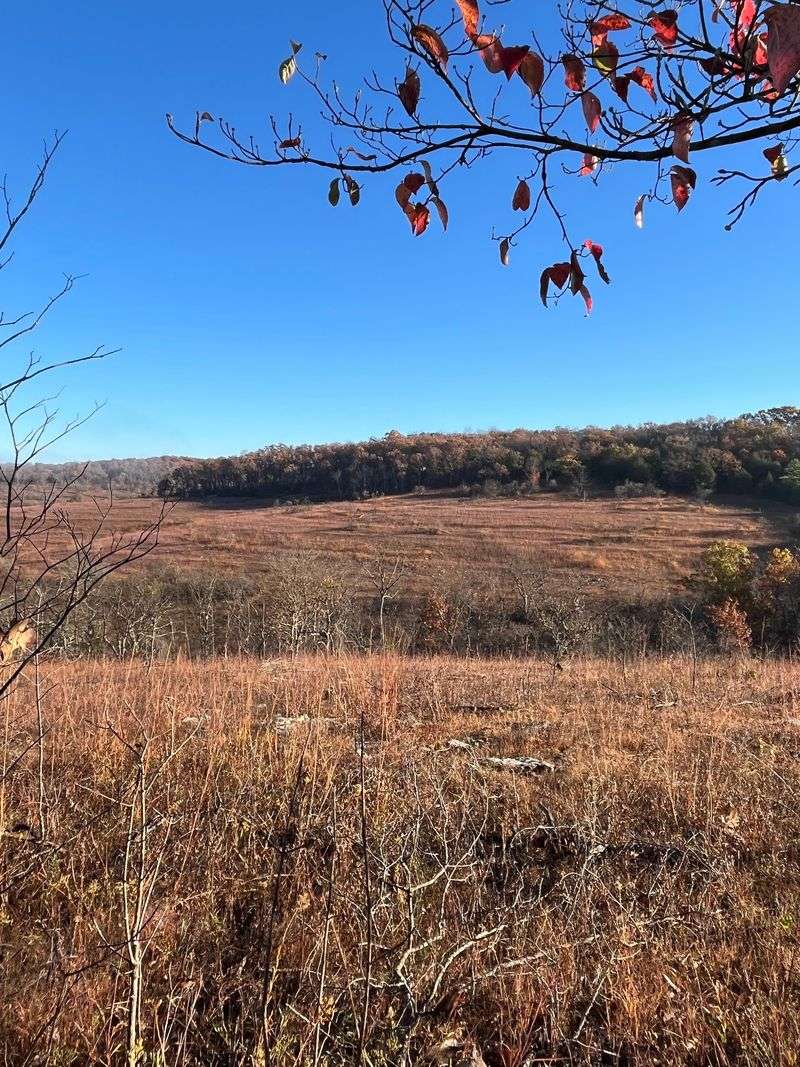
Ask four hikers about their favorite season here, and you might get four answers. Each time of year changes the trail’s whole personality.
That’s a great excuse to come back.
Spring wakes everything up. Late spring brings lush green growth and a rush of wildflowers.
It’s prime time for color and fresh air.
Summer keeps the blooms going on the glades. The open slopes get hot, though.
Start early, bring plenty of water, and pack sunscreen.
Fall is a showstopper in its own way. Blackjack oak, post oak, flowering dogwood, and fragrant sumac turn bright shades.
The forest glows while the grasses fade to gold.
Winter feels calm and open. Bare trees reveal more of the rocky shapes and valley views.
Some mornings bring a light dusting of frost on the glades.
Hunting season needs a little extra thought. Hunting is allowed during certain times of year.
Check current rules and wear orange or bright yellow to stay visible.
Rain can change your plans, too. Wet weather wakes up the waterfalls but makes rocks slick.
Choose your season based on what you want to see most.
Pack Smart Before You Hit Highway B
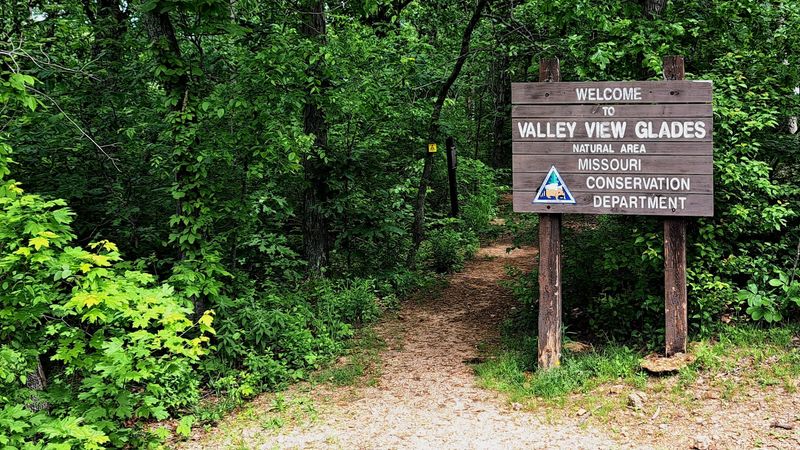
Getting to Valley View Glades Natural Area is simple. Start at the junction of Highway 21 and Highway B in Hillsboro.
Drive west on Highway B for 4.5 miles to the parking lot.
The area sits on Route B between Morse Mill and Hillsboro, Missouri. It’s in central Jefferson County.
The map listing uses Hillsboro Rd, Hillsboro, MO 63050.
Hours run from 4 a.m. to 10 p.m. daily, all year long. That leaves plenty of room for sunrise or evening hikes.
Just give yourself enough daylight to finish the rocky loop.
The trailhead has a small parking lot and not much else. There are no restrooms on site.
Gas stations and other stops are back in Hillsboro.
Water is another must. There are no water sources on the trail.
Bring more than you think you’ll need, especially in summer.
Bug and tick repellent are smart additions. Some sections can feel slightly overgrown.
A quick tick check afterward is always a good idea.
Leashed pets are welcome. Bikes, camping, fireworks, and target shooting are not.
The trail also isn’t wheelchair accessible, so plan accordingly. Pack well, and this quiet escape treats you right.
