This place is not just New Jersey’s biggest museum, it is a global treasure chest.
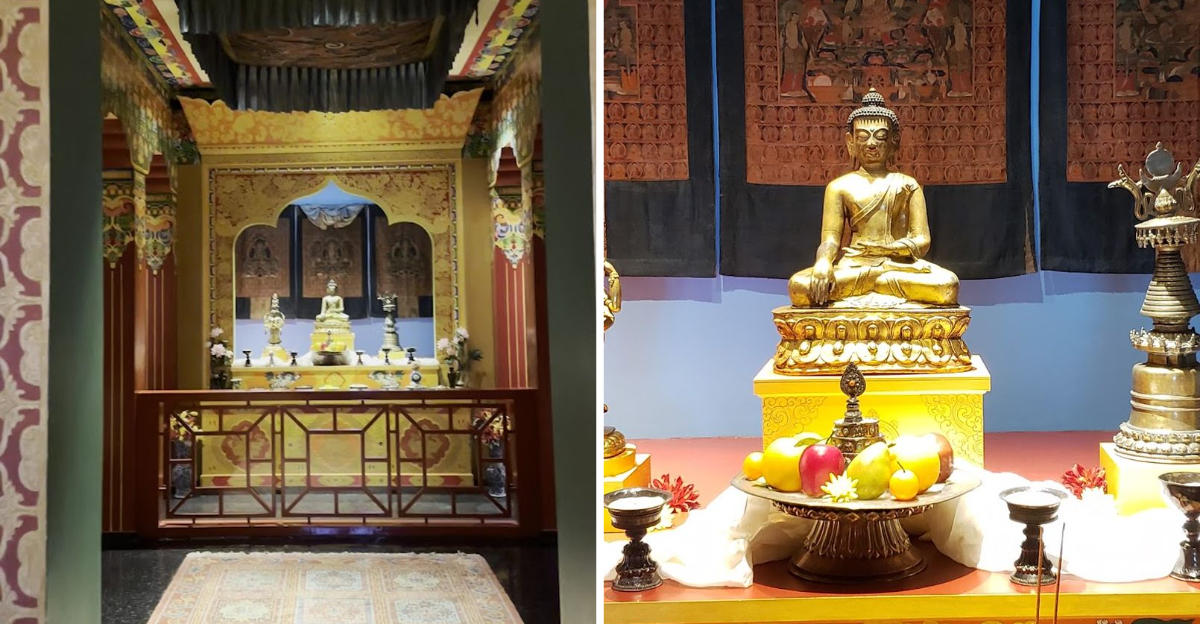
The crown jewel sits quietly in the Asian galleries, a breathtaking Tibetan Buddhist altar that carries a deeply sacred history.
This is not a replica or a simple display, it is a functional space created by a Tibetan artist, designed to bring a sense of peace and contemplation to everyone who visits.
The museum holds a world-class collection of Tibetan art that ranks among the finest in North America.
So while you are wandering through centuries of art, history, and even a planetarium, you can stand before something truly profound.
It is a museum where you can find a moment of Zen right in the heart of the city.
New Jersey’s Largest Museum Holds a Tibetan Treasure
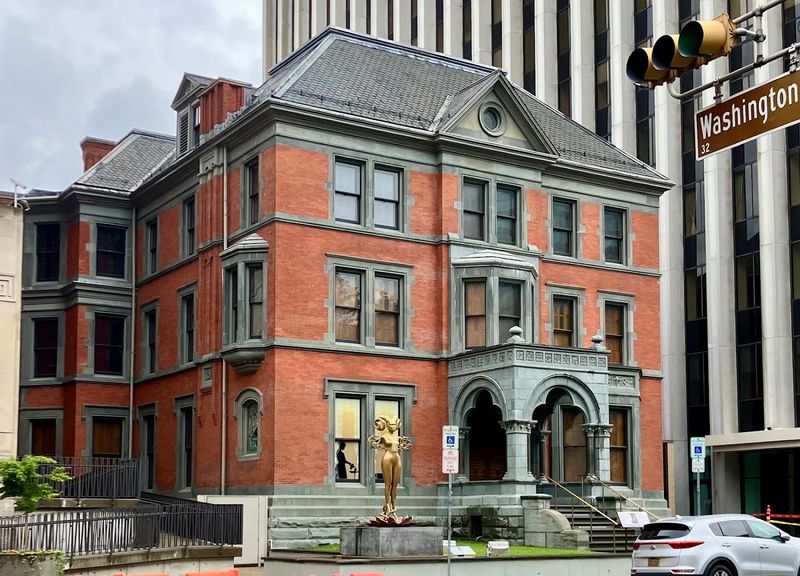
Walking through the doors of the Newark Museum of Art for the first time feels like stepping into a world that quietly refuses to be ordinary.
Founded in 1909 by John Cotton Dana, this institution has grown into the largest museum in New Jersey, and it wears that title with genuine substance rather than empty pride.
The collection spans over 300,000 artworks and artifacts, making it the 12th largest in the entire nation.
What makes the place feel truly extraordinary is how it balances breadth with depth. Every gallery offers something unexpected, whether you are wandering through American paintings or pausing in front of ancient artifacts from across the globe.
The museum changed its name in November 2019 to better reflect its primary mission as an art institution.
At the center of this massive collection sits a Tibetan treasure that draws visitors from far beyond New Jersey. The Tibetan galleries alone could anchor an entirely separate museum, and that is before you even learn about the sacred altar waiting on the third floor.
A Tibetan Altar Blessed by the Dalai Lama in Newark
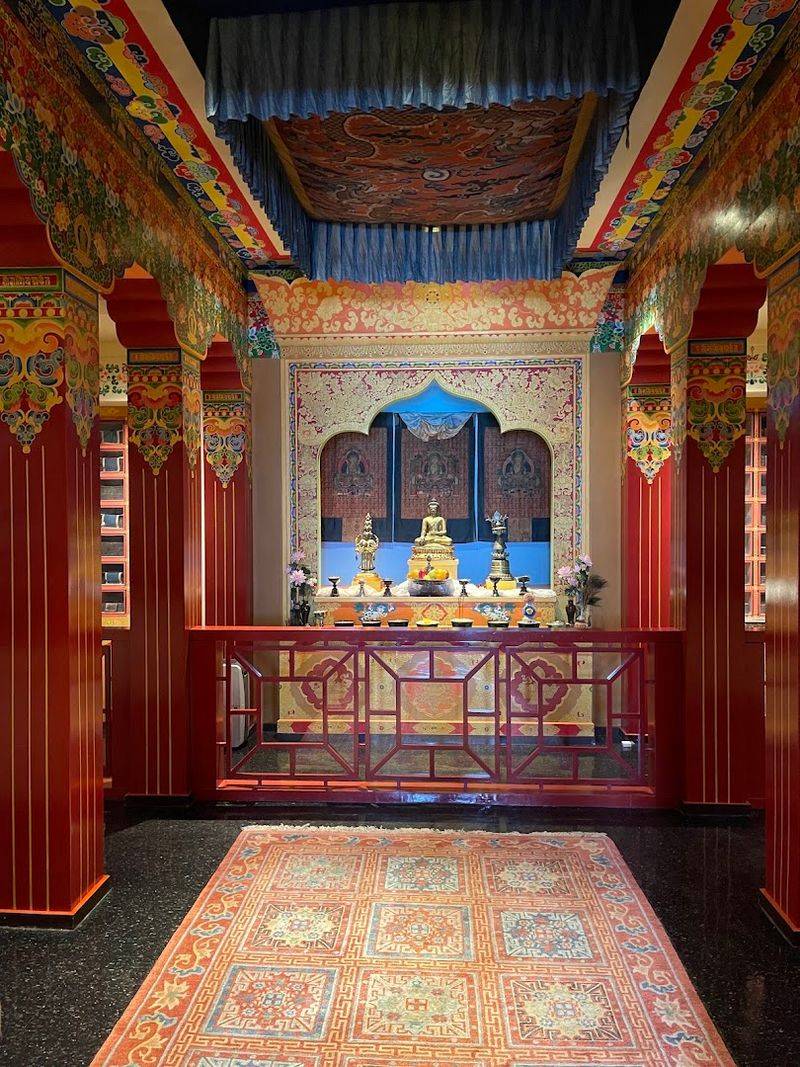
Some things in life simply stop you mid-step, and the Tibetan altar at the Newark Museum of Art is absolutely one of them. This is not a replica or a loosely inspired installation.
It is a fully consecrated Buddhist altar that received its official blessing from His Holiness the 14th Dalai Lama during his visit in 1990, marking his third trip to the museum.
The altar was created between 1989 and 1990 by Tibetan artist-in-residence Phuntsok Dorje, replacing an earlier version that had stood since 1935.
The consecration ceremony formally invited deities to inhabit the sculptures, paintings, and the altar space itself, making it a genuinely sacred object rather than a decorative display.
Standing in front of it, the detail work is almost overwhelming. Gold tones, intricate carvings, and vibrant thangka paintings surround the space with a stillness that feels earned.
The altar sits within the Tibetan galleries on the third floor of the museum’s north wing, tucked inside a collection considered the largest and most distinctive of its kind in the Western Hemisphere.
Inside New Jersey’s Biggest Museum
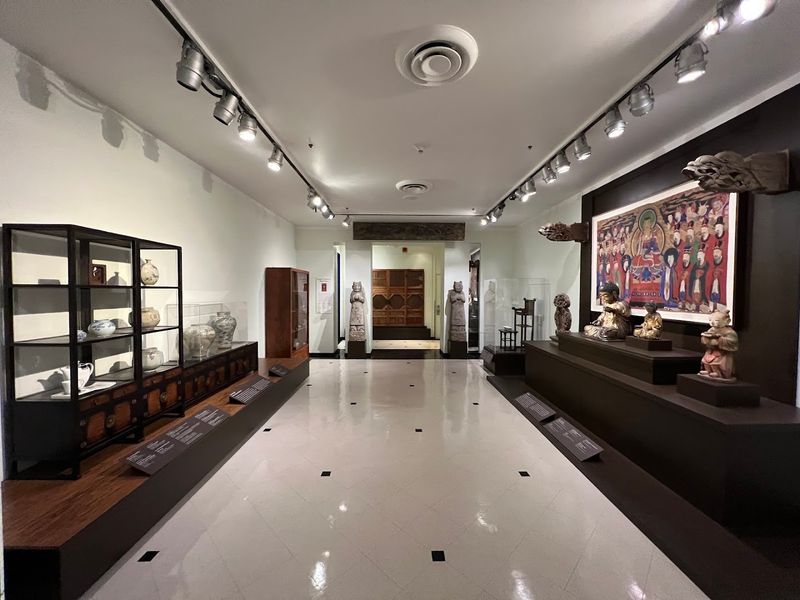
The combination of American art history and global sacred objects under one roof creates an experience that is genuinely hard to categorize.
One moment you are standing before a Hudson River landscape painting, and the next you are absorbing the quiet weight of a Tibetan altar that has been blessed by one of the most recognized spiritual leaders in the world.
That kind of range is rare.
The American collection includes Colonial and Federal portraits, folk art from some of the nation’s earliest collections, and major works by Thomas Cole and John Singer Sargent. These are not obscure pieces filling empty wall space.
They represent significant moments in the story of American artistic identity.
Then the Tibetan galleries shift everything. More than 5,000 artifacts make up this collection, which began with acquisitions in 1911.
Historical photographs and films of Tibet add layers of documentary weight to objects that already carry enormous cultural significance. The sacred altar sits at the heart of it all, consecrated and alive with intention in a way that museum visitors often describe as unexpectedly moving.
How a Tibetan Altar Found Its Home in Newark
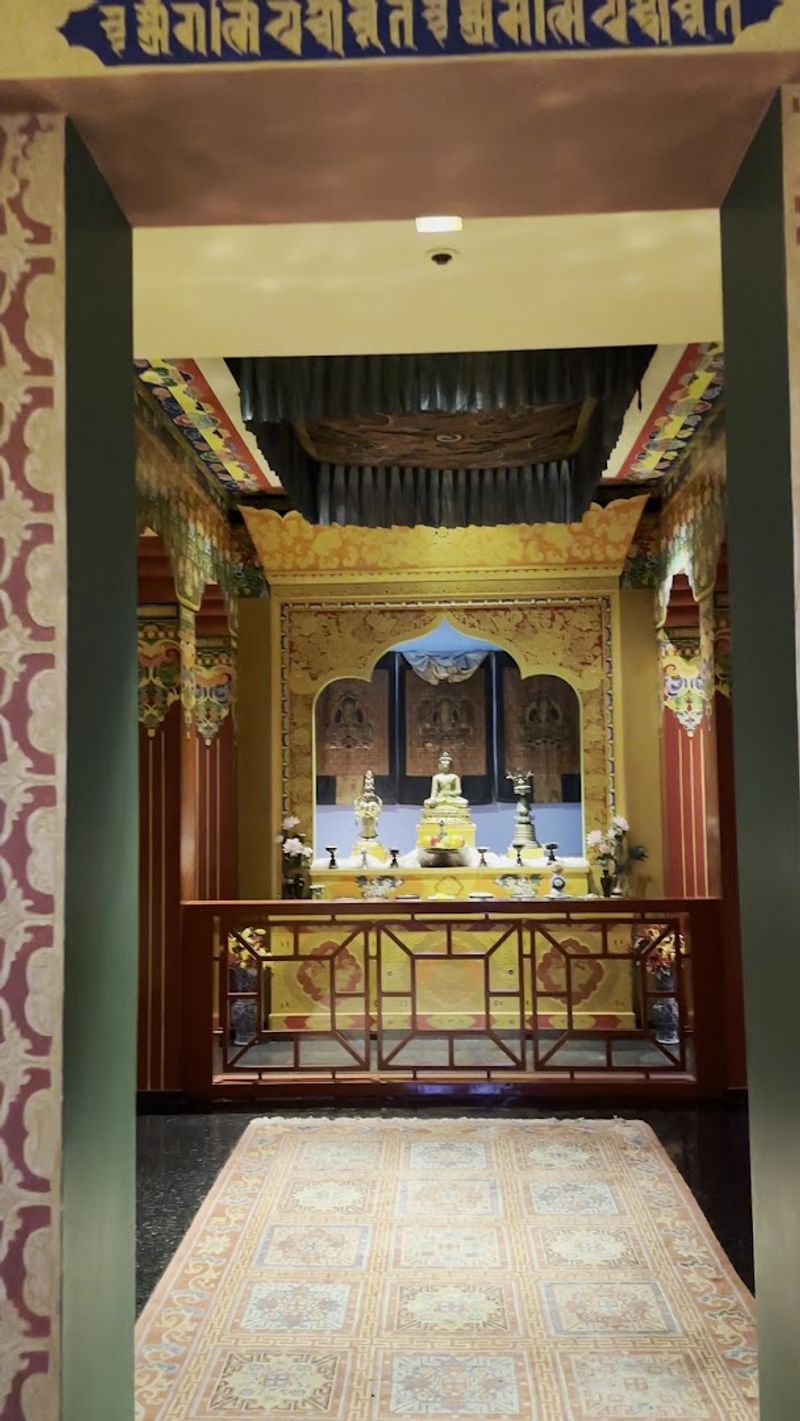
The story of how a consecrated Tibetan altar ended up in Newark, New Jersey is the kind of institutional history that deserves its own documentary. It started simply enough.
The museum began collecting Tibetan art in 1911, quietly building what would eventually become the largest and most distinctive Tibetan collection in the Western Hemisphere.
By 1935, the growing collection needed a proper context, so the museum constructed a temporary altar to give the objects a meaningful setting. Visitors responded so enthusiastically that the temporary structure became permanent.
Decades later, the original altar underwent a de-consecration ceremony in January 1988, performed by the Venerable Ganden Tri Rinpoche.
A new altar was then created between 1989 and 1990 by Tibetan artist-in-residence Phuntsok Dorje, whose craftsmanship brought the space to an entirely new level of authenticity and detail.
When the Dalai Lama arrived in 1990 to consecrate it, he was completing a ritual that transformed the structure from a beautifully made object into a living sacred space.
That history makes every visit feel like it carries extra meaning.
New Jersey’s Largest Museum and Its Global Collection
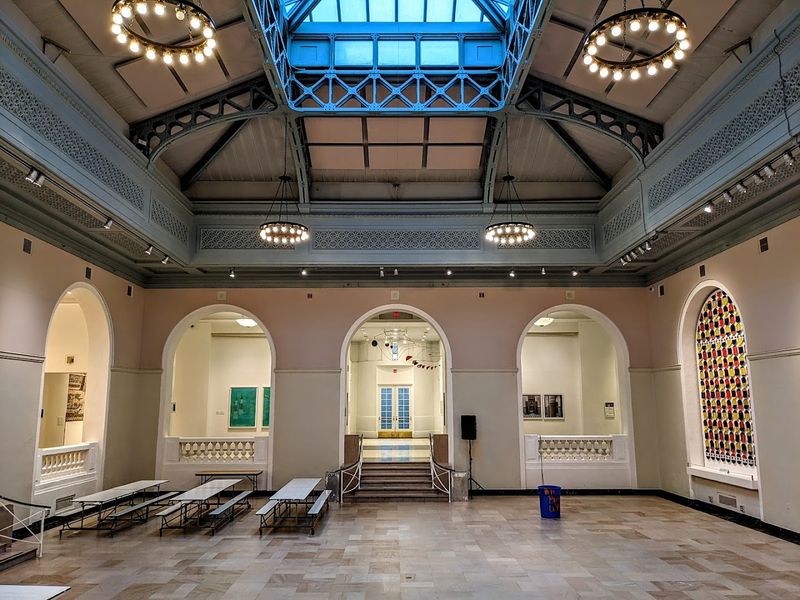
Most people arrive at the Newark Museum of Art expecting a regional collection and leave realizing they just experienced something genuinely international. The global reach of this institution is staggering.
Collections from Asia, Africa, the Americas, and the ancient world fill gallery after gallery with objects that span thousands of years of human creativity.
The Arts of Global Africa collection is recognized as one of the earliest and most comprehensive in the entire country. The museum established its African American art collection back in 1929, and it has grown to include approximately 400 historical, modern, and contemporary works.
Asian holdings cover Japanese, Chinese, Southeast Asian, and Korean art with equal seriousness.
The decorative arts collection adds another dimension entirely, featuring over 55,600 objects spanning from the 16th century to today. Colorful glassware, intricate furniture, and detailed ceramics fill rooms that feel both scholarly and genuinely beautiful.
Wandering through these galleries without a strict agenda is actually the best approach, because the unexpected discoveries are often the most memorable. Every corner holds something worth slowing down for.
The Sacred Tibetan Altar at the Heart of Newark’s Art Scene
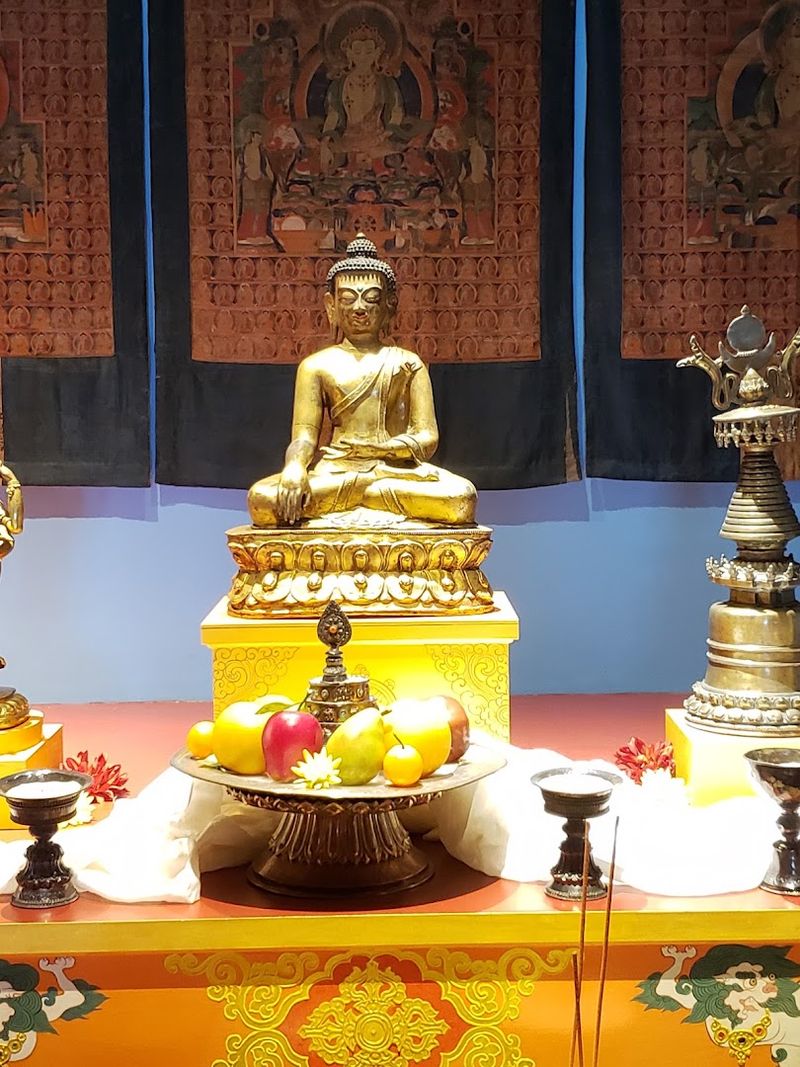
There is something quietly powerful about encountering a sacred object in a museum context, especially one that carries this level of documented spiritual history. The Tibetan altar at the Newark Museum of Art is not simply on display.
It was consecrated through a formal ritual that invited deities to inhabit the sculptures, the paintings, and the altar space itself.
That ritual was performed by the 14th Dalai Lama in 1990, and the weight of that moment still seems to linger in the gallery.
The altar represents the culmination of decades of collecting, beginning with the museum’s first Tibetan acquisitions in 1911 and building steadily through the 20th century into a collection now exceeding 5,000 artifacts.
Visitors who spend time in this gallery often report feeling an unexpected stillness that separates the experience from the rest of the museum. The surrounding thangka paintings, ritual objects, and ceremonial items create a context that makes the altar feel genuinely alive rather than archived.
For a place in the middle of Newark, the spiritual atmosphere is surprisingly transportive and completely unforgettable.
Exploring New Jersey’s Largest Museum
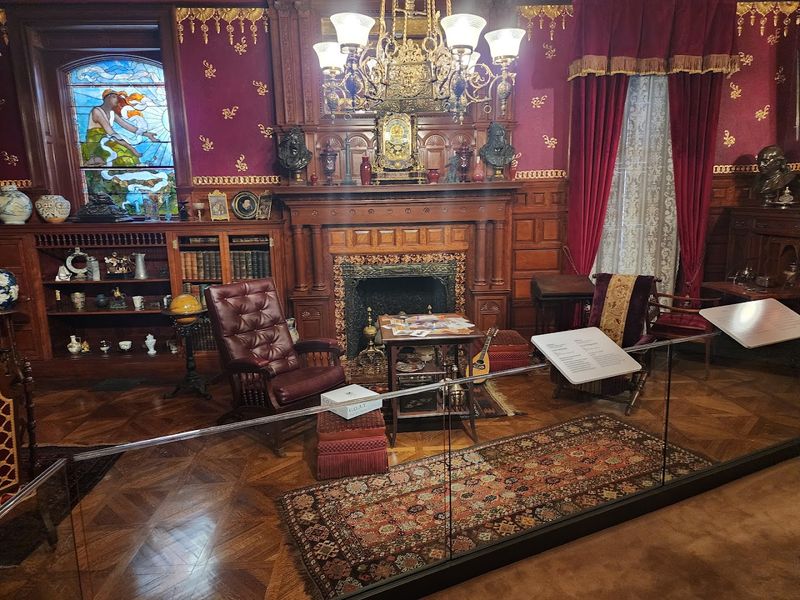
The Tibetan altar gets most of the attention, and fairly so, but the rest of the Newark Museum of Art absolutely earns its own spotlight. The Ballantine House alone is worth the trip.
Built in 1885 and designated a National Historic Landmark, this Victorian mansion sits within the museum campus and offers a completely different kind of time travel.
Walking through its rooms means encountering detailed woodwork, stained glass windows, and period furnishings that make the 19th century feel surprisingly close.
Some rooms even feature ambient sound design that deepens the sense of immersion, like the soft sounds of a billiards game playing in the room that houses the billiards table.
The Ward Carriage House from 1860 and the Old Stone School House from 1784 add further historical layers to the campus. The Victoria Hall of Science brings in an entirely different energy with interactive natural history exhibits and over 70,000 specimens.
Families with kids especially appreciate the hands-on activities, including a drawing station where children can animate their own sea creatures on a massive three-wall screen. The variety here is genuinely impressive.
A Dalai Lama Blessing at Newark’s Premier Cultural Institution
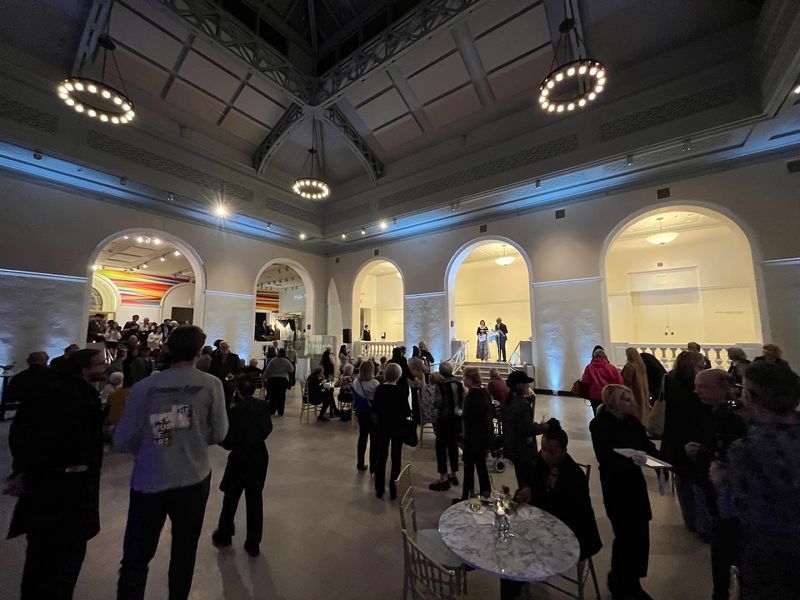
The fact that the Dalai Lama has visited the Newark Museum of Art three times says something significant about how seriously the international cultural community regards this institution.
His 1990 visit was the one that changed the altar permanently, transforming it from an exceptional piece of craftsmanship into a fully consecrated sacred space through formal Buddhist ritual.
That kind of spiritual authentication is extraordinarily rare in a museum setting. The ceremony involved specific rituals designed to invite divine presence into the altar’s sculptures and paintings, making the space a functioning sacred environment rather than a historical exhibit.
Tibetan Buddhist traditions place enormous significance on this type of consecration, and the museum has honored that significance by maintaining the altar with care and respect.
For visitors who arrive without much background knowledge of Tibetan Buddhism, the surrounding gallery provides helpful context through the broader collection of over 5,000 artifacts, historical photographs, and documentary films of Tibet.
Leaving that gallery with a deeper understanding of an ancient living tradition feels like one of the more genuinely educational experiences a museum visit can offer anywhere in the country.
Bigger, Bolder, and Spiritually Significant
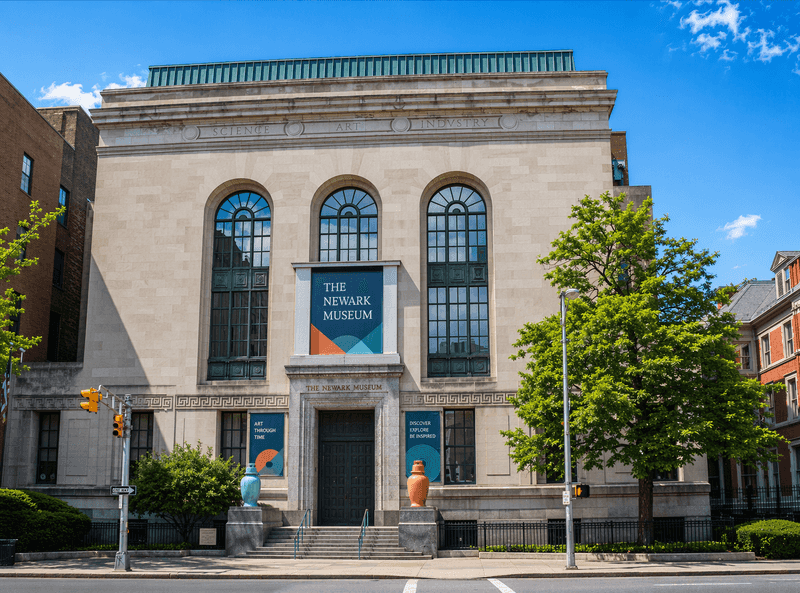
Leaving the Newark Museum of Art with a clear head is basically impossible. The sheer range of what the institution contains, from Colonial American portraits to a Dalai Lama-blessed Tibetan altar to interactive natural science exhibits, creates a cumulative effect that takes a while to fully process.
This is a museum that genuinely earns its status as New Jersey’s largest.
The cafe on the first floor offers a welcome pause point mid-visit, with good coffee and pastries that make regrouping between galleries feel less like a break and more like part of the experience.
The gift shop carries a solid selection of items that reflect the museum’s diverse collections, making it easy to bring a meaningful piece of the visit home.
Open Thursday through Sunday from noon to five, the museum rewards visitors who arrive early and stay until closing. Whether the Tibetan altar is the main draw or just one highlight among many, the experience consistently exceeds expectations.
This place is bold, spiritually layered, and entirely worth the trip from anywhere in the region.
Address: 49 Washington St, Newark, NJ
