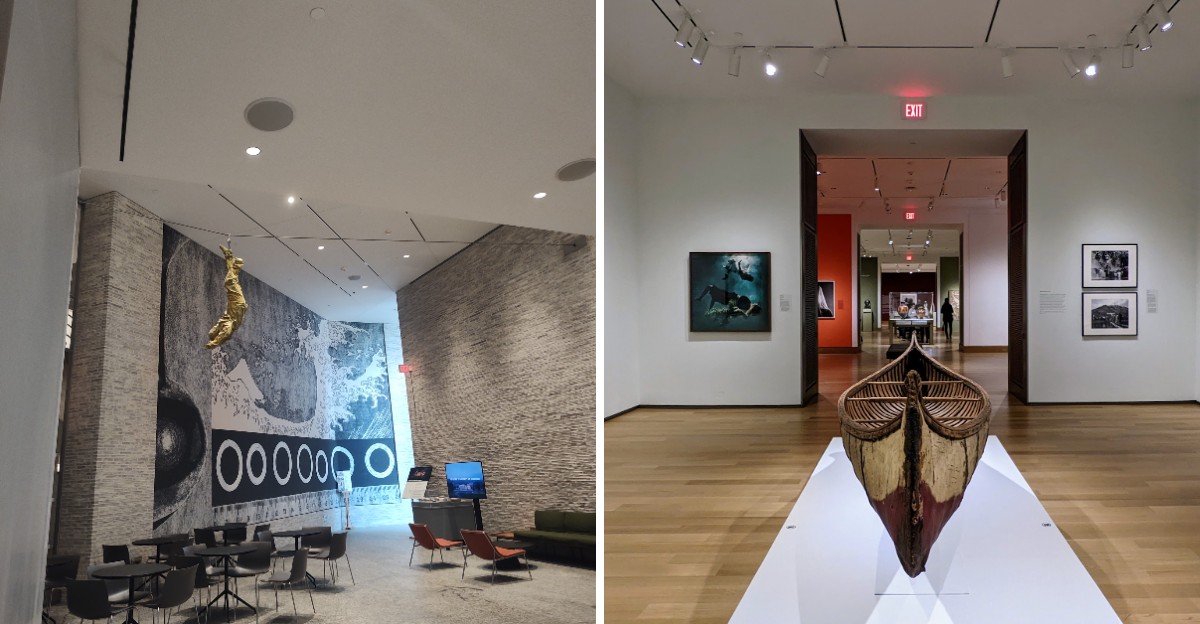
More than 74,000 works of art in a museum that doesn’t charge admission? That’s an impressive collection to explore without spending a dollar, especially when the pieces represent cultures and artistic traditions from around the world.
The New Hampshire museum houses paintings, sculptures, photographs, and historical objects spanning different periods and regions. Its galleries offer opportunities to discover unfamiliar artists, examine remarkable craftsmanship, and appreciate how art reflects human experiences across centuries.
I love the freedom that comes with visiting a museum for free. You can spend time studying a favorite piece, explore a gallery you’ve never considered before, or return another day to see something different.
With such an extensive collection, there’s no reason to rush through everything in one visit. The real challenge might be deciding which artwork deserves your attention first.
Seventy-Four Thousand Objects Means You Will Never See It All, And That Is The Fun
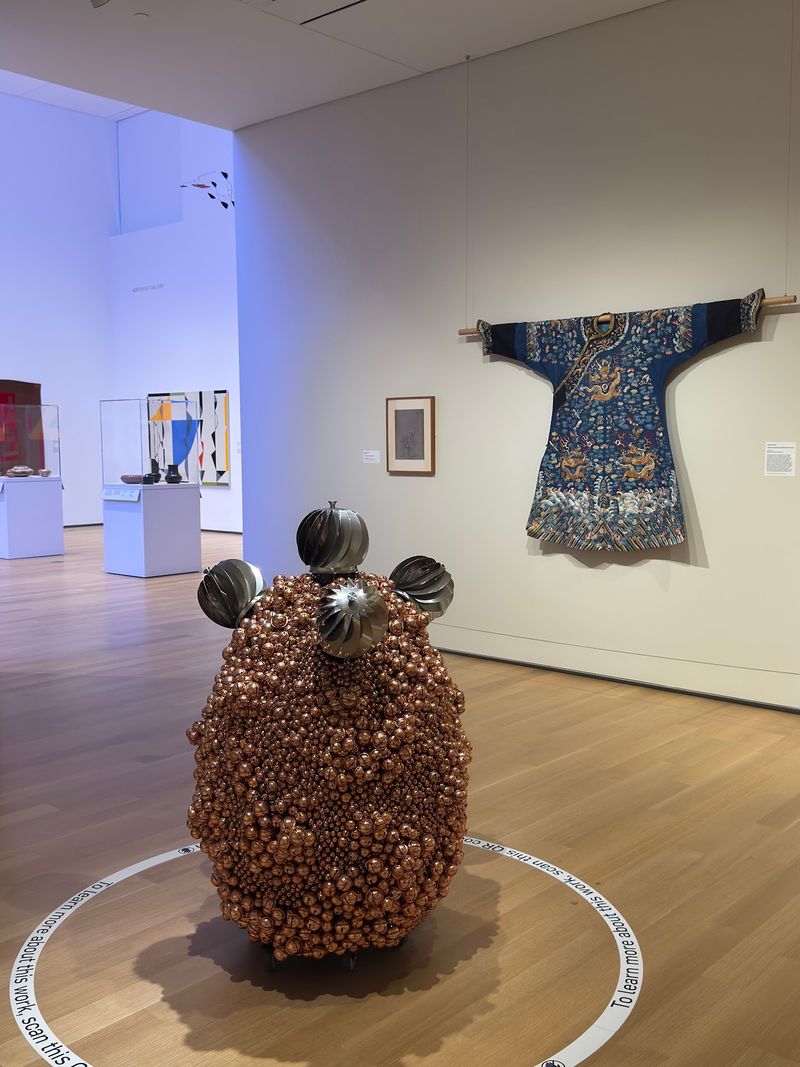
Most college museums fill a hallway or two. The Hood Museum of Art in Hanover holds more than 74,000 objects, which puts it among the oldest and largest college art collections in the country.
That number is hard to picture, so here’s a better way to think about it. The collection covers artistic traditions from six continents, spanning thousands of years of human creativity.
You’ll find Native American art and Indigenous Australian works. European, American, Asian, African, and Melanesian pieces share the spotlight too.
Names like Picasso, Georgia O’Keeffe, Frederic Remington, and Mark Rothko appear in the holdings. The museum also keeps the archive of acclaimed photojournalist James Nachtwey.
Of course, not everything is on display at once. Galleries rotate, which means a return trip can feel brand new.
My advice is simple. Don’t try to absorb every era in one afternoon, because your feet will file a complaint.
Pick two or three galleries that spark your interest and slow down. Read the labels, which often include questions meant to get you thinking.
Then come back another day for the rest. With no admission fee, repeat visits cost nothing but a little gas money.
That is a pretty generous setup for a collection this deep.
Ancient Palace Walls From Around 900 BCE Are Waiting Upstairs
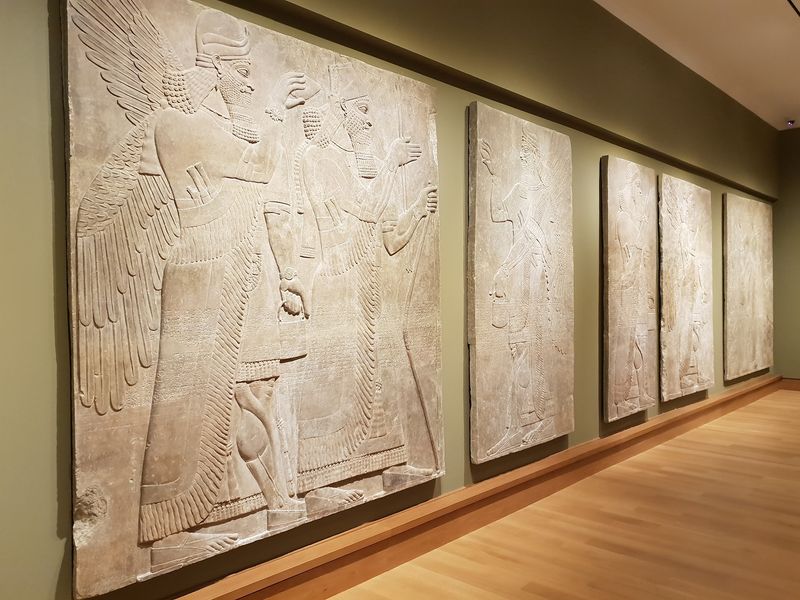
Around 900 BCE, carvers in the palace of King Ashurnasirpal II chiseled giant figures into stone. Six of those reliefs now live in New Hampshire.
That’s a long commute. These panels came from the ancient Assyrian city of Nimrud, in what is now Iraq.
The reliefs show detailed figures carved in shallow layers of stone. Standing close, you can study the patterns in clothing, hair, and wings.
They rank among the most celebrated pieces in the museum. Nearby cases hold related ancient objects that help explain the world these carvings came from.
Families have a fun bonus here too. The museum has offered a game called Secrets of the Palace: Assyrian Escape Room, mixing puzzles with history.
Honestly, that’s a clever way to get kids excited about something nearly three thousand years old. It beats a pop quiz any day.
Give yourself a few extra minutes in this gallery. Try to spot the small carved details that are easy to miss at first.
Think about the hands that shaped these stones without power tools. It makes the trip from ancient palace to modern campus feel even more remarkable.
The College Started Collecting Before America Was Even A Country
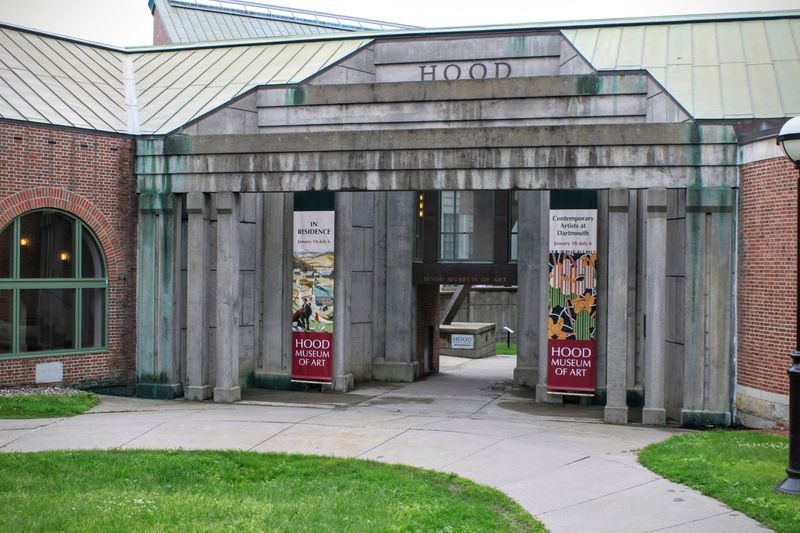
Dartmouth College first referenced its art collection in 1772. George Washington hadn’t even become president yet.
For more than two centuries, objects piled up across campus. They finally got one shared home in 1985, when the Hood Museum of Art officially opened.
Architects Charles Willard Moore and Chad Floyd designed that original building. They went with a postmodern style meant to blend gently with its neighbors.
The design used simple brick walls and a turned gable roof. Those choices nodded to traditional New England buildings without shouting for attention.
It also served as a bridge between two very different campus structures. On one side stood the Romanesque Wilson Hall, and on the other, the modern Hopkins Center.
As the collection grew, the museum needed more room. In March 2016, it closed for a major renovation and expansion.
The doors reopened in January 2019 with a fresh look. That gap was long, but the result gave the museum a much bigger stage.
Knowing this backstory adds something to your visit. You’re looking at a collection that has been growing quietly for roughly 250 years.
A Giant Window Now Invites Everyone On The Green Inside
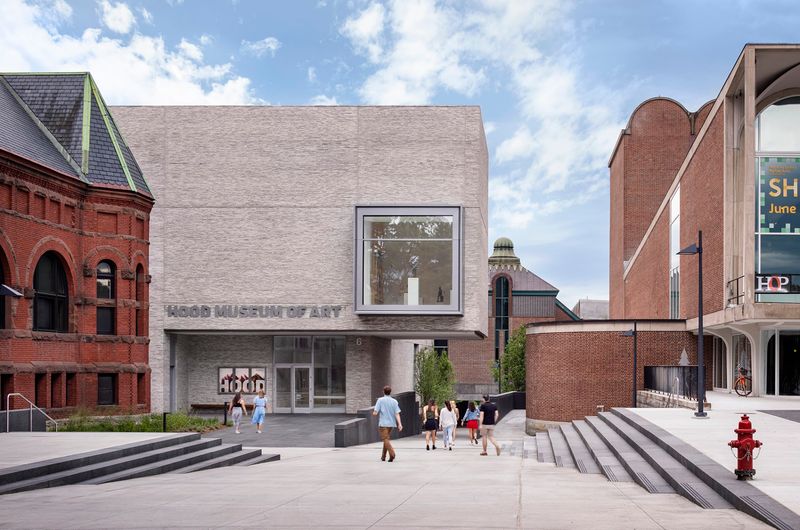
Some students once found the old entrance a little confusing. The 2019 renovation fixed that in a big way.
Tod Williams Billie Tsien Architects led the project. They gave the museum a new north facade that faces the Dartmouth Green.
A large vitrine window now sits on that face of the building. It works like a display case for the street, hinting at what’s inside.
The message is clear. Passersby are welcome to come in and look around.
The architects also added six new galleries during the project. Total exhibition space grew to about 16,000 square feet.
You’ll find the museum at 6 East Wheelock Street, Hanover, NH 03755. It sits right in the middle of campus life, close to the Green.
Parking can take some patience because the college surrounds the area. Plan a few extra minutes to find a spot.
Hours generally run Wednesday through Saturday, with Saturday starting a bit earlier. Check the schedule before heading out, since college calendars can shift things.
Once you arrive, take a moment outside. The building itself is part of the show.
Bright Light And A Tall Ceiling Make The Atrium A Great First Stop
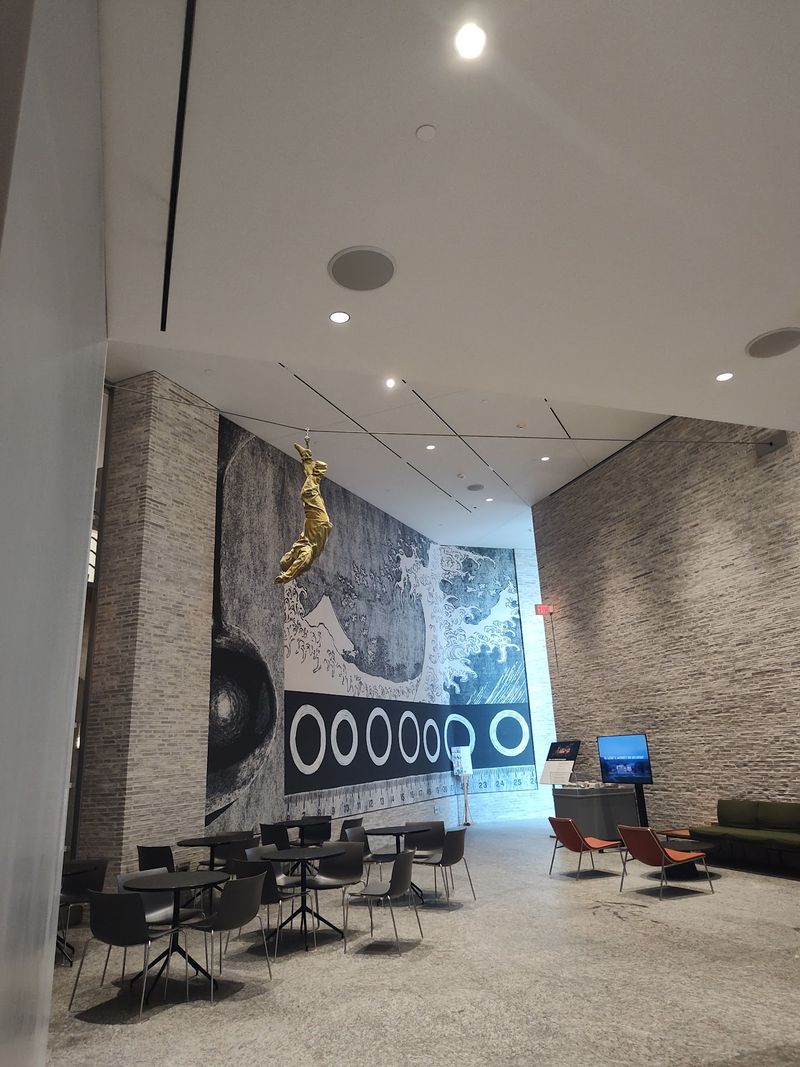
Light pours into the Russo Atrium, a big open space added in the 2019 renovation. It’s the museum’s welcome mat, only much taller.
The high ceiling makes the room feel airy right away. It connects the galleries, the study center, and the neighboring Hopkins Center for the Arts.
This isn’t just a hallway with good manners. The atrium hosts installation art, performances, and digital programs.
Students also use it as a place to study and gather. Lounge-style seating gives everyone a spot to pause between galleries.
A coat room helps when New Hampshire weather sends you in bundled up. Lockers are available for bags, so you can wander hands-free.
Here’s a practical tip. Start your visit in the atrium and look around before rushing upstairs.
Check for any installation on display, since those change over time. Then use the seating as a halfway rest stop if your visit runs long.
It’s a smart design choice for a museum this full. A breather in the middle helps your brain make room for the next round of art.
Students Get Up Close With Real Art In Special Study Rooms
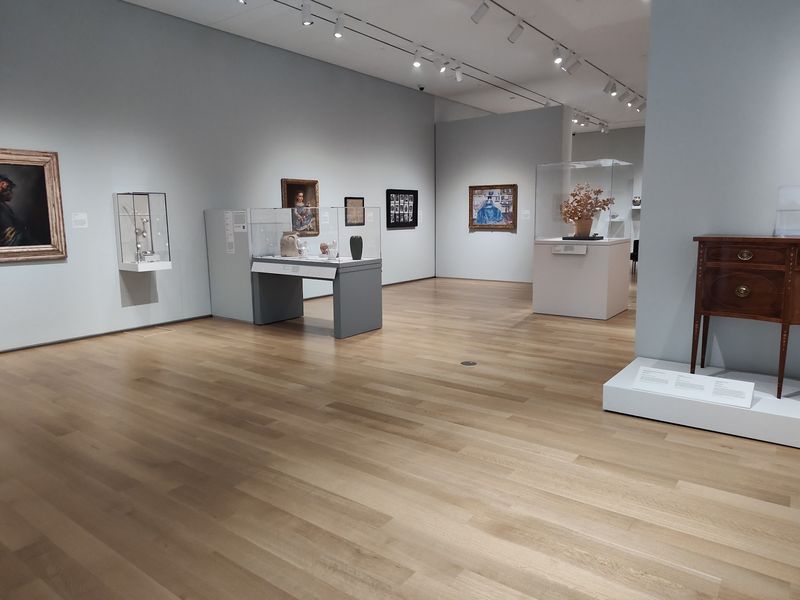
Textbook pictures are fine. Holding class next to the real object is better, and that’s the whole idea behind the Bernstein Center for Object Study.
The Hood Museum of Art calls itself a teaching museum. This center sits at the heart of that mission.
It includes three object-study rooms designed for close research and learning. Dartmouth faculty and students use them to examine works from the collection in person.
Classes from many subjects can benefit. History, science, writing, and more can all connect to a single carefully chosen object.
The goal is to build critical thinking through direct encounters with art. Looking closely trains the eye and sharpens the questions you ask.
Visitors won’t usually wander into these rooms on a casual trip. Still, knowing they exist explains why the galleries feel so thoughtful.
Many labels encourage you to think, not just read. That teaching spirit spills out into the public spaces.
Try borrowing that habit yourself. Pick one piece, look at it for a full minute, and notice what changes the longer you stare.
It’s surprisingly fun.
Kids, Calm Seekers, And Puzzle Fans All Get Their Own Programs
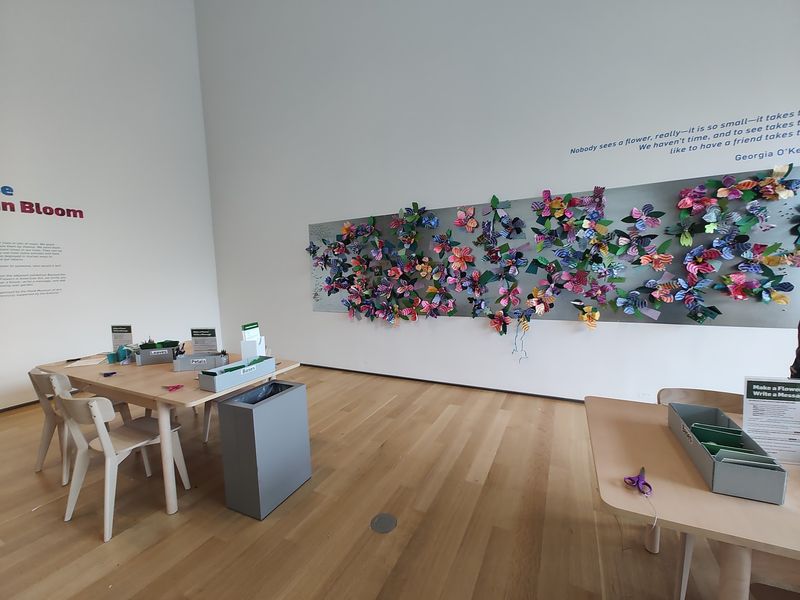
Got a little one who thinks museums mean shushing? The Hood has a few tricks to change that opinion.
Storytime in the Galleries brings books and art together for young kids. It’s an easy, playful way to make a first museum trip feel friendly.
Maker Drop-ins offer self-guided artmaking in the atrium. You can stop by, create something, and head back to the galleries.
Adults have options too. The Art and Wellness program pairs guided meditation with artmaking to help people relax.
Tours, lectures, gallery talks, and film screenings fill out the calendar. These public programs are free, just like admission.
Puzzle lovers can look for escape-room style games tied to the collection. They turn a gallery visit into a team challenge.
Schedules change through the year, so check the event calendar before you go. Planning around a program can make the day feel extra special.
A simple tip for parents: let kids choose one favorite piece and explain why. You might be surprised by what catches their eye.
Friendly Guides Replace Old-School Gallery Guards
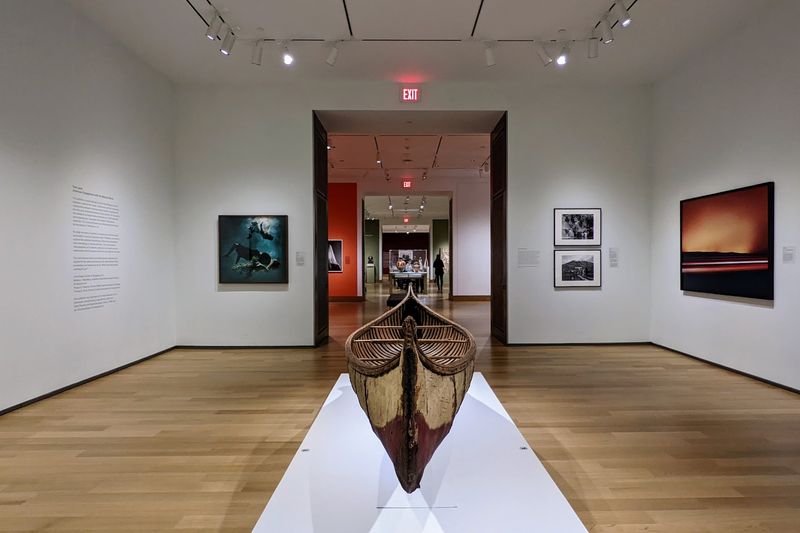
Forget the stern guard who watches you like you might pocket a painting. The museum reworked that role into Visitor Services Guides, often called VSGs.
These staff members are trained to help visitors, not just watch them. They connect people with information, directions, and amenities.
At the welcome desk, a guide offers a quick greeting and some ideas for your visit. Questions are welcome, even the simple ones.
The museum also offers sensory bags for anyone who might need them. They can include paper, pencils, sunglasses, and headphones.
That small detail matters a lot. It helps visitors with sensory needs enjoy the galleries more comfortably.
Guides are stationed throughout the building too. If you get turned around, help is usually close by.
Here’s my suggestion. Ask a guide which exhibition they’d recommend on your visit.
Since shows rotate, they’ll know what’s new and worth your time. It’s a quick way to make a big museum feel personal, and a nice reminder that people make a place welcoming.
Free Admission Turns A Quick Stop Into A Habit Worth Keeping
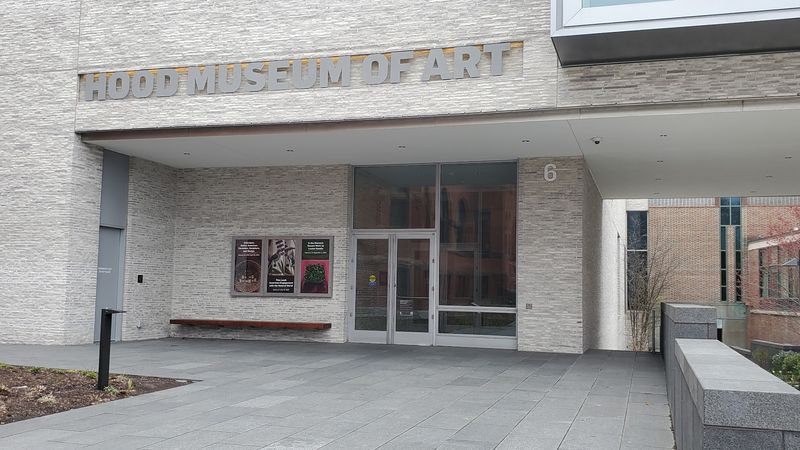
World-class art with zero admission fee sounds almost too good. At the Hood Museum of Art, it’s simply the policy.
Dartmouth College owns and runs the museum. Even so, its doors stay open to the public, not just students.
That open-door approach serves the whole Upper Valley region of New Hampshire and Vermont. Travelers passing through are just as welcome.
Free entry changes how you can visit. You don’t have to cram everything in to get your money’s worth.
Pop in for thirty minutes to see one gallery. Come back next month for the Assyrian reliefs or a new exhibition.
Hanover makes an easy day trip with a lively college-town feel. Pair your visit with a stroll around the Green nearby.
Bring a friend who claims they don’t like museums. With no ticket at stake, they have nothing to lose.
A collection this big, with history stretching back to 1772, deserves more than one look. Luckily, this New Hampshire treasure makes coming back as easy as walking through the front door again.
