Beef and lamb raised entirely on grass, with a farm store where customers can shop directly from the source? That’s a refreshing alternative to the usual supermarket meat counter, especially for anyone interested in how their food is produced.
The New Hampshire farm focuses on pasture-based livestock farming, offering grass-fed meats and other farm products through its retail operation. I appreciate the idea of connecting shoppers with the people and agricultural practices behind the food they purchase.
You can browse the farm store, explore the available cuts, and discover options for preparing meals at home. The selection gives home cooks an opportunity to think differently about everyday ingredients and where they come from.
I think the most appealing detail is the connection between the animals grazing on the farm and the products eventually reaching customers’ kitchens.
Grass Gets The Starring Role On This Picturesque Family Farm
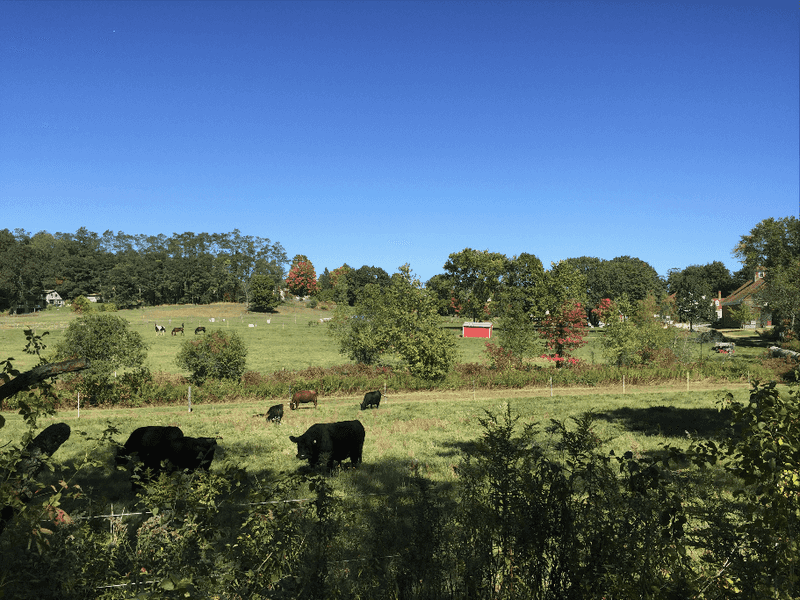
Winnicut River Farm treats grass like the main ingredient in everything it raises. That might sound simple, but it shapes every decision on this Stratham property.
The farm calls itself regenerative, which means the focus starts with soil health. Healthy soil grows nutrient-rich forage, and that forage feeds healthier animals.
It’s a loop that keeps feeding itself. Better grass makes better meat, and well-managed animals help the grass come back stronger.
The farm uses holistic management, a planned grazing approach that copies how herds move in nature. They’ve been fine-tuning this system since 2016.
That’s years of watching pastures, adjusting moves, and learning what the land wants. Farming like this takes patience and a lot of walking.
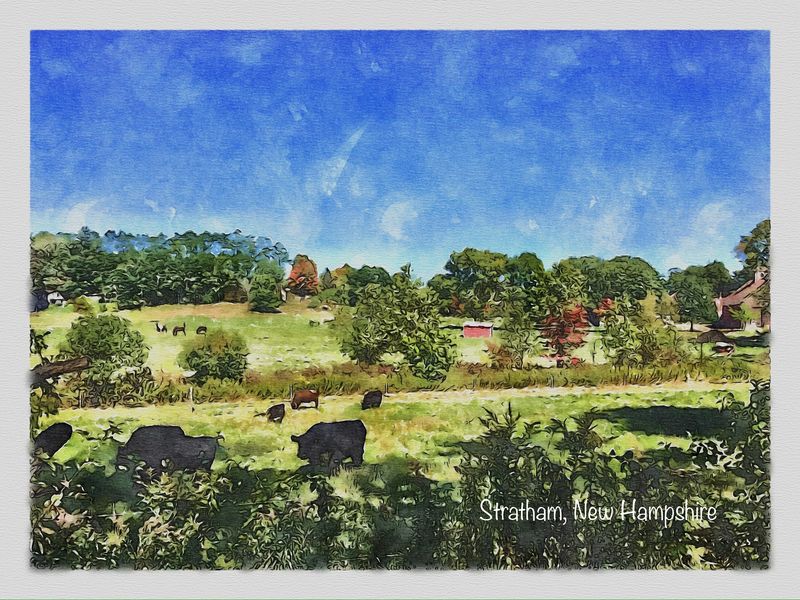
The property itself is described as a picturesque family farm. A stately barn and farmhouse anchor the scene above the open fields.
It feels like the kind of place that belongs on a postcard from New Hampshire. The difference is that the fields here are busy doing serious work.
Every acre has a job, whether it’s growing grass, feeding cattle, or hosting pigs in the woods. Nothing just sits around looking pretty, even though it does look pretty.
Your Steak Started With A Herd That Moves Every Day
Daily moving day sounds exhausting for people. For the cattle here, it means a fresh salad bar every morning.
The herd is continuously rotationally grazed across the pastures. They move to new grass daily, and sometimes several times in one day.
That constant shuffle helps both the cows and the land. The animals get fresh forage, and the grazed areas get time to rest and regrow.
The beef is 100% grass-fed and grass-finished. That means grass from start to finish, not just at the beginning.
Cattle finish at a little over two years old. They usually weigh around 975 to 1,050 pounds by then.
That’s a slower pace than many big operations use. Grass-finished cattle take time, and this farm clearly isn’t rushing them.
Winter brings a clever twist. The farm tries to stockpile forage, or it unrolls hayed pasture grasses right on the frozen ground.
Spreading hay this way mimics summer grazing as much as possible. The cows still spread out and eat across the field instead of crowding one spot.
It’s a thoughtful system with a lot of small choices behind it. Every one of them shows up later in the beef.
Meet The Lambs Who Follow The Cows Everywhere
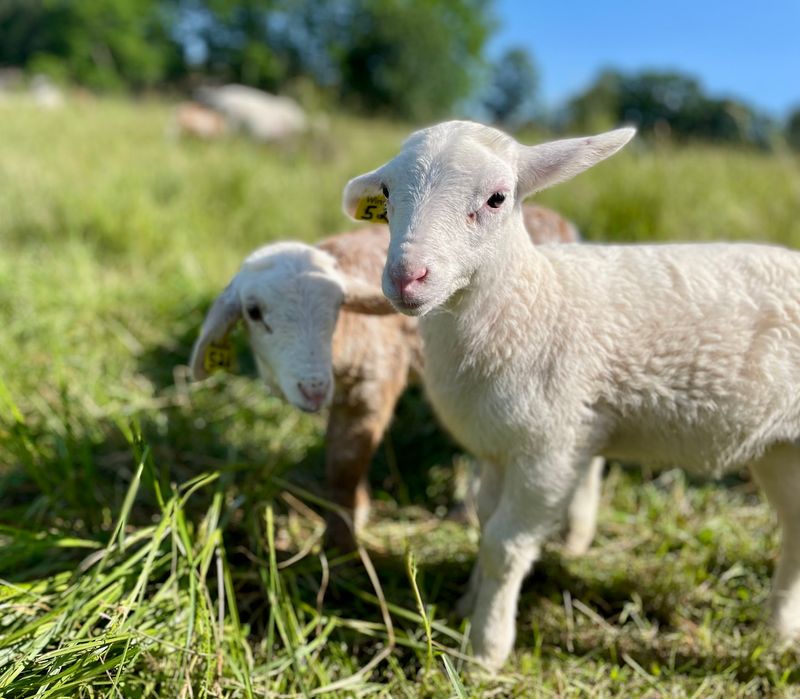
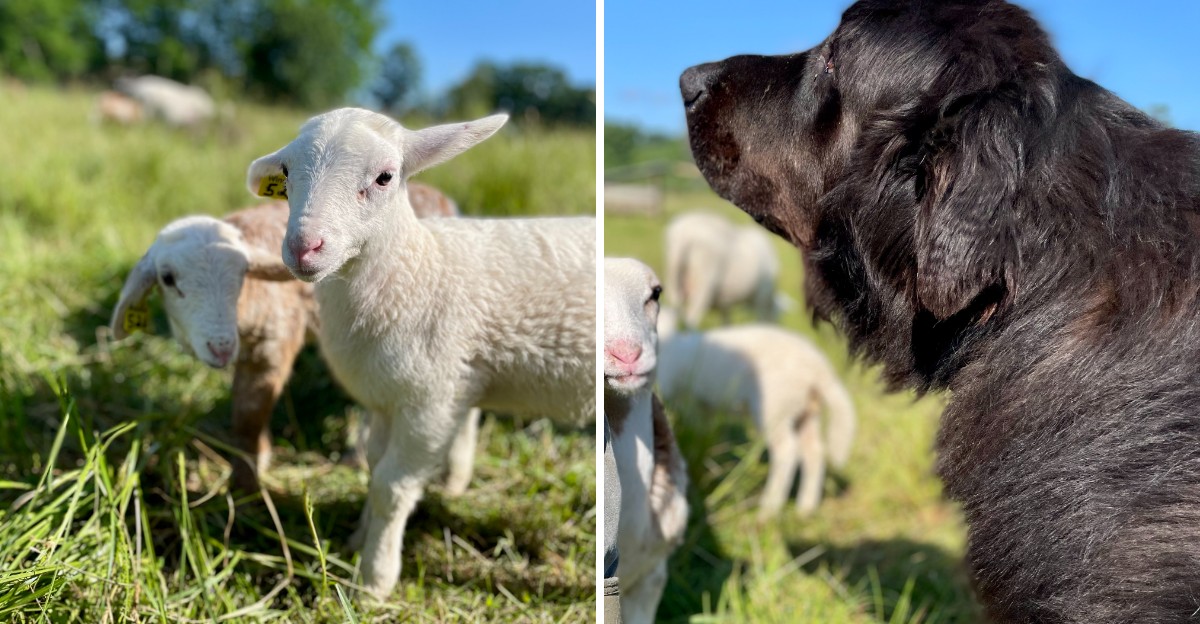
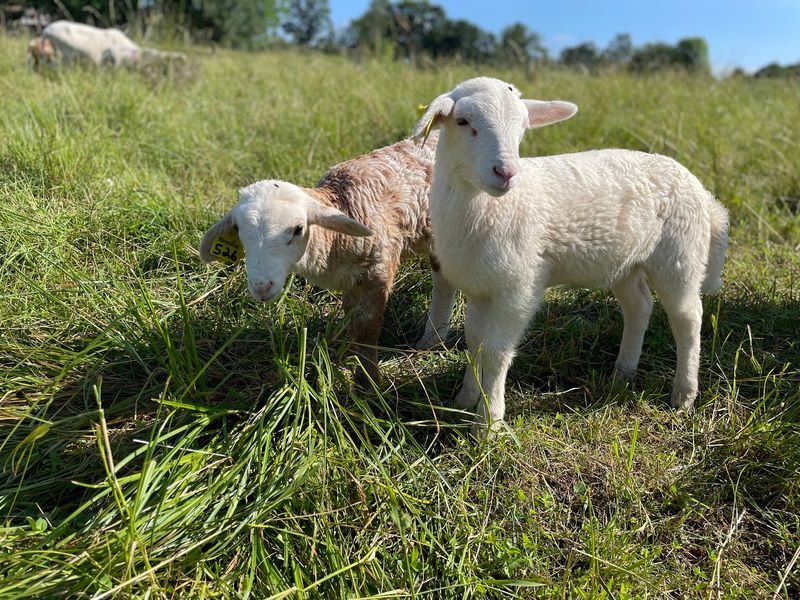
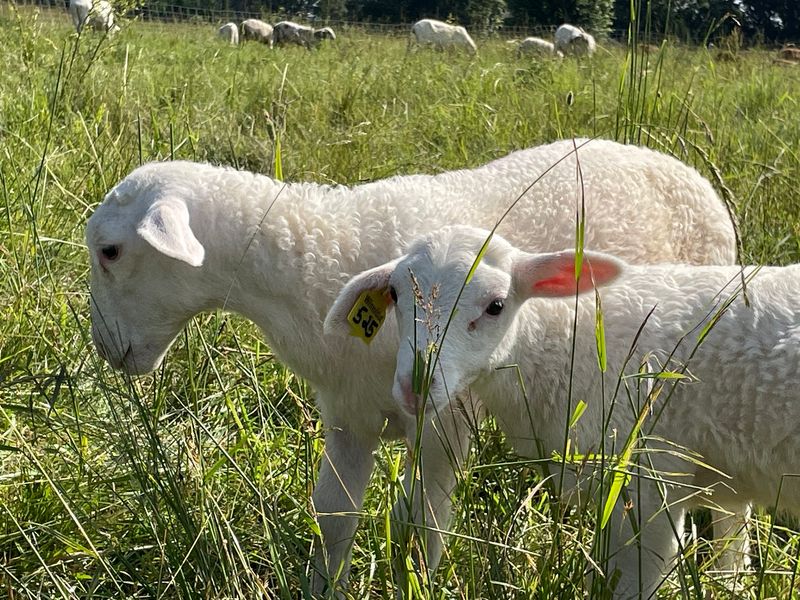
Five ewe lambs started it all in 2021. That tiny group became the flock that now grazes across the farm.
The lamb here is 100% grass-fed and grass-finished, just like the beef. The sheep are grazed using the same careful rotation system.
Here’s the fun part. The lambs follow the cattle herd, stepping into paddocks the cows have just left.
Cows and sheep prefer different plants, so they graze the pasture in different ways. That variety benefits the fields more than one kind of animal could alone.
Think of it as a two-course cleanup crew. The cows go first, and the sheep handle the leftovers they like best.
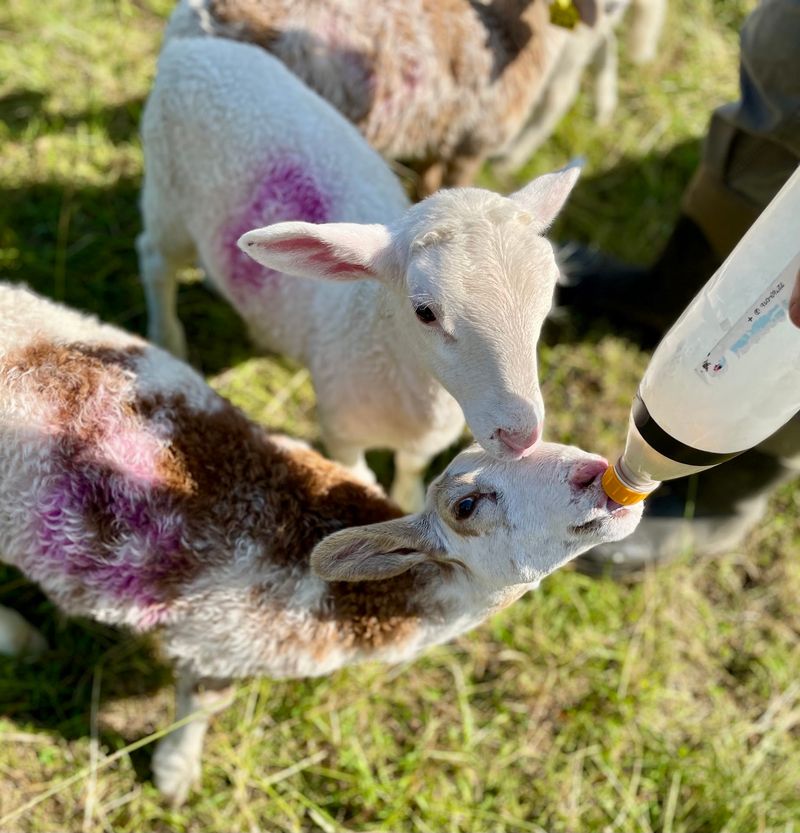
Ewes give birth right on the pasture in late May. Lambs start life outdoors on grass instead of inside a barn.
Lamb is available in midsummer and December. The farm also points to early and late fall timing for the coming year’s lamb.
Planning ahead pays off with lamb. Small flocks mean limited supply, so it’s smart to check availability early.
For anyone curious about grass-fed lamb, this is a lovely place to start. It comes from a flock with a pretty charming routine.
Huck And Finn Take Their Guard Duty Very Seriously
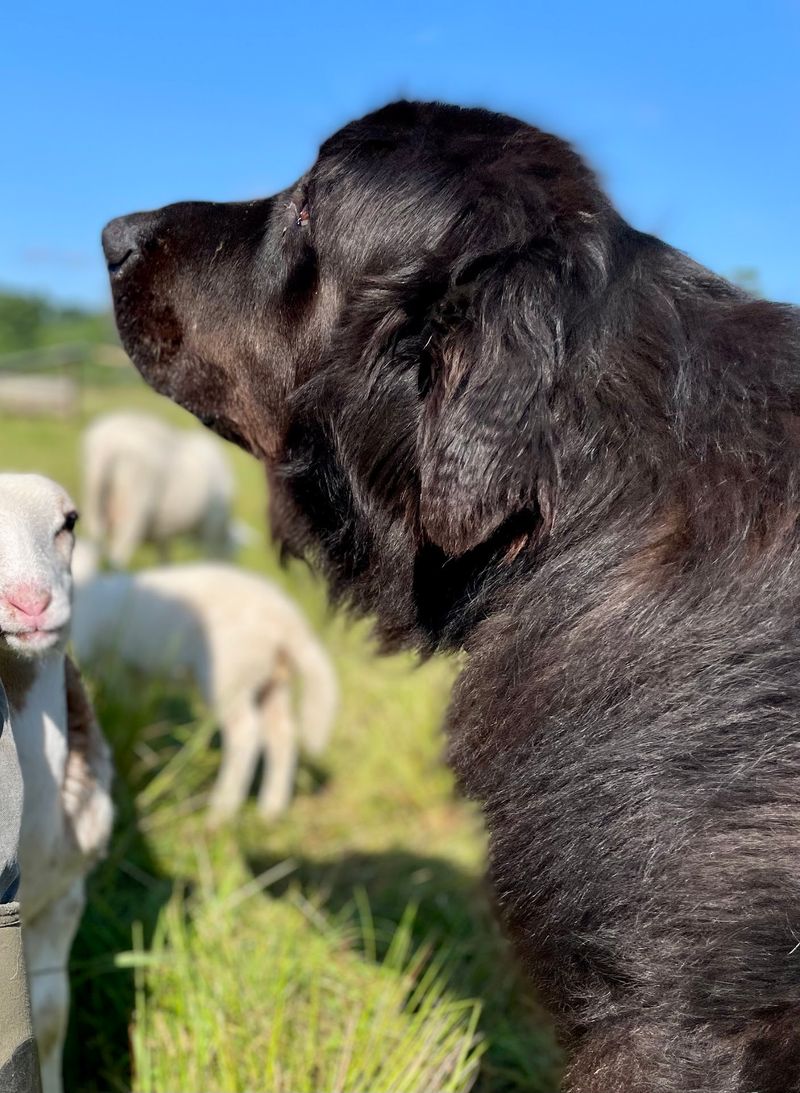
Two dogs named after a famous pair of literary adventurers keep watch here. Huck and Finn are livestock guardian dogs, and they live full-time with the flock.
Full-time really means full-time. They aren’t visiting the sheep after dinner and heading home to a couch.
Their job is protecting the flock from predators. New Hampshire has plenty of wild neighbors, so that role matters a lot.
The farm credits the dogs with helping create a peaceful ecosystem. Calm sheep graze better, and a calm farm runs smoother.
I love that the names fit so well. Huck and Finn spend their days outdoors, roaming fields and keeping an eye on things.
Guardian dogs work differently from herding dogs. They don’t chase sheep around, they simply stay close and stay alert.
That quiet presence becomes part of the flock’s daily life. The sheep get used to their furry bodyguards pretty quickly.
It’s one of those details that shows how this farm thinks. Protection doesn’t come from chemicals or fences alone, it comes from smart partnerships.
Honestly, Huck and Finn might be the hardest-working employees on the property. They never take a vacation.
The Pigs Here Are Basically Woodland Comedians
Rambunctious, funny, and full of life. That’s how the farm itself describes its pigs, and it calls them hilarious to watch play and grow.
The pork comes from a Landrace Yorkshire cross. Piglets arrive at about eight weeks old and settle into a pretty great setup.
They rotate through roughly five acres of woods and pasture. Every week, they move to a fresh home.
Pigs love to dig, and this land lets them act like pigs. They forage for nuts and roots while getting free-choice grain too.
Growth happens fast. In about eight months, the pigs can top 500 pounds.
Pork is usually ready in late fall. The farm sells whole and half pigs, cut to each customer’s specifications.
Curing, smoking, and sausage are available for additional fees. That means you can plan for bacon and breakfast links, not just chops.
Local restaurants have noticed too. Tinos Kitchen + Bar has sourced pork from Winnicut River Farm.
A half pig is a big commitment, so freezer space matters. Measure before you order, unless you enjoy playing a very cold game of Tetris.
Heritage Chickens Living The Pasture Life
Red Rangers are the chicken of choice at Winnicut River Farm. They’re a heritage breed with rusty red feathers and an appetite for the outdoors.
Chicks spend about two weeks in a brooder first. After that, they live on pasture grass 24 hours a day.
Fresh grass arrives daily for them too. The birds move to a new spot each day, snacking on bugs and seeds.
They also get free-choice supplemental feed. So they enjoy foraging without missing the nutrition they need.
The finished birds are sold whole and vacuum-sealed. They typically weigh around four to five pounds.
That’s a nice size for a Sunday roast with leftovers. Chicken soup later in the week practically plans itself.
The farm is also developing a pasture-raised system for heritage turkeys. That’s exciting news for anyone dreaming about a local holiday centerpiece.
Eggs are part of the lineup as well. A carton from a pasture-focused farm makes an easy first purchase for curious shoppers.
Whole birds might seem intimidating to some cooks. A little practice with roasting pays off quickly, and the bones make a great stock.
Ordering A Freezer Full Of Meat Is Easier Than It Sounds
Buying meat straight from the farm works a little differently than grabbing a pack at the grocery store. Here, it’s mostly about planning ahead.
Winnicut River Farm sells its products directly. The farm keeps price and availability pages and an order form for customers.
Timing depends on the animal. Beef arrives in late summer or early fall, pork lands in late fall, and lamb shows up in its own windows.
For beef buyers, you get to choose your butcher cuts. A finished steer yields roughly 600 to 650 pounds of hanging weight.
That’s a lot of meat. Splitting a large order with friends or family can make it much more manageable.
The farm has a reputation for helping buyers through the process. Cut sheets can feel confusing at first, so guidance really helps.
Think about what your household actually cooks. Love burgers?
Ask for more ground beef. Into slow roasts?
Plan for those cuts.
Eggs and whole chickens make easier starter purchases. They let you sample the farm before committing to half a pig.
Either way, buying this way connects you directly to the people raising your food. That’s a pretty satisfying feeling.
Early June Brings Baby Lambs And A Behind-The-Scenes Look
Baby lambs in June might be the cutest reason ever to visit a farm. Winnicut River Farm offers a chance to come by in early June to see them.
Remember, the ewes lamb on pasture in late May. By early June, those newborns are wobbling around the fields.
The visit isn’t only about cuteness, though. Guests can see the holistic management of all the livestock on the farm.
That means seeing how cattle, sheep, pigs, and chickens each fit into the bigger system. It turns a farm visit into a hands-on lesson.
Kids especially might connect the dots here. Seeing animals on grass explains where food comes from better than any textbook.
Adults can learn plenty too. Rotational grazing makes much more sense once you see the fences and fresh paddocks in person.
Bring good walking shoes and clothes that can handle a little mud. Farms are working places, and fields don’t come with sidewalks.
Check with the farm ahead of time about visit details. Planning makes the trip smoother for everyone, including the lambs.
Honestly, a field of spring lambs beats most weekend plans in New Hampshire. Good luck leaving without a big smile.
A River With Centuries Of Stories Flows Nearby
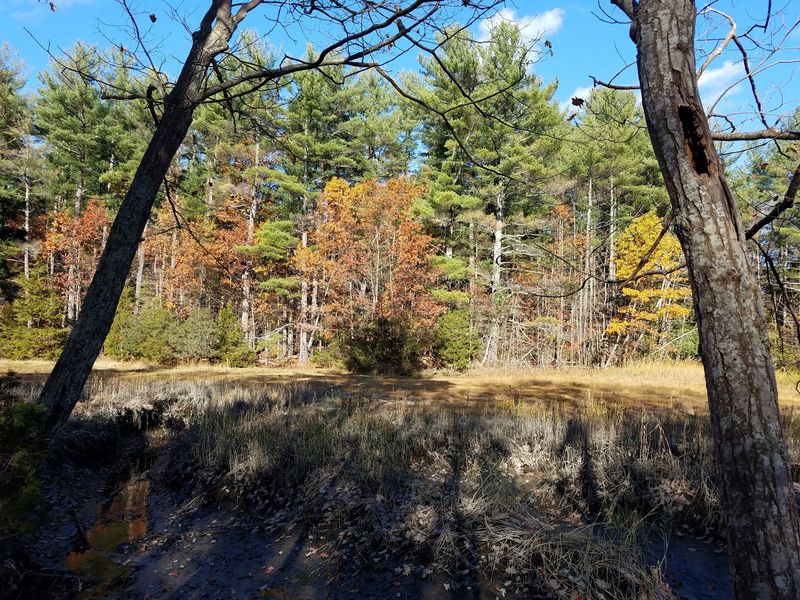
The farm borrows its name from a river with a long résumé. The Winnicut River runs about 9.1 miles through Stratham and Greenland.
It eventually empties into the Great Bay Estuary. That connects this quiet corner of New Hampshire to one of the region’s most important coastal waters.
History runs deep along its banks. Since the 17th century, the river has supported mills, fishing, transportation, and farming.
So raising animals near the Winnicut isn’t new at all. Winnicut River Farm continues a very old local tradition with a modern, soil-first approach.
That makes the no-chemical promise feel even more meaningful. Skipping fertilizers, pesticides, and herbicides helps protect land close to a waterway that matters.
Finding the farm is simple. It sits at 3 Barker Ln, Stratham, NH 03885.
Stratham keeps a rural feel while staying close to the Seacoast. It’s an easy drive for anyone exploring southeastern New Hampshire.
Pair a farm pickup with a scenic drive through the area. The fields and water views make the trip feel like a mini getaway.
Plus, you’ll head home with dinner in the cooler. That’s a road trip souvenir everyone actually wants.
