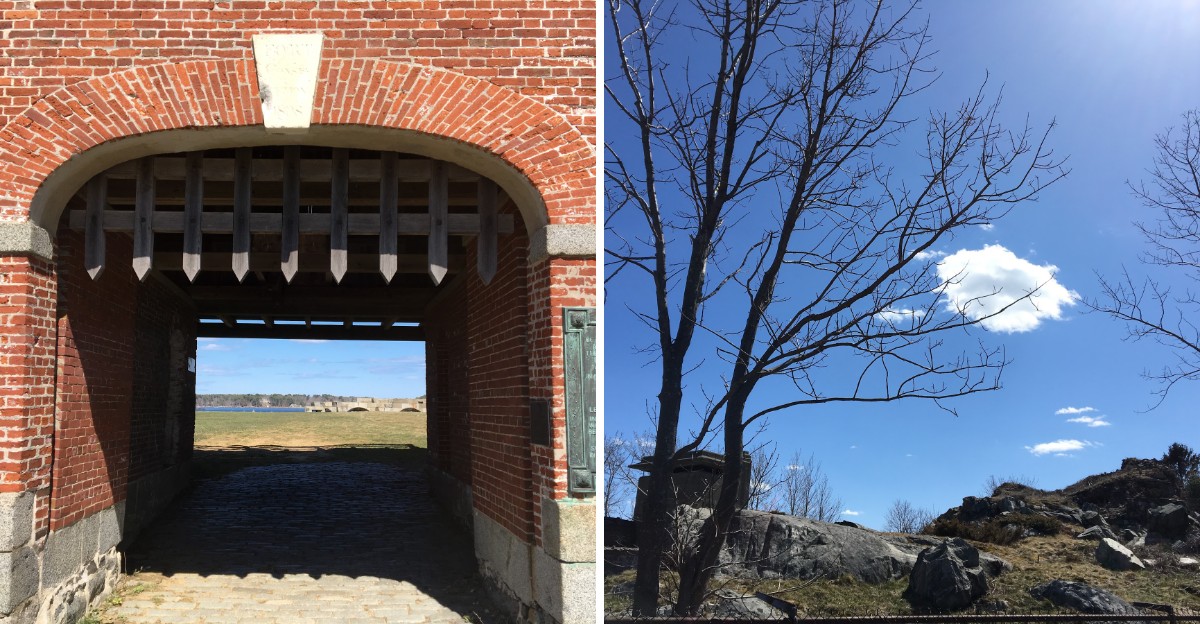
Colonists stormed a British fort and seized gunpowder months before the American Revolution officially began. Seriously, this dramatic confrontation happened in December 1774, well before the famous fighting at Lexington and Concord.
The raids followed a warning delivered by Paul Revere, and the captured military supplies became part of the growing resistance against British rule. I think it’s fascinating that such an important episode unfolded along the New Hampshire coastline, where the historic fort still overlooks the water.
The setting adds another layer to the story. With Portsmouth Harbor nearby and the Atlantic stretching beyond, it’s easy to understand why controlling this location mattered.
The site is currently closed for repairs, but its history remains remarkable. How many Americans realize that one of the Revolution’s earliest confrontations happened here, before independence was even declared?
The Raid That Beat Lexington To The Punch
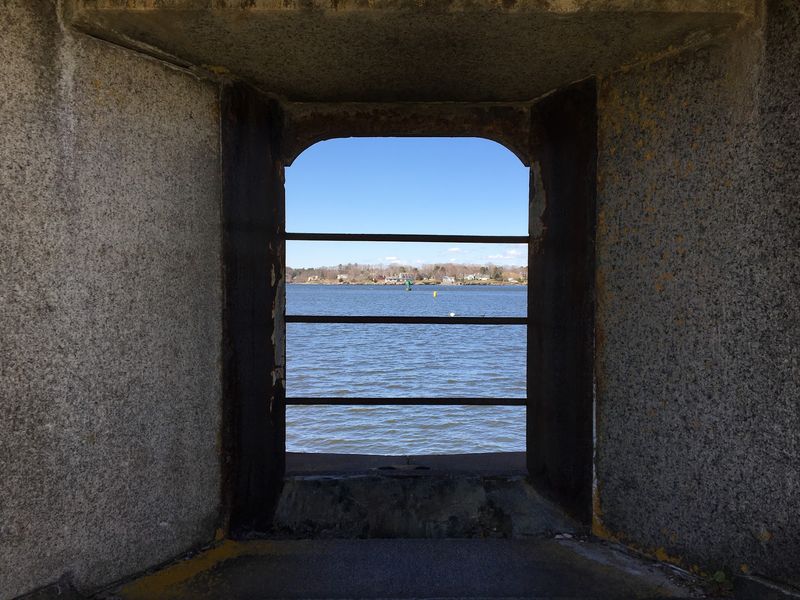
History books love Lexington and Concord, but Fort Constitution State Historic Site has a strong claim to going first. On December 14, 1774, roughly 400 New Hampshire patriots stormed the fort, then called Fort William and Mary.
That date matters a lot. It came four months before the famous shots in Massachusetts, making it the first offensive military action of the American Revolution.
The colonists didn’t show up for the scenery. They captured about 100 barrels of gunpowder and 16 cannons from the small British garrison.
Some of that powder and those cannons later found their way to Bunker Hill. So a chilly coastal grab in New Hampshire helped shape a much bigger story down the road.
Think about the nerve that took. These were ordinary farmers, fishermen, and townspeople acting against the most powerful empire on the planet.
The fort was guarding a key harbor, and the patriots knew exactly what was stored inside. Planning, timing, and plenty of courage all came together on that cold winter day.
Standing near the old walls, even from outside, gives the story real weight. It turns a textbook footnote into a place with salt air, stone, and an actual address.
Paul Revere Took A Different Ride First
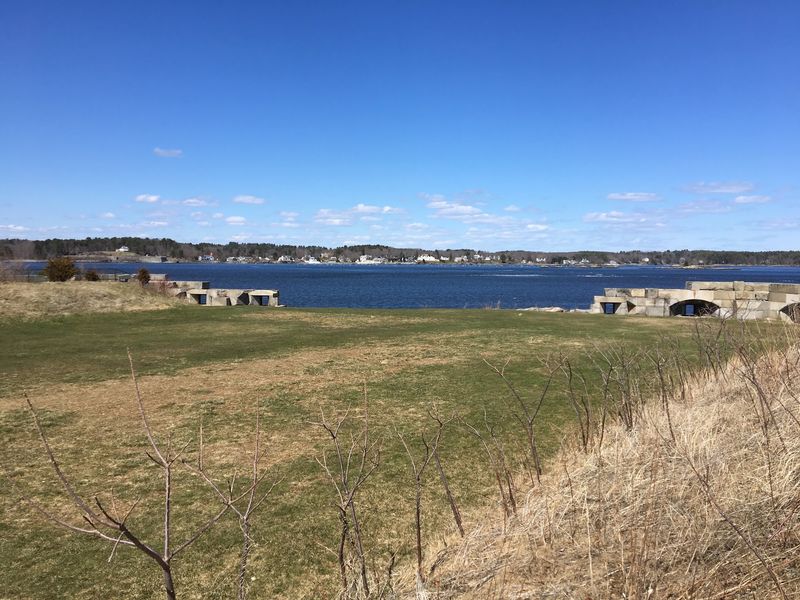
Everyone knows the lantern story. Fewer people know Paul Revere galloped to Portsmouth on December 13, 1774, months before his more famous midnight ride.
His message was urgent. British reinforcements were reportedly heading north to protect the gunpowder stored at the fort.
Revere’s warning lit a fuse, figuratively speaking. Local patriots moved fast, and the raid happened the very next day.
I love that this ride sits quietly in the shadow of the bigger legend. It shows Revere was already a trusted messenger long before poets got involved.
Winter travel in the 1770s was no joyride either. Roads were rough, days were short, and the cold along the coast can bite hard in December.
That detail makes the timing even more impressive. The trip from Boston was long, and the patriots still organized hundreds of people within a day.
If you enjoy trivia, this one is a winner at family dinners. Ask someone where Paul Revere rode first, then watch the confused faces.
The answer points straight to New Castle and the fort guarding Portsmouth Harbor. Few historic sites can claim a link to Revere that most people have never heard about.
Nearly 400 Years Of Guarding The Same Harbor
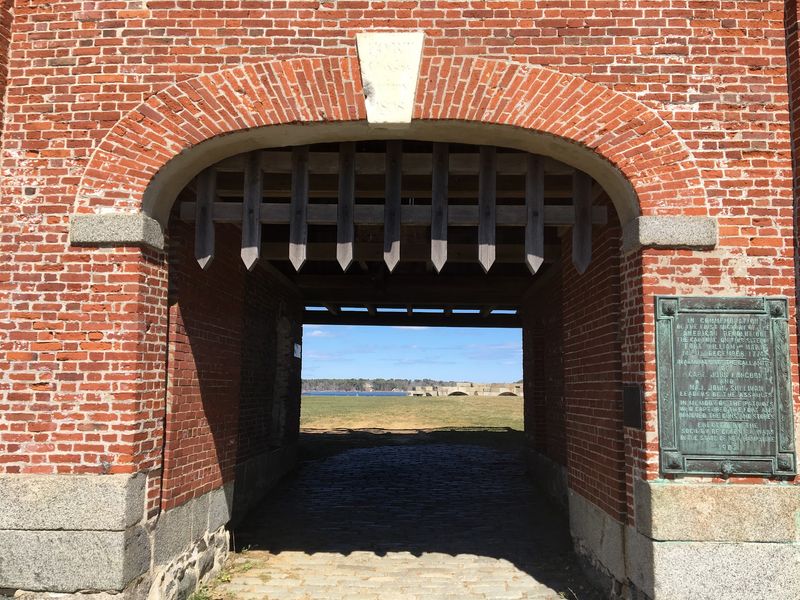
Back in 1631, settlers first fortified this spot and simply called it The Castle. Not the flashiest name, but it got the job done.
Around 1692, the post became Fort William and Mary. After renovations that began in 1791, it officially took the name Fort Constitution around 1808.
The location explains everything. The fort guards the entrance to Portsmouth Harbor, where ships have come and gone for centuries.
Because of that, the site has stayed an active military position for close to 400 years. It may be the oldest continuously occupied military site in the United States.
The story didn’t stop after the Revolution. The fort served during the War of 1812 and was used for training during the Civil War.
Later, in 1961, the property returned to the State of New Hampshire. Then on July 2, 1973, it joined the National Register of Historic Places.
That is a lot of layers for one rocky point. Each era added walls, buildings, or new purposes on top of the last.
Today the Coast Guard still operates here. So the job of watching the harbor never really ended, it just got a modern crew.
Old Walls Show Off Two Eras At Once
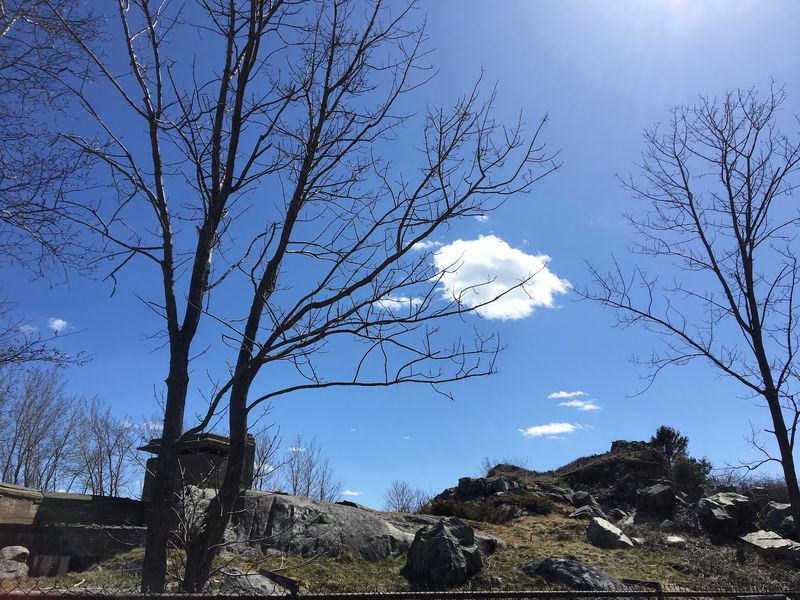
Brick on top of stone tells a neat story if you know how to read it. The ruins here mix the remains of Fort William and Mary with later construction.
The 1808 renovations brought new brick buildings to the site. They also added a wall twice as high as the colonial fort’s walls.
Ruins of that taller wall are still visible today. You can spot a variety of military building styles, including masonry walls and earthen ramparts.
Some pieces didn’t survive. Older walls have vanished over time, along with the original wooden lighthouse that once stood nearby.
I find that mix fascinating. It feels like a scrapbook made of granite, brick, and packed earth instead of photos.
The earthworks show how defenders used soil to absorb cannon fire. The masonry shows a more formal approach that came later.
Architecture fans will enjoy comparing the layers. Kids might just enjoy the fact that it looks like a real castle ruin by the sea.
Either way, the walls do the talking. They show how people kept rebuilding the same defense as weapons and needs changed through the centuries.
A Lighthouse Shares The Point With The Fort
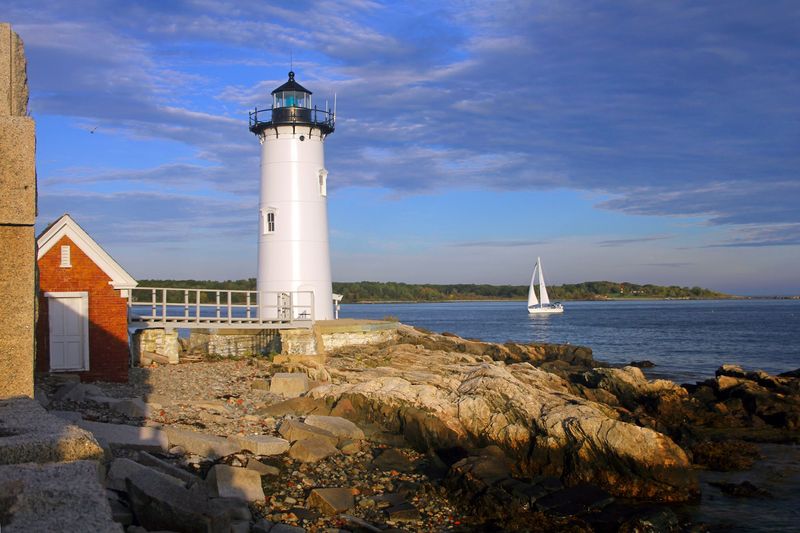
Talk about a scene-stealer. Portsmouth Harbor Lighthouse, also called Fort Point Lighthouse, stands right beside the old fort.
Its roots go back to 1771. That year, a 50-foot wooden lighthouse went up here as the first light station built at a military installation in the British colonies.
That first tower is long gone. The cast-iron lighthouse you see now was built in 1877.
Pairing a fort with a lighthouse makes perfect sense. One protected the harbor from enemies, while the other guided friendly ships safely home.
Photographers get a real treat here. Old fort ruins and a classic New England lighthouse fit neatly into the same frame.
The lighthouse helps tell the bigger maritime story of the area. Portsmouth Harbor was a busy, important waterway, and both structures served it in different ways.
I like how the light adds a softer note to all the military history. It feels hopeful, like a reminder that this point also helped sailors avoid trouble.
Even if the fort grounds stay closed, the lighthouse remains part of the view. It’s a landmark worth spotting from the water or nearby shoreline.
River Meets Ocean Right Outside The Gate
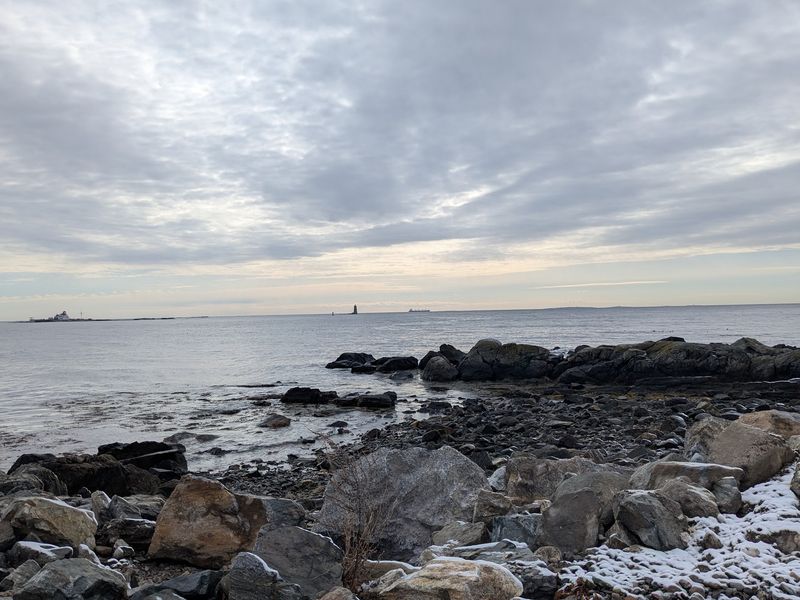
Few historic sites come with a view this good. The fort sits on a peninsula at the northeast corner of New Castle Island.
On one side flows the Piscataqua River. On the other, the Atlantic Ocean stretches out toward the horizon.
Look far enough and you can see the Isles of Shoals. Closer in, the lighthouse adds that classic coastal touch.
Wildlife joins the show too. Common eiders and harbor seals can be spotted in the harbor waters around the point.
Bring binoculars if you have them. Eiders are chunky sea ducks, and spotting seals bobbing in the water never gets old.
The setting also explains why soldiers loved this location. From here, anyone could watch every ship entering or leaving the harbor.
That strategic advantage now doubles as a scenic one. The same view that kept the harbor safe also makes for great photos.
New Castle itself is a small island town with plenty of shoreline charm. Even a quick drive through gives you salty breezes and pretty water views.
So history and nature share the spotlight here. That combo is hard to beat.
Check The Gate Status Before You Load The Car
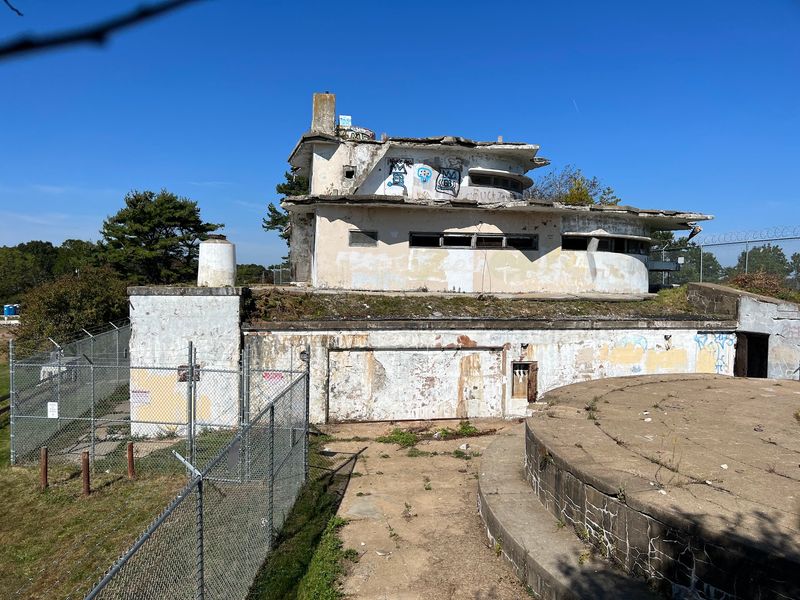
Here comes the honest part. Fort Constitution State Historic Site is currently closed to the public because of pending repairs and unsafe conditions.
The Friends of Fort Constitution called the deterioration unfortunate, especially since 2024 marked the 250th anniversary of the 1774 raids.
Access is also tricky by design. The fort sits on an active U.S.
Coast Guard facility, which can limit when people may enter.
When the site has been open, visitors had to follow a blue line through the base. You walked in on that line and walked out on it too.
The listed location is Sullivan Lane, New Castle, New Hampshire 03854. Some sources also list 25 Wentworth Road, New Castle, NH 03854.
Before planning a trip, check with New Hampshire State Parks for updates. Conditions can change once repairs move forward.
A closed gate doesn’t erase the history, though. The story still makes this corner of the coast worth knowing and talking about.
I’m hopeful the repairs happen soon. A site with this much meaning deserves to welcome curious visitors again, safely and with fresh pride in its role in American history.
Know The House Rules For A Smooth Future Visit
Good news for planners: a visit here, once it reopens, isn’t a big workout. The site has offered a short, easy walk with scenic views.
Picnic areas and restrooms have been available nearby when the grounds were open. That makes it a simple stop to add to a coastal day.
Some rules are worth remembering. Pets are not permitted in the park, so your dog will have to sit this one out.
Drone use is also restricted. Considering the Coast Guard next door, that rule makes plenty of sense.
The park follows a Carry-In and Carry-Out program. Whatever snacks and wrappers you bring in should leave with you.
Pack a small bag for trash. It keeps the shoreline clean for the seals, the eiders, and the next group of history fans.
Comfortable shoes help on uneven ground near old walls. A jacket is smart too, since coastal breezes can be cool even on sunny days.
Following the blue line through the base is part of the experience. Think of it as the easiest treasure map you’ll ever follow, with a historic fort as the prize.
Six More Forts Once Had The Harbor’s Back
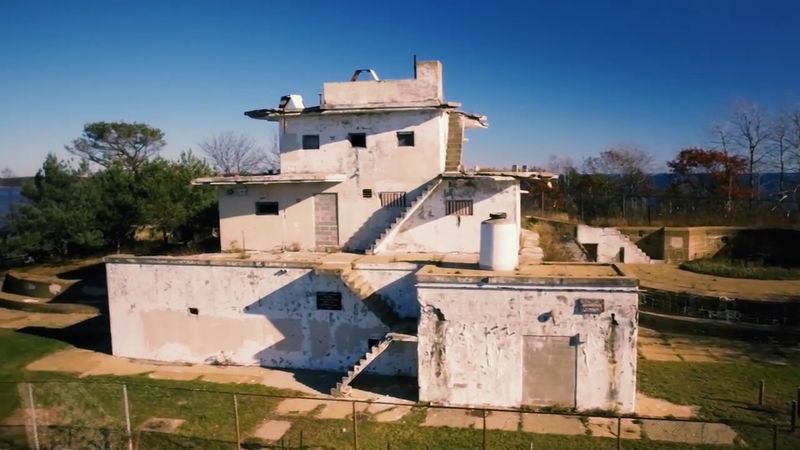
One fort rarely works alone. Fort Constitution State Historic Site was one of seven forts built to protect Portsmouth Harbor.
On the New Hampshire side, the list includes Fort Stark, Fort Washington, and Fort Dearborn. Across the water in Maine stood Fort Sullivan, Fort McClary, and Fort Foster.
Together, they formed a defensive network around a valuable harbor. Each spot covered angles the others might miss.
That bigger picture makes the New Castle fort even more interesting. It sat at the center of a long effort to keep the region secure.
History buffs could build a whole road trip around this idea. Exploring the system helps explain why so much effort went into one stretch of coast.
Check each site’s current access before heading out. Status and hours can differ from place to place.
Even reading about the network adds depth to the 1774 raid. The patriots targeted the harbor’s key fort, not just any random outpost.
I love how it all connects. A December raid, a famous rider, a lighthouse, and a ring of forts all tie back to one rocky point in New Castle.
