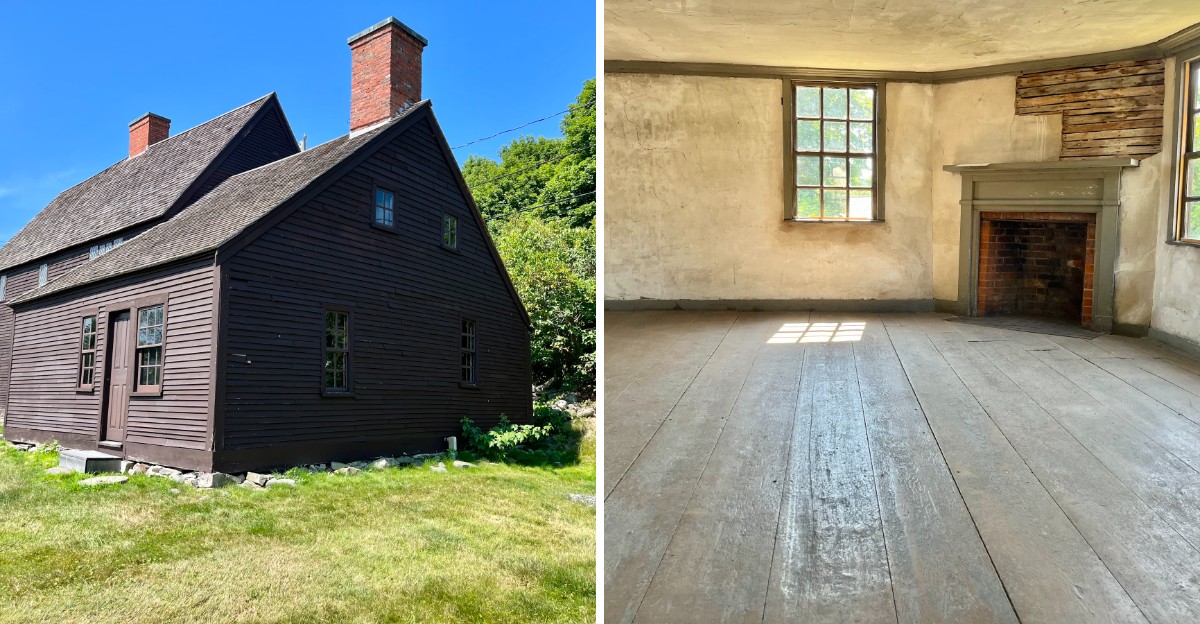
The oldest timber-framed house in New Hampshire was built in 1664, and it has stood for more than three centuries. But the most powerful chapter of its story belongs to a woman who lived there in the early twentieth century.
She was born enslaved on a plantation in the South and escaped to freedom via the Underground Railroad. She rented a small house on the property and retained the right to live there until her death in 1947.
The house itself is a National Historic Landmark, preserved with original details and restored with care. Walking through the rooms, you can feel the weight of everything that happened here, from colonial days to the fight for freedom.
This New Hampshire site is not just about architecture. It is about the people who lived within these walls and the story they carried.
Meet the Oldest Wooden Survivor in the State
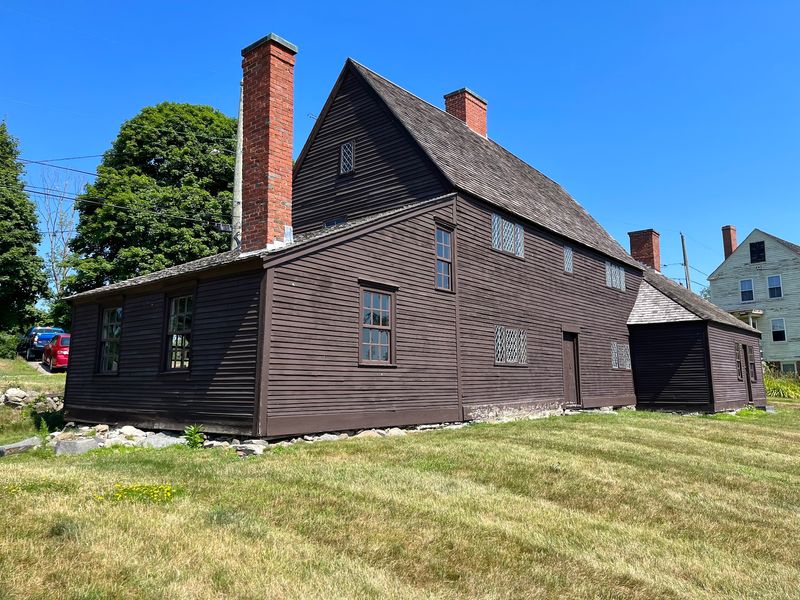
Picture a house so old it predates most of the towns around it. The Richard Jackson House is the oldest surviving wood-frame home in New Hampshire, and it wears that title with quiet pride.
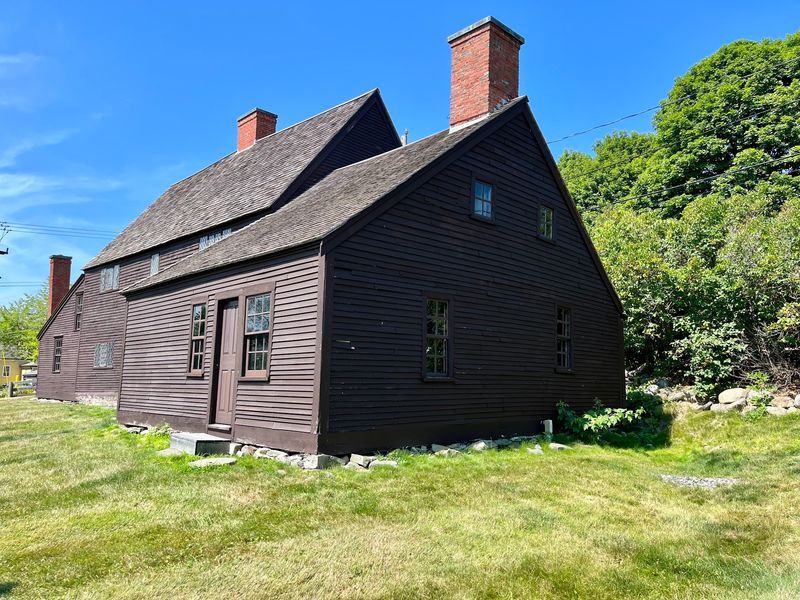
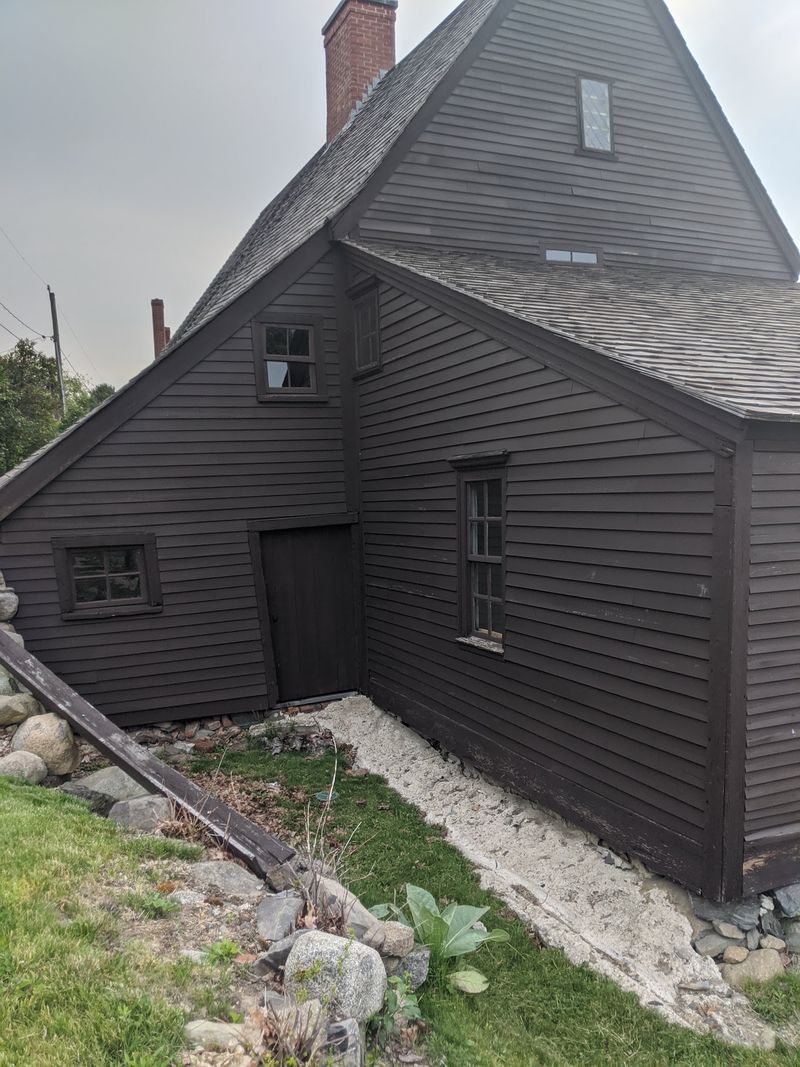
Gray, weathered boards cover the outside like the wrinkles on a wise grandparent. A long roof swoops down toward the ground on one side, giving the place that classic lean-to look.
Nothing about it shouts for attention, yet once you notice it, you simply cannot look away.
Richard Jackson built it for his family on land beside the Piscataqua River. He worked as a farmer, a mariner, and a woodworker, which explains why the timber framing feels so carefully made.
The man knew his lumber.
Today the home is a National Historic Landmark cared for by Historic New England. That is a big deal, since only a small number of places across the country earn that honor.
My advice is simple. Slow down before you even reach the door.
Walk around the outside first and study the shape. Every bump, addition, and sag hints at another chapter in a story that runs for centuries, and the best chapters are still waiting indoors.
Post Medieval Bones You Can Actually See
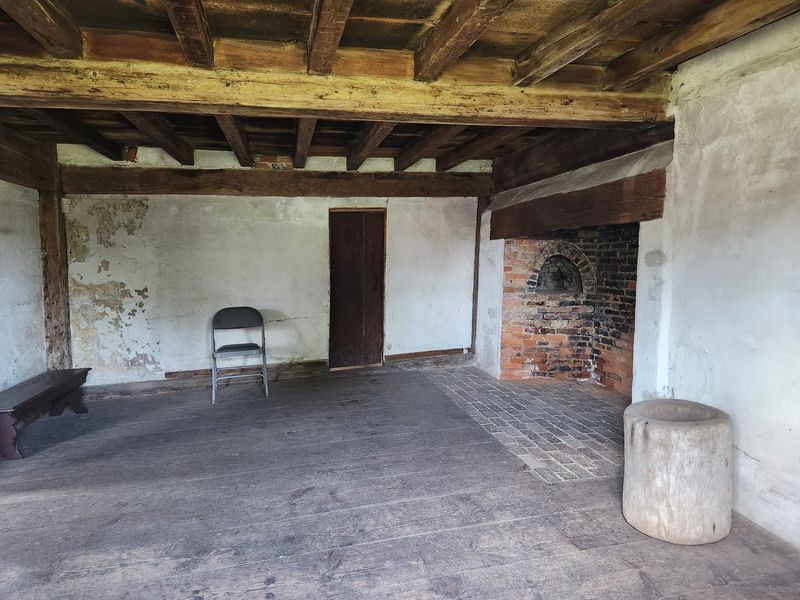
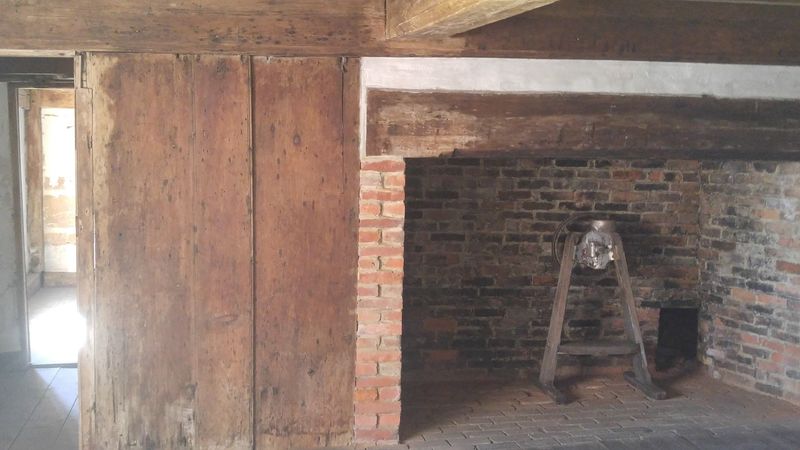
Forget drywall. Inside, the skeleton of the building is out in the open, and it is gorgeous in a rugged, no-nonsense way.
Massive hand-shaped timbers hold everything together. Builders back then used a post-medieval style borrowed from England, so the frame feels more like an old English cottage than anything you would find in a modern suburb.
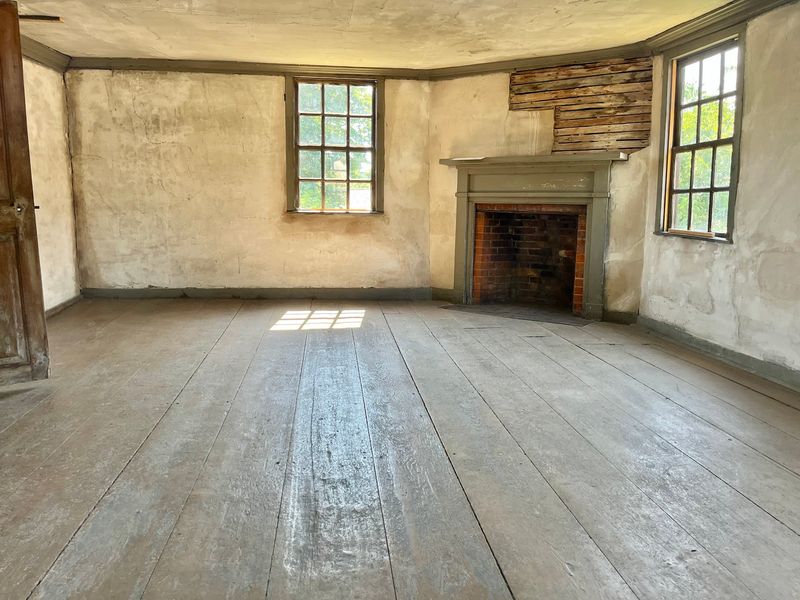
Look up and you will spot heavy beams crossing the ceilings. Look down and you will notice floor planks so wide they seem almost unreal.
One room has boards even wider than the rest, a flex that early builders surely enjoyed.
Black iron hardware shows up on nails, knobs, handles, and even an old door lock. Each piece was functional first, beautiful second, and somehow it nails both.
Want a fun detail? Lumber for the home came from nearby mills powered by the river, which turned rushing water into sawing muscle.
Bring your curiosity and maybe a flashlight app. The house has no electric lights, so natural sunlight does all the work.
That glow through the windows makes the timber look warm and golden, like the house is quietly showing off its best side.
A Freedom Story Hiding in Plain Sight
Here comes the plot twist most people never expect. After generations of Jackson family ownership, the house passed to Mary E.
Jackson Brown, who rented it to Clarence and Belle Tilley.
The Tilleys were African Americans who escaped slavery in the South through the Underground Railroad. Think about that journey for a second.
Danger, secrecy, and enormous courage carried them north to build a new life.
Belle held the right to live in the house for the rest of her life. Even after Historic New England bought the property, she stayed on as its resident, keeping the home very much alive.
That detail flips the script on what a colonial landmark can mean. Instead of only honoring the people who built a place, the Richard Jackson House also honors those who found safety and freedom within its walls.
Standing in these rooms, you feel the weight of that change. A home connected to slavery in one era became a shelter for freedom seekers in another.
Take a quiet moment here. History is not always neat, and this house proves that the most meaningful stories are often the ones nobody bothered to put on a plaque.
Honest Truths About Enslavement
Some tours tiptoe around hard facts. Guides at this house do not, and that honesty is exactly why it matters.
The Jackson family enslaved people. Tours point out the room connected to a man the family called Prince Jackson, a name given to him rather than chosen by him.
Another story centers on Isabella, a young Black girl brought to the property as a teenager. She lived in a small shack built for her, and drawings and photos of that rough structure help tell her story.
Isabella went on to live a remarkably long life. She saw her great grandchildren born and even attended a speech by Abraham Lincoln in Dover, New Hampshire.
Those details hit hard, and they should. Slavery existed in New England too, even if textbooks often place it somewhere far away.
Go in ready to listen. Ask questions, think about the names, and let the stories sink in.
Leaving with a heavier heart is part of the experience. It means the house did its job, reminding you that real people, not just beams and boards, shaped this place.
Five Generations Named Nathaniel
Talk about a family tradition. Five generations of men named Nathaniel Jackson owned this home, which must have made family dinners wildly confusing.
Imagine shouting the name across the yard and having half the household turn around. Nicknames were probably a survival skill.
Richard Jackson outlived his sons, and after his death the house and land were divided among his daughter-in-law and her children. Rooms were actually deeded to certain relatives, so the house worked like a shared family puzzle.
One room belonged to John Jackson, a son with a mental disability. His family cared for him at home, and he lived into his sixties, which says a lot about the love inside these walls.
Over time, the family added a lean-to and gable-end wings. Each addition grew the house the way a family tree grows branches, one generation at a time.
Pay attention to how the rooms connect. Some doorways feel squeezed, some floors shift slightly, and every odd angle tells you somebody needed more space.
Honestly, it is the ultimate family scrapbook, only built from wood instead of paper and glue.
Rescued by a Preservation Pioneer
Without one determined man, this treasure might have crumbled into firewood. William Sumner Appleton, founder of the group now called Historic New England, bought the property from a Jackson descendant.
His crew removed some later changes to reveal the older colonial structure underneath. It was detective work with hammers.
Later on, the thinking shifted. The restoration of the Richard Jackson House helped shape a preservation philosophy that values keeping changes from many generations instead of erasing them.
That idea is pretty cool when you think about it. A house is not frozen at one moment, so why pretend it is?
Modern helpers are tucked in quietly too. A steel girder supports the additions, and a fire alarm system protects the old wood, all without stealing the spotlight.
So when you spot something that looks newer than the rest, do not grumble. That is the house wearing its full life story on its sleeve.
Preservation is a long game, and this site has been playing it beautifully. Every careful repair keeps the door open for kids, grandkids, and anyone else hungry for real history.
Tiny Clues Left Behind
Hunting for treasures? Bring sharp eyes, because the best artifacts here are small and sneaky.
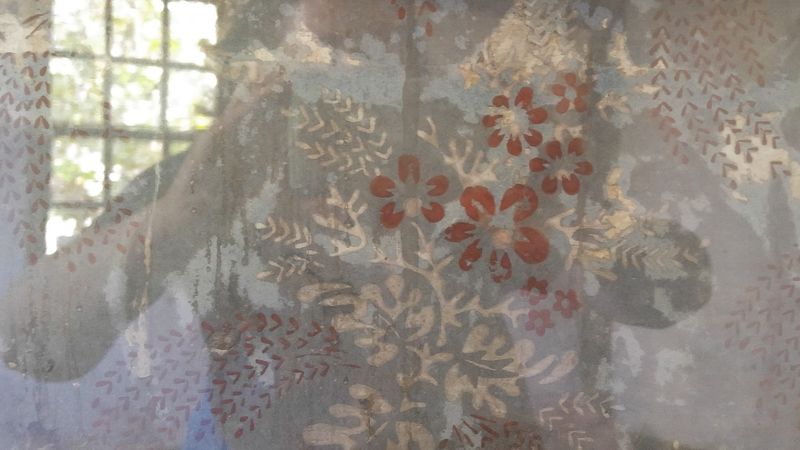
A piece of original wallpaper survives, faded but proud. It gives you a rare peek at what decorating looked like long before paint swatches existed.
Look closely at the walls and girders. Old etchings and carved marks are still visible, little scratches left by hands that lived here ages ago.
There is also an old press tucked into one room, a reminder that apples and farm life once ruled the daily routine. Few furnishings remain, which actually works in your favor.
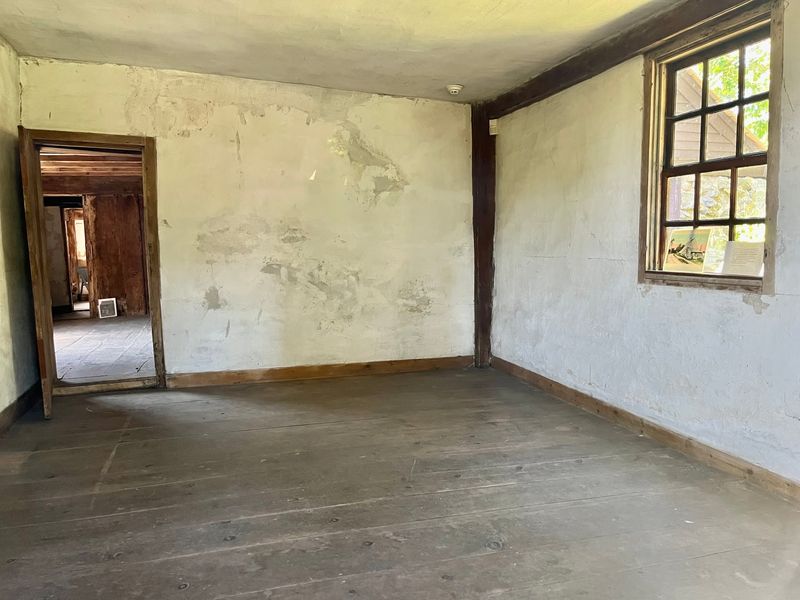
Empty rooms force you to notice the house itself. Light falling across a beam, a crack in a board, or a worn doorway suddenly feels like a museum display.
Here is a smart trick. Crouch down near the walls and tilt your head toward the window light, since faint carvings pop out when shadows hit them just right.
Kids love this part because it feels like a scavenger hunt. Adults love it because each mark is a whisper from the past, asking you to imagine who left it and why.
Windows Worth Pressing Your Nose Against
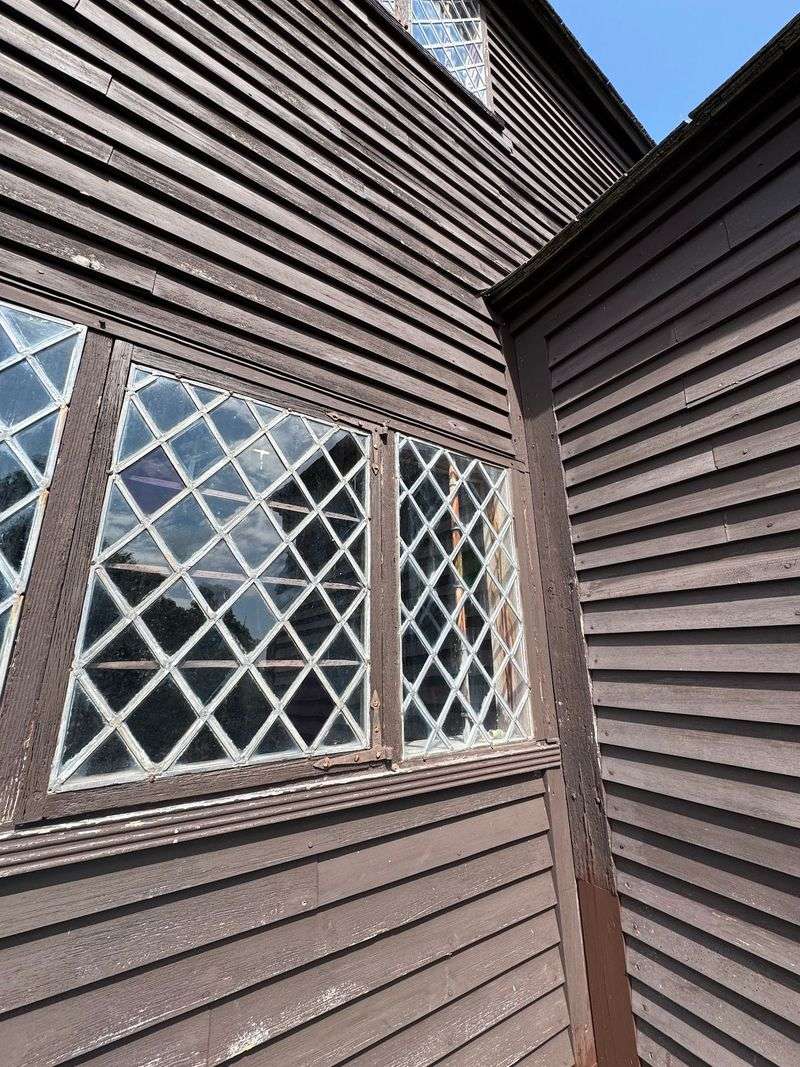
Charming diamond-pane windows give the house a storybook face. They are small, a little uneven, and completely delightful.
Even when the doors are closed, those windows offer a sneaky preview. Peeking inside lets you glimpse beams and wide boards, almost like you are already on the tour.
Back in colonial days, glass was precious. Smaller panes made sense, and they also gave the house that cozy, old-world sparkle you see in fairy tale illustrations.
Photographers, pay attention. Morning and late afternoon light bounce beautifully off the glass, and the weathered wood around each frame adds texture that makes any picture pop.
Walk the whole outside before snapping away. Each side reveals a different personality, from the long sloping roof to the additions at the ends.
A friendly reminder keeps everyone happy. Treat the windows gently and do not lean on old frames, since they have survived a very long time and deserve some respect.
Honestly, this might be the most satisfying window shopping you will ever do, and nobody will ask you to pay for anything you see.
Gardens, Rabbits, and a Quiet Neighborhood Stroll
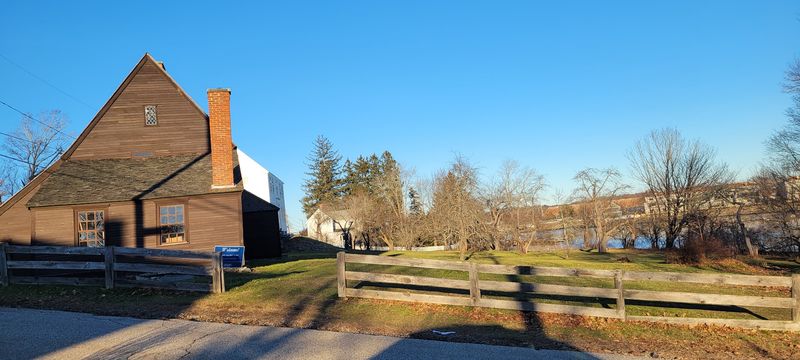
Step outside and the vibe gets peaceful fast. The grounds include a community garden, and wildlife like rabbits sometimes hop by like tiny tour hosts.
There may even be an old root cellar on the property. Farmers once relied on cellars like that to keep vegetables cool through long New Hampshire winters.
Next door stands the caretaker’s house, part of the same estate. It adds to the feeling that this corner of Portsmouth still has a working, lived-in heartbeat.
Northwest Street itself is a treat. Several other historic homes line the road, and while they are private residences, admiring them from the sidewalk is a lovely bonus.
Plenty of longtime locals have never wandered down this quiet lane. That makes a walk here feel like stumbling onto a secret chapter of the city.
Wear comfy shoes and take your time. Grassy patches, old trees, and sloped roofs create the perfect setting for a slow stroll.
Keep voices low and respect the neighbors. The calm atmosphere is part of the magic, and it pairs perfectly with all the deep history you just soaked up.
Plan Your Visit and Go Already
Okay, time to stop scrolling and start planning. The Richard Jackson House sits at 76 Northwest St, Portsmouth, NH 03801, an easy hop from downtown.
Guided tours run during the warmer season, roughly early summer through fall. Check the Historic New England website before you go, since schedules and access can change.
Members of Historic New England and Portsmouth residents may get special deals. Joining the organization also opens doors to other historic homes around the region.
Tours move at a relaxed pace, and guides share plenty of stories along the way. Some groups even get a quick look up into the attic, which feels like sneaking into the house’s private diary.
Pair your trip with a wander through Portsmouth itself. The city mixes colonial charm, harbor breezes, and walkable streets that make a full day feel effortless.
I think this little house belongs on every New Hampshire bucket list. It is humble, honest, and packed with more meaning than many grand mansions.
So grab your camera, your curiosity, and a friend who loves a good story. Those old timbers have been waiting long enough for you.
