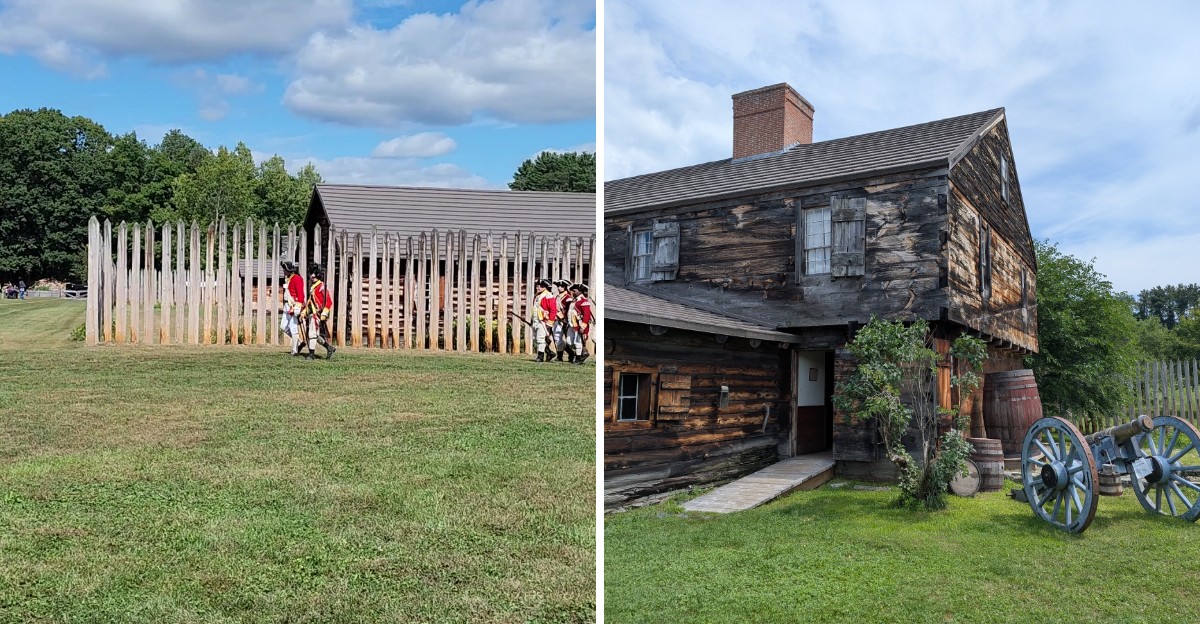
Twelve dollars for a senior ticket to an 18th-century frontier settlement? That’s an interesting opportunity to explore colonial history without spending a fortune on admission.
The New Hampshire living history museum recreates a fortified community from the 1700s, complete with reconstructed buildings and exhibits about life along the colonial frontier. I find the practical side of this history especially fascinating, from the tools people used to the challenges of maintaining a settlement far from larger towns.
Visitors can explore the historic setting and learn about the daily responsibilities, traditions, and survival skills that shaped early communities. Educational programs and demonstrations offer additional insight into the period.
The reconstructed structures also help make the experience more tangible than simply reading historical accounts. I think it’s remarkable how much you can learn about everyday life by exploring a place designed to recreate it.
A Frontier Outpost That Once Stood At The Edge Of Everything
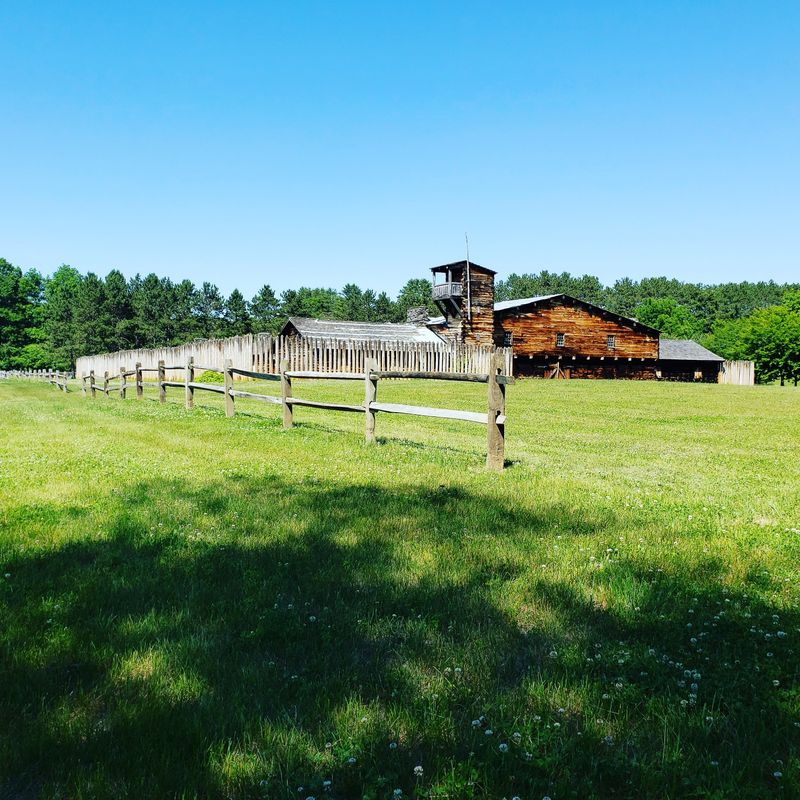
Back in 1744, settlers built a stockade to protect a place called Plantation Number 4. It sat farther north along the Connecticut River than any other British settlement in the Province of New Hampshire.
The Fort at No. 4 tells that story today as an open-air living history museum. It’s a faithful reconstruction, built to recreate the details of the original structures from 1746.
Think about what that location meant back then. These families lived far from the coastal towns, with few neighbors and plenty of risk.
That’s why the fort works more like a fortified village than a lone military building. Houses connect to one another, forming walls that wrap around a central yard.
The museum depicts the settlement as it looked during King George’s War in the 1740s. You’re seeing a moment in time, frozen and rebuilt with real care.
The mission goes beyond one building, too. Staff share the heritage of the Upper Connecticut River Valley, including settlers, soldiers, craftspeople, and Native peoples.
Every one of those groups shaped this region in lasting ways. Knowing that context first makes every room inside feel far more meaningful.
Your Ticket Costs Less Than A Fancy Lunch
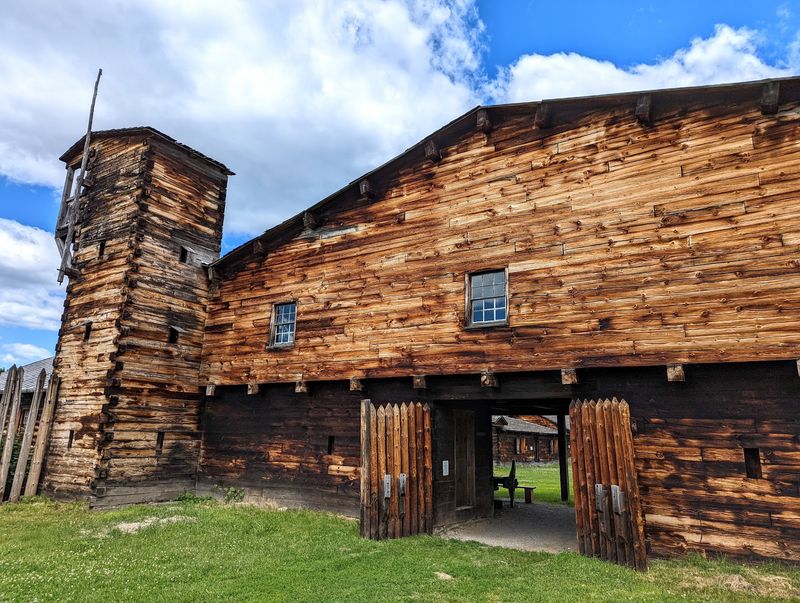
Good news for anyone 65 or older. Senior admission sits at an especially friendly price, making this one of the easier history outings to justify.
That ticket gets you access to the whole reconstructed settlement. You can wander at your own pace, poke into rooms, and chat with interpreters along the way.
The museum runs as a private, nonprofit organization. Admission and memberships help keep the buildings standing and the programs running.
So your visit does double duty. You get a memorable day out, and you help preserve a piece of New England frontier history.
Planning to come back for a big event? A membership could make sense if repeat visits sound tempting.
Free parking makes things even easier. You won’t need to circle a lot or feed a meter before stepping back into the 1740s.
Bring comfortable shoes, though. The grounds are outdoors, and paths can be uneven in spots.
A sun hat or rain jacket is smart, depending on the forecast. The fort doesn’t come with a roof over the whole yard, after all.
Honestly, the value here is hard to beat. History this hands-on rarely costs so little.
Costumed Interpreters Will Gladly Talk Your Ear Off
Tricorn hats, linen shirts, and wool coats are everyday wear around here. Interpreters dress in 18th-century clothing and demonstrate the routines that kept frontier families going.
You might catch someone cooking over an open hearth. Others may show off weaving, woodworking, or the steady clang of blacksmithing.
Many of these folks are volunteers. They share a deep love of the period, and it shows in how much they know.
Ask questions freely. The best moments often come from a simple “how did they do that?” that turns into a fascinating mini-lesson.
Craft demonstrations can vary by day. That means each visit may reveal a different skill, tool, or story.
Linen making is a great example of slow, patient work. Seeing it explained makes you appreciate your closet a whole lot more.
The tinsmith and blacksmith bring metalwork into focus. Suddenly those hooks, pots, and hinges around the fort make perfect sense.
Give yourself time to linger. A quick walk-through takes about an hour, but conversations can easily stretch that to two.
Those extra minutes are where the real treasure hides.
Muskets, Drills, And A Healthy Dose Of Noise
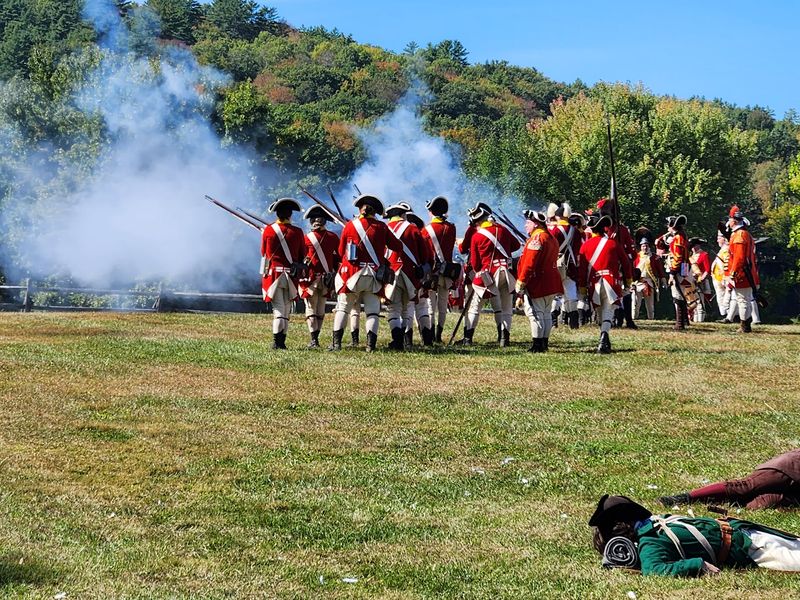
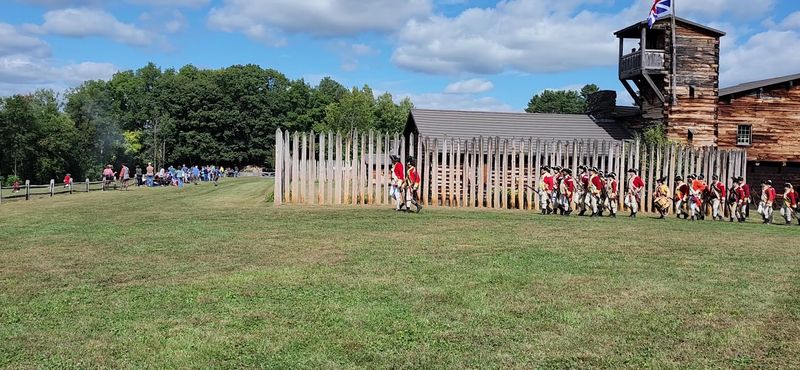
Cover your ears, because things can get loud. Musket firings and military drills are part of the action at The Fort at No. 4.
Watching a musket load and fire shows just how slow and tricky colonial weapons were. Every shot took steps, practice, and steady hands.
Drills explain how soldiers moved and worked together. It’s a living lesson in discipline, done right in front of you.
The smoke drifts, the commands ring out, and the past suddenly feels close. No textbook can match that kind of moment.
Kids usually perk up fast during these demonstrations. Grandparents tend to enjoy explaining what they’re seeing, too.
Demonstrations follow the museum’s schedule and special programs. Check the event calendar before you go so you don’t miss the action.
Find a good viewing spot early if a demonstration is planned. You’ll want a clear look at the line of reenactors.
Afterward, interpreters are often happy to explain the equipment. Ask about the uniforms, the gear, and how a frontier garrison stayed ready.
Few museums let you hear history this clearly. Here, it practically announces itself with a bang.
Built By Hand The Hard Way, And On Purpose
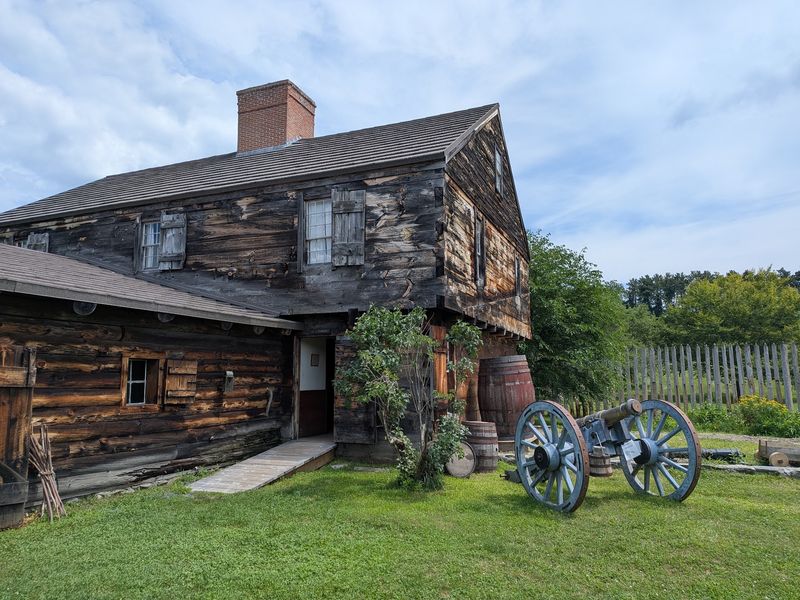
In 1960, the reconstructed fort opened to the public as a museum. The builders chose period tools and techniques, which is a pretty bold way to tackle a construction project.
That choice gives the place its texture. Timber, joinery, and hand-shaped details reflect how frontier builders actually worked.
Inside, rooms are set up to show daily life. Look for furnishings, tools, and household items arranged the way a settler family might use them.
One building features an enormous fireplace. In a New Hampshire winter, that hearth was basically the heart of the home.
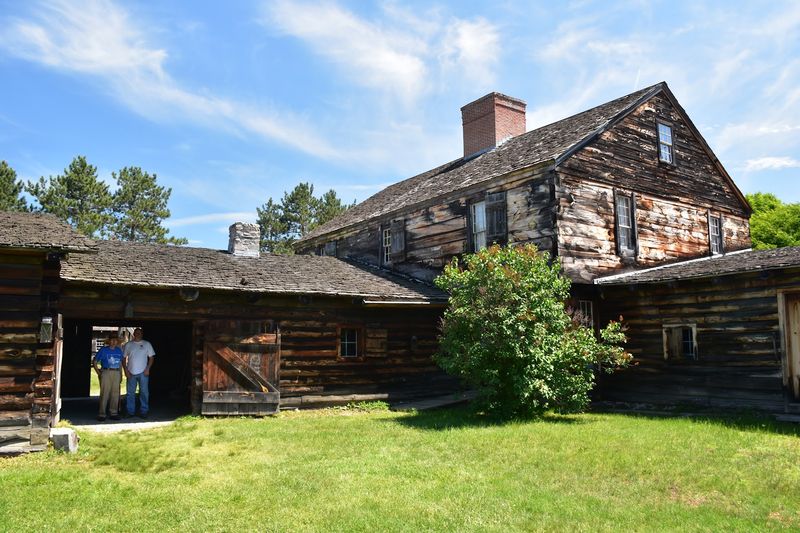
The connected houses create the fort’s outer walls. It’s clever design, giving families shelter and protection in one structure.
A watchtower adds another layer of interest. Climbing up offers a view toward the river that once mattered so much to this settlement.
Recognition followed the hard work. In July 2020, the site joined the New Hampshire State Register of Historic Places.
Not bad for a museum that started with volunteers and old-fashioned tools. Run your eyes over the beams, and you’ll spot the effort everywhere.
Plan Around Big Weekends For Extra Excitement
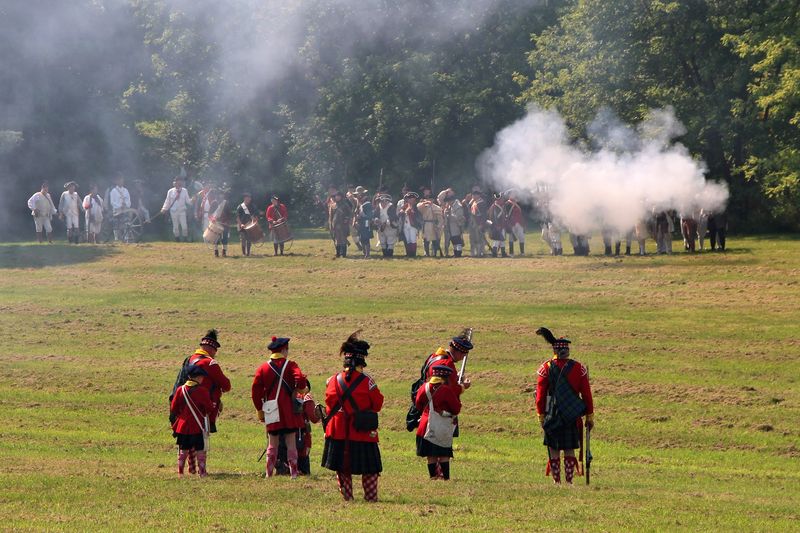
Special events turn a calm visit into something much bigger. The museum hosts French and Indian War reenactments throughout its season.
Revolutionary War weekends bring a later chapter of history to life. You’ll see how the region changed over the decades that followed.
Native Heritage Weekends highlight the Native peoples who shaped the valley. These programs add important voices to the frontier story.
Encampments often fill the grounds during major events. Tents, campfires, and costumed participants make the whole site feel lived-in.
The open fields help, too. Even busy weekends have plenty of space to spread out and explore.
Schedules change each year, so check the calendar early. Popular weekends are worth marking on the fridge the moment they’re announced.
Event days may also come with special hours. Confirm timing before you leave the house to avoid any surprises.
If you can only make one trip, aim for an event weekend. The extra activity gives you more to watch, hear, and ask about.
Quieter days have their own charm, though. You’ll get more one-on-one time with interpreters and fewer heads blocking the view.
Timing Your Visit Takes A Little Strategy
Mark May 2 on your calendar. That’s when the museum opens its 2026 season.
Regular days usually fall Friday through Sunday. Friday and Saturday typically run from 10 a.m. to 4 p.m., while Sunday wraps up at 3 p.m.
Monday through Thursday, the gates usually stay closed. Showing up midweek means you’ll only admire the fort from outside.
Special events can shift those hours. A quick check before your drive saves a lot of disappointment.
Morning arrivals give you the most breathing room. You’ll have time for demonstrations, questions, and a slower stroll.
Weather matters at an outdoor museum. Rainy days still work, but a good jacket makes them far more pleasant.
Plan on at least one to two hours. Longer is easy if you love chatting or catch a big program.
Bring water and wear sturdy footwear. Uneven ground is part of the authentic frontier charm, for better or worse.
A little planning goes a long way here. Get the timing right, and the 1740s will be waiting with the door open.
A Small Shop With Handmade Charm
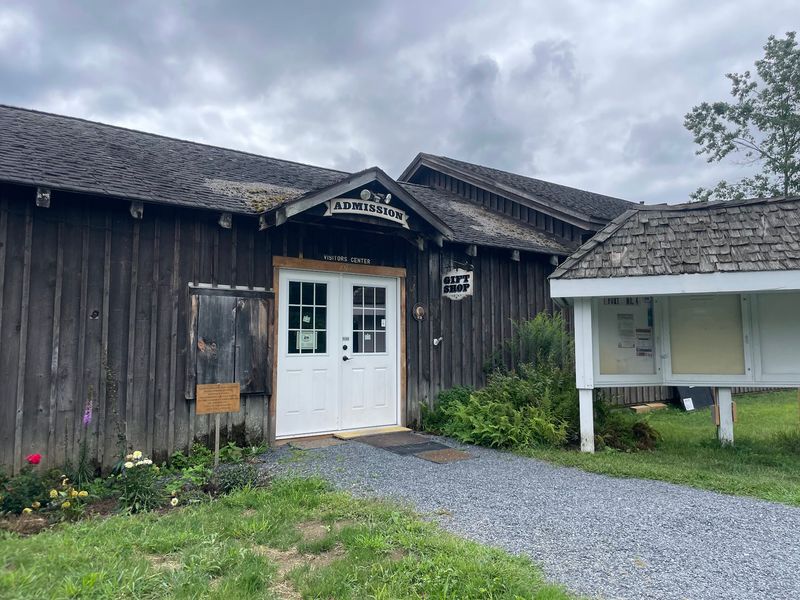
Souvenirs here lean handmade rather than mass-produced. The small gift shop fits right in with the fort’s do-it-yourself spirit.
Browsing makes a nice cooldown after time in the yard. It’s a chance to take a bit of the frontier home with you.
Look for items that match the crafts you’ve just watched. Seeing a skill demonstrated first makes a finished piece feel more special.
Grandkids might enjoy picking out something to remember the trip. A small keepsake can spark questions long after you leave.
Shopping also supports the museum. As a nonprofit, every purchase helps fund buildings, programs, and future improvements.
The space is cozy, not sprawling. Plan on a quick browse rather than an hour-long shopping spree.
Inventory can change, so expect a little variety from visit to visit. That’s part of the fun with handmade goods.
Save the shop for the end of your trip. You won’t have to carry your treasures around the fort all afternoon.
Consider it the final room of the museum. It just happens to be the one where you can take things home.
Easy To Reach, Hard To Forget
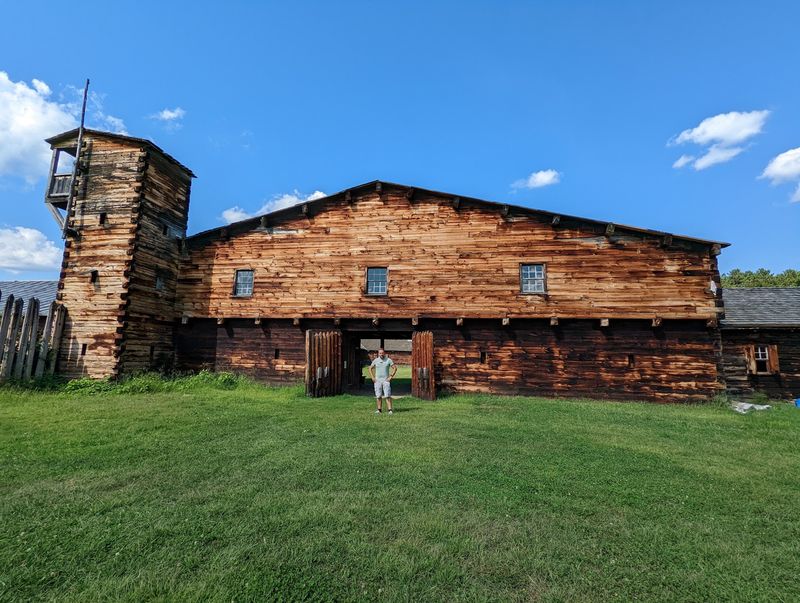
Finding the fort is refreshingly simple. Plug 267 Springfield Road, Charlestown, NH 03603 into your GPS and enjoy the scenery.
The museum sits in the Upper Connecticut River Valley. It’s a region where New Hampshire and Vermont share a long, winding river border.
That river shaped everything about the original settlement. Travel, trade, and protection all depended on it.
The modern site isn’t on the exact original footprint. Still, it was crafted carefully in the likeness of the 1740s outpost.
Free parking keeps arrival stress low. You can pull in, grab your hat, and head straight for the stockade.
Make a day of it in western New Hampshire. Charlestown pairs nicely with a scenic drive through the river valley.
Families of several generations can enjoy the trip together. Seniors can share stories while younger visitors try to imagine life without electricity.
The Fort at No. 4 proves history doesn’t need to be dusty. It just needs logs, smoke, and people who care deeply about the past.
Your afternoon in 1746 is waiting. Bring curiosity, and maybe earplugs for those muskets.
