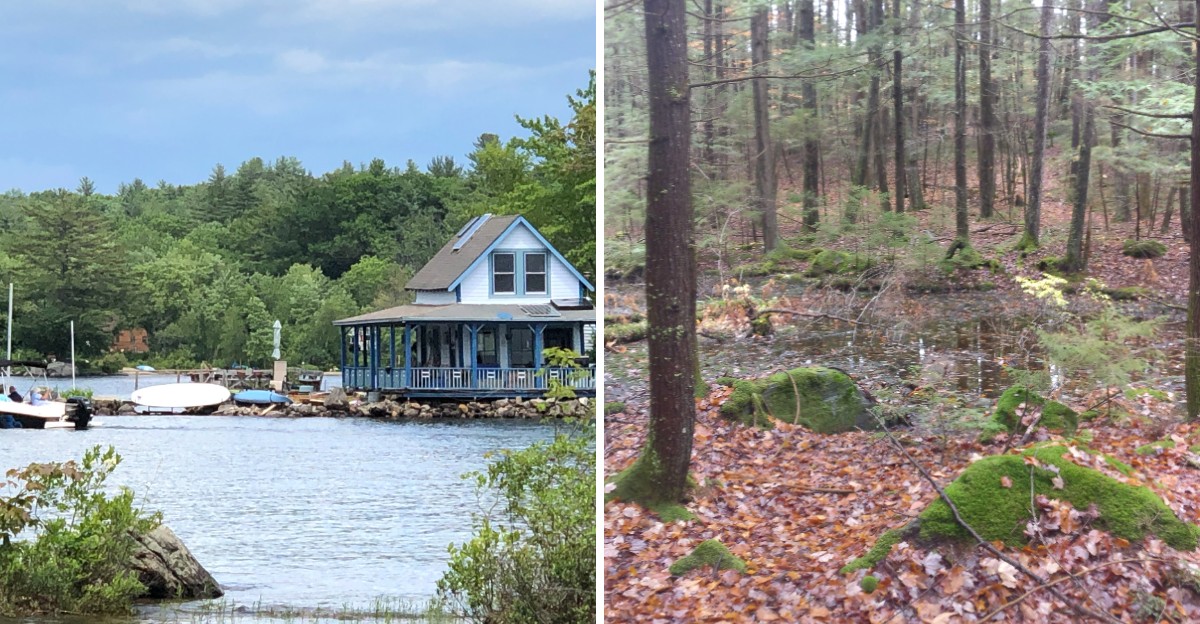
Guided paddling across a remarkably clear lake while watching for wildlife along the shoreline? That sounds like a peaceful way to explore nature, especially when the experience includes someone who knows the surrounding ecosystem.
The New Hampshire nature center offers opportunities to discover the lake and its protected shoreline through educational programs and guided outdoor activities. Its location provides access to freshwater habitats where visitors can learn about local plants, birds, and other wildlife.
I love the idea of exploring a lake at a slower pace, with time to appreciate details that might otherwise go unnoticed. You can enjoy the water, observe the shoreline, and learn about the natural environment along the way.
The combination of paddling and wildlife education makes the outing appealing beyond the scenery alone. And those clear waters certainly add another reason to be curious.
Grab A Paddle And Let A Naturalist Show You The Water Trail
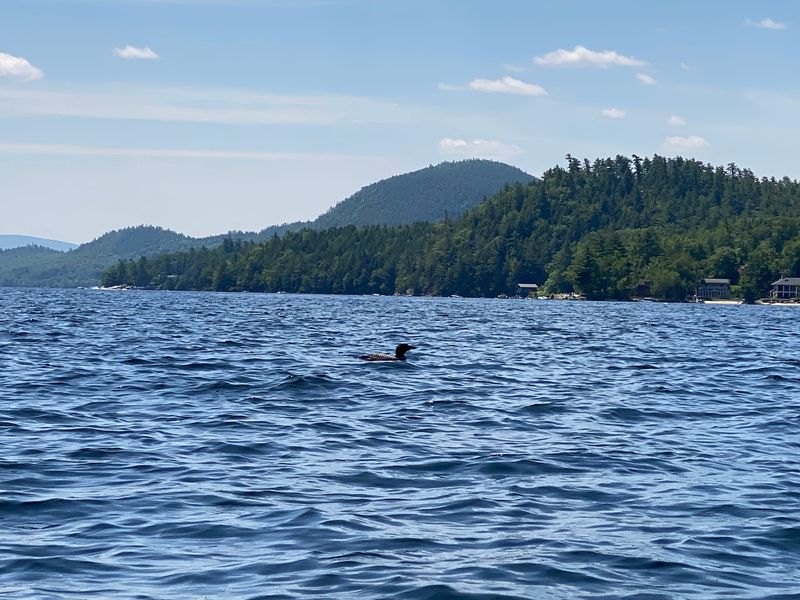
Guided paddles are the star attraction at the Newfound Center at Paradise Point, Hebron. A naturalist leads each trip, so you get a floating classroom with a much better view.
You can choose a canoe, kayak, or paddleboard for the outing. The route follows the Northern Newfound Water Trail along the quiet northern end of the lake.
Guided paddles usually happen on Tuesdays during the summer season. There are also First Friday Paddles, which give weekday schedules a little more breathing room.
The guide shares stories about the lake’s geology and ecology as you go. Think rocks shaped by glaciers, plants along the edge, and creatures living above and below the surface.
Bring your questions, because that’s half the fun. A good naturalist turns a simple paddle into a mini adventure you’ll keep talking about at dinner.
A quick tip helps here. Check the NH Audubon calendar before you go, since program times and meeting spots can shift.
Packing binoculars is smart, too. Wildlife often keeps its distance, and a closer look makes every sighting more exciting.
Wear clothes that can handle a splash. Even calm paddles have a way of getting sleeves wet.
So Clear You Might Count Pebbles From Your Boat
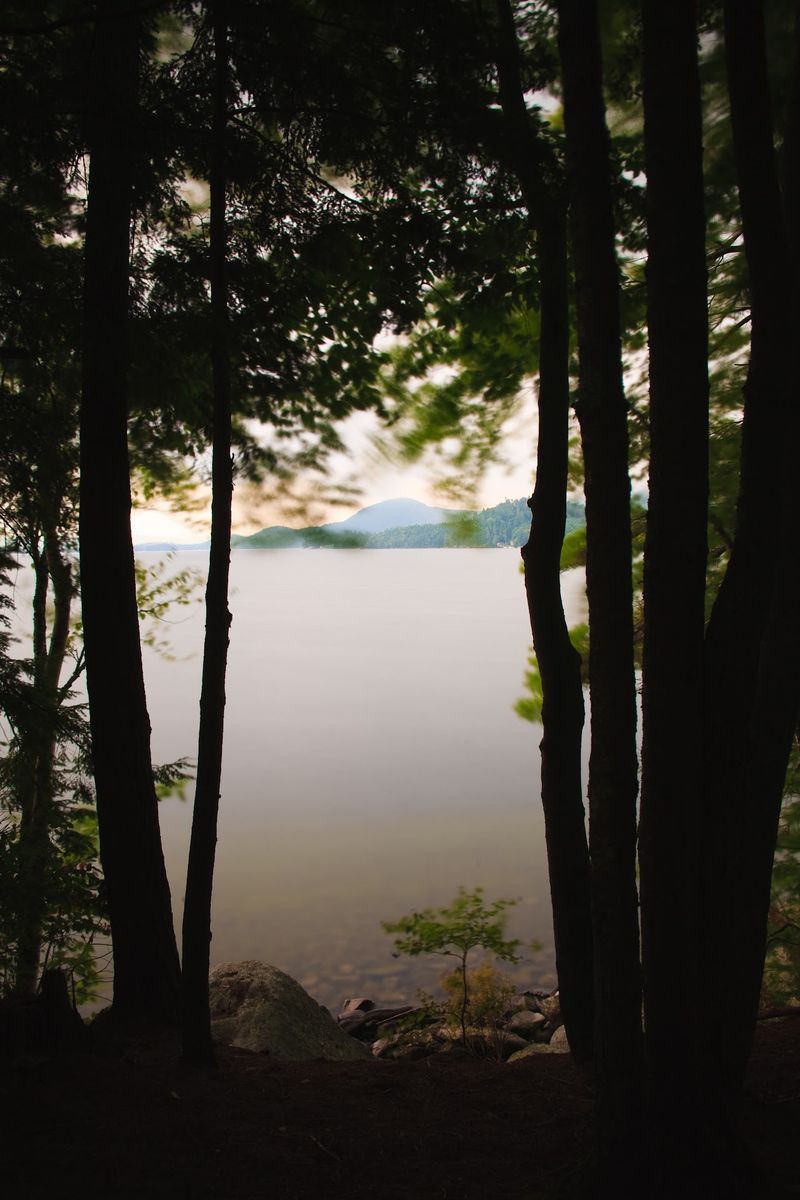
Newfound Lake holds a clarity rating of 0 from the New Hampshire Department of Environmental Services. In plain words, that means crystal clear, and that’s a big deal.
The lake was carved by glaciers long ago. Today it ranks among the cleanest and purest lakes in the whole state.
Depth adds to the drama. Parts of the lake reach about 183 feet, making it one of the deepest lakes in New Hampshire.
Paddling over water like this feels a little like flying. Near the shore, you can often look straight down and spot rocks resting on the bottom.
Clean water also means healthier habitat for fish, birds, and plants. When a guide talks about ecology, the lake itself becomes the best example.
Here’s a fun way to see it for yourself. Pause your paddle in a shallow area and let the ripples settle for a moment.
Polarized sunglasses can cut the glare on bright days. They make it much easier to peer below the surface.
Respecting the lake keeps it this way. Pack out everything you bring, and leave the shoreline just as wild as you found it, maybe even a little better.
Keep An Ear Out For Loons Calling Across The Lake
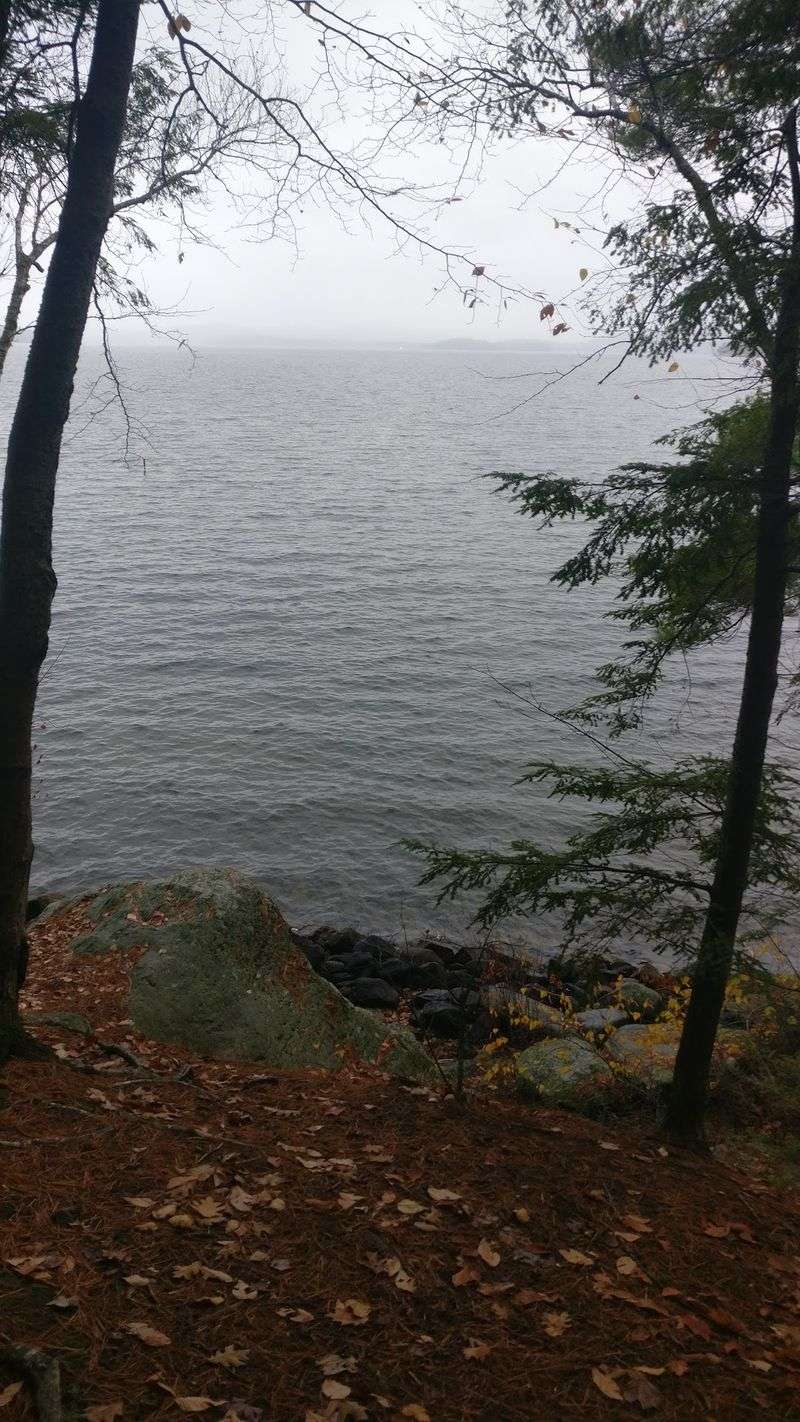
A common loon’s call sounds like the lake itself is singing. During warmer months, loons are frequent sights on Newfound Lake, along with common mergansers.
Mergansers are diving ducks with a sleek, slightly punk-rock look. Watching them pop under the water and resurface somewhere unexpected never really gets old.
The 43-acre Paradise Point Wildlife Sanctuary gives these birds a peaceful neighbor on shore. Its 3,500 feet of undeveloped, rocky shoreline means fewer docks and more nature.
The forest is busy, too. Neotropical migrants like warblers, thrushes, vireos, and scarlet tanagers arrive each spring and summer.
Scarlet tanagers are worth the hunt. The males are bright red with black wings, like a cardinal that got serious about fashion.
Give wildlife plenty of space on the water. Paddling quietly and keeping your distance helps loons feel safe, especially when they have young.
A field guide or birding app can make every sighting more fun. You’ll start putting names to the voices you hear from the trees.
Early mornings often feel calm and quiet on the lake. That peaceful stretch makes it easier to listen closely and spot movement along the edges.
Rent A Kayak And Set Your Own Pace
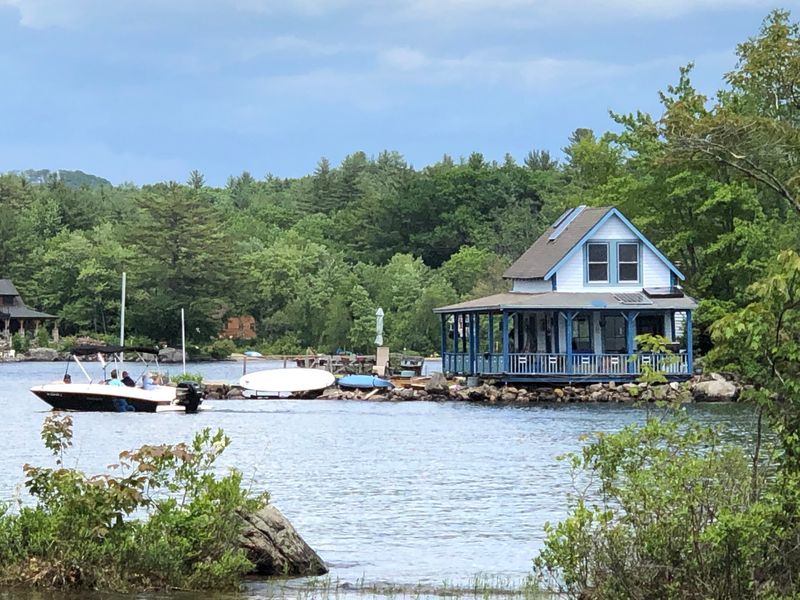
Not every paddle needs a tour guide. During summer, the Newfound Center offers kayak rentals so you can explore on your own schedule.
That freedom is great for families or friends who like to wander. You can linger in a quiet cove or simply float and soak in the scenery.
Having your own boat is welcome too. Plenty of paddlers bring kayaks and join guided trips, so you have options either way.
One helpful note matters here. The water put-in for programs may not sit right at the center, so confirm the meeting spot ahead of time.
Safety comes first on any lake. Wear a life jacket, check the weather, and stay closer to shore if the wind picks up.
Newfound Lake is big, and afternoon breezes can change things quickly. Starting earlier in the day often makes for smoother paddling.
Pack water and snacks in a dry bag. Sunscreen and a hat are also smart, since the sun reflects off the water.
Above all, take your time out there. The best moments often come when you stop paddling and just look around for a while.
Your Feet Get A Turn On These Woodland Trails
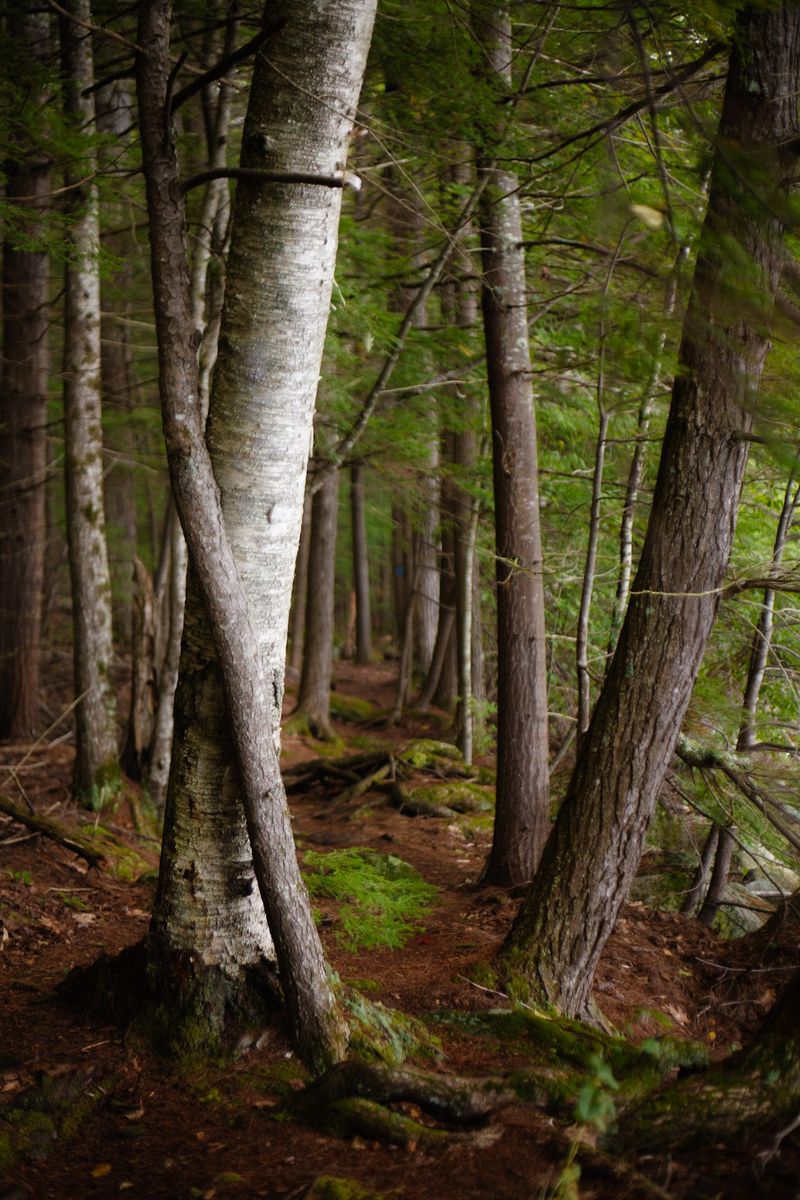
About 1.7 miles of trails wind through the Paradise Point Wildlife Sanctuary. They range from easy to moderate, so most walkers can find a comfortable route.
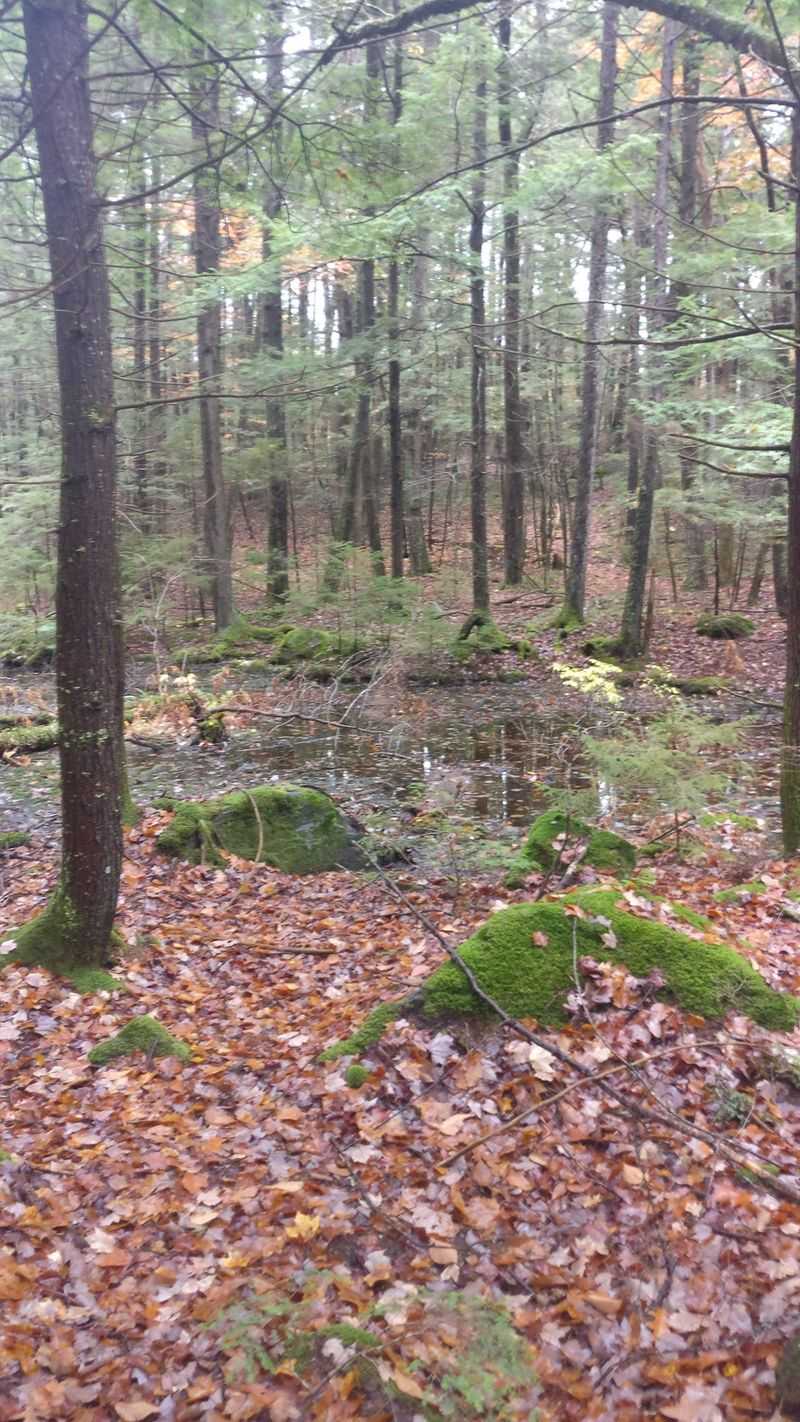
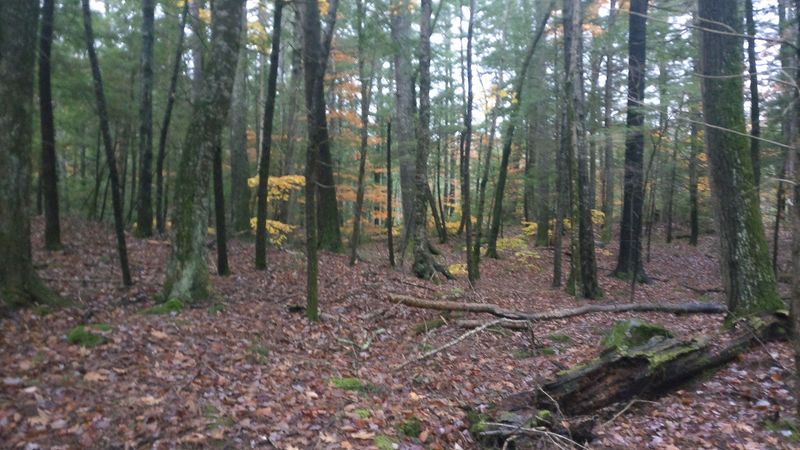
The paths pass through hardwood forest, old-growth areas, and wetlands. Each habitat brings different plants, sounds, and chances to spot wildlife.
Glaciers left clues all over the sanctuary. Keep your eyes open for geological evidence that tells the story of ice sheets shaping this land.
Old-growth trees deserve a slow walk. These older forest patches feel calm and grand, like the woods have been quietly waiting for you.
Wetlands are perfect for curious kids. Frogs, insects, and birds often keep these spots lively, especially in warmer months.
The trails stay open daily from dawn to dusk all year. That means fall colors and snowy winter walks are on the table too.
Only foot travel is allowed here. Bikes, horses, and motor vehicles stay off the trails, which keeps things peaceful.
Sturdy shoes help on rocky or root-covered sections. Bring bug spray in summer, because the mosquitoes definitely know where the wetlands are.
Save Your Best Photo For The Point
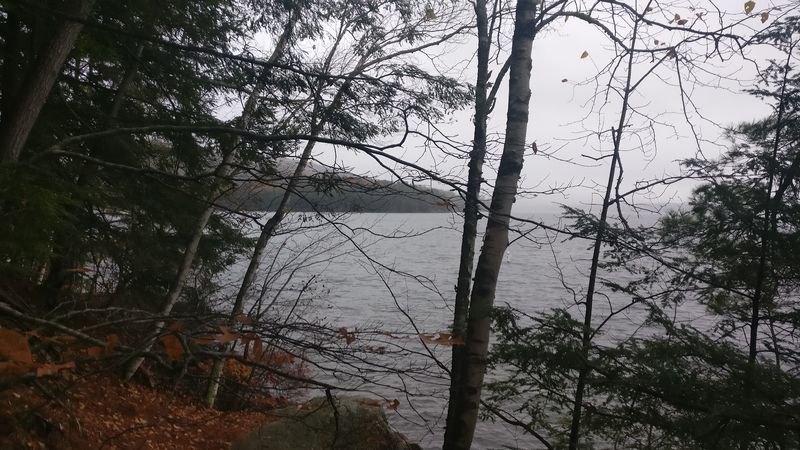
Every great walk deserves a big finish. At Paradise Point, that finale is a spot simply called The Point.
From here, you get wide, panoramic views of Newfound Lake and the surrounding mountains. It’s the kind of view that makes everyone suddenly reach for their phones.
The rocky shoreline frames the scene nicely. Clear water meets stone, and forested hills roll off into the distance.
Picnicking is allowed at the sanctuary, which makes The Point area tempting. Just remember that open fires are not permitted anywhere on the property.
Bring a simple lunch and a reusable bottle. Then sit for a while and see how many birds you can spot on the water.
Swimming isn’t allowed in the sanctuary, so this is a look-but-don’t-leap kind of place. Save your swim plans for another part of the lake.
Morning and late afternoon light can make the view extra pretty. Soft sunlight brings out the colors in the water and hills.
A camera is great, but don’t forget to just enjoy it. Some views stay in your memory better than they ever fit on a screen.
Rainy Day? The Nature Center Has You Covered
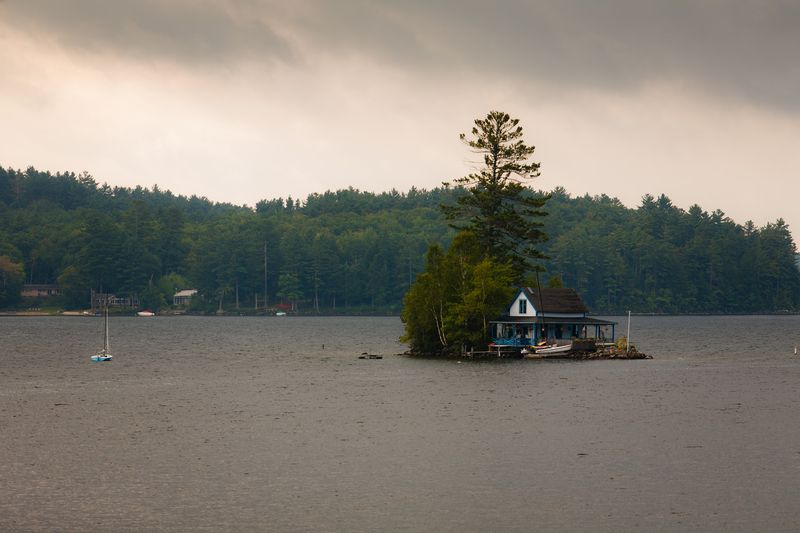
Clouds rolling in shouldn’t ruin your plans. During summer, the Newfound Center offers interactive exhibits, a store, and a library.
The nature center building dates back to 1969. It was built to give the public environmental education, and that mission still drives it today.
Exhibits are a great warm-up before heading outdoors. Learning about lake life first makes your paddle or hike feel more meaningful.
The library is a nice bonus for curious minds. Flipping through nature books can help you identify that mystery bird you spotted earlier.
Browsing the store can be fun, too. It’s a chance to support NH Audubon while picking up something nature-themed.
The building operates seasonally, roughly late May through early September. In 2025, the season ran from May 23 to September 2.
Hours can be limited, so check before you drive over. The trails stay open year-round even when the building is closed.
Kids especially love hands-on displays. Letting them touch, explore, and ask questions can spark a love for nature that lasts for years.
Hikes, Art, And Barn Talks Round Out The Summer Lineup
Paddling grabs the headlines, but the summer calendar goes further. The center also hosts Guided Hikes, Family Hikes, Nature Art programs, and Red Barn talks.
Family Hikes are built with younger explorers in mind. They make a great choice when little legs need a slower pace and plenty of stops.
Guided Hikes add expert insight to your walk. A naturalist can point out details that most of us would stroll right past.
Nature Art programs mix creativity with the outdoors. Sketching a leaf or painting the lake helps you notice things in a whole new way.
Red Barn talks bring learning indoors with a cozy feel. They’re a nice way to hear about local nature topics in a relaxed setting.
Programs change from season to season. The NH Audubon calendar is your best friend for planning a visit around a favorite activity.
Mixing activities makes for a fuller day. You could hike in the morning, paddle later, and finish with some art.
Each program offers a different lens on the same beautiful place. By the end, you’ll feel like you truly know this lakeshore.
A Few Ground Rules Keep This Shoreline Wild
Finding the Newfound Center at Paradise Point, Hebron is easy once you know the spot. It sits at 290 North Shore Road, Hebron, NH 03241, on Newfound Lake’s northern shore.
The land has a generous backstory. It was donated to the New Hampshire Charitable Fund in the early 1960s, then transferred to the Audubon Society of New Hampshire in 1966.
Thanks to that gift, the shoreline stayed natural. Protecting it means following a few simple rules during your visit.
Pets aren’t allowed in the sanctuary, so leave your furry friend at home. It helps nesting birds and other wildlife stay calm.
Swimming, camping, hunting, and trapping are also off-limits. Open fires are prohibited, though picnics are welcome.
These rules might sound strict at first. Really, they’re the reason the place feels so quiet and alive.
Plan a little ahead, and your day will go smoothly. Check program schedules, pack snacks, and bring layers for changing New Hampshire weather.
Then let the lake do the rest. Between clear water, calling loons, and mountain views, this corner of the Lakes Region earns a spot on your summer list.
