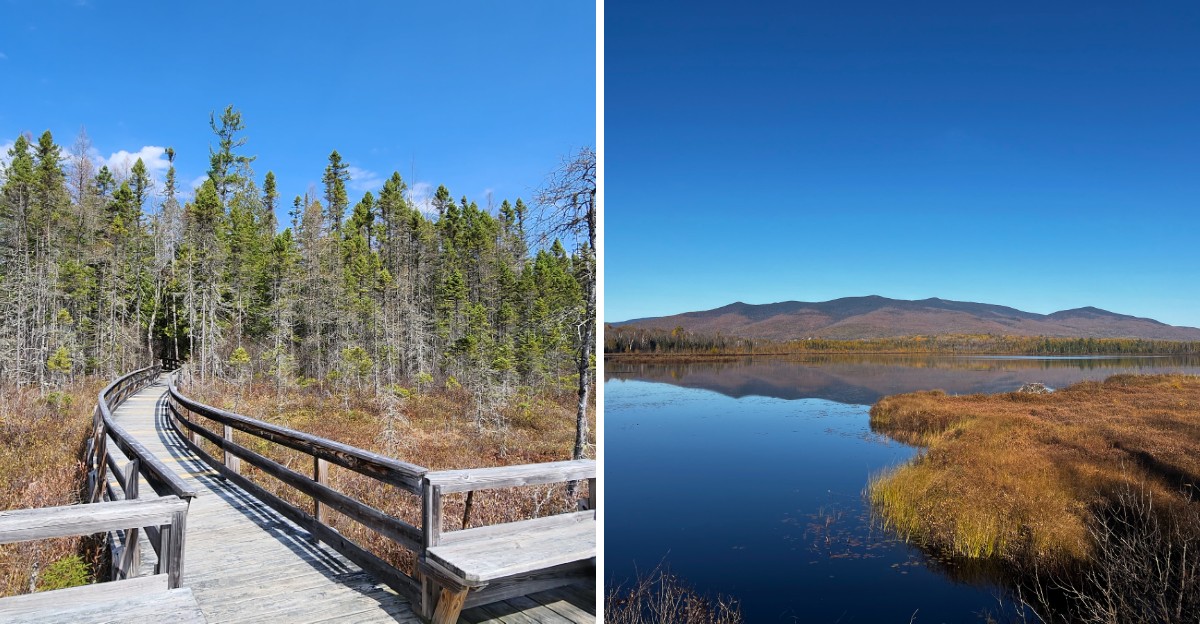
A wooden boardwalk crossing a wetland with mountain views in the distance? That’s an impressive combination, especially when the surrounding habitat attracts an extraordinary variety of birds.
The New Hampshire wildlife refuge protects wetlands, ponds, and forested areas that provide important habitat for birds and other wildlife. Its trails and viewing areas give visitors opportunities to explore the landscape while keeping an eye out for species that aren’t commonly spotted elsewhere.
I love that a walk here can turn into an unexpected wildlife encounter. You might hear birds calling from the trees, notice movement near the water, or simply stop to admire the mountains rising beyond the marsh.
Bringing binoculars sounds like a smart idea, even for casual visitors. With so much happening around the wetlands, the scenery offers plenty of reasons to slow down and pay attention.
A Pond With Mount Washington As Its Backdrop
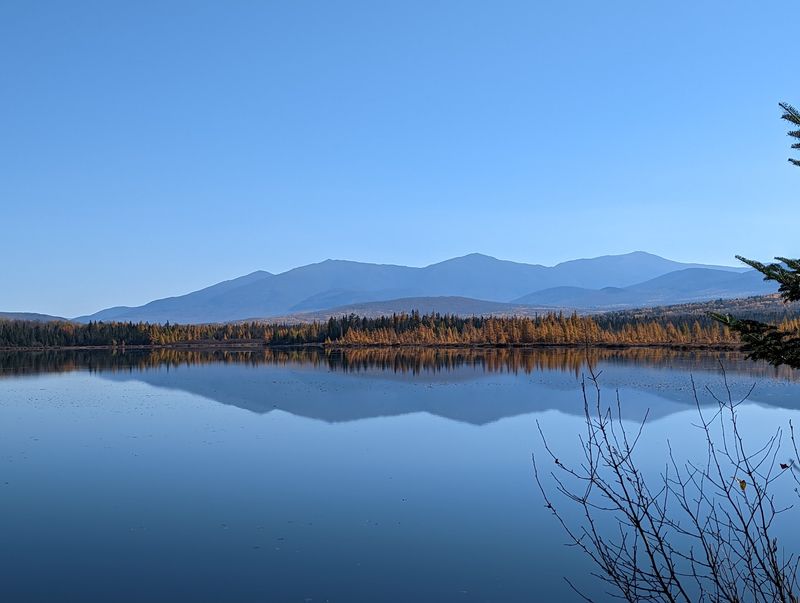
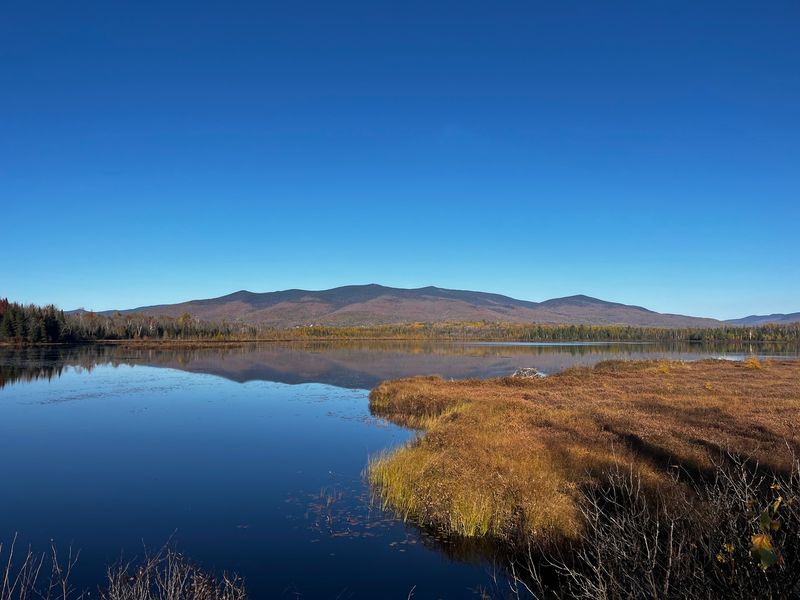
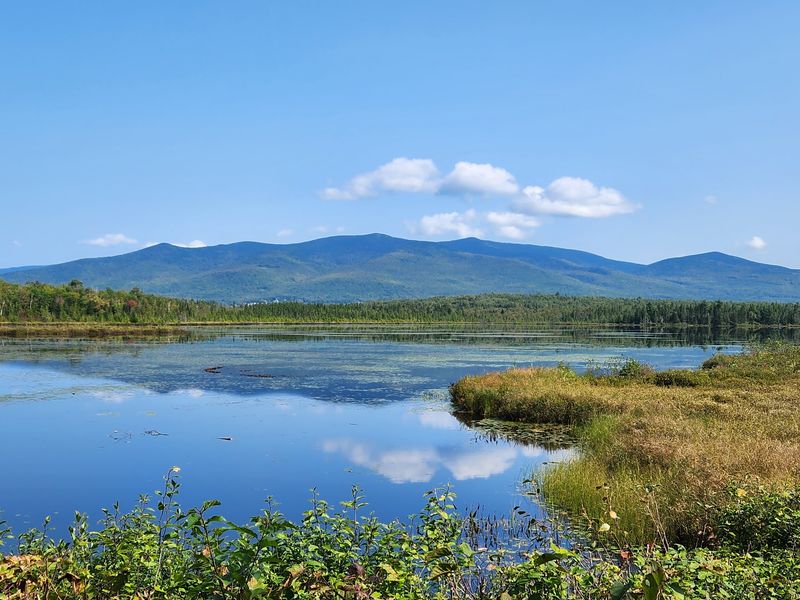
Cherry Pond is the star of Pondicherry National Wildlife Refuge, and it earns the title. This 100-acre natural pond sits about 12 miles northwest of Mount Washington.
Look southeast from the shore and the Presidential Range fills the sky. Mount Washington, the tallest peak in the Northeast, rises right into the frame.
The refuge spreads across nearly 6,500 acres in Jefferson, Whitefield, and Carroll. Wetlands, forests, bogs, and marshes all fold together around the water.
Cherry Pond acts like the living room where everything gathers.
The view changes with the light and the season. Calm mornings can turn the pond into a giant mirror for the peaks.
Fall paints the hillsides in bright colors behind the marsh grass.
Clouds sometimes hide the summits, so check the forecast before you go. A clear day makes the trip feel like you won a small lottery.
A cloudy day still gives you peaceful water and plenty of birdlife.
Bring a camera with some zoom if you have one. The mountains look close, but they’re miles away across open wetland.
You’ll want to catch both the ducks on the water and the ridges above them.
Ninety Feet Of Boardwalk Lead To The Best Seat In The House
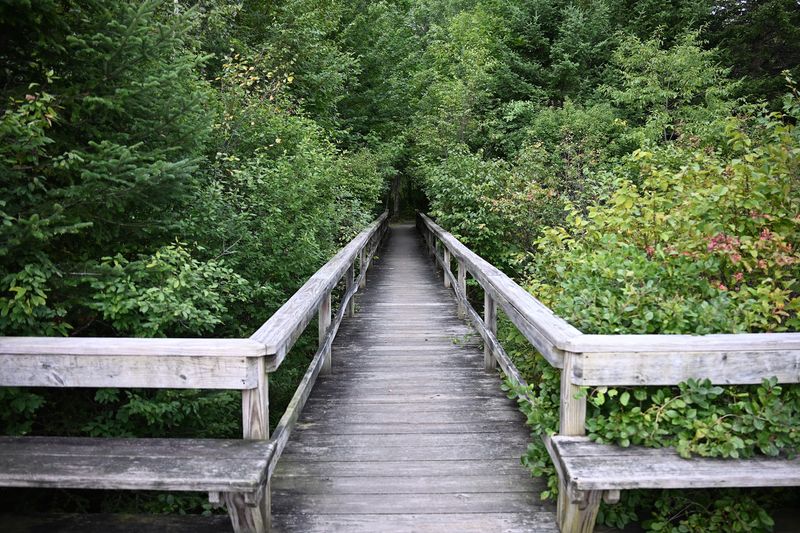
Short walks can deliver huge payoffs. The Tudor Richards Viewing Platform proves it with a boardwalk just 90 feet long and 3.5 feet wide.
That little stretch of planks carries you over soggy ground to the edge of Cherry Pond. From the platform, you get wide views of the pond, the Northern Presidentials, and the Pliny Range.
The platform honors Tudor Richards, a key figure in creating the refuge. It feels fitting that his name sits on the spot with the finest view.
He helped protect this place, and now everyone gets the front-row seat.
Benches give you a reason to slow down. Sit for a while and let the marsh do its thing.
Herons, ducks, and songbirds often reveal themselves to the patient visitor.
Getting there is simple from the main lot off Airport Road. A flat 1.5-mile walk on the old rail bed brings you to the pond.
Then the boardwalk handles the final stretch.
Pack a snack, binoculars, and bug spray in warm months. Black flies and mosquitoes love wetlands as much as birds do.
A little prep keeps your attention on the scenery instead of your ankles.
Birdwatchers Hit The Jackpot Here
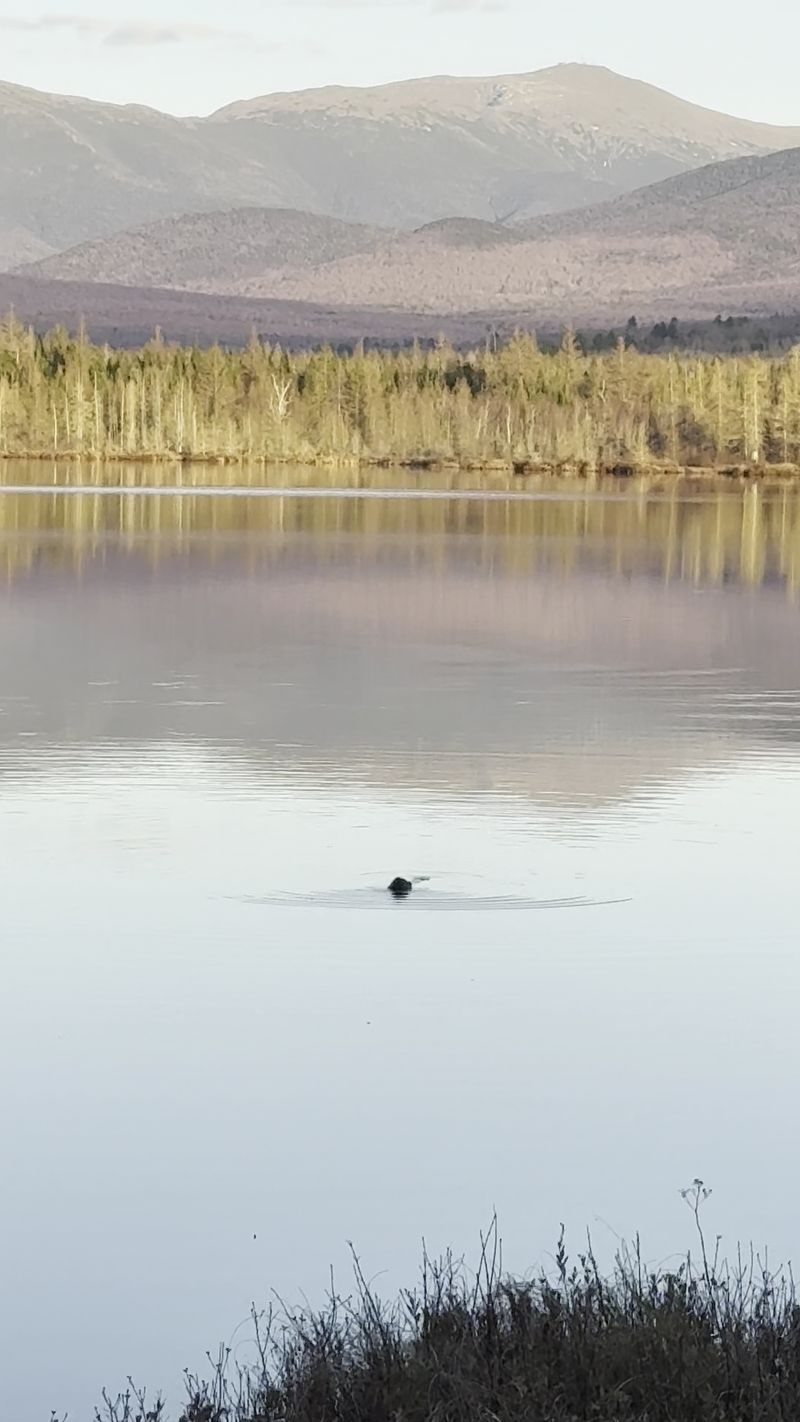
Here’s a number that makes birders grin: 125 confirmed breeding species. No other similar-sized area in New Hampshire beats that.
The refuge’s checklist counts 243 species since 1899, including over 50 kinds of waterbirds. In 2004, Pondicherry became the first Important Bird Area in the state.
That’s a serious badge for a quiet patch of ponds and spruce.
Some of the most exciting sightings are northern specialties. Boreal Chickadees and Black-backed Woodpeckers live in the spruce forests.
Many birders travel a long way hoping to tick those two off their lists.
The water brings its own cast. Loons, grebes, Ring-necked Ducks, and American Bitterns all appear around the ponds.
Northern Harriers glide low over the marshes looking for a meal.
Timing matters if you want the best show. April through November is prime birding season overall.
May and June shine for colorful warblers, while September and October bring migrating waterfowl.
Arrive early for the most activity. The refuge opens a half hour before sunrise, which is perfect for dawn choruses.
Bring a field guide or a birding app and get ready to keep busy.
Old Railroad Beds Make The Walk Wonderfully Easy
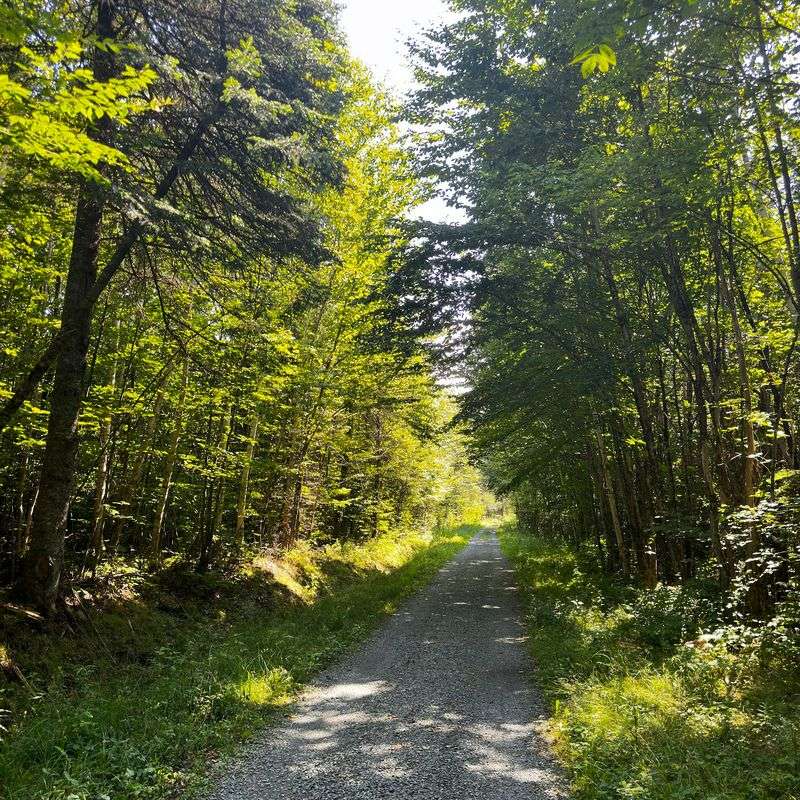
Trains once rumbled through these woods. Now the old tracks carry walkers, cyclists, and wheelchair users toward the ponds.
The Pondicherry Rail Trail follows the former Maine Central Railroad bed. It runs 1.5 miles from the Airport Road parking lot to Cherry Pond and Waumbek Junction.
The path is 8 feet wide, gravel-surfaced, and nearly flat with grades around 2 percent.
The Presidential Rail Trail uses the former Boston and Maine Railroad bed. A 2.6-mile section runs west from NH-115A to Cherry Pond.
It passes Cedar Marsh and Moorhen Marsh, where the Northern Presidentials pop into view.
That section was resurfaced in 2020 and stays level and hard-surfaced. Bikes roll along it nicely, and walkers can cruise without huffing.
Both trails meet at Waumbek Junction, a fun reminder of the area’s rail past.
The straight path out to the pond is long but steady. Shade comes and goes, so a hat and water bottle help on sunny days.
Kids and grandparents can handle it together.
Biking is a great way to cover more ground. You’ll reach the pond faster and still have energy left to explore the side paths.
Bug-Eating Plants Hide Along Little Cherry Pond
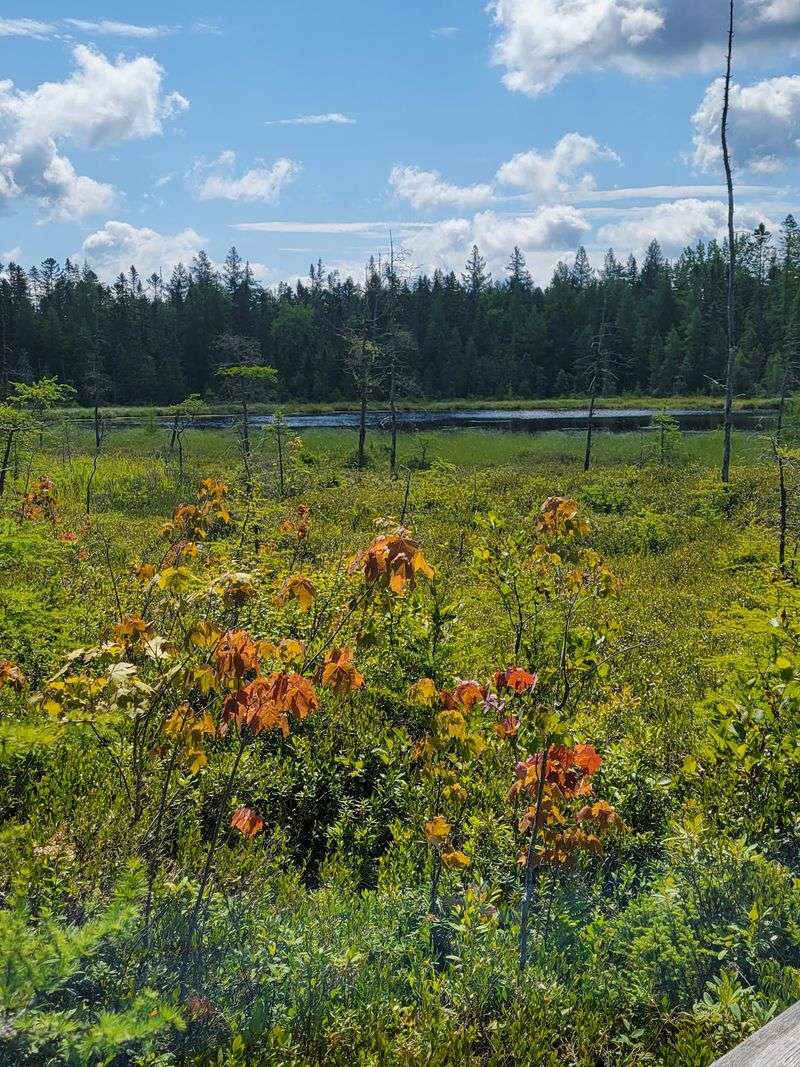
Plants that eat insects sound like science fiction. At Little Cherry Pond, they’re just part of the neighborhood.
Pitcher plants and sundews grow along the boggy edges of this smaller pond. Pitcher plants hold water in tube-shaped leaves that trap bugs.
Sundews use sticky, glittering hairs to catch tiny flies.
The Little Cherry Pond Trail is a 1.2-mile loop with smooth footing and little elevation gain. It includes 500 feet of boardwalk through black spruce and tamarack stands.
The loop ends at a small viewing platform beside the pond.
The trail earned National Recreation Trail status in 2006. It feels more wooded and winding than the straight rail beds.
If you like forest paths, this one adds variety to your day.
Keep to the boardwalk to protect the fragile bog. The soggy moss beneath can be damaged quickly by footsteps.
Plus, the planks keep your shoes dry.
Look closely at the ground as you walk. Carnivorous plants are small and easy to miss.
A slow pace rewards you with details most people stroll right past.
Mosquitoes enjoy this spot too, so pack repellent. Ironically, the plants could use the help.
The Accessible Boardwalk Through A Spruce Bog
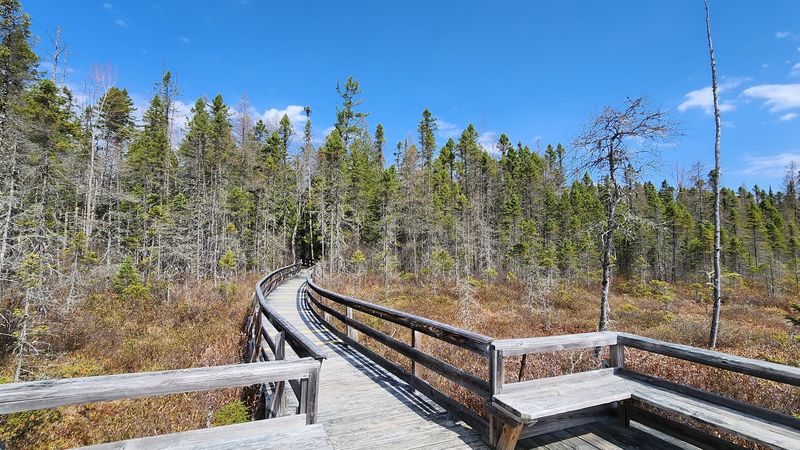
Everyone deserves a front-row view of a northern bog. The Mud Pond Trail makes that possible with one of the refuge’s most welcoming paths.
This 0.6-mile trail is wheelchair accessible from start to finish. Its highlight is a 950-foot boardwalk, about 3.5 feet wide, completed in 2011.
The planks cross a black spruce and northern white cedar swamp.
At the end, an 8 by 12-foot observation platform overlooks Mud Pond. It’s a calm, intimate spot compared to big Cherry Pond.
The quiet makes it easier to hear birds calling from the trees.
The trail became a National Recreation Trail in 2013. The trailhead sits at 543 Bailey Road, Jefferson, NH 03583, off NH-116.
Its parking area is plowed in winter, so snowy visits are possible.
Dogs must stay leashed on this trail. That rule protects wildlife and keeps the narrow boardwalk friendly for everyone.
On other trails, pets must stay under control and never chase animals.
Mud Pond is a smart choice for short visits. You can enjoy a true bog experience in under an hour.
It’s also great for families with strollers or anyone who prefers a short, steady path.
Moose, Otters, And Other Locals Worth Watching For
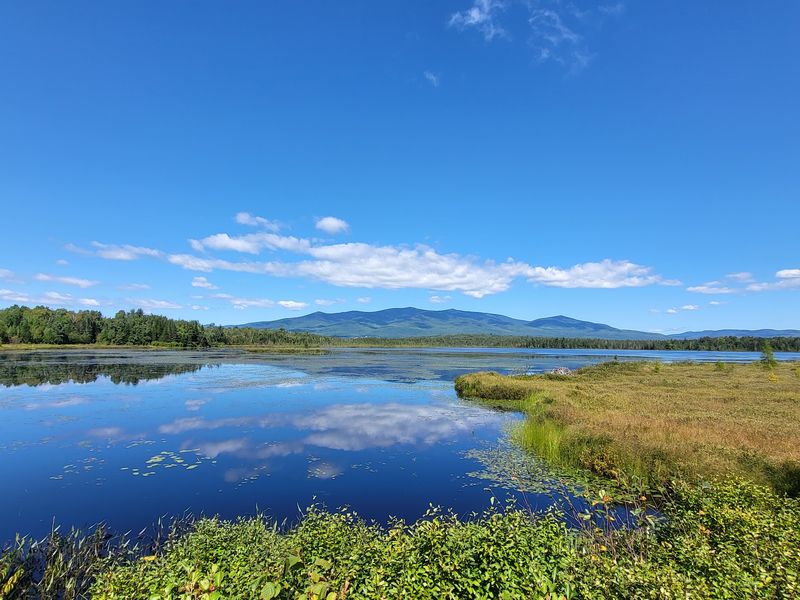
Birds get top billing, but the supporting cast is impressive. Moose, beaver, muskrat, otter, and coyote all call Pondicherry National Wildlife Refuge home.
Moose are the big prize for many visitors. They like wetlands, where they munch on water plants.
Marsh edges near dawn or dusk give you your best chance.
Beavers leave plenty of clues even when they stay hidden. Look for chewed stumps, lodges, and dams in the ponds and streams.
Muskrats are smaller and often swim with just their heads showing.
Otters are the playful wildcards. They slide, dive, and pop up where you least expect them.
Spotting one feels like getting a bonus round.
Patience is your best tool. Stand still on a platform and scan the shoreline slowly.
Animals often show up after you’ve been quiet for a while.
Give every creature plenty of space. A moose may look calm, but it’s large and unpredictable.
Binoculars let you enjoy the moment without getting too close.
Remember that the refuge exists for these animals first. Stay on trails and keep noise low.
You’re the guest, and good guests get invited back for more sightings.
Ice Built A Strange Ridge Along The Shore
Ice can bulldoze land. Along Cherry Pond, it actually built a trail.
The Rampart Path follows an ice-push rampart, an unusual geological formation. Over time, expanding winter ice shoved shoreline soil and rocks into a raised ridge.
The path runs about half a mile along this natural bump.
Nearby, the Shore Path hugs the western edge of Cherry Pond. It’s short but offers good views of the water and surrounding mountains.
Both paths belong to the long-distance Cohos Trail.
The Cohos Trail system also includes the Colonel Whipple Trail, Waumbek Link, and Slide Brook Trail. From Slide Brook, you can spot Cherry Mountain and Owls Head.
Altogether, the refuge network covers about 8.9 miles of easy to moderate trails.
These side paths feel narrower and wilder than the rail beds. Roots and uneven spots show up, so wear sturdy shoes.
The extra effort brings fresh angles on the pond.
Linking the Rampart Path to the Little Cherry Pond loop makes a satisfying outing. You’ll see shoreline, forest, and bog in one walk.
Not bad for a trail shaped by frozen water pushing dirt around.
A Protected Treasure With Decades Of History
Back in 1963, a small purchase started something big. New Hampshire Audubon and the New Hampshire Fish and Game Department acquired 312 acres around Cherry and Little Cherry Ponds.
Tudor Richards played a key role in that early effort. The National Park Service later named the area a National Natural Landmark.
In 2000, the U.S. Fish and Wildlife Service added 670 acres and officially established Pondicherry National Wildlife Refuge.
Today the protected land stretches to nearly 6,500 acres. Its habitats include boreal forest, bogs, fens, swamps, marshes, ponds, and grasslands.
That variety explains why so many species thrive here.
The main entrance is the parking lot at 289 Airport Road, Whitefield, NH 03598. It’s about 1.5 miles off Route 115.
Other access points sit off Route 116, Whipple Road, and Route 115A.
Plan your visit between a half hour before sunrise and a half hour after sunset. Camping and fires aren’t allowed, so this is a day trip.
Parking can fill up, so earlier arrivals tend to have an easier time.
New Hampshire has many lovely outdoor spots. Few pack this much wildlife, history, and mountain scenery into such gentle trails.
