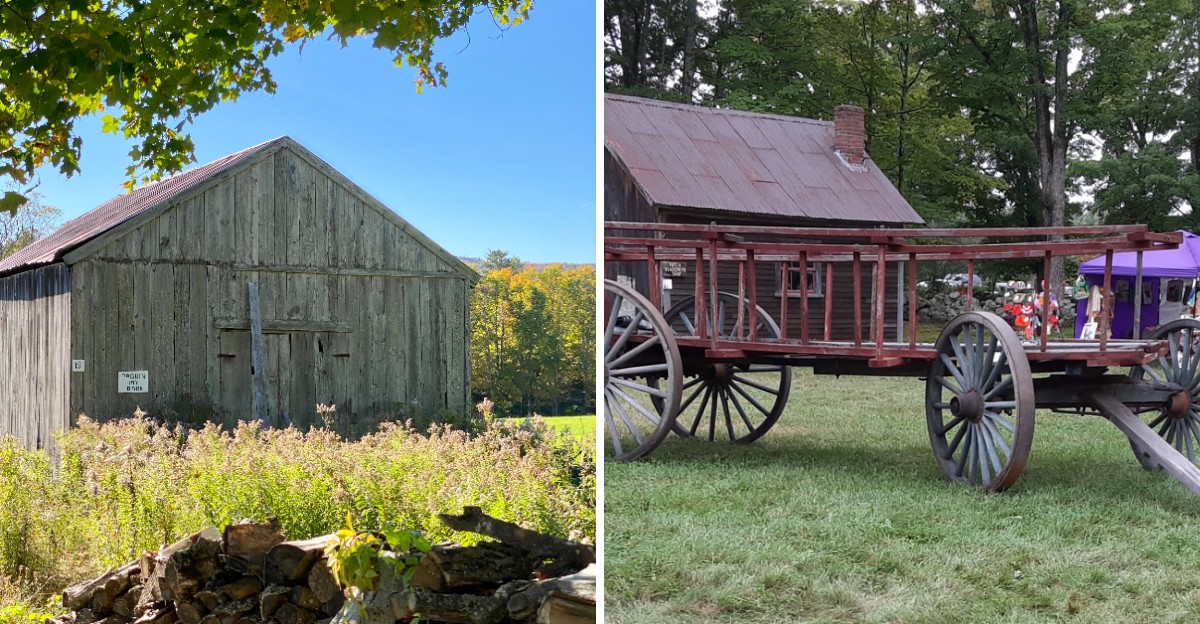
An old-fashioned blacksmith shop, historic barns, and 50 acres of working farmland are all part of the same museum. That’s quite a change from the usual glass cases and exhibits you might expect.
The property preserves a piece of New Hampshire’s agricultural heritage, with traditional farm buildings, gardens, and demonstrations that help explain how rural communities once operated. I especially like the idea of seeing historic farming practices connected to a landscape that still serves an agricultural purpose.
You can explore the grounds, learn about traditional tools, and get a closer look at the work that kept farms running generations ago. Seasonal events also bring additional activity to the property.
Even the buildings themselves have stories to tell. I think the chance to see history through everyday farm life makes this place particularly interesting.
The Name Comes From Marching Soldiers, Not Mustard
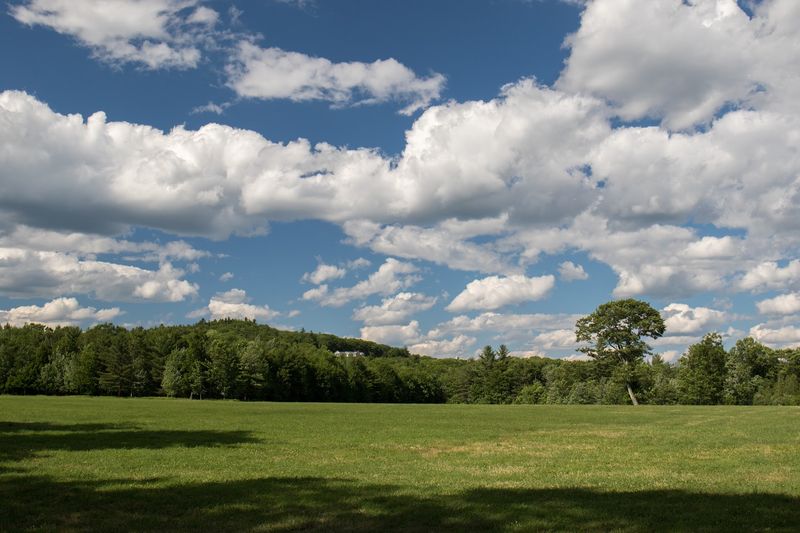
Long before tractors rolled across these fields, local militia gathered here to drill and stand for inspection. Those gatherings were called musters, and they happened on the property between 1787 and 1851.
That is how Muster Field Farm Museum earned its name. The big, flat fields were simply perfect for lining up troops, which tells you a lot about the land itself.
The story stretches back even further. The Abenaki and Penacook peoples cared for this land first, long before European settlers arrived in the area.
Matthew Harvey settled here in 1772 and became a major figure in Sutton. He served as a church deacon, selectman, tavern keeper, and state representative, so he clearly had trouble saying no.
His family stayed for eight generations, until 1941. Then Robert S.
Bristol bought the homestead and ran it as a dairy and chicken farm.
Bristol had a bold idea for the future. He wanted the property preserved as a working farm museum, with a real farm always in operation.
That mission still guides everything you see today. It also explains why this New Hampshire spot feels lived-in rather than staged, since the fields never stopped producing crops.
A Farmhouse That Doubled As Tavern, Post Office, And Library
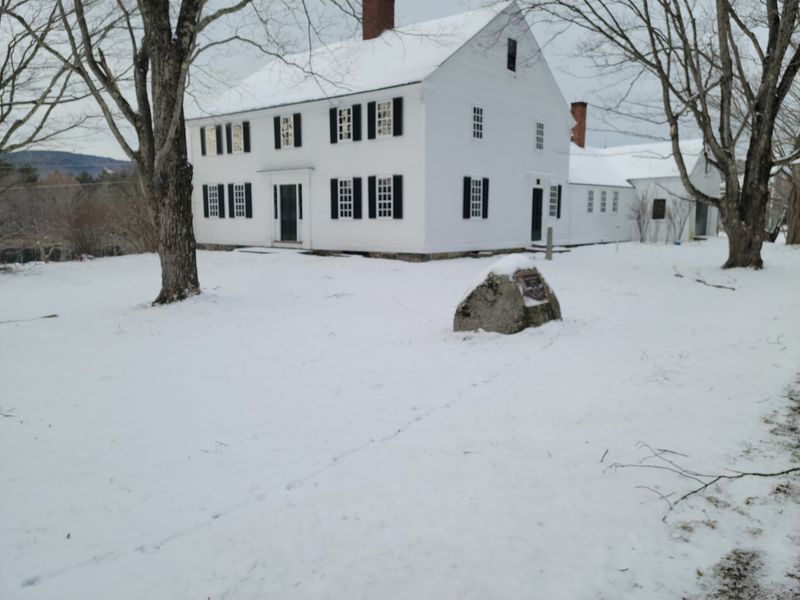
Talk about multitasking. The Harvey Homestead once served as a tavern, Sutton’s very first post office, and the town’s first library, all under one roof.
Also called the Matthew Harvey House, the home was built in 1784. It earned a spot on the National Register of Historic Places in 1992.
Picture mail, gossip, and borrowed books all moving through the same front door. In a small farming town, this house basically worked as the community’s social hub.
You can explore the outside anytime you visit the grounds. Getting inside takes a little planning, though, since tours run on a set schedule.
Docent-led tours happen on select Sundays in July and August, from 1:00 to 4:00 pm. Guides share stories about the house and the many people who lived there.
If summer Sundays don’t work for you, there’s another option. Harvest Day in October usually includes partial Homestead tours, so mark that one on your calendar.
My advice is simple. Pair a Sunday tour with a slow walk around the barns, and the house will make much more sense once you see the farm that supported it.
Barns With Birthdays Bigger Than Yours
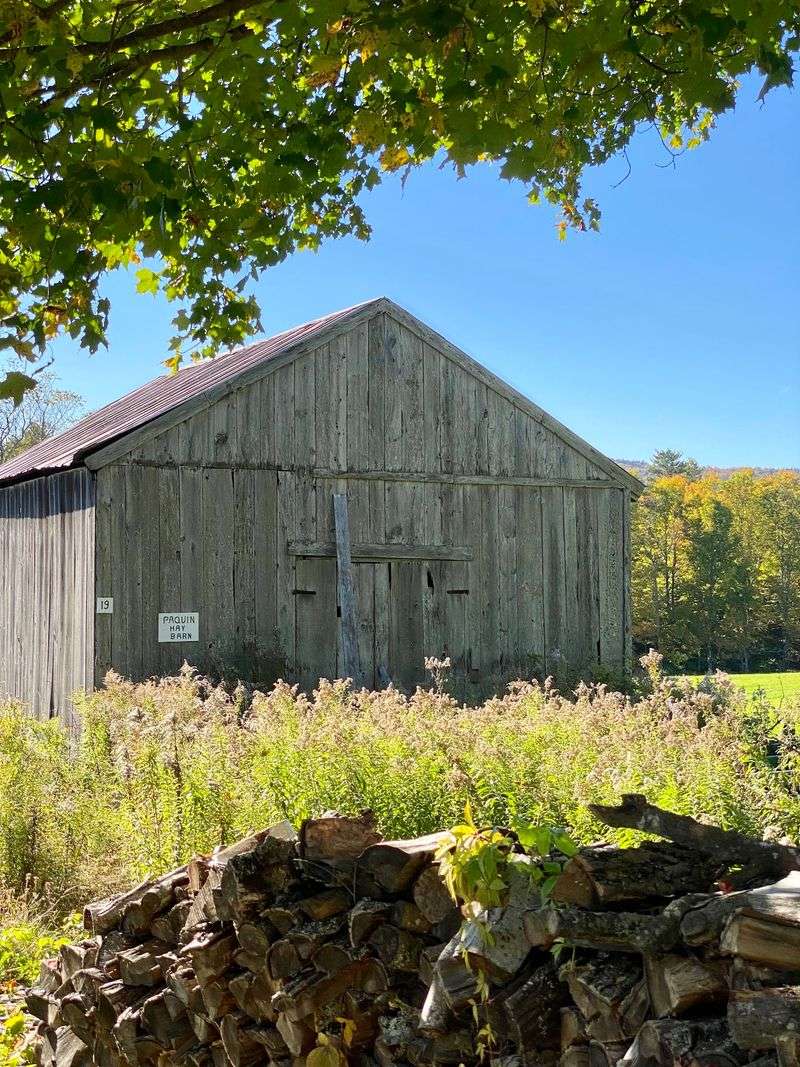
Two hundred candles would set off every smoke alarm in town. Luckily, the Harvey Barn celebrated its 200th anniversary in 2026 without needing a cake.
The Harvey Barn is an original structure on the property. It housed cows and hay for generations and still serves as the organizational center for daily farm work.
Then there’s the Hardy-Pillsbury Barn, which arrived on the farm in 1988. Yes, someone moved an entire barn, and it was worth the effort.
Its design shows the shift from English-style barns to New England-style construction. Architecture fans will enjoy comparing it to the older buildings nearby.
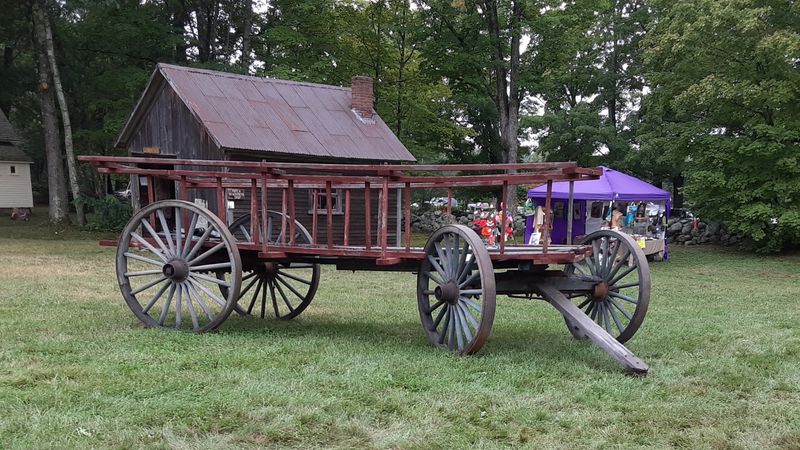
The Ezekiel Little Barn plays a different role. Inside, you’ll find tools, wagons, and old Sutton town signs on display.
Kids tend to love the wagons, while grown-ups linger over the tools and guess what each one did. It’s a fun game, and nobody keeps score.
Take your time moving between these barns at Muster Field Farm Museum. Each one tells a slightly different chapter of how New Hampshire farmers worked, stored crops, and kept animals through long winters.
Sparks, Ice Blocks, And A Schoolhouse Await Beside The Pond
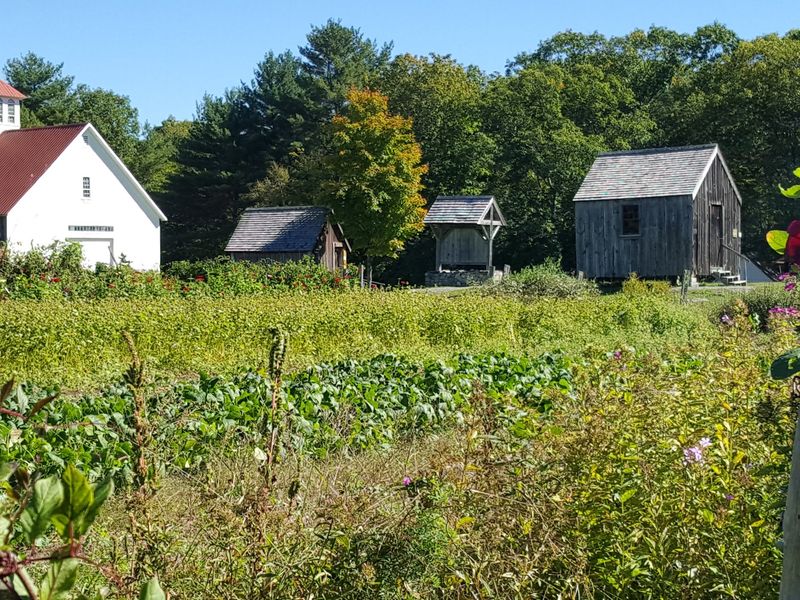
Right next to the pond sits the Hazen Blacksmith Shop. It’s a small building with a big job in farm history, since nearly every tool and hinge once needed a smith.
Blacksmithing has shown up among the traditional skills demonstrated at the farm over the years. Check the event schedule if you hope to catch the craft in action.
Wander a bit farther and you’ll find the Ryder Corner School House, built around 1810. During events like Ice Day, it becomes a cozy spot for warmth and refreshments.
The Ice House is another favorite stop. Built around 1890, it stores ice blocks cut from Kezar Lake in winter so they can be used in summer.
Old-school refrigeration, basically. Packed sawdust and thick walls did the work before electric freezers existed.
The Bradford Mineral Spring House also stands on the grounds. Together with dozens of other outbuildings, it makes the place feel like a tiny village you get to explore.
Grab a map in your head and go building to building. Every door hides a new answer to the question, how did people manage this?
Real Cows, Real Crops, Real Farm Work Happening Now
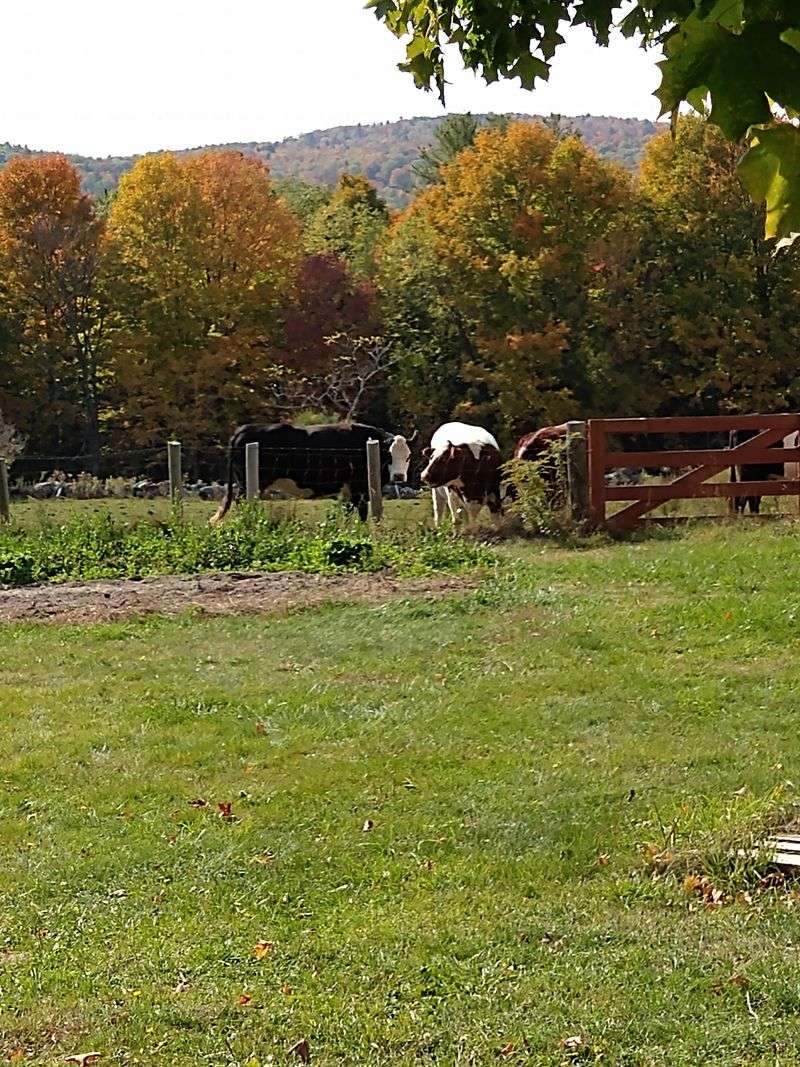
Museums usually ask you not to touch anything. Here, the exhibits include growing vegetables, stacked cordwood, and cows that have no idea they’re historic.
About 35 acres are actively farmed at Muster Field Farm Museum. The farm produces vegetables, fruits, flowers, hay, and cordwood, with a special focus on vegetables.
A small herd of cows lives on the property too. Children can visit and interact with farm animals, which often becomes the highlight of the trip for younger visitors.
The gardens deserve their own slow lap. Fruit, flower, and vegetable gardens change throughout the season, so a June visit looks very different from a September one.
Local artists like to set up here, and it’s easy to see why. Rows of blooms against old barns make a pretty great backdrop for sketching or snapping photos.
Wear sturdy shoes, since this is an active farm and not a paved theme park. Watch for equipment, give the animals respect, and follow any posted signs.
Seeing modern farming beside centuries-old buildings is the real magic. It connects the past and present in a way a glass display case never could.
Your Honesty Gets Tested At The Farm Stand
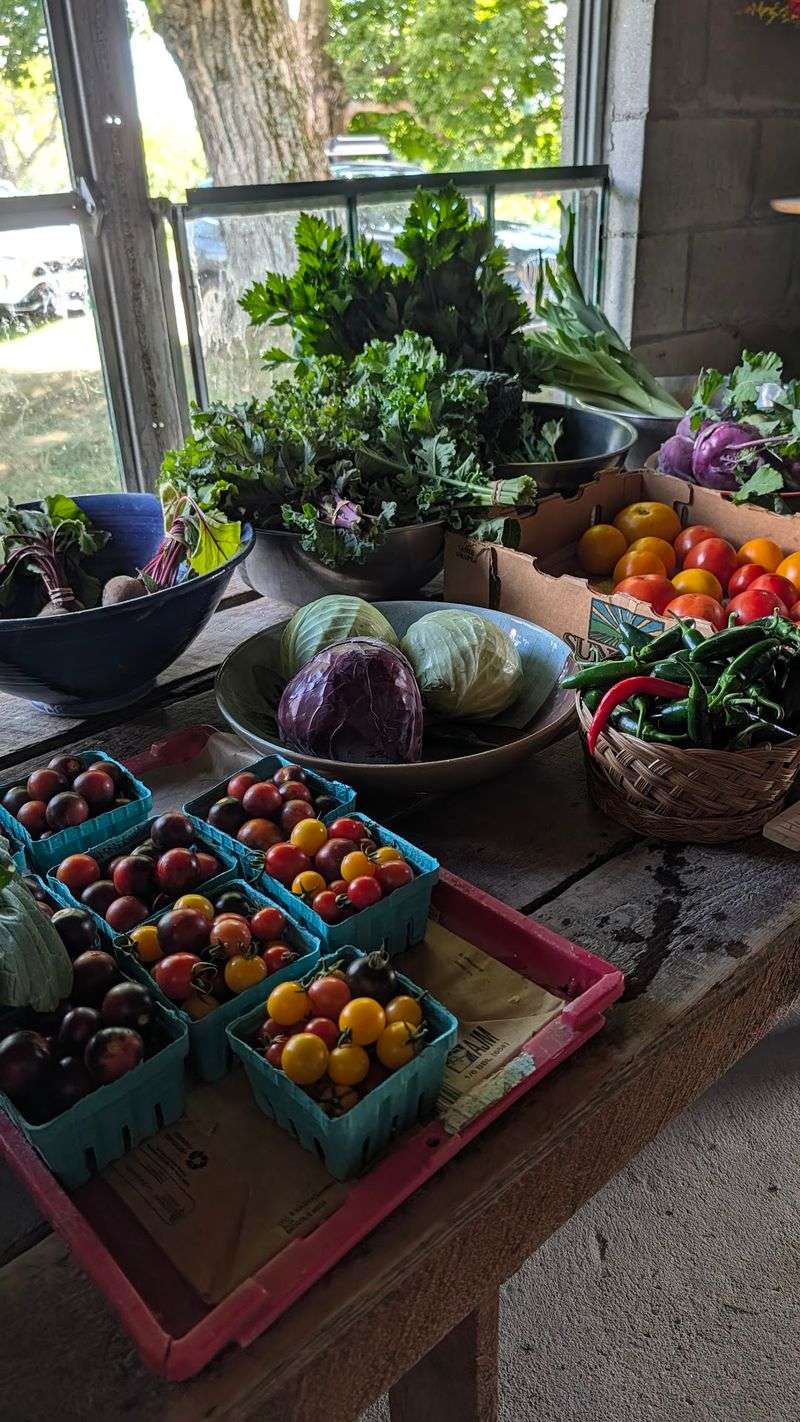
Nobody stands behind a register at this farm stand. It runs on the honor system, which feels refreshingly old-fashioned in the best possible way.
The stand usually opens from mid-June through late October. Hours typically run daily from 10:00 am to 6:00 pm during the season.
Shelves fill with fresh vegetables, fruits, and herbs grown right on the property. Locally made honey and greeting cards round out the selection.
Since the produce comes from fields just steps away, it doesn’t travel far to reach you. That’s about as local as shopping gets in New Hampshire.
Bring cash or small bills to make paying easier. Also pack a tote bag or cooler, because it’s tough to leave with only one tomato.
You’ll find everything on Harvey Road, North Sutton, NH 03260. The farm sits close to the center of town, so it’s an easy stop on a summer or fall drive.
Shopping here also supports the museum’s bigger mission. Every purchase helps keep a working farm running, which is a pretty satisfying reason to grab extra zucchini.
Lace Up, Because These Trails Work In Every Season
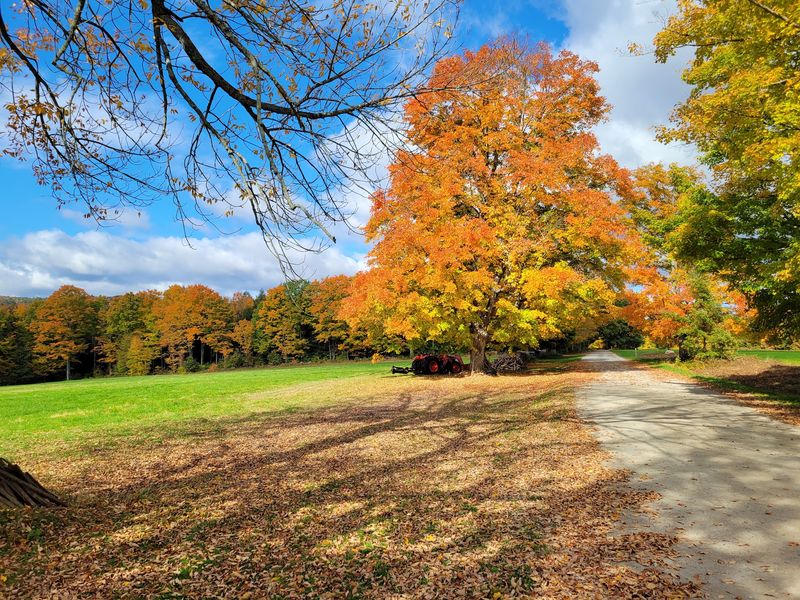
Most farms go quiet in winter. This one swaps hay rides for cross-country skis and snowshoes on its marked trails.
The full property spans 250 acres of fields and woods. More than 200 of those acres are protected by a conservation easement with the Society for the Protection of NH Forests.
That protection means the open views should stay open. Future visitors will get to enjoy the same rolling fields you see today.
Hiking works year-round, so spring mud and autumn leaves both count as fair game. Dress for the weather and pick footwear that can handle soggy spots.
Dogs on leashes are welcome, which makes this a great outing for four-legged family members. Just keep them close around the farm animals.
Families will appreciate the picnic areas and the swing set for children. Pack lunch, claim a spot, and let the kids burn off energy between barn visits.
The grounds at Muster Field Farm Museum are open daily all year. That flexibility makes it easy to return each season and notice how much the landscape changes.
February Ice Cutting And June Music Bookend The Early Year
Cutting ice blocks from a frozen lake sounds like something from a history book. At Ice Day, it happens for real every February.
Volunteers use traditional methods to harvest ice from Kezar Lake. The blocks then travel to the farm’s Ice House, just like they did generations ago.
Cold toes are part of the deal. Thankfully, the Ryder Corner School House offers warmth and refreshments while everyone thaws out.
Wear layers, waterproof boots, and gloves you don’t mind getting wet. Watching the ice come out of the lake is worth every chilly minute.
By June, the mood shifts from frosty to festive. June Jam is an annual musical fundraiser featuring local folk, blues, jazz, and rock musicians.
It’s a laid-back way to support the farm while enjoying a summer evening in the countryside. Bring a blanket or a lawn chair for comfortable listening.
Both events show how this New Hampshire museum keeps traditions alive through community. One celebrates hard winter work, while the other celebrates good tunes and good neighbors, and both help fund the farm’s future.
Save Room On Your Calendar For Farm Days And Harvest Day
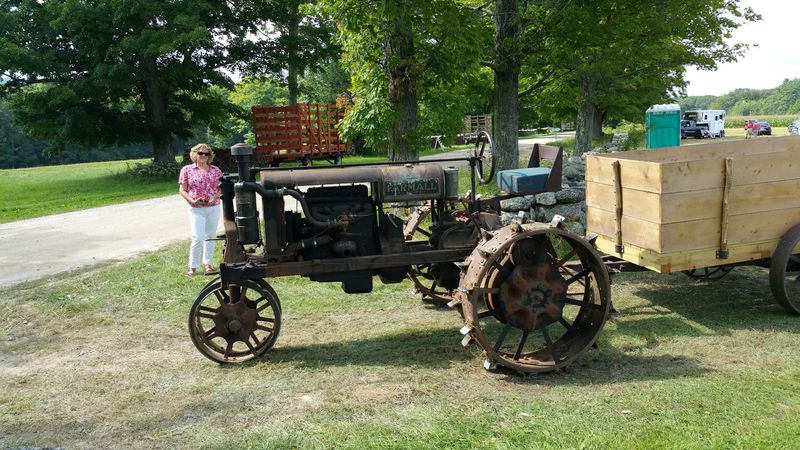
Antique tractors on parade, kids pulling tiny tractors, and homemade ice cream. Farm Days packs all of that into one big August weekend.
It’s the largest event at Muster Field Farm Museum, running over two days. Expect special exhibits, demonstrations, hay rides, and animals on display.
The kiddie tractor pull is a crowd-pleaser for young competitors. The car and tractor parade gives gearheads plenty to admire, too.
Hungry visitors can look forward to a roast beef supper and a breakfast during the event. Ice cream making adds a sweet finish to a busy farm day.
Harvest Day arrives in October to celebrate the summer’s crops. Live music, artisan demonstrations, partial Homestead tours, and farm stand sales fill the afternoon.
Fall foliage around the fields makes this event especially photogenic. It’s a lovely excuse to visit when the trees start showing off.
Both events reflect Robert Bristol’s original vision. He wanted a working farm always in operation, preserving the agricultural traditions of rural New Hampshire.
Judging by the tractors, hay bales, and happy kids, that wish is in very good hands.
