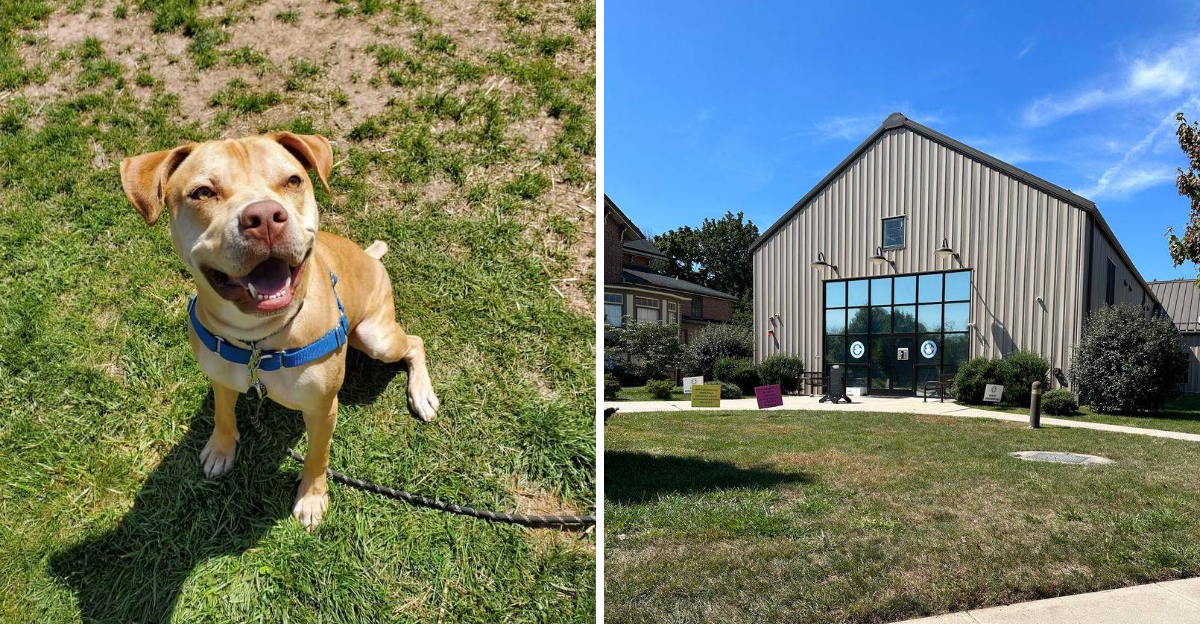
Some shelters hold animals in cages. This one holds them in hope.
A small but fierce team of people who believe every scruffy tail and nervous whimper deserves a second chance.
Founded in the 1940s by a woman with a veterinary degree and a stubborn heart, it has grown into a quiet powerhouse of compassion.
No state funding. No fancy building.
Just a deep, stubborn belief that every animal matters. You walk in expecting sad eyes and barking.
You leave realizing you have just met your next best friend. That is the magic of this place.
No drama. No noise.
Just second chances, handed out one wet nose at a time.
Second Chances Since 1941
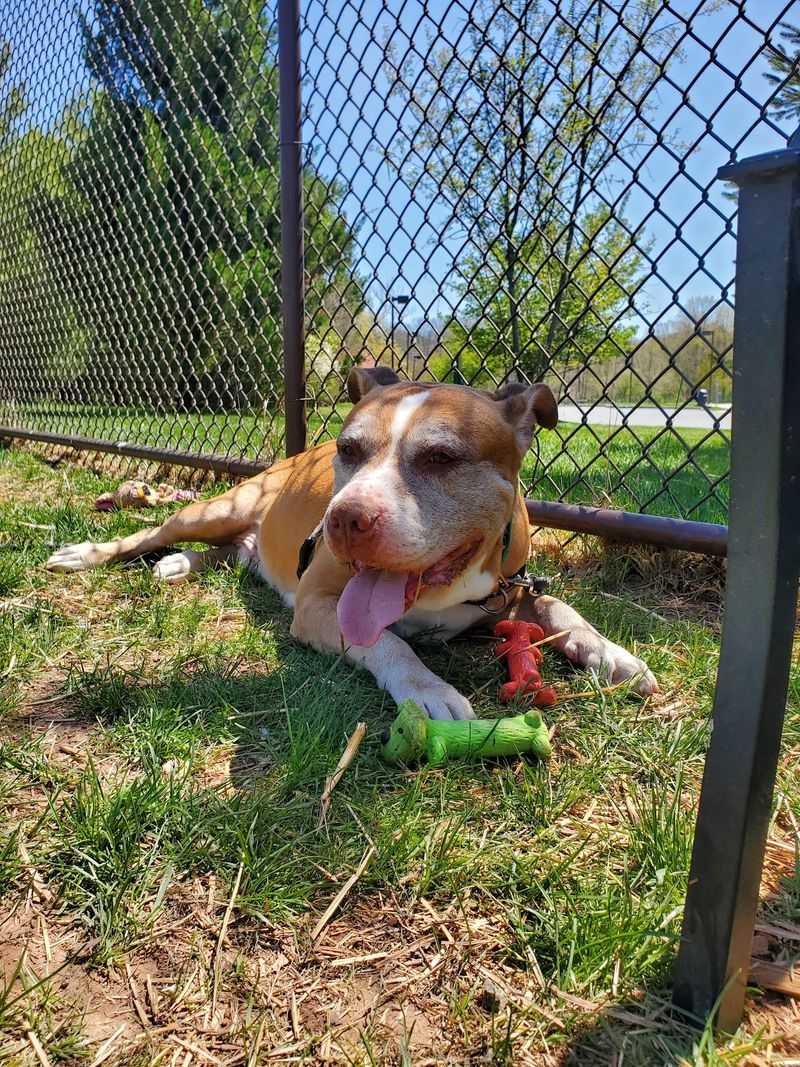
There is something quietly powerful about a place that has been showing up for animals every single day since 1941. SAVE – A Friend to Homeless Animals has been doing exactly that, offering homeless pets a genuine shot at a better life for over eight decades.
That kind of commitment does not happen by accident.
From its earliest days, SAVE built its identity around the belief that every companion animal deserves care, safety, and a loving home. The shelter has stayed true to that belief through every passing decade, evolving its programs while keeping its heart firmly in place.
Hundreds of animals have passed through its doors and gone on to fill living rooms with joy.
Walking through the facility, you feel the weight of that history in the best possible way. Each wagging tail and slow, sleepy cat stretch feels like a small celebration of resilience.
This is a place where second chances are not just offered – they are delivered with consistency and genuine compassion, year after year.
A Legacy of Homeless Pet Rescue
Few organizations can claim a legacy as deep and purposeful as the one SAVE has built in central New Jersey. Since its founding, the shelter has operated across six core programs: Rescue, Shelter, Health and Welfare, Spay and Neuter, Adoption, and Humane Education.
Each program addresses a different piece of the puzzle that is animal homelessness.
The rescue program brings in animals from the streets and difficult situations, giving them immediate safety and relief. Once inside, every pet receives thorough health checks, vaccinations, and any medical treatment needed before moving forward in the adoption pipeline.
The spay and neuter services tackle the root cause of overpopulation, making a long-term difference in the community.
Humane education rounds out the mission beautifully, helping people understand responsible pet ownership before they ever bring an animal home. This layered approach means SAVE is not just reacting to homelessness – it is actively working to prevent it.
That forward-thinking mindset is a big part of why the organization has remained so effective and respected for so many years.
Where Hope Has a Wet Nose
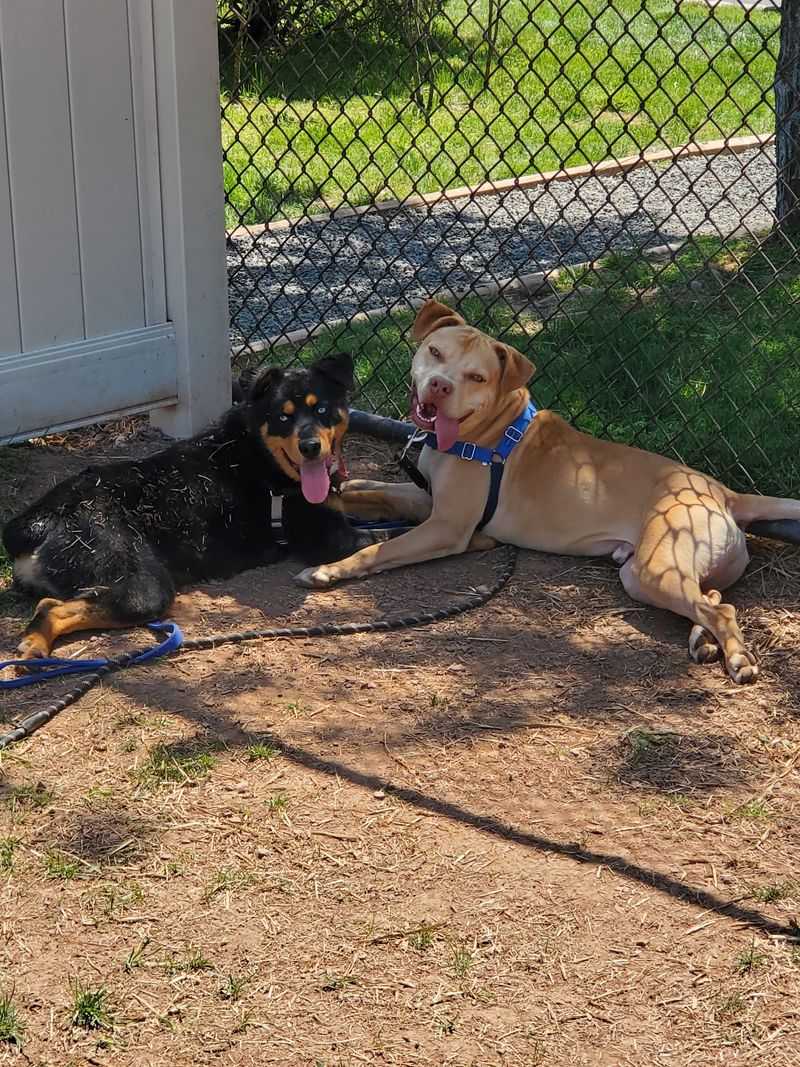
Hope is a big word, but at SAVE it comes with four legs and a wagging tail. Every animal that arrives at the shelter is met with a team committed to understanding its individual needs, personality quirks, and past experiences.
The goal is never just to find any home – it is to find the right one.
Behavioral assessments help staff understand each dog and cat on a deeper level. Enrichment activities, socialization sessions, and patient handling help animals who arrived scared and withdrawn gradually rediscover their confidence.
It is genuinely moving to see a shy cat begin to stretch toward a hand for the first time.
The cat rooms are bright and thoughtfully designed, filled with climbing perches, cozy hideaways, and interactive toys that keep residents mentally stimulated. Dog areas feature outdoor runs where pups can breathe fresh air and burn energy between interactions with volunteers.
Every element of the facility is arranged around one simple idea: that every animal deserves to feel safe before it can truly be ready for a forever home.
Saving Lives for 80+ Years
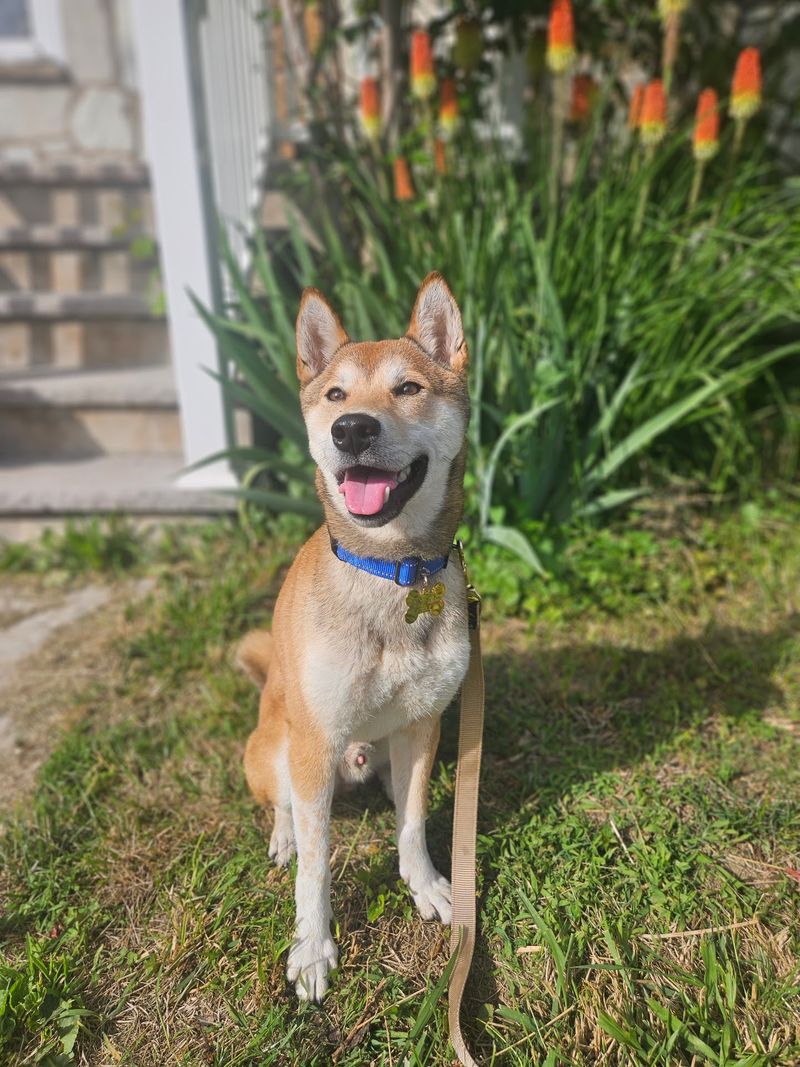
Reaching 85 years of continuous operation is no small feat for any non-profit, and SAVE has done it while staying laser-focused on its mission. Founded in 1941, the shelter has outlasted trends, economic shifts, and countless changes in the world around it.
Through all of it, the animals kept coming in, and SAVE kept finding them homes.
That kind of longevity speaks to something real – the trust of a community that has watched the organization deliver on its promises generation after generation. Staff, volunteers, and supporters have formed an unbroken chain of dedication that stretches across more than eight decades.
Each link in that chain represents countless animals whose lives were changed for the better.
The shelter has not simply survived all these years – it has grown smarter, more effective, and more compassionate along the way. New programs, better facilities, and improved adoption processes have all been added over time without losing sight of what matters most.
Saving lives is not a tagline here; it is a daily practice that has been refined and strengthened with every passing year.
Founded by a Female Vet Pioneer
Behind every great institution is a person with enough courage to start something no one else has. For SAVE, that person was Dr. Cornelia Jaynes, a trailblazing veterinarian who graduated as the third woman from Cornell University’s College of Veterinary Medicine back in 1927.
That alone tells you everything about her character.
Dr. Jaynes founded SAVE in 1941 under the name Small Animal Veterinary Endowment, with a clear and compassionate mission: rescue stray animals and provide spay and neuter services regardless of an owner’s ability to pay.
She operated out of her farm in Princeton, turning her personal property into a refuge for animals who had nowhere else to turn.
Her vision was remarkably progressive for its era, combining practical veterinary care with a deep moral commitment to animal welfare. After she passed in 1969, her farm was bequeathed to SAVE, ensuring her legacy would continue.
Every animal that finds a home through SAVE today carries a little piece of Dr. Jaynes’s pioneering spirit forward into the world.
From Historic Mansion to Modern Haven
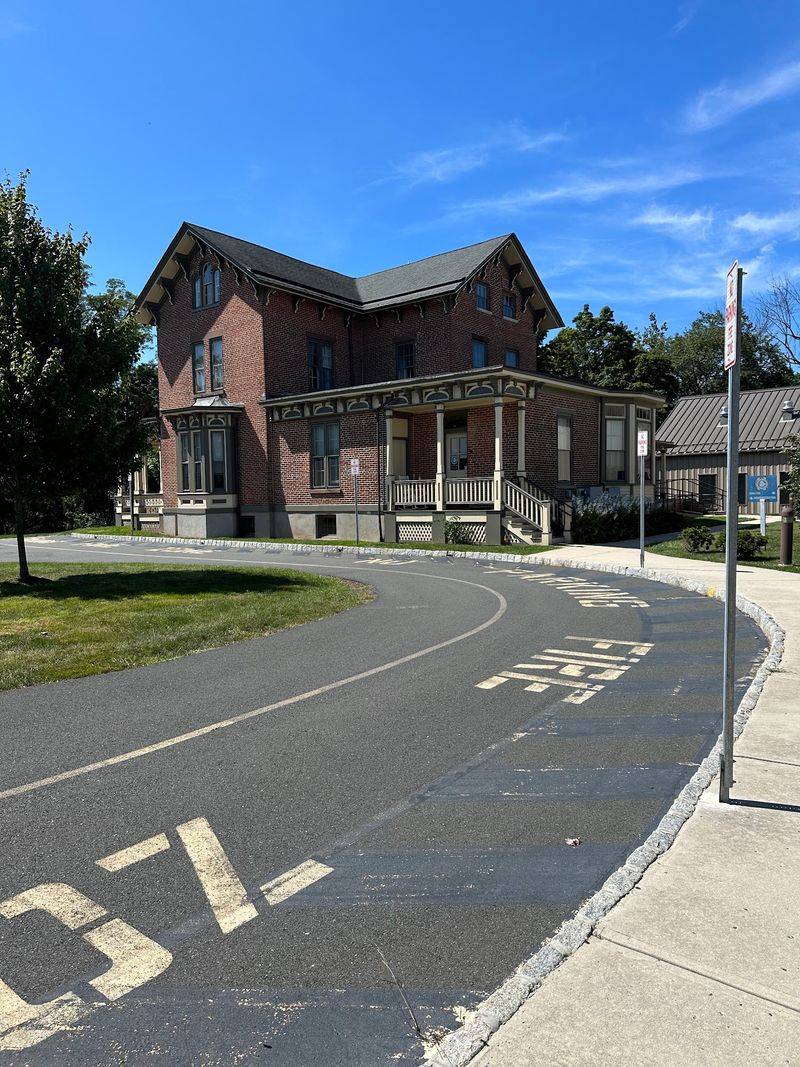
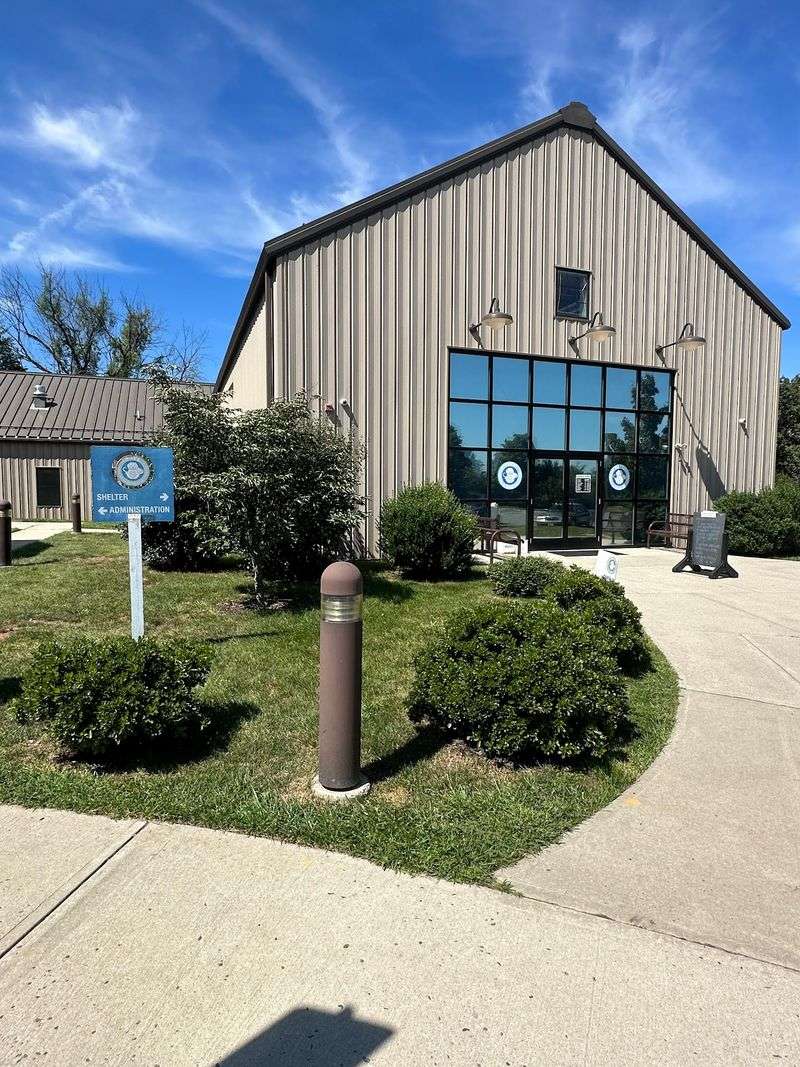
The physical journey of SAVE mirrors its organizational growth – from humble beginnings on a Princeton farm to a purpose-built, state-of-the-art facility in Skillman.
The move to the current location happened in December 2015, ending years of operating in buildings described as literally crumbling.
The upgrade was long overdue and absolutely transformative.
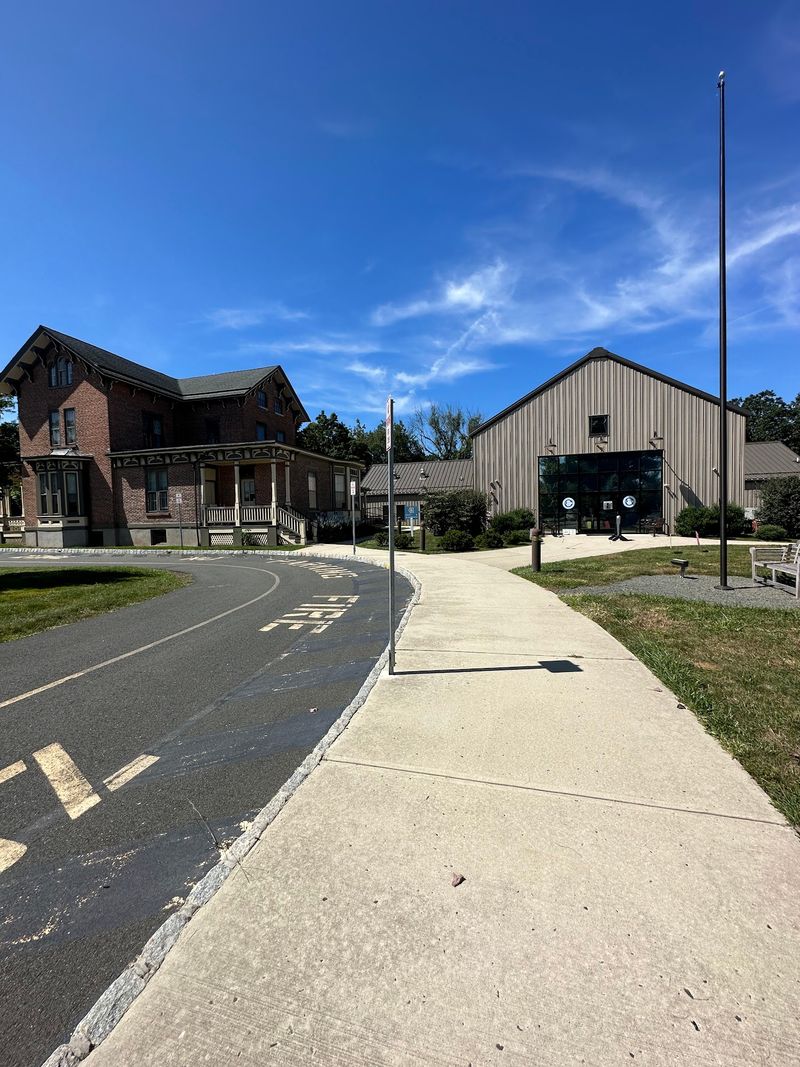
The current campus spans 10 acres and includes the renovated James Van Zandt home, built in 1854, which now serves as the administrative hub. The main shelter building offers approximately 10,000 square feet across two floors, with dedicated spaces for every stage of an animal’s journey.
Reception areas, isolation rooms for new arrivals, a surgical suite, and comfortable living quarters all work together seamlessly.
Dog kennels feature outdoor runs and natural views, while interconnected cat rooms overflow with perches, toys, and filtered natural light. Fresh air circulates freely throughout, a stark improvement over the previous facility.
The result is a space that feels less like a shelter and more like a transitional home, one designed to help animals decompress, heal, and shine so their true personalities can finally come through.
100 Animals at a Time
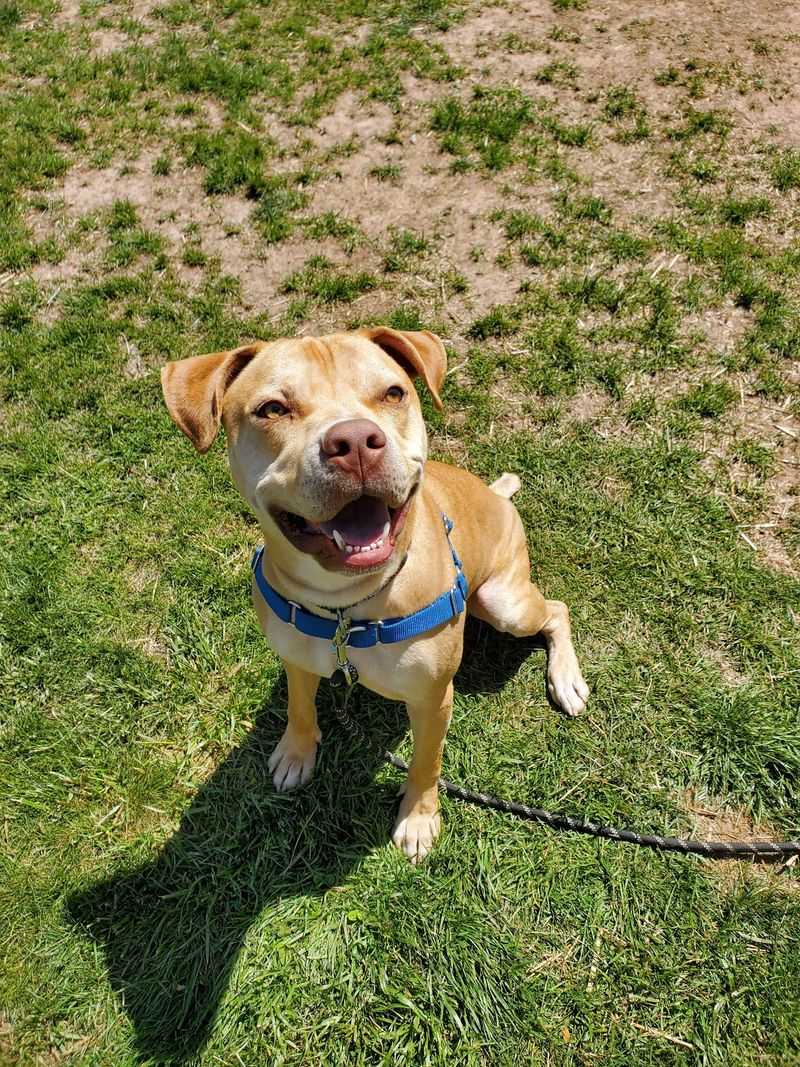
Managing the care of up to 100 animals at once is no small logistical challenge, but SAVE handles it with remarkable grace.
The facility is thoughtfully designed to accommodate around 75 cats and 25 dogs at any given time, a balance that reflects the real demand for feline adoptions in the greater Princeton area.
Every inch of the space is put to good use.
Cat rooms are interconnected, which allows residents to move, explore, and interact in ways that keep them mentally engaged and socially healthy. Dog kennels open onto outdoor runs, giving pups access to fresh air and space to stretch their legs between volunteer walks and play sessions.
The layout makes it easy for staff to monitor each animal closely without the chaos that plagues overcrowded facilities.
Even with a full house, the shelter maintains a calm, welcoming atmosphere that visitors consistently mention as a standout quality. Appointments are used for meet-and-greet sessions, which keeps the energy low-key and unhurried.
That relaxed environment benefits both the animals and the families exploring adoption, creating the ideal conditions for a meaningful, lasting connection to form naturally.
Princeton Area’s Oldest Animal Shelter
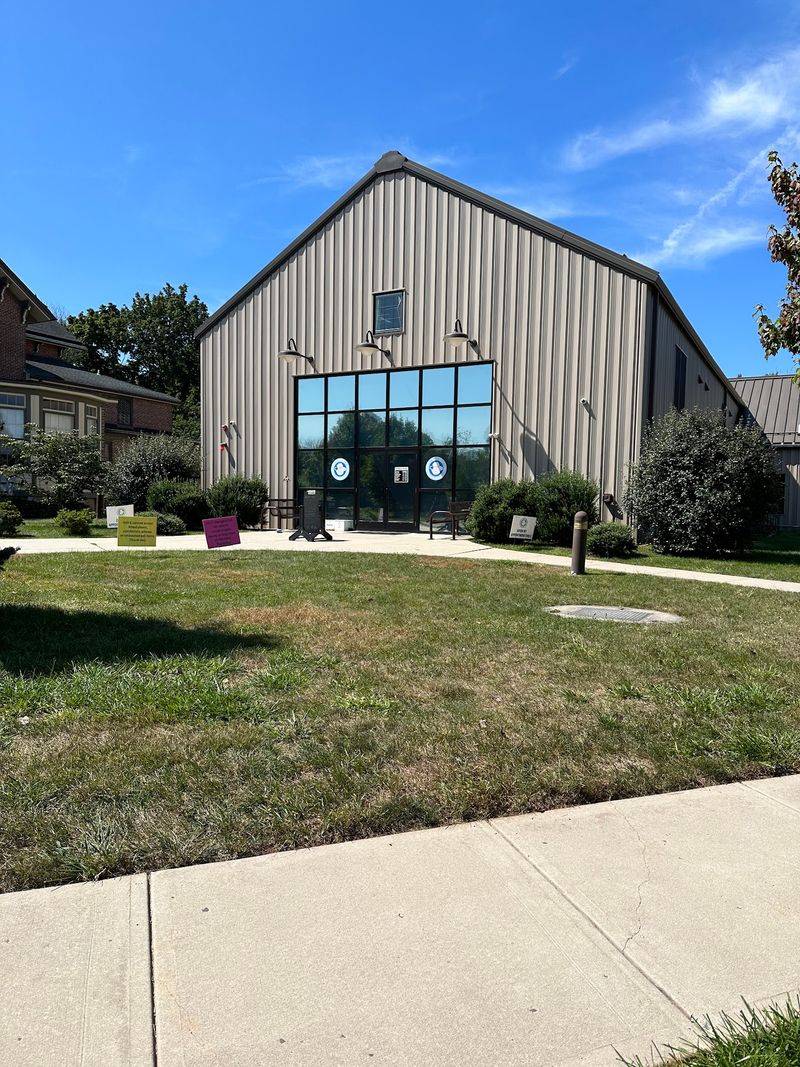
Being the oldest animal shelter in the greater Princeton area is not just a fun fact – it is a badge of honor earned through decades of consistent, compassionate work.
SAVE has held that distinction since its founding in 1941, predating virtually every other animal welfare organization in the region.
That kind of staying power commands real respect.
Communities change, priorities shift, and organizations come and go, but SAVE has remained a constant presence for pet owners, animal lovers, and homeless animals alike.
Generations of Princeton-area families have adopted their beloved companions through this shelter, creating a deeply personal connection between the organization and the people it serves.
Those bonds carry real weight.
Being rooted in a community for over 80 years also means the shelter has built an enormous reservoir of trust. People know what to expect when they walk through the doors: a clean facility, knowledgeable staff, a thoughtful adoption process, and animals who have been genuinely cared for.
That reputation did not materialize overnight – it was built one animal, one family, and one successful adoption at a time, stretching all the way back to 1941.
Giving Homeless Pets a Future
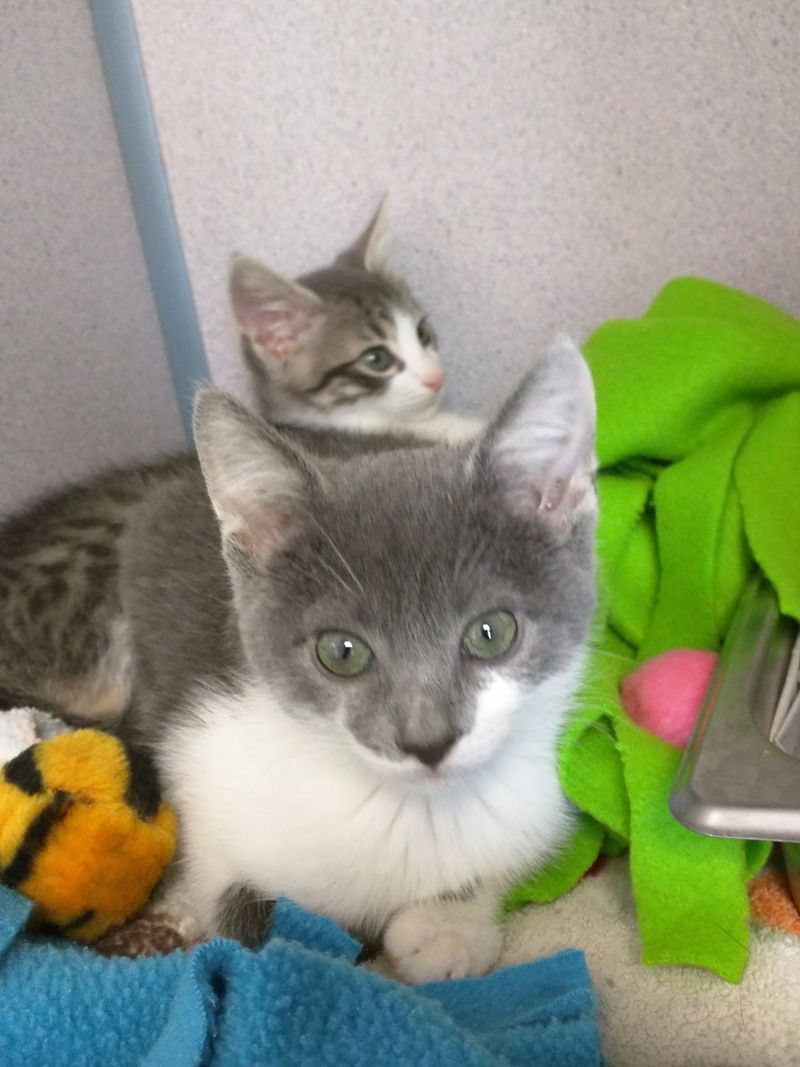
At its core, everything SAVE does circles back to one beautifully simple idea: every homeless pet deserves a future. The adoption process is designed to honor that idea at every step, from the initial application to the moment a new family walks out the door with their companion.
Nothing is rushed, and nothing is left to chance.
Staff take the time to match each animal with a family whose lifestyle genuinely suits that pet’s energy level, temperament, and needs. A high-energy dog goes to an active household.
A shy, quiet cat finds a calm, patient home. That careful matchmaking is one of the biggest reasons adoptions from SAVE tend to stick – families and pets genuinely fit together.
The shelter also supports adopters after the placement, reinforcing the idea that the relationship does not end at the door. Fostering opportunities give animals extra time to blossom in a home setting before formal adoption, which benefits everyone involved.
Each successful placement is a small triumph worth celebrating, proof that with enough care, patience, and dedication, even the most vulnerable animals can find exactly the future they deserve.
Address: 1010 Co Rd 601, Skillman, NJ
