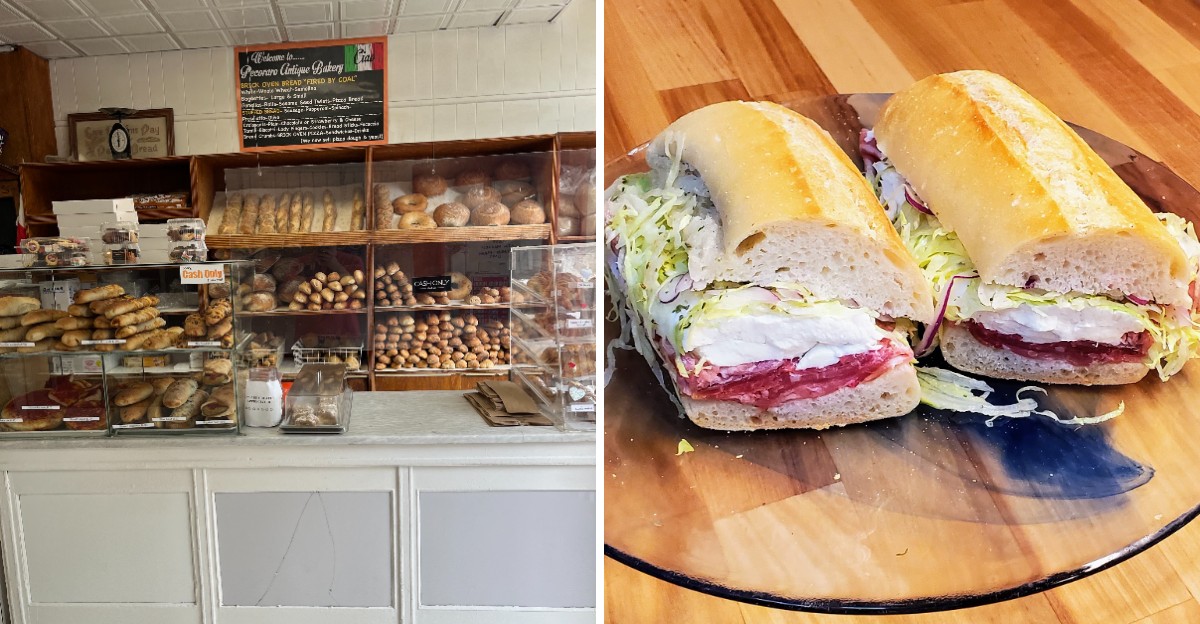
Good bread does not need a sales pitch. That warm, crusty loaf smell usually handles the convincing before anyone reaches the counter.
This little New Jersey bakery keeps things refreshingly old-school.
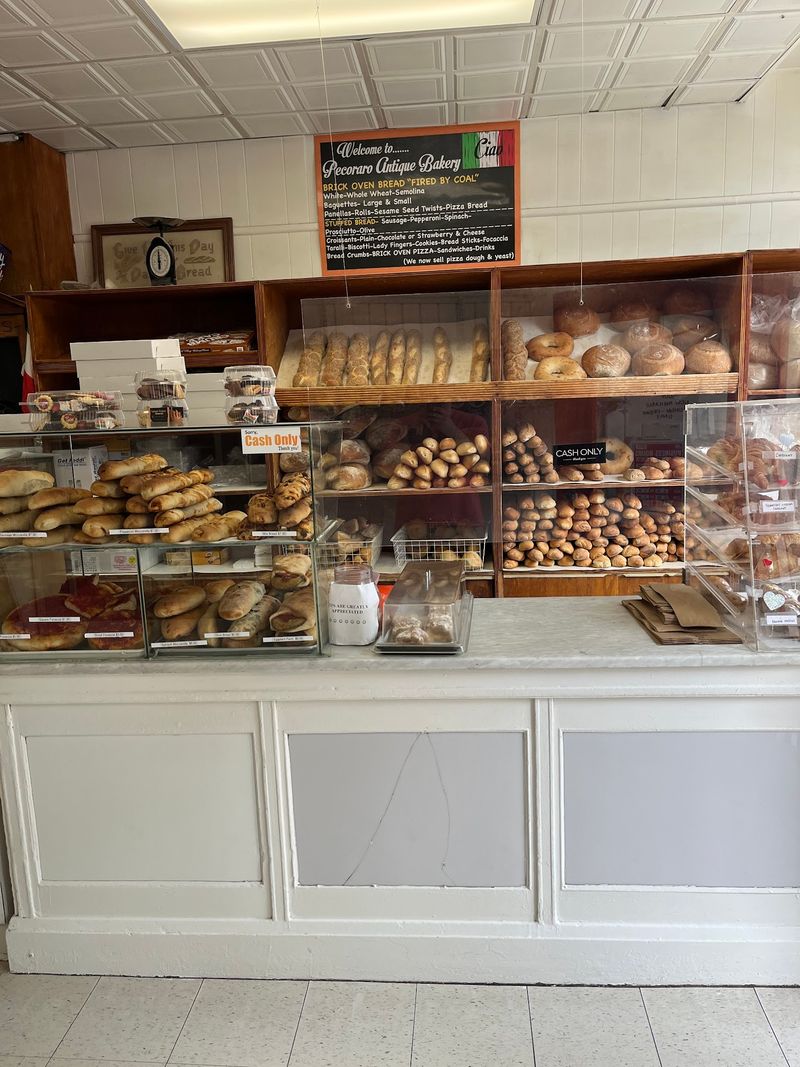
Fresh Italian loaves are the main event, joined by focaccia, sandwiches, and stuffed breads loaded with favorites like pepperoni, mozzarella, eggplant, and olives.
Nothing needs to be dressed up to make an impression.
That simplicity is part of the charm. Grab a loaf for dinner and there is a very real chance half of it disappears on the ride home.
Order a sandwich and the bread is not merely holding lunch together. It is half the reason you ordered it.
Trendy bakeries can keep chasing the next big thing. Around here, a good Italian loaf still knows exactly how to steal the show.
A Brick Oven With More Than a Century Behind It
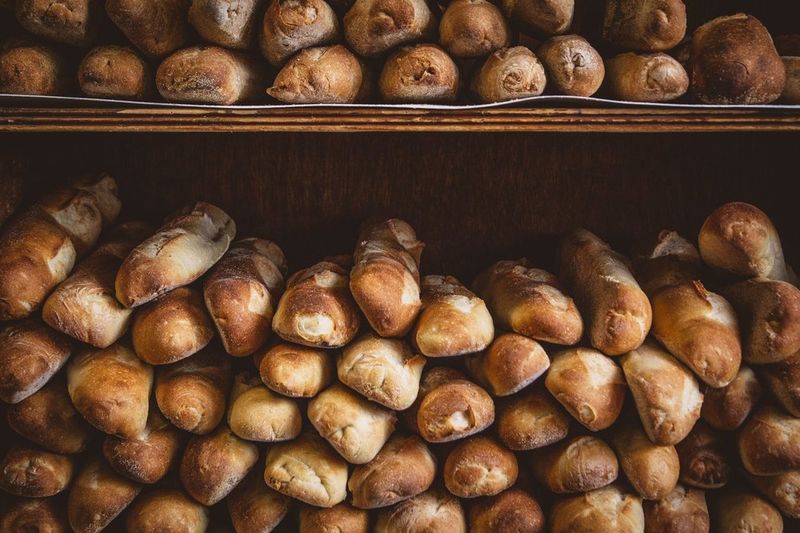
The heart of the whole operation is an oven that predates just about everyone who walks through the door. This brick oven has been firing loaf after loaf across generations of bakers.
Coal-fired ovens behave differently than modern gas or electric ones. They hold heat deep inside the masonry and release it slowly, which gives bread a thick, blistered crust and a chewy inside that is tough to fake.
You can taste that difference immediately. The bottom of the loaf has that faint smoky char, the crust crackles when you press it, and the crumb stays soft for far longer than store-bought bread ever manages.
What struck me most is how unglamorous it all is. No display cases full of styled pastries, no fancy signage explaining the process, just an old oven doing honest work every single morning.
Pecoraro Antique Bakery leans on that oven the way a good band leans on its drummer, quietly, constantly, and with total trust.
Italian Bread That Tastes Like the Old Neighborhood
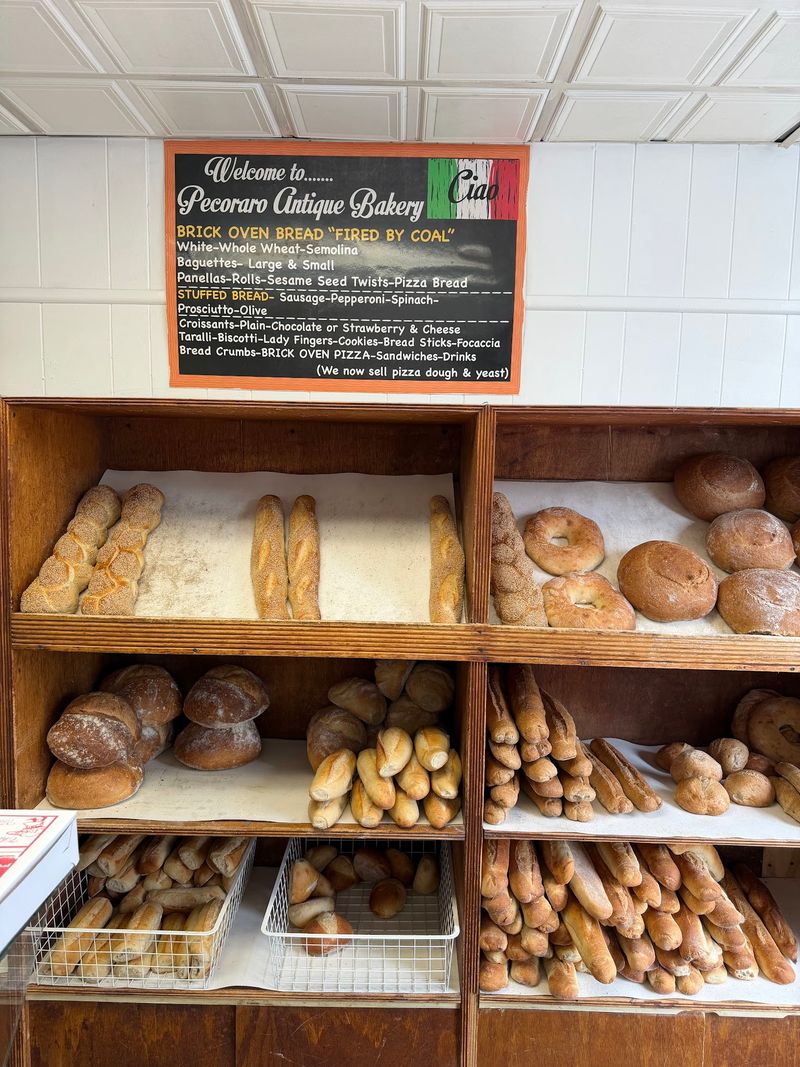
Bread here is not an afterthought or a side item. It is the main event, and everything else on the menu exists because the bread came first.
Loaves come out in white and wheat versions, plus baguettes and long rolls that get used for sandwiches. The crust shatters a little when you tear it, and the inside pulls apart in soft, stretchy pieces.
Regulars grab loaves sliced thick, then toast them at home until the edges go crispy. That thick-cut wheat bread has become a favorite base for avocado toast and simple breakfasts around the area.
Small detail worth knowing. Bread baked this way tends to go stale faster than supermarket loaves because there are no preservatives holding it together, so plan to eat it within a day or two.
Honestly, that short shelf life feels like proof of quality rather than a drawback. Fresh bread is meant to be eaten fresh, not stored for a week.
Stuffed Breads Worth Planning Your Day Around
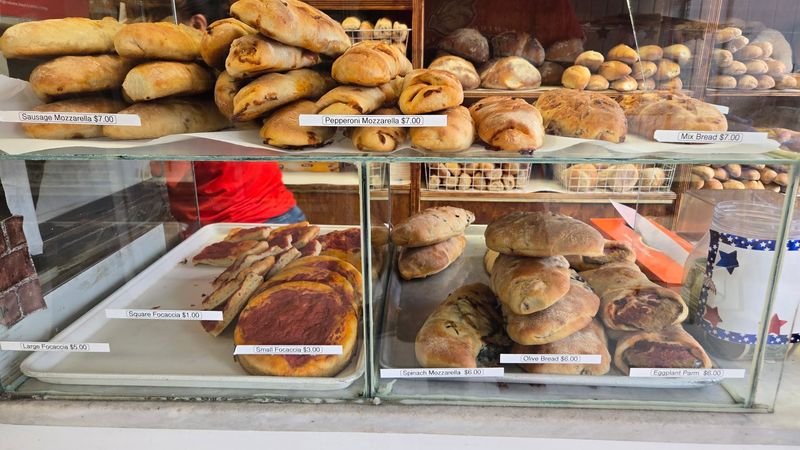
Stuffed bread is where things get genuinely fun. Picture a loaf baked with fillings tucked inside, so every slice comes loaded rather than empty.
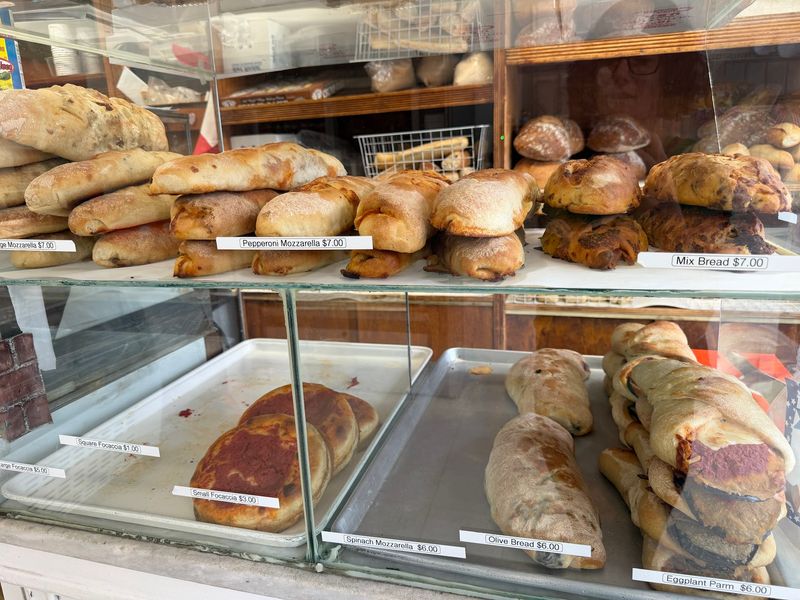
The lineup rotates through sausage bread, pepperoni and cheese, eggplant parmesan, prosciutto and mozzarella, and versions with olives baked right into the dough. Sausage bread seems to be the one people reach for most often.
These make ridiculously easy dinners. Grab a loaf, warm it in the oven for a few minutes, slice it up, and you have a meal without touching a single pan.
They also travel well, which makes them handy if you are heading to a park, a picnic, or a long train ride. Cut slices wrap up neatly in foil.
My advice is to ask what came out that morning rather than assuming a specific kind will be waiting. Availability shifts depending on the day, and the good stuff tends to disappear before the afternoon quiets down.
Fresh Mozzarella Changes Everything
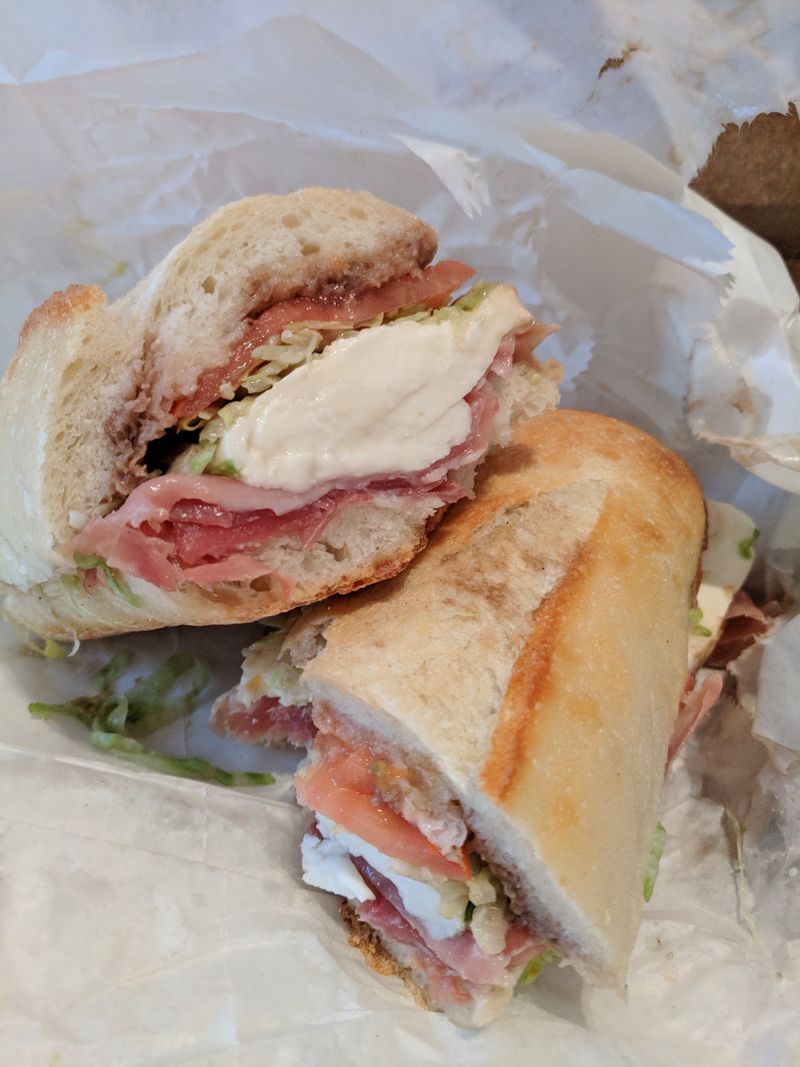
Ask anyone what to order and fresh mozzarella comes up almost instantly. It shows up in sandwiches, on rolls, and paired with just about every cured meat behind the counter.
Soft, milky, and barely salted, this kind of mozzarella has nothing in common with the rubbery shredded stuff sold in bags. It tears instead of slicing cleanly, and it soaks up olive oil beautifully.
Pair it with prosciutto on a long roll and you have a sandwich that needs almost nothing else. Some people add roasted peppers or shredded lettuce, others keep it bare.
There is a reason Italian delis treat mozzarella as a daily-made item. It peaks within hours, so freshness matters more than technique.
Little tip from watching the line move. Ordering a mozzarella sandwich on bread that came out of that coal oven earlier the same morning is about as simple and satisfying as lunch gets, and it rarely takes long to put together.
Sandwiches Built for Big Appetites
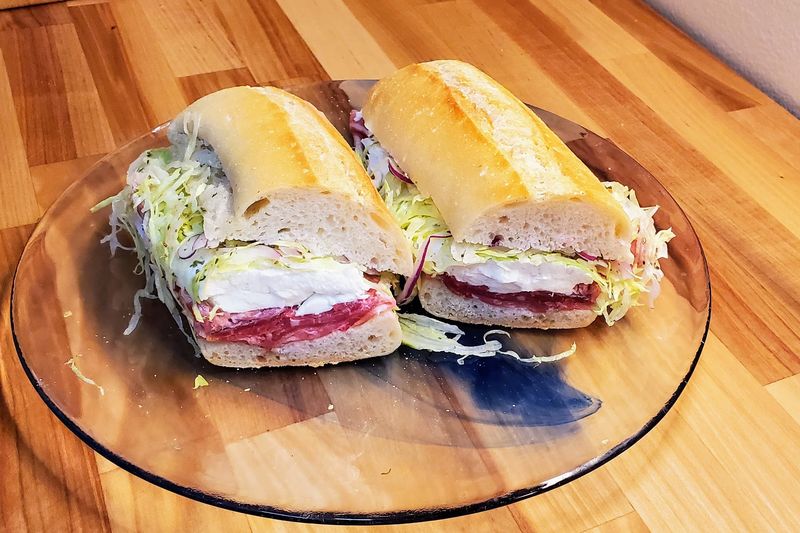
Lunch is a whole scene here, and the sandwich board reads like a greatest hits list from an old-school Italian deli. Chicken parmesan, eggplant parmesan, soppressata and mozzarella, BLTs, and plenty of variations in between.
Portions run generous. Foot-long sandwiches come piled high enough that splitting one into two meals is a completely reasonable move.
The eggplant parm gets a lot of love, partly because it is prepared fresh and finished in the coal oven on bread baked that morning. Expect to wait a few minutes for that one, and consider it time well spent.
Here is a trick worth using. Asking them to scoop the bread, meaning to hollow out a bit of the soft interior, keeps the sandwich from feeling too dense and lets the fillings shine.
Lunchtime gets busy, especially midday during the week. Showing up a little earlier or later makes the whole thing smoother.
Focaccia Squares and Rainbow Cookies
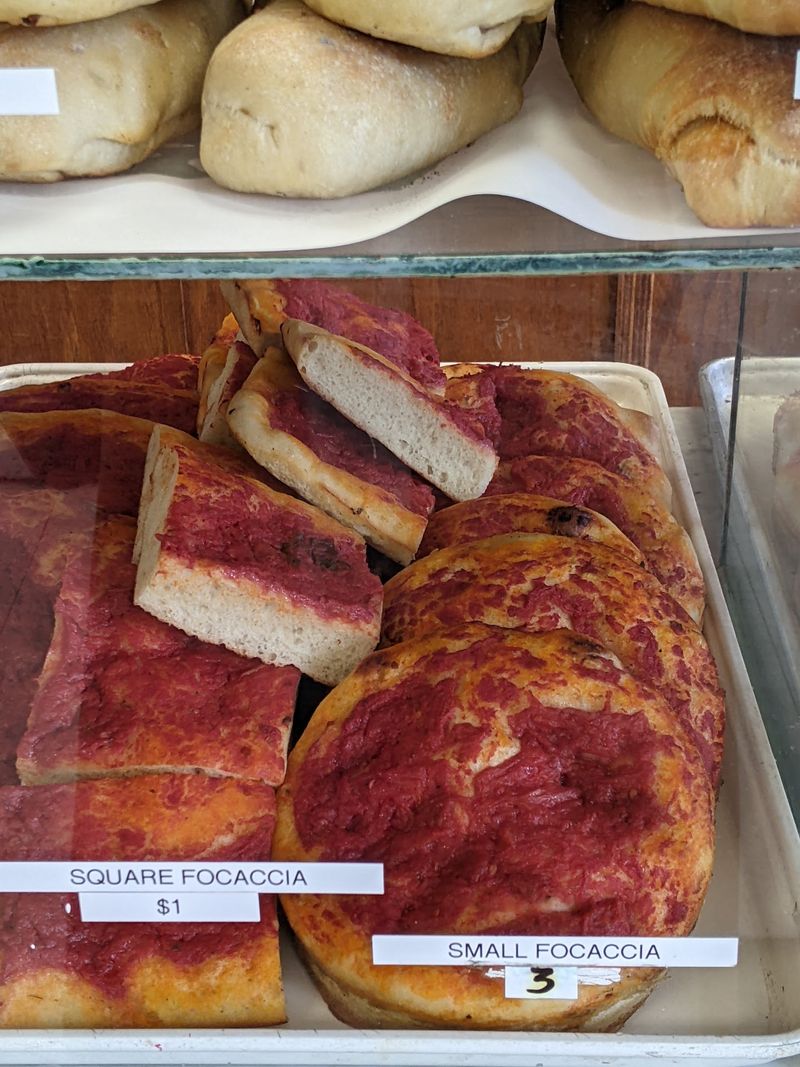
Snacks here punch above their weight. Focaccia squares come topped with tomato, the dough soft underneath and slightly crisp along the edges, and they make an excellent grab-and-go bite.
Tomatoes make or break focaccia, and the ones used taste properly sweet rather than watery. Eaten warm, a square barely survives the walk down the block.
Then there are the Italian cookies, with rainbow cookies drawing the loudest fans. Layers of almond sponge, thin jam stripes, and a chocolate coating give them that classic bakery-case look.
Assorted cookie trays make easy gifts if you are visiting someone. They hold up better than delicate pastries and travel without falling apart.
I like that these items feel unfussy. Nothing is decorated to impress a camera, which somehow makes them taste more sincere.
Pair a focaccia square with coffee in the morning and you have a breakfast that costs little, fills you up, and beats anything wrapped in plastic.
Breakfast Rolls Before the Morning Rush
Doors open at six in the morning on weekdays, which puts this place ahead of most cafes in the area. Early risers, workers heading out, and dog walkers all filter through before the sun gets serious.
Egg sandwiches on long rolls are the move at that hour. The roll does the heavy lifting, crisp on the outside and soft enough to squish around a hot filling.
Morning light through the front windows gives the whole room a mellow glow. Trays get restocked, paper bags rustle, and the pace stays calm compared to the lunchtime scramble.
Weekend hours shift a bit, with Saturdays running shorter and Sundays wrapping up early in the afternoon. Worth checking before you make the trip.
Grabbing breakfast right when the bread is still warm is one of those small travel wins that sticks with you. Simple, cheap, and honestly better than most fancy brunch plates.
Cash Only, and Why That Fits
Bring bills. Cards do not work here, and while there is an ATM inside, showing up prepared saves you a step.
At first the cash-only setup feels like a quirk from another era. Spend five minutes inside and it starts making sense, because everything about the place runs on efficiency rather than polish.
Orders move fast. Money changes hands, bread gets wrapped, and the line keeps flowing without anyone tapping a screen.
No-frills is the right description. Plain counter, straightforward displays, no curated playlist or decorative shelving.
That simplicity is part of the appeal for a lot of visitors. You are paying for what is in the bag, not for atmosphere or branding.
Small heads-up for planning purposes. Bringing enough cash for both a sandwich and a loaf to take home is a smart call, because plenty of people walk in for lunch and leave carrying bread they had no intention of buying.
From Hoboken to Newark Avenue
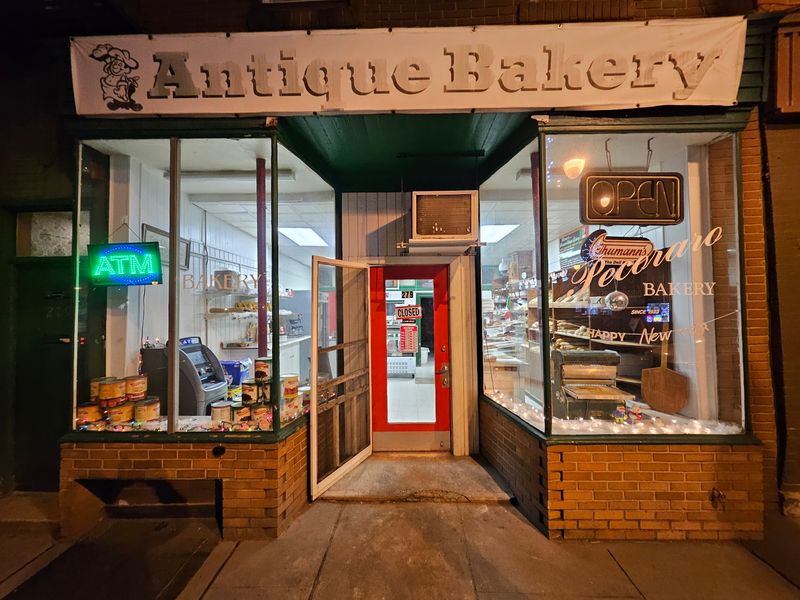
History here comes in layers. The Pecoraro bakery first opened its doors in 1923, making it one of the longest-running food spots in the area.
In 2016, Antique Bakery, which originally came out of Hoboken, took over the location and kept the coal-fired tradition going. The combined name reflects both histories, which is why the sign reads Pecoraro Antique Bakery today.
Continuity like that is rare. Plenty of old bakeries close when the original operators step back, and the ovens go cold for good.
Instead, this one kept firing, and the same style of bread kept coming out. That matters in a city where storefronts turn over quickly.
Newark Avenue itself has changed a lot over the decades, with new restaurants and shops filling in around it. The bakery sits there anyway, doors open at six, doing what it has always done.
For anyone curious about New Jersey food history, this corner tells the story better than a museum plaque ever could.
Making It Part of a Downtown Walk
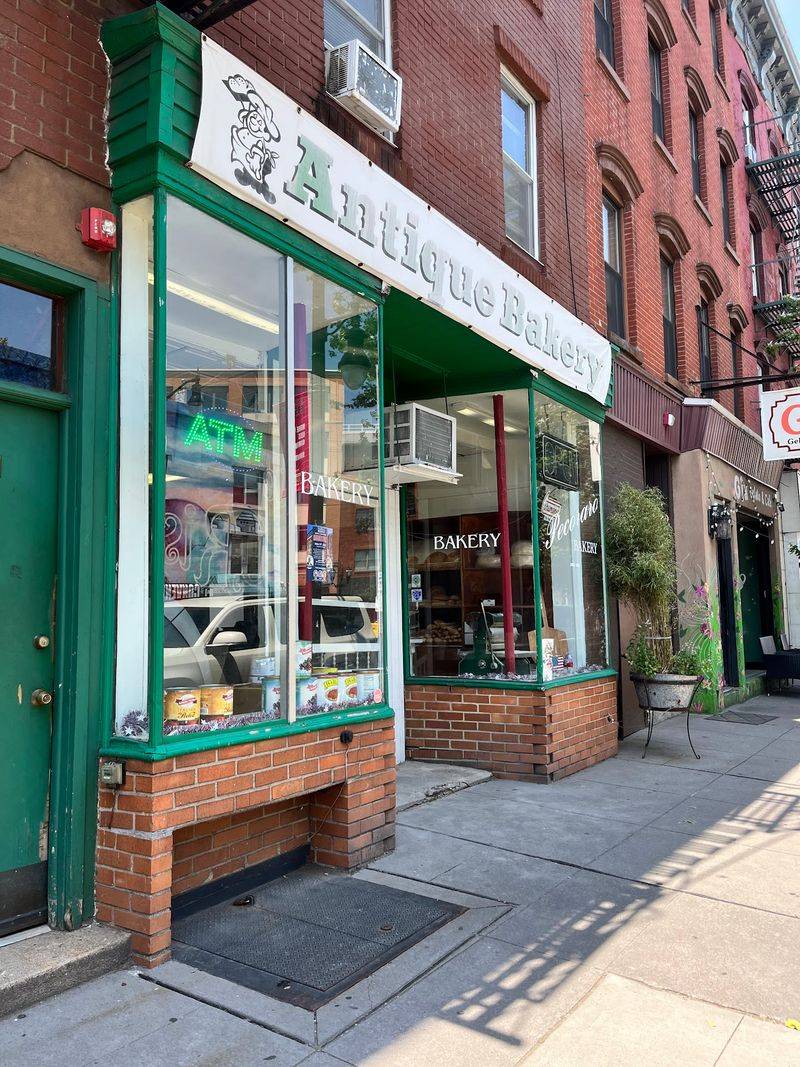
Downtown Jersey City is made for wandering, and a bakery stop fits neatly into a morning of it. The surrounding blocks are walkable, full of brick buildings, small shops, and pedestrian stretches where cars disappear.
Grabbing a loaf early and carrying it around all day is oddly satisfying. Your bag smells incredible, and everyone you pass notices.
Nearby parks give you somewhere to sit and tear into a focaccia square without ceremony. No plates, no utensils, just paper and hands.
Timing helps. Mornings feel relaxed, midday gets crowded with the lunch rush, and later afternoons thin out again as trays empty.
Travelers coming in by PATH will find the area easy to reach on foot, which makes this an effortless detour rather than a mission.
If you want a taste of New Jersey that has nothing to do with boardwalks or diners, visit Pecoraro Antique Bakery at 279 Newark Ave, Jersey City, NJ 07302.
