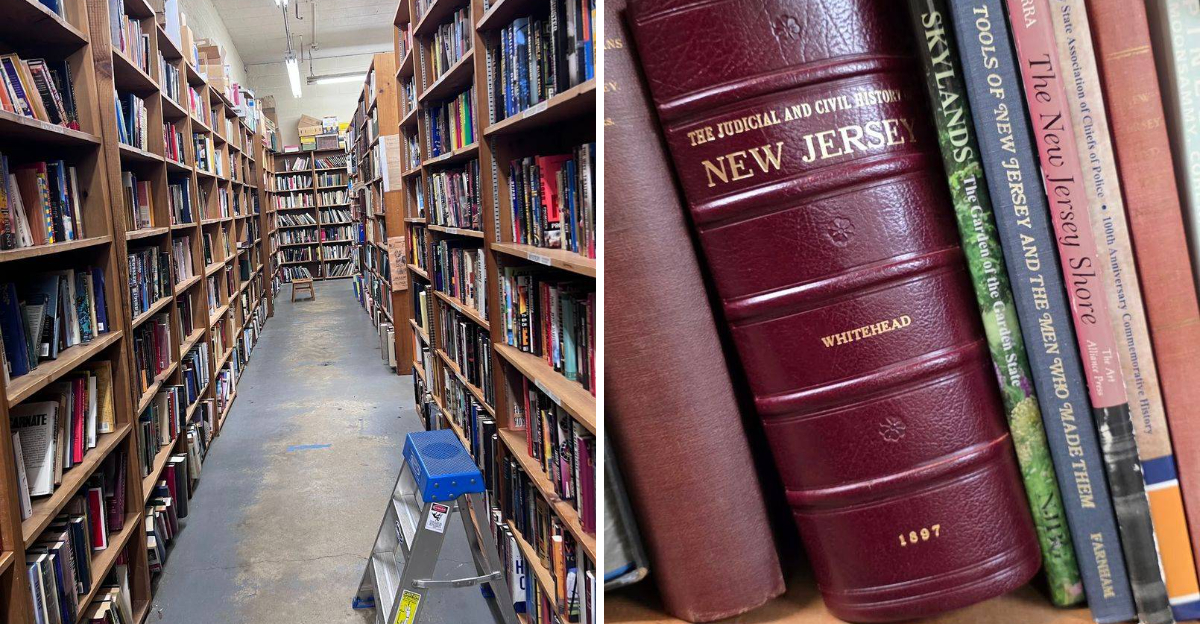
Books are like potato chips. You can never have just one.
That is especially true at this New Jersey shop, where the shelves are packed with enough used books to keep treasure hunters busy for hours.
Vintage postcards, old maps, sheet music, and stacks of paperbacks line the walls from floor to ceiling.
The owners are warm and incredibly knowledgeable, and the whole place feels like a well-loved secret hiding in plain sight.
Some books here are centuries old. Others are simply hard to find anywhere else.
You will walk in for a quick browse and walk out two hours later with a stack you never knew you needed.
Bring your patience and a sturdy bag. You will need both.
A Brick Storefront That Hides Everything Good Inside
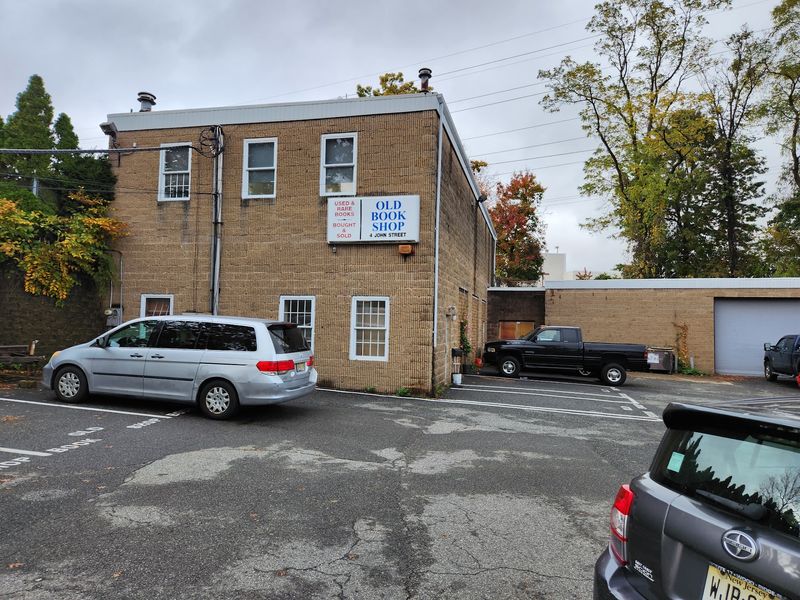
Some places advertise themselves loudly. Not this one.
The Old Book Shop sits in a plain brick building on John Street, sharing the block with a handful of other small businesses, and there is no flashy signage begging for attention.
Plenty of first-time visitors drive past it once before circling back. Honestly, that is part of the fun.
The unassuming front creates a real contrast with what waits on the other side of the door, where the room opens up far larger than the exterior suggests. Morristown has plenty of polished storefronts, and this shop simply is not trying to compete with them.
One practical tip before setting out: parking nearby is limited, so give yourself a few extra minutes to sort that out rather than rushing.
Arriving early in the day tends to make the whole thing easier. Once inside, the tight parking situation stops mattering, because the shelves take over completely and time starts moving differently than it did outside.
Roughly 30,000 Items Packed Into Five Long Aisles
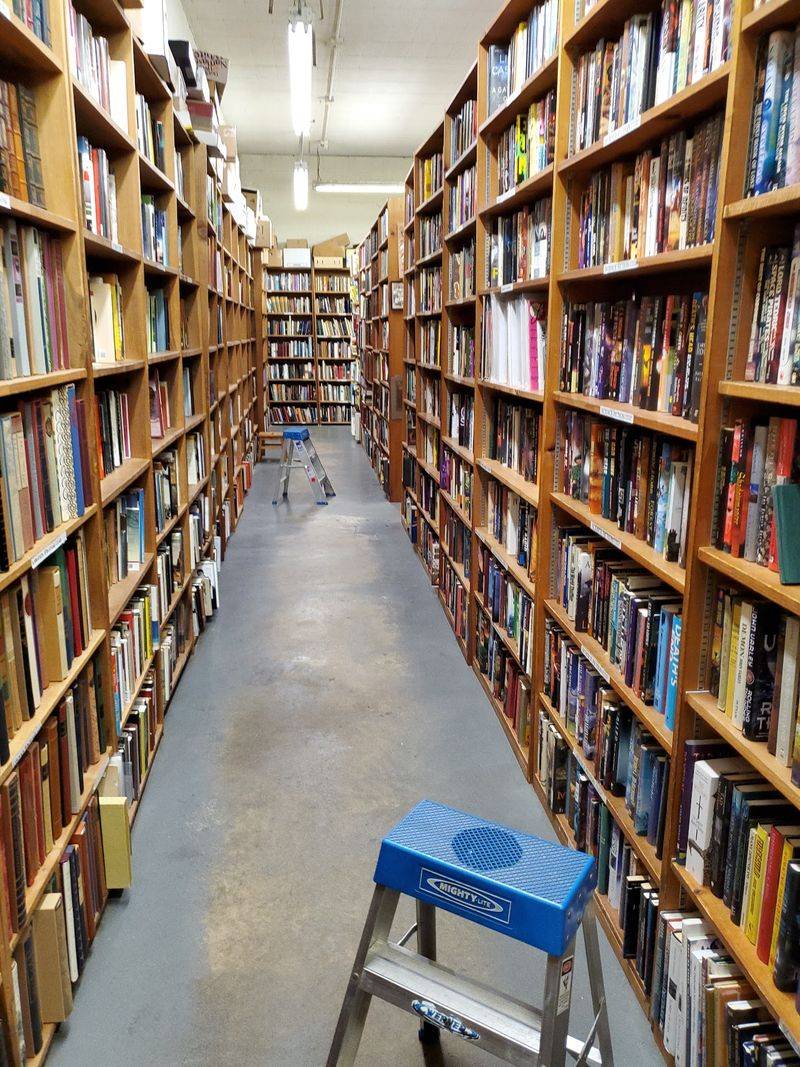
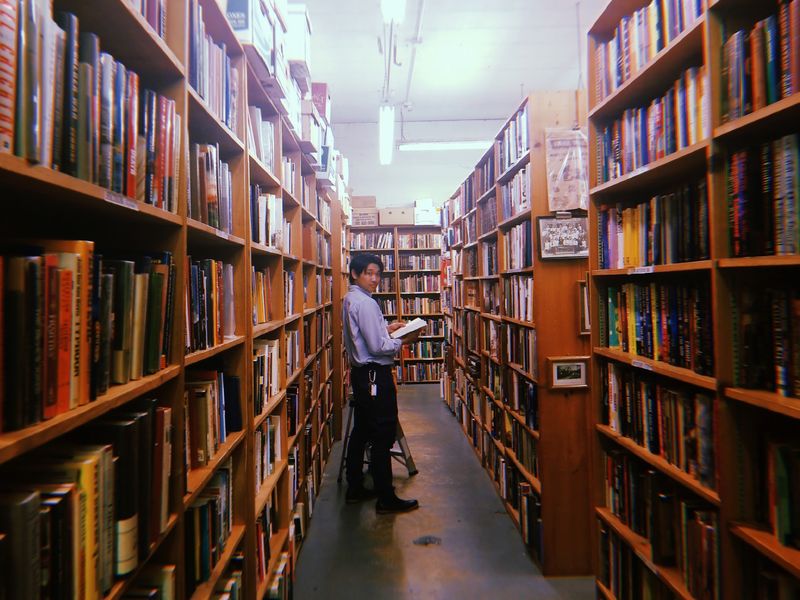
Thirty thousand. That is the ballpark number of items stocked here, and it is the kind of figure that sounds abstract until you are standing between two eight-foot shelves that run the length of the room.
Five long aisles carry the bulk of it, and each one is broken into subject areas marked with handwritten labels taped to the shelving.
Rather than feeling like a warehouse dump, the space reads as carefully managed chaos, with books shelved upright, spines facing out, and overflow stacked in ways that still make sense once you learn the rhythm of the place.
Give it about five minutes and the system clicks.
Volume like that changes how you shop, because skimming is pointless and slow browsing becomes the whole point. People routinely stay an hour or longer without noticing, which says plenty about the depth of the inventory and how easy it is to fall down one specific rabbit hole after another.
Shelves Devoted To New Jersey History And Local Reference
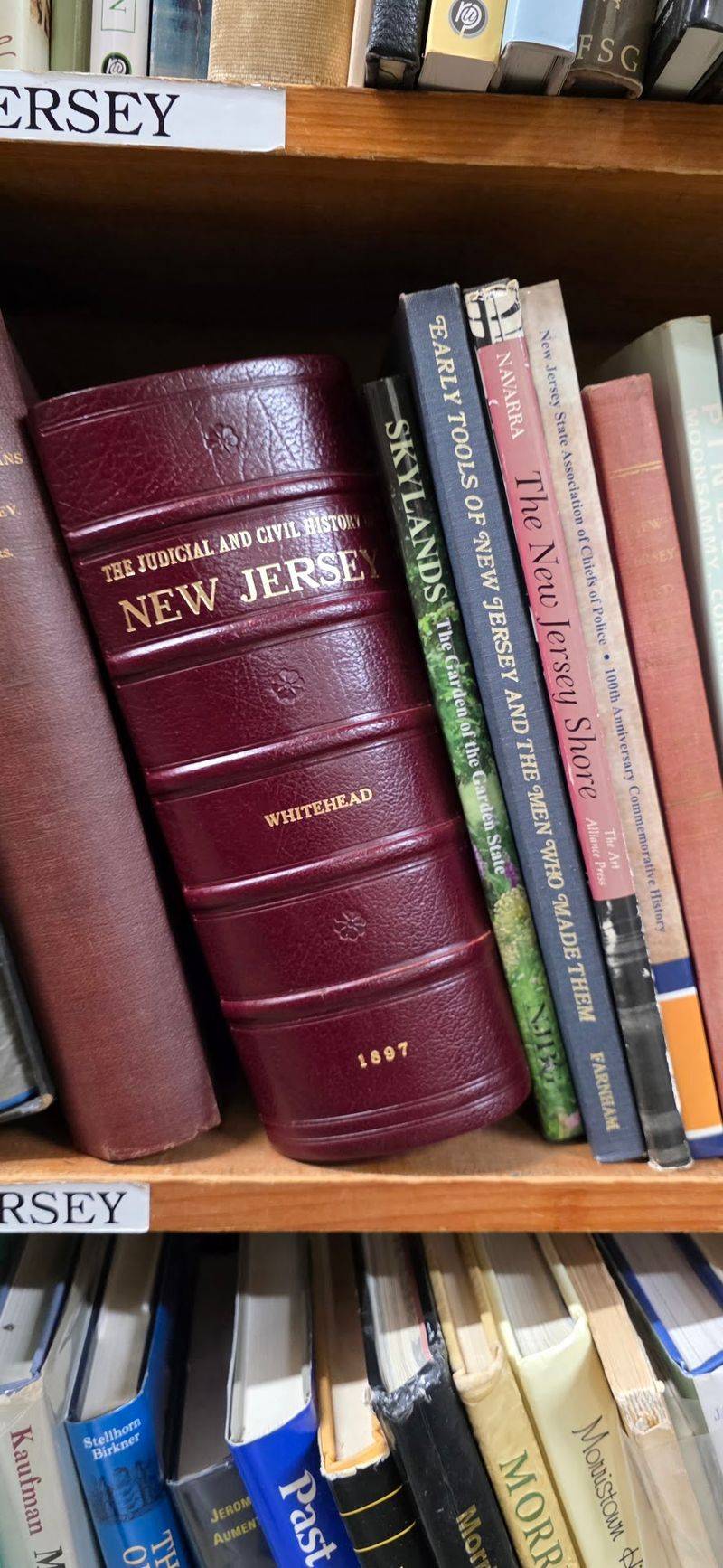
Local history sections in most shops amount to a shelf and a half. Here it stretches out properly, with New Jersey history and reference material getting genuine space instead of a polite corner.
County histories, town records, regional guides, and older reference volumes all turn up in this stretch of shelving.
For anyone researching family roots, an old house, or a stretch of road that has changed names three times, this area is worth slowing down for and reading spine by spine. Morristown itself is soaked in Revolutionary War history, which makes the shop’s interest in state and regional material feel natural rather than forced.
Some of these titles simply are not printed anymore.
That is the real appeal of the section, because out-of-print local histories rarely surface in chain stores or online at reasonable cost. Students, hobby historians, and curious neighbors all end up crouched here at some point, pulling volumes off the bottom shelf.
Postcards, Maps, And Paper Odds And Ends
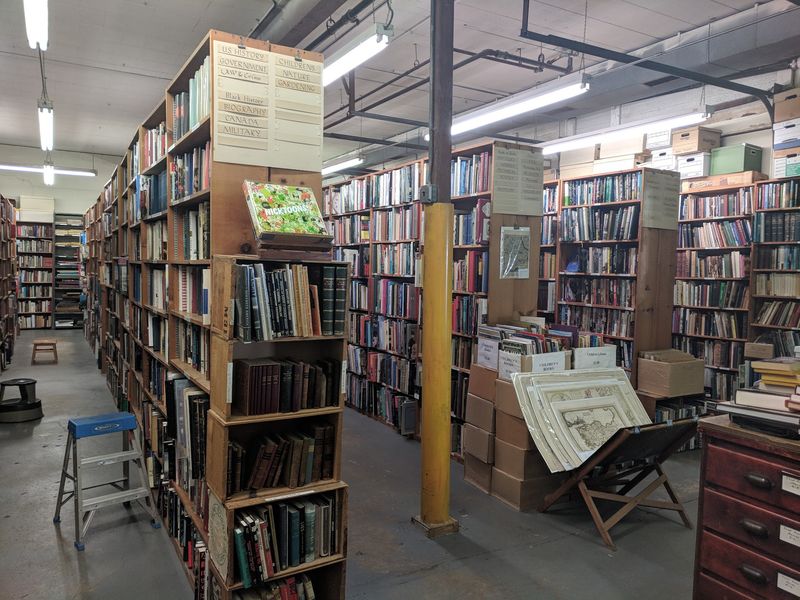
Books are only half the story here. Tucked among the shelves you will find print ephemera of all kinds, the sort of paper that usually gets thrown out and almost never gets saved.
Vintage pamphlets, postcards, photographs, old advertising posters, and atlas maps dating back to the 1800s all circulate through the shop.
Collectors love this material because it captures ordinary life in a way that polished books rarely do, showing what streets looked like, how businesses advertised, and where county lines once fell. Framed posters hang in spots along the walls, and turn-of-the-century magazines like LIFE turn up in stacks worth flipping through slowly.
Bring patience for this part.
Sorting through a box of loose postcards is a completely different pace from scanning book spines, and it rewards people who genuinely enjoy the hunt. Framers, teachers, and anyone decorating a room with real history rather than reproductions will find plenty of raw material worth carrying home.
A Science Fiction Section That Actually Delivers
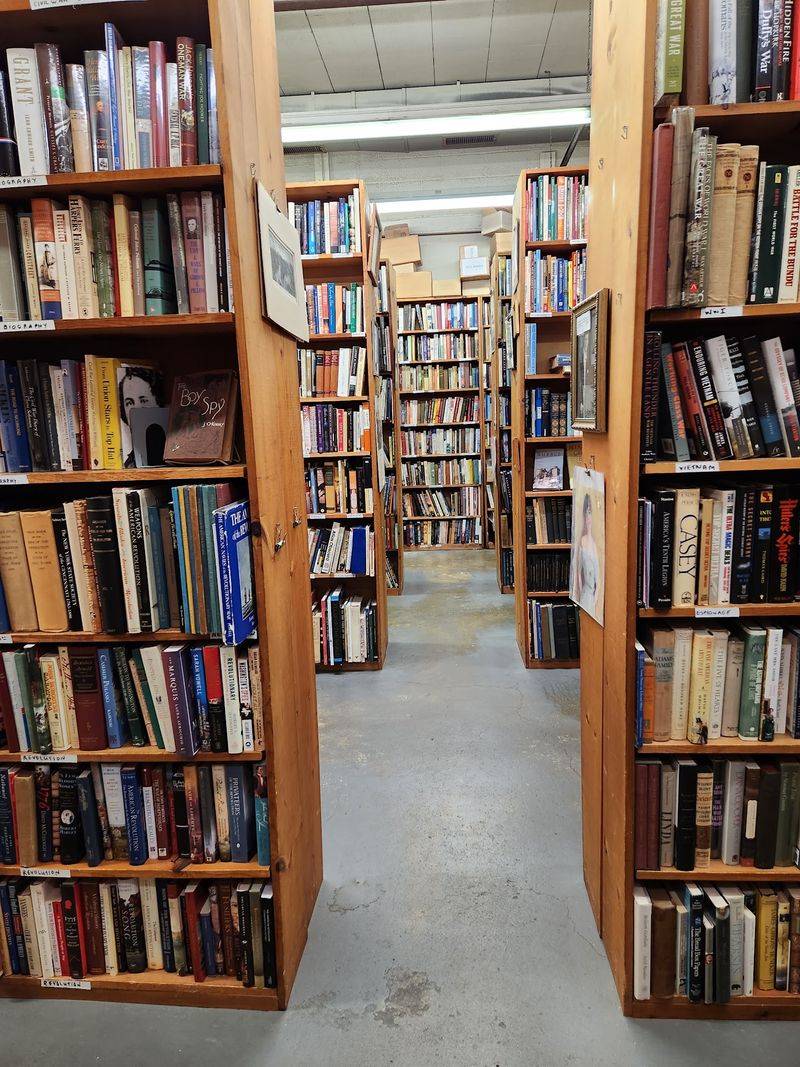
Ask around about used science fiction in northern New Jersey and this shop keeps coming up, which is unusual since the genre often gets squeezed into a single sagging shelf elsewhere.
Paperbacks and hardcovers sit side by side, and the stock refreshes often enough that repeat visitors keep circling back every few weeks.
Fantasy, horror, and mystery share the neighborhood, so a browse through this corner can easily turn into a haul of five or six books before you have made it halfway down the row. Older paperbacks with those wonderfully strange cover paintings show up regularly, right next to more recent releases in solid condition.
Bring a tote bag. Seriously.
What makes the section work is the mix of eras, because a reader can find a mid-century classic and a contemporary novel within arm’s reach of each other. Genre fans tend to lose the most time here, and nobody seems to mind.
Art, Design, And Coffee Table Volumes Worth Hauling Home
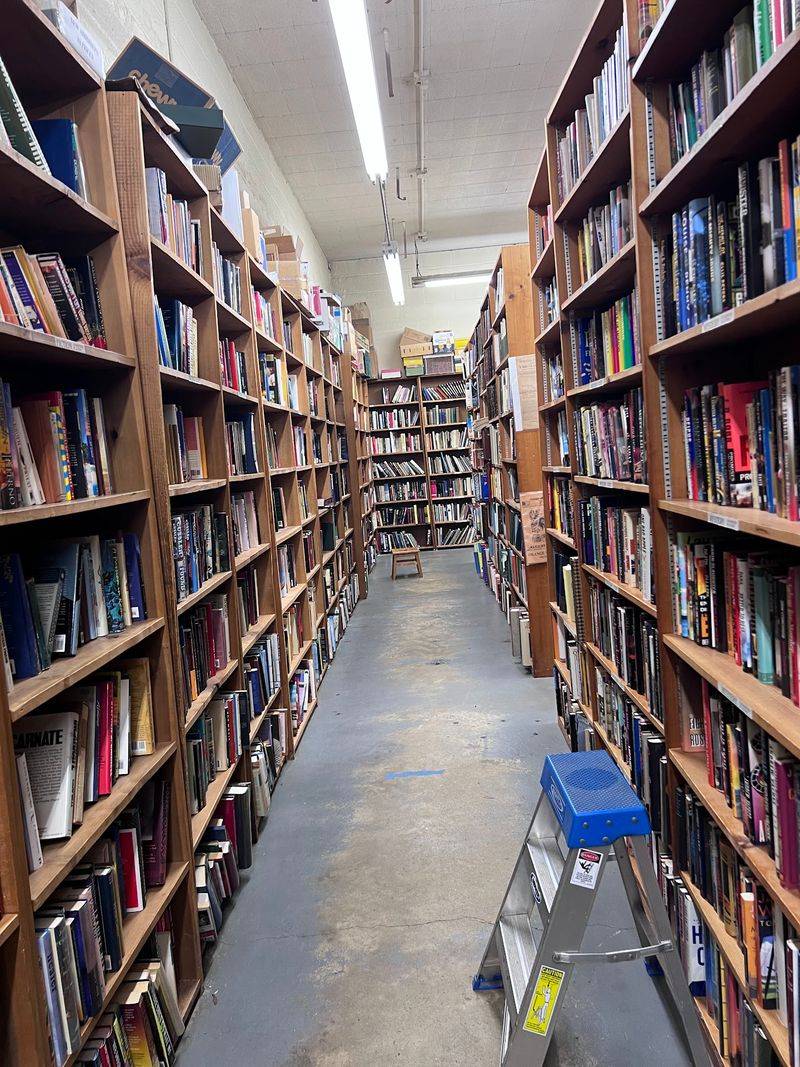
Oversized art books are heavy, expensive when new, and weirdly hard to find secondhand in good shape. This shop keeps a strong run of them anyway.
Architecture, design, photography, and travel titles fill a healthy stretch of shelving, including signed photo books and large visual volumes.
Anyone furnishing a living room or building a reference library will appreciate how many of these arrive with intact dust jackets and clean interiors rather than the water damage that plagues so many used copies. Museum catalogs and monographs on individual artists show up too, often on subjects narrow enough that you would never think to search for them.
Carrying capacity becomes the limiting factor fast.
A good approach is to scan this section first while your arms are still free, then circle back for paperbacks later. Designers, students, and people who simply like beautiful printing tend to describe this as the section that turns a quick stop into a long one.
Leather Bindings, First Editions, And Signed Copies
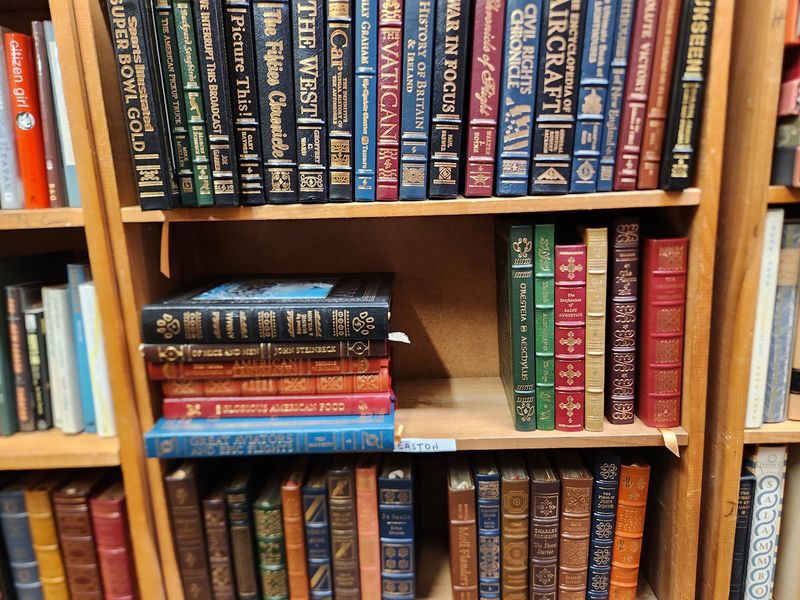
Behind the counter and scattered across certain public shelves sits the material that collectors chase, and it is worth asking about rather than assuming everything is out in the open.
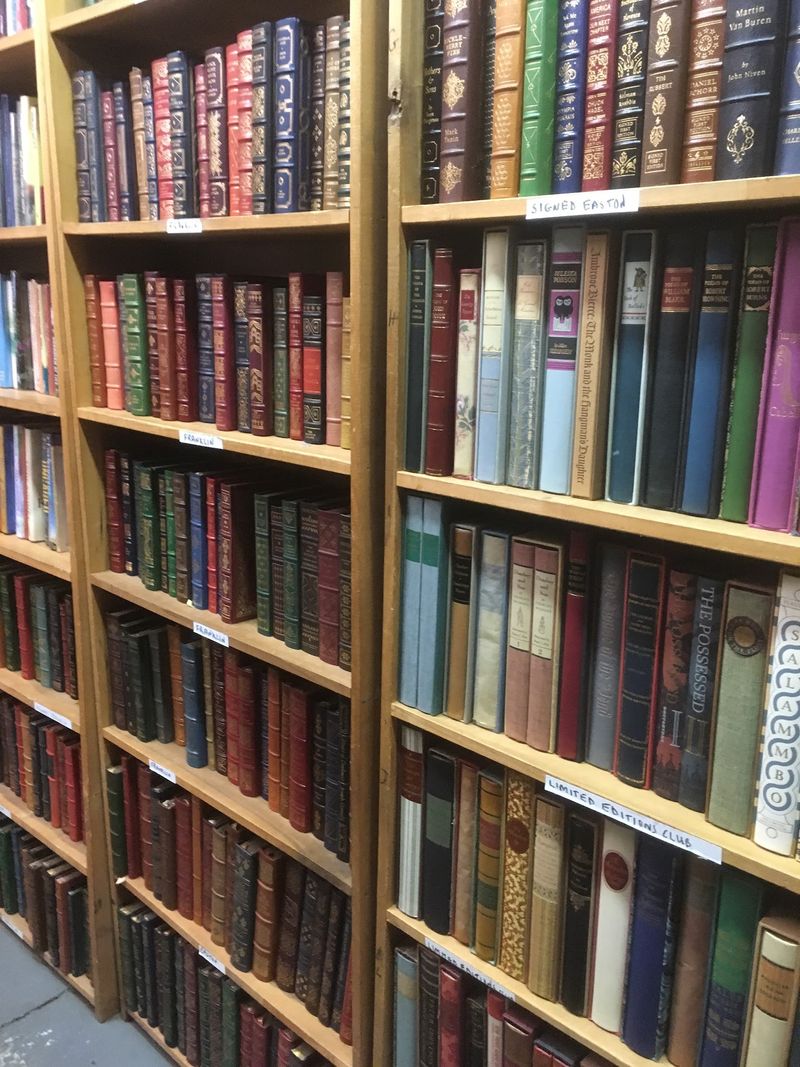
Antique leather-bound volumes, rare autographed books, and first editions all pass through the inventory, alongside a notable run of Easton Press editions.
Handling one of these feels different from grabbing a paperback, with the weight of the boards, the gilt lettering, and endpapers that have survived a century or more of ownership. Prices throughout the shop are written in pencil on the inside front page, a simple old-school touch that keeps everything transparent.
Not every treasure sits at eye level.
Some of the more valuable signed material stays behind the desk for safekeeping, so mentioning a specific author or interest can open doors that browsing alone will not. Serious collectors and casual admirers both get something out of this corner, even if only the pleasure of looking.
Kerouac, Vonnegut, And The Classics Corner
Certain authors have a way of showing up again and again in a shop’s stock, usually because whoever does the buying has a soft spot for them.
Jack Kerouac and Kurt Vonnegut both hold that status here, and the fiction shelves reflect it with copies in a range of printings and conditions.
Beyond those two, the general fiction and classics run stays busy, with older hardcovers sitting alongside paperbacks that clearly spent a few summers in someone’s beach bag. The stock turns over constantly, which is exactly why regulars stop in every other weekend instead of once a season.
Same shelf, different books. That is the appeal.
For readers building a personal library without spending a fortune, this section is the practical heart of the shop, offering familiar titles in readable condition. Finding a novel you loved in high school, in the same cover art you remember, hits harder than expected.
Selling Your Own Books At The Counter
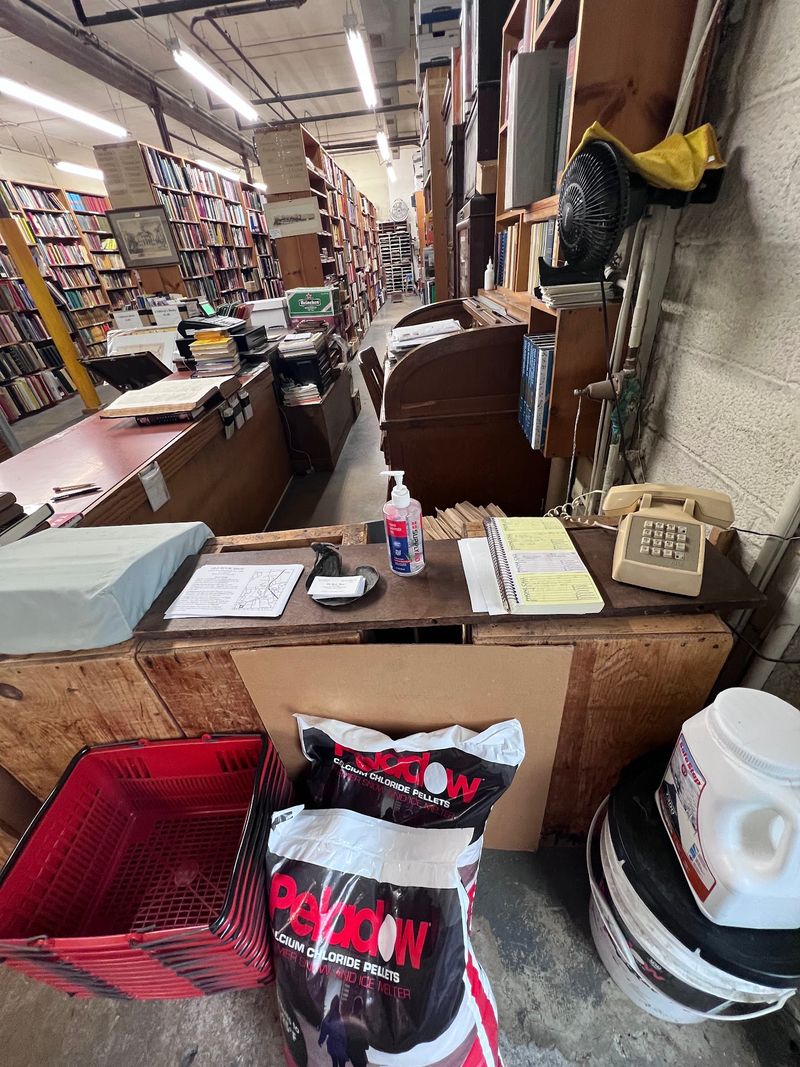
Two-way traffic keeps this place stocked. The shop buys books as well as sells them, which explains why the inventory shifts noticeably from one visit to the next.
Sellers typically call ahead to describe what they have, then bring the boxes in for evaluation.
Offers are based on current market conditions and the condition of the individual copies, so anyone planning a trip should look up rough values beforehand to keep expectations realistic. Not every book gets accepted, and that is standard practice for any used shop working with limited shelf space.
Clean out a closet, drive over, see what happens.
The process itself is straightforward and usually quick, which makes it appealing for people downsizing a collection or clearing an estate. All of the material on the floor is handpicked, meaning what does get accepted has been chosen deliberately rather than swept in by the crate, and that curation shows in the quality of the browsing.
Pairing Your Visit With Morristown’s Historic Sites
Morristown gives you plenty of reasons to make a full day out of a bookshop stop, and the walking distances are friendly.
Morristown National Historical Park anchors the area, including Ford Mansion, which served as George Washington’s headquarters, and the Jockey Hollow encampment grounds a short drive away.
Acorn Hall, the Morris Museum, and the Frelinghuysen Arboretum round out the options nicely, giving history buffs, art lovers, and garden wanderers each something to build a route around.
Reading a local history book purchased that morning while sitting near the actual site it describes is a small pleasure worth planning for.
Check the shop hours first, though.
Doors open Tuesday through Saturday from 10 in the morning until 5:30 in the evening, with Sundays and Mondays closed, and no appointment is needed to browse.
You can find the Old Book Shop at 4 John St, Morristown, NJ 07960, United States, tucked into that easy-to-miss brick building.
