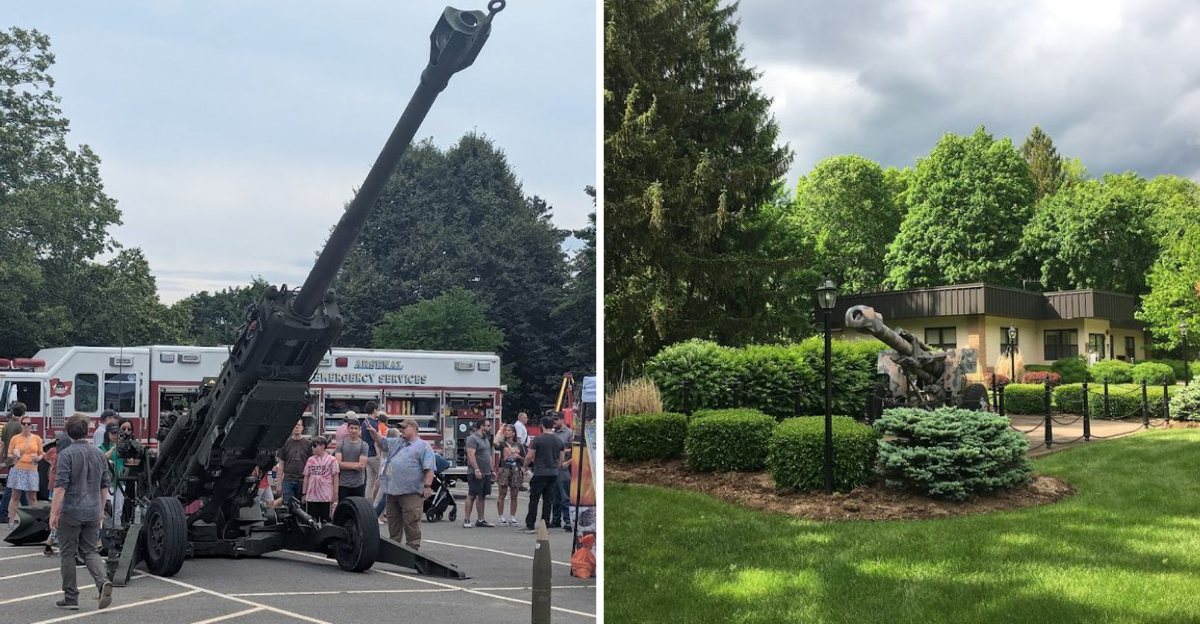
Imagine your neighbor’s backyard hiding a piece of military history that predates the Civil War.
That is exactly what is happening in this unassuming community, where a massive weapons depot has been quietly operating for well over a century.
What started as a modest blacksmith shop supplying revolutionary soldiers has grown into a sprawling complex of bunkers, laboratories, and testing facilities.
Scientists in lab coats still walk these grounds today, working on technology that feels straight out of a spy movie.
It is slightly surreal to drive past the unassuming entrance, knowing that behind those fences lies a facility that has shaped American defense history.
Who knew such a serious place could feel so surprisingly fascinating?
New Jersey never ceases to amaze with its hidden layers.
Where American Military History Was Forged
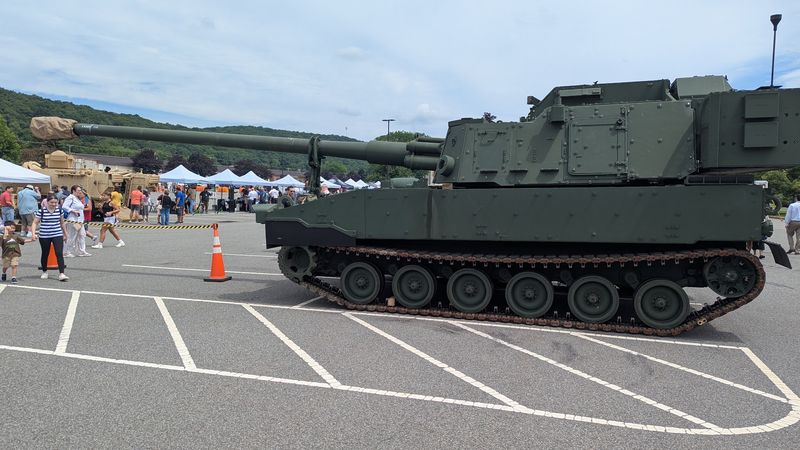
Some places carry the weight of history in a way you can almost feel the moment you approach them. Picatinny Arsenal is exactly that kind of place.
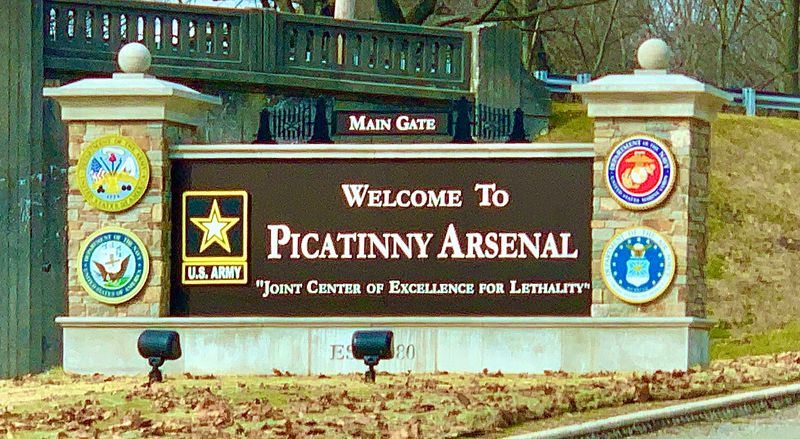
Established on September 6, 1880, as the Dover Powder Depot, this sprawling 6,400-acre facility in Rockaway Township has been at the center of American military development for well over a century.
The site was chosen strategically. The surrounding hills acted as natural shields, protecting nearby civilians from accidental detonations, which was a very real concern in the early days of munitions storage.
That kind of thoughtful placement tells you a lot about how seriously the Army took its responsibilities even back then.
In 1907, the depot was officially renamed Picatinny Arsenal and began producing powder. That name change marked a turning point from simple storage to active manufacturing.
Today, it serves as the U.S. Army’s Joint Center of Excellence for Guns and Ammunition, making it one of the most important military research hubs in the country.
Iron Roots That Predate the Arsenal
Long before soldiers and scientists called this land home, ironworkers were already shaping it into something remarkable. The Middle Forge, built in 1749, once stood on the very ground where Picatinny Arsenal now operates.
That is a detail that tends to stop people in their tracks when they hear it for the first time.
Iron forges were the backbone of colonial American industry. They turned raw ore into tools, hardware, and eventually weapons, feeding a young nation’s hunger for materials.
Morris County, with its rich iron ore deposits and abundant forests for charcoal fuel, was one of the most productive ironworking regions in colonial America.
The Middle Forge represents a thread of industrial continuity that runs straight through Rockaway Township’s identity. From hammering iron in the 1700s to developing next-generation munitions today, this land has never stopped being a place where things are made.
That unbroken legacy of craftsmanship and production is something genuinely rare to find in a single location.
World War II and the Arsenal That Never Slept
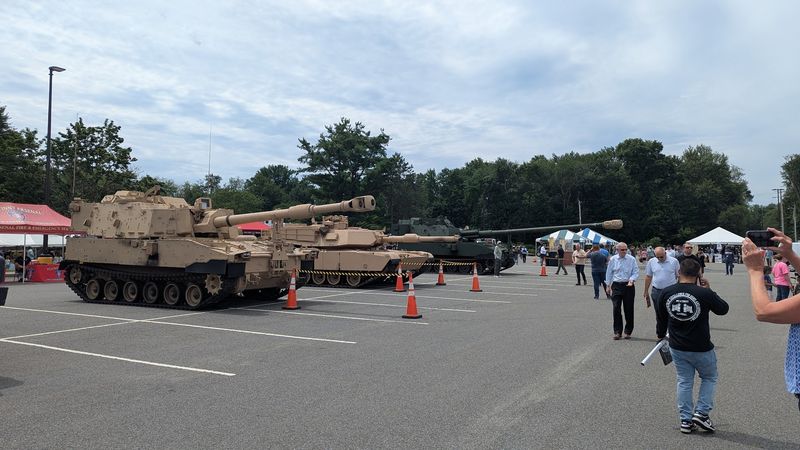
During World War II, Picatinny Arsenal became one of the most critical production sites in the entire country. At its peak, the facility employed up to 18,000 people and operated around the clock manufacturing explosives and artillery shells.
That level of output is staggering to think about even now.
The arsenal was the Army’s major large-caliber-round loading plant, and the pressure to keep production moving was immense. Workers came from across the region, and the facility essentially became a small city of its own, humming with urgency and purpose.
Beyond sheer volume, Picatinny’s engineers were also innovating under pressure. They developed a delay fuze for skip bombs and created specialized bombs designed for use against dams and oil rigs.
These were not off-the-shelf solutions. They were custom-engineered answers to very specific wartime problems, and they worked.
That combination of scale and ingenuity during the war years cemented Picatinny’s reputation as a place where the impossible gets figured out.
A Day Rockaway Township Never Forgot
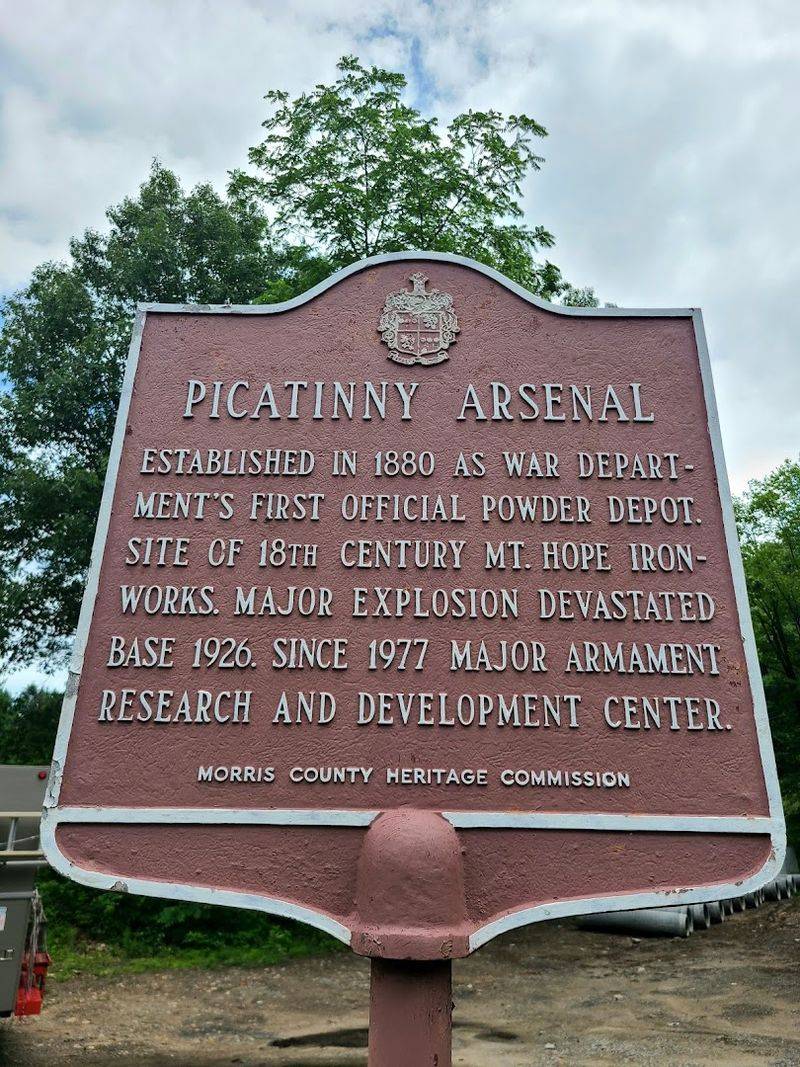
July 10, 1926, is a date burned into the history of this region. A lightning strike hit the Lake Denmark Naval Ammunition Depot, which sat within the boundaries of Picatinny Arsenal, and triggered a catastrophic chain of explosions.
Nineteen people lost their lives, and dozens of buildings were destroyed in the disaster.
The explosion was so powerful it was felt and heard across multiple states. Homes miles away had windows shattered, and the damage extended far beyond the arsenal’s fences.
It remains one of the most significant accidental military explosions in American history.
What followed the disaster was a serious reckoning with safety standards and ammunition storage practices. The Army and Navy used the event as a hard lesson, overhauling protocols and redesigning storage facilities to prevent future tragedies.
The Lake Denmark section was eventually reabsorbed by the Army in 1960. That history adds a somber but important layer to understanding just how consequential this place has been, not just in wartime, but in shaping peacetime safety practices too.
A Small Invention With a Massive Impact
Not every world-changing invention comes out of a Silicon Valley garage. Some come out of a military arsenal in northern New Jersey.
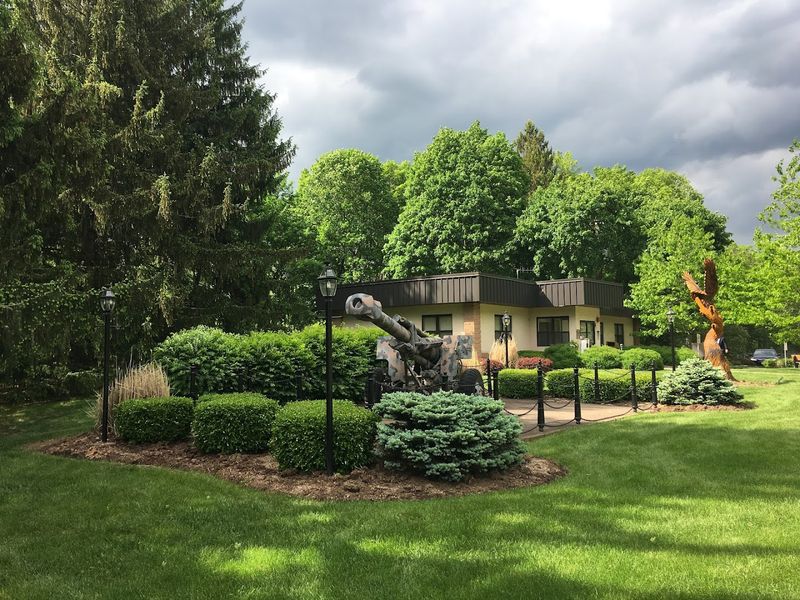
The Picatinny rail, developed right here at the arsenal, is one of the most widely used mounting systems for firearm accessories on the planet. Scopes, lights, grips, lasers, and countless other attachments all click onto this standardized rail system.
Its genius is in its simplicity. By creating a universal mounting standard, Picatinny engineers allowed military and civilian users alike to customize weapons quickly and reliably without specialized tools.
That kind of interoperability changed how firearms are used across every branch of the U.S. military and far beyond.
You see the Picatinny rail on rifles carried by soldiers in active combat zones around the world today. It is also standard on competitive shooting equipment and law enforcement gear.
For something invented in a New Jersey township, the global footprint of this little rail system is genuinely extraordinary. It is a quiet but powerful reminder that great innovation can come from anywhere.
Rockaway Township’s Natural Beauty
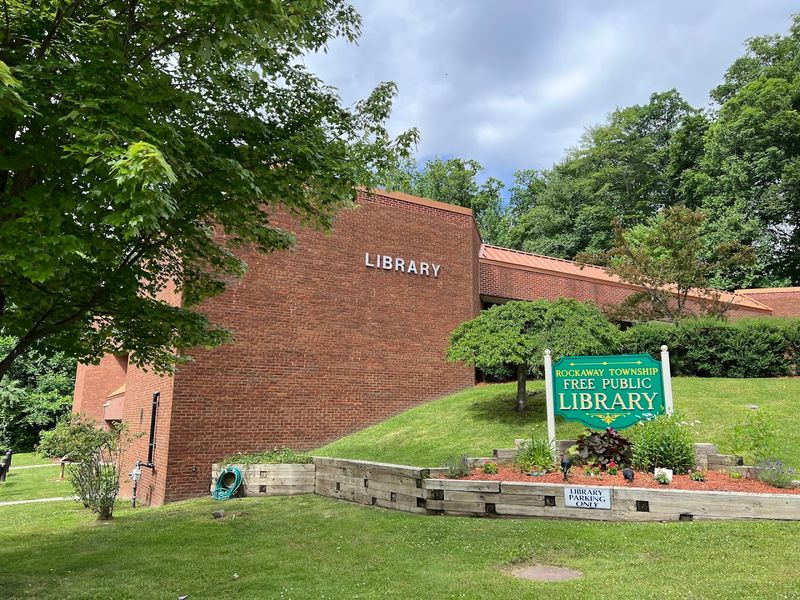
There is a lot more to Rockaway Township than its military legacy, and the landscape makes that very clear the moment you start exploring.
The township sits within Morris County, surrounded by the kind of rolling, forested hills that make New Jersey’s nickname, the Garden State, actually make sense.
Green space stretches out in every direction.
Splitrock Reservoir is one of the area’s most beloved natural spots. Hikers, kayakers, and people who just want to sit quietly near water all find their way here.
The reservoir’s shoreline trails wind through dense woodland, offering views that feel a world away from the urban sprawl just a short drive east.
The natural environment here also played a direct role in the arsenal’s history. Those same protective hills that made the area ideal for storing munitions in the 1800s also preserved large tracts of undeveloped land that residents enjoy today.
It is a fascinating overlap of military practicality and accidental conservation, and Rockaway Township benefits beautifully from both.
From Powder Depot to Research Powerhouse
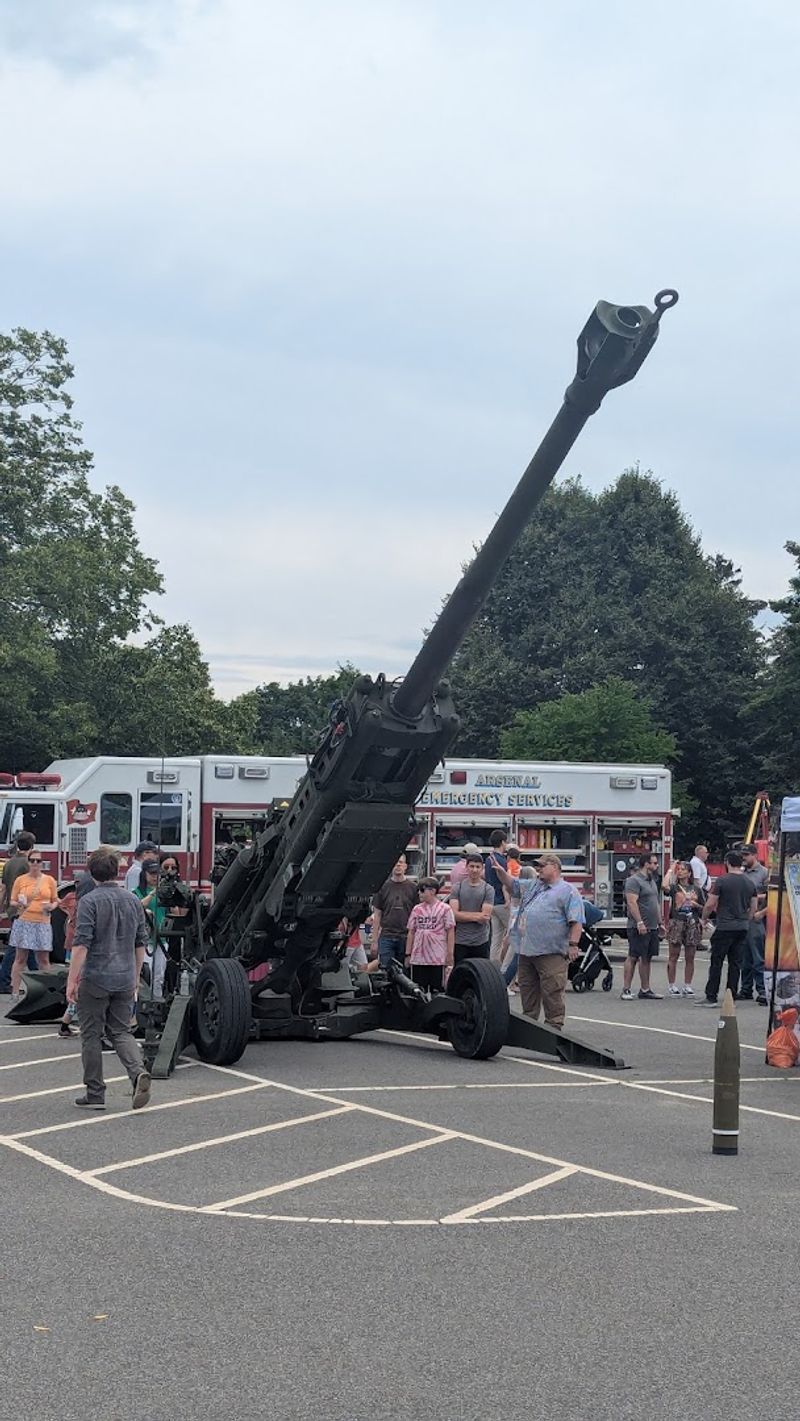
What started as a place to store gunpowder in the late 1800s has grown into one of the most sophisticated military research facilities in the world. The transformation of Picatinny Arsenal from the Dover Powder Depot to the U.S.
Army Combat Capabilities Development Command Armaments Center is a story of continuous reinvention driven by national need.
A weaponry sciences school opened on the grounds in 1911, planting the seed for what would become a deep culture of technical education and innovation.
During World War I, testing and control laboratories were added, along with programs focused on designing and developing artillery ammunition and fuzes.
Each era brought new demands and new expertise.
After World War II, the focus shifted again, this time toward research and development of entirely new weapons systems. Missiles, missile interception, pyrotechnics, radar, time fuzes, and even a brief program involving nuclear munitions all came through Picatinny.
The arsenal’s ability to pivot and adapt across generations of military technology is what keeps it relevant and vital more than 140 years after its founding.
Lake Denmark Powder Depot
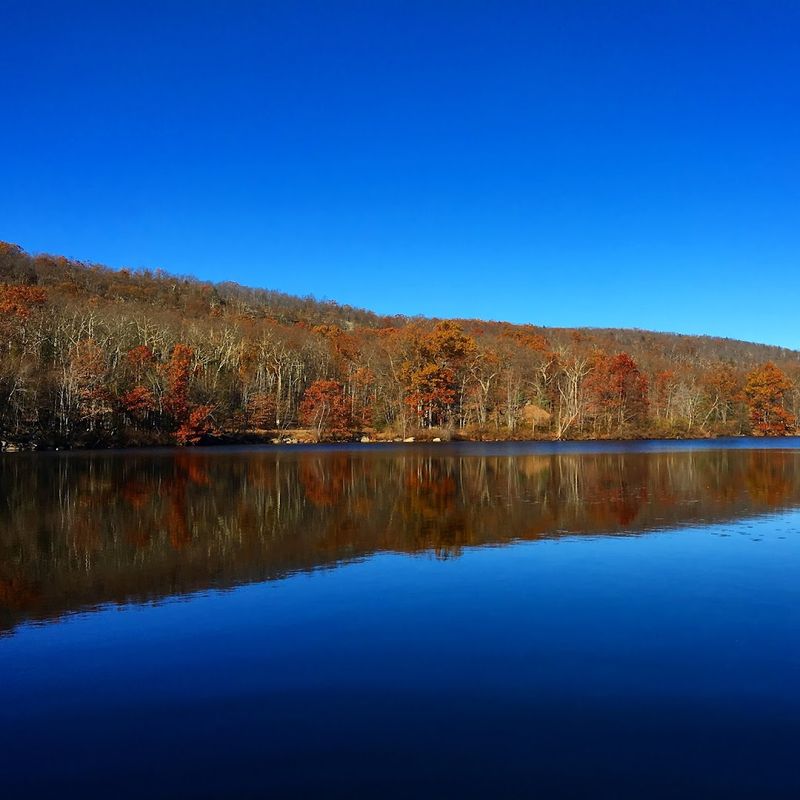
In 1891, something a little unusual happened at Picatinny. A portion of the arsenal’s land was transferred to the U.S.
Navy for use as the Lake Denmark Powder Depot. For nearly seven decades, this section of the arsenal operated under naval authority, creating a rare situation where Army and Navy facilities shared the same physical landscape.
Lake Denmark’s role was primarily powder storage, keeping large quantities of naval ammunition safely away from populated areas. The natural geography of the site, with its hills and water features, made it well-suited for that purpose.
It worked until July 1926, when that devastating lightning strike changed everything.
After the explosion and decades of rebuilding and reorganization, the Lake Denmark section was reabsorbed by the Army in 1960. The whole episode is a fascinating footnote in inter-service military history.
It also underscores just how much this one township in New Jersey has contributed to the operational infrastructure of the entire U.S. military, across multiple branches and across more than a century of service.
Visiting Rockaway Township
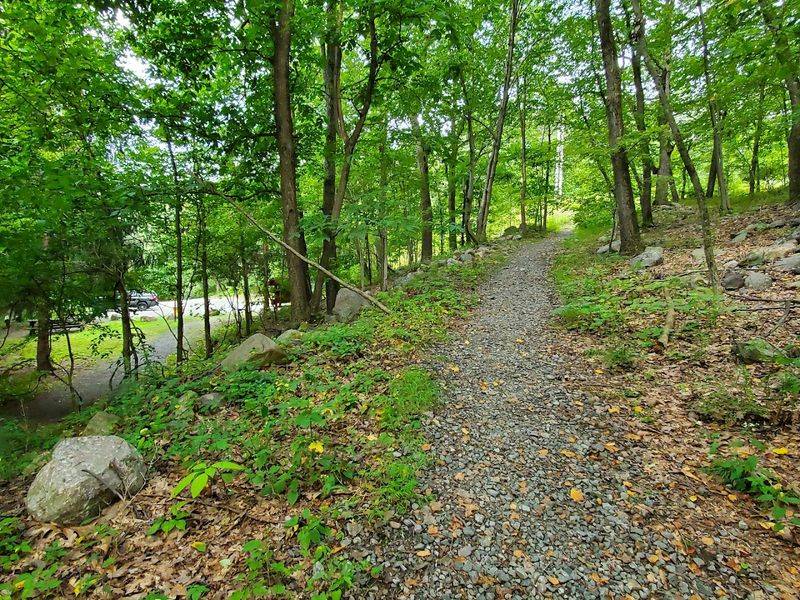
Rockaway Township is the kind of place that rewards the curious traveler who is willing to look past the surface. With a population of just over 25,000 as of the 2020 census, it has the feel of a tight-knit community where people genuinely know their neighbors.
Morris County surrounds it with a mix of suburban comfort and surprising natural scenery.
The township has grown steadily over the decades, adding more than 2,400 residents since the 2000 census. That steady growth speaks to a community that works well for families and individuals looking for a quieter pace without losing access to the amenities of northern New Jersey.
Good schools, green parks, and accessible trails all contribute to that appeal.
And then there is the history. Knowing that the land beneath your feet was once an iron forge, then a powder depot, then a full-scale wartime production facility, gives even a casual walk through the township a certain weight.
Rockaway Township is proof that the most extraordinary American stories are sometimes hiding in the most unassuming places.
Address: Rockaway Township, Morris County, New Jersey.
