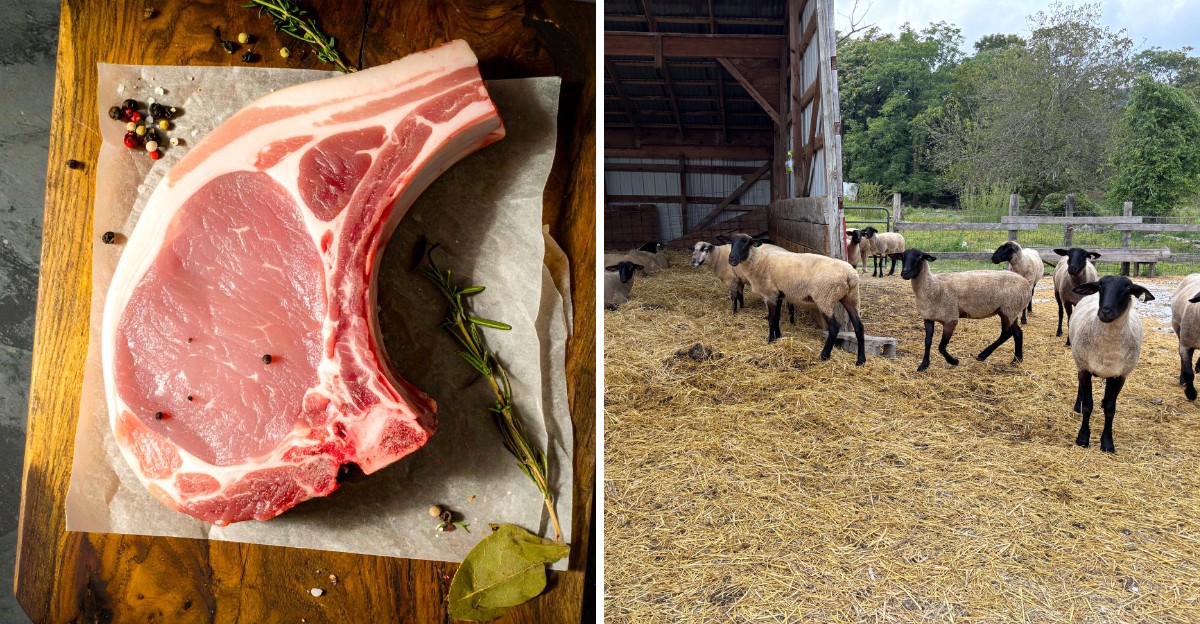
Knowing where dinner came from can feel surprisingly complicated. Here, the answer is refreshingly straightforward.
This New Jersey farm raises the animals itself and sells directly to customers, cutting out the long chain between farmer and dinner table.
Its offerings include pasture-raised chicken and pork, grass-fed and finished lamb, plus chicken and duck eggs.
Everything sold through the shop is raised there, with processing handled at USDA-inspected facilities. Weekend farm-store pickup is available as well.
There is something reassuringly simple about buying food from the people who actually raised it.
No mystery tour through five distributors. No wondering which farm is hiding behind the label.
Just a much shorter trip from pasture to plate.
A Small Farm Tucked Into Sussex County Hills
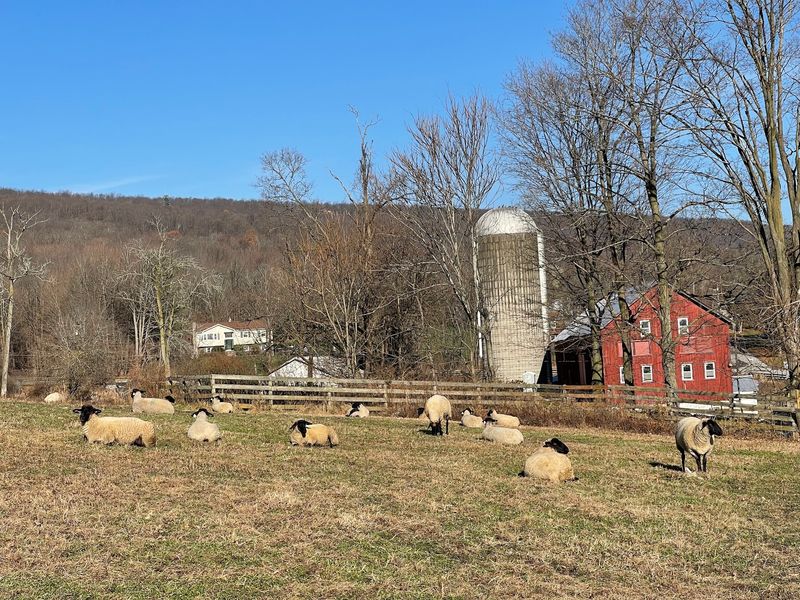
Sussex County has a way of hiding its best spots behind a curve in the road, and Wormuth Farm is one of them. The property sits in Wantage, a township known for forests, ridges, and preserved farmland rather than traffic lights.
Getting there means driving County Road 519, a stretch locals rightly call scenic. Fields open up, then close again behind tree lines.
What makes the setting more than pretty is the land itself. The farm rests on the slopes of Rutan Hill, sometimes called the Beemerville volcano, an old geological feature that left behind mineral-rich soil.
That soil feeds the grass, and the grass feeds the animals, which is a chain you can actually see from the driveway.
For visitors, the practical takeaway is simple. Give yourself extra time on the drive, because the hills are worth slowing down for, and cell service out here can be patchy.
Bring a cooler if you plan to shop, since the ride home is rural and unhurried.
Chickens That Get A New Patch Of Grass Every Single Day
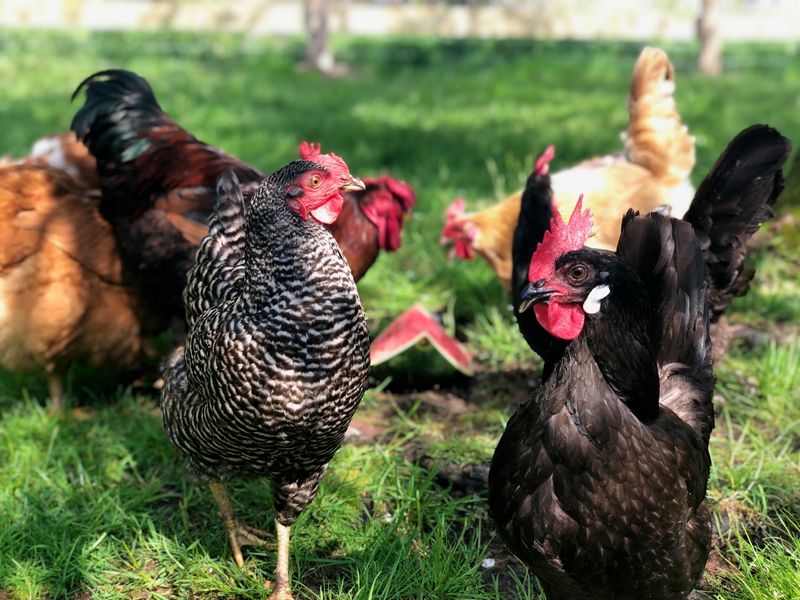
Here is the detail that stuck with me most: the chickens move every day. Not every week, not every season, but daily, into floorless coops that get shifted onto untouched pasture.
The birds scratch, peck, and forage through fresh grass and insects instead of standing on the same worn ground. It keeps them busy and keeps the soil from getting beaten down.
Daily moves also spread manure evenly across the fields, which fertilizes naturally and helps the grass grow back stronger. Nothing gets wasted.
If you have only ever seen chickens in photographs, watching them work a fresh strip of pasture is oddly entertaining. They are relentless little foragers.
Both chickens and ducks live outdoors year-round here when the weather allows, which shows up later in the kitchen. Home cooks often notice the difference in texture and color once the meat hits the pan.
Ask about the rotation system if you get the chance, because the explanation is straightforward and makes the whole farm click into place.
Grass-Fed Lamb Raised Right On The Hillside
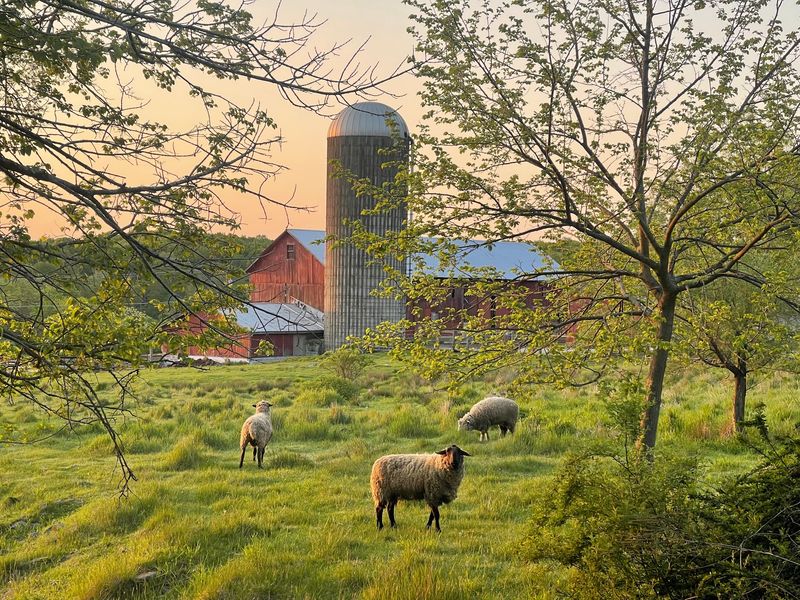
Lamb has a reputation for being strong-tasting, but that mostly depends on how the animal was raised and fed. At this farm, the lambs are grass-fed and grass-finished, meaning grass stays the foundation of their diet from start to finish.
They graze the sloping pastures, moving across the hillside as the seasons shift.
Leg of lamb is one of the cuts people come specifically for, often planning it around a family dinner or holiday meal. It roasts beautifully with little more than garlic, herbs, and patience.
Because the animals grow at their own pace, availability changes through the year. Planning ahead helps if you have a specific cut in mind.
Lambing season is hands-on work, and the care put in during those weeks shapes everything that follows. Small-scale farming means each animal actually gets noticed.
For anyone nervous about cooking lamb for the first time, keep it simple. Low heat, a meat thermometer, and a rest before slicing will do most of the work for you.
Pigs With A Whole Forest To Explore
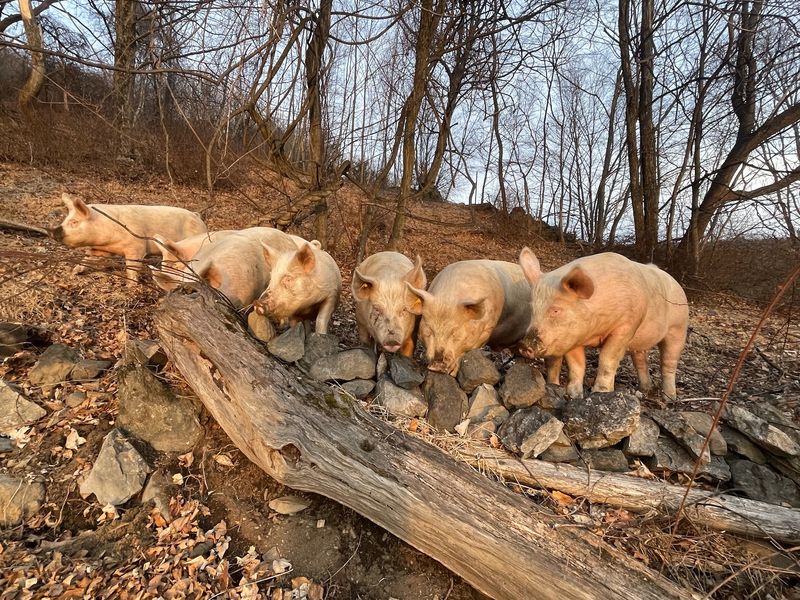
Pigs are natural diggers, and the ones here get to act like it. Rather than living on concrete, they spend their days in forested areas next to the open pastures, rooting through leaves and soil the way pigs are built to do.
Shade in summer, soft ground year-round, plenty to investigate. It is a setup that suits them.
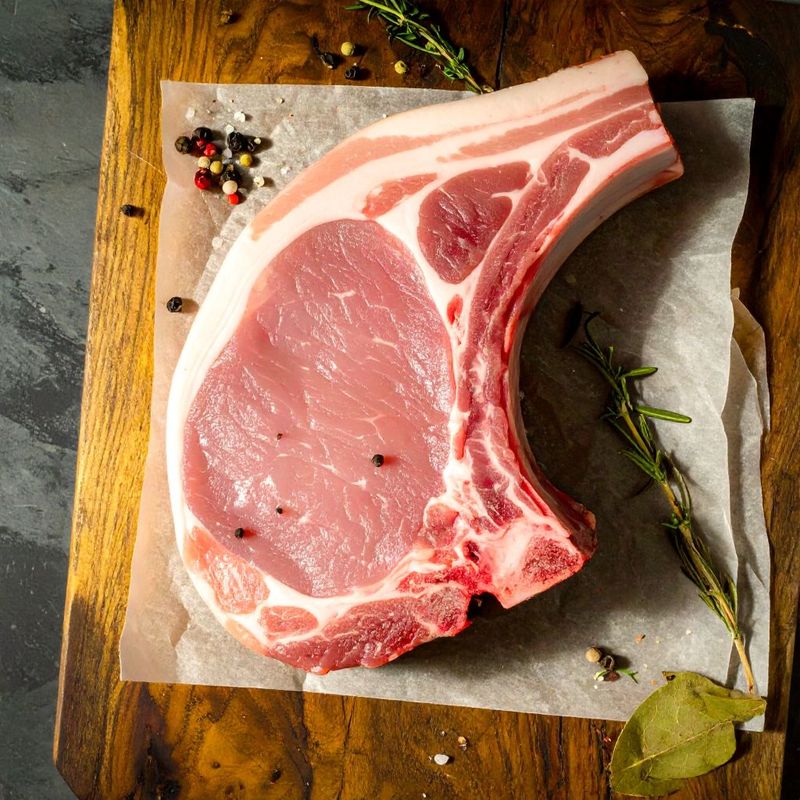
That forest-and-pasture combination changes the meat. Pork chops from animals raised this way tend to carry more fat marbled through them, which means more flavor and a lot more forgiveness on the grill.
Some shoppers come just for pork fat to render into lard, which is a wonderfully old-fashioned reason to visit a farm.
Bacon and sausage round out the offerings, and breakfast at home hits differently afterward.
One practical tip: pastured pork cooks faster than you might expect and does not need to be overdone. Pull it a touch early, let it rest, and you will taste exactly why people drive out here.
Chicken And Duck Eggs In Every Shade
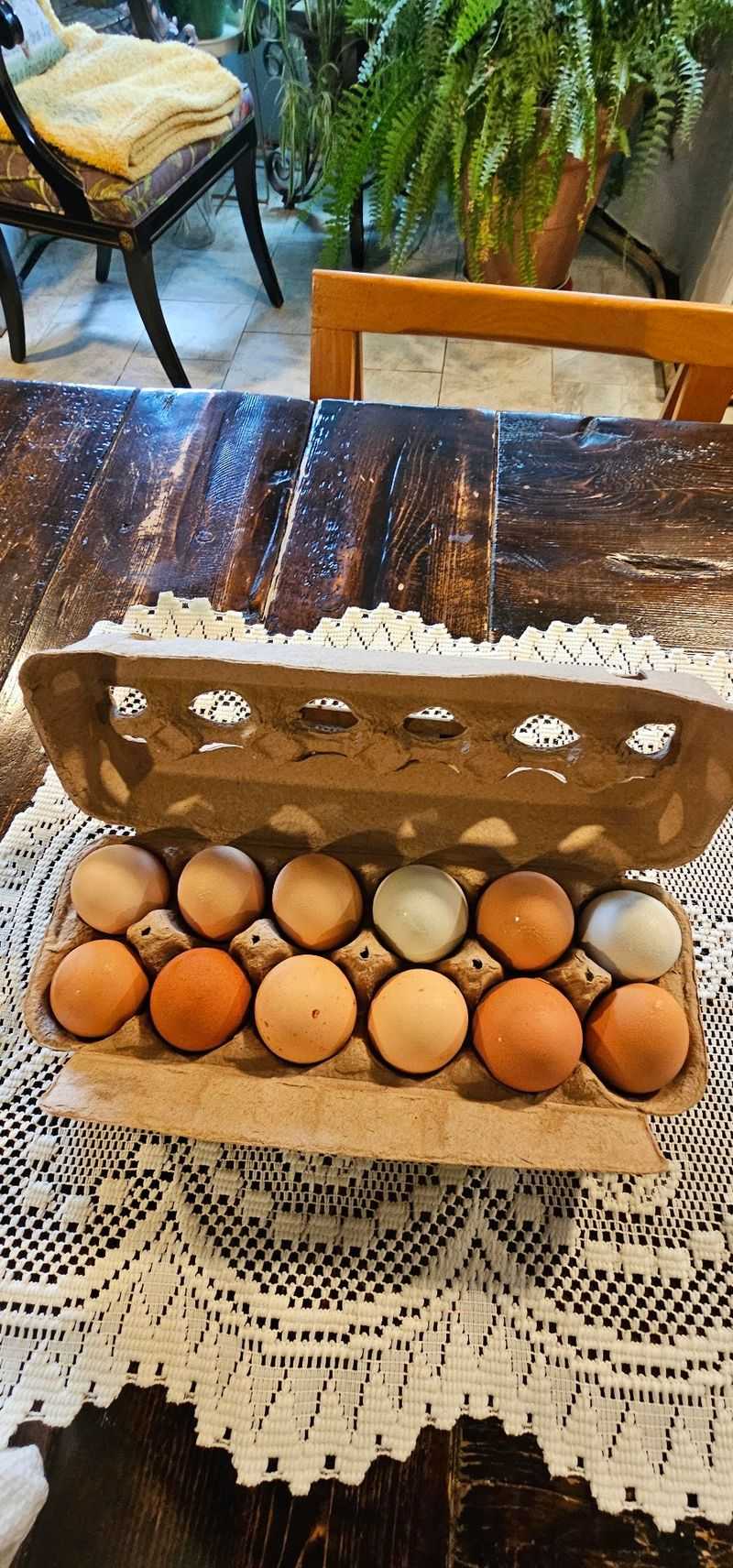
Eggs are what most people mention first, and honestly, they earn the attention. The farm sells both chicken and duck eggs, and the cartons come in a mix of shades that look almost decorative.
Deep gold yolks are the giveaway. That color comes from hens and ducks that spend their time outside eating grass, bugs, and whatever else they find.
Duck eggs deserve a special mention because they behave differently in the kitchen. The whites are thicker and the yolks richer, which makes them a favorite for baking, custards, and fresh pasta dough.
Bakers swear by them once they try them.
Since eggs are the fastest-moving item, arriving earlier during open hours gives you better odds of a full selection. Weekends are when the farm store opens its doors.
If you have never compared a pasture-raised egg to a supermarket one side by side, do it once. Crack them into the same pan and the difference is immediate.
Regenerative Farming You Can Actually Watch Happen
Regenerative farming sounds like a buzzword until you see it working. The idea is straightforward: move animals across different pastures so no single patch gets overgrazed, and the land gets better instead of worse over time.
Grass recovers. Roots grow deeper.
Soil holds more water.
Rotating livestock also spreads natural fertilizer across the fields, which cuts down on the need for anything artificial. Biodiversity picks up too, with more insects, birds, and plant variety showing up in healthier ground.
Supplemental feed comes from local growers and mills, keeping the supply chain short and supporting other farms nearby.
It is a slower way to farm, and it takes more planning than most people realize.
Standing at the fence line, you can see the difference between a rested paddock and one recently grazed. The contrast is a small, satisfying lesson in how food actually works.
For anyone curious about sustainable agriculture, this is a rare chance to see the theory in the dirt rather than on a label.
No Antibiotics, No Growth Hormones, No Rushing
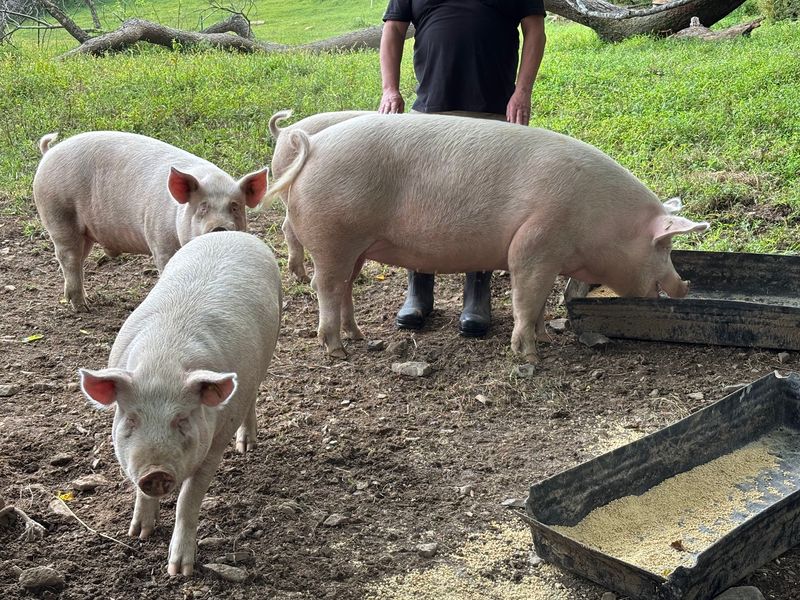
Plenty of farms make claims. What I appreciated here is how plainly the approach is stated: animals are raised without antibiotics or growth hormones, and they grow at whatever pace nature sets.
No speeding things along. No shortcuts to market weight.
Letting animals mature naturally means less stress on them, and stress has a real effect on meat quality. Slower growth generally produces firmer texture and deeper flavor.
It also means smaller batches and seasonal availability, which is the honest trade-off of doing things this way.
Transparency is part of the deal too. Visitors are welcome to look around and see the conditions for themselves rather than taking anyone’s word for it.
That openness is refreshing in a food system where most of us have no idea where anything came from.
If you care about how your food was raised, come with questions. The answers here are specific and easy to follow, and you will leave understanding more about farming than you did an hour earlier.
The Weekend Farm Store And Direct Pickup
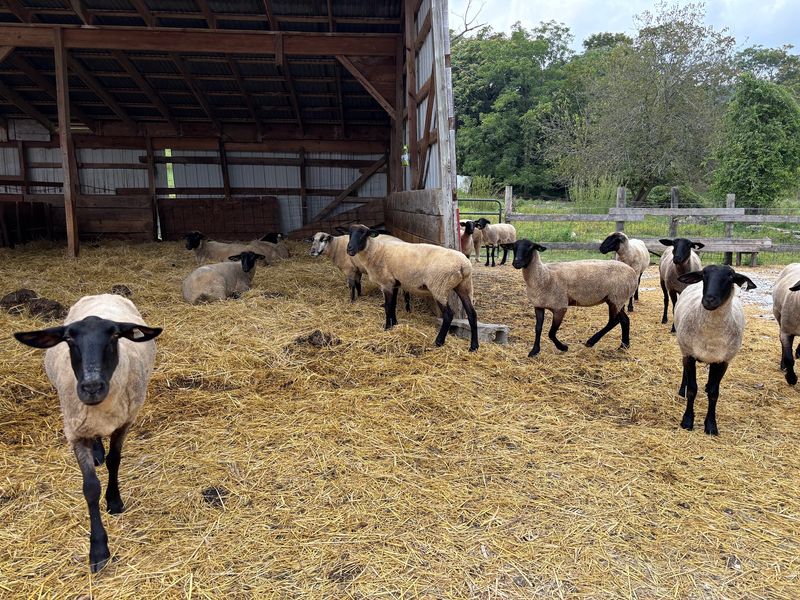
Shopping here works differently than a supermarket run, and that is the point. Products are sold directly from the farm store and online, cutting out every middle step between the pasture and your kitchen.
The store opens on weekends for pickups. Saturday afternoons and Sunday mornings are your windows.
Direct sales mean the freezer selection reflects what the farm actually has that week, so flexibility helps. Some visits you will find exactly the cut you wanted, other times you will discover something new.
That unpredictability is part of eating seasonally.
Bring a cooler bag, especially in warmer months, since the drive back through the countryside takes a while.
Checking what is available before heading out saves a wasted trip, particularly if you are coming from farther away.
What makes Wormuth Farm feel different from a market stall is the setting. You are buying food while standing on the ground it came from, which is a connection most of us have lost entirely.
Meeting The Animals Up Close
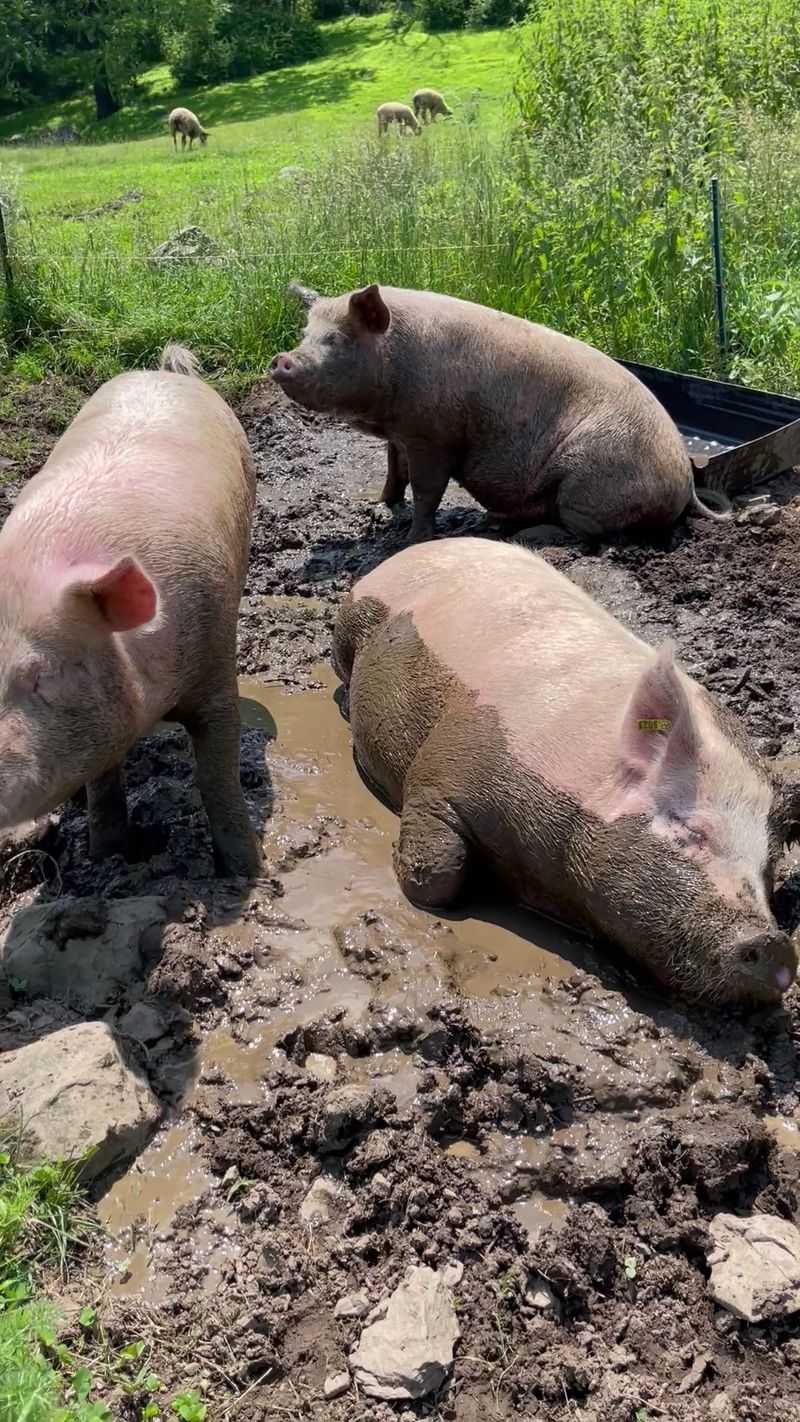
Kids lose their minds over this part, and adults are not much better. The farm welcomes visitors to look around and see how the animals live, which turns a quick shopping stop into something closer to an outing.
Curious sheep wander over. Pigs glance up mid-dig.
Seeing the animals before buying the food creates a connection that a package label never will. It also answers the questions people usually only wonder about silently.
A few practical notes make the visit smoother. Wear shoes you do not mind getting muddy, because pastures are pastures.
Keep a respectful distance unless you are told otherwise, and let the animals come to you rather than the reverse.
Morning and early afternoon light make the fields especially pretty if you want photos.
For families in northern New Jersey looking for something low-key and genuinely educational, an hour spent at the fence beats most indoor activities. Children remember the pigs.
Parents remember the eggs.
Making A Day Of The Wantage Countryside
The trip out is half the pleasure. Wantage sits in a pocket of rural, mountainous, forested northern New Jersey where farmland preservation has kept the landscape open and green.
County Road 519 rolls past fields and hedgerows. It is a genuinely lovely drive.
Nearby, the Wantage Grasslands area blends privately owned grasslands, cultivated fields, and woodlands, creating the kind of patchwork scenery that makes you want to pull over.
The township leans hard into environmental preservation, and you can feel it in how little has been paved.
Pair the farm stop with a slow loop through the hills and you have an easy half-day escape from anywhere busier.
Autumn brings color to the ridges, while spring puts lambs in the fields.
If you want to see where your dinner grew up, visit Wormuth Farm at 577 County Road 519, Wantage, NJ 07461, and plan for a weekend when the farm store is open.
It is a small detour with a long memory attached.
