The man who designed this lighthouse also designed the Library of Congress. Yeah, I’m definitely looking twice at that.
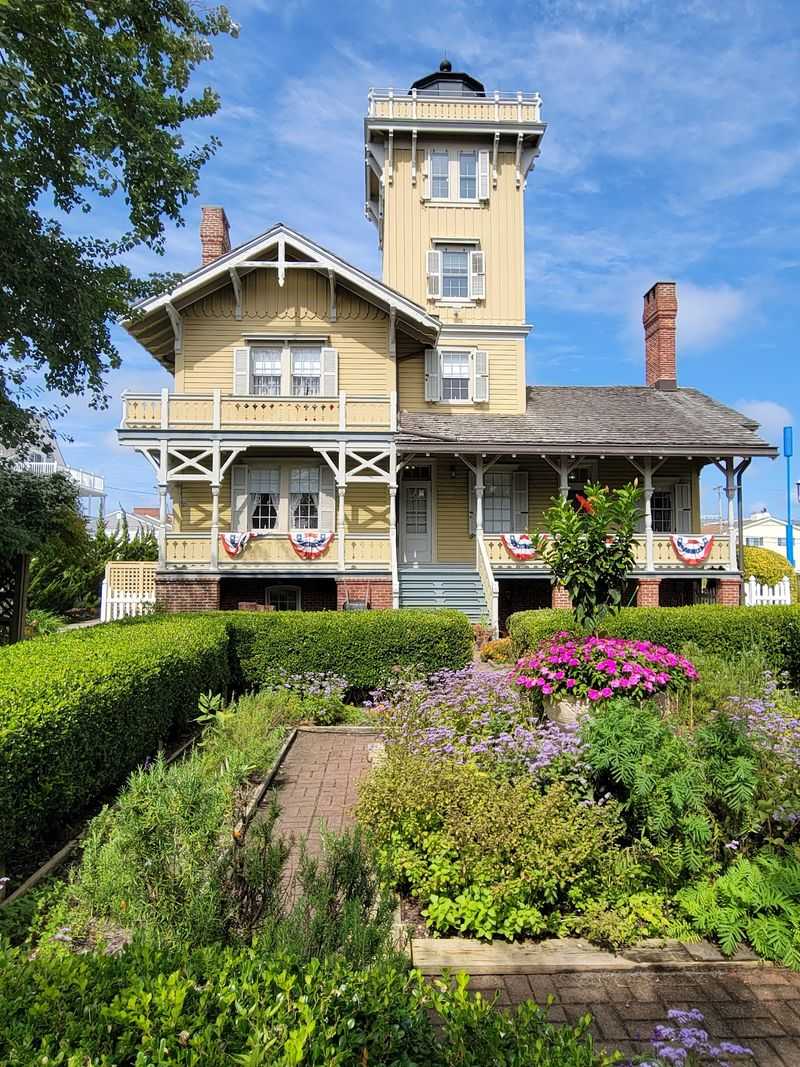
It doesn’t look like a tall white tower at all. It looks like a fancy Victorian house with a light perched on the roof, built in a style found nowhere else on the East Coast.
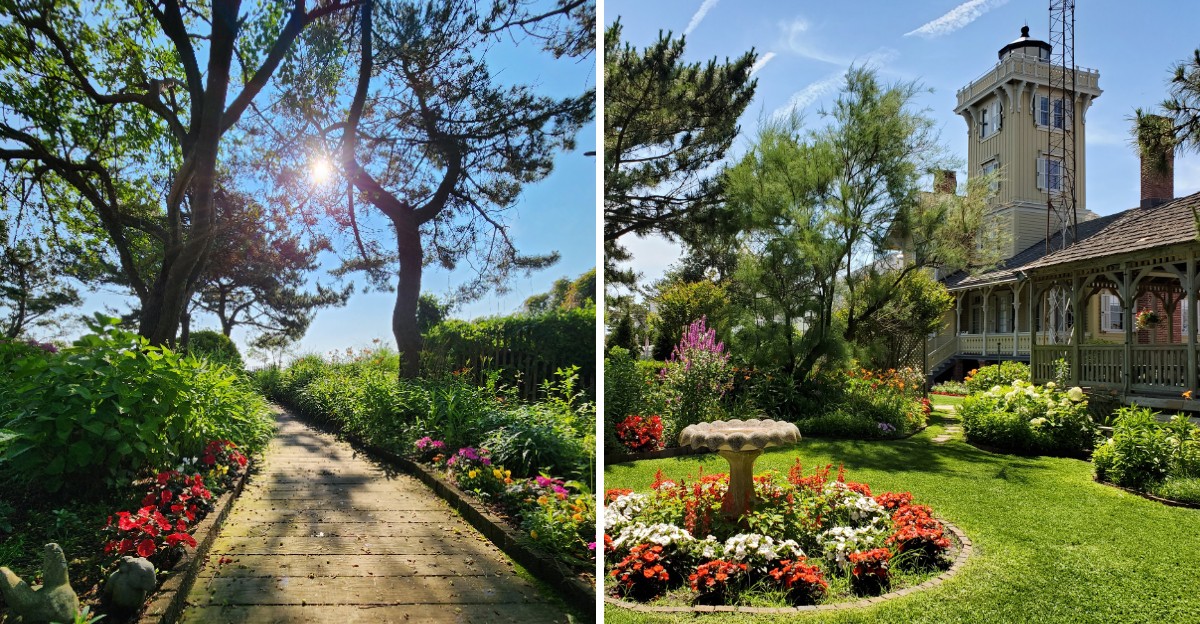
Then there’s the yard. More than 200 kinds of plants fill award-winning gardens that roll right up to an ocean seawall.
Butterflies, herbs, shady corners, and salty breezes all share the same space.
I’d say New Jersey has a few beach surprises, but this one really stands out. And the funny part is that this pretty little house still has a very serious job.
A Lighthouse Dressed Up Like A Fancy Summer Home
Most lighthouses are tall, round, and a little lonely. The Hereford Inlet Lighthouse breaks that rule in the most charming way possible.
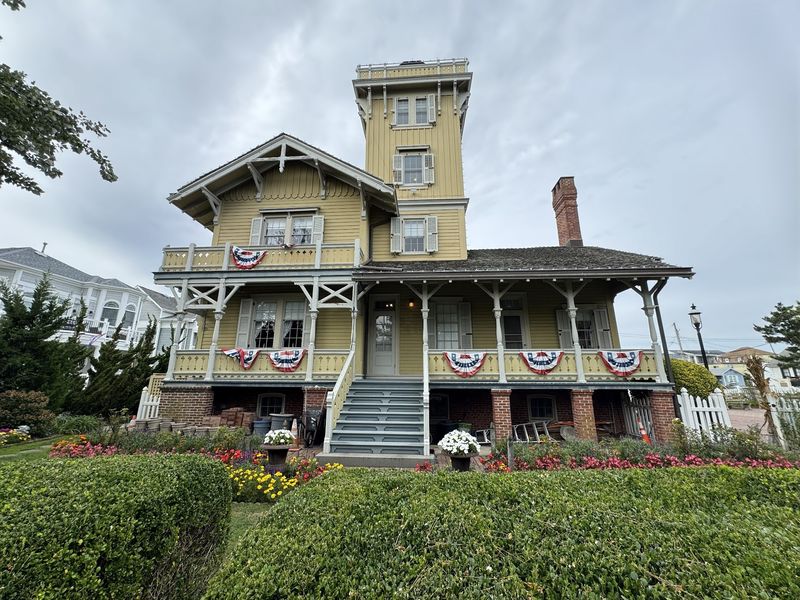
Instead of a skinny tower, you get a wooden home with the light built right into the roofline. It looks more like a seaside mansion than a beacon for ships.
The style has a few fun names. Experts call it Swiss Carpenter Gothic and Stick Style, which basically means lots of decorative wood trim.
Those crisscrossing boards and pointed details give the building a storybook feel. It’s the only lighthouse of its kind on the entire East Coast.
Why build a lighthouse that looks like a house? Keepers and their families actually lived here, so the design doubled as a real home.
That mix of cozy and practical is what makes it so photogenic. The porches, peaks, and trim make every angle worth a picture.
So when you spot it on the street, don’t be shocked if you double-check your map. You’re in the right place.
New Jersey has plenty of classic lighthouses. This one simply decided to show up in its Sunday best.
The Architect Had A Pretty Famous Side Gig
Paul J. Pelz had a big résumé.
He was Chief Draftsman of the Lighthouse Board, and he also designed the Library of Congress.
That’s right. The same mind behind one of the grandest buildings in Washington also sketched this cozy coastal house.
Construction wrapped up on March 30, 1874. The light first glowed on May 11, 1874, guiding ships through the tricky waters of Hereford Inlet.
Back then, the inlet was a busy route for fishing boats and other vessels. A strong, steady light helped sailors find their way safely.
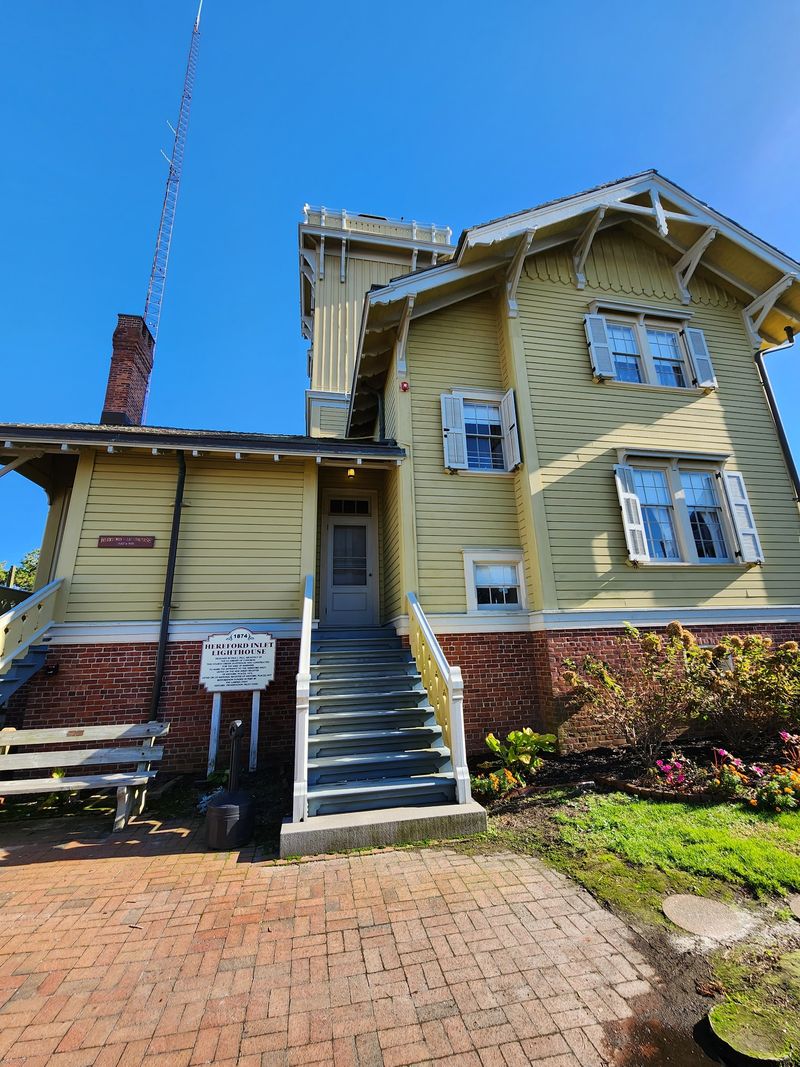
Pelz gave the building a residential look, and that choice still pays off today. It feels welcoming instead of stern or industrial.
When you walk around the outside, take a moment to study the details. The wood trim, gables, and roof shapes all show careful planning.
Fun fact for your next trivia night: this little lighthouse and a giant national library share a designer. Good luck topping that one.
It’s a reminder that great design doesn’t need a huge size to impress anyone.
Over 200 Kinds Of Plants Are Waiting Out Back
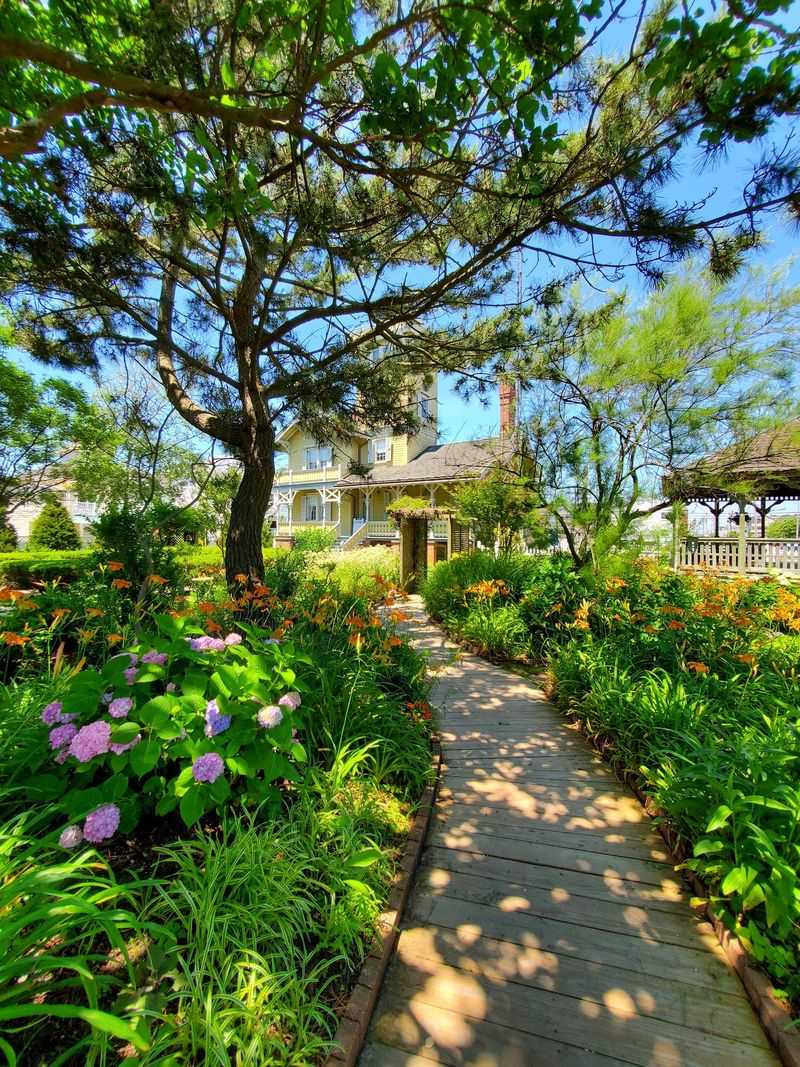
Flowers steal the show here, and honestly, the lighthouse doesn’t seem to mind. The grounds hold Victorian cottage-style gardens with more than 200 varieties of plants.
The gardens are split into different themes. You’ll find an English cottage garden, a butterfly garden, an herb garden, a shade garden, and a seashore garden.
Each area has its own personality. The shade garden feels calm and cool, while the butterfly garden is all about bright color and fluttering visitors.
Flagstone paths wind through the beds, so exploring feels like a gentle treasure hunt. A gazebo and benches give you spots to sit and soak it in.
These gardens have earned real praise, too. They received the Pennsylvania Horticultural Society Suburban Greening Award.
Plant lovers could easily spend a long time here comparing blooms. Even folks who can’t name a single flower will enjoy the colors.
A quick tip: bring your camera or phone fully charged. With the Victorian house behind every flower bed, nearly every shot looks like a postcard.
Just remember the grounds are for strolling, so leave the bikes and scooters behind.
Follow The Garden Path Right To The Ocean
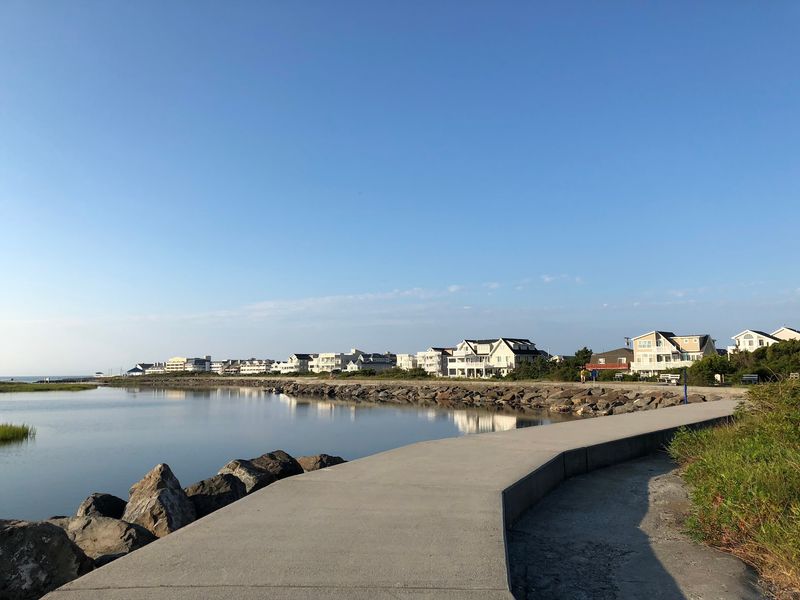
Here’s a garden that doesn’t stop at a fence. The paths lead straight out to the ocean seawall.
One minute you’re smelling herbs and watching butterflies. The next, you’re looking out over Hereford Inlet and the Atlantic Ocean.
That seawall has a paved walkway running along the shoreline. It’s a great spot for a stroll, a jog, or just a slow look at the waves.
The view changes depending on the time of day. Morning light feels fresh, while sunset paints the old house in warm colors.
Parking right at the lighthouse is limited, so plan ahead. If you mainly want the gardens, you could start from the beach and walk in from the seawall side.
That approach turns your visit into a mini adventure. Sand, sea, and flowers all in one easy loop.
Restrooms aren’t inside the lighthouse, so keep that in mind before a long walk. A little planning makes the whole outing smoother.
For a quiet break from busier beach blocks, this corner of the shore feels surprisingly peaceful. That’s a pretty nice reward for a short walk.
Step Back Into A Lighthouse Keeper’s Daily Life
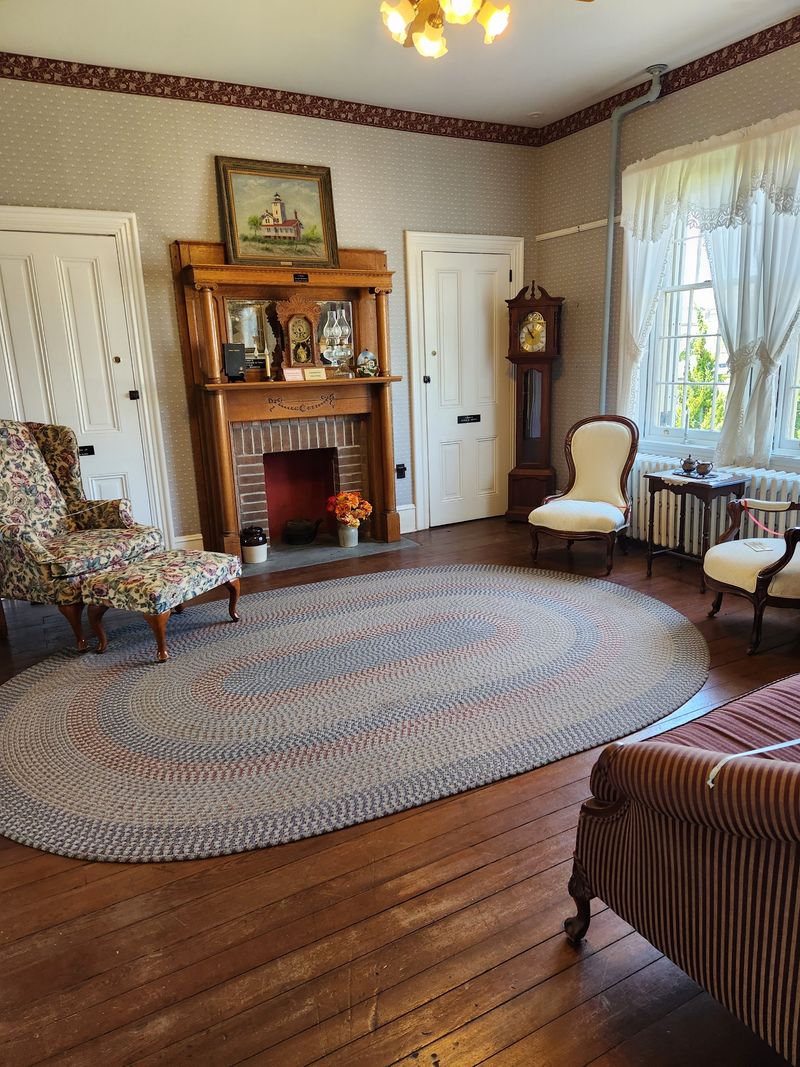
Inside, the house feels lived in, just from another century. Rooms are filled with vintage furnishings that show what life looked like in the 1800s.
Many of those furnishings were donated and match the time period. It helps you picture keepers and their families going about their days.
Exhibits cover the lighthouse keepers and their stories. You’ll also find historical photographs, documents, and maritime relics.
Shipwrecks get special attention, too. Displays share the dramatic side of life along this stretch of coast.
The museum spreads across three floors. The upper flights of stairs get narrow, but they have sturdy railings.
Climb toward the top for lovely views. The lamp room itself stays closed, because the light is still in use.
A gift shop sits on the first floor, so souvenirs are easy to grab. Admission to the lighthouse museum and its gardens is free, although the museum is open only during its operating season.
Give yourself time to read the displays. The stories make the building feel even more special once you head back outside.
Yes, The Whole House Once Moved 150 Feet
August 1913 brought a surprise moving day. After a severe storm damaged the foundation, the lighthouse was shifted 150 feet westward.
Think about that for a second. An entire wooden house, tower and all, was picked up and relocated away from the water.
That move saved the building. It’s a big reason you can still visit it today.
Coastal life has always been a little wild here. Storms, tides, and shifting sand kept keepers busy and on alert.
The exhibits inside help explain just how tough the job could be. Shipwreck charts and rescue stories show the risks sailors faced offshore.
Knowing this history changes how you see the place. That calm, pretty house has weathered some serious ocean drama.
When you stand in the gardens, look toward the sea and picture the original spot. It makes the move feel even more impressive.
Honestly, most of us complain about moving a couch. The crew back in 1913 moved a whole lighthouse and kept it standing proud.
Dark For Years, Then Back In Business
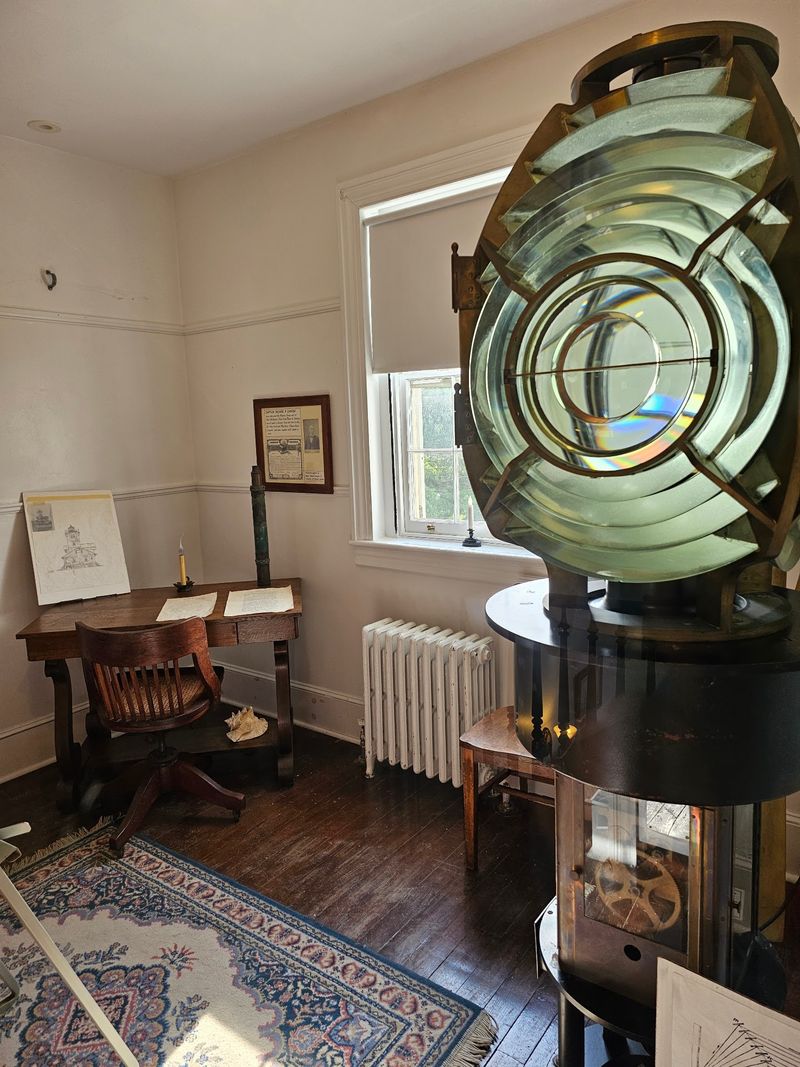
Not every chapter here was bright. The light went dark during World War II and was decommissioned again in 1964.
For years, the building sat quiet. Its future didn’t look certain.
Then came a comeback. The lighthouse was relit in 1986, and it still works as an active aid to navigation today.
That makes a visit feel extra cool. You’re touring a museum that still helps boats find their way at night.
Local effort made a huge difference in that revival. Today, the City of North Wildwood and the North Wildwood Historical Commission manage the site.
The restored rooms and cared-for gardens show how much the community values it. It’s a true team effort to keep history alive.
Try to stay near sunset if you can. Watching the old house glow as the sky fades is a pretty great way to end the day.
The lighthouse marked its 150th birthday in 2024. Not bad for a building that once nearly faded into the past.
An Official Spot On New Jersey’s History Map
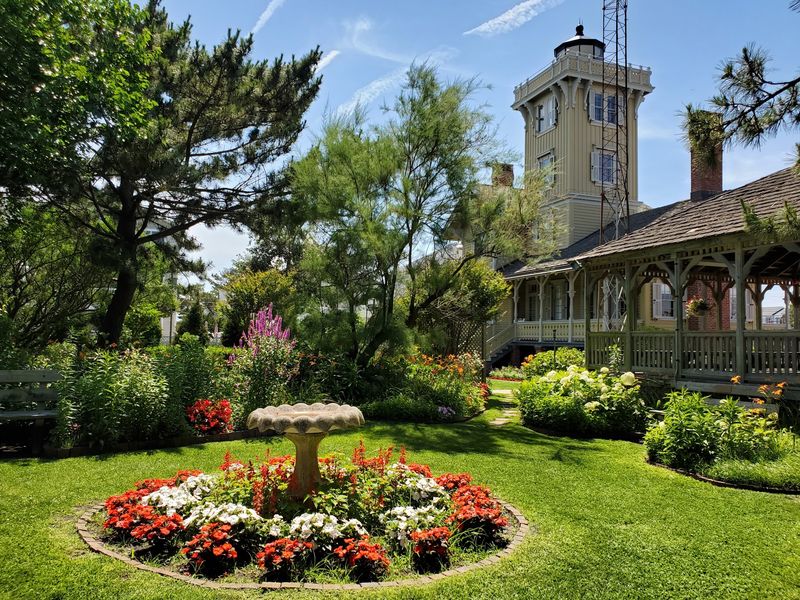
Plenty of old buildings claim to be historic. This one has paperwork to prove it.
The Hereford Inlet Lighthouse is listed on both the National Register of Historic Places and the State Register. It’s also part of the New Jersey Coastal Heritage Trail.
That trail connects special places along the shoreline. It’s a handy way to plan a road trip full of history and scenery.
You’ll find the lighthouse at 111 N Central Ave, North Wildwood, NJ 08260. It sits at the northern tip of the island near the inlet.
The location feels a bit tucked away from the busiest beach crowds. That gives it a calm, relaxed mood.
A nearby paved walking trail and beach access make it easy to combine stops. Families can explore history and then stretch their legs by the water.
If you collect landmarks like souvenirs, this belongs on your list. It’s one of those New Jersey stops that feels both educational and fun.
Kids can learn something without even noticing. Adults get great views as a bonus.
Smart Timing Makes Your Visit Even Better
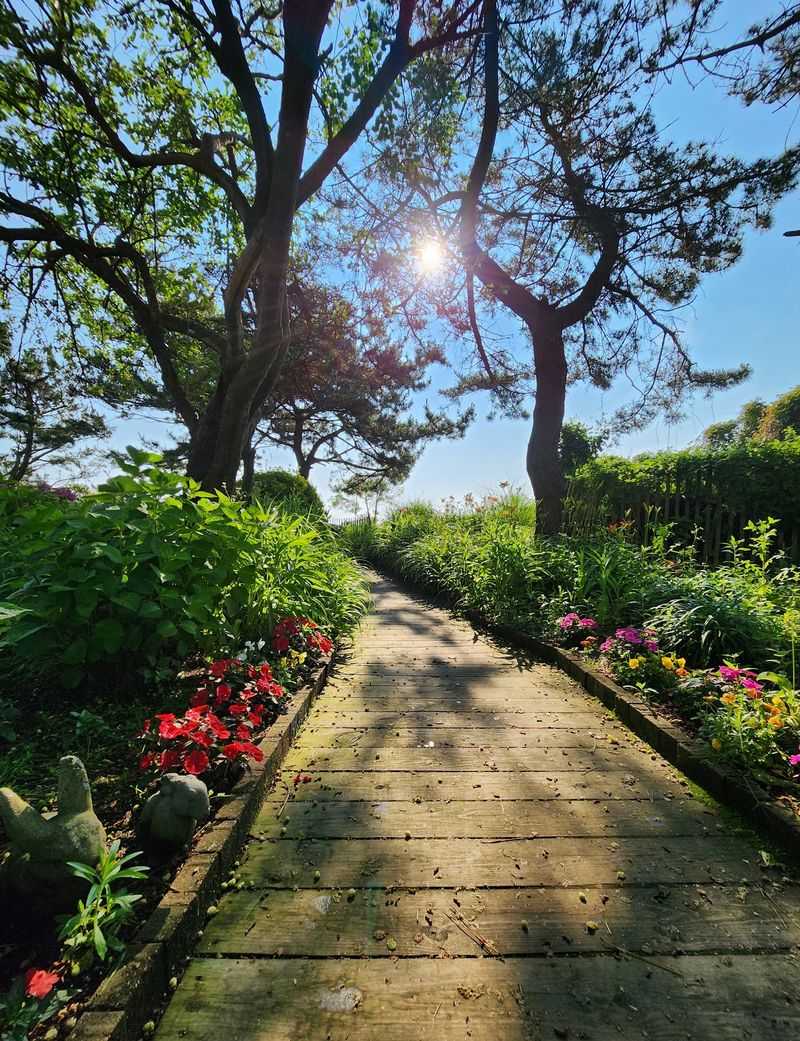
The lighthouse museum operates seasonally and is currently closed for the winter, with reopening scheduled for May 8, 2027.
Off-season hours can shift, so calling ahead is a smart move. A quick check saves you from a locked door.
Arrive with time to spare before closing. The museum floors and displays deserve more than a rushed peek.
The grounds and gardens are free and open daily from dawn to dusk. That means an early morning garden walk is totally possible.
Summer brings the fullest blooms, but each season has its charm. Butterflies, like monarchs, may show up when flowers are thriving.
Plan for limited parking and wear comfy shoes for the stairs and paths. Then just slow down and enjoy it.
A Victorian house, a working light, and a flower-filled backyard by the ocean? That’s a pretty easy decision.
