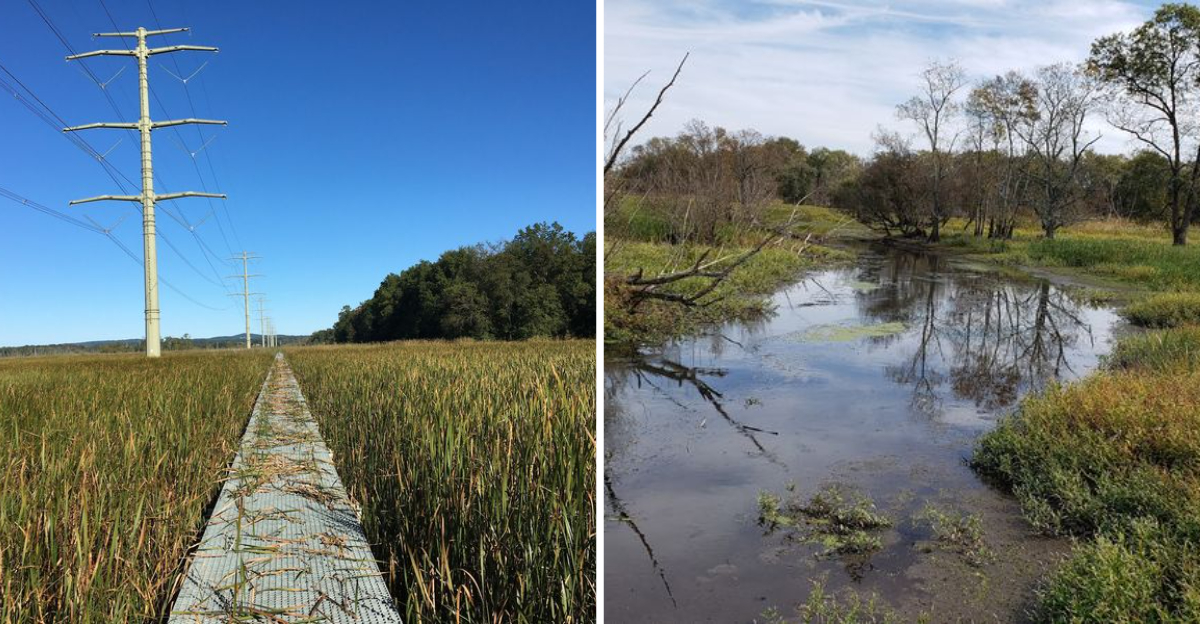
The highway hums in the distance, but you would never know it from here.
You have probably driven past marshlands before, catching a glimpse of reeds and water from the car window, never giving them a second thought.
This New Jersey preserve is different. A quiet boardwalk leads you through 3,100 acres of freshwater marsh, one of the largest remaining in the state .
The path is simple, the pace is slow, and the sounds of the city melt away with every step. Birds call from the cattails.
Turtles sun themselves on logs. The water stretches out in every direction, flat and still, reflecting the sky like a mirror.
It is a place that feels untouched, even though it sits just minutes from major highways and suburban sprawl.
Some walks clear your head.
This one resets it completely.
Quiet Boardwalk, Surprising Solitude
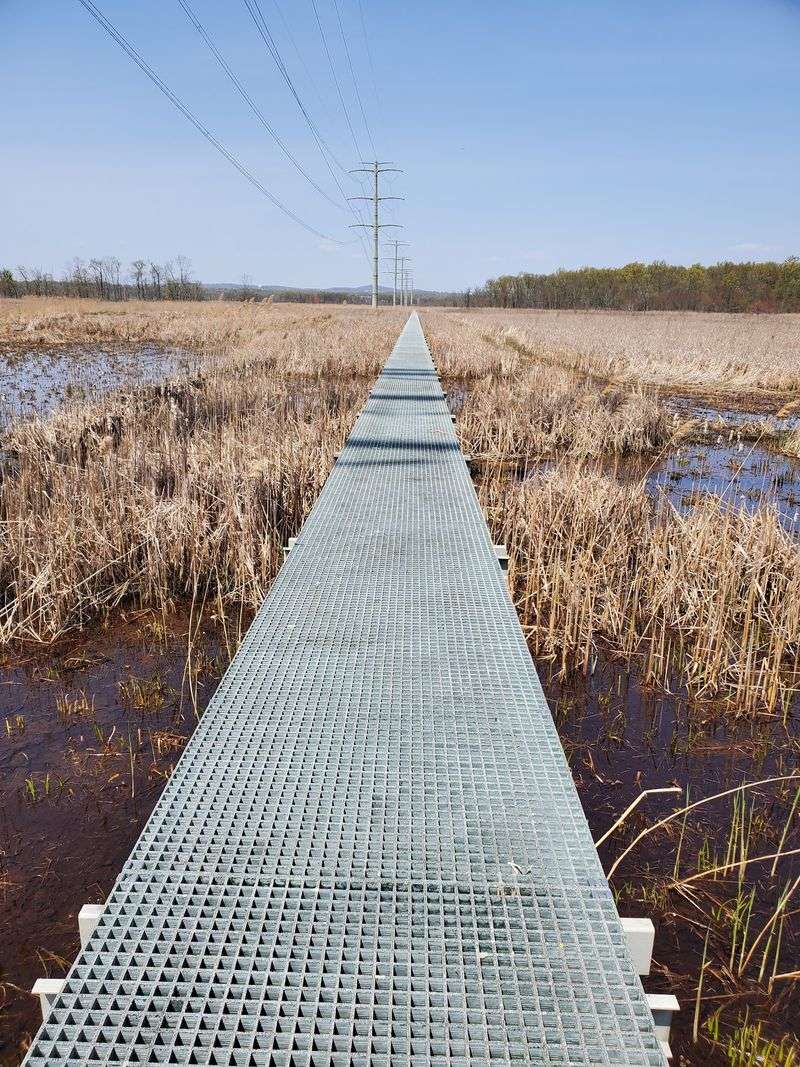
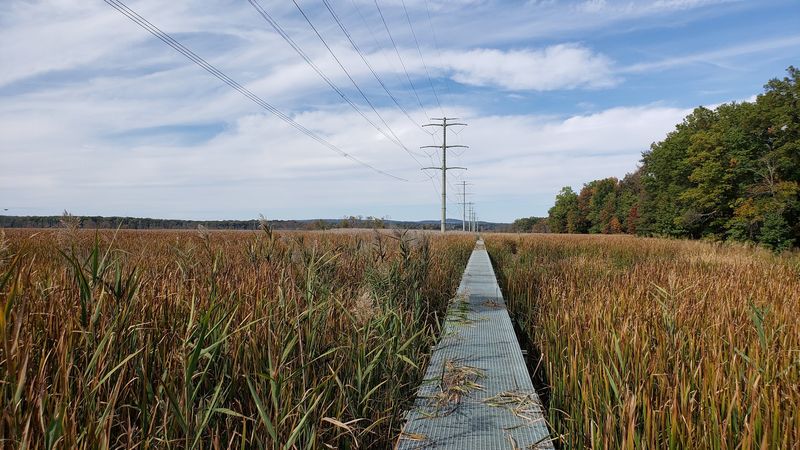
Stepping onto the boardwalk here feels like the world hits a mute button. The fiberglass pathway, sometimes called “The Green Mile” by regular visitors, stretches out ahead through a sea of cattails and marsh grass that sways gently with the breeze.
It is smooth, well-maintained, and surprisingly easy to walk, even for those who are not regular hikers.
What catches you off guard is how fast the surrounding wetlands absorb the noise of nearby roads. Within a minute or two of walking, the only sounds competing for your attention are bird calls and the soft rustle of reeds.
That shift feels almost physical, like something tight in your chest finally loosening up.
The solitude here is the real draw. Most visits mean having the entire boardwalk to yourself, which turns a simple walk into something closer to a private nature experience.
It is rare to find this kind of quiet so close to a suburban area, and that contrast is exactly what makes this boardwalk so surprisingly memorable.
Where the Marsh Meets Peace
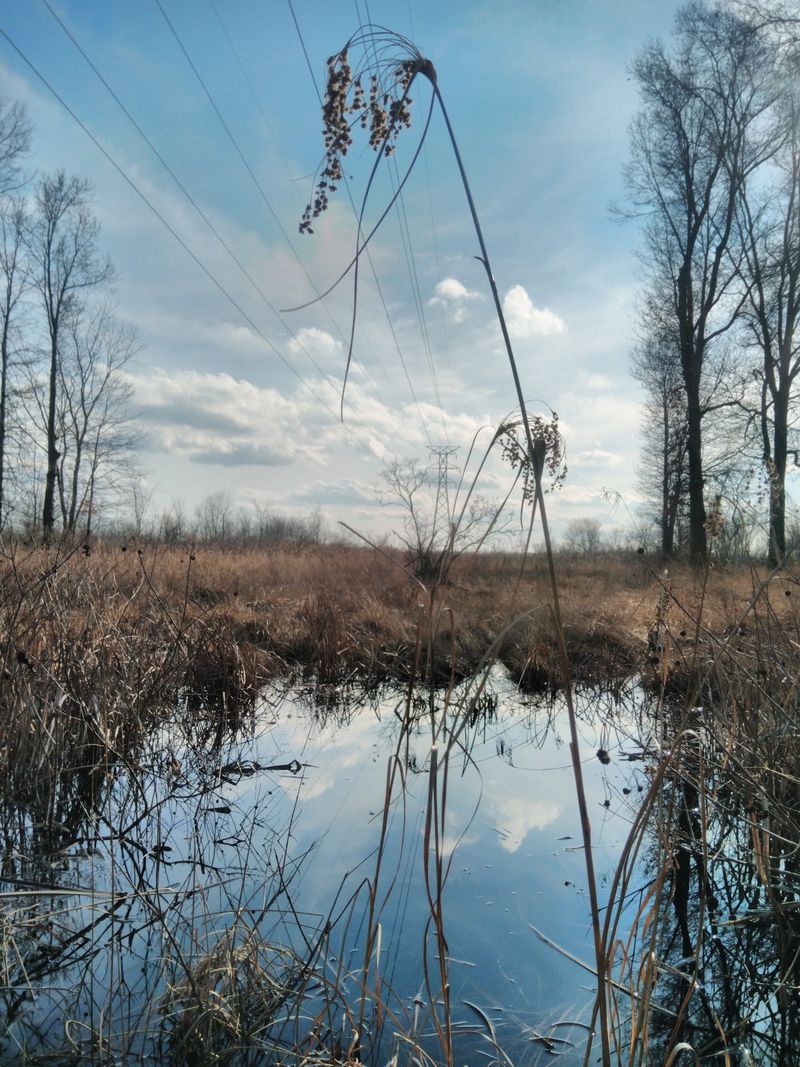
There is a particular kind of peace that only open water and tall marsh grass can create, and Troy Meadows delivers it effortlessly. The wetlands stretch out in every direction from the boardwalk, creating a visual calm that is hard to replicate anywhere else in the region.
The Whippany River winds quietly through this landscape, feeding the ecosystem and giving the whole area a living, breathing quality.
Reflections of clouds sit perfectly still on the water between clusters of reeds, and the horizon feels wider here than it has any right to be this close to a suburban town. It is the kind of scenery that makes you slow your pace without even deciding to.
Every step forward reveals a slightly different angle, a new patch of open water or a cluster of birds working the shallows.
The marsh does not announce itself loudly. Its beauty is patient and layered, asking you to pay attention rather than demanding it.
That quiet invitation is what keeps people coming back long after their first visit to this remarkable wetland.
A 3,100-Acre Natural Escape
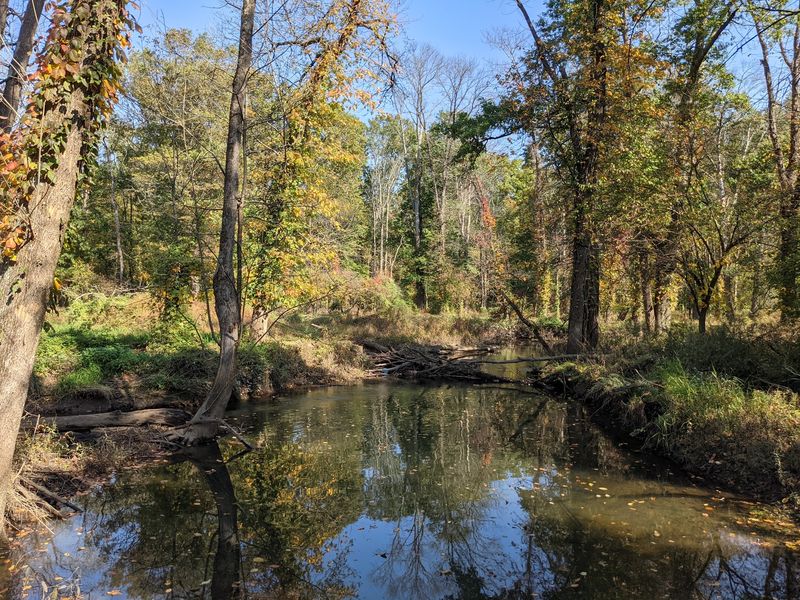
Nearly 3,100 acres of protected wetland sitting right in the middle of Morris County sounds almost impossible, but that is exactly what Troy Meadows represents. The sheer scale of this preserve means the wilderness feeling here is genuine, not manufactured.
You are not walking a short manicured loop; you are entering a landscape big enough to make the rest of the world feel genuinely far away.
This acreage traces its origins back to ancient Glacial Lake Passaic, a massive body of water that covered much of northern New Jersey between 12,000 and 14,000 years ago.
The flat, low-lying terrain left behind became the foundation for one of the most ecologically rich wetland systems in the northeastern United States.
Walking through it carries a subtle sense of deep geological time.
The size also means the preserve functions as a natural sound buffer, absorbing highway noise and urban activity in a way that smaller parks simply cannot match. That buffer is part of what makes the experience feel so remote.
Three thousand acres of marsh has a way of making the modern world shrink down to almost nothing.
New Jersey’s Largest Freshwater Marsh
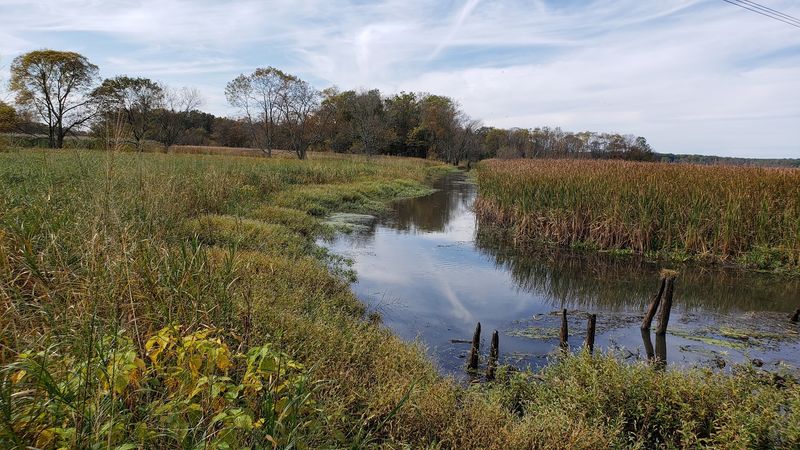
Holding the title of New Jersey’s largest freshwater marsh is not a small distinction, and Troy Meadows wears it well. The wetland is a dense, living tapestry of cattails, sedges, native wild rice, and open water channels that shift in color and texture with every season.
Spring brings green shoots and returning birds; autumn turns the marsh into a warm palette of amber and rust.
The ecological value packed into this single location is extraordinary.
As the state’s largest freshwater marsh, it serves as a critical filter for regional water quality, a natural flood storage system, and a breeding and feeding ground for species that depend on this exact type of habitat.
That combination of functions makes it irreplaceable in ways that go well beyond its scenic appeal.
Knowing this place holds a record gives the visit a different kind of weight. You are not just walking through a pretty wetland; you are moving through the largest example of its kind in an entire state.
That context makes even a short walk feel significant, like you are witnessing something genuinely worth protecting.
Hiding from Highway Noise Here
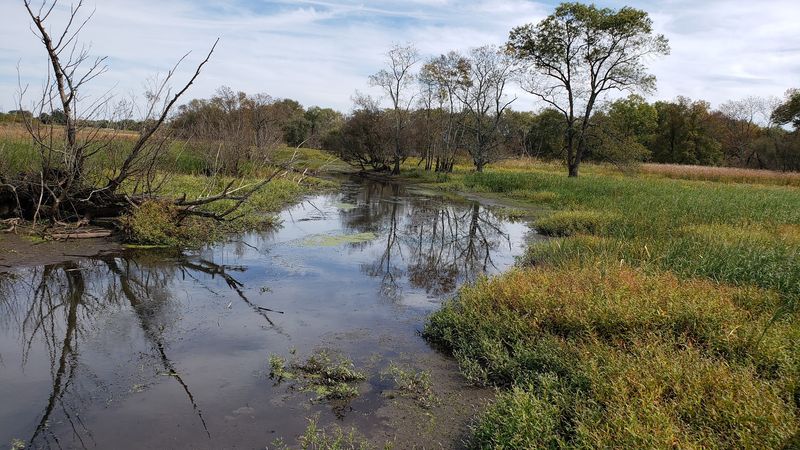
Routes 10 and 46 are not exactly known for their peaceful vibes, yet they run close enough to Troy Meadows that you can spot them on a map and feel surprised by the contrast once you are inside the preserve.
The marsh vegetation acts as a natural acoustic shield, softening and scattering highway sound until it fades into something barely distinguishable from wind.
It is a trick of geography and biology that works remarkably well.
Standing in the middle of the boardwalk with reeds rising on both sides, the road noise becomes almost theoretical. You know it is there, but your brain stops registering it as relevant.
The bird calls and water sounds fill that space instead, creating an immersive natural audio environment that genuinely competes with the urban backdrop just beyond the tree line.
That ability to psychologically disconnect from nearby infrastructure is what makes this preserve so valuable for day-to-day stress relief. A twenty-minute walk here can reset your mental state in a way that feels disproportionate to the distance you actually traveled.
The marsh hides you from the highway, and the highway hides the marsh from most people passing by.
Boardwalk Walks and Wild Views
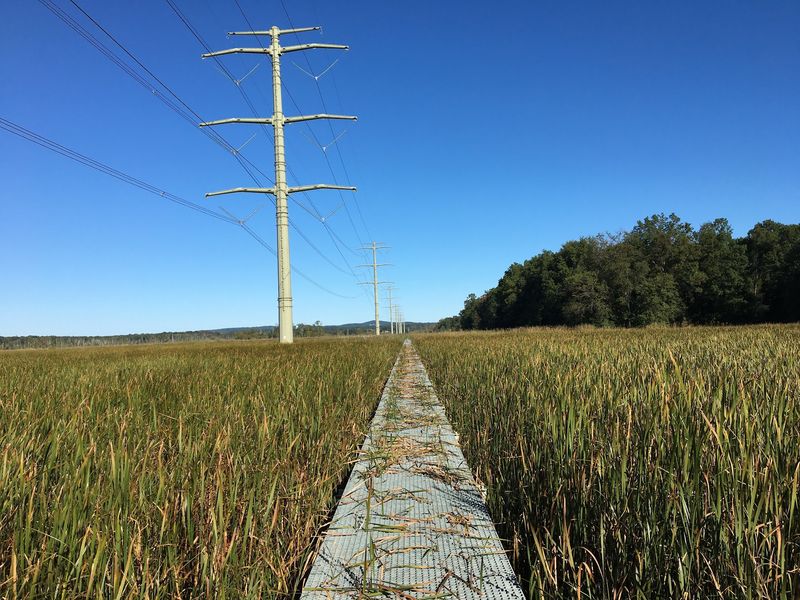
The boardwalk experience at Troy Meadows is something that rewards slow walkers.
Moving quickly through here would mean missing the great blue heron standing motionless at the edge of a water channel, or the red-winged blackbirds darting between cattail stalks with their unmistakable flash of color.
The views from this elevated pathway are panoramic in a way that feels earned rather than engineered.
Because the boardwalk lifts you above the marsh floor, you get a perspective on the wetland that ground-level trails simply cannot offer.
The open water stretches between clusters of reeds, and on clear days the reflection of the sky makes the whole landscape look doubled, like you are walking above a mirror.
Wildlife moves through the marsh below without much concern for your presence, which makes every sighting feel genuinely candid.
Bringing binoculars here is a smart move. Troy Meadows sits along the Atlantic Flyway, making it a reliable stop for migratory waterfowl and shorebirds passing through New Jersey each season.
Eagles and hawks have been spotted riding thermals above the open marsh, adding a dramatic aerial dimension to what is already a visually rich environment.
The Meadow That Soothes Your Soul
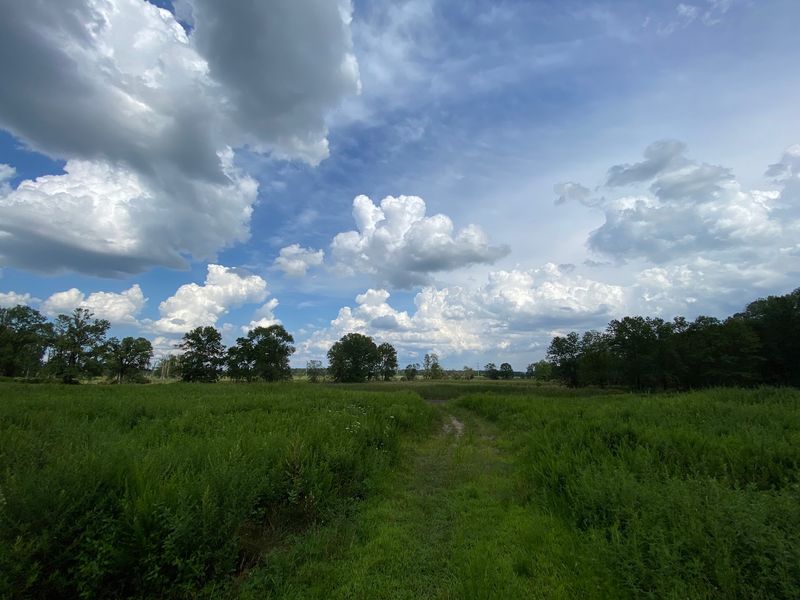
Some places earn their reputation for calm through design, with benches placed just so and paths kept perfectly trimmed. Troy Meadows earns it through sheer, unfiltered nature.
The meadow sections of the preserve spread out in long, unhurried stretches of grass and sedge that move together in the wind like something breathing. There is a rhythm to it that is almost hypnotic.
Spending time here has a way of quieting the internal noise that tends to follow people around from their daily routines. The visual simplicity of a wide marsh under an open sky does something to the nervous system that is hard to explain but easy to feel.
It is not dramatic scenery; it is restorative scenery, the kind that works on you gradually rather than all at once.
Families with kids will find the meadow sections especially engaging for younger explorers who love spotting frogs, turtles, and insects along the water’s edge. The preserve welcomes that kind of curious, unhurried exploration.
Coming here without a specific agenda turns out to be the best possible approach, letting the meadow set the pace instead of the clock.
Just Minutes, Feels Miles Away
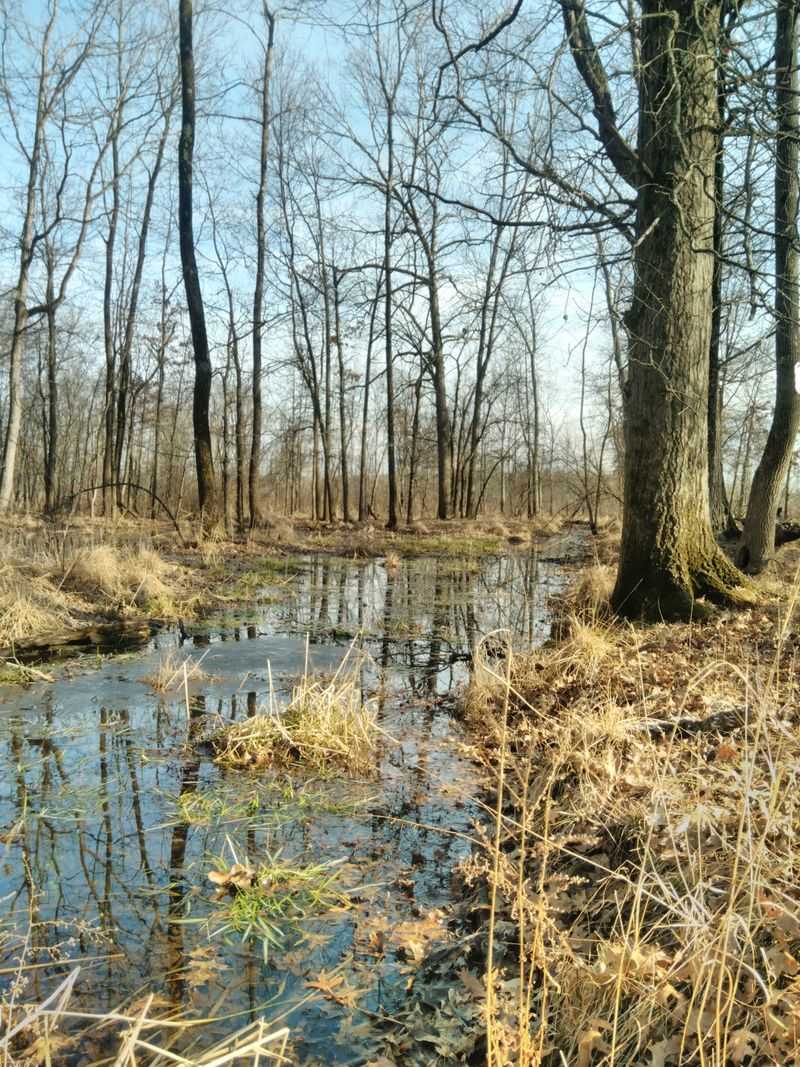
The drive to Troy Meadows takes you past gas stations, strip malls, and residential streets that look like every other suburb in northern New Jersey. Then you turn onto Troy Meadow Road, and within about a quarter mile, the landscape shifts completely.
Tall trees close in on both sides, the pavement gives way to gravel, and suddenly the marsh opens up ahead of you like a secret that was always there.
That transition is genuinely jarring in the best way. The contrast between the suburban approach and the wild interior of the preserve is one of the things that makes first-time visits so memorable.
People who stumble across this place while running errands nearby often end up staying much longer than they planned, simply because the shift in atmosphere is so unexpected and so complete.
Accessibility is a real strength here. No long drive, no mountain roads, no need to clear a full day.
A quick stop on a lunch break or after school drop-off can deliver a genuine nature experience that feels hours removed from daily life. That combination of convenience and depth is genuinely rare in a densely populated state.
Tranquility in the Heart of Parsippany
Parsippany is not a place most people associate with wilderness. It is a busy township with major corporate offices, well-traveled roads, and all the conveniences of suburban New Jersey life.
Finding 3,100 acres of protected freshwater marsh sitting quietly inside its borders feels like discovering a completely different dimension of the same place. Troy Meadows is Parsippany’s best-kept secret, and it earns that description honestly.
The preserve offers something the surrounding community genuinely needs: a place to exhale. Whether you come for birdwatching, a solo walk, or a family outing with curious kids and muddy boots, the marsh accommodates all of it without requiring much in return.
Good footwear is strongly recommended, especially after rain, since the trails can get wet and soft in ways that catch flat-soled shoes off guard.
Leaving Troy Meadows always carries a small reluctance, the kind that comes from time well spent in a place that asked nothing of you except attention. The tranquility here is not fragile or manufactured; it is structural, built into the landscape itself.
Address: 250 Troy Meadow Rd, Parsippany, NJ.
