A single machine over 100 years old can play piano, drums, and organ pipes all at once. It stands 10 feet tall, and nobody has to touch a single key.
That giant music maker lives inside a museum in New Jersey. It sits among roughly 150 displayed pieces from a collection of about 750 mechanical instruments and moving figures.
Some of those figures are dolls that actually move.
This place treats old machines like living performers. Staff bring the music boxes and automata to life during daily demonstrations.
I can’t imagine hearing that sound without grinning a little.
There’s also a model train gallery, an invention lab, and a real theater under the same roof. Which do you see first, the singing machines or everything else?
The 10-Foot Orchestra That Plays Itself Steals The Show
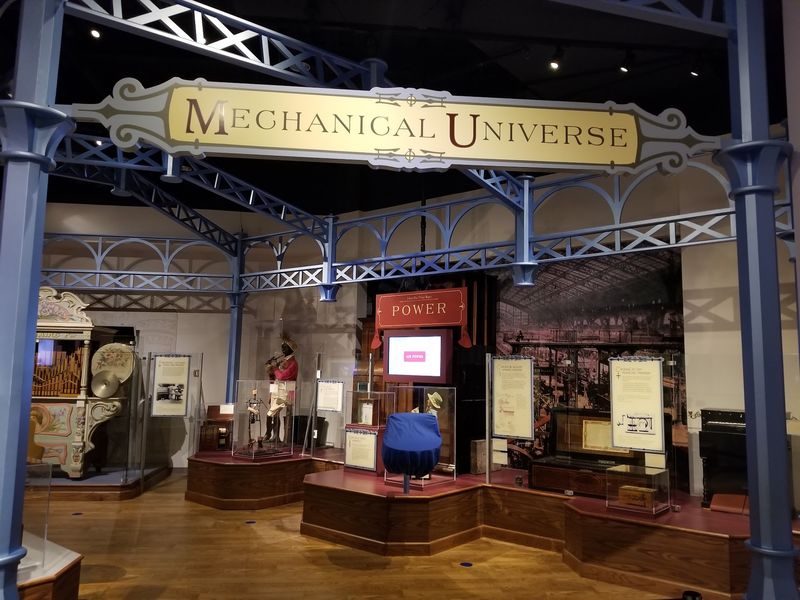
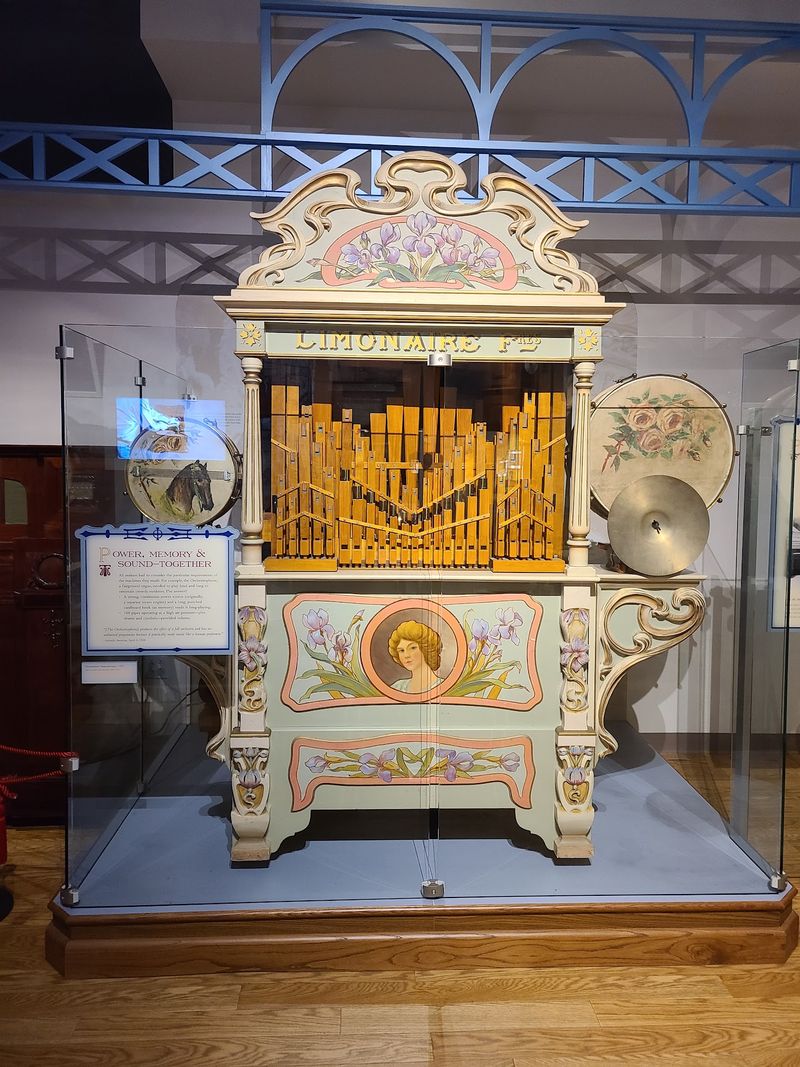
Meet the Poppers Rex Orchestrion, the biggest piece at the Morris Museum. It stands about 10 feet tall and has been around for more than 100 years.
An orchestrion is basically a whole band packed into one cabinet. This one plays a keyboardless piano, several percussion instruments, and organ pipes.
Those pipes are designed to sound like string instruments.
So how does it work without musicians? A complex pneumatic system does the heavy lifting.
Air pressure triggers the notes and beats, like a very fancy set of lungs.
Back before radios filled every room, machines like this brought music to public spaces. Folks could hear a full orchestra without hiring a single player.
That was a big deal at the time.
Today the Rex is the crown jewel of a famous collection. It towers over smaller treasures nearby, so you won’t have trouble spotting it.
Honestly, it’s hard to miss something taller than most ceilings at home.
Give yourself time to study it up close. The details reward slow looking.
Then try to imagine the hours someone spent building a machine this clever, all without computers or electric keyboards.
Show Up At 2 PM If You Want The Machines To Wake Up
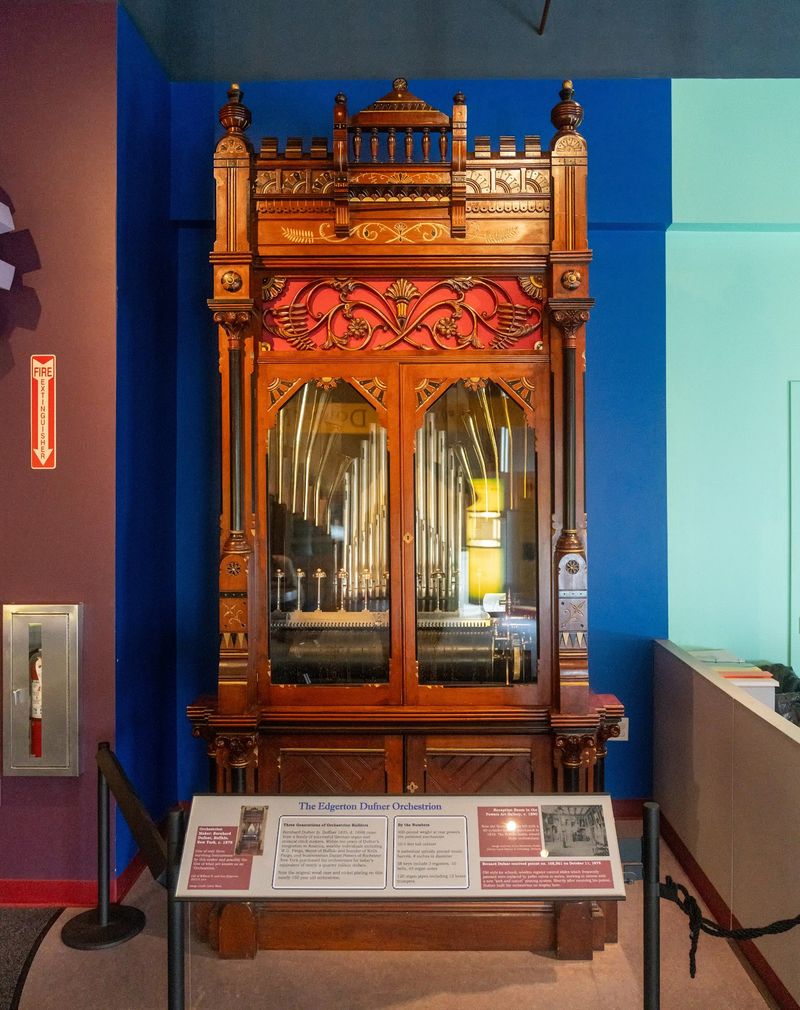
Timing matters here, and 2:00 PM is the magic hour. Live demonstrations happen daily at that time, Wednesday through Sunday.
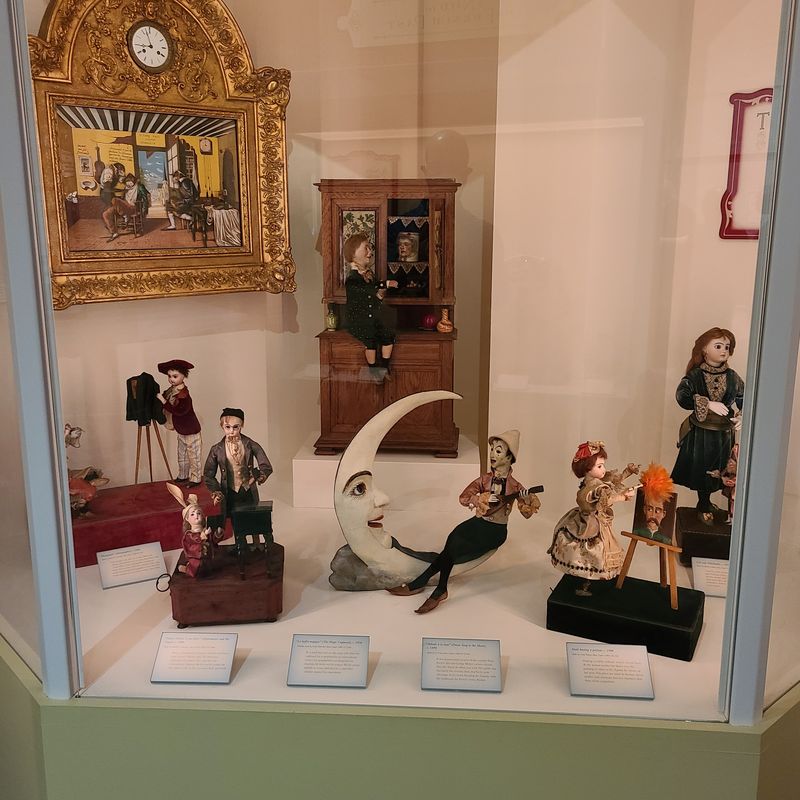
During these sessions, the music boxes and automata stop being still objects. They spin, play, and move right in front of you.
It turns a quiet gallery into a small concert with a cast of tiny performers.
Looking at a music box behind glass is nice. Hearing it chime is a totally different experience.
The demonstrations give you both the sights and the sounds together.
Automata are mechanical figures built to move on their own. Some look like dolls that can perform simple actions.
Seeing them in motion helps you understand how clever their builders were.
A smart plan is to arrive early and explore first. That way, you’ll know which pieces you want to see in action.
Then you can settle near the front and enjoy the show.
Kids especially tend to perk up when something old suddenly moves. Adults do too, if we’re being honest.
Mark 2 PM on your phone so you don’t wander off and miss it.
750 Musical Marvels Make Up One Wild Collection
Some people collect stamps. Murtogh D.
Guinness collected mechanical musical instruments and automata, and he went big.
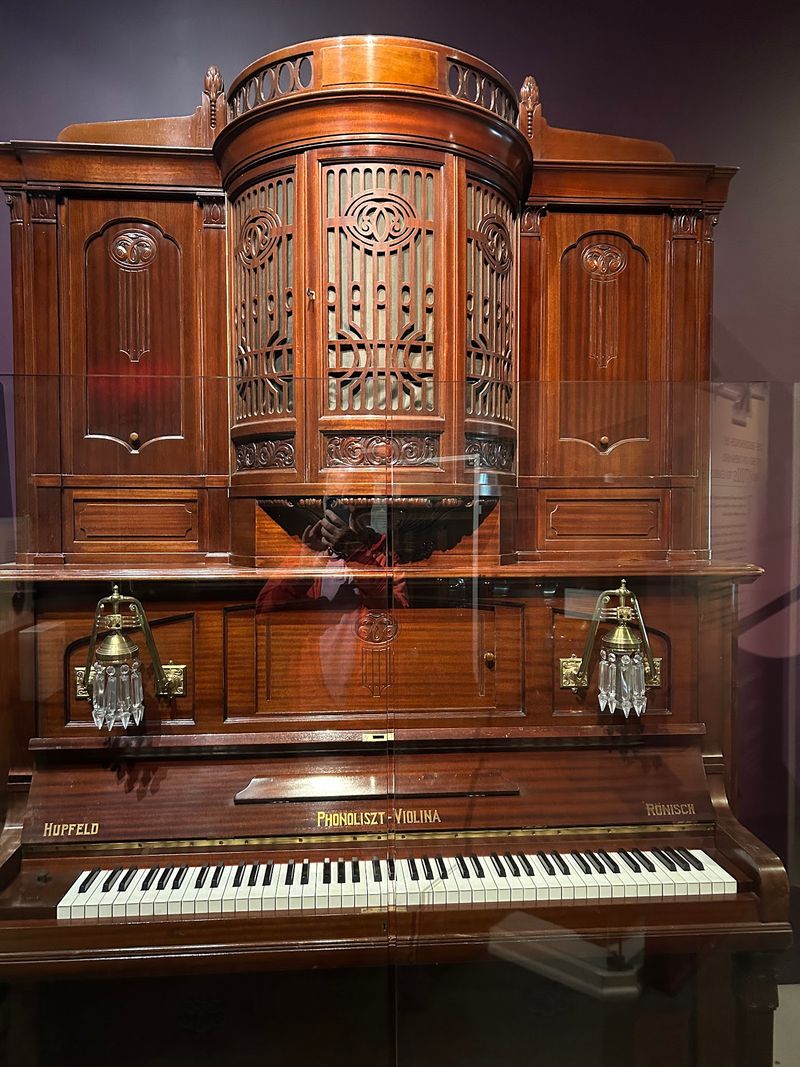
His collection includes about 750 historic pieces. It also features more than 5,000 programmed media, such as player piano rolls.
The Morris Museum received this collection in 2003, and the exhibition opened in 2007.
Around 150 pieces are on display at once. They cover roughly 400 years of art and technology.
That’s a long stretch of human creativity in one set of rooms.
The range is impressive. You’ll find miniature music boxes small enough to hold in your hands.
You’ll also see player pianos and mechanical dolls built to move.
What makes these items fun is that each one solved a puzzle. Builders wanted music and motion without electricity.
They used springs, gears, pins, and air to make it happen.
Read the labels as you go, because the stories are part of the charm. Each piece has its own quirky personality.
By the end, you might start seeing your phone speaker as a little boring by comparison.
Train Lovers, Clear Your Afternoon For This Room
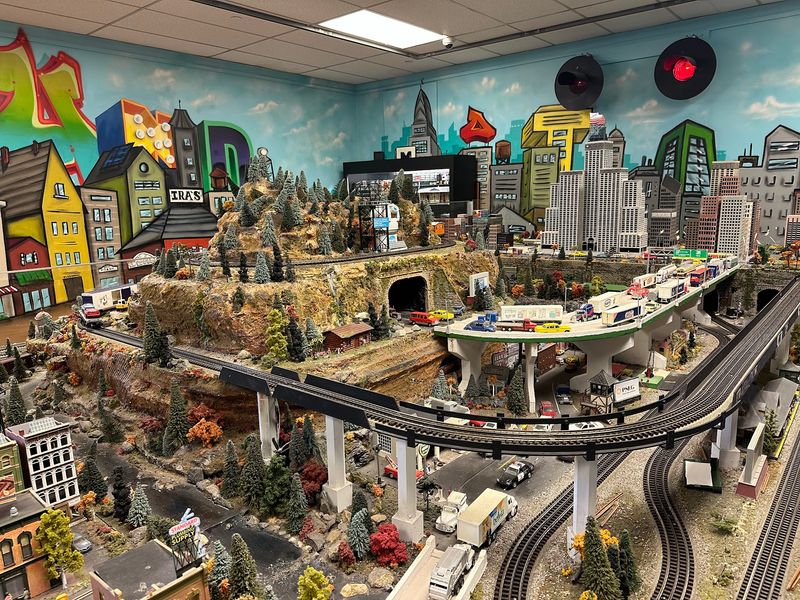
Little engines, tiny towns, and tracks that seem to go everywhere. The Mega Model Train Gallery fills a whole room with miniature railroad fun.
Model trains have a strange power over people of all ages. Grown adults lean in just as close as kids do.
Something about watching a small world in motion is hard to resist.
This gallery ranks among the museum’s most talked-about spaces. It’s a great spot for families who want a break from reading labels.
Younger visitors can simply look, point, and enjoy.
Try playing a game while you’re there. Pick a train and follow its full route around the layout.
Then look for small details hiding in the scenery.
It also pairs nicely with the mechanical music collection. Both celebrate machines that move and delight.
One plays tunes, while the other rolls through pretend neighborhoods.
If you have a train fan in your family, plan extra minutes here. Dragging them away might take some negotiating.
A promise of the invention lab next could help your case quite a bit.
Young Inventors Get Their Own Workshop At Spark!Lab
Here’s a fun fact for New Jersey families. The Morris Museum is the only Smithsonian Affiliate in the state, and that brings Spark!Lab to town.
Spark!Lab is a hands-on invention workspace from a national Smithsonian program. The goal is simple.
Every visitor gets to think and build like an inventor.
The space is designed for kids ages 5 to 12. Younger children under 5 have their own area called Spark!Lab Junior.
That means little siblings won’t feel left out.
Creativity, teamwork, and problem-solving drive the whole experience. Kids try ideas, test them, and try again.
Mistakes become part of the fun instead of a reason to quit.
Spark!Lab runs Wednesday through Sunday from 12 PM to 4 PM. Entry comes with general admission, which is a nice bonus.
You’ll grab timed-entry tickets at the front desk when you arrive.
Pick up those tickets right away so you can plan around your time slot. Then explore the galleries until it’s your turn.
Your kid might walk out with a big idea and a proud grin.
A Real Theater Lives Under The Same Roof

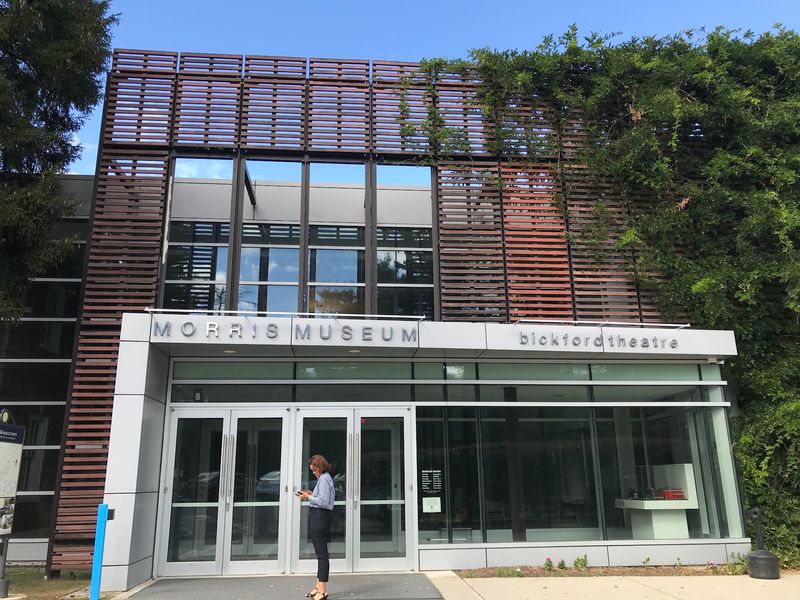
Museums usually stop at exhibits. The Morris Museum keeps going with the Bickford Theatre, right inside the building.
It’s the only accredited museum in the United States with a theater. That’s a pretty rare claim to fame.
It also makes this place feel like two outings in one.
The theater has 312 seats, so shows feel close and personal. The lineup is wonderfully varied.
You might find films, lectures, storytelling workshops, or children’s theatre.
Music fans have plenty to explore too. The schedule includes jazz, classical, and community concerts.
Big-name musicians and Grammy winners have appeared on this stage.
There’s also programming with London-based National Theatre Live. That brings acclaimed British stage productions to a screen here.
You get world-class theater without packing a passport.
Check the upcoming calendar before your visit. You could tour the galleries in the afternoon and catch a show later.
Seeing a 10-foot mechanical orchestra and live performers on the same day is a pretty great combo.
Minerals, Wildlife, And More Await Beyond The Music
Curious minds won’t run out of things to explore. The Morris Museum mixes art, science, and history in a way that keeps every room feeling fresh.
Permanent exhibits cover local wildlife and natural science. There are minerals too, including a crystal display worth a slow look.
Rocks have never seemed so flashy.
A Native American collection adds another layer of history. Textiles get their own spotlight as well.
Each area gives your brain a different kind of workout.
The Dodge Room honors philanthropist Geraldine Rockefeller Dodge. It features paintings and sculptures tied to her work with animals.
Her other giving efforts are part of the story too.
Kinetic art also has a home here. Starting in 2018, the museum launched a four-year series called A Cache of Kinetic Art.
It focused on moving artworks by artists from around the world.
Rotating special exhibits keep things interesting between visits. One season might bring painting, while another brings something unexpected.
That variety is a big reason some families choose memberships and keep coming back.
Over A Century Of Stories Started With Kids In Mind
Long before orchestrions and invention labs, this place began in 1913. It started as the Morris Children’s Museum.
That origin makes sense when you see all the family-friendly spaces today.
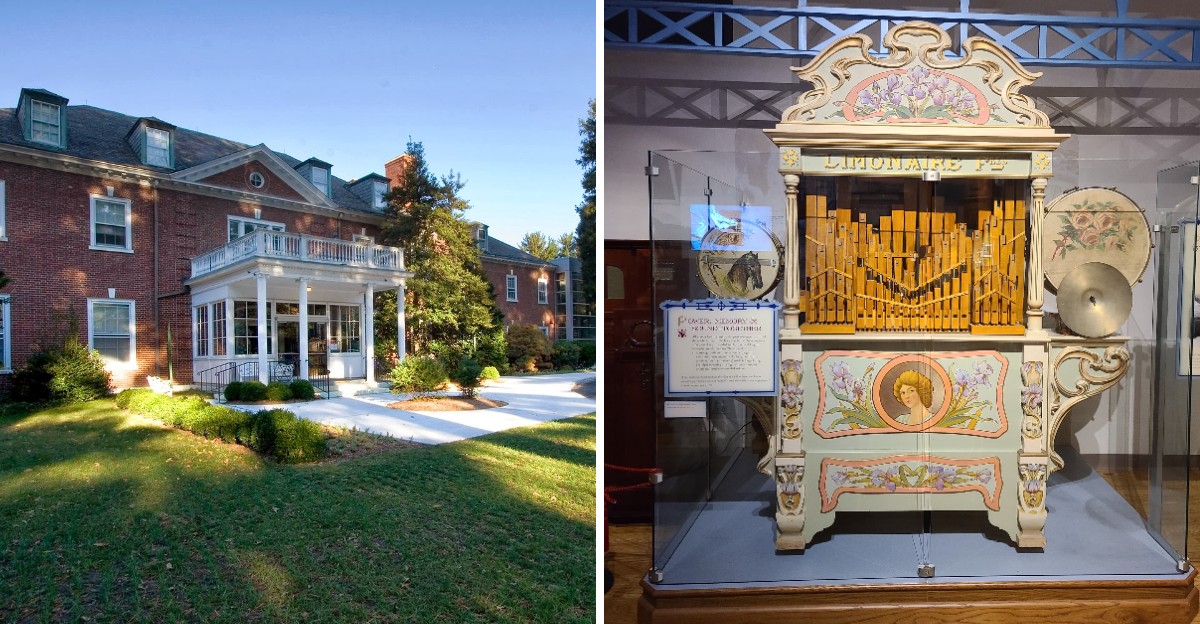
In 1964, the museum purchased Twin Oaks, a Georgian-style mansion. That historic building still serves as the core of its operations.
So part of your visit happens inside a piece of history.
Today the Morris Museum is the second-largest museum in New Jersey. It covers 75,524 square feet.
That’s a lot of room for music, trains, minerals, and art.
It’s also fully accredited by the American Alliance of Museums. That stamp means the museum meets high professional standards.
In short, the care behind the exhibits is serious stuff.
I love that a place founded for children still sparks wonder in kids today. The mission grew, but the spirit stayed.
Not many institutions can say they’ve kept that kind of promise for over a century.
A Little Planning Makes Your Visit Run Like Clockwork
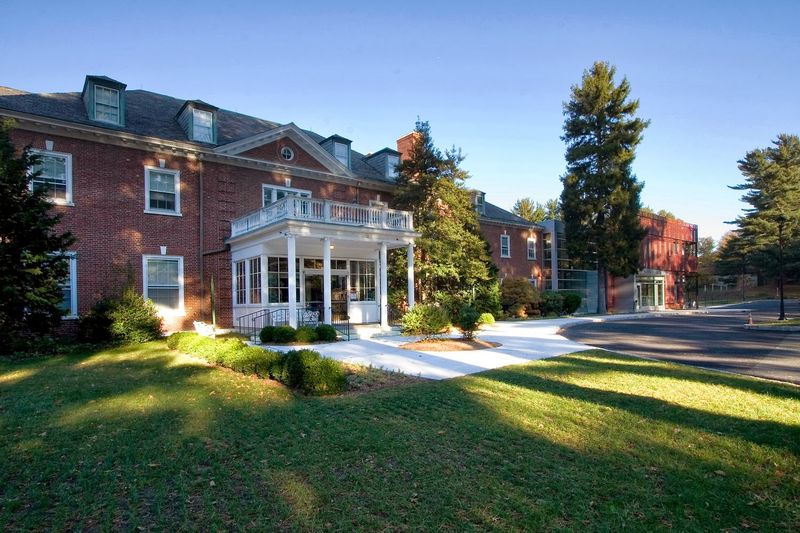
Good news first: getting there is easy. The Morris Museum sits at 6 Normandy Heights Rd, Morristown, NJ 07960, and onsite parking is available.
Hours run Wednesday through Sunday from 11 AM to 5 PM. The museum closes Mondays and Tuesdays.
Members get special access on the first Tuesday of each month from 11 AM to 2 PM.
Watch for holiday closures before you head out. These include days like Thanksgiving, Christmas Eve, and Christmas Day.
A quick calendar check saves a disappointing drive.
Admission stays friendly for families. Kids 2 and under get in free.
Active military members plus five family members are free too.
The museum also takes part in Bank of America’s Museums on Us program. A free digital guide on the Bloomberg Connects app can add extra depth.
Download it before you go so you’re ready.
For the best day, arrive near opening and grab Spark!Lab tickets first. Explore until the 2 PM demonstration, then wander some more.
It’s a smart game plan for one of New Jersey’s most delightfully noisy museums.
