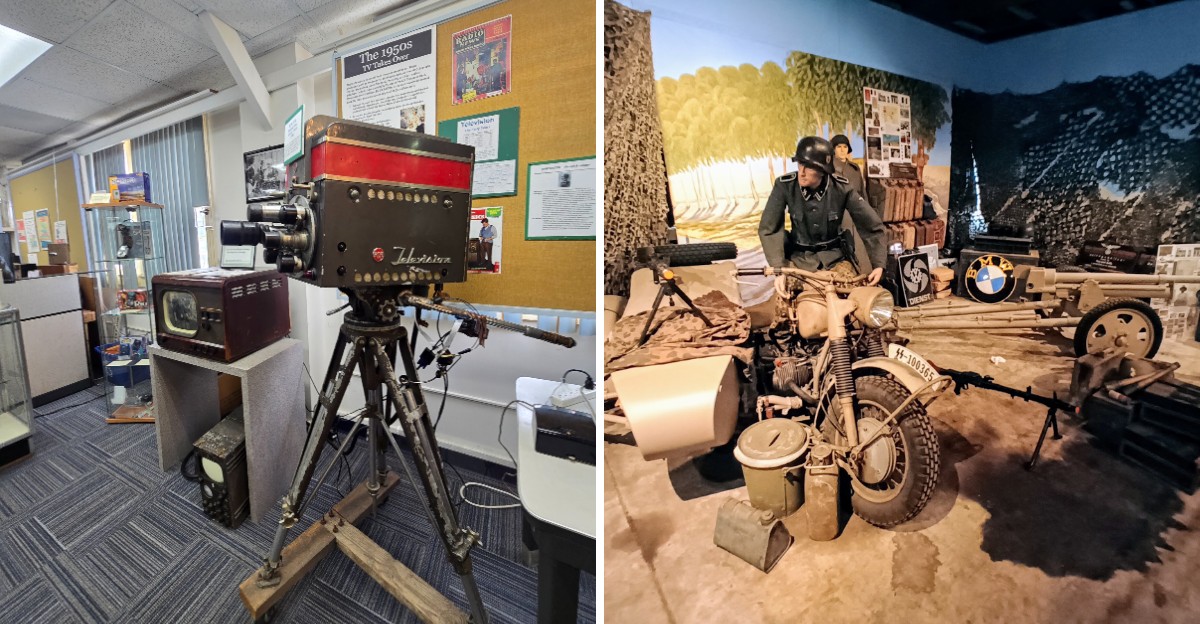
A recreation of a Cold War fallout shelter sits in the basement of an old hotel building, complete with period ration supplies and a duck-and-cover video. Yes, the kind of film that once told kids to hide under their school desks.
I love that someone kept this alive for us to see.
The shelter is only one stop on a sprawling campus. The same grounds once listened to the world by wireless and later bounced radar signals off the moon.
That’s a wild resume for one patch of New Jersey land.
You can poke around working vintage computers, rows of military vehicles, and a giant satellite dish. Over 100 volunteers help explain it all, and many know these machines from real careers.
I can’t imagine a better rainy-day rabbit hole near the Shore. So which era would you explore first?
A Duck-And-Cover Movie Plays Where You Least Expect It
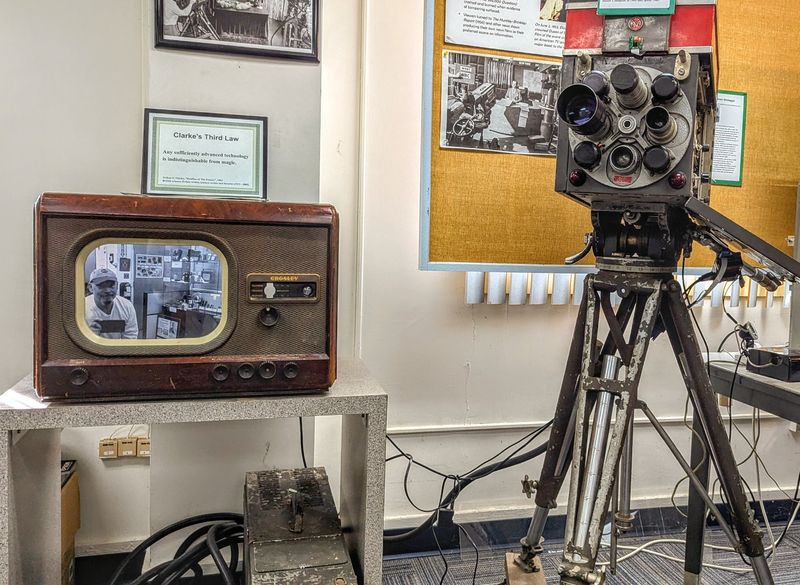
Old civil defense films were once serious business for American families. At InfoAge Science and History Museums, one of those classic messages still gets screen time.
The re-created fallout shelter sits in Building 9001, better known as the Marconi Hotel. It shows how families were told to prepare for a nuclear emergency during the Cold War.
You’ll see period supplies and rations lined up like a 1950s pantry with a very specific purpose. The exhibit also includes an educational video about attack preparedness, famously featuring duck-and-cover instructions.
Kids today might giggle at the idea of hiding under a desk for protection. Adults will likely find the whole thing a little eerie and oddly fascinating.
That mix of humor and history makes the shelter a great conversation starter. Ask your group what they would pack if they had to stock a shelter today.
Snacks and phone chargers would probably top most lists, which says a lot about our times. The shelter rewards slow looking, so read the labels and notice the details.
Plan to spend some time here before heading out to the rest of the campus. It’s a small space with a big story, and it sets the mood for everything else you’ll see.
The Building That Started Out Listening To The Atlantic
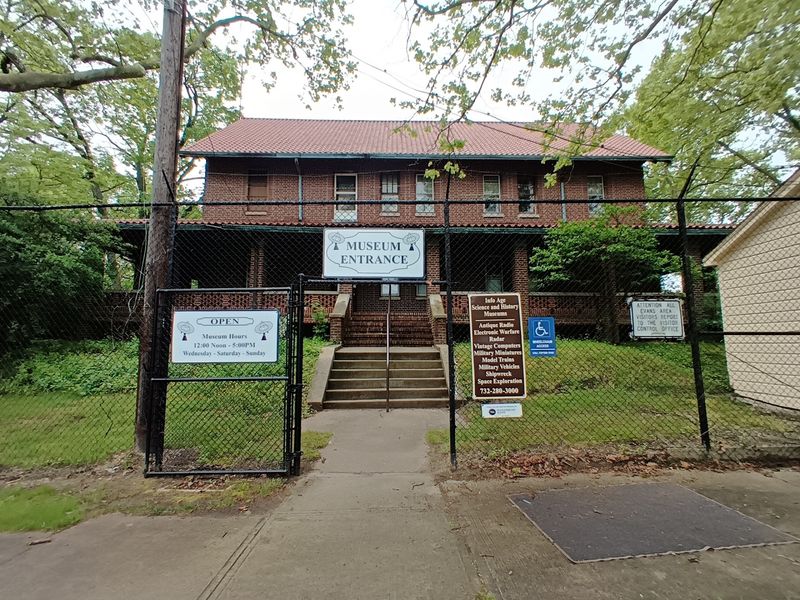
In the early 1910s, this site was developed as a Marconi wireless receiving station, which began operating in 1914. Guglielmo Marconi’s company used it to catch wireless messages traveling across the ocean.
That early role explains the name of the main visitor center, the Marconi Hotel. The building now welcomes guests instead of housing radio workers, and it holds several of the exhibits.
Later, the grounds became Camp Evans, a Signal Corps research and development laboratory. The Army ran important electronics work here from World War II all the way until 1997.
Today the site is a National Historic Landmark. It’s also recognized as New Jersey’s World War II Living Memorial, which gives the whole place a respectful feel.
Knowing this backstory changes how the campus looks. Those plain buildings once held engineers solving problems that shaped modern communication.
I like that the museum didn’t need to build a fancy new home. The history is baked right into the walls, floors, and layout of the grounds.
Before you rush to the exhibits, take a moment outside and look around. You’re standing where wireless pioneers and military scientists once spent their days working on the future.
Somebody Here Actually Bounced A Signal Off The Moon
In 1946, a team at this site pulled off Project Diana. They successfully bounced radar signals off the moon and caught the echo back on Earth.
That was a huge moment for science and an early step toward space communication. The InfoAge Space Exploration Center keeps that story front and center.
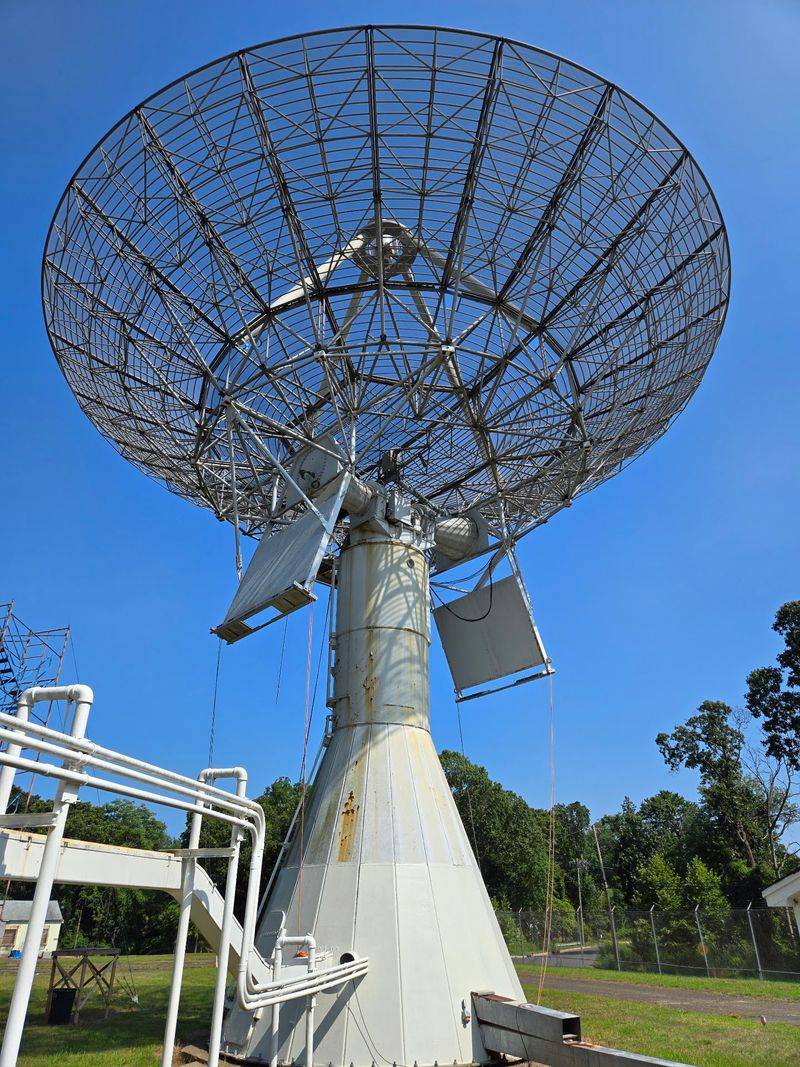
The star attraction is a 60-foot TIROS dish. It’s tied to the site’s work supporting the TIROS weather satellite program, which helped kick off satellite weather watching.
Here’s the fun part. Visitors may get the chance to bounce their own voice off the moon, depending on conditions and timing.
Hearing your words come back after a trip to space and back is a pretty great bragging right. Your friends who went to the mall that day will never top it.
The space center also explains how radar and satellites connect to the weather apps on your phone. It’s a neat way for students to link classroom science with real machines.
Bring curious questions for the volunteers here. Space topics tend to spark big conversations, and the people on hand clearly enjoy sharing them.
Vintage Computers That Still Boot Up And Beg To Be Used
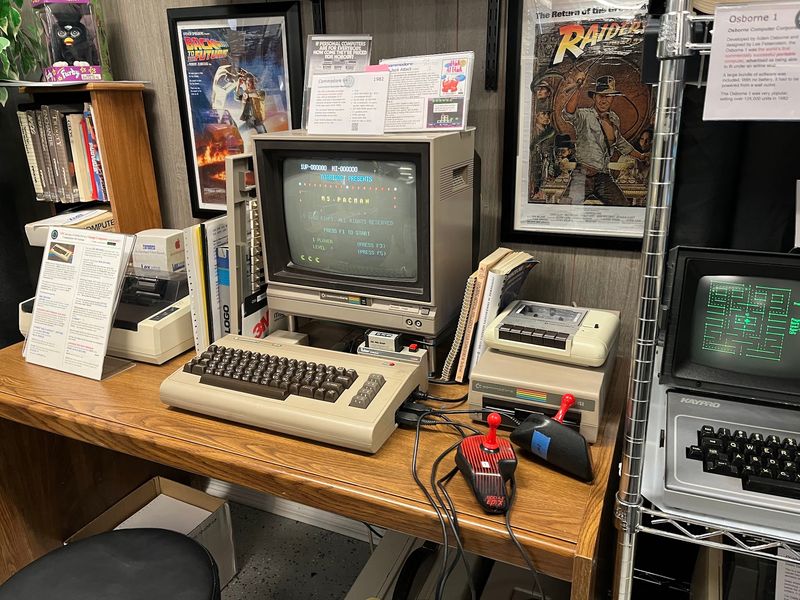
Most computer museums keep old machines behind glass like fragile fossils. The Computer History Museum here takes a friendlier approach with operational vintage computers.
That means many machines actually run. You can see how people worked, typed, and played long before tablets and smartphones existed.
The collection covers big early systems and familiar home computers. Parents and grandparents may spot a model they once owned, which usually leads to plenty of stories.
Kids often get the biggest kick out of the chunky keyboards and glowing screens. Watching them figure out a computer with no touchscreen is its own kind of entertainment.
Remember that this campus also helped push technology forward. Work done here was loaned to early computers with output screens, so the exhibit feels right at home.
Volunteers can explain how these machines worked and why they mattered. Some have backgrounds in tech fields, so their answers go deeper than a quick plaque.
Give yourself extra time in this room if your family loves gaming or coding. It’s easy to lose track of the clock once someone finds a classic machine ready to go.
This Historic Campus Helped Advance Radar Technology
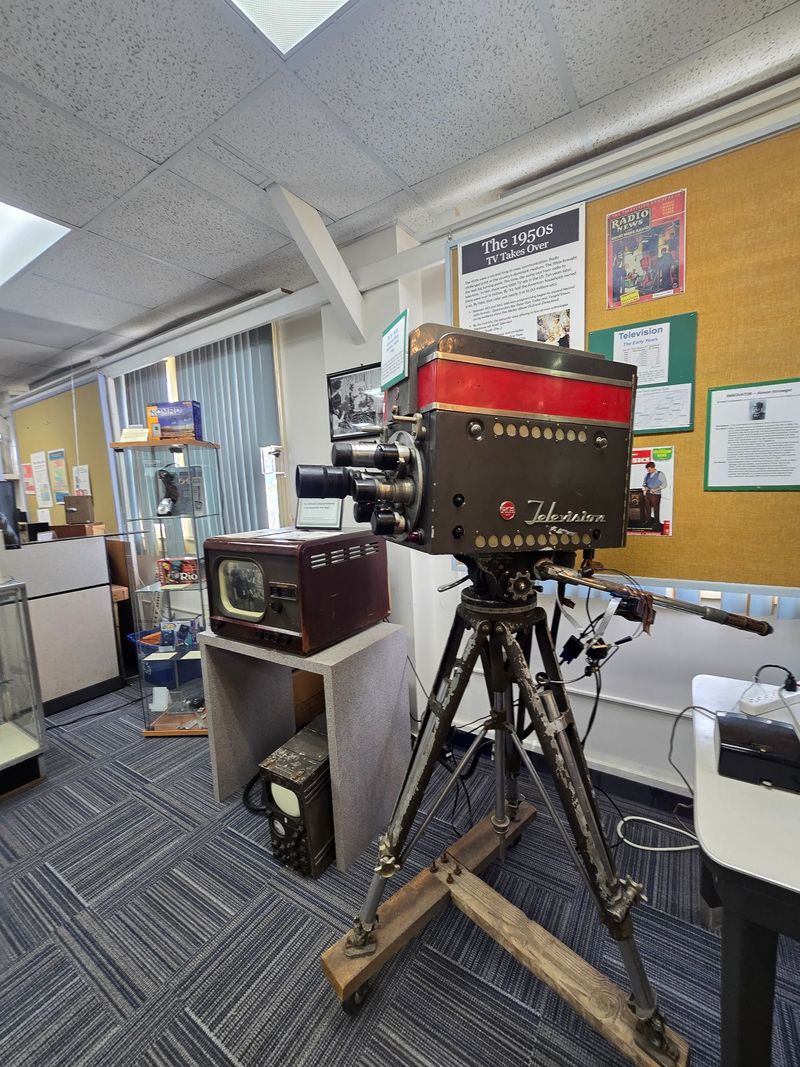
Radar sounds like something from a spy movie. During World War II, critical radar systems were developed right on this campus.
InfoAge Science and History Museums tells that story through exhibits on radar evolution, military communications, and electronic warfare. You’ll see how the technology changed from bulky early gear to smarter systems.
The equipment can look complicated at first glance. Luckily, knowledgeable volunteers are ready to translate engineer-speak into plain English.
One cool takeaway is how much of this tech touches daily life. Weather forecasts, airport safety, and even some car sensors trace back to radar ideas.
The electronic warfare displays explain how signals were jammed or protected. It’s basically a high-stakes game of hide-and-seek played with radio waves.
Students who like puzzles will enjoy this part of the campus. Each display shows a problem scientists faced and the clever fix they found.
Since the work happened in these same grounds, the exhibits feel extra personal. You’re not just reading about history, you’re standing where it unfolded, which gives the dials and screens far more meaning.
Radios, Broadcasters, And A Hall Of Fame Worth Tuning Into
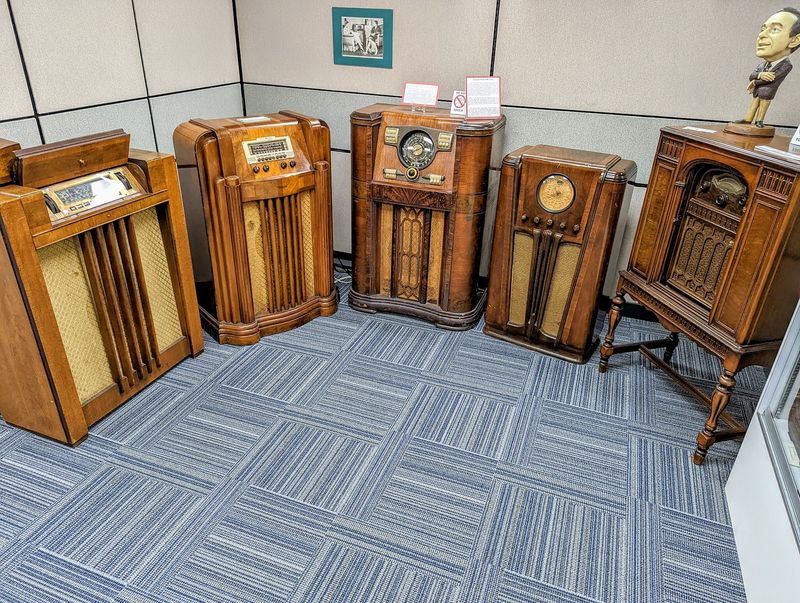
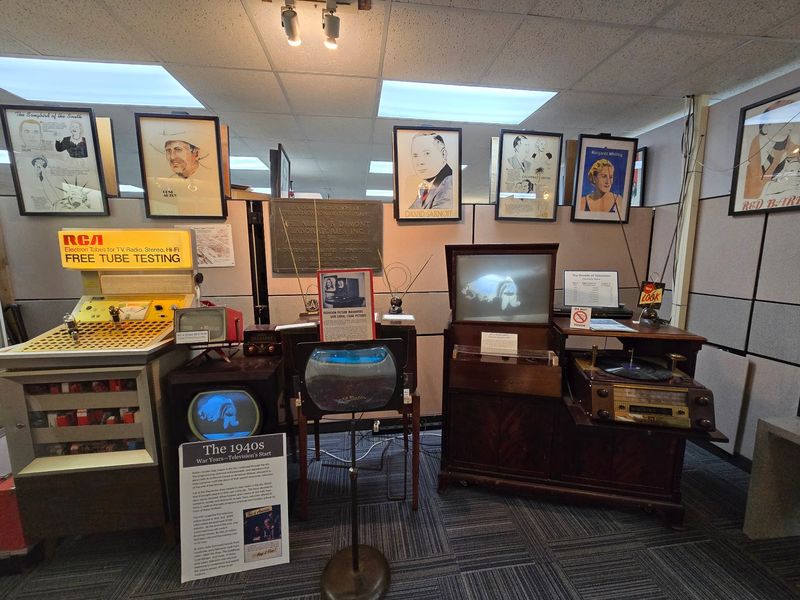
Long before streaming playlists, families gathered around a big wooden radio. The radio technology exhibits capture that era with impressive detail.
This part of the campus also houses the National Broadcasters Hall of Fame. It honors the voices and pioneers who shaped what people heard on the air for generations.
You’ll find radios of all shapes and sizes. Some look like furniture, while others seem small enough to toss in a backpack.
The connection to the site’s Marconi roots makes this exhibit feel especially fitting. Wireless communication started the whole story here, so radio has a natural home.
Fans of old-time broadcasting will enjoy the microphones and studio gear. Younger visitors may be surprised that radio shows once worked like TV shows without pictures.
Try asking a volunteer how early broadcasts actually reached homes. The answer involves towers, tubes, and a lot of clever engineering.
I believe this exhibit sparks the best family chats of the day. Grandparents can share favorite programs, and kids can compare them to podcasts, which shows how little the love of a good story has changed.
Jeeps, Dioramas, And Shipwrecks Share The Same Campus
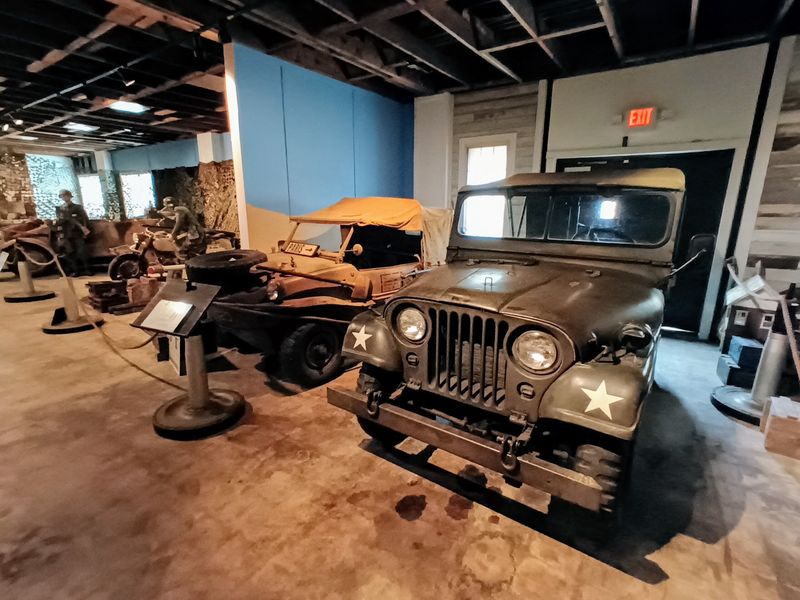
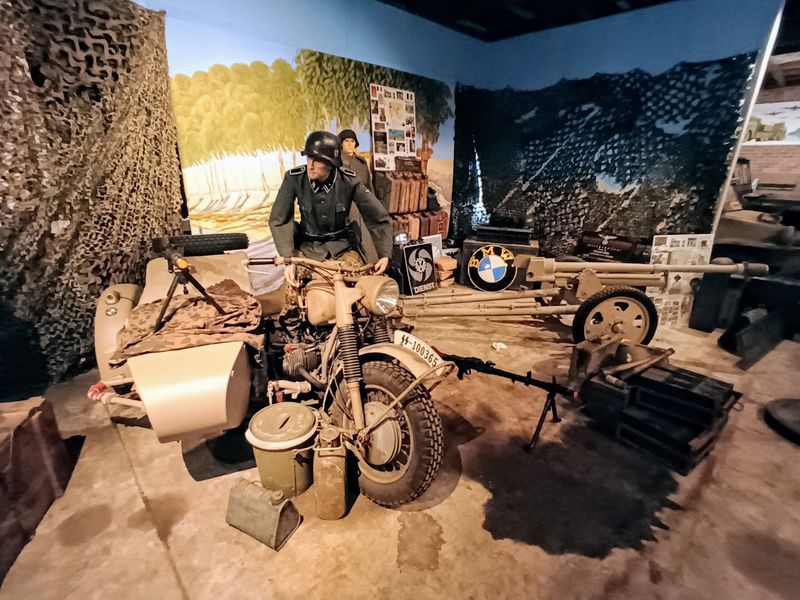
Big vehicles have a way of pulling kids across a room like magnets. The Military Technology Museum displays numerous vehicles, and they make quite an impression.
Restored jeeps and other machines show how troops moved, communicated, and worked in the field. It’s a hands-on lesson in engineering and teamwork.
Nearby, World War II battlefield dioramas recreate scenes in miniature. The tiny figures and landscapes invite close looks, so expect noses pressed near the displays.
Then the campus takes a turn toward the ocean. The New Jersey Shipwreck Museum explores wrecks found off the state’s coast.
That one makes sense for a museum so close to the Jersey Shore. Beachgoers may never look at the waves quite the same way again.
Each of these exhibits has its own personality. The vehicles feel bold, the dioramas feel thoughtful, and the shipwrecks feel mysterious.
Mixing them together keeps energy high for younger visitors. Just when attention starts to fade, something completely different appears in the next building, and the curiosity kicks back in for another round.
Bring Comfy Shoes, Because This Museum Campus Is Huge
InfoAge preserves 16 historic buildings across a roughly 30-acre campus. Several renovated buildings house museums and exhibits, so you’ll be walking between structures as you explore.
Dress for the weather, since some trips happen outdoors. A light jacket or umbrella can save the day when New Jersey skies change their mind.
The full address is 2201 Marconi Rd, Wall Township, NJ 07719. It sits about ten minutes from the beaches and towns of the Jersey Shore.
Parking is free and ample, which is a lovely break from crowded beach lots. Pull in, grab your bag, and start exploring.
Accessibility gets real attention too. Most buildings are wheelchair accessible, with ramps and accessible bathrooms available.
The museum is a consortium of more than 20 museums and exhibits. Trying to see everything in one afternoon is ambitious, so pick a few priorities.
A smart plan is to start in the Marconi Hotel, then branch out. You can always save the rest for another visit, which honestly gives you a great excuse to come back with different friends.
Plan Around A Short Weekly Schedule And You Will Win
Timing matters here more than at many museums. InfoAge Science and History Museums opens Wednesdays, Saturdays, and Sundays from noon to 5 PM.
That schedule leaves five hours to explore. Arriving close to opening helps you see more without rushing through the best parts.
Admission is tiered by age, and little ones under five get in free. Discounts are available for military personnel and seniors, which is a thoughtful touch.
The real treasure might be the people. More than 100 volunteers help guide visitors, and many bring expertise from the fields the exhibits cover.
Their knowledge turns a simple walk-through into a mini class. Ask questions freely, since that’s exactly what they’re there for.
Groups can arrange custom tours too. Educational STEAM activities happen in the Collaboratory-Makerspace-Podcast Studio, which is a mouthful but a fun one.
Teachers, scout leaders, and homeschool families should keep that option in mind. It’s a great way to turn New Jersey history and science into a hands-on project, and it ends any trip on a creative, memorable note.
