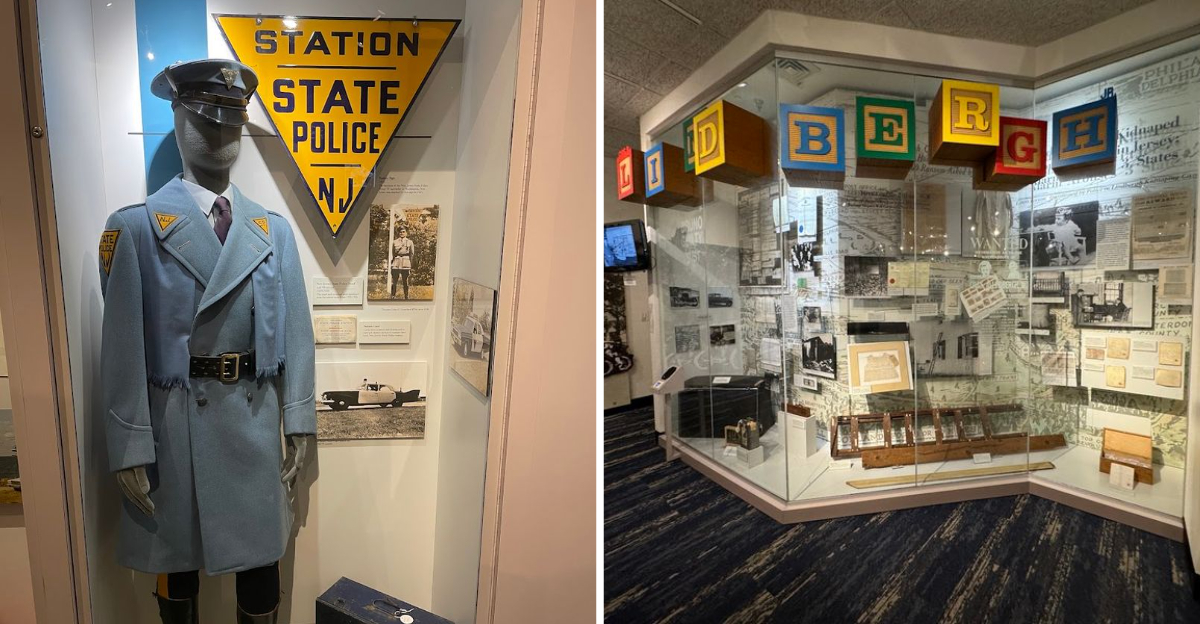
History has a dark side. This New Jersey museum displays it proudly.
You have probably watched true crime documentaries late into the night. Read every cold case article you could find.
This place brings those stories to life.
Glass cases hold artifacts from infamous cases that once gripped the nation.
Evidence. Uniforms. Weapons.The actual car used in a notorious kidnapping.
It is chilling.It is fascinating. And it is completely free to explore.
You walk through the doors and suddenly you are standing face to face with criminal history. The kind that makes your skin tingle.
The best part? You can spend hours here and not spend a single dollar.
Honestly, true crime fans, this one is for you.
Infamous Cases Behind Glass
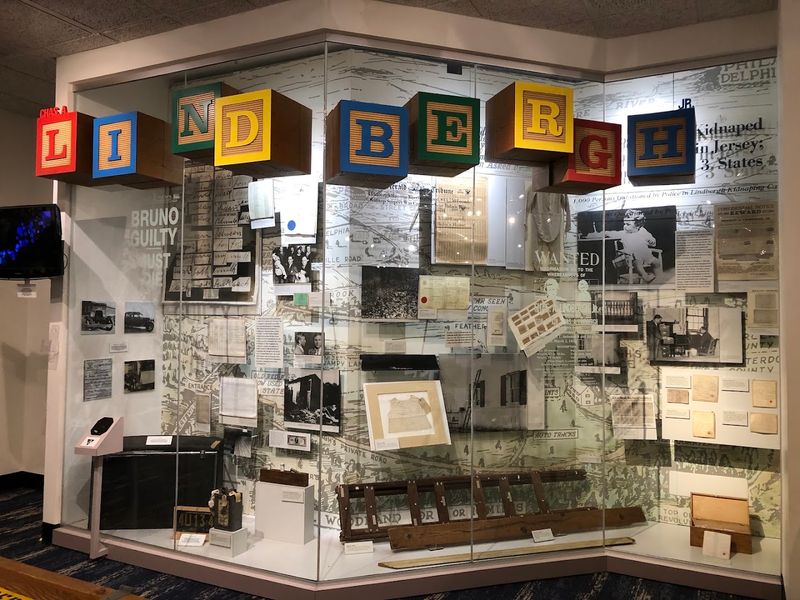
Walking up to the first row of display cases, there is this quiet electricity in the air that is hard to explain. Each glass panel holds something that was once part of a real investigation, a real moment in history.
The care taken in preserving these items is immediately obvious.
The New Jersey State Police Museum presents these artifacts with clear, informative signage that gives context without overwhelming you. A single photograph or piece of evidence can shift the whole mood of a room.
That is exactly what happens here, again and again.
From early 20th century investigative tools to items tied to cases that made national headlines, the collection is remarkably varied. Nothing feels thrown together or rushed.
Every exhibit earns its place on the floor.
Visitors of all ages seem to slow down as they move through this section, reading carefully, leaning in close. It is the kind of museum experience that reminds you why preserving history actually matters.
These are not just objects, they are records of justice.
Crime History, Free Admission
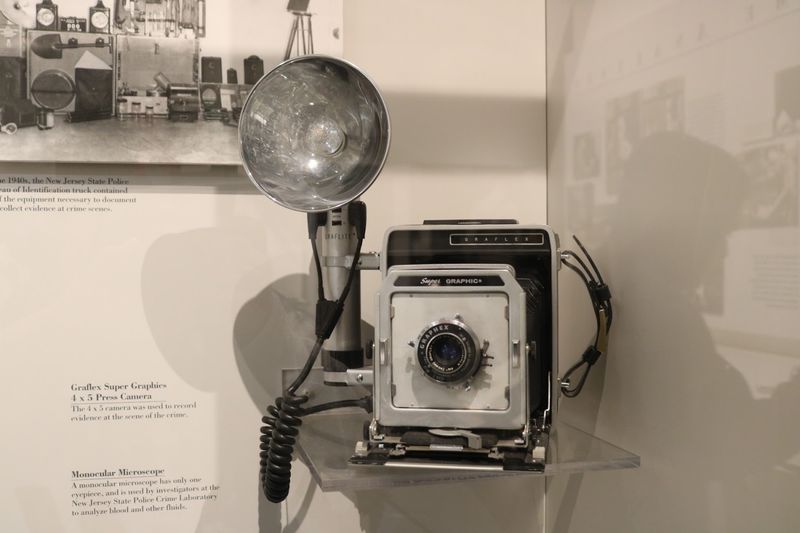
Free admission to a museum this rich in content genuinely feels like finding a twenty in an old jacket pocket. There are no ticket lines, no pricing tiers, no hesitation at the door.
Just walk in and start exploring.
The chronological layout guides you through decades of New Jersey law enforcement history in a way that feels natural and unhurried. You move from the earliest days of the state police, founded in 1921, all the way through to modern operations.
The progression is well-paced and genuinely engaging.
Each era gets its own dedicated space, with uniforms, equipment, and documentation that reflect the times. Seeing how policing methods changed alongside society is surprisingly fascinating.
It puts a human face on an institution that can sometimes feel abstract.
The fact that this level of historical depth is offered at zero cost makes it one of the most underrated destinations in the state. Groups, families, and solo visitors all benefit equally.
History this compelling should always be this accessible.
Lindbergh Evidence on Display
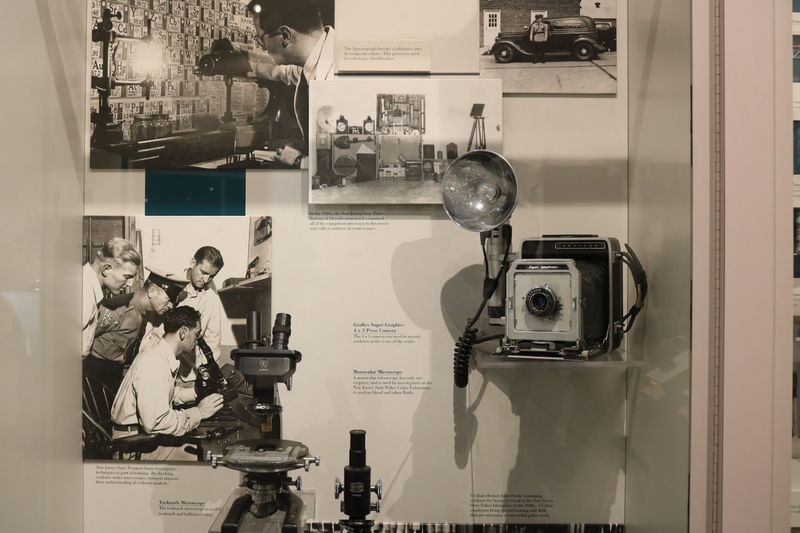
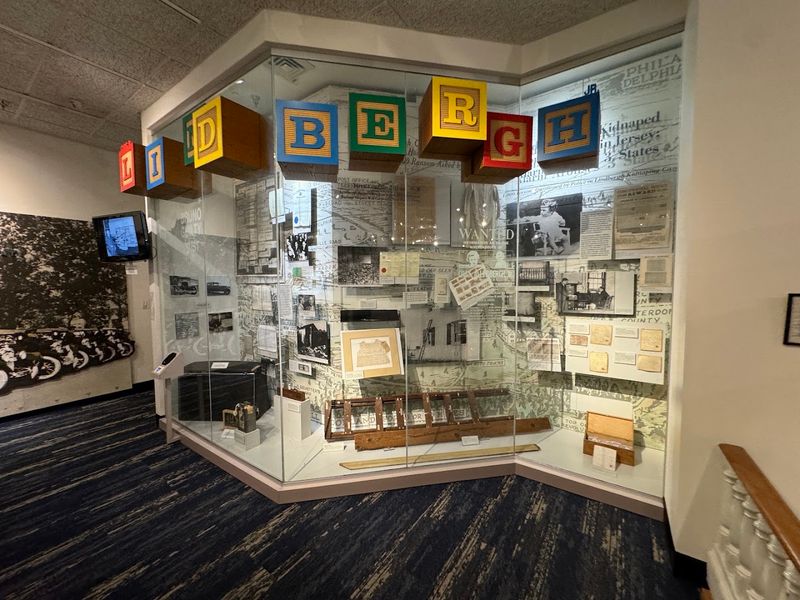
Few exhibits anywhere in the country carry the weight of this one. The Lindbergh kidnapping case, often called the Crime of the Century, gets a thorough and deeply detailed presentation here that is genuinely unlike anything else.
The actual kidnap ladder used in the crime is on display, and seeing it in person is a strange, sobering moment. Ransom notes, handwriting comparison charts, and investigative documents fill the surrounding cases.
The sheer volume of preserved material is staggering.
What makes this exhibit especially powerful is how it walks you through the investigation step by step. You understand not just what happened, but how the New Jersey State Police worked to piece it all together.
The methodology on display reflects both the limitations and ingenuity of 1930s forensic work.
This section alone justifies the trip for history enthusiasts and true crime fans alike. The detail is meticulous, the presentation is respectful, and the story it tells is unforgettable.
Plan to spend more time here than you think you will need.
Old Smokey Awaits Your Gaze
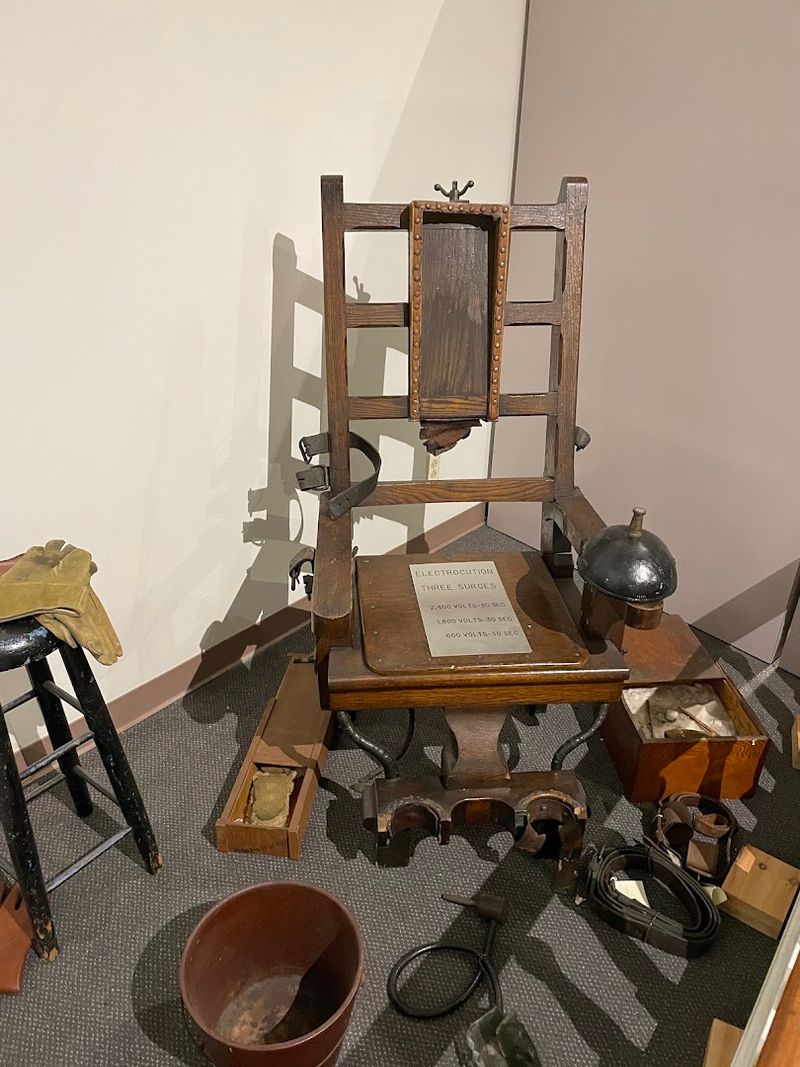
There is nothing that quite prepares you for rounding a corner and coming face to face with an actual electric chair. Old Smokey, as it became known, is one of the most striking artifacts in the entire museum.
This is the chair used in the execution of Bruno Hauptmann, the man convicted in connection with the Lindbergh kidnapping. Over 160 executions were carried out using this chair throughout its years of use in New Jersey.
Standing near it is a genuinely weighty experience.
The museum frames this artifact thoughtfully, providing historical context that helps visitors process what they are seeing. It is not presented for shock value.
The focus remains firmly on history, justice, and the legal processes of the era.
Old Smokey draws visitors in with a kind of grim gravity that is hard to look away from. It represents a chapter of American legal history that is both difficult and important to confront.
Seeing it in person leaves a lasting impression that photographs simply cannot replicate.
Walk Through Criminal History
Self-guided exploration is genuinely one of the best ways to experience this museum. Moving at your own pace means you can linger over the exhibits that grab your attention without feeling rushed past anything important.
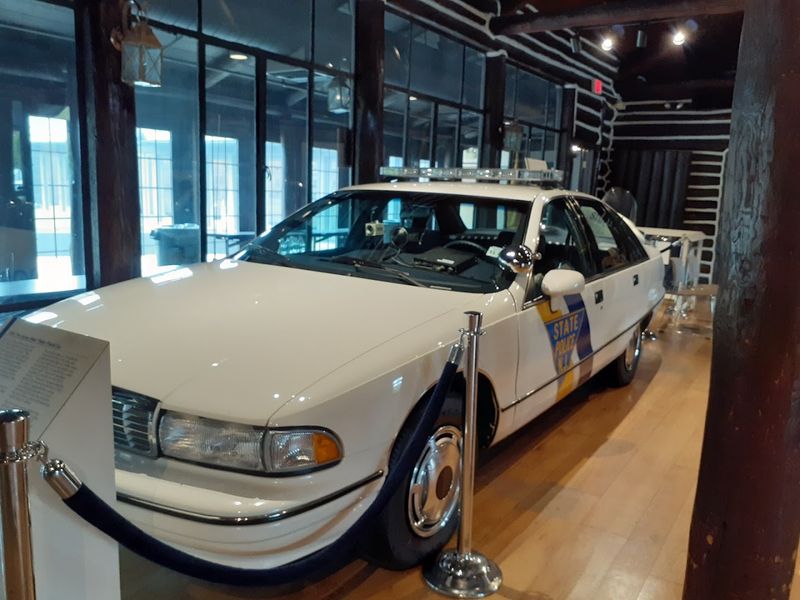
The layout flows logically from one era to the next, making the whole experience feel like a walk through a living timeline. Vintage patrol vehicles, early radio equipment, and training materials give each decade its own distinct character.
The transitions between sections feel smooth and intentional.
Detailed placards accompany every major display, written in clear language that works for both adults and younger visitors. Nothing is buried under overly technical jargon.
The goal seems to be genuine understanding, and it succeeds.
There is also a long corridor that connects the main building to the original log cabin headquarters, lined with photographs and tributes to officers who served. Walking that corridor feels like a quiet, respectful pause in the middle of the visit.
It sets a reflective tone that carries through the rest of the experience.
Mystery and Memorabilia Inside
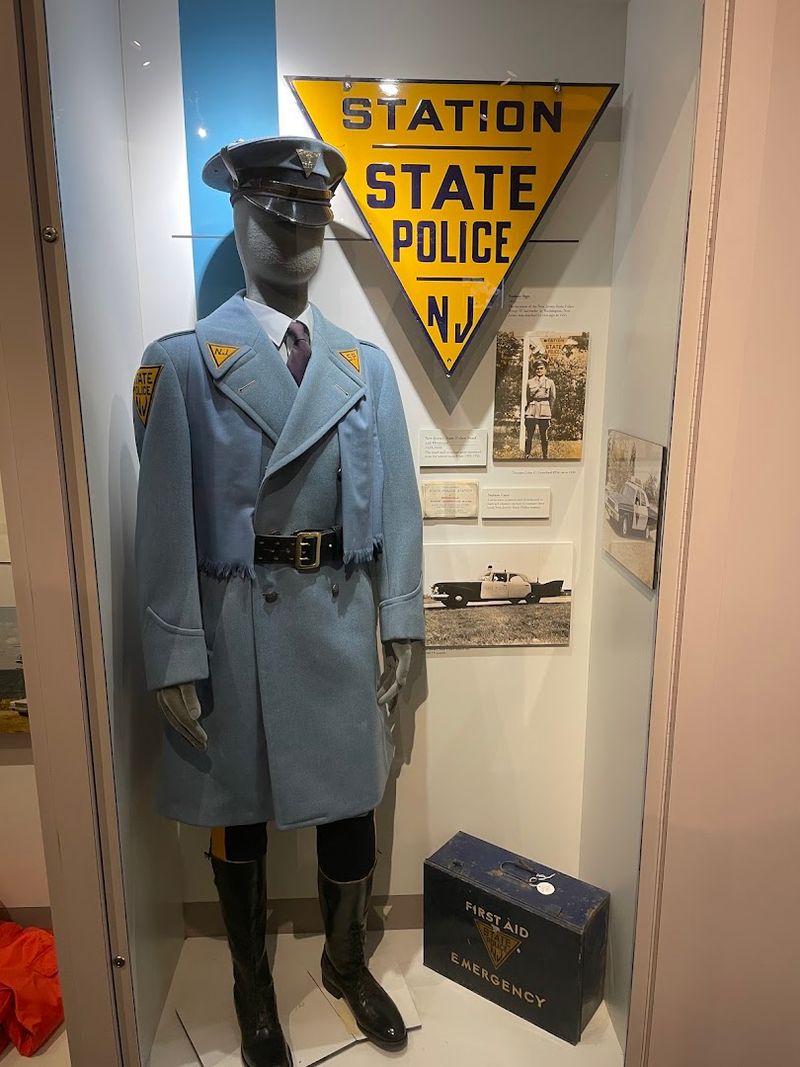
Beyond the headline cases, this museum holds an almost surprising breadth of memorabilia that covers every corner of police work. Uniforms dating back to the 1920s hang in careful preservation, each one telling a story about the era it came from.
Confiscated weapons, polygraph machines, and early crime lab equipment fill entire sections on their own. Each item carries its own backstory, and the museum does a solid job of connecting objects to context.
Curiosity stays high throughout.
There is something almost meditative about moving through a collection this varied. You find yourself making unexpected connections between different eras of law enforcement.
The evolution of tools and techniques across a century becomes genuinely visible.
K-9 unit displays and tribute pavers add warmth to what could otherwise feel like a strictly serious space. The memorabilia here celebrates the full human dimension of police work, not just the dramatic cases.
It rounds out the visit in a way that feels complete and satisfying. Every shelf and case holds something worth a second look.
Handcuffs, Evidence, and Justice
The path from a crime scene to a courtroom is rarely simple, and this museum does an exceptional job of making that journey visible. Physical evidence, from handcuffs to forensic tools, is displayed in ways that highlight the painstaking work behind each case.
One of the most engaging features is the interactive crime scene investigation exhibit. Visitors get to step into the detective role, examining fibers, analyzing fingerprints, and working through clues.
It brings the investigative process to life in a hands-on, memorable way.
Seeing actual restraint tools and evidence collection equipment from different decades gives you a real appreciation for how much the process has changed. Early methods were remarkably resourceful given the limited technology available.
The ingenuity on display is consistently impressive.
This section tends to draw a lot of engagement from younger visitors especially. The combination of real artifacts and interactive elements makes abstract concepts suddenly tangible.
Justice, as a process, stops feeling like a distant idea and starts feeling like something built piece by careful piece. That shift in perspective is genuinely powerful.
Free Museum, Famous Artifacts
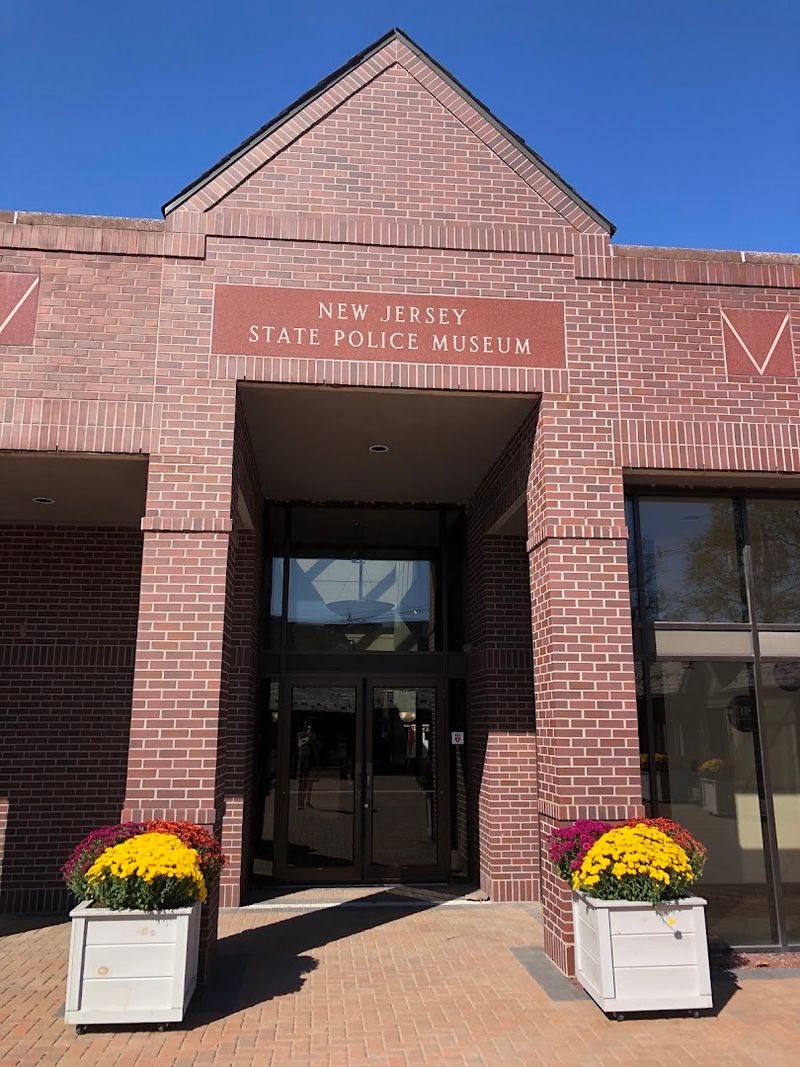
It keeps coming back to this: the fact that all of this is completely free is remarkable. A collection of this caliber, with artifacts tied to nationally known cases, would command a serious admission price at most institutions.
Here, the doors are simply open.
The famous artifacts on display are not replicas or recreations. These are the real items, preserved and presented with genuine care.
That authenticity gives the entire museum a credibility that is immediately felt.
From the Lindbergh kidnapping evidence to Old Smokey to vintage patrol vehicles, the range of famous objects is wide and consistently impressive. Each one carries a story that extends well beyond the walls of the building.
The collection rewards curiosity at every turn.
Accessibility matters deeply when it comes to public history, and this museum understands that. Families, students, history lovers, and curious visitors of all backgrounds can walk in without hesitation.
Making this kind of cultural and historical richness freely available is a genuine public service. It deserves far more visitors than it currently receives.
Where Notorious Cases Come Alive
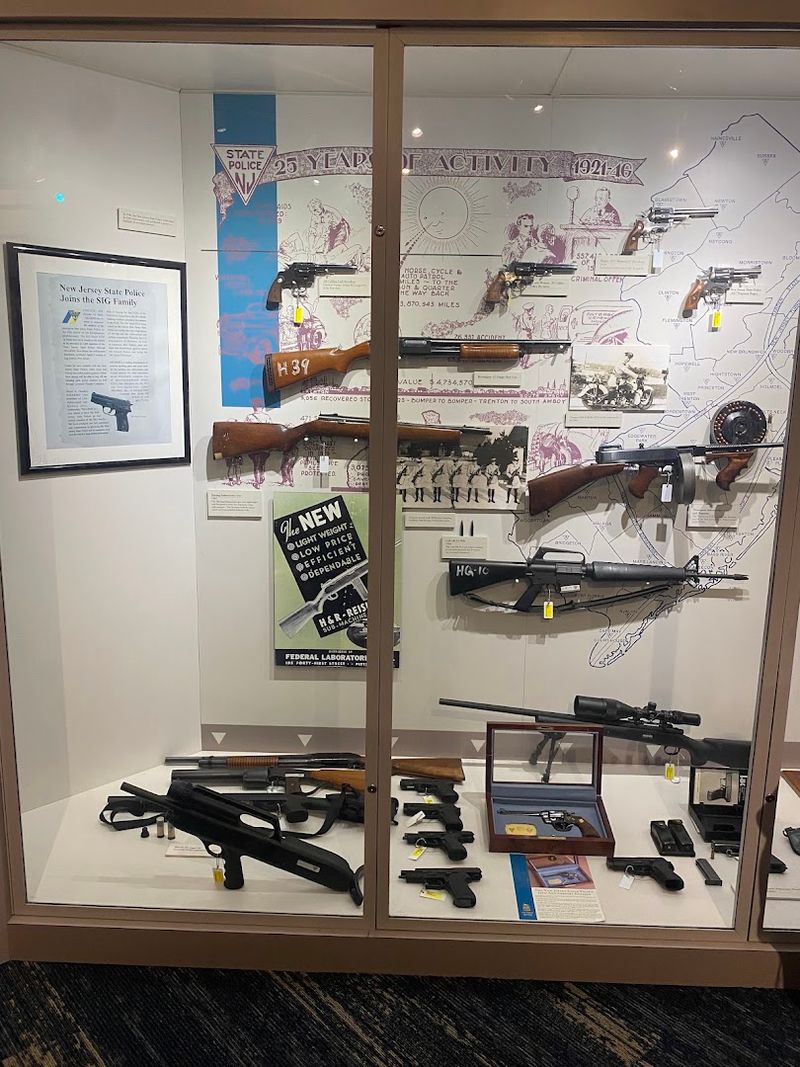
Some museums display history. This one makes you feel it.
The difference is in the details, the way each exhibit is layered with photographs, documents, and physical objects that collectively pull you into another time.
The Lindbergh case is the most prominent, but it is far from the only story told here. Other significant investigations handled by the New Jersey State Police are presented with equal care and depth.
The scope of the collection reflects a full century of serious law enforcement work.
Historical photographs throughout the museum add a powerful visual dimension to the written records. Faces, scenes, and moments frozen in time give the exhibits an emotional resonance that purely textual displays cannot match.
You find yourself pausing longer than expected at each one.
The museum honors both the complexity of the cases and the dedication of the officers who worked them. Nothing is sensationalized.
The tone throughout is thoughtful and respectful, which makes the stories land even harder. Notorious history, handled with this kind of care, becomes something genuinely educational and moving.
Step Into Law Enforcement’s Past
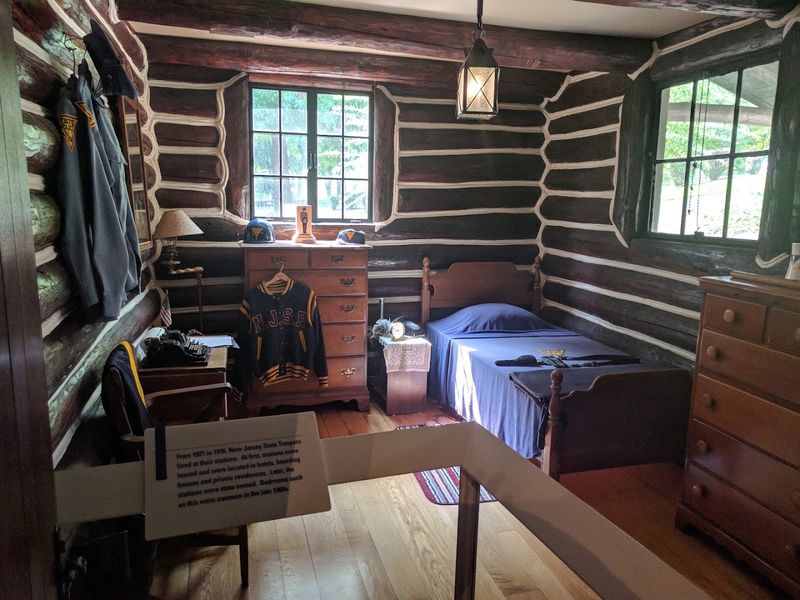
The original log cabin that served as the first headquarters for the New Jersey State Police is one of the most quietly remarkable stops on the visit. Standing inside it connects you directly to 1921, to the very beginning of the force.
The simplicity of the structure makes its history feel even more vivid.
A long tribute corridor leads to the cabin, lined with photographs and stories of troopers who gave their lives in service. Walking it slowly is the right way to do it.
The weight of that history is worth honoring with a few extra minutes.
The museum as a whole spans more than a hundred years of law enforcement evolution, from horseback patrols to helicopters and modern forensic labs. That arc, from humble origins to sophisticated operations, is genuinely inspiring to witness laid out in one place.
The progression feels earned.
Leaving the museum, there is a real sense of appreciation for the institution it celebrates. This is a place that respects its own history and shares it generously.
Address: 1040 River Rd, Ewing Township, NJ 08628, United States.
