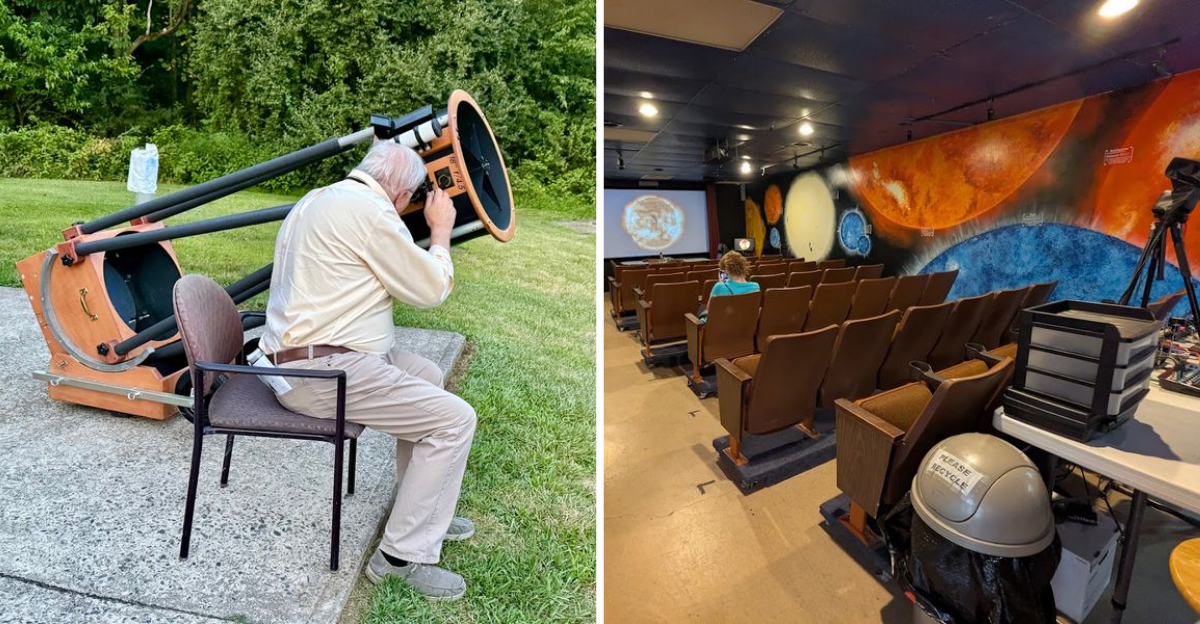
Look up and prepare to have your mind completely blown.
Set inside a state park sits an observatory with a giant telescope that lets you see Saturn’s rings and Jupiter’s moons up close.
This is not some tiny backyard setup, this is a serious piece of equipment that gives you a front row seat to the universe.
You do not need a degree in astrophysics, just a sense of wonder and a clear night sky.
The best part is that admission is completely free, but you will need to check the schedule because this cosmic adventure only runs on select dates.
New Jersey offers this stargazing experience for anyone willing to make the drive, and it is absolutely worth the trip.
Just remember to look up.
Home To New Jersey’s Largest Public Telescope
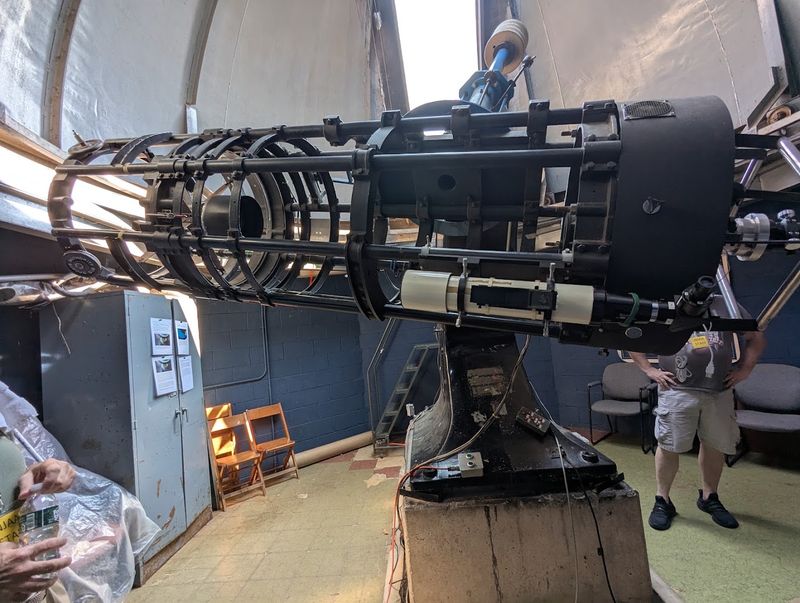
Walking through the doors of the Paul Robinson Observatory for the first time, there is an immediate sense that something genuinely special lives here.
The New Jersey Astronomical Association operates what is widely recognized as the largest public telescope in the entire state, and standing beneath it makes that claim feel completely believable.
This observatory is not a corporate attraction or a polished museum exhibit. It is a working scientific facility run by passionate volunteers who are thrilled to share it with anyone curious enough to show up.
The telescope itself dominates the room, drawing every eye upward from the moment you step inside. For families, solo visitors, and curious students alike, peering through this instrument offers a perspective that is hard to put into words.
The NJAA has made it their mission to keep this remarkable experience free and open to the public throughout the season, which says everything about the kind of community they have built over the decades.
A 26-Inch Cassegrain Reflector That Weighs Over Four Tons
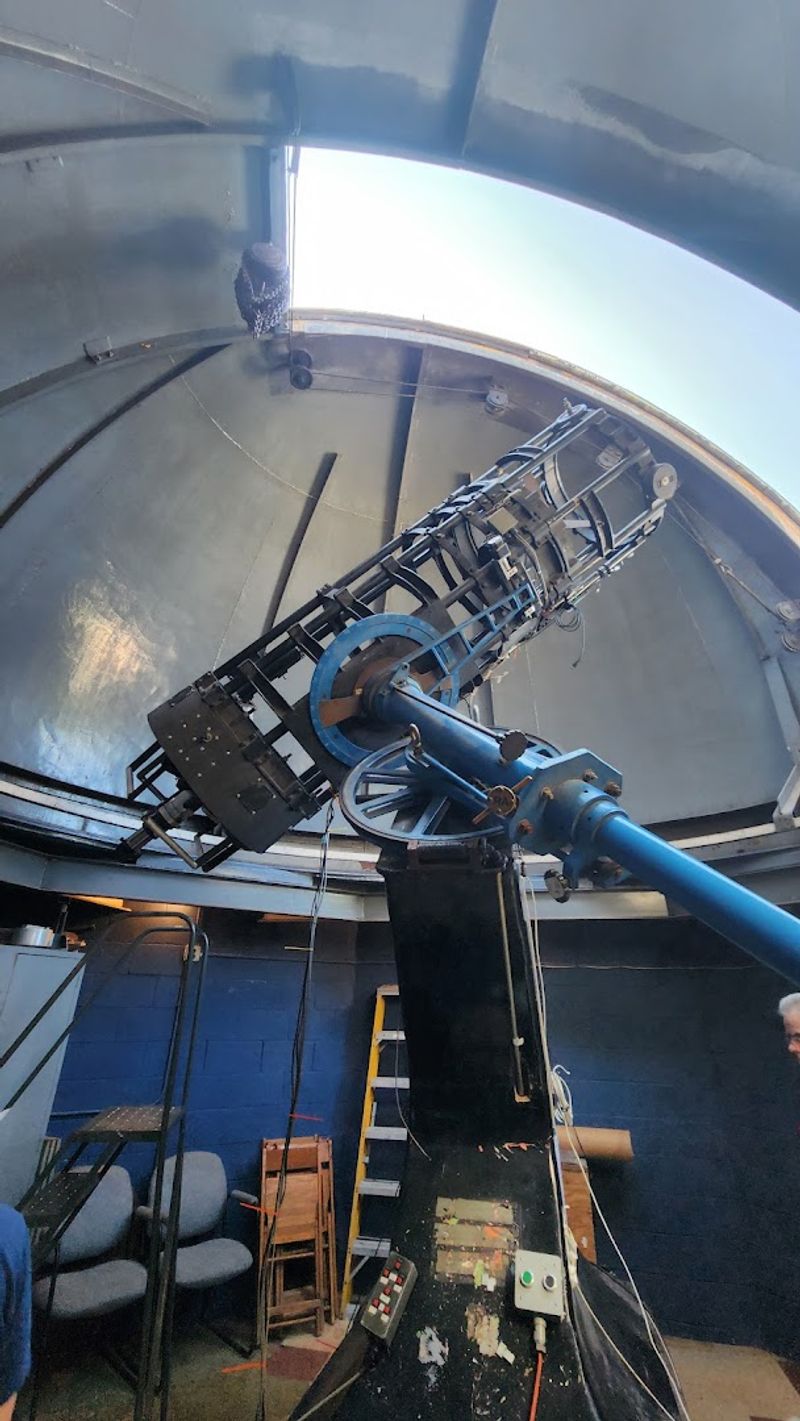
Four tons. Let that number settle in for a moment, because that is exactly how much the observatory’s crown jewel tips the scales at.
The 26-inch Cassegrain reflector telescope at the heart of the Paul Robinson Observatory is a genuinely staggering piece of machinery, standing fifteen feet above the observatory floor.
Originally built as a Newtonian reflector, the telescope was later converted to its current Cassegrain configuration. That redesign made a real difference for visitors, allowing comfortable viewing without having to contort into awkward positions just to reach the eyepiece.
The primary mirror alone measures a full twenty-six inches across, which helps explain why the views through this instrument are so dramatically different from anything a backyard telescope can offer.
Distant galaxies, star clusters, and planetary details snap into focus with a clarity that genuinely surprises first-time visitors.
It is the kind of telescope that makes you want to reschedule your entire weekend just to come back on a clearer night.
The Massive Mount Is Anchored 20 Feet Into Bedrock
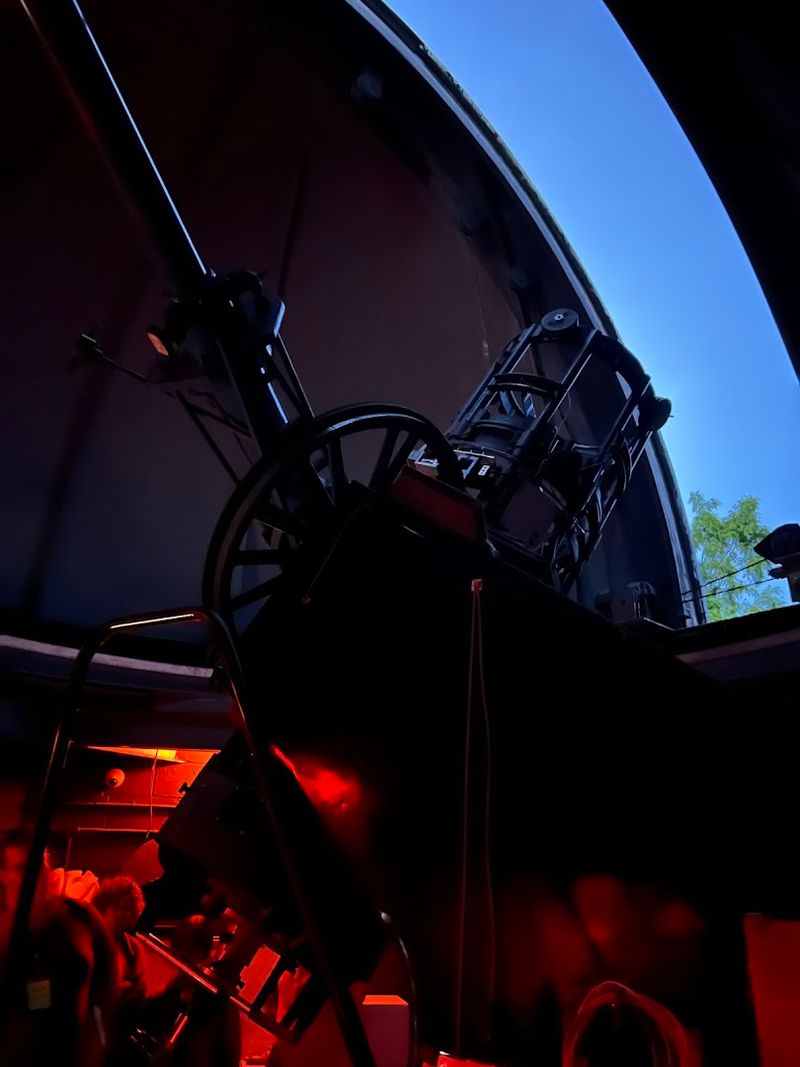
Steadiness is everything in astronomy. Even the tiniest vibration can turn a crisp planetary image into a blurry smear, which is why the engineering behind this telescope’s mount is just as impressive as the optics themselves.
The iron casting that supports the 26-inch reflector stands nearly seven feet tall on its own. But the real engineering feat happens underground, where the mount is anchored a full twenty feet down into solid bedrock beneath the mountain.
That kind of foundation essentially isolates the telescope from road vibrations, footsteps, and even strong winds that might otherwise compromise the view.
The mount itself is a modified German Equatorial design with a history rooted in research at Indiana University, giving it a pedigree that matches its physical presence.
Visitors rarely think about what lies beneath the floor when they are busy marveling at Saturn’s rings or a distant star cluster, but that hidden foundation is quietly doing some of the most important work of the entire evening.
Founded By Seven Amateur Astronomers In 1965
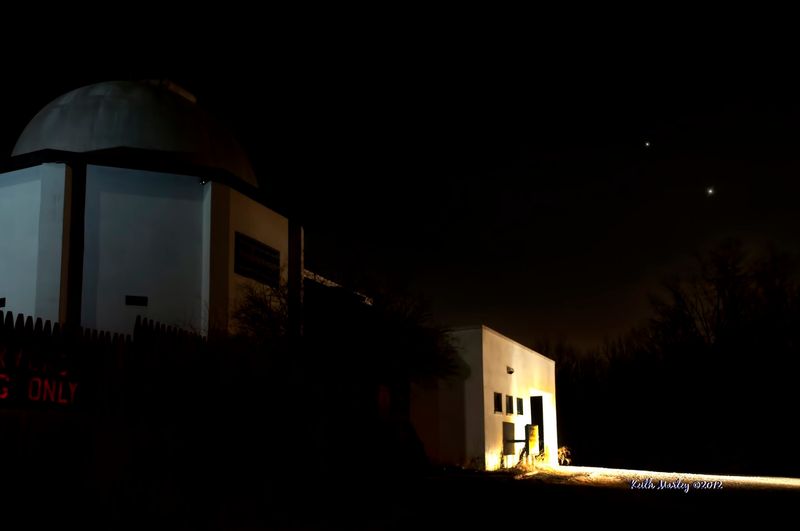
Seven people with a shared dream and a love for the night sky. That is all it took to set this whole story in motion back in 1965.
The New Jersey Astronomical Association was born from a small but determined group of amateur astronomers who wanted to build something meaningful, something that could bring the universe closer to ordinary people.
From those modest beginnings, the organization has grown into a thriving community of more than 300 members. That kind of growth does not happen by accident.
It comes from decades of consistent dedication, volunteer effort, and a genuine belief that astronomy belongs to everyone, not just those with advanced degrees or expensive personal equipment.
The founding spirit still runs through everything the NJAA does today. Public nights, solar sessions, and lecture series all trace their roots back to that original vision from six decades ago.
There is something quietly moving about standing inside an observatory that started with just seven people looking up and deciding to do something about it.
Free Public Stargazing Every Saturday Night
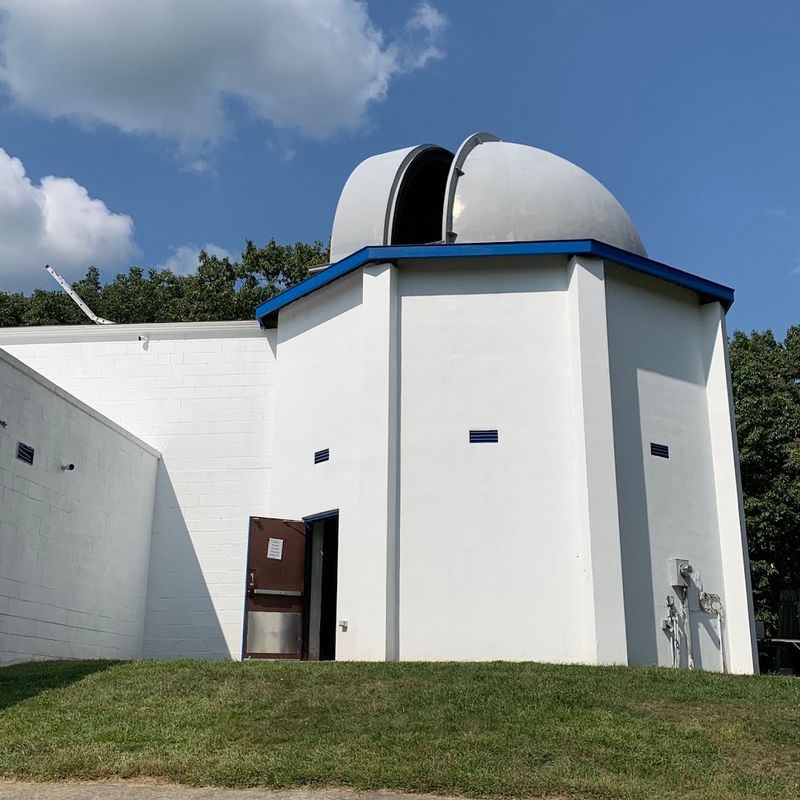
Free admission to one of the most powerful public telescopes in New Jersey every single Saturday night. That is not a limited-time offer or a special promotional event.
It is simply how the NJAA has chosen to operate, and it is one of the most generous things about this place.
Sessions kick off at 8:30 PM with a welcome from the observatory’s Qualified Observers, who walk visitors through the facility and share a bit of the NJAA’s history before the real stargazing begins.
From there, multiple telescopes including the massive 26-inch instrument are set up for public use, weather permitting.
There are no tickets to book and no fees to pay at the door. Families, couples, solo wanderers, and school groups all show up and are treated with the same warmth and enthusiasm.
Clear skies are the only thing that can cancel the fun, so checking the forecast before heading out is always a smart move. The experience of seeing a planet or galaxy up close for the first time is genuinely unforgettable.
Sunday Afternoon Solar Viewing Sessions
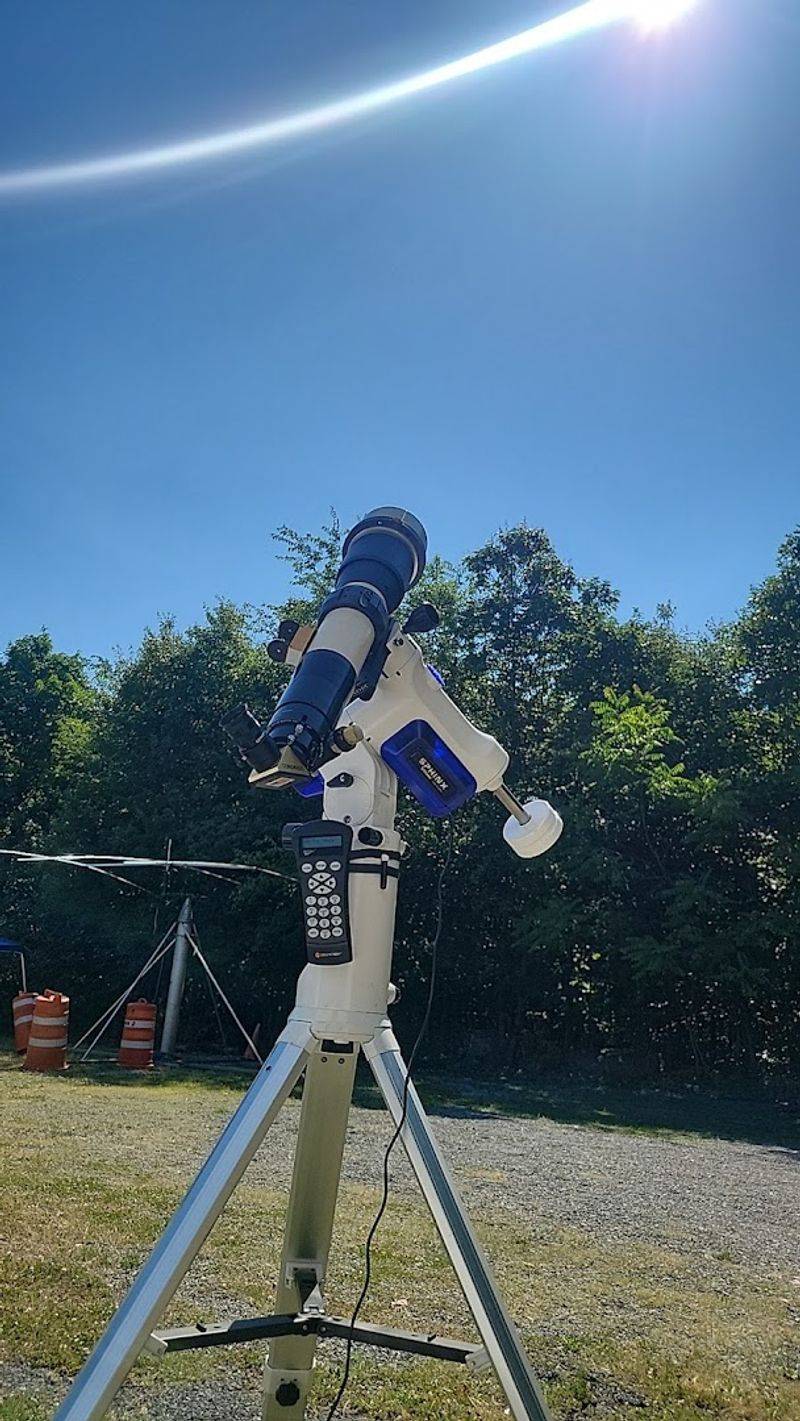
Most people do not associate telescopes with sunny Sunday afternoons, but the NJAA flips that assumption completely on its head.
Solar viewing sessions run every Sunday from June through November, starting at 2:00 PM, and they offer a completely different kind of astronomical experience from the nighttime events.
The sessions begin with a guided tour of the facility, giving newcomers a chance to understand the layout and the various instruments housed there before heading outside to look at the Sun.
Specially filtered telescopes make it possible to safely observe the solar surface, revealing sunspots, prominences, and other dynamic features that most people have never seen up close.
Seeing Jupiter during the daytime through the observatory’s equipment is something visitors frequently mention as a highlight that genuinely caught them off guard.
The afternoon format also makes these sessions a fantastic option for younger kids who might struggle to stay awake for a late-night stargazing event.
Clear skies are required here too, so a quick weather check before the drive is always worthwhile.
Guest Speakers On The Fourth Saturday Of Each Month
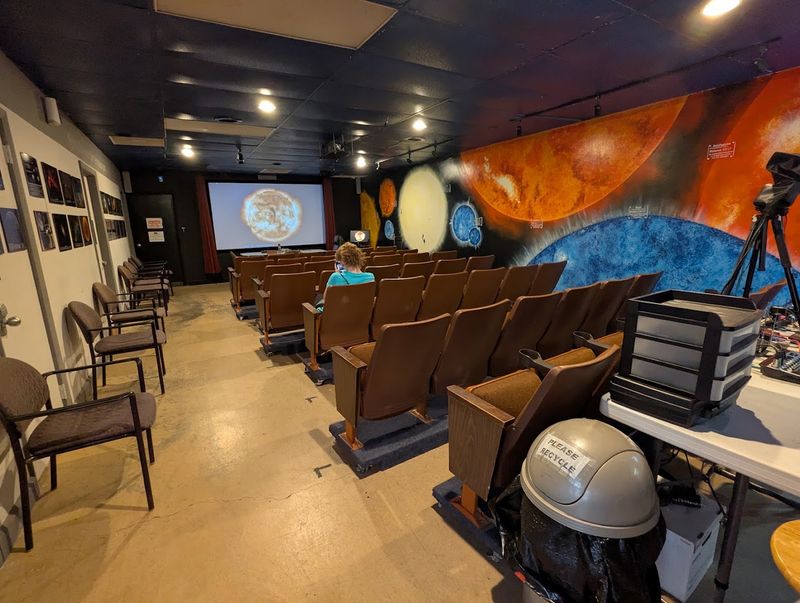
The Fourth Saturday Lecture Series is one of those programs that quietly elevates the entire observatory experience beyond simple telescope viewing.
Once a month, the NJAA brings in a guest speaker to explore topics across the wide and endlessly fascinating world of astronomy and space science.
These public presentations begin at 8:30 PM and run through October, covering everything from cutting-edge research to historical discoveries that shaped our understanding of the cosmos. The format is approachable and engaging, designed for curious minds rather than academic specialists.
For anyone who cannot make the drive out to Glen Gardner, the NJAA streams these talks live on their YouTube channel, which is a genuinely thoughtful touch that expands access well beyond the observatory walls.
Attending one of these evenings in person adds a whole extra layer to the visit, pairing the intellectual excitement of a great talk with the physical thrill of looking through a world-class telescope afterward.
It is the kind of combination that makes a Saturday night feel surprisingly well spent.
A Dark Sky Escape From New Jersey’s Light Pollution
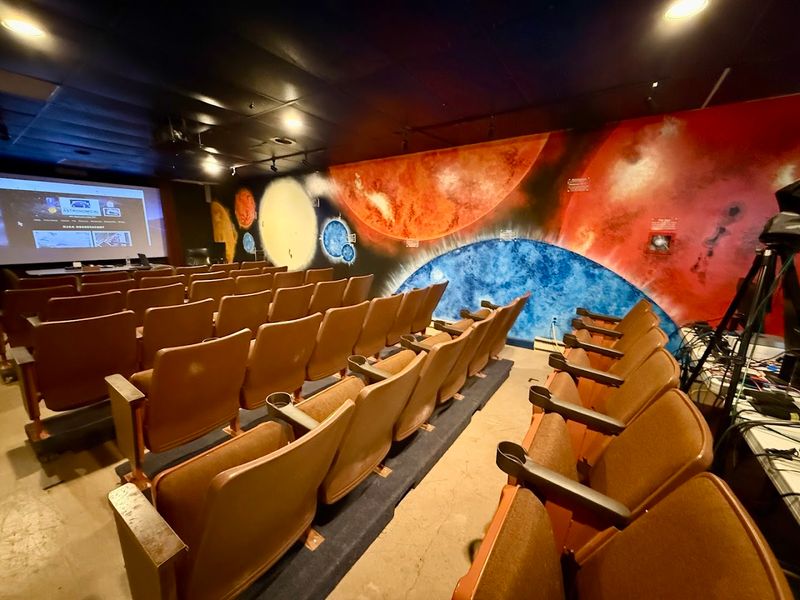
Finding dark skies in New Jersey takes some effort. The state is densely populated and brightly lit, which makes genuine stargazing difficult from most backyards and neighborhoods.
The NJAA observatory’s location on a mountain within Voorhees State Park gives it a meaningful advantage over most spots in the region.
The elevation and surrounding woodland create a natural buffer from the worst of the light pollution, resulting in skies that are noticeably darker and richer than what most visitors are used to seeing. That difference becomes obvious the moment your eyes adjust and the stars begin to multiply overhead.
Organizations like DarkSky New Jersey actively advocate for protecting places like this, recognizing how rare and valuable a genuinely dark sky has become in the modern landscape.
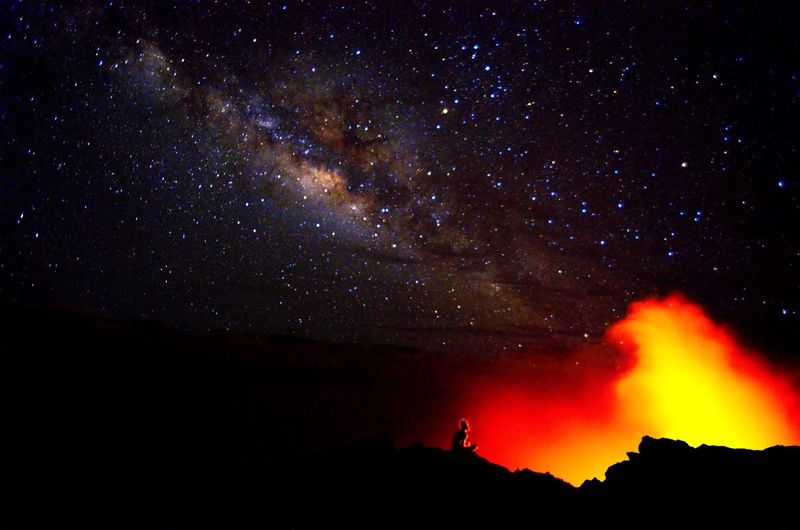
For urban and suburban residents who have grown up never really seeing the Milky Way, an evening at this observatory can feel like discovering an entirely different world sitting right above their heads.
That kind of perspective shift is hard to put a price on.
Bring Your Own Telescope And Get Expert Help
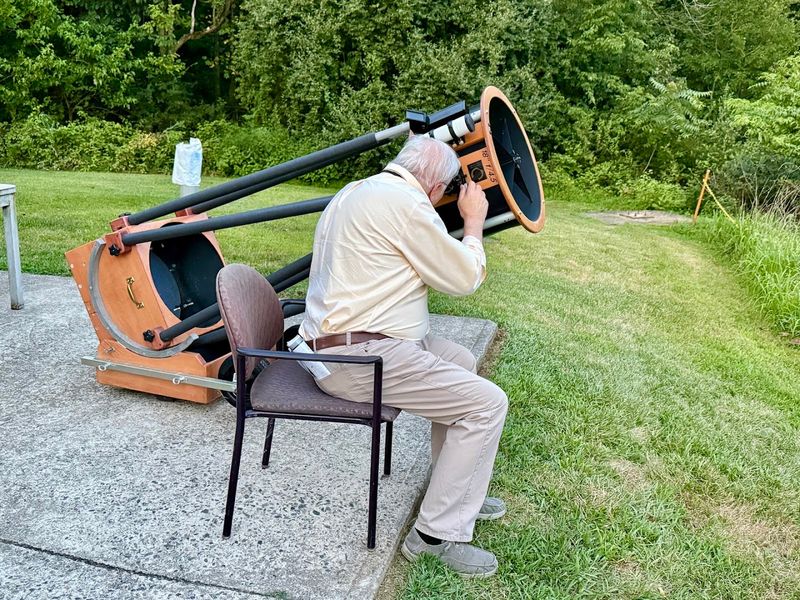
Owning a telescope and actually knowing how to use it well are two very different things.
Public nights at the NJAA are specifically designed to help bridge that gap, welcoming visitors to bring their own equipment and get hands-on guidance from experienced astronomers.
The Qualified Observers on duty during these sessions are enthusiastic helpers, whether you need advice on polar alignment, tips on finding specific objects, or recommendations on what to buy next.
They approach every question with genuine patience and excitement, making even the most basic inquiries feel welcome.
For someone who just unboxed their first telescope and is still figuring out which end to look through, this kind of personalized support is invaluable. There is no judgment here, only encouragement and practical knowledge freely shared.
Bringing your own scope also means you leave with a better understanding of your own equipment, which makes every future stargazing session more rewarding. It is a rare opportunity to learn from people who have spent years mastering the art of finding things in a very large, very dark sky.
Seasonal Hours From June Through November
The observatory runs on a seasonal rhythm that feels perfectly matched to the natural world around it.
From June through November, the NJAA opens its doors to the public on both Saturday evenings and Sunday afternoons, creating a reliable window for anyone who wants to plan a visit around the stars.
That six-month stretch covers some of the finest stargazing conditions the region has to offer, from warm summer nights ideal for galaxy hunting to crisp autumn evenings when the seeing can be especially sharp.
The seasonal calendar also gives the observatory a sense of occasion, making each visit feel like it belongs to a specific time of year rather than a generic attraction open 365 days.
Checking the NJAA website before visiting is always a good idea, since sessions depend on clear skies and schedules can occasionally shift.
The observatory is located at the Buzz Aldrin Astronomical Center within Voorhees State Park, making the drive through the park itself a pleasant part of the experience.
Address: 1 Observatory Rd, Glen Gardner, NJ 08826.
