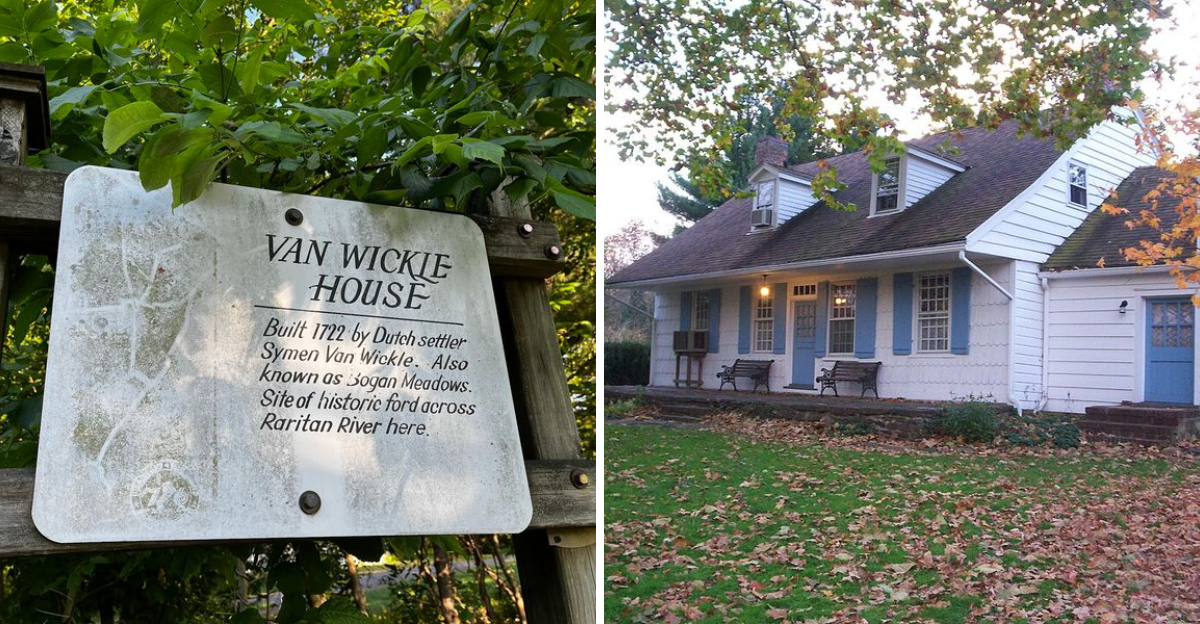
Some houses get a plaque. This one got a battlefield.
A 272-year-old New Jersey home that watched the Revolution unfold from its front windows.
Built by a Dutch-American family in the early 1700s, it later became a makeshift hospital for wounded soldiers during the war.
You have probably walked past old houses before. The kind that look pretty but hold no secrets.
This one is different.
It held soldiers, surgeries, and stories you would not believe.
Today, it is a museum that hosts candlelight concerts and Dutch Santa festivals. History does not always require a grand stage.
Sometimes it just needs a house with a lot of character and a few ghosts in the attic.
272 Years of History, One Revolutionary House
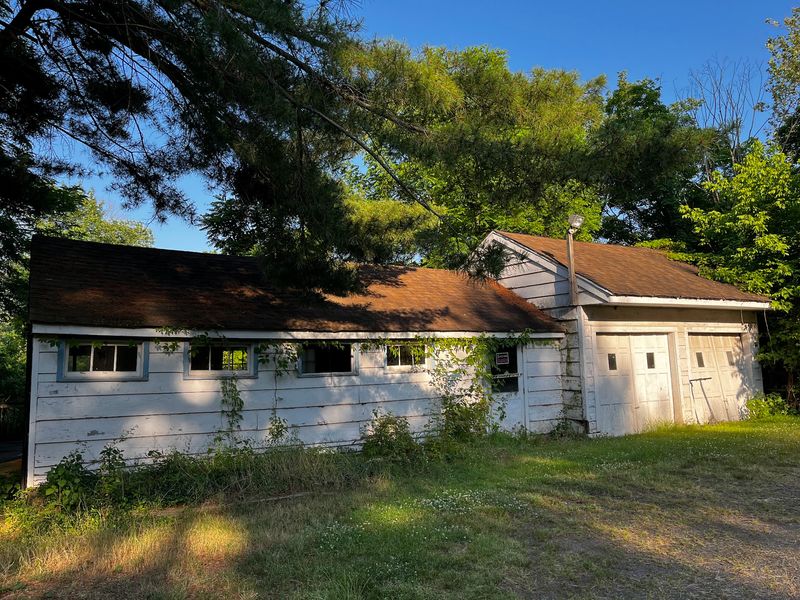
Standing at the edge of a quiet stretch of Easton Avenue, the Van Wickle House carries more than three centuries of American memory in its walls. Most buildings this old have crumbled, been rebuilt, or quietly disappeared from the map.
This one held on.
Built in 1722, the house has outlasted wars, floods, and the relentless march of suburban development around it. That kind of endurance is genuinely rare.
Somerset County has very few structures that can claim this level of age and architectural integrity.
Every beam, every shingle, and every stone foundation block represents a chapter of early American life that textbooks can only partially capture. Walking the grounds feels different from reading about it.
The house is not just old, it is a living timestamp of what this region looked like before the United States even had a name. For history lovers, that is an almost overwhelming thought to sit with.
Built in 1722, Healed in War
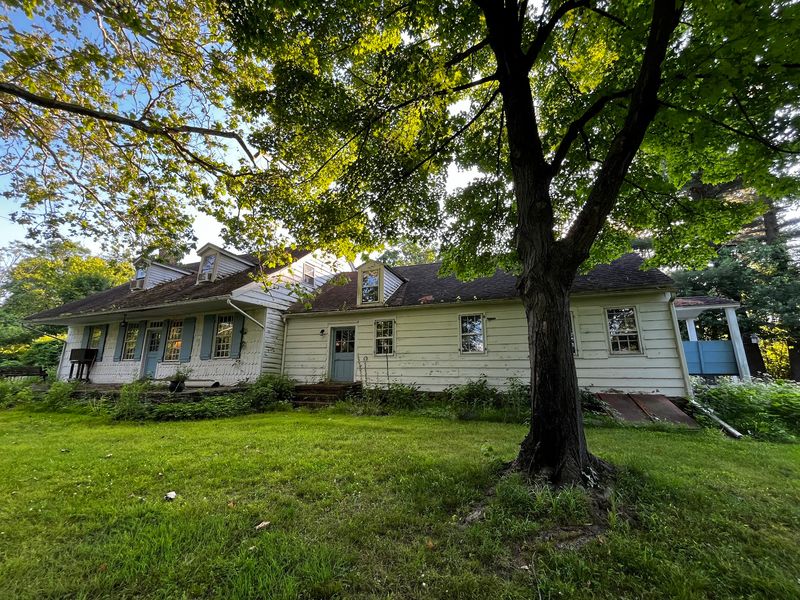
The year 1722 is not just a number stamped on a datestone near the porch. It represents a moment when colonial New Jersey was still very much figuring itself out, and someone decided to build something meant to last.
That decision paid off in ways no one could have predicted.
Symen Van Wickle is credited with raising this structure, and the craftsmanship reflects a builder who took the work seriously.
The frame construction filled with brick, the anchorbent post-and-beam interior, and the original split shingles on the east facade all point to a builder who understood permanence.
When the Revolutionary War arrived decades later, the land surrounding this house became part of a much larger and far more dangerous story. British troops occupied the Van Wickle landholdings during the late winter and spring of 1777 while encamped at Raritan Landing nearby.
A peaceful family home suddenly found itself at the center of a colonial conflict that would reshape an entire continent.
The Home That Became a Wartime Hospital
Few homes carry the kind of weight that comes with being part of a wartime landscape. The Van Wickle House sat squarely in territory that British forces moved through during one of the most critical periods of the Revolutionary War.
The landholdings here became occupied ground.
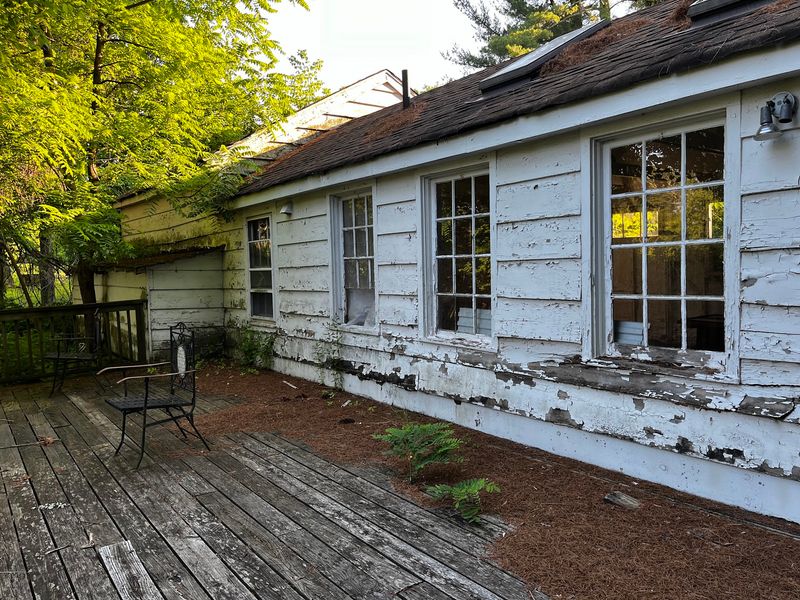
Imagining what those months felt like in early 1777 is not difficult when you are standing on the property. The wide, swept overhanging roof, the stone foundation, the heavy open beam ceiling inside, all of it suggests a structure built to shelter people through hard times.
Whether as a formal hospital or simply as a refuge, this house was part of a wartime reality that most modern buildings never come close to touching.
The Raritan River nearby made this location strategically important for troop movements and supply lines. A house positioned near an upper fording place on the river would have been impossible to ignore during military operations.
History pressed hard against these walls, and somehow, the walls held.
Somerset’s Oldest Revolutionary Relic
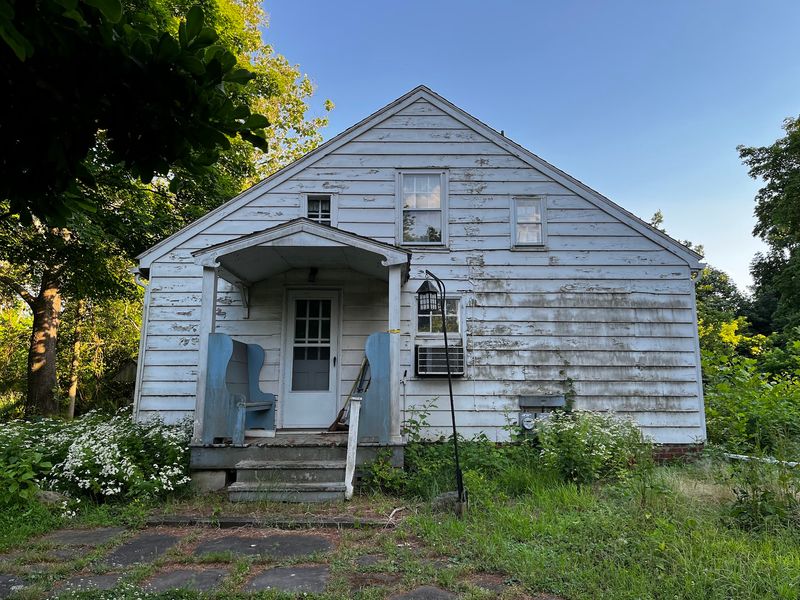
Franklin Township in Somerset County does not have a long list of structures that predate the American Revolution. The Van Wickle House is believed to be the oldest building in the township, and possibly the most ancient surviving structure in the entire county.
That is a title worth pausing over.
Being the oldest surviving building in a region means every other structure that once stood nearby is gone. Storms took some.
Development erased others. Time simply wore out the rest.
The Van Wickle House refused every single one of those endings.
Its survival is a combination of solid original construction and determined community effort in more modern times. The fact that it still stands on Easton Avenue, visible and accessible, makes it something genuinely irreplaceable for Somerset County.
You cannot rebuild authenticity. You cannot reconstruct the actual original beams and shingles of a 1722 home.
What exists here is the real thing, and that matters more than most people realize until they are standing right in front of it.
Dutch Colonial Walls That Witnessed Battle
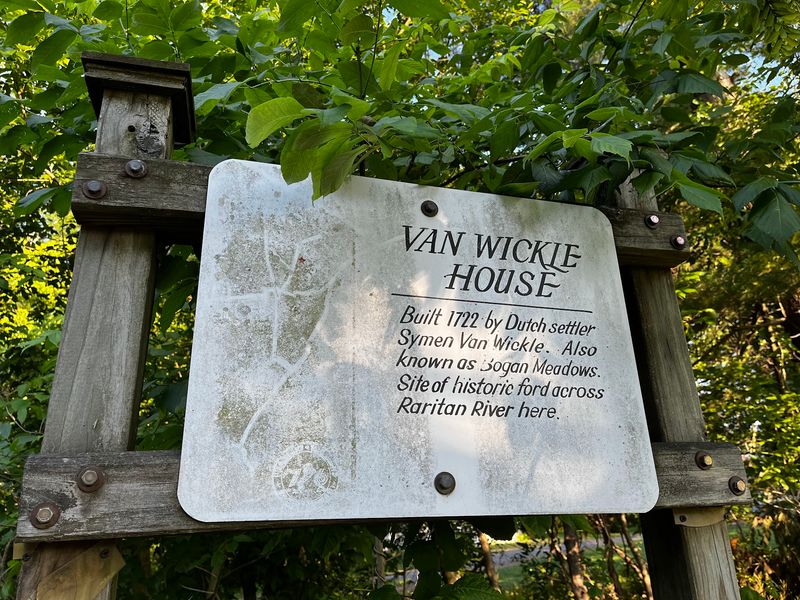
The architectural style of the Van Wickle House is described as Dutch Colonial, but that label barely does it justice.
What was built here is actually a blend of Dutch, Flemish, and English influences that developed uniquely in the New Jersey and New York region during the early 1700s.
There was nothing generic about it.
The wide, swept, overhanging roofline is one of the most distinctive features you see from the outside. It gives the house a low, grounded appearance, like it was designed to hug the earth rather than reach for the sky.
That roof has sheltered this structure through centuries of weather, including the catastrophic flooding from Hurricanes Irene, Sandy, and Ida in more recent decades.
Inside, the massive anchorbent post-and-beam construction is the kind of engineering that modern builders study and admire. The open beam ceiling is dramatic and raw in the best possible way.
These walls did not just witness colonial life, they actively participated in it, standing firm while history moved loudly around them during one of America’s most defining conflicts.
Where Wounded Soldiers Found Shelter
The Raritan River corridor in 1777 was a busy and dangerous stretch of New Jersey. British troops encamped at Raritan Landing moved through the surrounding area for several months, and the Van Wickle landholdings were directly in that path.
This property was not on the sidelines of the Revolution. It was in the middle of it.
A location near the upper fording place of the Raritan River made the Van Wickle property especially significant for troop movements. Soldiers needed shelter, food, and rest.
A sturdy, well-built colonial home with substantial land around it would have been a natural focal point for military activity during those difficult months.
Standing on the grounds today, with the Delaware and Raritan Canal running between the house and the river, it takes some imagination to strip away the 19th and 20th-century additions to the landscape. But the bones of that 1777 world are still here.
The house, the river nearby, the land itself all carry that history in ways that feel almost physical when you slow down enough to feel them.
A National Register Gem Since 1973
On December 4, 1973, the Van Wickle House officially joined the National Register of Historic Places. That designation is not handed out lightly.
A property has to demonstrate genuine significance in areas like architecture, history, or cultural heritage before the federal government recognizes it at that level.
For the Van Wickle House, the listing specifically acknowledges its importance in the areas of architecture and 18th-century settlement patterns. Both categories make complete sense given what this structure represents.
A rare, surviving example of early Dutch Colonial construction in New Jersey deserves that kind of recognition.
National Register status also brought a layer of protection and visibility that helped fuel later preservation efforts. When developers threatened the property in 1976, the existing recognition of its historical value gave community advocates a powerful argument for saving it.
The Meadows Foundation formed in response to that threat, eventually securing the property and transferring it to Franklin Township in 1977. Without the 1973 designation laying groundwork, the outcome might have been very different.
A House That Served When the Nation Fought
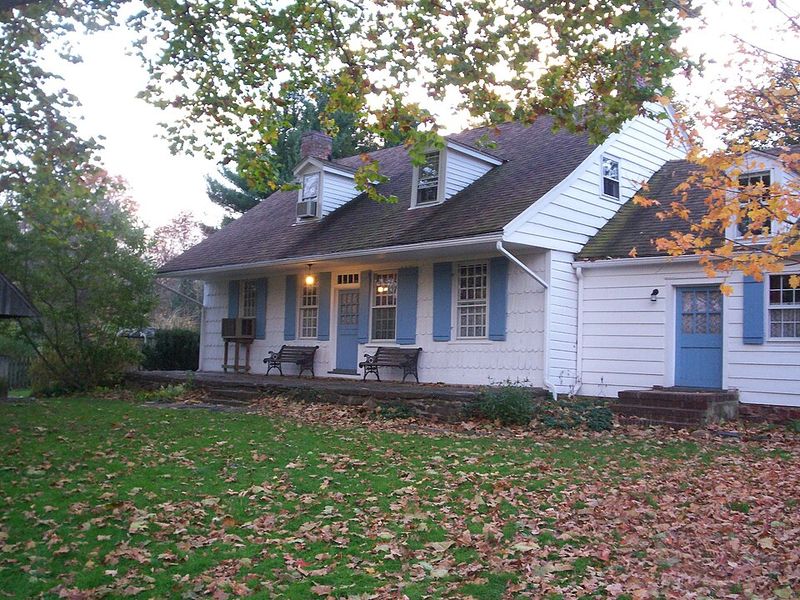
There is a particular kind of respect that a place earns when it has been standing since before the United States existed. The Van Wickle House was already decades old when the Revolutionary War began.
By the time British troops occupied the surrounding landholdings in 1777, this house had already sheltered a family through the uncertainties of early colonial life.
The property sits near what was once the upper fording place of the Raritan River, a detail that explains why it mattered so much during wartime. Controlling river crossings was essential military strategy.
A well-built home on strategically important land would not have gone unnoticed by troops moving through the region.
Today, the grounds at 1289 Easton Avenue remain a public space where the weight of that history is still quietly present. The Delaware and Raritan Canal, built around 1835 between the house and the river, added another layer to the landscape without erasing what came before.
Visiting this property means standing at the intersection of several centuries of American life, all in one place.
Address: 1289 Easton Ave, Somerset, NJ
