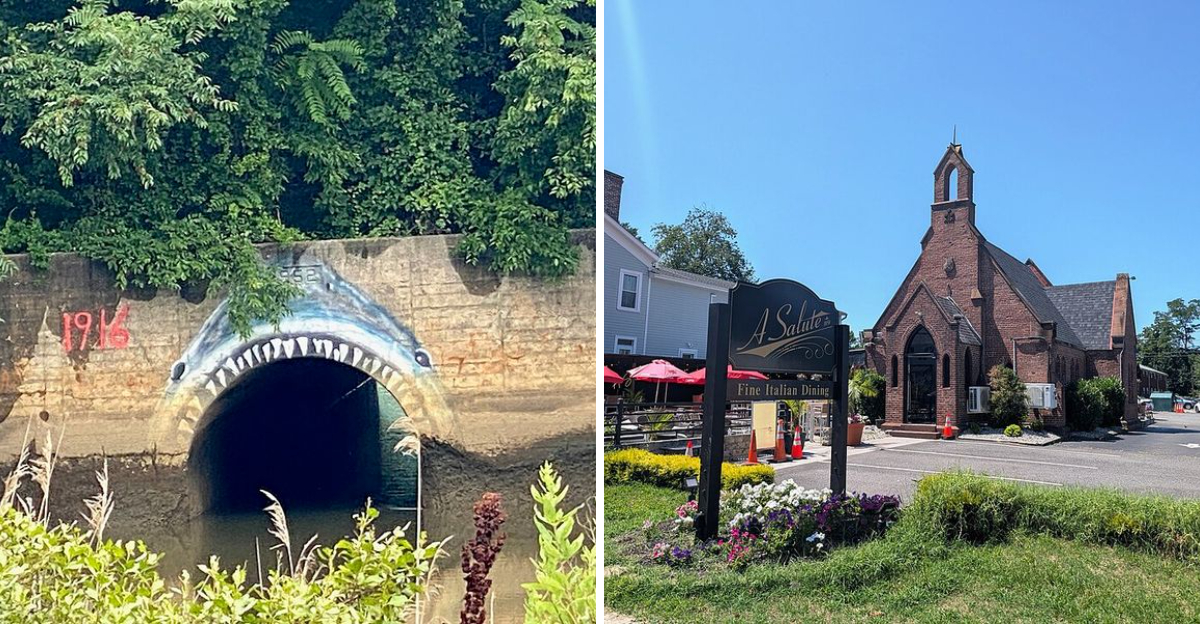
Today, you would never guess it.
The water looks calm. The town feels quiet.
But a century ago, this little New Jersey creek made headlines around the globe.
Something happened here that no one saw coming. You have probably heard of the events that inspired a famous movie.
But the story of this town is different. It happened right in the townsfolk’s backyard.
A group of locals went into the water. Then everything changed.
The town held its breath for days. The creek is shallower now, changed by a dam built years later.
It is a quiet spot, easy to drive past. But once you know what happened here, you will never look at it the same way again.
The Creek That Made Headlines
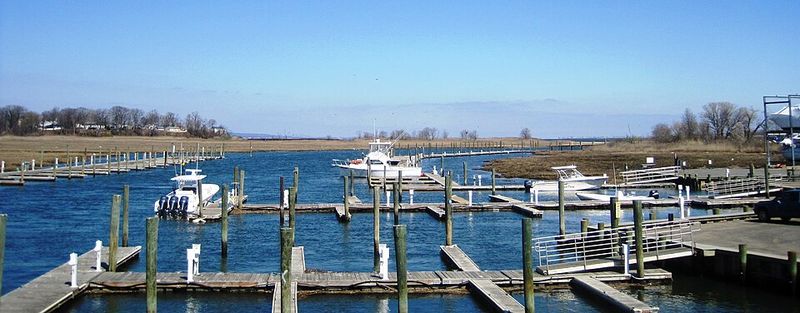
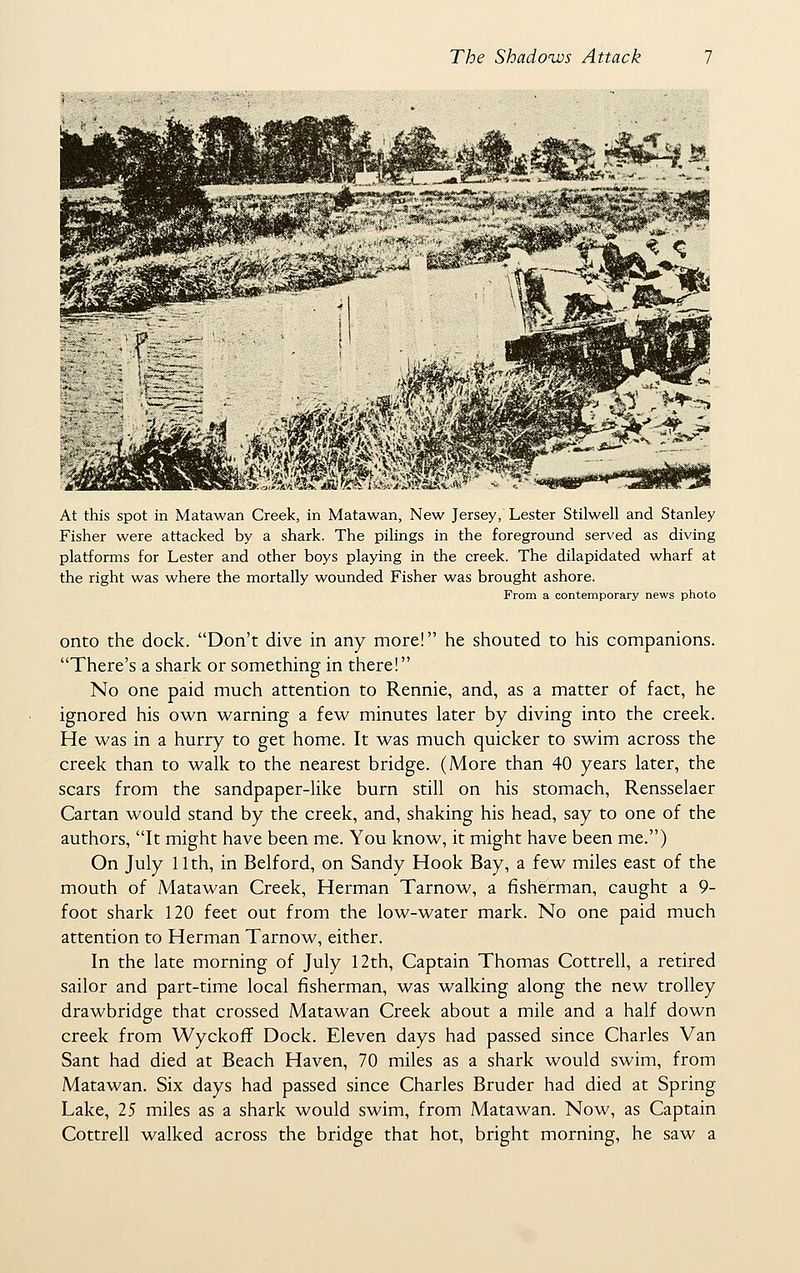
Standing at the edge of Matawan Creek today, the water barely whispers. The surface shimmers in the afternoon light, and nothing about this narrow tidal inlet hints at the extraordinary story buried in its depths.
Yet this unassuming stretch of water, flowing through Monmouth County toward Raritan Bay, became nationally infamous in the summer of 1916.
Before that year, most Americans believed dangerous sharks simply did not travel into temperate, brackish creeks miles from the open ocean. The attacks here shattered that assumption completely.
A local swimming hole transformed overnight into the center of a national panic unlike anything the country had experienced from a marine creature.
The creek’s geography made everything feel impossible. Narrow, muddy, and tidal, it seemed like the last place a large predator would ever appear.
That impossibility is exactly what made the story so gripping. Matawan Creek did not just make headlines; it rewrote what people thought they knew about the ocean and the creatures living inside it.
A Small Town’s Moment of Infamy

Matawan in 1916 was the kind of town where everyone knew their neighbors by name. Located about 1.5 miles inland from Raritan Bay, it felt far removed from the dangers of the open ocean.
Farming, modest commerce, and community life defined its rhythm, not maritime drama.
When retired sea captain Thomas Cottrell reportedly spotted a large shark moving up the creek with the incoming tide, he ran through town trying to warn people. Most dismissed him outright.
A shark in Matawan Creek sounded absurd, almost laughable, to residents who had never connected their quiet waterway to oceanic predators.
That collective disbelief turned into something far more painful by the end of that July afternoon. The town’s moment of infamy was not something its residents sought or welcomed.
Matawan became a name spoken across America, not for its community spirit or its charm, but for a tragedy that unfolded in a creek most outsiders had never heard of before that summer.
Summer of 1916 Terror
The summer of 1916 was already brutal before the attacks began. A relentless heatwave baked the Northeast, and a polio epidemic was spreading fear through cities like New York.
People desperately sought cool water, flooding the Jersey Shore in numbers that made the beaches feel electric with nervous energy.
Two fatal shark attacks had already rattled coastal communities earlier that month. Charles Vansant died on July 1st in Beach Haven, and Charles Bruder was killed on July 6th in Spring Lake.
Scientists and officials struggled to accept that sharks were truly responsible, clinging to old assumptions even as evidence mounted.
By the time Matawan entered the story on July 12th, the season had already been stained with fear. What happened in the creek that day pushed everything further, proving that the danger was not confined to open beaches.
The summer of 1916 became permanently associated with terror in the water, and Matawan sat at the center of its most shocking chapter.
The Shark That Swam Inland
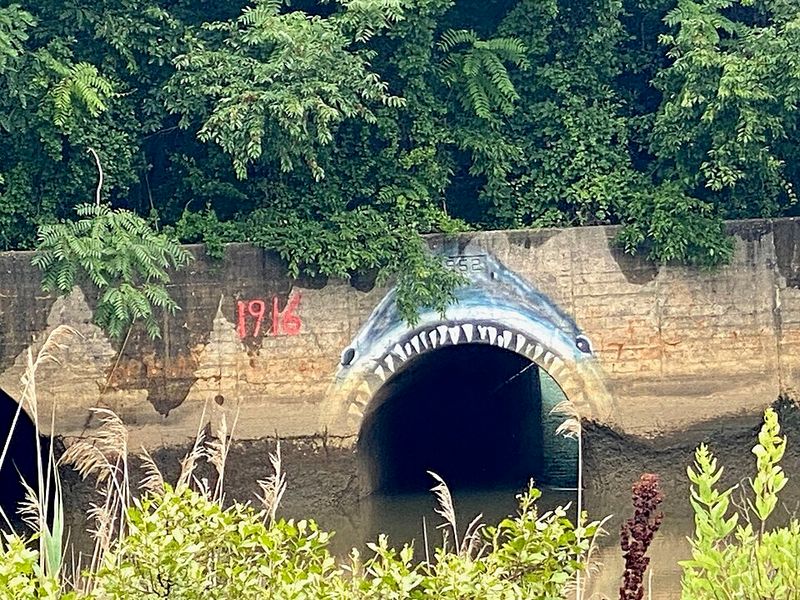
Perhaps the most unsettling part of the Matawan story is the sheer improbability of it. A large shark, navigating roughly 1.5 miles inland through a narrow tidal creek, defied everything that scientists and ordinary people believed about shark behavior at the time.
The creek was brackish, shallow in places, and far from open ocean feeding grounds.
Modern marine biologists largely point to the bull shark as the most likely culprit. Bull sharks possess a remarkable physiological ability to regulate salt levels in their bodies, allowing them to survive in both saltwater and freshwater environments.
They have been documented swimming far up rivers across the globe, making an inland creek far less surprising to today’s researchers than it was to 1916 residents.
Back then, though, the idea felt closer to fiction than science. The shark that swam into Matawan Creek did not just attack people; it fundamentally changed how Americans understood marine life.
That single creature’s inland journey sparked decades of research, debate, and a lasting cultural fascination with what lurks beneath calm water.
Where Jaws All Began
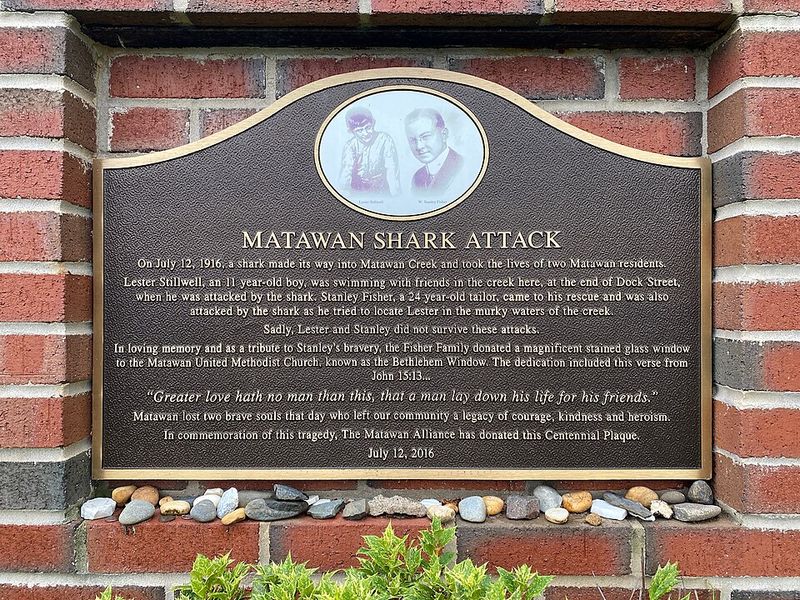
Few people realize that a quiet New Jersey creek may have helped inspire one of the most famous movies ever made.
Peter Benchley’s 1974 novel “Jaws,” and the blockbuster film that followed in 1975, drew on a deep cultural fear of sharks that had been simmering in the American imagination for decades.
The 1916 attacks played a significant role in planting those seeds.
The parallels between the real events and the fictional story are hard to ignore. A summer community disrupted by an unseen predator, initial disbelief from officials, mounting tragedy, and a frantic public response all appear in both the historical record and Benchley’s narrative.
Whether the connection was direct or absorbed through cultural memory, the overlap is striking.
The Matawan Creek attacks helped cement the image of the shark as something deeply threatening in the American consciousness. That cultural shift, built on real grief and real fear, eventually found its way into storytelling.
Matawan’s creek did not just make news in 1916; it quietly shaped popular culture for generations that followed.
National Spotlight on a Small Town
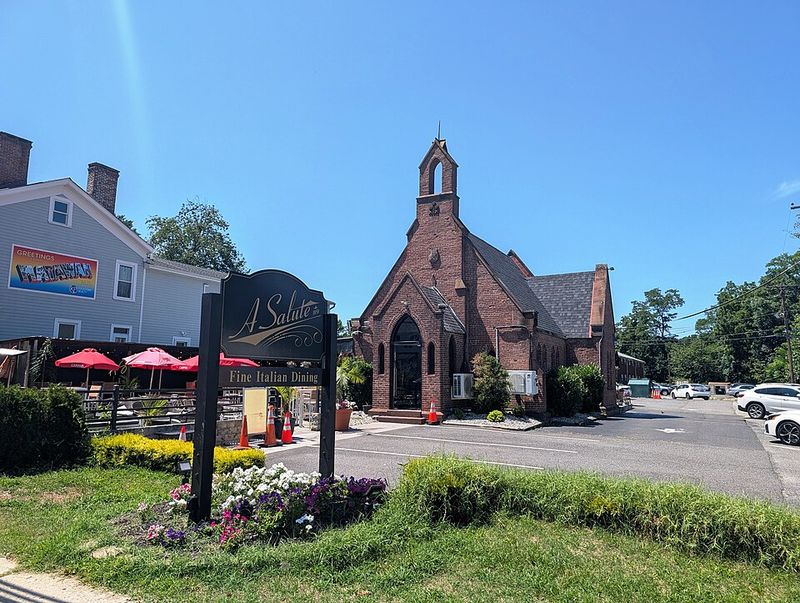
Newspapers across the country scrambled to cover the Matawan story the moment it broke. Headlines like “Man-Eating Shark in Matawan Creek Causes Death of Man and Boy” ran in papers far beyond New Jersey’s borders.
For a brief, terrible period, Matawan became a name known in living rooms from New England to the Midwest.
The media attention triggered something close to mass panic along the Atlantic coast. Telephone lines buzzed with warnings.
Nets were stretched across waterways. Armed groups patrolled beaches and creek banks, determined to hunt down the creature responsible.
The Matawan mayor even offered a reward for any shark caught in the creek, a gesture that captured just how desperate the situation felt.
For a small borough unaccustomed to outside attention, the spotlight was overwhelming. The town had no infrastructure for that kind of scrutiny, no press office or public relations machinery.
Matawan simply had to absorb the national gaze while simultaneously grieving the loss of its own community members. That combination of grief and exposure left a mark that never fully faded.
A Day That Shocked the Nation
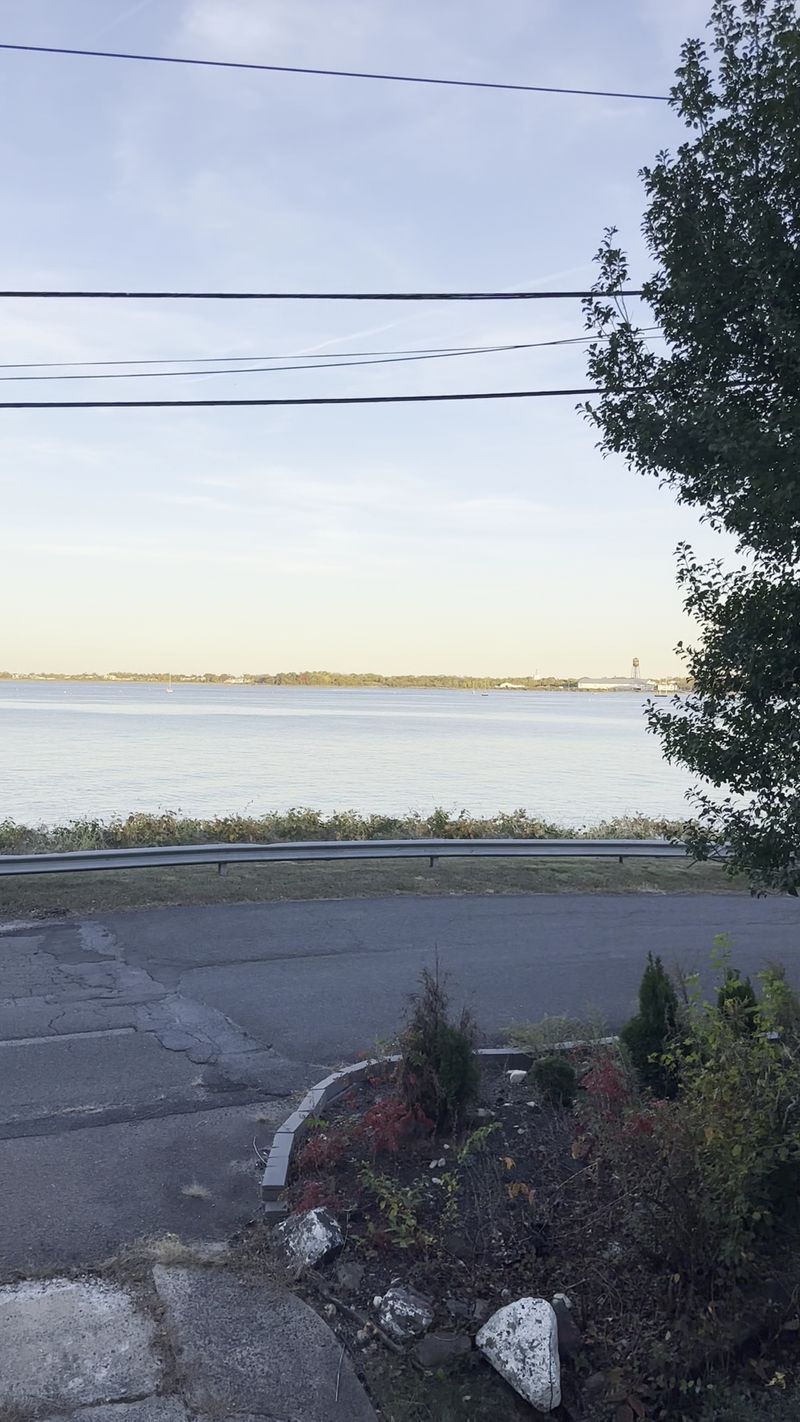
July 12, 1916, began like any sweltering midsummer Wednesday. Boys gathered near the Wyckoff Dock, a familiar swimming spot in Matawan Creek where the water ran deep enough to cool off properly.
Captain Cottrell’s earlier warnings had been brushed aside, and the afternoon felt ordinary in the way that precedes extraordinary things.
Eleven-year-old Lester Stillwell was among those swimming when the attack occurred. His friends initially mistook the approaching shape for a weathered log or debris.
Within moments, the creek became a scene of chaos and heartbreak that no one in Matawan was prepared to face.
Twenty-four-year-old Stanley Fisher rushed to help, bravely entering the water to search for Stillwell. He was attacked as well and later died from his injuries.
Twelve-year-old Joseph Dunn, who was also in the water downstream, suffered a serious leg wound but survived. Three victims in a single afternoon, in a creek miles from the ocean, on an otherwise unremarkable summer day.
The nation absorbed the news with stunned disbelief.
Peaceful Town, Startling History
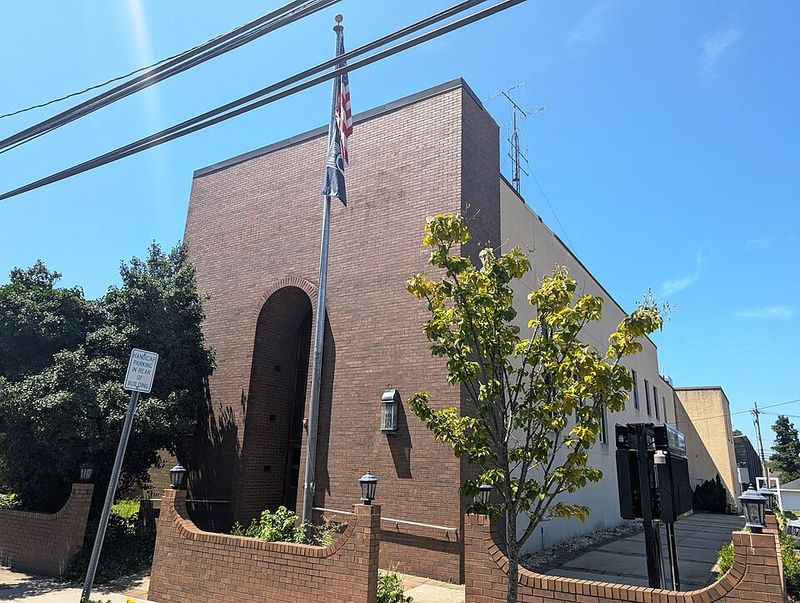
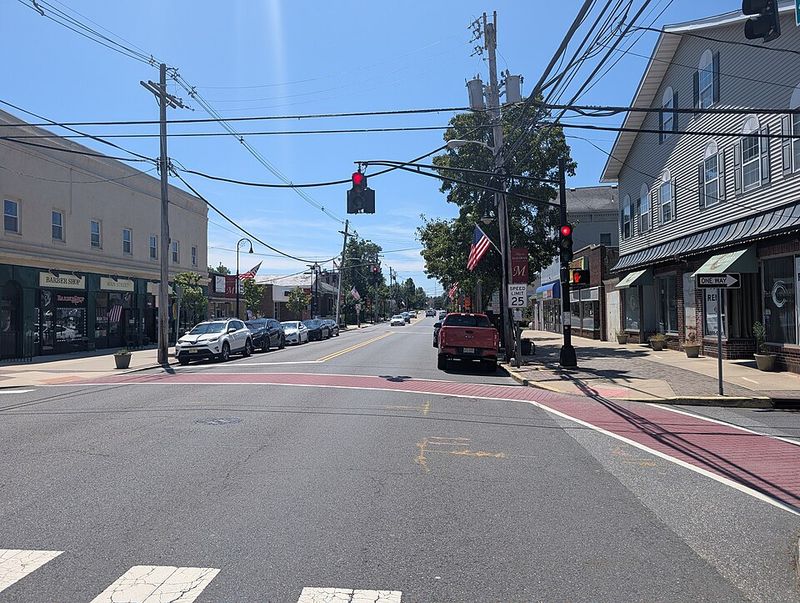
Walk through Matawan today and the town feels genuinely unhurried. Tree-lined streets, modest homes, and a community that moves at its own comfortable pace define the borough’s present character.
Nothing about the current landscape demands drama or tension.
Yet that calm surface sits directly on top of a story that once gripped the nation. A memorial plaque dedicated to the victims of the 1916 attacks exists as a quiet acknowledgment of what happened here.
It does not shout for attention, which feels appropriate for a town that never asked for the spotlight in the first place.
Startling history and peaceful present coexist in Matawan without much friction. Longtime residents carry the story as part of local identity, something worth knowing and honoring without letting it overshadow everything else the borough represents.
The contrast between then and now is part of what makes Matawan genuinely compelling. Calm places with dramatic pasts have a particular kind of gravity, and this town wears that gravity quietly and well.
The Day Matawan Made News
That Wednesday in July put Matawan on the national map in a way no one had anticipated or wanted.
The creek, known mainly to locals as a pleasant swimming spot on hot days, suddenly became the subject of urgent dispatches filed by journalists racing to understand what had happened.
Scientific communities found themselves scrambling too. The attacks challenged foundational assumptions about shark behavior, coastal safety, and the boundaries between the ocean and inland waterways.
Articles and opinion pieces debated whether sharks could truly be responsible, while the evidence from Matawan made denial increasingly difficult.
The day Matawan made news was also the day American attitudes toward the ocean quietly shifted. People began to think differently about what shared the water with them, even in places that seemed impossibly far from the sea.
That psychological shift, triggered by events in a small New Jersey creek, spread outward in ways that researchers and historians still trace today. Matawan earned its place in the national story not through ambition, but through one terrible afternoon.
Unforgettable Chapter in Local History

Every town has chapters it would rather skip and chapters it cannot afford to forget. For Matawan, the summer of 1916 is firmly in the second category.
The events that unfolded along the creek represent a story of human vulnerability, community grief, and unexpected courage that deserves to be remembered honestly.
Stanley Fisher’s bravery stands out even across more than a century of distance. He entered that murky water knowing something terrible had already happened, driven by the instinct to help.
Joseph Dunn’s survival, and the long life he lived afterward, adds another layer to a story that could otherwise feel only tragic.
Matawan carries this history with a kind of quiet dignity. The creek still flows.
The borough still hums along with ordinary life. But the 1916 attacks remain an unforgettable thread woven into the fabric of this community, connecting it to a national moment that changed how Americans thought about nature, danger, and the water just beyond their backyards.
That connection is worth honoring every time the story gets told.
Address: Main Street, Matawan, New Jersey
