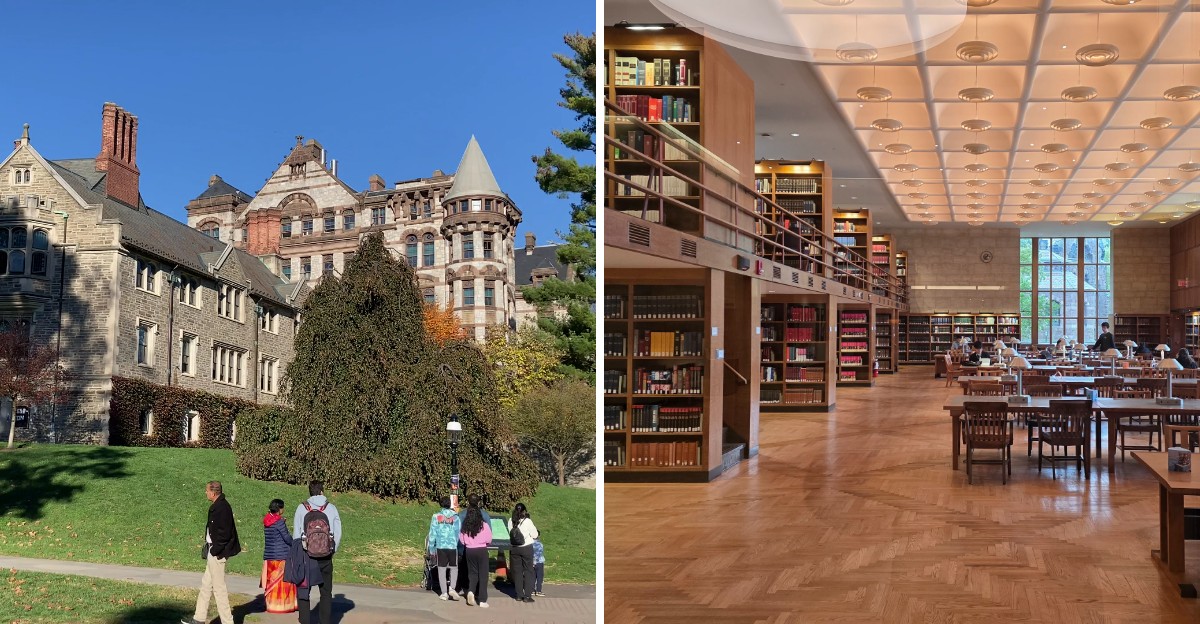
Most families earning up to $150,000 a year can send a student to Princeton without paying anything toward the cost of attendance.That covers tuition, housing, and food, with no loans tucked into the fine print.
The aid keeps going past that line, too. Families earning up to $250,000 typically pay zero tuition.
Yeah, I’m definitely looking twice at that.
This New Jersey school also runs on grants instead of loans, so students don’t graduate buried in debt. It was one of the first in the country to make that move, back in 2001.
What gets me is the setting behind all those numbers. Think Gothic stone arches, a historic hall with serious bragging rights, and a brand-new art museum.
I can see why people are paying attention.
The Value Crown Didn’t Land Here By Accident
Princeton University keeps showing up at the very top of lists that measure what you get for what you pay. U.S.
News and World Report ranked it No. 1 among Best Value Schools in the nation.
That ranking looks at quality and cost together. A school has to be excellent and affordable for the families who actually enroll.
In the 2027 U.S. News rankings, Princeton placed No. 2 overall among national universities while retaining the No. 1 spot for Best Value.
So the value isn’t a cheap version of a great school. It’s the great school itself, with a much friendlier bill.
Here’s what makes that combo rare. Plenty of elite colleges are famous for high sticker prices that scare families away before they even apply.
Princeton flips that feeling around. The university uses its large endowment to fund aid, which is a big reason the value ranking makes sense.
For a family in New Jersey or anywhere else, that’s worth knowing early. A dream school can turn out to cost less than a state school once aid is counted.
Bottom line? Don’t cross a college off your list based on the published price alone.
Run the numbers first, because the real cost might surprise you.
Zero Dollars Is A Real Number On These Aid Letters
Starting with the 2025-26 school year, Princeton University expanded its aid in a big way. Most families earning up to $150,000 pay nothing for tuition, housing, or food.
Families earning up to $250,000 typically pay no tuition at all. And families above that range can still qualify for help, depending on their situation.
Okay, that’s impressive. The aid also comes as grants, not loans, so students aren’t signing up for years of payments after graduation.
Princeton led the way on this idea. In 2001, it became the first university in the country to replace loans with grants in its aid packages.
The school also considers applicants need-blind, including international students. That means asking for aid won’t hurt your chances of getting in.
Here’s a practical tip for families. Try the university’s financial aid estimator online before you decide anything about cost.
It takes a little paperwork and some honest numbers. But it can give you a realistic picture fast, and that picture is often way kinder than expected.
This Old Hall Once Hosted The Whole Country’s Government
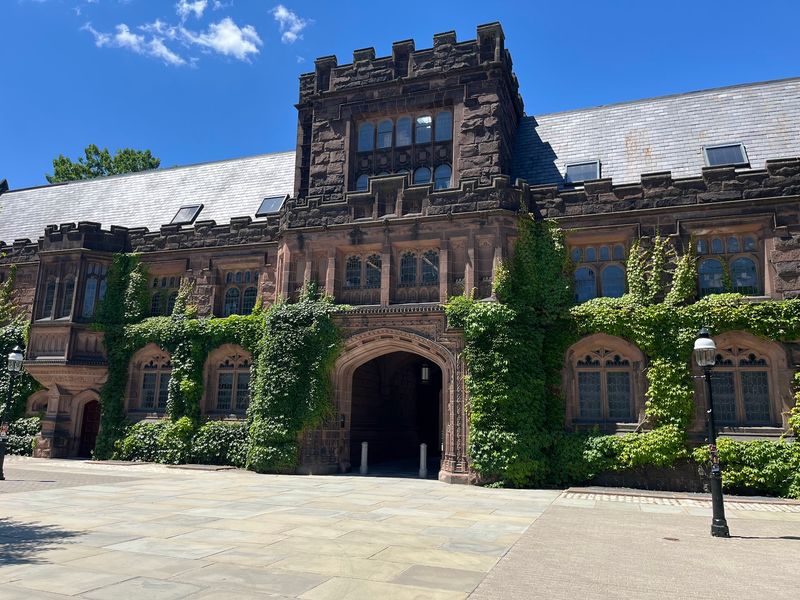
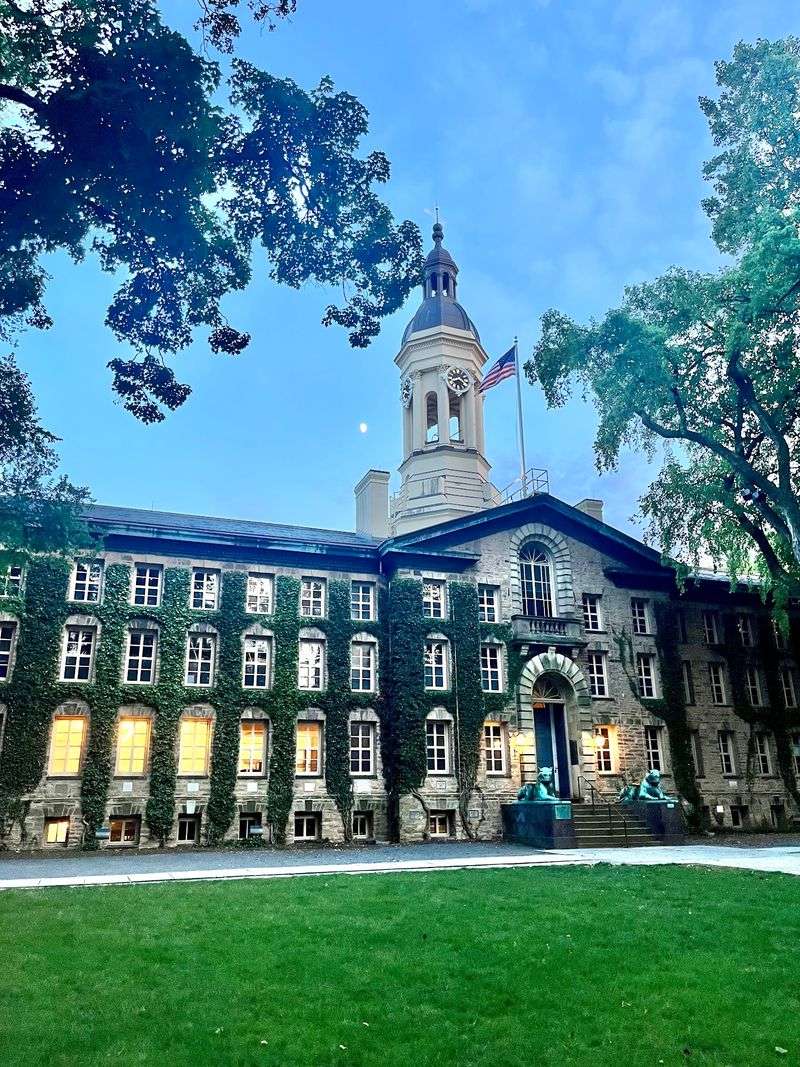
Back in 1783, the Continental Congress met inside Nassau Hall for several months. For that stretch, a college building in Princeton served as the capital of the young United States.
That’s quite a resume for a campus building. Nassau Hall was finished in 1756, and it was once among the largest stone buildings in the colonies.
The school itself started even earlier. It was founded in 1746 as the College of New Jersey, first operating in Elizabeth before moving here.
The name Princeton University became official in 1896. Before then, the school spent about 150 years carrying the state’s name.
Today, Nassau Hall houses university offices, including the president’s office. Two bronze tigers guard the front steps, and they’re pretty popular photo partners.
A Battle of Princeton cannonball story also follows the building, tied to the 1777 fighting nearby. Campus tours love sharing that kind of history.
Visiting? Stand on the front lawn and look up at the cupola for a minute.
It’s the oldest building on campus, and it still feels like the center of everything.
Gothic Arches Make Every Walk To Class Feel Cinematic
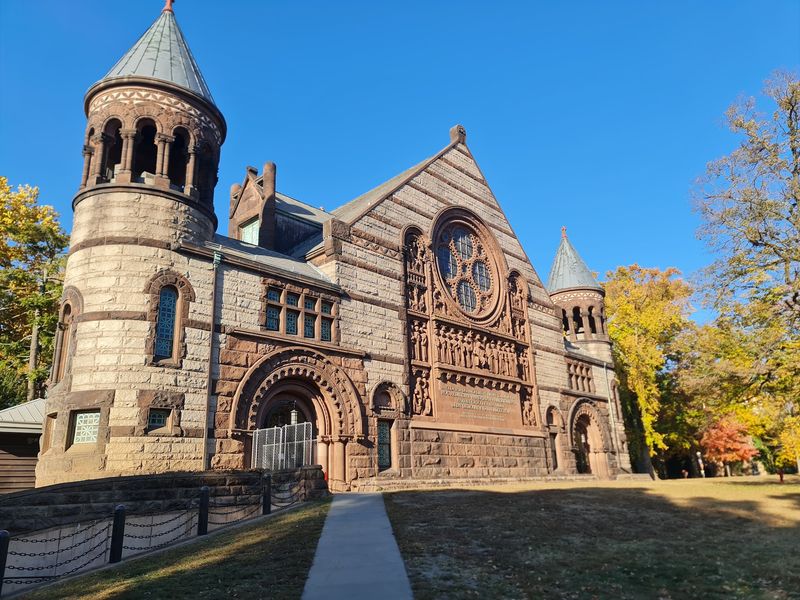
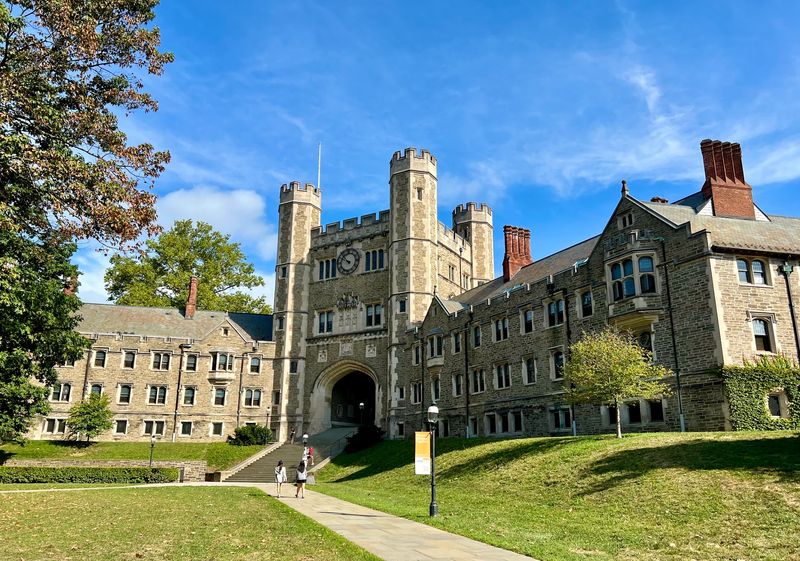
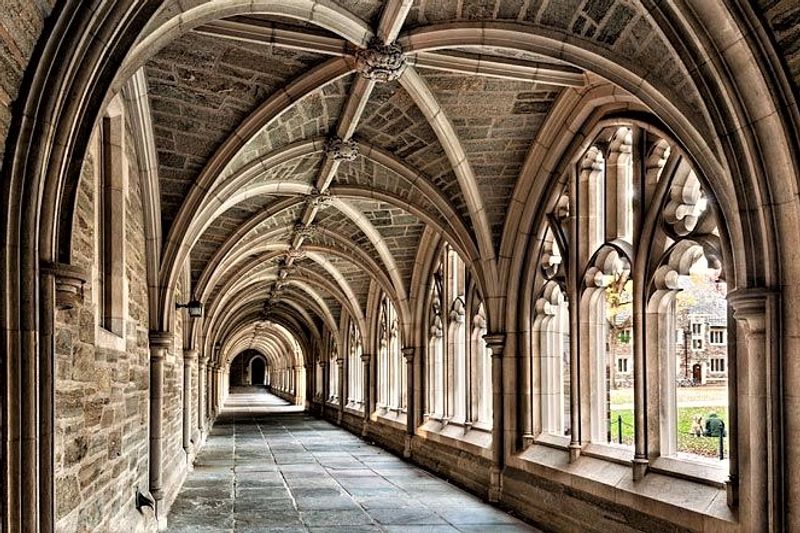
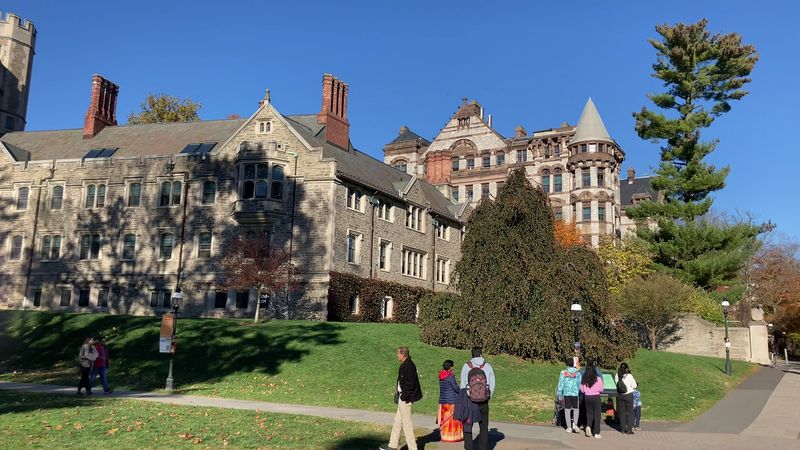
Stone towers, pointed arches, and leafy courtyards are everywhere here. Much of Princeton University’s campus is built in the Collegiate Gothic style, and it looks the part.
Blair Arch is one of the stars. The archway and its wide stone steps are a favorite gathering spot, and a cappella groups often sing under it.
The acoustics there are a big reason why. Sound bounces nicely off the stone, which turns a casual performance into something special.
Then there’s the Princeton University Chapel, completed in 1928. It’s one of the largest university chapels in the world, with soaring ceilings and impressive stained glass.
Fair warning: you might slow down without meaning to. The campus mixes this older style with modern buildings, so every turn shows something a little different.
For a self-guided stroll, start near Nassau Hall and wander toward the chapel. Comfortable shoes are a smart move, since the campus covers a lot of ground.
The best part is how open it feels. The grounds are welcoming to visitors, so you can soak in the architecture at your own pace.
A Brand-New Art Museum Just Raised The Bar

Free admission to a world-class art museum? Yep, that’s part of the deal on this campus, and the museum just got a dramatic upgrade.
The new Princeton University Art Museum building opened in fall 2025. It was designed by architect David Adjaye and sits right in the heart of campus.
The collection spans thousands of years and many parts of the world. You’ll find ancient objects, European paintings, Asian art, photography, and modern pieces under one roof.
For students, that’s a pretty amazing classroom. Professors can bring classes in to study real works instead of only looking at slides.
The building was designed with lots of galleries and spaces for learning. It’s meant to feel open and inviting rather than stiff and quiet.
Planning a visit to New Jersey’s college towns? Make the museum a priority stop, especially if you’re touring campus with a teen.
Check the museum’s current hours before heading over. Then give yourself plenty of time, because rushing through this many galleries would be a real shame.
Every Senior Writes Something Big Before Graduating
Most college students write papers. At Princeton University, seniors complete substantial independent work, typically through a thesis or, in some engineering departments, an independent project.
Students pick their own topic and work closely with a faculty adviser. Some projects run more than a hundred pages, while others involve lab research or creative work.
That one-on-one attention is a big deal. Princeton is known for focusing heavily on undergraduates, not just graduate students and research.
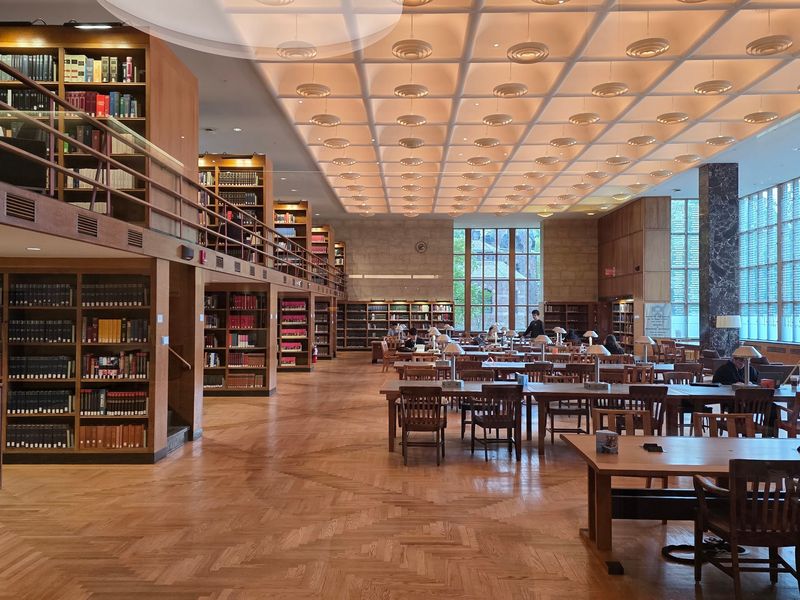
Firestone Library is a common thesis home base. It’s one of the largest open-stack libraries in the world, with miles of shelves to explore.
Seniors often celebrate turning in their thesis with friends. It marks the moment months of research finally becomes a finished piece of work.
Here’s why that matters for value. Students leave with real research skills, a strong writing sample, and a close relationship with a professor.
Those things help with jobs, graduate school, and confidence. Honestly, a thesis like that can be one of the most useful things a student brings home from college.
Students Live In Residential Colleges, Not Just Dorms
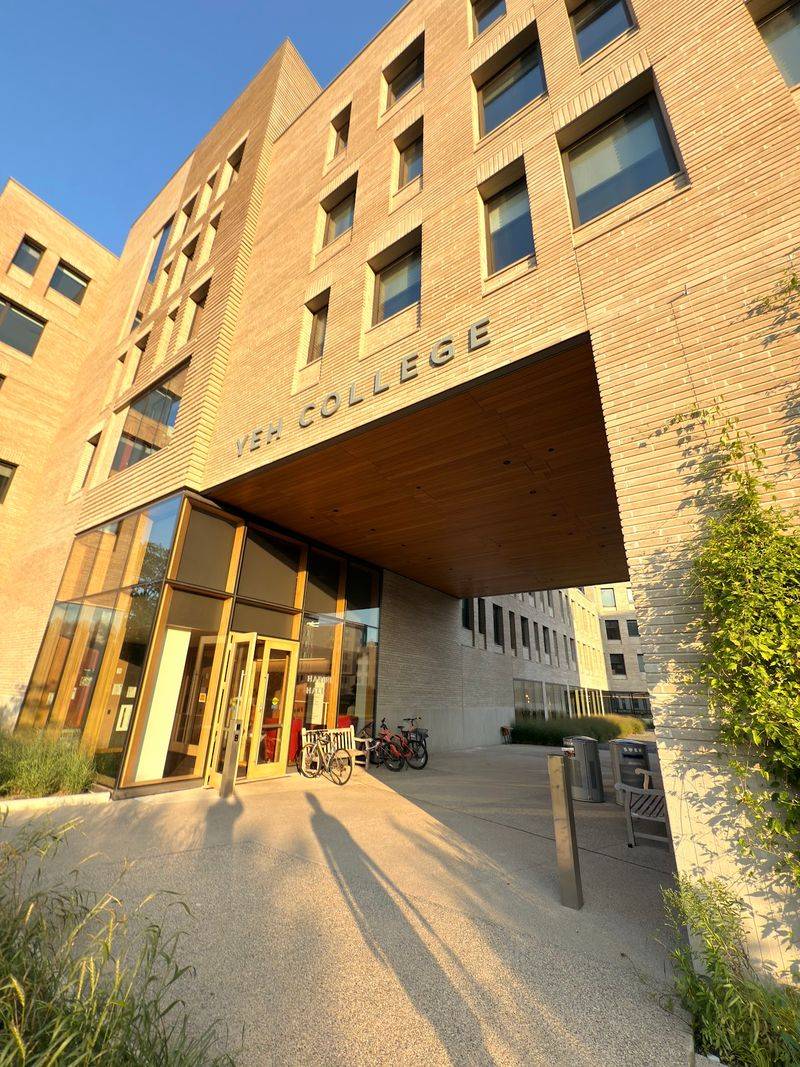
Housing at Princeton University works a little like a set of small communities. Every undergraduate belongs to one of the school’s residential colleges.
Princeton currently has seven residential colleges. Yeh College and Huo College, originally known as New College West, opened in 2022, adding more room as the student body grew.
Each residential college has its own dining hall, advisers, and social events. That setup helps a huge campus feel smaller and friendlier.
It also connects to the financial aid story. For many families, the aid package covers housing and food, not only tuition.
Later on, many upperclass students join eating clubs along Prospect Avenue. These historic clubs offer dining and social life, and they’re a classic Princeton tradition.
Students can also choose other dining options if clubs aren’t their thing. The point is having choices that fit different personalities and budgets.
Visiting with a future student? Ask the tour guide about residential college life.
It’s one of the best ways to picture what everyday life here actually looks like.
Orange, Black, And Tigers Everywhere You Look
Tiger statues, orange-and-black banners, and team gear make school spirit easy to spot here. The Princeton Tigers compete in the Ivy League, one of the oldest athletic conferences around.
Football has deep roots on this campus. Princeton played in what’s widely considered the first college football game, against Rutgers in 1869.
That’s right, two New Jersey schools kicked off a sport that now fills giant stadiums nationwide. Rutgers won that first game, but Princeton has plenty of victories since.
Today, the university offers dozens of varsity teams. Rowing crews train on Lake Carnegie, a scenic lake along the edge of campus.
Not into sports? There are also club teams, intramurals, and recreation options for students who just want to stay active.
Families can often catch a game during a campus visit. Check the athletics schedule ahead of time and bring something orange to blend right in.
Bonus tip: don’t skip a photo with one of the campus tigers. It’s practically a rite of passage for visitors.
Plan A Visit And See The Value For Yourself
Campus sits right next to downtown Princeton, so visitors can mix a tour with a stroll through town. Nassau Street runs along the north edge, packed with shops and cafes.
The official address is Princeton University, Princeton, NJ 08544. It’s roughly halfway between New York City and Philadelphia, which makes day trips pretty doable.
NJ Transit trains reach Princeton Junction, and a short shuttle train called the Dinky connects to campus. That little train has a big following among students.
Admission offers information sessions and student-led tours. Check what’s available and sign up ahead, especially during busy spring and fall seasons.
While you’re there, bring your financial aid questions. Staff can explain how packages work for families with different incomes.
That conversation might be the most valuable part of the trip. Plenty of families leave realizing a top New Jersey university is more within reach than they thought.
Pack walking shoes, a camera, and a little curiosity. Between the history, art, and that jaw-dropping aid, there’s a lot to take in.
