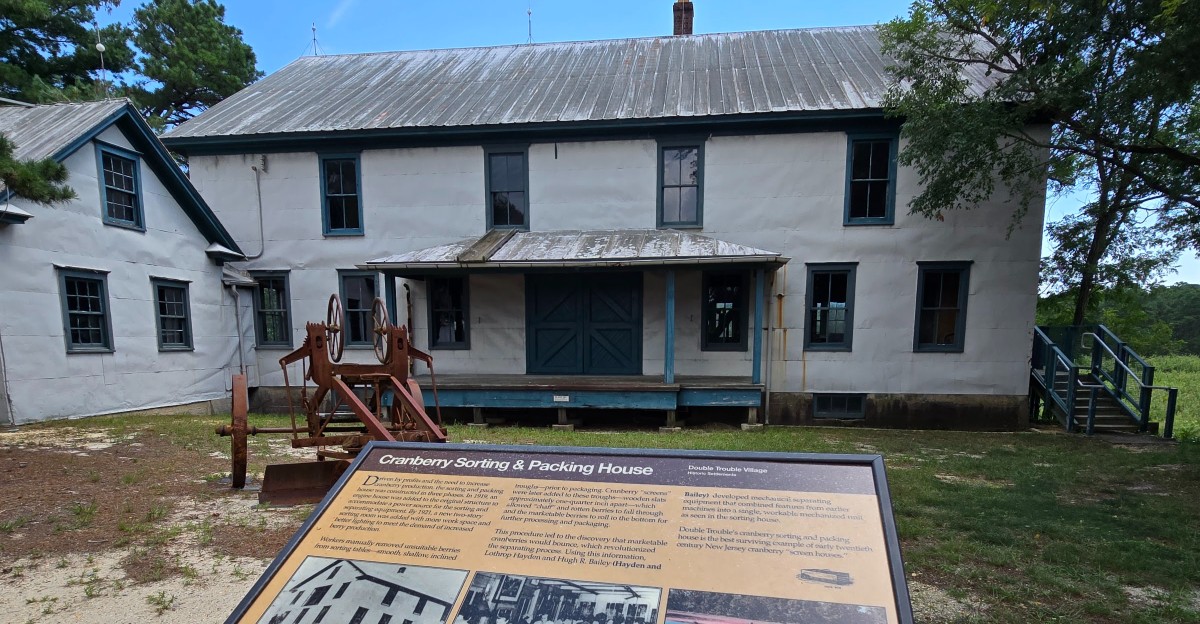
A whole company town once ran on cranberries and cedar lumber, and fourteen of its original buildings are still standing.
You can stroll right past the old sawmill, the packing house, and a one-room schoolhouse from the 1890s.
Nobody built this as a museum. Workers actually sorted berries here, sawed logs here, and sent their kids to class here.
The bogs still sit beside the buildings, quiet and wide open.
The whole place sits deep in the New Jersey Pine Barrens. Sandy trails wind through cedar swamps and pine forest.
A tea-colored creek slides past the old mill, practically begging for a kayak.
I can’t imagine a better way to time travel without leaving the parking lot. How did a village with such a funny name survive this long?
A Name Like This Deserves A Proper Introduction
Few parks get a name that sounds like a sitcom about mischievous twins. Double Trouble State Park earns it with a story stretching back centuries in the New Jersey Pine Barrens.
The park covers more than 8,000 acres of pine forest, cedar swamp, and wetland. Inside sits the Double Trouble Village State Historic Site, the real reason history fans come here.
Sawmills ran in this area as early as the mid-1700s. Lumber kept the place busy long before anyone thought about cranberries.
Then the berries arrived and changed everything. Ralph Gowdy gets credit for planting the first bog here around 1863.
Edward Crabbe formed the Double Trouble Company in 1909. It grew into one of the major cranberry producers in the state.
The company eventually dissolved, and the state stepped in. Double Trouble State Park was established in 1964, which kept many of the old structures from vanishing.
That timing matters more than you might guess. Plenty of old company towns simply faded into the woods.
Here, the buildings stayed put along with the bogs, the creek, and the trails. That combination makes this park feel like a working village that just stepped out for lunch.
Fourteen Old Buildings Are Waiting For Your Slow Stroll
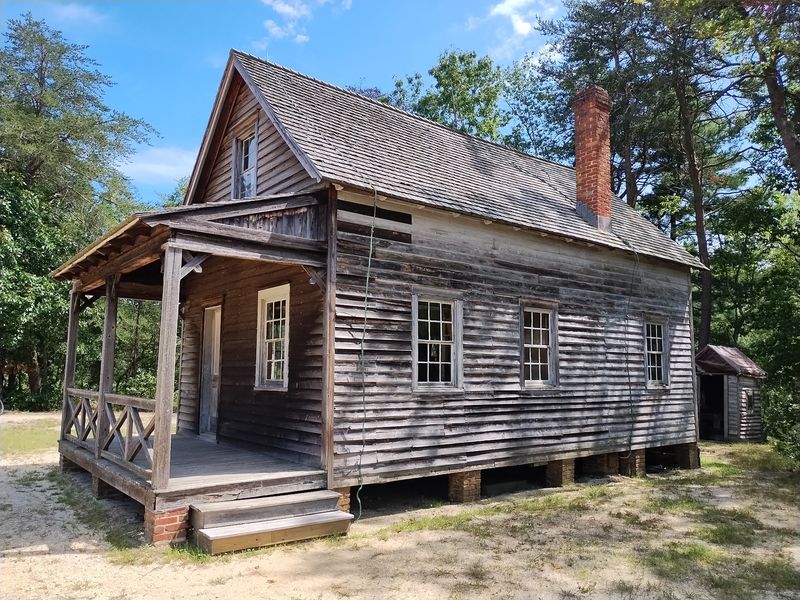
Fourteen original structures still stand in the Double Trouble Historic District. They spread across more than 200 acres, so the walk feels relaxed rather than crowded.
Most date from the late 1800s into the early 1900s. Together they form a preserved 19th-century company town that once revolved around lumber and cranberries.
The lineup includes a sawmill, a cranberry sorting and packing house, and a general store. You’ll also spot pickers’ cottages, a foreman’s house, and a one-room schoolhouse.
The district joined the National Register of Historic Places on February 23, 1978. That recognition puts this little village in pretty respected company.
Set expectations before you go, though. Most of the buildings aren’t open for interior access.
Still, walking among them tells a story all by itself. The layout shows how close the workers lived to the bogs and the mill.
Bring a camera and take your time with the details. Old shingles, worn doorframes, and rooflines make great photo subjects against the pines.
A slow loop works best here. Rushing past a village that survived over a century would feel a little rude, honestly.
The Sawmill Still Looks Ready To Get Back To Work
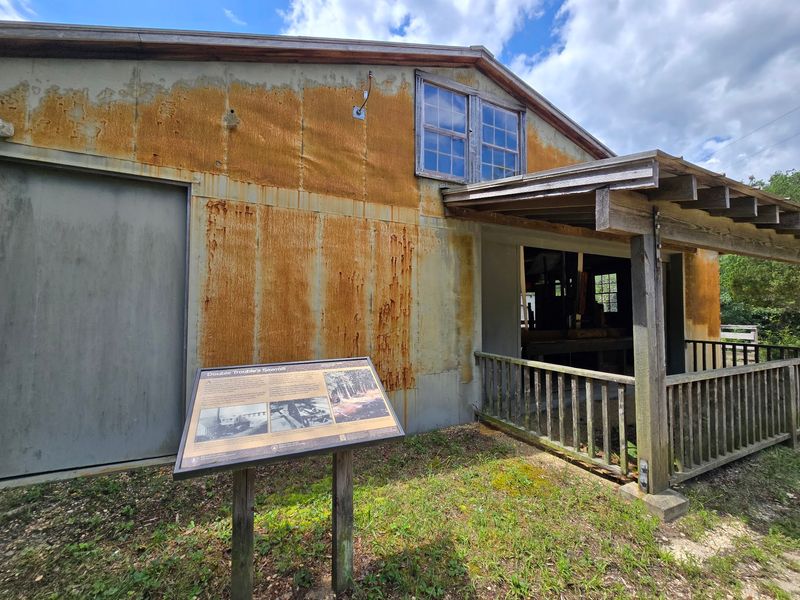
Logs and water powered this village long before berries took over. The sawmill stands as a reminder of those busy lumber days.
Sawmills operated in this area since the mid-18th century. Atlantic white cedar and pine from the surrounding forest kept the blades turning for generations.
The mill you see today was restored in 1995. That work helped preserve one of the most important buildings in the whole village.
It sits near Cedar Creek, which makes sense for a mill. Water and lumber were the original power couple of the Pine Barrens.
Want a look inside? The restored sawmill can be viewed during guided tours, so check with the park ahead of time for scheduling.
Even from outside, the building holds your attention. The setting by the creek feels peaceful now, though this spot once hummed with hard work.
Kids usually connect with the mill faster than with a textbook. Seeing where trees became boards makes history feel real.
Pair your visit with a short walk along the water. The view of the mill and creek together is one of the most photographed scenes in the park.
Cranberries Once Took Over This Entire Town
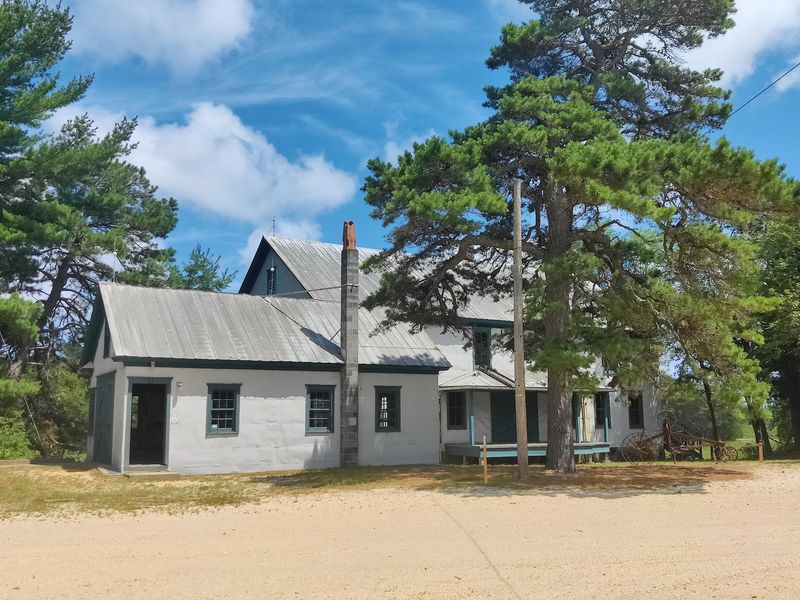
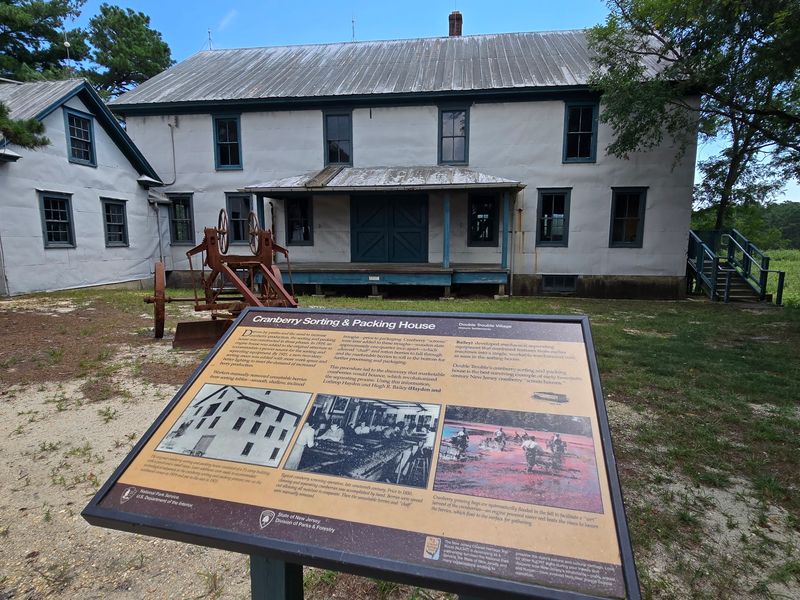
Sorting berries sounds simple until you see the size of the building made for it. The cranberry sorting and packing house is the big showstopper of the village.
Its restoration was completed in 1996. Workers once sorted and packed the harvest here before it headed off to market.
The Double Trouble Company turned this operation into a major New Jersey cranberry producer. The packing house was where all that effort came together.
Cranberry farming continued at the village until the early 21st century. That means berries came from these bogs for well over a hundred years.
The flat bogs still stretch out beside the trails. Turtles, geese, and ducks often make themselves at home around them.
Like the sawmill, the packing house can be viewed during guided tours. Outside of those times, you can admire it from the paths.
Autumn adds extra charm to the scene. The colors around the bogs shift, and the whole area feels like a postcard about cranberry country.
Fun fact for the car ride: New Jersey ranks among the top cranberry-growing states. This village helped build that reputation.
School, Store, And Cottages Tell The Everyday Story
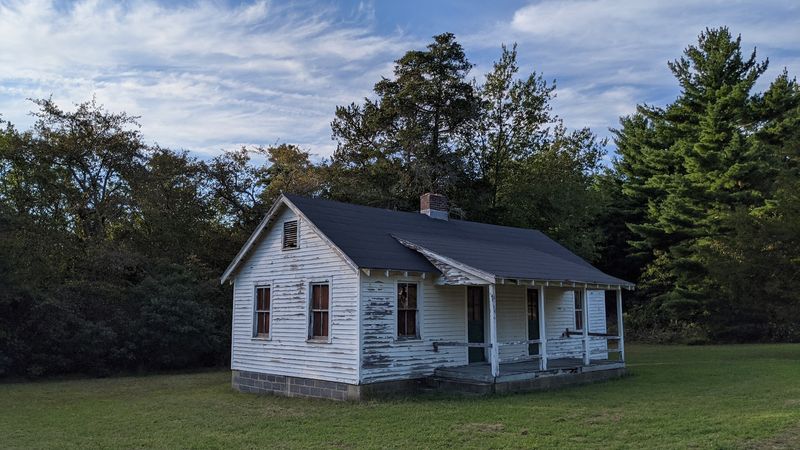
Big industry is only half the tale. The smaller buildings show how ordinary families actually lived in this company town.
The one-room schoolhouse dates to the early 1890s, with sources listing 1890 or 1893. Students of different ages likely shared the same single classroom.
Try explaining that to a modern seventh grader. One room, one teacher, and no hallway escape route.
Nearby, the general store served the community’s daily needs. In a remote Pine Barrens village, a store like that mattered a lot.
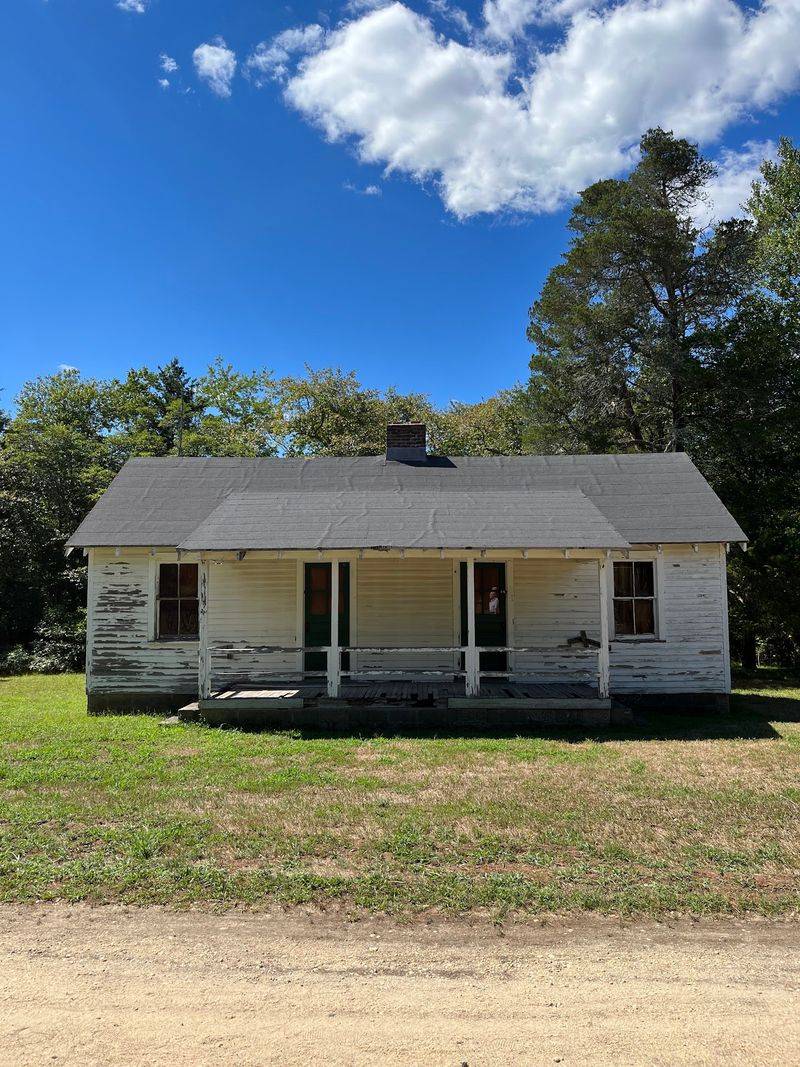
The pickers’ cottages housed workers who harvested the berries. Their simple design hints at the hard, seasonal work that kept the bogs productive.
Then there’s the foreman’s house. Its presence reminds you that this town had a clear chain of command.
Seeing these buildings side by side creates a full picture. You get the jobs, the schooling, the shopping, and the homes all within walking distance.
A good tip is to talk through the layout with kids. Ask them where they think the workers walked each morning.
Suddenly, history becomes a fun guessing game instead of a lecture.
Lace Up Because These Trails Keep Things Easy
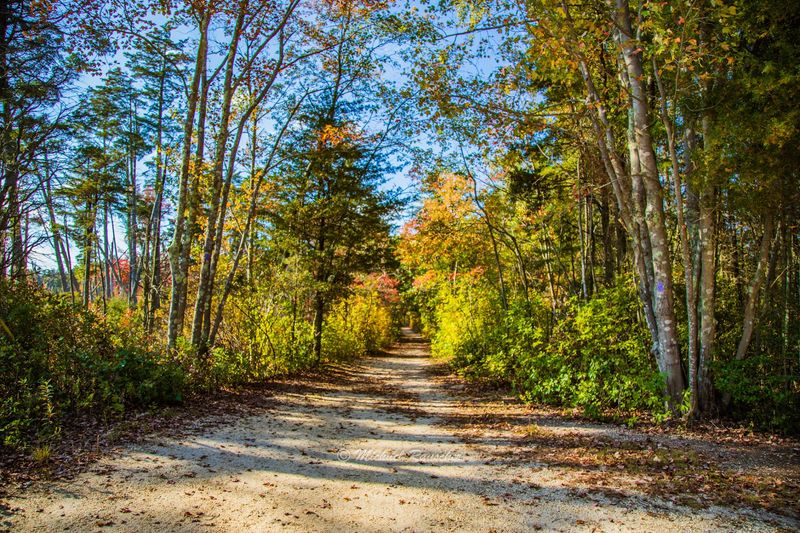
Hills? Not here.
The trails at Double Trouble State Park stay mostly flat, which makes them friendly for all kinds of walkers.
The park offers more than 8 miles of multi-use trails. Hikers, bikers, and horseback riders all share the paths.
Many trails are marked by color, so planning a loop is fairly simple. The routes pass cranberry bogs, cedar forest, the old mill, and stretches of pine.
The ground is mostly packed sand. Expect some soft or muddy patches, especially after rain.
Shade covers many sections, which helps on warm days. Benches along the way give you a spot to rest or snack.
Winter doesn’t shut things down either. Cross-country skiing and snowshoeing are both options when snow arrives.
Leashed dogs are welcome, so your four-legged hiking buddy can join the fun. Just be a good trail neighbor and clean up afterward.
Park hours generally run from 8 AM to dusk. Plan your timing so you can finish your route before closing.
Pack water and a light snack before heading out. A short loop can easily turn into an afternoon once the scenery pulls you along.
Your Kayak Has Been Waiting For Cedar Creek
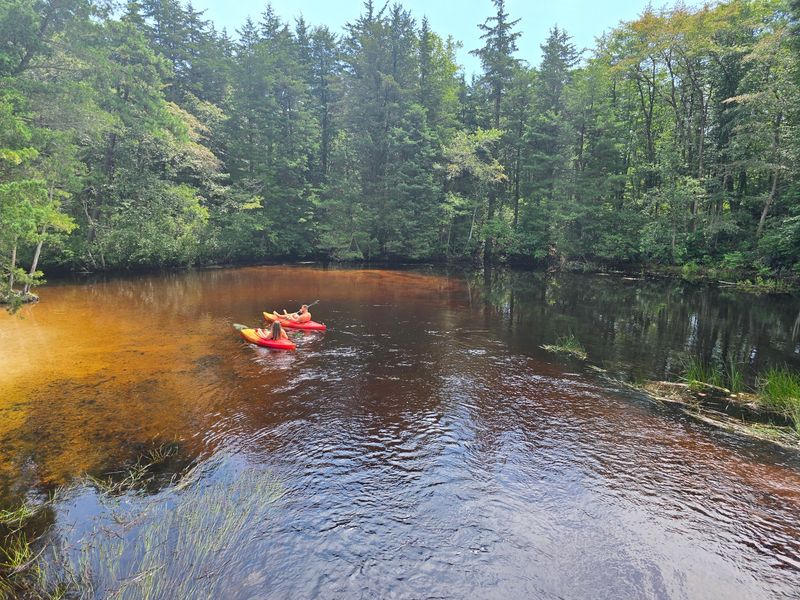
Dark water that looks like iced tea flows right through the park. Cedar Creek gets that color from natural tannins in the Pine Barrens.
Canoeing and kayaking are big draws here. The creek winds past cedar trees and quiet banks that feel far from busy highways.
Every trip can feel a little different. Water speed, depth, and fallen branches all change the experience from day to day.
Fishing is another popular option along the creek. Patience and a quiet morning make a pretty good pairing.
Bring your own boat and safety gear. Checking water levels before you go is always a smart move.
The trail crossings over Cedar Creek are some of the prettiest spots in the park. Even without a paddle, they’re worth a stop.
Birdwatchers love this area too. The mix of water, forest, and bogs attracts plenty of feathered visitors.
Keep an eye out near the banks for turtles soaking up sun. They don’t seem bothered by paddlers, which is very polite of them.
Finish with a snack by the water. That might become your favorite part of the day.
Getting There Is Easier Than The Name Suggests
Despite all the trouble in its name, reaching the park is pleasantly simple. It sits just minutes from the Garden State Parkway in Ocean County.
Plug in 581 Pinewald Keswick Rd, Bayville, NJ 08721, and you’re set. The drive in takes you along roads lined with pine forest.
Take it slow at the entrance, since the road surface can be bumpy. Your tires will thank you.
The park generally opens at 8 AM and closes at 6 PM daily. Early arrivals often get the quietest trails.
Guided tours offer the best chance to see inside the sawmill and packing house. Contact the park before your trip to ask about availability.
Each season brings something new to Double Trouble State Park. Autumn colors frame the bogs, and snowy days turn the village into a quiet scene from another century.
Spring and summer welcome paddlers to Cedar Creek. Bug spray is a wise addition to your bag in warmer months.
A visit here mixes history, nature, and fresh air in one easy outing. Fourteen old buildings, miles of trails, and a tea-colored creek make a pretty convincing case for the trip.
