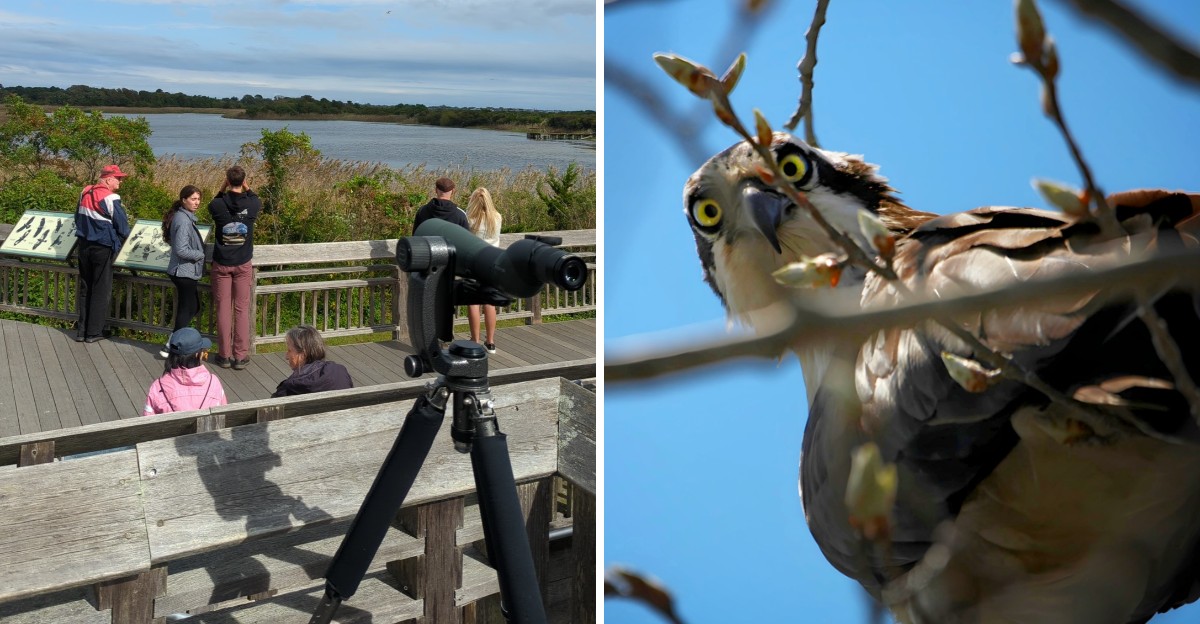
Cape May gets plenty of attention for beaches and Victorian charm. Meanwhile, something with wings may be stealing the show overhead.
This New Jersey corner sits along one of North America’s great bird migration routes, turning ordinary walks into surprisingly busy wildlife-watching sessions.
Depending on the season, the skies, trees, wetlands, and nearby coastline can fill with migrating birds moving through the peninsula.
A local nature center helps make sense of all that activity.
Visitors can learn about birds, pick up information about nearby viewing areas, browse nature-focused resources, and head outside with a better idea of what they are looking for.
You do not need to be an expert birder, either. Curiosity works just fine.
The only danger is discovering that staring into trees is suddenly your new favorite hobby.
A Lakeside Hub Built Around Birds
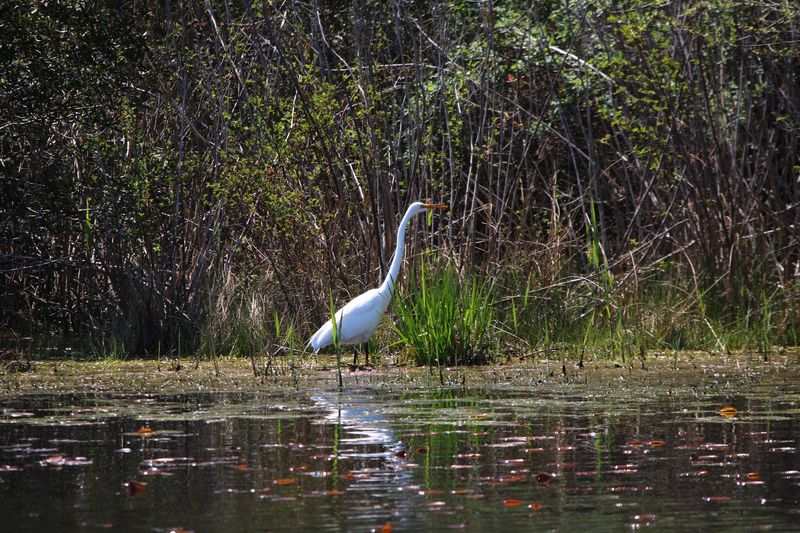
Tucked into a shady pocket of woods beside Lily Lake, the Cape May Bird Observatory – Northwood Center does not announce itself with anything flashy. It is a modest building with grounds that have been shaped, plant by plant, around the needs of birds.
Run by New Jersey Audubon, the center works as a hub for research, education, and conservation in the region. That mix means the place feels active rather than static.
Birdbaths sit where birds actually want them, and feeders hang at heights that draw everything from chickadees to woodpeckers. The result is a small patch of land that consistently punches above its size.
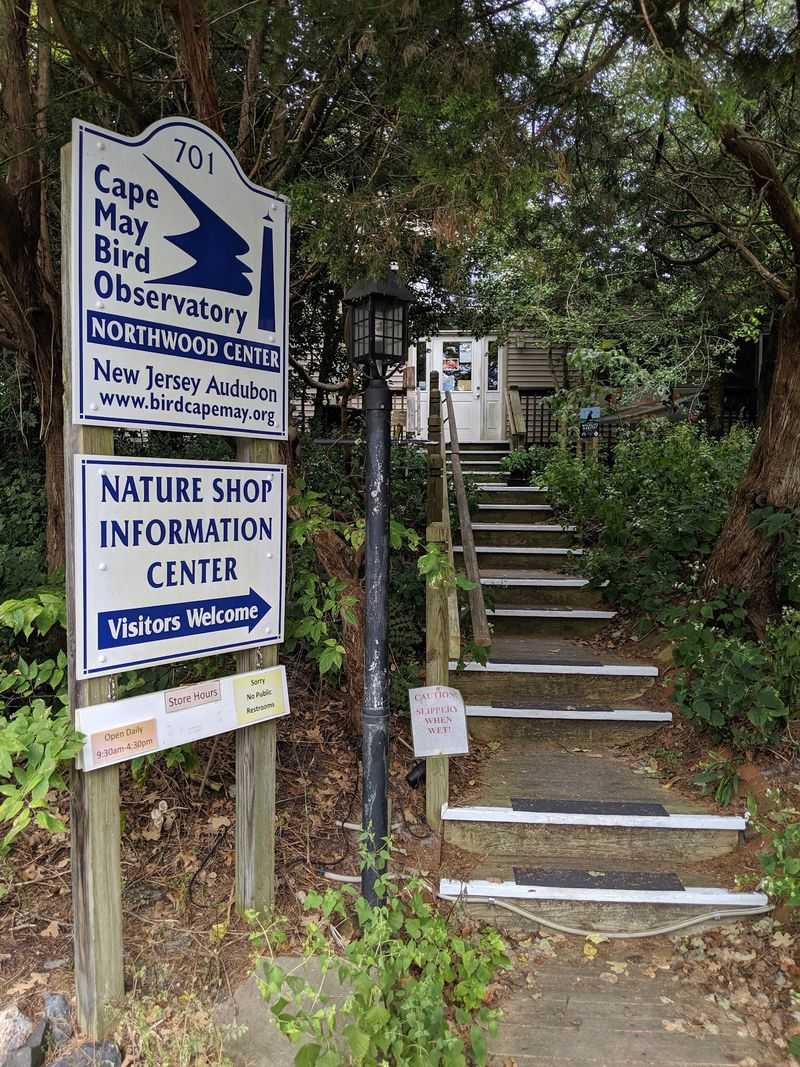
Visitors often arrive expecting a quick look and stay far longer, mostly because something keeps moving in the branches. Doors open daily at 9:30 am and close at 4:30 pm, with Tuesday closures between November and February.
Plan a morning visit if you can, since that early stretch tends to bring the most activity to the feeders and the water.
Where Millions Of Migrating Birds Funnel Through
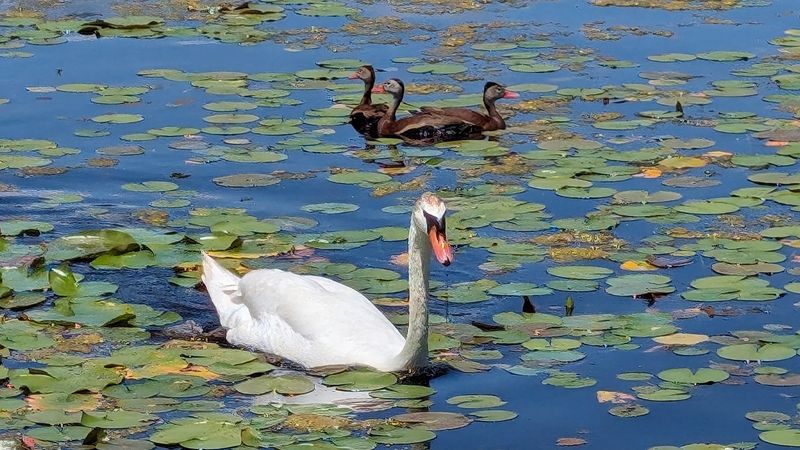
Geography does something remarkable at the southern tip of the Cape May peninsula. Land narrows, water surrounds it, and migrating birds pile up before making the crossing.
Birders call it a funnel, and the nickname fits. During spring and fall, millions of birds, butterflies, and dragonflies pass through this compressed stretch of coastline.
What that means for a casual visitor is simple. On the right morning, the trees near the center can feel like they are vibrating with movement.
Warblers, tanagers, and orioles flicker through the canopy, while raptors ride thermals overhead and waterfowl gather offshore. National Geographic has repeatedly ranked Cape May among the best birding destinations anywhere in the world, which says plenty about what happens here.
Timing matters more than skill. Show up during peak migration and the birds do most of the work for you.
Bring binoculars if you have them, though plenty of species come close enough that your own eyes will do just fine.
The Bird Blind That Rewards Patience
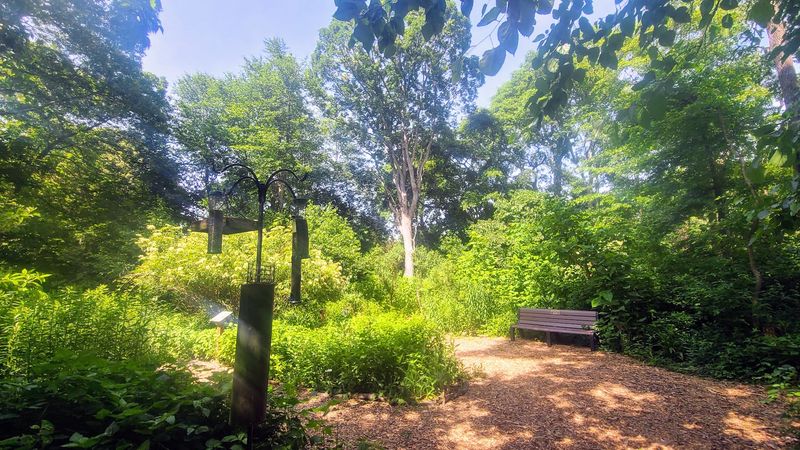
Sit still long enough and the woods stop noticing you. That is basically the whole idea behind the bird blind tucked into the grounds here.
The structure lets you watch birds bathe, drink, and squabble over feeder space without sending them flying. It is a small thrill, seeing a bird behave normally instead of darting away.
Kids tend to love it, mostly because it feels a little like a secret hideout with a view. Adults love it because the photography opportunities are genuinely good.
A few tips help. Keep voices low, avoid sudden movements, and give yourself at least fifteen minutes before deciding nothing is happening.
Birds operate on their own schedule, and the quiet stretches are often followed by sudden bursts of activity. Morning light works well for photos, with the water catching reflections nicely.
Many people rank the blind as their favorite part of the whole visit, and honestly, that makes sense once you have spent time in it.
A Short Trail With More Going On Than Expected
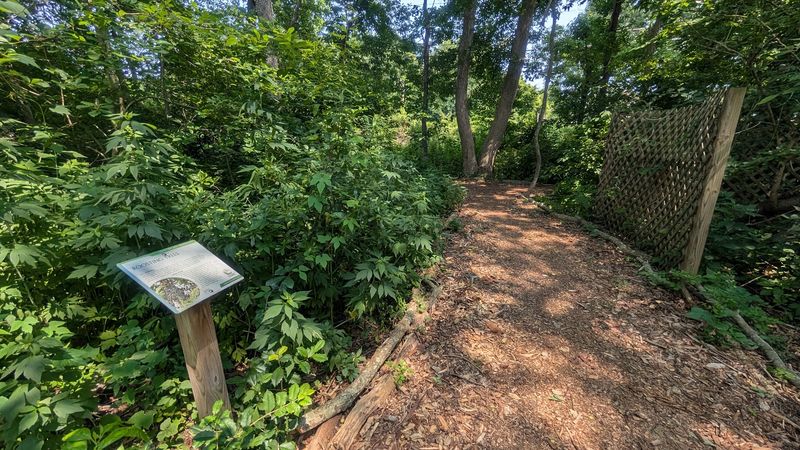
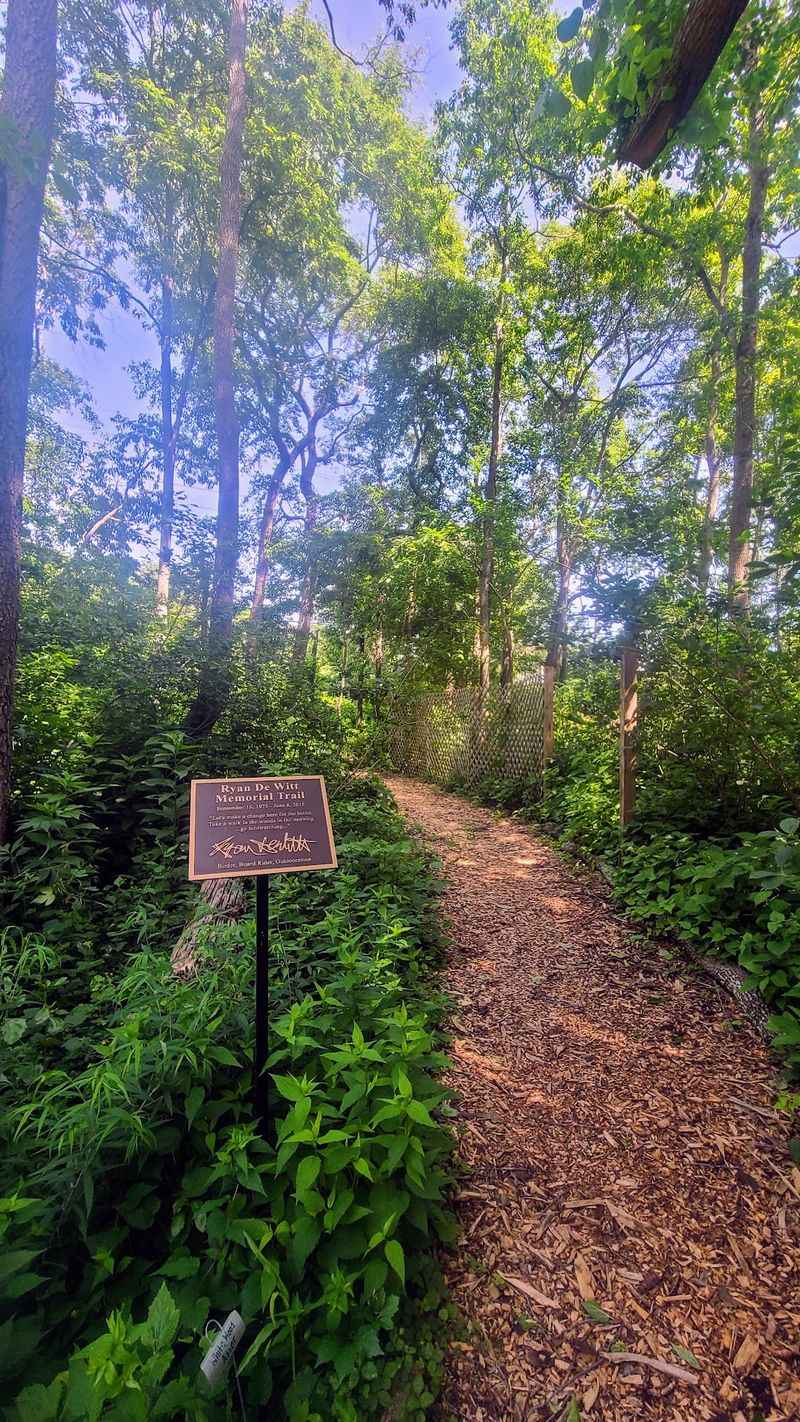
Do not come expecting a long hike. The trail behind the center loops through a compact wooded area, and you could walk the whole thing in a few minutes if you were in a rush.
Rushing, though, misses the point entirely. Slowing down turns this short path into something far more interesting.
Songbirds work the understory, and in fall the shrubs fill with migrants pausing to refuel. October visitors frequently report solid songbird activity along the route.
Signage along the way helps identify what is growing and what might be hiding nearby. Since the trail is flat and short, it suits families with young children, older visitors, and anyone who simply wants a gentle wander.
Recent improvements to the facilities include a handicapped-accessible ramp, which makes the property easier to reach for more people.
Treat the trail as a slow observation exercise rather than a workout, and it delivers far more than its length suggests.
A Garden Planted Specifically For Butterflies
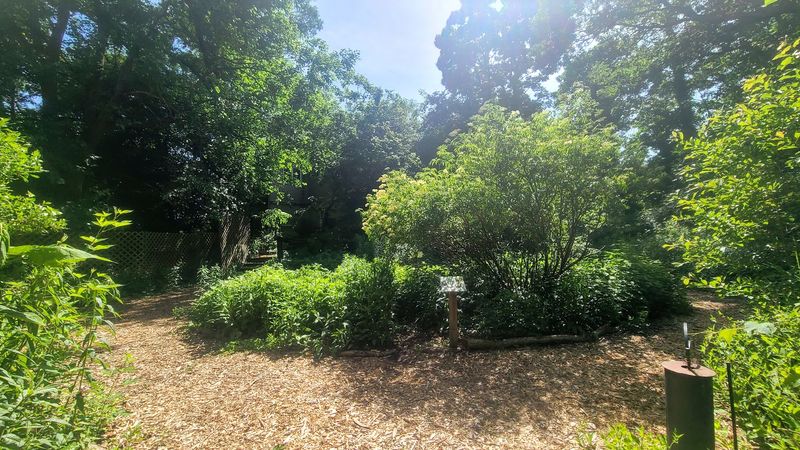
Butterflies get equal billing here, and the wildlife garden proves it. Host plants and nectar plants were chosen deliberately, which is why so many winged visitors show up.
Monarchs pass through this part of the coast during their famous migration, and the garden gives them a reliable place to refuel. Watching one drift between blooms never really gets old.
Labels on the native plants make the space unexpectedly educational. You can learn which species support which insects, then go home and plant something similar in your own yard.
Wrens hop around the edges year-round, and during migration warblers drop in close enough for genuinely good looks. The garden basically functions as a live demonstration of how habitat works.
Late summer into early fall tends to be the most colorful stretch, with flowers at their peak and butterfly numbers climbing.
Give yourself time to stand in one spot. Movement scatters insects, while stillness brings them back within a minute or two.
Guided Walks Led By Naturalists
Learning to bird on your own can feel like guesswork. Joining a guided walk changes that in a hurry.
Naturalists lead casual outings around the center and nearby Lily Lake, pointing out songbirds, swallows, and raptors that most people would walk right past. Having someone name a call in real time is genuinely useful.
The pace stays relaxed, which suits beginners well. Nobody expects you to identify anything on your own, and questions are part of the deal.
Walks shift with the seasons, following whatever happens to be moving through at the time. Spring brings returning songbirds, while fall leans heavily toward raptors and shorebirds.
Registration is typically required in advance, so checking ahead saves disappointment. Comfortable shoes and a hat go a long way, especially on warmer mornings.
Even experienced birders join these walks, partly for the company and partly because local guides know exactly where the good sightings have been happening lately.
The Bookstore Every Bird Lover Wanders Into

Step inside and the retail space quickly becomes its own attraction. Shelves hold field guides, natural history books, and a solid children’s selection that keeps younger visitors busy.
Optics take up a good chunk of the room. Binoculars, spotting scopes, and tripods are available to browse, and being able to test different models before buying is a real advantage.
Beyond gear, there are bird-themed shirts, hats, decorative birdhouses, and small gifts that suit anyone with a soft spot for wildlife. It is an easy place to find a present.
Staff members tend to be knowledgeable and approachable, and they hand out maps and printed guides that make exploring the wider area far simpler.
During peak migration the shop takes on a lively, almost celebratory energy as birders swap notes about what has been spotted.
Even if shopping is not your thing, the book selection alone justifies a browse. Field guides here cover far more than the usual backyard basics.
Real-Time News On Unusual Sightings
Birding rewards people who know where to go right now, not last week. That is exactly the gap this center fills.
The Northwood Center is known for sharing up-to-the-minute information about unusual bird sightings and other natural events happening across the region. A rare visitor might turn up a few miles away, and word travels fast.
Stopping in before heading out elsewhere can completely reshape your day. Instead of wandering hopefully, you leave with a direction and a target.
Maps and handouts back this up, helping visitors connect the dots between nearby hotspots. Even casual travelers benefit from knowing which locations are producing sightings.
Fellow visitors add to the flow of information too, since birders here tend to be generous with tips.
Think of the building as an information desk for the entire peninsula. The birds change constantly, and having a reliable place to ask what is around makes the difference between a nice walk and a memorable one.
Neighboring Wild Places Worth Pairing
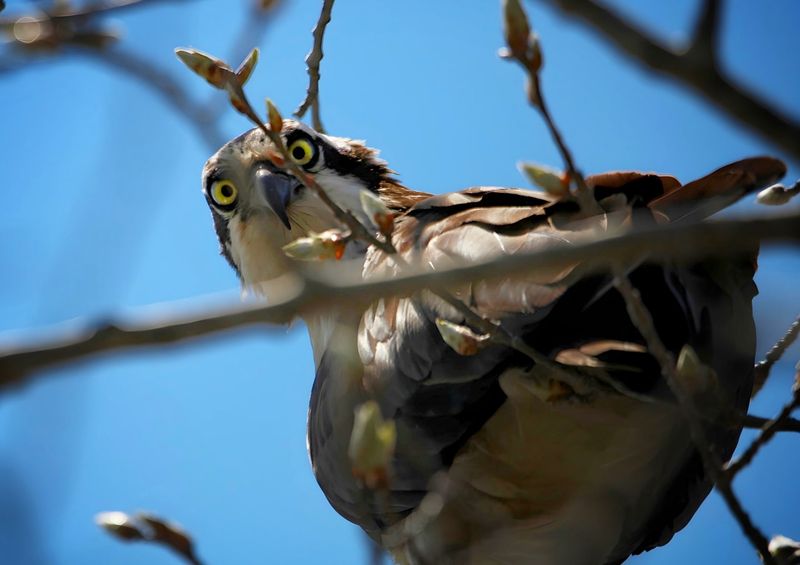
One of the smartest things about this spot is what surrounds it. Cape May Point State Park sits close by, home to the Cape May Lighthouse and a hawkwatch platform with a reputation among raptor fans.
That park covers freshwater meadows, ponds, forest, dunes, and beach, all packed into one walkable area. Monarch butterflies and horseshoe crabs both factor into its seasonal rhythms.
Higbee Beach Wildlife Management Area offers another change of scenery, with different habitats drawing different species. Combining the three makes for a full, varied day outdoors.
Distances are short, so you are not spending the day in a car. That alone makes planning easier.
Many visitors treat the Cape May Bird Observatory – Northwood Center as their starting point, gathering maps and advice before fanning out to the surrounding preserves.
Fall is especially rewarding across all these sites, when hawk flights, monarch movement, and songbird migration overlap in ways that feel almost theatrical.
Planning A Visit That Actually Works
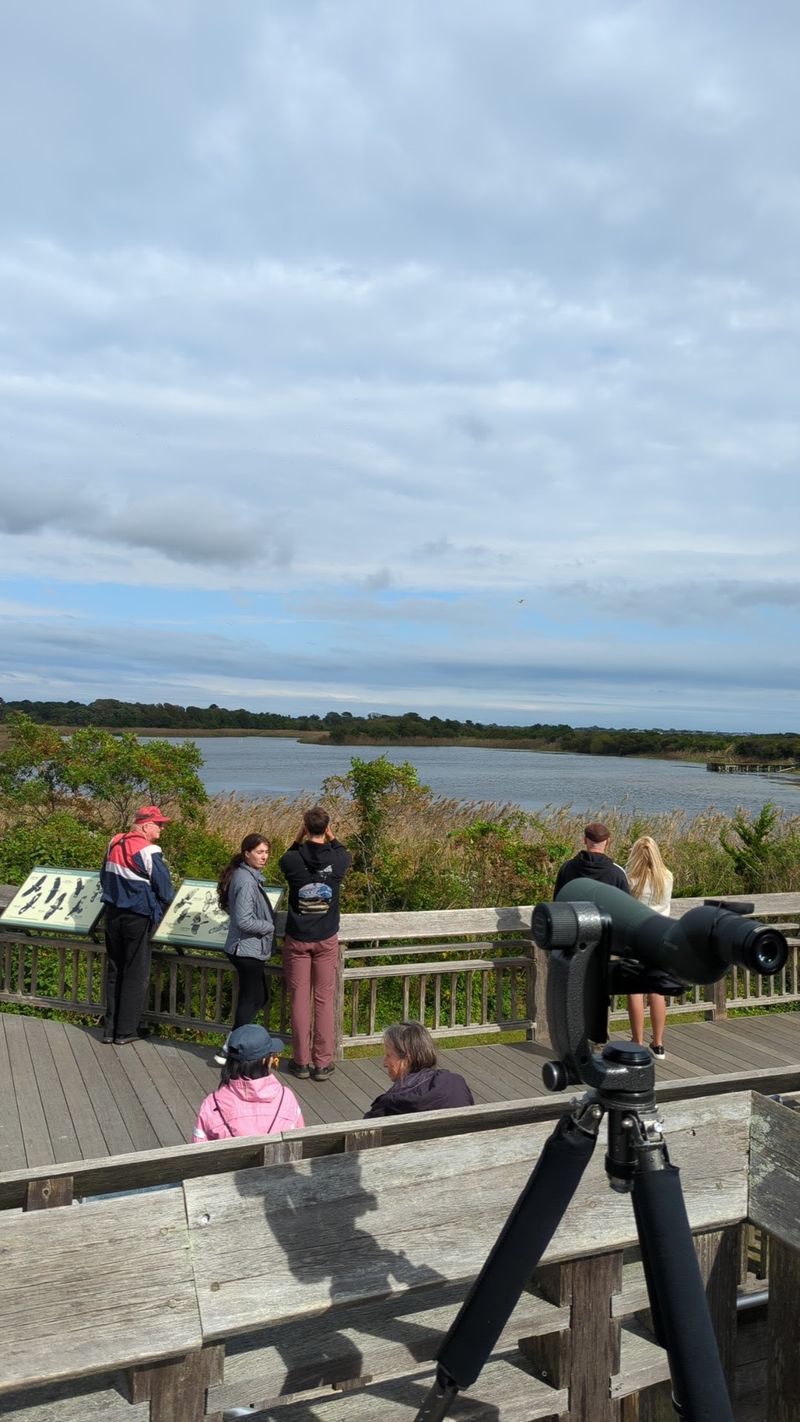
A little planning turns a decent stop into a great one. Mornings generally bring the most bird activity, especially around the feeders and water features.
Hours run from 9:30 am to 4:30 pm daily, though the center closes on Tuesdays between November and February. Checking the calendar before driving down saves hassle.
Pack light but smart. Binoculars, water, bug spray in warmer months, and sturdy shoes cover most situations.
Keep voices down near the blind and along the trail, since noise clears out birds faster than anything else. Patience really is the main skill required.
Families do well here because the walking is easy and the shop keeps kids engaged when attention spans fade.
Fall migration draws the biggest crowds and the biggest numbers of birds, but quieter seasons have their own appeal.
You can find the Cape May Bird Observatory – Northwood Center at 701 E Lake Dr, Cape May Point, NJ 08212, in southern New Jersey.
