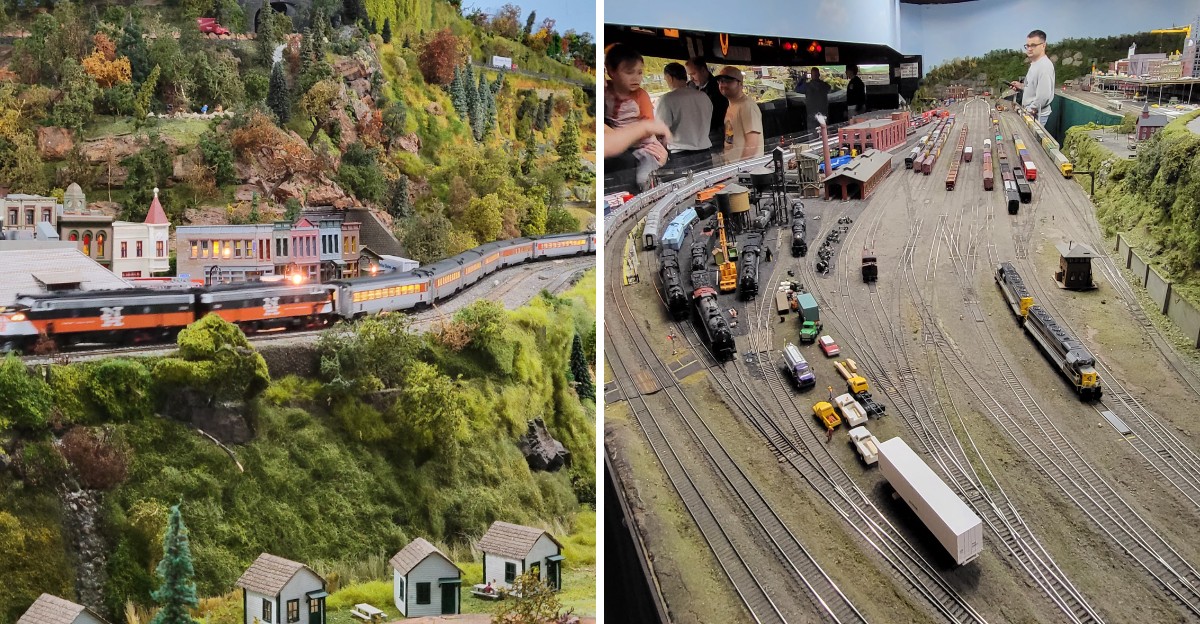
More than 50,000 tiny trees were planted by hand on one model railroad, and every single one went in thanks to club members. That’s a lot of patience for a forest you could step over.
The group behind it started in 1926, which makes it the oldest model railroad society in America. Its two big layouts fill the lower level of a building in New Jersey.
One of them holds over 17 scale miles of track.
I like how the whole thing feels like a love letter to trains. Kids 12 and under get in free during the winter show, too.
Step stools even help little ones see over the edge.
I can’t imagine a cozier winter outing for a train-crazy family.
A Club That Has Been Running Trains Since 1926
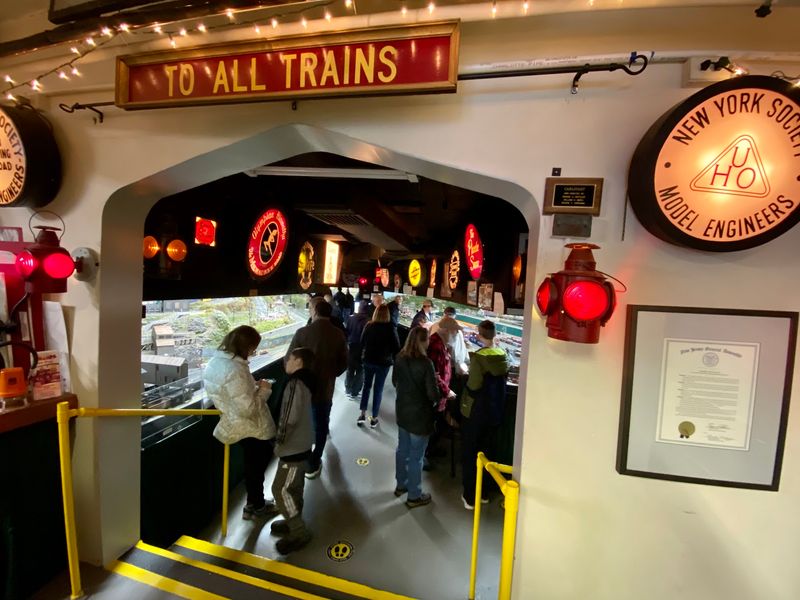
Back in 1926, a group of train fans in New York City decided to build miniature railroads together. That group became the New York Society of Model Engineers, and it’s still going strong.
The society calls itself the oldest model railroad society in America. It was officially incorporated in 1934, so the paperwork caught up a little later than the passion.
One chapter of its story sounds almost unreal. The club once housed what was considered the largest model railroad in the world.
That layout lived at the Lackawanna Railroad Passenger Terminal in Hoboken.
After losing its space at the Hoboken Terminal in 1958, the society relocated to its current home in Carlstadt, New Jersey. It has been building, running, and sharing trains there ever since.
Why does this matter for your visit? Because you aren’t just seeing a hobby display.
You’re seeing nearly a century of skills passed from one generation of members to the next.
Think about that while a train rolls past. Some of the techniques used today were learned from builders who started long before your grandparents rode a train.
That’s a pretty cool connection to share with curious kids during the show.
The Erie Railroad Comes Alive In Big O Scale
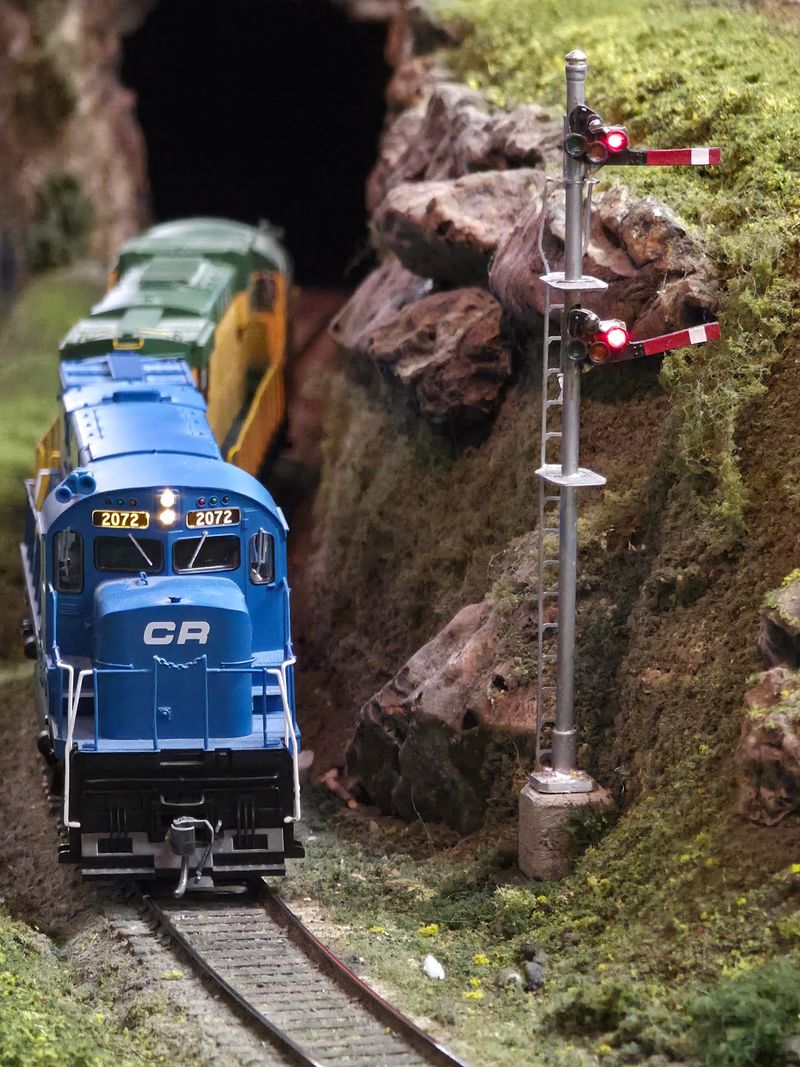
Big trains, big track, big personality. The Union Connecting is the society’s O scale layout, and it’s the larger of the two model sizes on display.
Its story follows a real route. The layout models a section of the Erie Railroad between Jersey City and Port Jervis.
That gives New Jersey visitors a fun local connection.
The main line has four tracks. Those tracks split apart and come back together at a spot called Ridgewood Junction.
Watching trains choose their paths there feels a bit like watching traffic at a busy intersection, minus the honking.
There’s more to explore beyond the main line. The layout includes two passing sidings, a roomy freight and coach yard, and a branch line.
Here’s a smart tip for families. Pick one train and follow it around the whole layout.
Kids love tracking where it goes, where it waits, and where it pops back out.
O scale models are larger than HO, so details are easier for younger eyes to spot. That makes this layout a great first stop for small visitors who want to see trains up close.
Count The Switches If You Dare
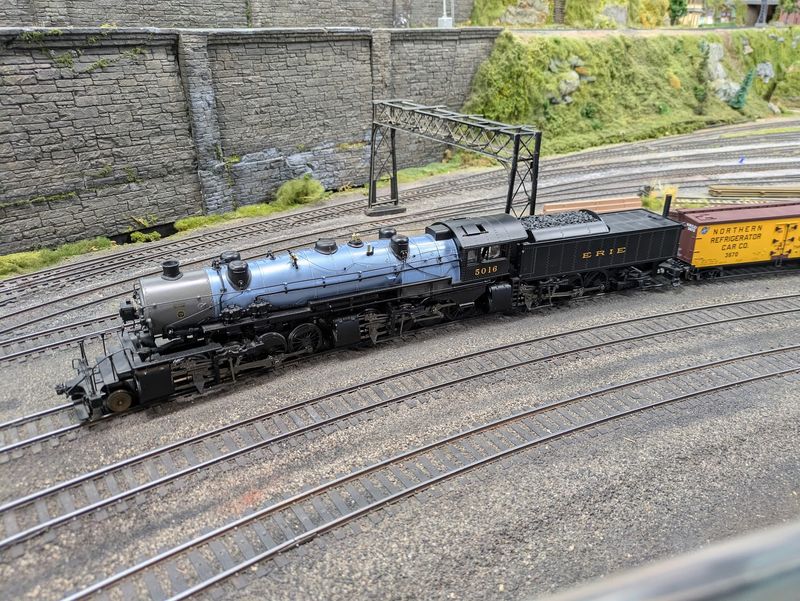
Twenty-eight double slip switches. Two hundred turnouts.
Those numbers belong to The Union Connecting, and they explain why the trains look so busy.
All of that track was hand-laid by members. Hand-laid means each piece was carefully put in place instead of snapped together from a box.
Altogether, the layout holds more than 17 scale miles of track.
So what’s a turnout? It’s the spot where one track splits into two, letting a train change direction.
A double slip switch is even trickier, letting trains cross and switch in several ways at once.
Kids may not care about the terms at first. Point out a train switching tracks, though, and watch their eyes follow it.
Suddenly the puzzle makes sense.
Adults who enjoy engineering will find plenty to study here. Every curve and crossing had to be planned so trains run smoothly without bumping into each other.
Try a fun family challenge during your visit. See who can spot the most switches in one minute.
Nobody will reach 200, but the hunt keeps everyone looking closely at the craftsmanship.
Little Trolleys Steal The Spotlight
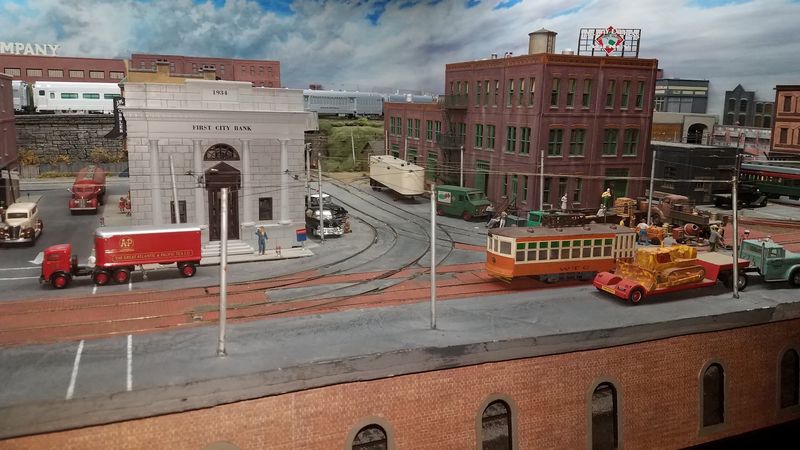
Not every star on The Union Connecting pulls a long string of freight cars. The layout also features an operating trolley system, and it adds a charming touch.
Trolleys were a common way to get around many towns years ago. Seeing them glide along next to big trains shows how different kinds of rail travel once shared the same landscape.
The contrast is the fun part. Heavy trains rumble along the main line while trolleys move along their own routes.
Your eyes keep jumping from one to the other.
For younger kids, trolleys can be easier to follow. They’re smaller, simpler, and often feel friendlier than a long freight train.
Grandparents might enjoy this part the most. Trolleys can spark stories about how people traveled in the past.
That turns a model display into a family history chat.
Here’s a little tip. Ask your kids to guess where a trolley is headed before it gets there.
It’s a simple game, but it keeps them watching longer and noticing small details along the route, like the streets and buildings it passes.
Northern New Jersey Shrinks Down In HO Scale
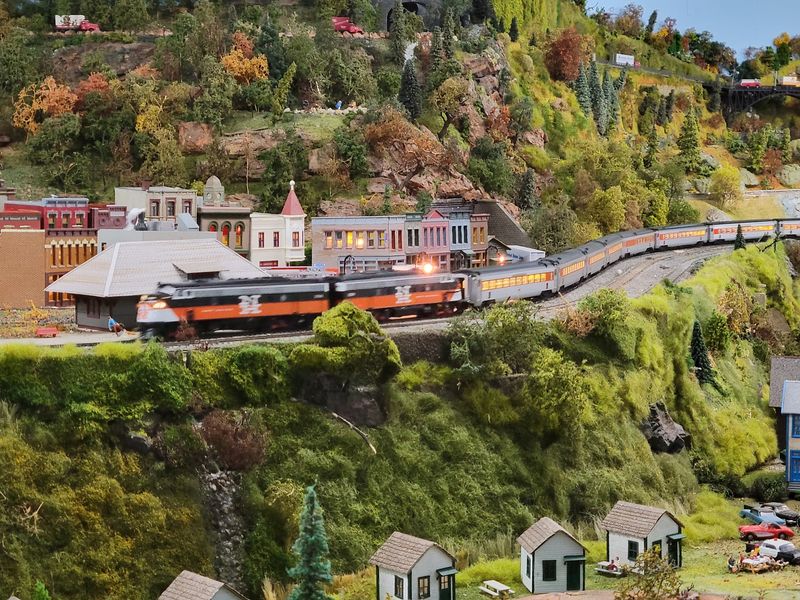
Roughly 30 by 45 feet of scenery waits on the second big layout. It’s called The Union, Hoboken, and Overland, and it runs in HO scale.
The inspiration comes from northern New Jersey. Members filled the layout with towns, villages, farms, and factories.
Tiny rivers and lakes add even more life to the scene.
Bridges and tunnels carry trains through it all. Miles of scale track wind across the landscape, so trains disappear and reappear in surprising places.
Then there are the trees. Members installed more than 50,000 miniature trees on this layout.
That’s a forest built one tree at a time, which deserves a round of applause.
You’ll also find passenger stations and rural crossings. These small touches make the world feel real, like you’re peeking at a sleepy Sunday morning from the sky.
Give yourself time here. HO models are smaller, so the best details reward slow looking.
Have kids hunt for a farm, a factory, a lake, and a tunnel. Checking off each one makes the layout feel like a giant treasure map.
Real Railroad Signs Hang Around Too
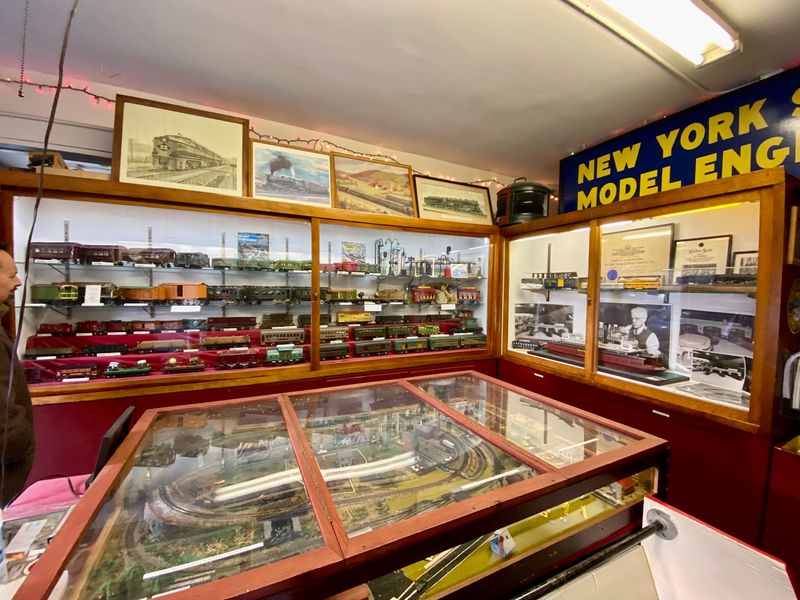
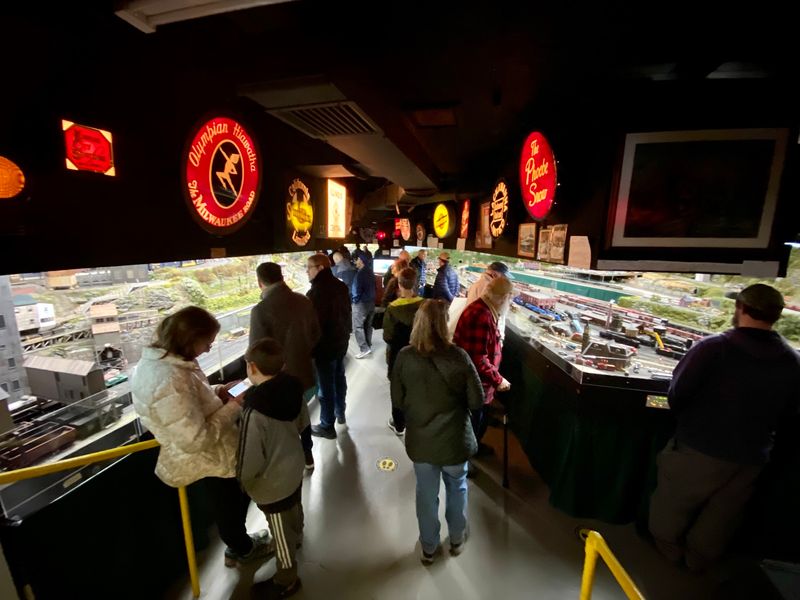
Trains aren’t the only treasures inside. The club building also displays a collection of drumhead signs from passenger trains of an earlier era.
A drumhead sign is a round, decorated sign that hung on the back of famous passenger trains. It showed off the train’s name, almost like a logo on wheels.
These signs are real pieces of railroad history. Seeing them next to the model layouts connects the miniature world to the full-sized trains that inspired it.
The building also holds displays of older model trains. Train lovers who enjoy history will want to slow down and look at those, too.
This is a nice spot for a breather. Little legs get tired, and the signs give everyone something to admire without leaning over a layout.
Try turning it into a quick quiz. Ask kids which train name sounds the fanciest or which sign they’d pick for their own train.
You might end up with a few creative answers. It’s a fun way to show that the New York Society of Model Engineers celebrates real railroads, not just models.
Free For Kids And Built For Short Viewers
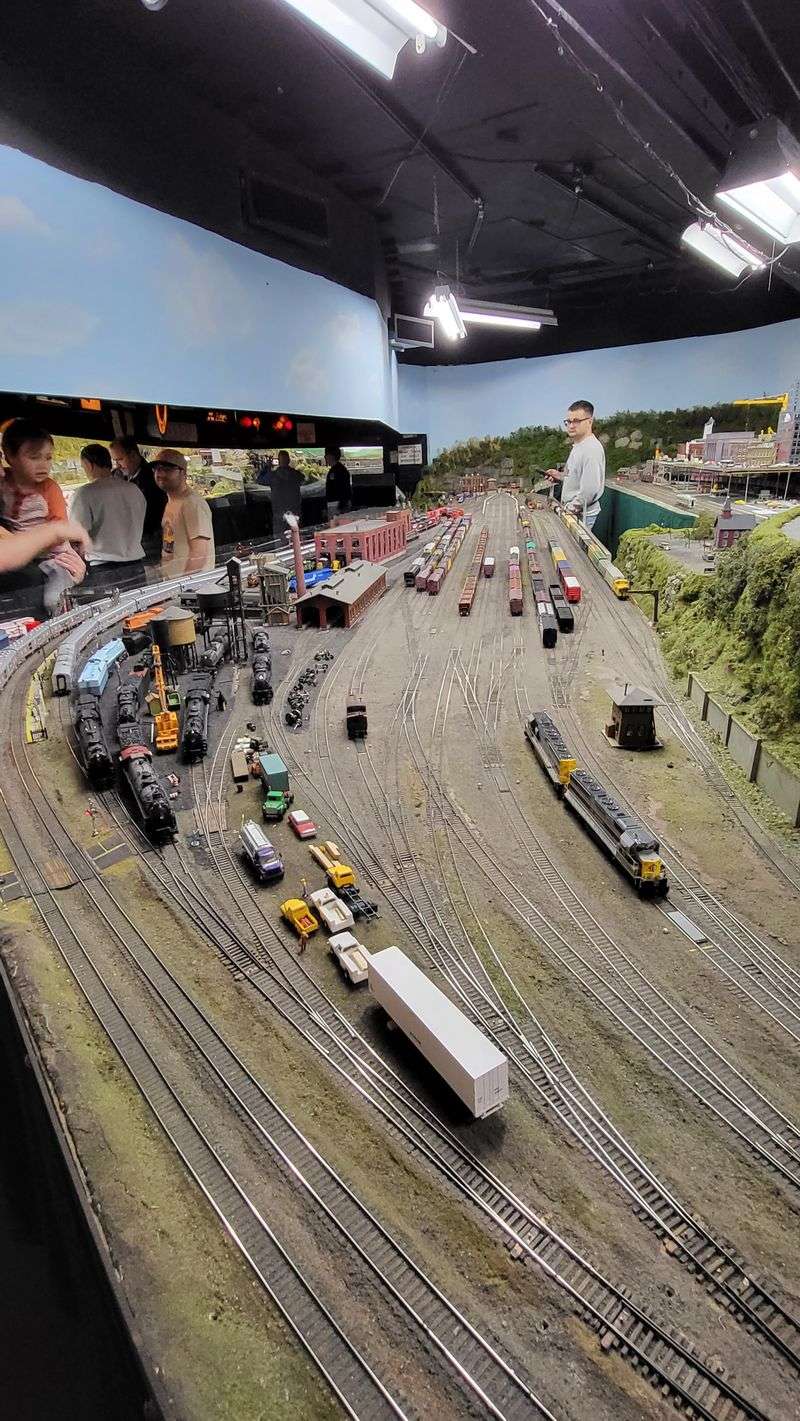
Kids 12 and under get in free to the Winter Train Show. That alone makes it one of the friendliest winter deals around for families.
The society thinks about little visitors in other ways, too. Step stools help children get a better view of the layouts.
No more lifting a wiggly kid for an hour.
Thomas and Friends often make an appearance at the shows. For the youngest fans, spotting a familiar blue engine can be the highlight of the whole day.
Members keep the trains running while visitors watch. Kids get to see real hobbyists at work, which can spark big questions and maybe a new interest.
A few tips help the trip go smoothly. Let kids lead the way between layouts so they stay excited.
Also, remind them to keep hands off the scenery, since everything is handmade.
This outing works well for mixed ages. Toddlers love the motion, older kids enjoy the details, and parents get a break from screens.
Free admission for the kids makes saying yes even easier when winter boredom hits.
Mark Your Calendar For These Winter Weekends
Timing is everything with this show. The Winter Train Show only happens on select weekends, so planning ahead pays off.
For 2026, the dates are Saturdays and Sundays on November 28 and 29, December 5 and 6, and December 12 and 13. That puts the fun right in the middle of the holiday season.
Outside of public shows, the club generally opens on Wednesday evenings. The winter weekends, however, are the special events designed for families and visitors.
Adults pay a modest admission fee, while kids 12 and under get in free. It’s an affordable outing when holiday spending starts adding up.
Here’s a smart move. Check the official schedule before heading out, since times and dates can change.
A quick look saves you from a disappointing drive.
Pairing the show with other holiday plans works nicely. A morning of model trains, then a cozy lunch nearby, makes for a relaxed family day in New Jersey.
Some families even make it a yearly tradition, which feels fitting for a club that’s been around this long.
Finding Your Way To Hoboken Road
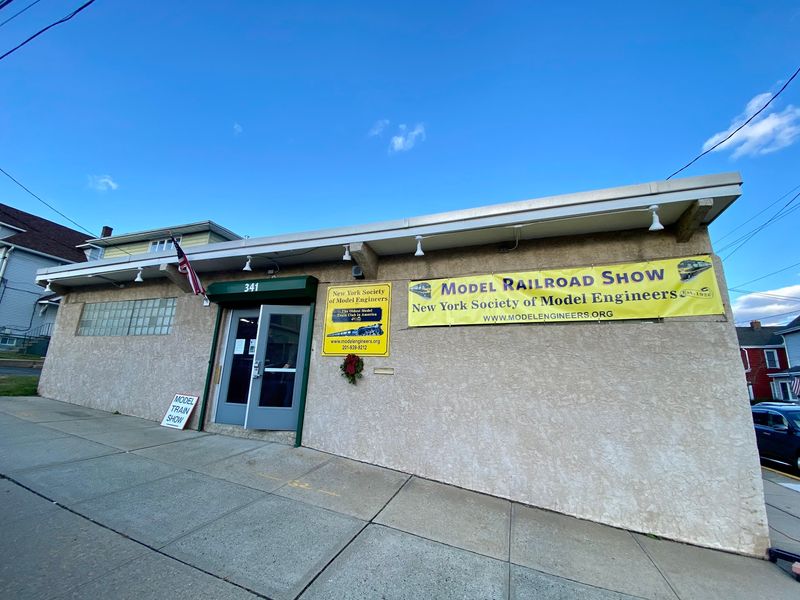
Getting there is easy once you know the spot. The New York Society of Model Engineers sits at 341 Hoboken Rd, Carlstadt, NJ 07072.
Carlstadt is in Bergen County, close to the Meadowlands. That makes it a reasonable trip for many families in North Jersey and the New York City area.
Parking needs a little strategy. The society has no dedicated parking lot, but visitors attending the winter show can use free additional parking at St. Joseph’s Church, 120 Hoboken Road, with the entrance on Vreeland Avenue.
Inside the society’s one-story clubhouse, visitors can explore two elaborate model railroad layouts, one in O scale and the other in HO scale. Plan on some stairs and some standing time while you explore.
Dress for winter, but think layers. You’ll be outside while walking from the car, then indoors enjoying the trains for a while.
Bring patience and curiosity, and you’ll be set. Ask members questions if they’re nearby, since they built these worlds and know them best.
A visit here feels like a peek into a workshop that’s been busy for nearly a hundred years. Not bad for one stretch of Hoboken Road.
